Category: Movies & TV & Theater

Movies & TV & Theater on The Jitney is Miami’s cultural corner booth, the one where the cortadito hits hard and the takes hit harder. This page is for people who live their lives between art openings, Heat games, and late-night arguments about whether the new A24 movie was genius or basura. Everything here moves with Miami speed. Reviews are not academic snoozers. They’re fast, emotional, sunburned dispatches from someone who has seen too much, feels too much, and still shows up for another round.

Miami movies and theater.

Film coverage jumps from Wynwood-indie-weirdo vibes to blockbuster spectacle at Dolphin Mall. TV gets the same locally-sourced treatment. Prestige dramas, trash TV, guilty pleasures you’d never admit at Panther Coffee but binge anyway at 2 a.m.

Miami movies and theater.

Theater, though — that’s where the page breathes. Broadway, Off-Broadway, tiny Miami rooms where the AC barely works. If a show risks something, if it tries, if it even thinks about having corazón, it finds a home here.

This isn’t some neutral critic voice. It’s Miami talking. Sweaty, loud, honest, a little chaotic, and deeply in love with storytelling — the kind that rearranges your soul, at least for the night.

  • Once-Upon-a-Time in . . . Save-Your-Money-Land

    Once-Upon-a-Time in . . . Save-Your-Money-Land

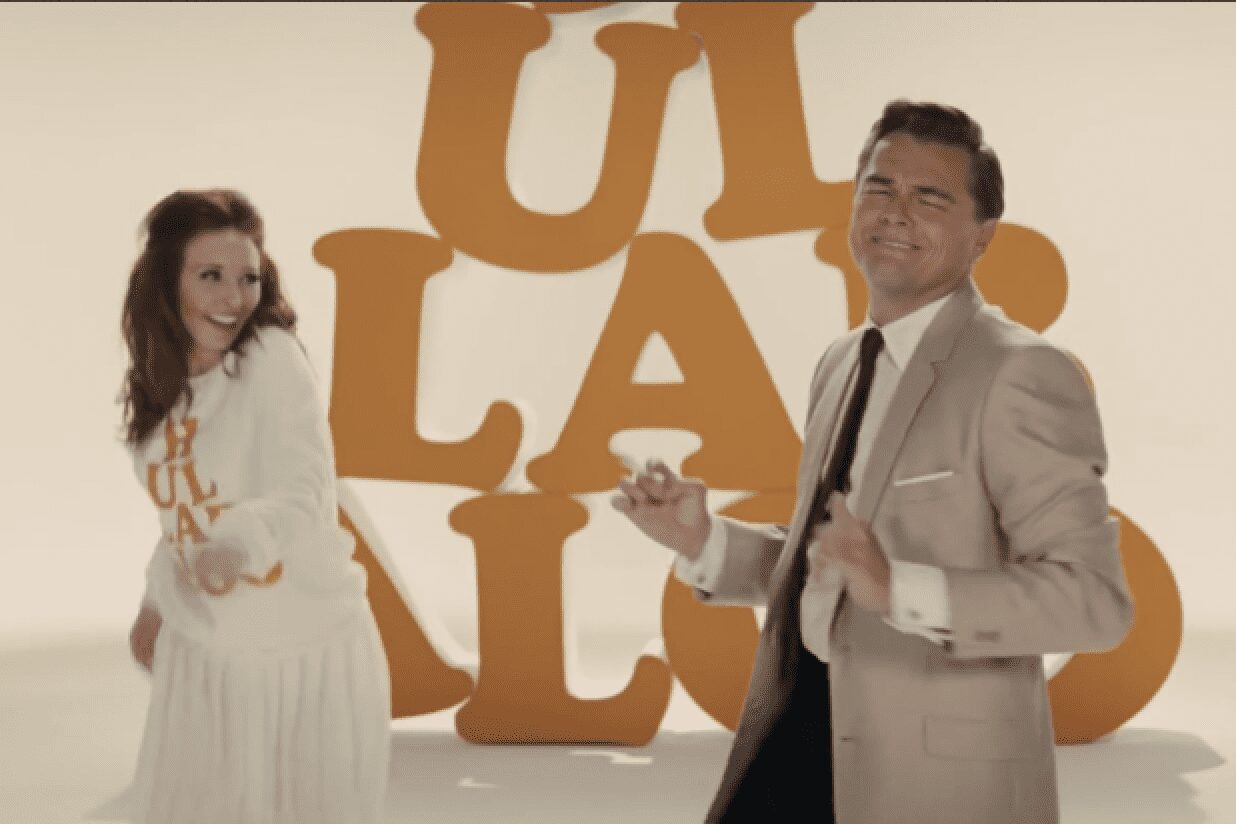
    Once Upon a Time in Hollywood is a solid movie. You might call it great if you possess an encyclopedic knowledge of late 1960’s pop culture.

    Quentin Tarantino’s latest is nuanced, quirky and pitch perfect when it comes to detail, such as costume, design and setting. The acting performances are superb across the board, not a shoddy actor in the film, especially Leonardo DiCaprio. Sounds amazing, right?

    It’s not.

    Once Upon a Time in Hollywood is also extremely slow-paced, meandering, historic yet far from edgy or innovative. The writing isn’t sharp, it might feel stale to many. The odes to spaghetti westerns and the heyday of Hollywood might also seem old to many.

    Once Upon a Time in Hollywood feels more like The History Channel than Netflix, more David Lynch that Quentin Tarantino.

    It’s hard to imagine anyone under forty who isn’t a die-hard cineaphile enjoying this movie. Time will tell. But it’s hard to imagine Once Upon a Time in Hollywood a box-office success.

    See it for yourself but it’s not as good as Pulp Fiction, Djhango Unchained, Inglorious Bastards, Kill Bill,  or Reservoir Dogs; however, it is better than Jackie Brown, Dusk Till Dawn and Hateful 8..

    (Spoiler)

    The movie does not flow like it should. It’s not cool like Pulp Fiction. Different yet inter-related story-lines unfold, but they don’t ever feel truly connected.  Like other QT movies, this does indeed re-write history but the re-writing of history pales in comparison to the scope of Nazi Germany or slavery, like Tarantino’s classics Inglorious Bastards and Django Unchained.

    Once Upon a Time in Hollywood . . .

    at 2 hours and 41 minutes is way too long for 2019 attention spans. The ending is by far the most exciting part. And there’s an old saying, if you get them in the end…something about winning. This movie wins the Best Movie for 50 Year Old’s & Up Award.

    Sometimes we like to gauge a movie by the audience reaction. We saw Once Upon a Time in Hollywood in Miami Beach at a media preview that was also open to the public. The theater was full, sold-out. There was a line around the block of waiting list hopefuls who were turned away. Good sign. After almost three hours, the movie ended with about 25% of the theater applauding.

    We liked it but according to the audience, Once Upon a Time in Hollywood is a solid meh. Not too bad for the last week of July.
  • Sword of Trust Is a Low Key Indie Charmer

    Sword of Trust Is a Low Key Indie Charmer

    “Maybe one of the worse movies made in the past decade.” I came across this grammatically questionable headline for Sword of Trust minutes after finishing the film. I was on IMDb, looking up the film’s director and actors when I scrolled too far and ended up in the pit of despair that is their review section. The sentiment didn’t particularly surprise me. Sword of Trust is small and meandering, a comedy that invokes the dreaded “q” word: quirky. It’s niche, and niche usually results in angry missives like the above. But taken on its own terms, it’s rather enjoyable.

    Though it has a screenplay credited to its director Lynn Shelton, along with Mike O’Brien, the movie is apparently improv-based. I feared this would lead to awkward pauses and meandering conversations from confused actors, but the cast is made up of pros who mostly skirt those issues and after a while deliver more than a couple of genuinely funny one-liners.

    The story finds happy couple Cynthia and Mary coming to Birmingham, Alabama for an inheritance from Cynthia’s recently deceased grandfather. They’re expecting his house, but instead receive a sword. The grandfather’s prized possession, he believed the Civil War era antique was definitive proof that the South actually won the war.

    Yeah, he wasn’t quite right in the head. Luckily, Cynthia isn’t on his wavelength. She tries to unload the sword at the nearest pawnshop, where they run into the shop’s curmudgeonly owner, Mel. Unsuccessful in convincing him of the sword’s supposed value, his interest is piqued when his conspiracy nut co-worker finds questionable people online more than willing to buy the artifact for good money. Soon the foursome band together to sell the sword to one of those dangerous individuals. A journey of self-discovery ensues that also questions why we sometimes believe the crazy things that we do.

    “Journey” might be a stretch.

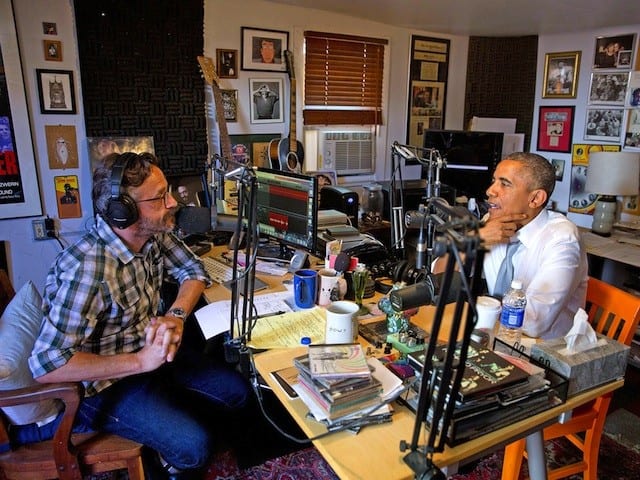
    Most of the movie features long conversations that take place in that pawnshop, a farm in the last act, and the back of a carpeted van without windows that ferries the protagonists between the two locations. This is par for the course for Shelton, who is associated with the mumblecore movement, a low-budget genre focusing on naturalistic dialogue and acting. And the dialogue, for the most part, is interesting here. Especially a monologue delivered by Marc Maron in the back of that windowless van, in which he soulfully recounts how he ended up in Birmingham and the endless off and on relationship with his currently ex-lover.

    The main difference between this and Shelton’s earlier work is the setting…which doesn’t make that much of a difference. Her previous films (Humpday, Laggies) mostly took place in the Washington state area, but here we’re in the South. But outside of a couple of short montages of the surrounding rural areas set to the film’s soundtrack of spare rock guitar noodling, the movie could have been filmed just about anywhere. Some of these sequences add a little color and a hint of atmosphere, but not enough.

    What elevates Sword of Trust is the cast and the charming, low-key humor.

    The reliable Toby Huss stands out again in a scenery-chewing bit as a tough country dandy. But the movie’s really a showcase for Marc Maron. I’m late to the Maron party, only discovering him recently on Netflix’s fantastic GLOW. I used that as a springboard into his famous podcast, WTF with Marc Maron. He’s great again here as Mel. Gruff but sweet, he carries himself as if the weight of the world is on his shoulders and he’s just resigned himself to it. This leads to humorous deadpan reactions like when he’s threatened by screwdriver point and seems more concerned with whether or not the culprit stole the improvised weapon from him in the first place.

    The low-key-ness works for the humor, but it doesn’t quite serve other aspects of the film. Conspiracy theories and why we might believe them are clearly on Shelton’s mind, but I didn’t notice any astute observations about either.

    Sword of Truth isn’t mind-blowing, but it’s definitely not one of the “worse” movies of the year. The low-key humor lends it charm, and the cast is appealing. If you like smaller movies, and if you’re a Marc Maron fan especially, I’d recommend checking it out.

  • The Farewell – The Movie that Will Make Anyone Who Had a Grandma Cry

    The Farewell – The Movie that Will Make Anyone Who Had a Grandma Cry

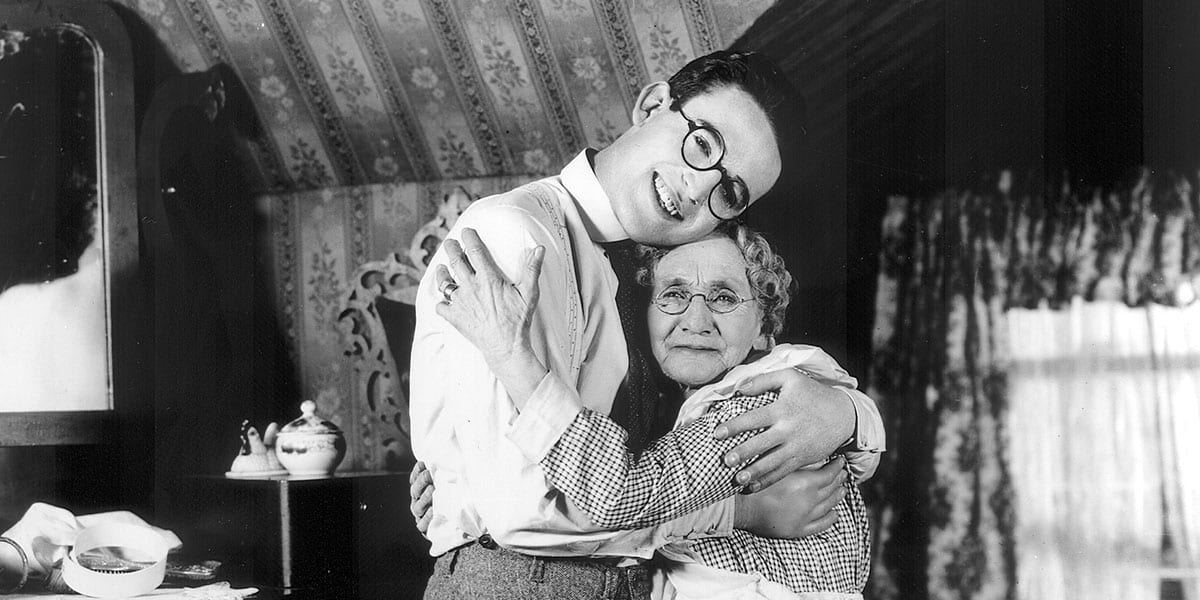
    I picked the wrong seat for the screening of the new movie The Farewell. I was smack dab in the center sitting in a row with lots of leg space, but then two older women who took advantage of the theater selling chardonnay sat down beside me. Suddenly I was in their living room as they commented on every aspect of this indie movie about a New York hipster who finds out her grandmother has cancer and that her family is getting together to visit the matriarch in China without telling her she’s dying.

    The chardonnay drinkers weren’t critiquing the movie or even heckling it. It was more like  they were conversing with the screen. Like when the family was eating dumplings they’d say, “Mmmm that looks good.” Or when a relative was getting drunk because he couldn’t figure out how to express the sadness he wasn’t allowed to express to his dying grandmother one lady would say, “He’s getting tipsy,” while the other would add, “Boy can’t hold his liquor.”

    In hindsight their constant chatter had me laughing more than the movie did.  The Farewell is one of those quirky dramedies like LIttle Miss Sunshine  light on laughs and heavy on tears. But The Farewell features one important and redeeming difference, it introduces you to a Chinese culture foreign to most Western eyes.

    While the character interactions and the premise where the family holds a sham wedding so the grandmother doesn’t catch on she’s the reason they gathered in China seem to be ripped out of a random subtitled episode of Everybody Loves Raymond, the movie does take you to unique places. There’s a scene where they visit the grandfather’s grave that’s worth the price of admission alone and allows you to forgive that many of the characters are underdeveloped caricatures.

    But the ultimate compliment to The Farewell is the last few minutes had the chardonnay drinkers completely silent as they watched the scene which gives the movie its name. I assume their silence was because they were choked up, but I was too teary eyed to confirm.

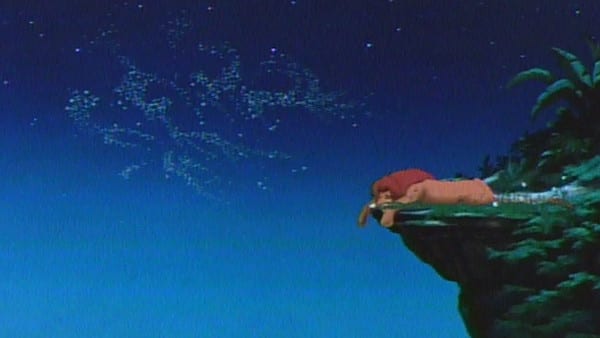
  • The Lion King Enters Movie Theaters with a Whimper Not a Roar

    The Lion King Enters Movie Theaters with a Whimper Not a Roar

    With the money Disney’s making off the live-action remakes of its animated films, it was only a matter of time before they put their Midas hands on The Lion King, the apex of their so-called Disney Renaissance. Oh, this new version will make a killing at the box office alright, but like its live-action predecessors, it will be quickly forgotten. Lethargic, listless, and utterly pointless, this Lion King is a whimper, not a roar.

    Reviewing the Broadway version of The Lion King a couple of months back, I boiled the plot down to Hamlet with animals. I’ll stick with that description. You’ve probably seen this movies a million times and know the plot by heart already. If you haven’t, why would you be interested in a remake? This one’s strictly for nostalgists. The movie adheres so slavishly to the original, the only enjoyment comes from “Hey I remember that.” Though you’ll probably add the addendum “…and it was so much better before.”

    Earlier, I called The Lion King live-action.

    Well, “live-action” is more accurate. With the new film’s reliance on CGI, it’s as animated as the original, just animated in a different way. Though taking place in the African savanna, the movie was filmed in a studio, utilizing green screen and computer generated animation. The visuals are ultra-realistic, and on a technical level, they are a marvel: digital sleight-of-hand creating photorealistic animals and locations. But is reality better than the vivid primary colors of the original?

    And director John Favreau goes too far with his realist bent. The animals here, basically, behave purely like animals. That’s true of the hand-drawn original also, which did something similar, but only to a point. In the ’94 version, lions didn’t walk on two legs nor use their paws to hold objects, but they were animated with super-expressive faces. Here, the animals only make faces animals could make. This limitation is admirable until you realize they use the same dialogue and style of voice acting from the original. That means you have very human voices, very human emotions coming from the relatively impassive faces of animals, leading to a weird uncanny valley effect where the voices float over the images rather than being a part of them. It’s like a bunch of famous actors talking over National Geographic footage.

    It doesn’t help that the voice work is weak. Animated movies usually have their actors record their dialogue separately, isolated in a sound booth. If done well, you’ll never notice. Here, you’ll notice. Something’s off. It’s like the animals are talking to themselves rather than part of a conversation. When they spoke all I could picture was an actor alone in a sound booth spitting into a microphone. It doesn’t help that some of the acting’s phoned in. Beyonce Knowles sounds like she’s reading a grocery list. Donald Glover sounds like he’s squeezing in a quick sesh before working on his next Childish Gambino album.

    Favreau’s staging of memorable sequences from the original is equally dull and listless. I haven’t seen the original since ‘94, but I still vividly remember the stampede sequence. The dramatic angles that emphasized the height of the jutting, hilly terrain, that image of hundreds of wildebeest charging like a wave over the crest of a hill into the valley, that Hitchcockian zoom onto Simba’s terrified face as he sees the approaching horde, nothing like that is in the remake (remember, these animals can’t have terrified faces). The wildebeests here look real, but they seem to be trotting through a tiny valley more than charging. The breathtaking backdrop that sets the stage for a major plot point is just an afterthought here.

    Watching The Lion King I noticed an oppressive silence.

    No audience laughter, excitement, nothing. “They’re hating this,” I thought. But the rapturous applause and diligent fawning afterward proved otherwise. Weird. Eric Idle once told a story about a live Monty Python stage show he did that went disastrously until he realized the lack of laughter from the audience came from their familiarity with the famous routines, not from a disdain for them. They simply mouthed along, word for word, so enraptured by the familiar they weren’t actually reacting. I think that’s what happened with this new Lion King. The audience was so familiar with the original they just mimed along with the new one, watching to see if it hits all of the familiar beats. No need to react. Been there. Done that. And that’s all they wanted: the old with a new coat of paint. Me? I’m just fine with the old paint.

  • Shangri-La and Rick Rubin Pinch the Fannies of our Ideas

    Shangri-La and Rick Rubin Pinch the Fannies of our Ideas

    Shangri-La is a four-part Showtime documentary about music producer Rick Rubin and his super zen, hit factory of a music studio in Malibu, California. Director Morgan Neville (Won’t You Be My Neighbor?) and Rubin create a fantastic, inspiring, reflective documentary, a Christmas gift in July for creatives. The show is a behind the scenes look at not only the music industry, but also more importantly the creative process. Creativity, in its purest form, is transcendental, pure, collective, raw, even funny but not in a humorous way. Funny like, oh shit, that really happened. Like, we did that ha.

    Creativity is also omnipotent, timeless and very stressful at times.

    It is also, rather unfortunately, a business.

    Shangri-La and its primary subject Rick Rubin know this all too well.

    Shangri-La & Rick Rubin the Beastie Boy Rick Flair Magi?

    Who is Rick Rubin?

    Like Tyler the Creator says in the first episode, we didn’t know shit about Rick Rubin. We thought he was a Beastie Boy and knew he started Def Jam. And there is mythology. It’s hard to say you will get the feeling that you know Rick Rubin after watching the documentary, but Shangri-La is not really about a specific soul, it’s about the process of using the soul to create. And this innovative series shows us the spiritual side of creativity.

    Shangri-La does a solid cinematic job at delivering the zen message of “there is no such thing as time or space” while at the same decibel acknowledging and reflecting just how important history is.  And yeah, there’s the music.

    Shangri-La Reduces Creativity

    Once upon a time we met & befriended this dude Dave Tompkins who wrote this crazy book How To Wreck a Nice Beach, which is a non-fiction tale about the vocoder, a voice altering machine used during World War II. Now the technology is standard in music and communication.

    Shangri-La is reminiscent of the vocoder. It distorts your frequency while bending to the edge what we can articulate and receive as creative humans.

    It’ll inspire you.

  • Maiden Documents the Power of the Ocean and of Women Conquering It

    Maiden Documents the Power of the Ocean and of Women Conquering It

    “The ocean is always trying to kill you. It doesn’t take a break.” is the dialogue that the new documentary Maiden begins with. That line spoken by Tracy Edwards, the skipper of the first all female crew to sail an around the world race,  is repeated later in the movie as well. But the more interesting and thematic words come mid-way  through the film. Edwards is shown in an interview from 1989 where she insists she’s not a feminist. In fact, she says, she hates the word “feminism”.

    Upon 30 years of reflection an older Edwards admits the act that earned her the right to be the subject of a documentary was feminist. But the younger Edwards didn’t see what she was doing as groundbreaking. She just wanted to take part of the prestigious  Whitbread Round the World Race that would have no part of her. And so she organized an all-female crew. And what started off as a novelty, ended nine months later with her becoming the first female winner of the Yachtsman of the Year Trophy.

    The movie spends the first half hour attempting to paint a portrait of Edwards. That portion of the movie doesn’t dive too deep, and is thus a bit of a bore. But once the race begins and Edwards has organized her boat, Maiden, and her crew, the movie becomes riveting. The archival footage demonstrates the hardships of how this was no pleasure cruise. The  southern leg of the race in particular where the yachts swim as close to Antarctica as the icebergs and subzero temperatures will allow is especially fascinating.

    It would have been interesting for the filmmakers to go into more detail of the ins and outs of day to day sailing. Fleshing out the stories of the other women on Maiden would also have made the movie a better. But one undeniable fact is Maiden does a majestic job of demonstrating the power and fury of the ocean. Not everyone makes it out of the race alive. Another causality of the race was the idea that women couldn’t sail with the best of men.

  • Is Midsommar a Cinematic Masterpiece or Pretty Trash?

    Is Midsommar a Cinematic Masterpiece or Pretty Trash?

    There are moments of genuine beauty in the new movie Midsommar. It features exciting, unique camera work. There are exotic locales, and you are taken to a world I can’t remember cinema taking me to before. That should be enough for any moviegoer. And it is. Midsommar is a worthy viewing experience for anyone without a squeamish stomach.

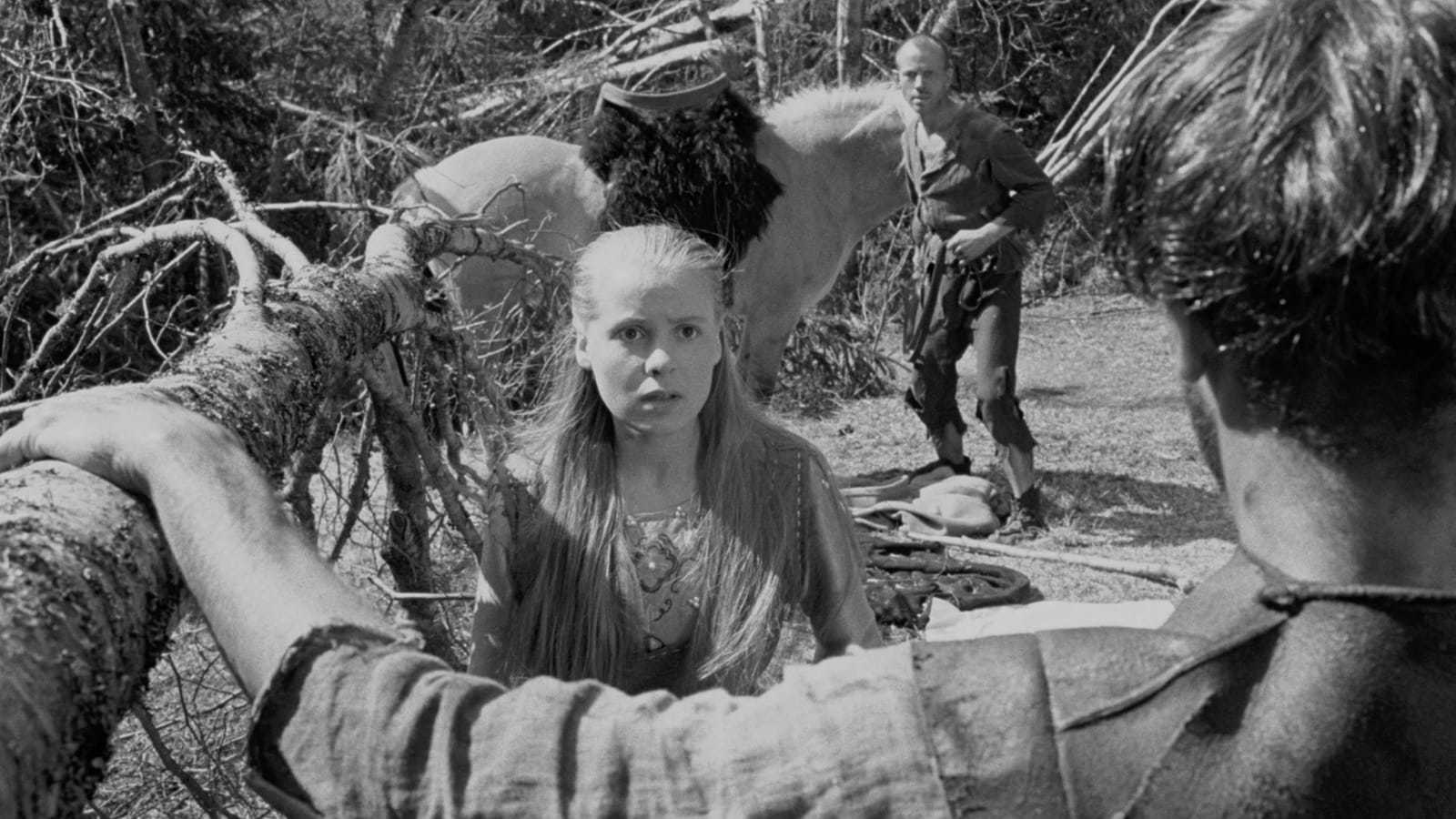
    But there was a moment when Midsommar seemed it might be transcendental. Early in the movie we are introduced to a character named Ingemar. Among the picturesque scenic hills of Sweden and after an amazing trick of the camera where the screen flipped and we watched a car driving on a road from an upside down perspective, I thought the character might be a nod to the Swedish master of film Ingmar Bergman. During that moment I was ready for Midsommar to be a deep, powerful movie worthy of  Bergman’s name.

    I don’t think it achieved such hallowed heights. Though it might have. And that such a discussion can take place is a credit to Midsommar‘s filmmakers. But after much consideration I think at its heart Midsommar is actually a schlocky horror film dressed up as a work of art.

    The movie starts off with an unimaginable tragedy. It then follows the familiar horror trope of five young, mostly attractive people taking a trip into the woods. These woods are in Sweden and its citizens prove to be sadistic enough that I believe the Sweden tourism board could sue the filmmakers for affecting their economy. The Americans have come to bear witness to a festival held every 90 years. The rituals quickly prove to be as deranged and brutal as we imagine the past to have been.

    There was much to impress in Midsommar, especially on a technical level. Many of the shots are brilliantly and memorably composed. Some of the transitions from scene to scene are cleverly edited, but the major flaw is in the characterizations of the Americans. It doesn’t get quite to the level of causing viewers to yell at the screen, “Don’t go in there, you idiot,” but it gets close.

    But there was enough creativity to this movie that I am willing to accept I could be wrong. Perhaps Midsommar is a masterpiece. And one day in the far future a movie will feature a character named after Midsommar‘s director as a means to signify depth and intelligence.

  • Spider-Man: Far from Home Is Far from Great

    Spider-Man: Far from Home Is Far from Great

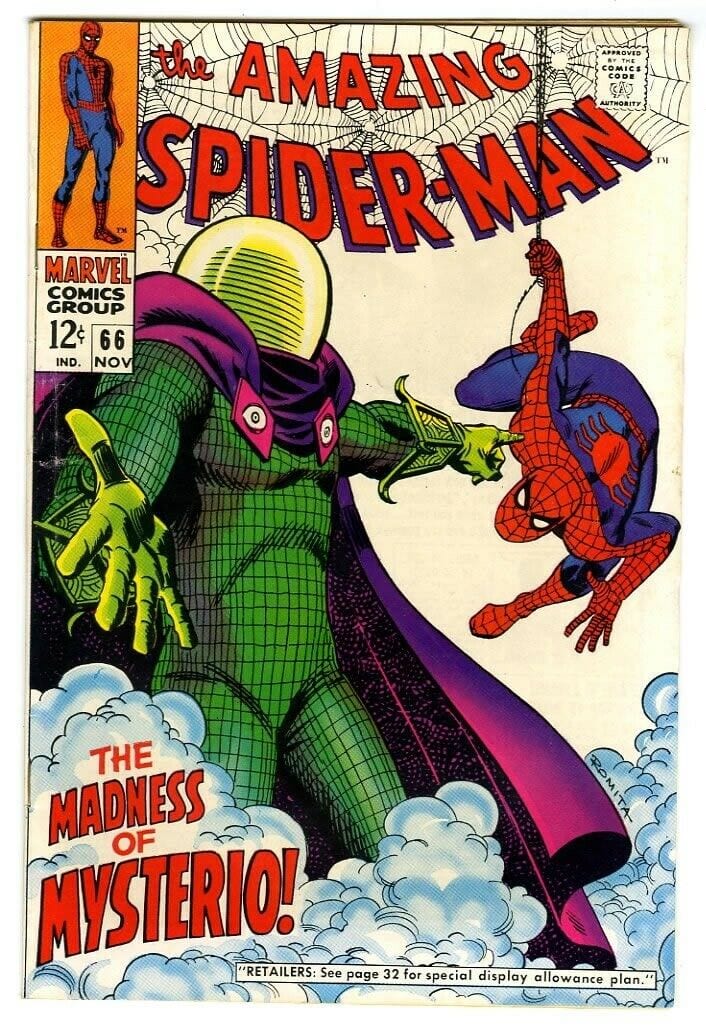
    Spider-Man: Far from Home isn’t close to objectively bad, but somehow it still left me a little disappointed. And I’m afraid it’s a personal thing more than anything else.

    The story picks up eight months after the dramatic events of Avengers: Endgame. Peter Parker has been back in high school and summer vacation looms. After the stressful years the young superhero has had, he just wants to hang up his Spider-Man suit, relinquish his superhero duties, and be a normal teenager for once. And if he can profess his like for MJ, that would be great.

    He’s looking forward to a school science trip abroad with MJ, his best friend Ned, and other familiar faces from the last Spider-Man movie. Problem is, Nick Fury is trying to recruit him for a new defense force since the world’s superhero rosters have been left a little anemic. No matter how much Spidey resists, though, Fury doesn’t take no for an answer and begins interfering with his trip through Europe. The only sympathetic member of Fury’s new team is Quentin Beck, a mysterious warrior from an alternate dimension who’s in our world chasing elemental monsters (made of water, fire, etc.) that have already destroyed his. With Parker in serious need of guidance and a father figure, he bonds with the new hero immediately and reluctantly joins the fight.

    Of course there’s more to Quentin than meets the eye, and if I have an objective problem with the movie, it’s him. But I can’t really describe these issues because that would give too much away. Though, frankly, the film’s secrets were obvious since the film’s first trailer, and what I’d be spoiling isn’t all that interesting. Thematically, these reveals do make sense and tie in nicely with all that’s come before and with the emotional state our main character. But they’re just a little too obvious, with little payoff. I hoped there might be more to it, something a little more complicated. Instead, the reveals just gave me a sense of déjà vu harkening back to the The Incredibles and the weaker elements of Iron Man 3.

    The Iron Man 3 comparisons seem especially apt. A major complaint for that film was the lack of Tony Stark in the Iron Man suit. In a way, that issue is here too. There’s very little Spidey in his classic costume in Spider-Man: Far from Home. Scratch that, there’s almost no Spidey in his classic costume in Far From Home. There are a myriad of outfits, from simply hiding his face with a Venetian mask, to an all-black stealth suit in another fight, to finally something close to his classic suit in the finale. But that classic Spidey element I was hoping for was missing.

    Spider-Man: Far from Home‘s action sequences are lacking.

    The action is technically impressive, a massive fight in the canals of Venice with giant waves destroying the old buildings comes to mind, but it’s missing something: Spidey’s unique high-flying, swinging abilities. Part of that problem has to do with the locales. Venice and Prague don’t exactly have high rises to acrobat around. But there’s also an air of the perfunctory about these sequences. They feel more like a list checked off by talented artists on a computer than anything truly exciting.

    But, you know what? From a perspective of fun, Spider-Man: Far From Home still delivers the goods. It’s still as light and funny as its predecessor, which is nice after the high drama of Infinity War and Endgame. And the game cast is as appealing as ever. Holland continues his expert balance of boyish naiveté and superheroics here. And I liked Zendaya’s unique interpretation of MJ, who seems deeply confident in her awkwardness. There’s also an unexpectedly trippy sequence late in the film that was equal parts surprising and imaginative.

    Sadly, my lukewarm response (though really, it’s more warm than luke) has more to do with how much I liked the last Spider-Man movie, Homecoming, than anything else. I probably wanted a simple redux of that film. I know that’s ridiculous, but here we are.

    Listen, Spider-Man: Far From Home, despite my quibbles, is still a good time at the movies. At the risk of confusing my superheroes, this Spider-Man may not be the movie I wanted, but it’s the Spider-Man movie that we deserve.

    Note: There are two post credit sequences. I highly recommend you stay for both.

  • Yesterday Is As Drab As a World Without The Beatles

    Yesterday Is As Drab As a World Without The Beatles

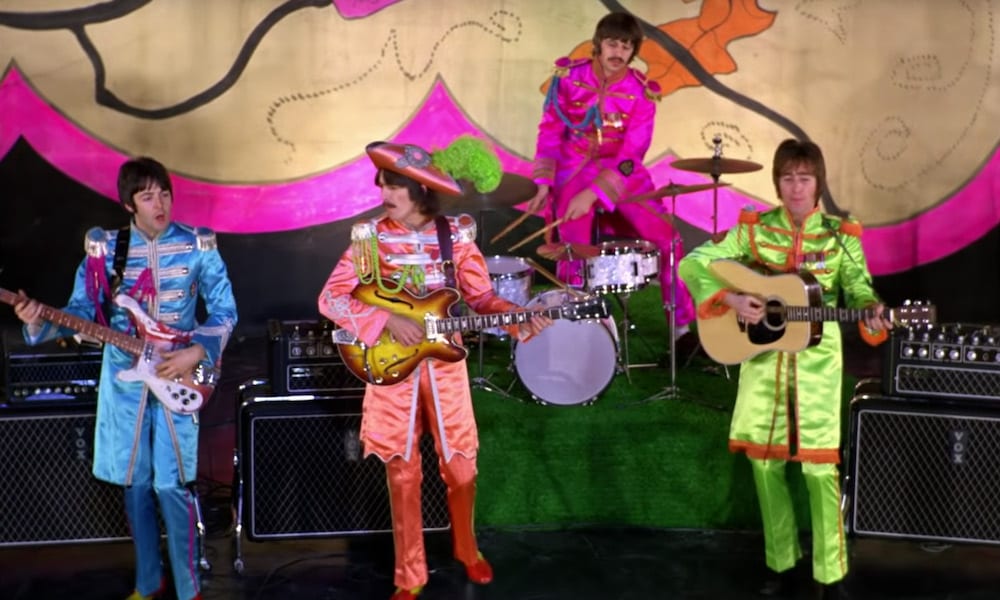
    Sometimes great ingredients still don’t make a good dish. I love director Danny Boyle’s films (Trainspotting, Slumdog Millionaire). I really like writer Richard Curtis’ work (Four Weddings and a Funeral, Notting Hill), and of course I love The Beatles. So how could an amalgamation of these three talents spit out something as weak as Yesterday? Unmemorable and repetitive, Yesterday should have been left in the past.

    Jack Malik is a struggling musician. His best friend, Ellie, manages him on the side and is moon eyed in love with Jack, not that the self-involved singer realizes it. Riding his bicycle home in a huff (Jack always seems to be in a huff) after yet another failed gig, something odd happens: A 12-second black out around the world. In that moment of darkness, Jack is hit by a bus. He survives and after getting out of the hospital, everything’s back to normal.

    Or so it seems. Meeting with friends to celebrate his recovery, Jack makes a strange and idiosyncratic discovery. The existence of the Beatles has been wiped completely from this rebooted world. Only our protagonist is able to remember them. With their majestic songs at his disposal, Jack embarks on a new musical journey, which sees him quickly becoming a global sensation. But as his fame rises, so does his guilt, driving a wedge between Jack and Ellie.

    Yesterday‘s central premise is fun and kooky.

    Unexplainable, you just have to go with it. But the movie doesn’t go far enough, and certainly has no fun with it along the way. This isn’t Being John Malkovich, which took its ridiculous central premise and ran with it, building and building with reckless imagination. The best thing Yesterday comes up with is a good running gag that has Jack continuously realizing all of the subtle changes that have happened since the flicker. The soda wars may not have happened in this new universe, nor do people have to worry about nicotine addiction. I laughed when Jack finds out that Oasis, the famously Beatles indebted rock band, doesn’t exist anymore either because, how could they? Other than that, Yesterday doesn’t have much imagination. It is, simply, a romantic comedy. I love romantic comedies. Sadly, this is not a very good one.

    Jack is a drip. Maddeningly impassive, he simply drifts through the myriad opportunities thrown his way and then complains about them. Patel’s performance just reinforces that drippiness. Severely underplaying the role, when he doesn’t stare incredulously, he  whines endlessly. This cuts into the film’s romantic notions, as you can’t fathom for a second why a kind, gentle, lovely person like Ellie would ever fall hopelessly in love with such a self-involved wet blanket. I guess, according to the movie, girls just can’t resist a guy and a guitar, no matter how much he sucks otherwise.

    Early on Yesterday flirts with a clever notion but abandons it quickly.

    When Jack begins playing all of the Beatles songs that he can now claim as his own, nobody cares. Let’s be honest, that’s probably what would happen. Of course, before long the movie finds Jack hailed the world over as a genius while people experience Beatlemania, or Malikmania in this case. Never mind that his interpretations aren’t particularly engaging. The movie never realizes that the original artists, John, Paul, George, and Ringo, and their ridiculously magnetic personalities, are just as important to the music’s success as the songs themselves. The Beatles’ catalogue, great as it is, wouldn’t gain much traction when performed by a crybaby. Of course, if the movie realized this, there wouldn’t be a movie. Maybe, this wasn’t a premise worth exploring.

    The direction by Danny Boyle contains a lot of his tricks: superimposed, colorful titles that cover the screen, extreme camera angles, etc., but it all comes off listless here. Energy without enthusiasm. Red Bull without Hennessy. The movie’s not a total waste. Some jokes do land, and Lily James is wonderful as Ellie. Otherwise, Yesterday is simply overly long and repetitive. The last hour consists almost solely of Jack reaching a new level of success, feeling bad about it, then complaining about it, with every new disappointment set to the same piece of ambient-ish music, over and over. Jack never once enjoys the gift he’s been given, and his constant morose attitude derails the film early on. If he never enjoys himself, how can anybody expect us to?

  • Sequel Time – The Fall of the American Empire & Toy Story 4

    Sequel Time – The Fall of the American Empire & Toy Story 4

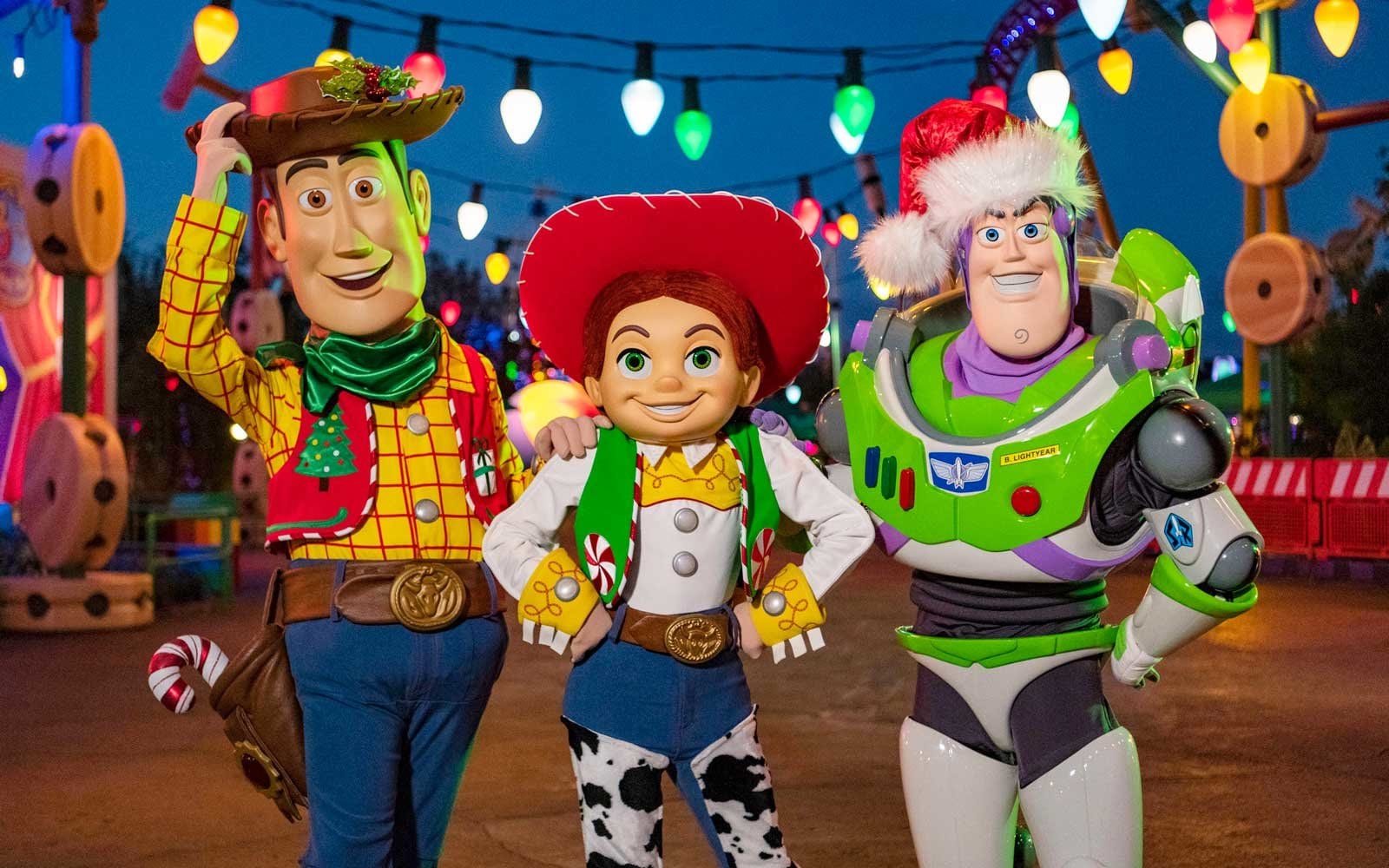
    Toy Story 4

    There is a literary theory that the passage of time is the true subject of all stories. That theory goes double for Toy Stories.

    The animated stars of the Toy Story movies, these toys that only come alive when nobody is looking, have become the spiritual descendents of Shel Silverstein’s The Giving Tree. They are children’s entertainment who from a parent’s perspective seem to only exist to make adults teary eyed about how fast it all goes.

    No matter how many times I see the end of  Toy Story 3 waterworks pour as Woody, Buzz Lightyear and the rest of the toys are handed off from their original, now grown up owner to another kid. Toy Story 3 seemed like a natural endpoint for the franchise, but with more dollars to squeeze out of our pockets and more tears out of our eyes, we have Toy Story 4.

    If you’re a sap like me Toy Story 4 is a freaking delight. Even if it’s going to make you use up all your handkerchiefs and even your sleeves. As in every one of their other movies the toys in Toy Story 4 find themselves in an adventure where although their sizes are small, the stakes are still high. They meet new friends and adversaries, find themselves in humorous situations and throw in some positive messages. Parents will see the toys as avatars for themselves. So when you see it with your kid make sure to bring some petty cash for afterwards where you’ll feel duty bound to blow it all on toys.

    The Fall of the American Empire

    Denys Arcand’s new movie The Fall of the American Empire, is also supposed to be a sequel, but I couldn’t find the link (beyond the title) with the director’s acclaimed 1986 movie The Decline of the American Empire.

    The Fall of the American Empire starts off more like an early Quentin Tarantino movie with a witty monologue set in a diner followed by a botched robbery. And for the first hour or so the French language movie set in Montreal, Canada delved into interesting territory. It has all the elements of a French New Wave movie with a girl, a gun, and a protagonist spouting out philosophical queries on his unhappiness. Then all of a sudden it decides to transform into a season of Breaking Bad, but cramming ten episodes into one hour.

    The movie’s hero has a PhD in philosophy and a heart of gold. He stumbles into millions of Canadian dollars. Instead of exploring any deep themes that you would guess from the movie’s title or the opening monologue,The Fall of the American Empire becomes a procedural on how to launder money while cops and criminals are searching for you. Watching him get away with a victimless crime is a decent enough way to escape two hours.

    But if the Toy Story movies have taught us anything, it’s that nothing is more valuable than our time.