Category: Movies & TV & Theater

Movies & TV & Theater on The Jitney is Miami’s cultural corner booth, the one where the cortadito hits hard and the takes hit harder. This page is for people who live their lives between art openings, Heat games, and late-night arguments about whether the new A24 movie was genius or basura. Everything here moves with Miami speed. Reviews are not academic snoozers. They’re fast, emotional, sunburned dispatches from someone who has seen too much, feels too much, and still shows up for another round.

Miami movies and theater.

Film coverage jumps from Wynwood-indie-weirdo vibes to blockbuster spectacle at Dolphin Mall. TV gets the same locally-sourced treatment. Prestige dramas, trash TV, guilty pleasures you’d never admit at Panther Coffee but binge anyway at 2 a.m.

Miami movies and theater.

Theater, though — that’s where the page breathes. Broadway, Off-Broadway, tiny Miami rooms where the AC barely works. If a show risks something, if it tries, if it even thinks about having corazón, it finds a home here.

This isn’t some neutral critic voice. It’s Miami talking. Sweaty, loud, honest, a little chaotic, and deeply in love with storytelling — the kind that rearranges your soul, at least for the night.

  • Yurina Gil on Running for Congress in Florida District 26

    Yurina Gil on Running for Congress in Florida District 26

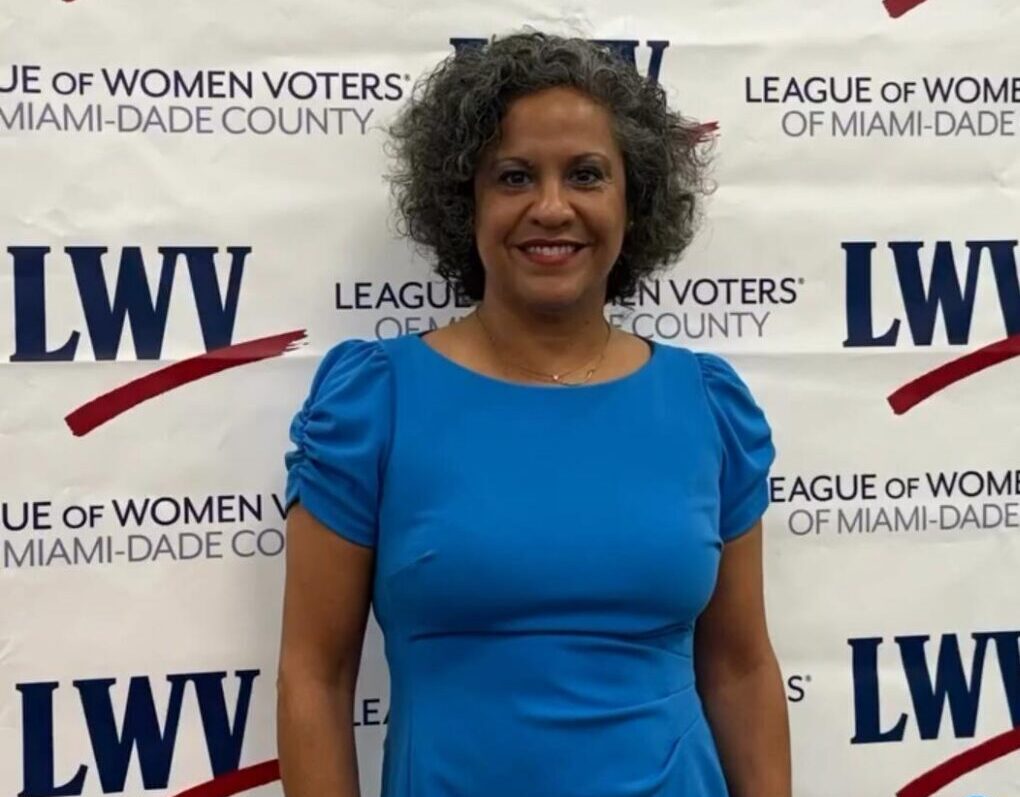
    Yurina Gil is running for Congress in Florida District 26 because she escaped a dictatorship in Cuba and doesn’t want to see her adopted homeland fall prey to another. Her priorities are for Democrats to regain control of the House of Representatives, then begin to work to bringing stability back to Washington, DC. and affordability to her constituents by focusing on real policies that that improve the quality of life for all Americans. Here are 10 questions with the candidate. She hopped on The Jitney to answer ten questions.

    Why are term limits so important to you?

    Yurina Gil: Term limits are important to me because our government works best when public office remains centered on service rather than permanence. While experience and institutional knowledge matter, long periods in office can create systems where power becomes concentrated and elected officials become more focused on maintaining positions than responding to changing community needs. Fresh perspectives and new voices are essential for innovation and accountability. Term limits can help reduce the influence of entrenched political structures, encourage greater civic participation, and create more opportunities for diverse leaders and underrepresented communities to contribute to government. The goal is not to diminish experience, but to ensure our institutions remain responsive and dynamic.

    What would you propose for Congress and judges?

    For Congress, I would support a reasonable balance between continuity and renewal. Members need enough time to develop expertise and build effective coalitions, but there should also be opportunities for new leadership to emerge. I would support exploring constitutional approaches to term limits that preserve institutional effectiveness while preventing indefinite political entrenchment. I pledged to set a 3-term limit or 6 years for Congress and 2-term limit or 12 years for the Senate. Ultimately, I think the tenure for congress shouldn’t exceed 10 years. I also believe that implementing term limits does not mean losing valuable experience and institutional knowledge. Former members of Congress can continue contributing in a more passive or advisory roles—serving as mentors, policy advisors, or resources to newer members entering public service. Their experience and expertise can still provide value while allowing fresh leadership and new perspectives to take on active governing responsibilities.

    For the Supreme Court, I support examining fixed terms rather than lifetime appointments.

    Lifetime appointments were intended to protect judicial independence, but over time they have created a system where vacancies can become highly politicized and unpredictable. A more structured process could maintain judicial independence while creating consistency and public confidence. Any changes should be pursued carefully through proper constitutional and legal channels. The Constitution says federal judges, including Supreme Court justices, serve during “good Behavior,” which has traditionally been interpreted as life tenure. Because of that, many constitutional scholars argue that true term limits for Supreme Court justices would require a constitutional amendment.

    However, some legal scholars and reform proposals argue there is another possible path: keeping lifetime judicial service intact but creating an “active service” period (for example, 18 years on the Supreme Court) followed by a senior-status role where the justice remains a federal judge but no longer serves as an active Supreme Court justice. Supporters argue Congress could potentially do this by statute, though it would almost certainly face constitutional challenges.

    Why is the issue of affordability so important to you?

    Affordability isn’t just an economic issue, it’s a daily struggle for families, seniors, and young people in Florida. High prices for housing, healthcare, groceries, and childcare are outlasting hard-earned wages. I am running for Congress to ensure that economic growth actually benefits everyday people.

    My platform delivers real structural relief:

    ·       Proportional Housing Credits: Stop giving massive tax breaks to developers who only build a handful of affordable units. Federal tax credits must match the actual number of affordable homes produced.

    ·       Lowering Insurance Premiums: I champion a Carbon Responsibility Bill to force corporate polluters to pay for climate disaster insurance.

    ·       Driving Down Housing Costs: Mitigating climate risk will invite insurance companies back into Florida. More market competition means lower insurance premiums, directly reducing the total cost of keeping a roof over your head.

    What are some of the ways you would provide relief for FL-26?

    Providing relief for Florida’s 26th District means tackling the cost-of-living crisis from every angle. I am focused on practical solutions that improve everyday life, protect our environment, and ensure economic security.

    My legislative priorities include:

    ·       Lowering Healthcare Costs: Reducing the price of healthcare and prescription drugs so families never have to choose between medicine and groceries.

    ·       Decentralizing the Supply Chain: Opening and expanding direct trade channels between the USA and Latin America. Increasing the variety and volume of imported products creates healthy competition, breaks up corporate chokeholds, and directly lowers prices for consumers.

    ·       Expanding Affordable Housing: Creating genuine housing options and supporting small businesses to drive local job growth.

    ·       Holding Polluters Accountable: Passing a Carbon Responsibility Bill so corporate polluters finance a climate disaster insurance fund and pay to rebuild communities hit by extreme weather. Everyday people should not foot the bill for a crisis created by corporations.

    ·       Investing in Resilient Infrastructure: Funding critical flood protections, resilience planning, and environmental safeguards. Financing these projects with corporate carbon fees will drastically lower regional risk, bringing insurance companies back to Florida and driving down home premiums.

    Why is immigration reform such an important part of your campaign?

    Immigration reform is deeply personal for me because I lived that experience. I came to the United States from Cuba at 18 years old without speaking English, working tirelessly to build a life through education, determination, and hard work. I know firsthand the immense opportunities America provides, but I also see the heartbreaking pain caused by our broken system. In Florida’s 26th District, immigration isn’t an abstract policy debate. It affects our families, neighbors, and local economies every single day. The broken system hits incredibly close to home for me. I have people in my immediate circle who have been deported to third-party countries, and others who are trapped in a terrifying legal limbo. Even my own sister has been deeply impacted by the ongoing freeze in immigration processes for Cubans, leaving our family waiting in painful uncertainty. Many families across our district live with this exact fear and these lengthy delays.

    In Congress, I will fight for a system that is secure, fair, and humane. We must pass an amnesty program that grants legal status to long-term residents who have spent years contributing to our nation and are part of mixed-status families, including Dreamers. I will champion restoring the Cuban Adjustment Act to its full strength to give Cuban refugees a reliable, stable pathway to safety. Furthermore, we must provide a clear, earned pathway to citizenship for recipients of Temporary Protected Status (TPS). We can secure our borders while honoring our values, and I will be an unyielding voice for the families who have been left behind by decades of political gridlock.

    What steps would you take to ensure Cubans, Venezuelans, and Haitians get a fair chance at U.S. citizenship?

    I would support reforms that create efficient and fair pathways through the legal immigration system while reducing unnecessary delays and barriers. Many individuals seeking legal status wait years in complex systems that can create uncertainty and hardship for families. I would support preserving due process protections, reducing backlogs, keeping families together, and ensuring immigration decisions are applied fairly and consistently. Communities such as Cubans, Venezuelans, and Haitians have contributed significantly to Florida and the country as a whole, and immigration policy should recognize both our humanitarian responsibilities and the value of immigrant communities.

    How would your background as a Cuban immigrant affect your approach to legislating?

    My experience as a Cuban immigrant gives me a perspective rooted in resilience and opportunity. Starting over in a new country without speaking the language required determination and adaptation. Later becoming a CPA reinforced the value of hard work, education, and persistence.

    That experience shapes my approach to public service because it reminds me that policies affect real people and real families. I understand what uncertainty feels like and how important opportunity can be. It also gives me a strong appreciation for democracy and for the responsibilities that come with public service.

    How would your approach to Congressional control of war powers differ from the current FL-26 representative?

    I believe Congress should actively exercise its constitutional responsibilities regarding war powers. Decisions involving military action should receive careful oversight, meaningful debate, and transparency. Military force should always be considered carefully because the consequences affect service members, families, national security, and global stability.

    I would place strong emphasis on diplomacy, coalition-building, and conflict prevention before considering military escalation. Congress has an important role in ensuring accountability and making sure major decisions reflect long-term national interests rather than short-term political considerations.

    What are the next steps in your candidacy?

    The next steps in my campaign involve continuing to expand our grassroots movement throughout the district. I am focused on meeting campaign goals, connecting directly with voters, increasing outreach efforts, and building the infrastructure necessary to compete effectively. I want people throughout FL-26 to know that their concerns are being heard and that they have a voice in shaping the future of the district. Building strong community connections and earning trust remain central to the campaign.

    How can people learn more about your campaign and donate?

    People can learn more about my campaign, my priorities, and ways to support our movement by visiting YurinaGilforYou.com. They can read about the issues, learn more about my background, and find opportunities to contribute, volunteer, and help grow our grassroots effort.
  • New Born Play. Birth. Death. Rebirth. Repeat

    New Born Play. Birth. Death. Rebirth. Repeat

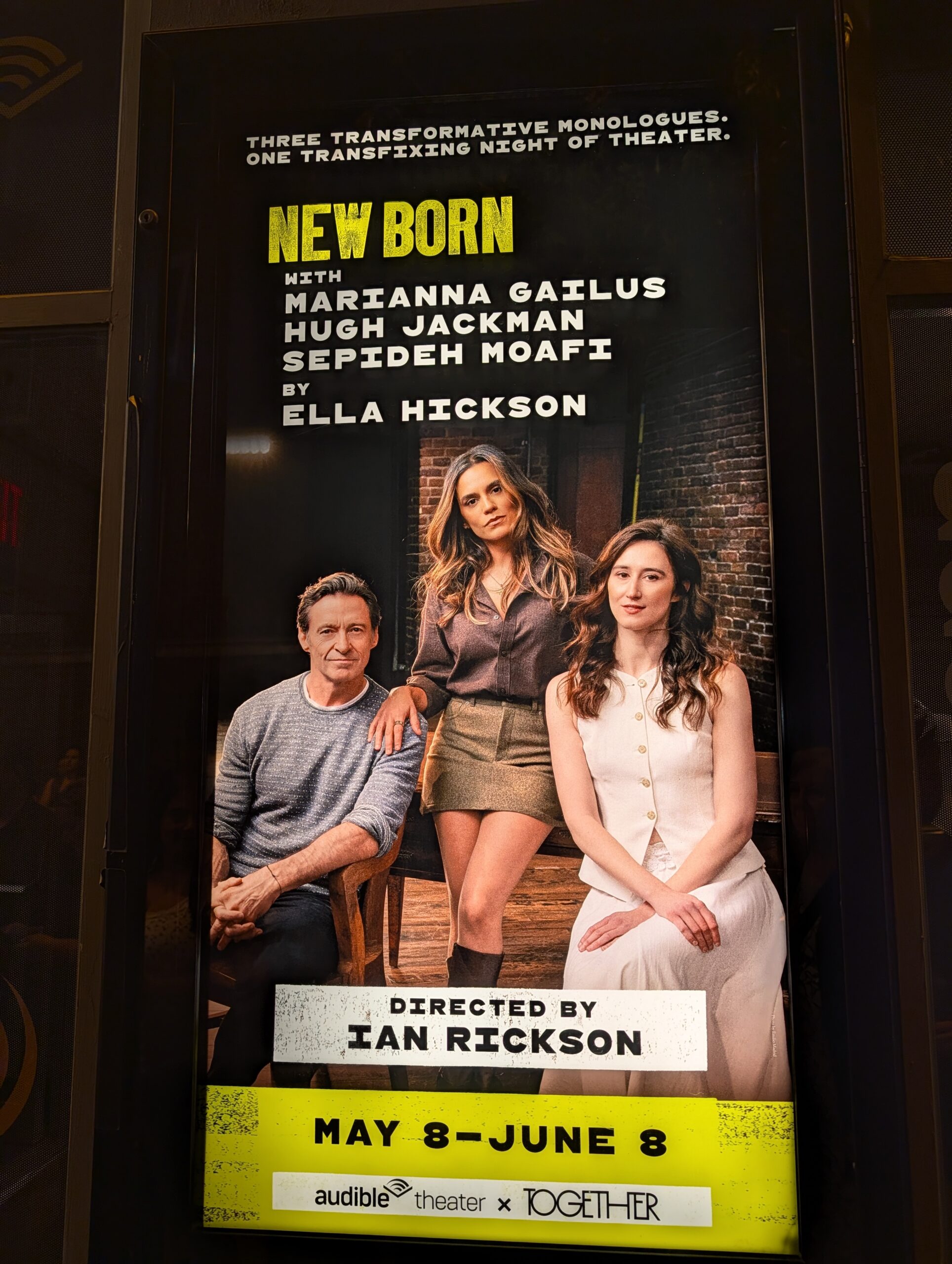
    New Born, by Ella Hickson, recently concluded its limited engagement at Audible’s Minetta Lane Theatre with a play that reverberates through the mind long after the curtain falls.

    Consisting of three seemingly unrelated one-act plays performed as extended monologues, New Born deftly explores the eternal cycle of birth, death, rebirth, and transformation. This story is an ouroboros, and if you killed the ouroboros you would see inside the dead snake eight baby snakes, and like a heavy rock dropped into still water, each story sends ripples outward, overlapping and expanding until they become part of a larger meditation on existence itself.

    Playwright Ella Hickson created something remarkably intimate, original, and affecting.

    The first monologue introduces Light, played with extraordinary nuance and emotional range by Sepideh Moafi. Light is a forty-year-old graphic designer, wife, and mother whose life has settled into a comfortable routine. She loves her husband. She loves her young child. Yet beneath the stability lurks dissatisfaction, a sense that life is moving forward while she remains asleep.

    She’s stuck. A mid-life crisis of sorts. Then while out one evening, Light catches the attention of a younger British pop star, think Charle XCX, but with green eyes. What begins as a chance encounter evolves into an intimate friendship fueled by texts, emotional vulnerability, and attraction. The premise strains credibility at times, like why exactly does this A-list star like our middle-aged drab mom, but Moafi sells every moment. What matters is not whether the relationship feels realistic. What matters is what awakens inside Light.

    She feels alive again, new-born.

    The story becomes less about infidelity and more about possibility, temptation, and the choices we make when confronted with alternate versions of ourselves. Ultimately, Light chooses responsibility over desire, family over fantasy. And as the years pass, the play circles back to themes of birth and death, culminating in a near tragedy involving her teenage son that forces both mother and child into a new stage of life.

    Moafi’s performance is extraordinary.

    By the end, the audience feels as if it has lived decades alongside her.

    The second monologue, and perhaps the strongest of the three, transports audiences to late nineteenth-century Wyoming.

    Mariana Gailus delivers a captivating performance as Rattle, a young bartender navigating life in the American frontier. What begins with an awkward incident involving a bloody rag quickly evolves into a layered story about womanhood, violence, race, loss, and survival.

    Rattle develops feelings for a handsome local cowboy named John while grappling with the presence of Wyatt, a volatile figure whose cruelty seems impossible to understand. Along the way she befriends a young Black boy named James, whose disappearance becomes one of the play’s central mysteries.

    Hickson slowly reveals the hidden wounds driving her characters. Wyatt’s brutality, initially shocking and unforgivable, gains tragic context when we learn what we learn. It’s an ouroboros and the story becomes another meditation on grief and the ways loss can distort a person.

    Gailus completely inhabits the role. By the time the monologue ends, audiences feel transported to another century. And the final reveal lands with tremendous emotional force.

    New Born Play Review

    The third and final monologue introduces Deadwood, played by Hugh Jackman.

    A tree surgeon by trade, Deadwood spends his days cutting down dying trees and transforming them into something new. The metaphor is hardly subtle, but it works beautifully.

    Deadwood falls in love, becomes a father, loses that relationship, finds another, and eventually suffers a devastating accident that leaves him permanently disabled. As his life narrows physically, he is forced to become someone new and is a victim of his own karma.

    The story explores aging, attraction, regret, forgiveness, and resilience. It asks difficult questions about commitment and desire. What happens when love changes? What survives after passion fades? How many versions of ourselves do we become over the course of a lifetime?

    How many can we live with?

    Jackman brings warmth, vulnerability, and quiet humor to the role, grounding the play’s philosophical ambitions in genuine humanity.

    What makes New Born so compelling is the consistency of its vision.

    The three monologues differ wildly in setting, tone, and circumstance, but they are united by a profound fascination with cycles. Birth leads to death which leads to rebirth.

    This is some of the strongest writing seen on or off Broadway this season.

    New Born is thoughtful without becoming pretentious, philosophical without becoming abstract, and resonant without ever being manipulative. It lingers, provokes and demands reflection.

    The production may have closed, but the questions it asks remain.

    What are we after we are born again?

    And what comes next?


  • The Non-Believer’s Guide to The Book of Mormon at the Arsht Center

    The Non-Believer’s Guide to The Book of Mormon at the Arsht Center

    ​I am going to make a confession that might get me banned from certain cultural circles in South Florida: I don’t like musicals. I don’t like the sudden bursts of unprompted harmony, and I generally prefer my entertainment to have a bit more grit. But several years ago, when the touring production of The Book of Mormon rolled into the Broward Center for the Performing Arts, I took my musical loving wife to check it out.

    ​I didn’t go because I wanted to see tap dancing or just to make my wife happy. I bought tickets because I was a massive Matt Stone and Trey Parker fan. I grew up on South Park. I’ve seen Team America: World Police more times than I care to admit, and I could easily watch it again right now. I figured that with those two at the helm, I was guaranteed to get a few good laughs.

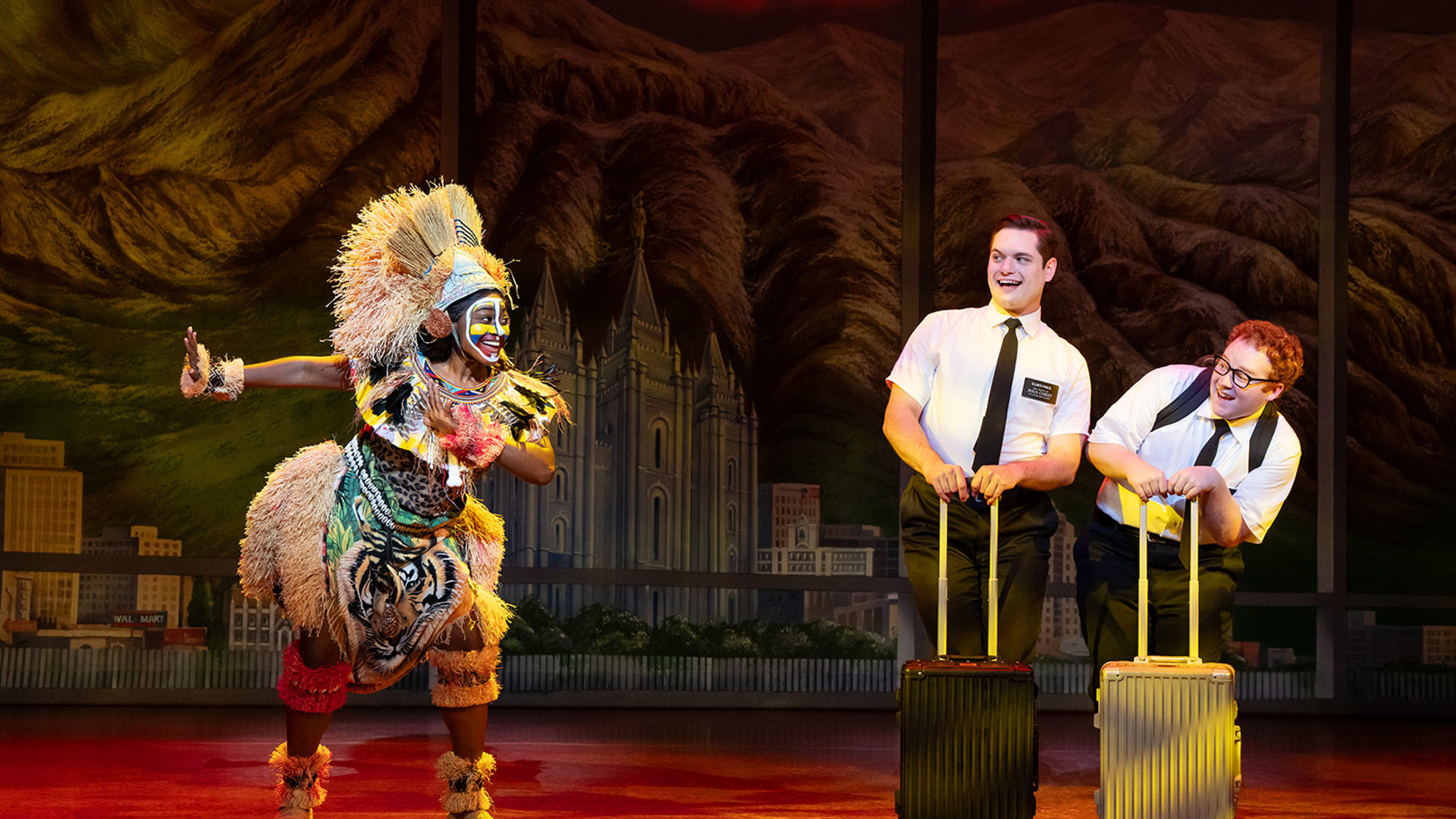
    ​I was completely unprepared for what I actually saw.​From June 9 to 14, the nine-time Tony Award-winning juggernaut is returning to sunny South Florida, closing out the Broadway in Miami season at the Adrienne Arsht Center’s Ziff Ballet Opera House. If you’ve never seen it, let me give you the perspective of a cynic who sat in that Broward theater completely stunned.

    ​When people tell you The Book of Mormon is funny, they usually leave out the most important detail: it is also hilariously, relentlessly, full-on offensive. There is no soft-pedaling here. If you are a seriously religious person, this show is designed to test every single boundary you have. I remember sitting there in the dark, my jaw hitting the floor at the sheer directness of the satire.

    ​I don’t have an issue with offensive humor, I love it actually, I think as a culture, we should be able to laugh at absolutely everything. But the sheer audacity of what was happening on stage shocked me. About halfway through the first act, I looked around the room and genuinely thought to myself, “This is it. Half the audience is going to stand up and walk out at intermission.” Instead, the lights came up for the break, and the entire theater erupted into a roaring standing ovation.

    ​Nobody left. Nobody filed a complaint in the lobby. Everyone just happily queued up for their drinks, buzzing with a kind of manic energy, and filed right back into their seats for act two. It was a pre-pandemic crowd, back when people were perhaps a little less hyper-sensitive than they are today, but even then, it was a miracle of modern theater. Parker and Stone had pulled off the ultimate trick: they made something so deeply shocking that you couldn’t help but applaud the genius of it.
    ​
    ​To this day, I can still recall the show’s two biggest musical numbers perfectly. I won’t even repeat their titles here—that is how profoundly NSFW they are. If you know, you know. It’s the kind of songwriting that makes you laugh hysterically while simultaneously looking around to see if you’re going to hell just for listening to it. That is the magic of what will be hitting the Arsht Center next month. It takes all the tropes of traditional, bright-eyed Broadway theater and weaponizes them. The melodies are infectiously catchy, but the lyrics slice through cultural colonialism, religious dogma, and human absurdity with a scalpel.

    ​The Verdict of The Book of Mormon

    If you are on the fence about whether you want to watch a musical, or if you’re skeptical about whether The Book of Mormon is worth the hype, let me clear it up for you: go watch it. It is phenomenal, it is deeply entertaining, and it is a masterclass in comedy. Just leave your sensitivity at the valet stand on Biscayne Boulevard. You’ll walk into the Ziff Ballet Opera House expecting a standard night at the theater, and you’ll walk out completely shocked that they let them get away with it. Go check the receipts yourself.

  • GableStage’s Eureka Day Is Sharp, Chaotic, and Painfully Relevant

    GableStage’s Eureka Day Is Sharp, Chaotic, and Painfully Relevant

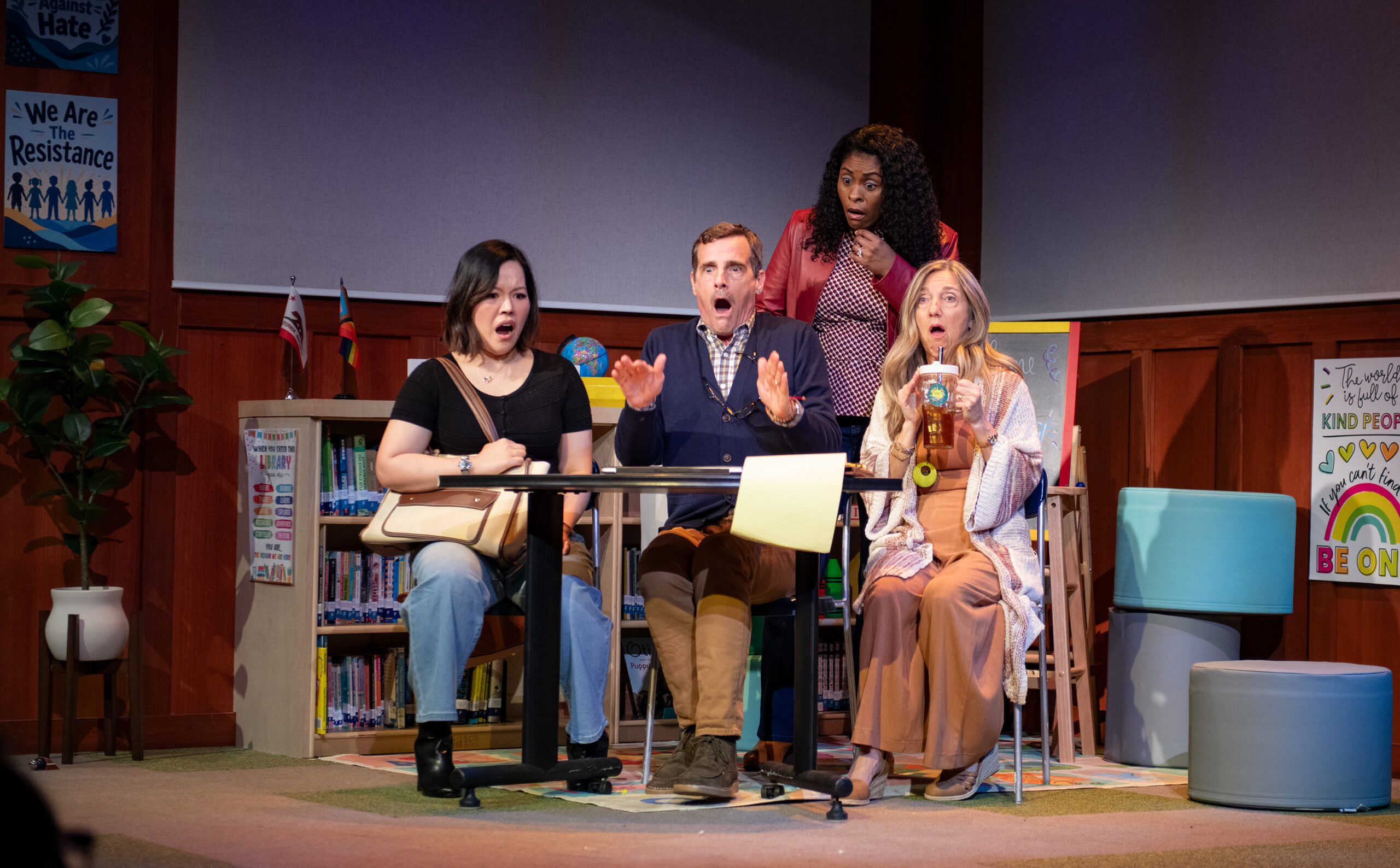
    GableStage closed out its 2025 season on a high note with Eureka Day, a rip-roaring satire centered around vaccines, identity politics, groupthink, and the absurd contradictions of modern liberalism.

    See this play. Bring your brain and pay attention.

    Buckle up and enjoy the ride.

    Eureka Day is sharp, funny, uncomfortable, self-aware, and painfully relevant.

    Most of all, it is entertaining.

    The third scene alone is worth the ticket price. As a mumps outbreak shuts down the school, the cast conducts a live-stream community meeting that descends into absolute madness.

    Eureka Day was written in 2017, years before COVID shut down the world and vaccines became one of the most divisive social topics of the modern era.

    Some audience members may not see it as a comedy. Certain scenes drift into drama, satire, and outright social horror. But to borrow a phrase from the play itself, it is hard to reach consensus.

    Still, most theatergoers will likely experience Eureka Day as a comedy.

    The plot centers around the board members of Eureka Day, a progressive private school in Berkeley, California, meeting to discuss the upcoming school year.

    Stellar Performances in Eureka Day

    Mark H. Dold (last seen in Appropriate and The Lehman Trilogy) delivers a nuanced and physically expressive performance as Don, the aging white liberal attempting to keep the entire operation from imploding. Eight-time Carbonell winner Jenny Hacker brings charm, vulnerability, and conviction to Suzanne, an older parent (her kid is in grad school) whose anti-vaccine beliefs become central to the conflict.

    Ryan Didato plays Eli with ironic self-awareness and calibrated Silicon Valley smugness. Jordyn Moone delivers intense frustration as Meiko. Rita Cole brings restrained balance as Karina, the new member of the board and often the audience’s grounding force.

    These five identities in one room creates inevitable friction. The play becomes a social pentagram of clashing ideologies, egos, and insecurities, masked in woke inclusiveness.

    And nobody emerges clean. There is no hero. Everyone is flawed and becomes ridiculous. Suzanne perhaps is the most humanized character once the audience learns why she distrusts vaccines, but that emotional reveal doesn’t simplify our feelings towards her.

    Eureka Day at GableStage

    Visually, the production is first class.

    The scenic design, lighting, and transitions are handled with precision.

    Director Stuart Meltzer deserves enormous credit here. One of South Florida theater’s most important creative voices, Meltzer once again demonstrates why his work continues to resonate.

    What also feels exciting is the larger sense of momentum and connective tissue happening within Miami theater. Jonathan Spector, the Oakland-based playwright behind Eureka Day, had his play Birthright world premier last year at Miami New Drama. That production is now heading Off-Broadway this summer. Meanwhile, Meltzer’s Zoetic Stage continues producing ambitious and intelligent work at the Arsht Center.

    Seeing Miami companies support bold work, support each other, secure major productions, develop world premieres, and collectively elevate the region feels genuinely encouraging.

    South Florida theater is getting stronger.

    Allow for a slight correction and a jab at neighboring counties: Miami theater is getting stronger!

    Support it and go see Eureka Day.

    For more info and tickets click here.

  • Is Billie Eilish: Hit Me Hard and Soft the Future of Moviegoing?

    Is Billie Eilish: Hit Me Hard and Soft the Future of Moviegoing?

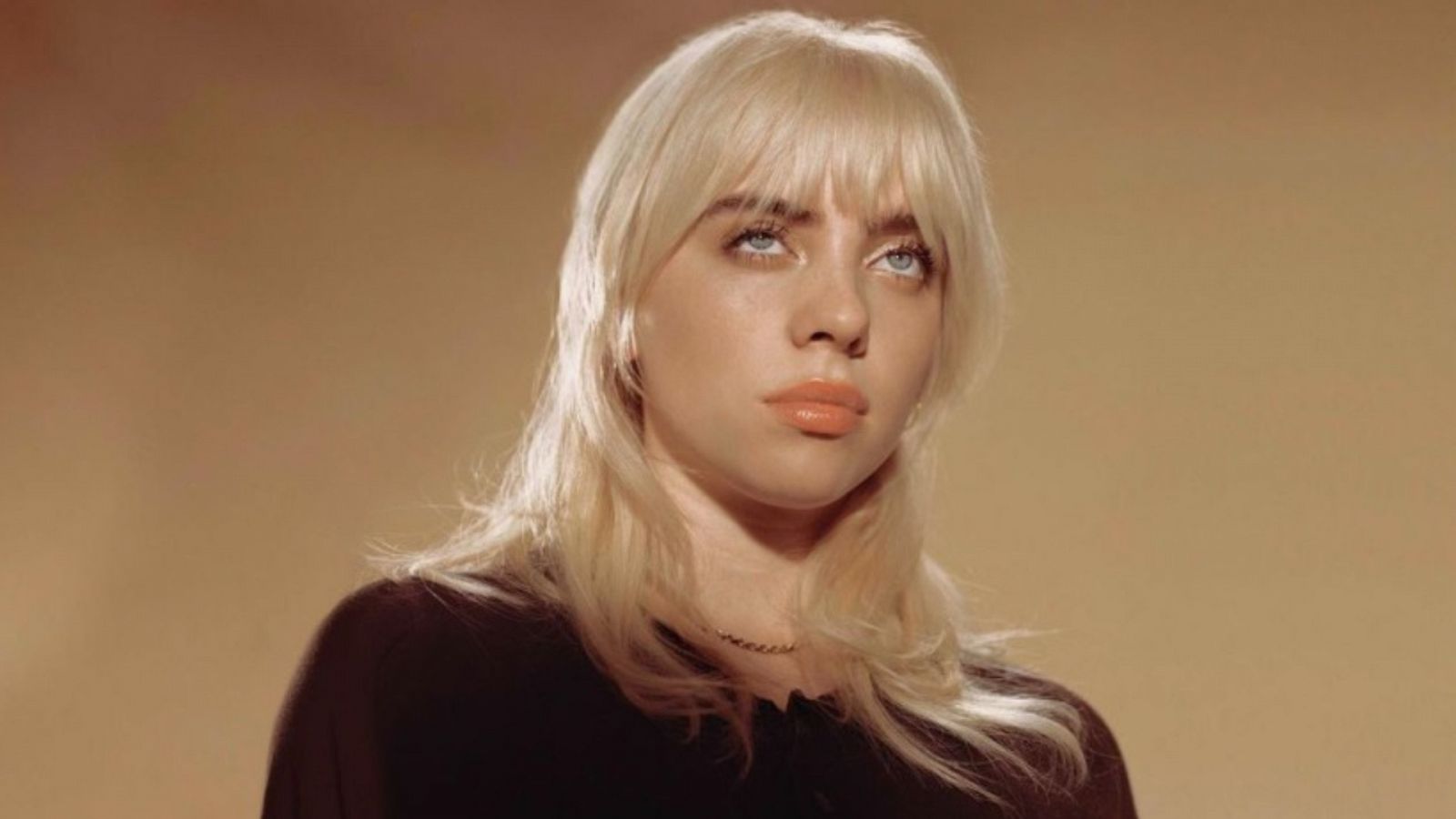
    It had been too many months since I sat in a movie theater. My local multiplex closed down and there hadn’t been a flick that lured me to spend the required time and distance to partake in one of my favorite hobbies, moviegoing. But my nearly teenage (gulp) daughter loves Billie Eilish. So we, along with her friend, made the long and arduous journey to see Billie Eilish – Hit Me Hard and Soft: The Tour (Live in 3D).

    Despite the unwieldiness of the title, it tells you in twelve words, an em dash, and two parentheses exactly what you’re going to see over the next two hours. In glorious three dimensions you see the pop superstar perform the Manchester UK concert off her last tour.

    Interspersed among the concert footage, you see co-director James Cameron, interview his co-director Eilish.  He doesn’t ask her any hard hitting questions. It only shows Billie in the most favorable light. But this movie isn’t for those looking for insight on the human condition, rather it is meant for Billie Eilish super-fans to delight in the presence of their favorite performer.

    On that front the movie delivers. My daughter and others in the audience were singing along with every memorized lyric. They waved their arms just as the hologram fans at the actual concert were doing on the screen. As I tried to sit back in the malfunctioning reclining seat of the once state of the art Dolby theater, I wondered if these kind of movies are what will save movie theaters.

    It costs hundreds of dollars to see Billie Eilish in a live venue.

    Plus you have to have access to a major metropolitan area that would have a venue that could host her. For anywhere between eleven and twenty-five dollars fans can simulate the communal experience of going to see their favorite singer outside their home. Depending how this movie does along with the success of the current Michael biopic, I wonder if concert movies will be the new comic book movie. The big attraction that draws a large subset of people away from their small screens to the big screen.

    I doubt most future 3-D concert movies will look as good as this one as they won’t have the benefit of James Cameron directing them. Cameron pretty much revolutionized the modern 3-D movie with his Avatar franchise, and surprisingly is seen holding the 3-D cameras throughout this flick as someone else films him filming Billie Eilish.

    A lot of the movie’s 3-D effects are spectacular from the opening song where Eilish seems to be running right in front of you to when the confetti pops out of the streamers during the finale. What is most jarring is seeing the three dimensional cell phones held by fans at the concert, meaning you’re watching someone filming many, many others filming a concert. The question now is whether 3-D is enough of a draw to get superfans to leave the ease and comfort of YouTube concert footage.

  • John Waters Celebrates 80th Birthday at Arsht Center

    John Waters Celebrates 80th Birthday at Arsht Center

    This article originally appeared in PureHoney Magazine. Check them out here.

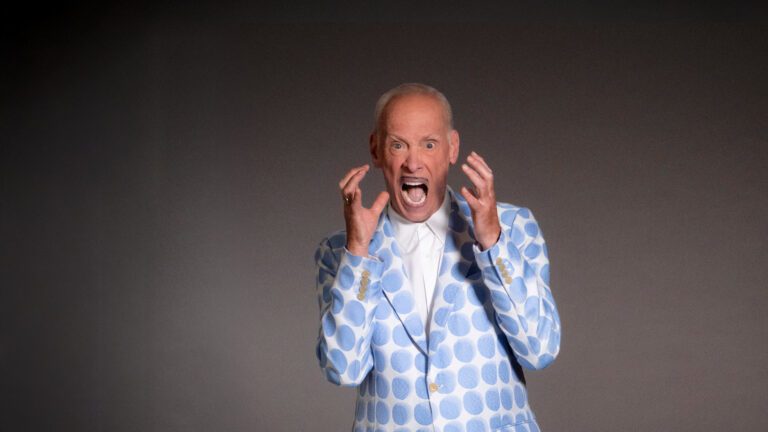
    The writer William S. Burroughs had good reason for dubbing John Waters the “Pope of Trash.” The filmmaker may have impeccable personal style, but his contrasting penchant for filth and the forbidden cemented him as the father of cult cinema. Far from resting on his tawdry laurels, Waters is hitting the road with a one-man comedy show that promises to shock, awe and be unapologetically him. Lucky us, he’ll be performing and celebrating his 80th birthday on the same day in Miami.

    Waters’ fascination with villainy began in his boyhood days in the Baltimore suburbs, holding violent versions of Punch and Judy puppet shows at birthday parties at age 12. Gleaning inspiration from his surroundings, he and childhood friend Divine created short films on his front lawn — the “Dreamland Lot” — and ultimately drew together a band of misfit suburban kids like Mink Stole, Mary Vivian Pearce and Edith Massey.

    With the release of 1972’s outrageous Pink Flamingos, Waters ushered in an era of underground film, and followed up in the 1970s with Female Trouble and Desperate Living. Even after Waters went mainstream, his movies still retained his trademark tackiness, with Polyester, Hairspray, Cry-Baby and Serial Mom all celebrating downtrodden, unconventional protagonists.

    Part of this year’s Miami Film Festival, “Going to Extremes: A John Waters 80th Birthday Celebration” is a high-energy, unfiltered monologue only Waters could conceive and deliver. From right-wing female impersonators and pro-punk conversion therapy to extreme amusement parks and prank guerrilla placement of incendiary bogus book titles (in libraries that recently banned gay children’s classics), Waters is ready to defend humanity at its weirdest.

    Waters is no stranger to live performance, having previously drawn huge crowds at Bonnaroo and Coachella and regularly hosted the Bay Area Mosswood Meltdown punk rock festival. In a time of highly polarized politics and discourse, here is John Waters — who doesn’t do social media — turning 80 and still going to extremes in his very offline offbeat way.

    John Waters performs “Going to Extremes: A John Waters 80th Birthday Celebration” 7:30pm Wednesday, April 22 at the Adrienne Arsht Center’s Knight Concert Hall in Miami. arshtcenter.org

  • Florida Enchantment, a 1914 Queer Comedy Before America Got Scared

    Florida Enchantment, a 1914 Queer Comedy Before America Got Scared

    While scrolling through the MDC Wolfson archive after searching for queer keywords like “gay” and “lesbian,” it is difficult not to notice the predominance of film and media capturing raids on gay bars in places like Miami Beach, or to notice the rampant fear-mongering rhetoric repeated throughout numerous recorded homophobic speeches. 

    Among all these recordings of gay and lesbian rights protests, there is a silent short film that predates the majority of the queer archive by several decades. 

    Florida Enchantment, produced by Vitagraph Films in 1914, is a silent film comedy set in and filmed in Florida (Jacksonville, St. Augustine, and St. Petersburg), and is considered one of the earliest depictions of homosexuality in American culture. The 1 hour 40-minute comedy is notably silly and lighthearted, following a newlywed Northern woman, Lillian, who visits her aunt in Florida and comes across a pack of seeds that claim that, if eaten, will give women masculine qualities and men feminine qualities. Of course, Lillian eats the seeds and is turned into a butch lesbian.

    What follows are multiple scenes of Lillian repeatedly and successfully flirting with and charming the women around her.

    This includes humorous scenes such as Lillian stealing the women dance partners from men (17:05) and her being incredibly flustered when asked to help remove her friend’s dress before sleeping (21:10). Other characters are also portrayed eating the seeds, including Lillian’s maid (portrayed in blackface), also becoming a lesbian, as well as Lillian’s husband, Fred, who eats the seeds in disbelief and is turned into a flamboyant gay man. Lillian’s character is an incredibly uncommon depiction for the time period in how she constantly pushes against the men around her and is confident rather than passive, which was the usual role of women in media during and well after the 1920s.  

    Florida Enchantment

    The film is based on an 1891 novel and 1896 play written by Fergus Redmond and Archibald Clavering Gunter, with both media being lost today. “Gender inversion” was a popular concept during the early 1900s and was commonly explored in plays and literature. After its release, the film was received negatively by critics, with Variety saying the film should have “never been put out” and The New York Times describing the play adaptation as “vile stuff.” 

    This film was released before there were censorship laws like the Hays Code that would later prevent the release of films like this that, while using humorous means and guises of doing so, still captured queerness. This film also predates widespread American moral panic regarding queerness and its “spread” being why this topic was possible for exploration in this film.

    Despite the silly and humorous tone of the film, it presents a largely unheard-of theme in early queer depictions in media, being that the queer characters’ relationships and identities are shown as lighthearted, playful, and without persecution. A trait that largely contradicts the majorly negative portrayals and handling of queerness in the decades to come and furthers this film’s legacy as not only one of the earliest depictions of queerness in American media but also one that is largely positive. 

  • The Zionists: A Family Storm Review

    The Zionists: A Family Storm Review

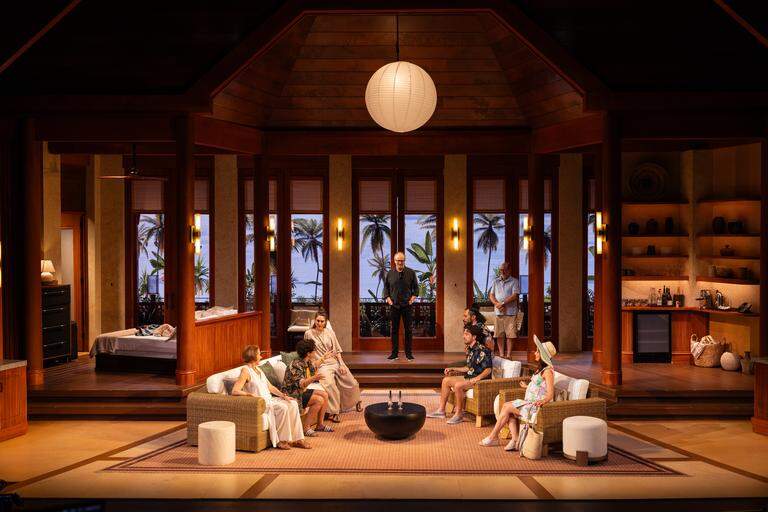
    Miami New Drama is back with another world premiere play, “The Zionists: A Family Storm” written by S. Asher Gelman, and directed by NY-based Chloe Treat. The ensemble play features a stellar cast of eight very capable actors, all based in other cities. The set, sound, projections and video design, and lighting were exceptional, among the best of MND’s recent productions. The two-and-a-half-hour drama features one intermission.

    When this play works, it is heavy, important, and moody. It’s intimate and inviting; it demands your attention and begs you to ask questions long after the curtain falls.

    “The Zionists” will inspire conversations on the car ride home.

    The plot is simple. Meet Ruth and Mitchell Rosenberg, a wealthy Jewish family with three kids, Aaron, David, and Bex. The kids all have partners: Dana, Zephyr and Maria.

    There was a rupture in the family after the war in Israel began, and the elder Rosenbergs orchestrate a family reunion in Turks and Cacao at a nice bungalow. All eight arrive and the play begins. And like any big family it’s not long before they are arguing. To complicate matters a Tropical Storm is brewing, and they may have to hunker down.

    The first act is surprisingly funny and we get two flashbacks, with two couples, giving a little context. But the biggest family argument revolves around what is happening in Israel.

    Obviously, this is a lightning rod conversation today.

    Miami New Drama, in all of its glory, is never afraid to tackle these conversations.

    The Zionists: A Family Storm Review

    Unfortunately, “The Zionists” had some holes. Multiple people we spoke to felt the same. It was boring, a two-and-a-half-hour lecture, a bathtub story, no movement, no plot. We are literally stuck with a slightly annoying, very privileged rich family in a bungalo in Turks during a hurricane, just trapped, forced to ride out the storm. Kind of a hackney metaphor.

    There is a scene in Act Two where two brothers fight and it ends with one hitting the mom.

    That fight scene worked, there was something happening, and it allowed the audience to connect in a way, like okay, I can see my family doing that, or any family. It’s relatable.

    Other than that, nothing happens but a debate about Israel and what it means to be Jewish.

    Out of the eight characters, one (Aaron) is Pro-Palestinian and wait for it……surprise …….he’s the antagonist.

    It’s like the play wants to take us inside of a family, but is afraid to reveal its secrets. We get tidbits of information, in exposition, like the family made its money from “a patent” and the mom (Ruth) was being vetted to be Ambassador to Israel, before Aaron embarrassed the family by funding the Pro-Palestine protests.

    This important information is told to us. It would have been great storytelling to see this play out in flashback, in scenes, not exposition. So much of this play is a lecture, especially the politics.

    It also felt very autobiographical.

    The playwright told our colleague at The Miami Herald: “There were also tensions that brewed within my own family. And then it became clear that I was like, ‘Oh, this is, this is—I need a home for all of this, this frustration and this pain,’ and I threw it into a play.”

    This is indeed the plot of the play.

    A quick Google search reveals the playwright comes from a powerful family, with connections to the Levi-Strauss fortune, and they have huge political ties, and something exactly like this rupture happened in 2024 in their family.

    It’s not a secret, it was world news.

    And awesome. Write about your family. Air the dirty laundry.

    It’s daring and cathartic. But for whom?

    It’s a little like living in a bubble. And that was how this play ultimately felt, especially during these times.

    Yet it appears box office sales are robust so what do we know?

    Decide for yourself.

    “The Zionists” is playing at Miami New Drama until May 3rd.  For more info and tickets, click here.


  • Prayer for the French Republic Stuns at GableStage

    Prayer for the French Republic Stuns at GableStage

    GableStage’s 2025–26 season reaches a climax with “Prayer for the French Republic” by Joshua Harmon. The sprawling, multi-generational drama is epic storytelling.

    Three acts. Three and a half hours. Two intermissions.

    The production asks for a serious commitment and it delivers.

    Spanning five generations, the play follows the Salomon family in Paris, moving between the aftermath of World War II and the more recent past of 2016 and 2017.

    It unfolds as a living, breathing history lesson, highlighting the persistence of anti-semitism across generations. The “why do they hate us?” polylogue in Act III is spellbinding.

    This production, similar to GableStage’s “The Lehman Trilogy,” and last season’s “Birthright” by Miami New Drama, is ambitious and feels like a visionary achievement for regional theater. Under the sharp eye of director Bari Newport, the work is grounded, steady, and ultimately triumphant.

    GableStage and its team should be proud, especially of the set. As always, the company excels in design. It is remarkable how much they fit into that space, again recalling “The Lehman Trilogy” and even “Appropriate.” The sound and lighting are equally strong.

    With all due respect to other theaters in South Florida, GableStage’s production design operates at another level.

    Prayer for the French Republic at GableStage

    This is a grounded, timely, deeply human work.

    Set against the realities of today, the play follows a family that no longer feels safe in its surroundings and begins to consider migration in search of security. That idea lands with particular force right now.

    The all-star cast, many of whom are based in New York, handles the 142-page script with precision and depth.

    Among many strong performances, Irina Kaplan as Elodie stands out. She delivers a lengthy Act Two monologue that is intelligent, controlled, and ultimately jaw-dropping.

    Michael McKenzie, as Patrick, serves as both narrator and participant, bringing a steady, grounded presence to the production.

    Casey Sacco shines as the American cousin Molly, a pivotal role that adds dimension and contrast to the family dynamic. Elizabeth Price and Stephen Trovillion, as Marcelle and Charles, add to the ensemble with strong work.

    Miami has become, in many ways, both a hub and incubator for Jewish storytelling. This production continues that legacy while pushing beyond it. The play flirts with the boundaries of the genre but ultimately rises above any sense of repetition or familiarity.

    “Prayer for the French Republic” is a significant investment of time and attention and may not be for everyone. But its ambition, emotional clarity, and humanity make it an experience that theater lovers should not miss. This is regional storytelling at its best.

    For more info and tickets, click here.


    View this post on Instagram


    A post shared by GableStage (@gablestage)


  • Scream at Fashion Island

    Scream at Fashion Island

    It’s been 30 years since I saw Scream when it first came out in 1996. It was playing at Aventura’s Loehmann’s Fashion Island. Fashion Island was the start of AMC Aventura 24. It was the start of our non-existent winter. A brilliant blue sky above. Not one cloud. I remember what I was wearing. Sneakers and light jeans. A long sleeve white shirt, a white shirt over that, and wait for it, a tank top over that. My parents were with me but they weren’t with me. I alone forged my way into the theater.

    I sat down fairly close to the screen and to the right. It felt immersive. There was an electricity in the room. It was palpable. Middle of the afternoon, too. This was when there were like two trailers before the movie. Now, forget about it. They keep you in that dimmed state. Trailer after trailer, you slowly forget what you’ve come to see. But then, back then, lights went out in what felt like seconds. Nobody’s face in their cellphone, but cell phones had begun circulating at this time.

    A metallic slashing sound accompanied the Dimension films logo. “Exterior, suburban house. A tree swing sways back and forth. Interior, kitchen. Stove top Jiffy Pop on burner. The phone rings…” Drew Barrymore’s Casey Becker picks it up. It was then we were introduced to the voice of a new horror icon. Ghostface, itself. And when Casey offered up a wrong answer during Ghostface’s deadly game of trivia, and I knew the answer, it was then I knew we were in for something inter-generational.

    Only true horror fans knew that answer. We were experiencing a once in a generation film going event. It was my Halloween. Ghostface was my Michael Myers. And now Neve Campbell was the new “final girl”, Sidney Prescott. And like Jaime Lee Curtis’s prudish but resourceful Laurie Strode, would go on to define her own career-spanning franchise. Even at 21, Neve had been acting for a decade. Formerly, a dancer. Her wounded but resilient portrayal of Sidney Prescott solidified her as an official “scream queen”.

    The movie was madness. And a lot of laughs. Wes Craven, Scream’s director, and Kevin Williamson, Scream’s scribe, tapped into something mythological. A new iconography was born. A new language was born. The film was flooded with talent. In front and behind the camera. Marco Beltrami, contributed a score bordering on experimental. I listen to it to this day. It doesn’t age. Director of photography Peter Deming would go on to work almost exclusively with David Lynch.

    The soundtrack was a nostalgia trap. Track after track, each song supported scene after  scene, the same way an orchestra would. When played, you’d be instantly transported to that movie theater. To the knowing feeling that was in the air back then. One of those occasions that ask nothing of you. They just unfold. Between Nick Cave’s “Red Right Hand” and Gus’ shoe gaze version of Blue Oyster Cult’s autumn anthem “(Don’t Fear) The Reaper”, there are so many standout selections. I don’t think there’s been a soundtrack so tied into a movie since Scream first came out. How bizarre.

    Walking out of the theater, you wouldn’t think you were congregating in a land locked mini mall. It felt old South Florida. It felt like the waves were feet away. Everything was concrete, white. An otherworldly orange sky. It could’ve been the 70s. Or the 50s. What a strange feeling. I spent two hours in a darkened room with strangers watching what would become a modern day classic. Art had just put a mirror to us. You forget that. The word “meta” had rarely reached the zeitgeist of ever. And now we were all self-aware. It’s like we all came online together. Movies were talking back to us.

    I was 16 years old standing outside the theater waiting for my parents. Oh gross I might’ve been smoking a cigarette. So 90s of me. Fashion Island 16. A soon to be relic when it already felt ancient. It’s these kinds of places we get for about a decade, then they’re bulldozed or shuttered up. In the coming weeks, Scream 7 comes out. Neve Campbell’s back. I’ll probably watch it at home, though. Not many stories come out about some guy, me, laying in bed, pausing the movie to get up and piss for the fourteenth fucking time.

    30 years later, Fashion Island is a distant memory. However, Scream is still around. And I’m lucky to still be around. Cuz you never know… the next victim…  could be… YOU!