Category: Music

  • It’s Time We Listen to OIGO… and His Friends

    It’s Time We Listen to OIGO… and His Friends

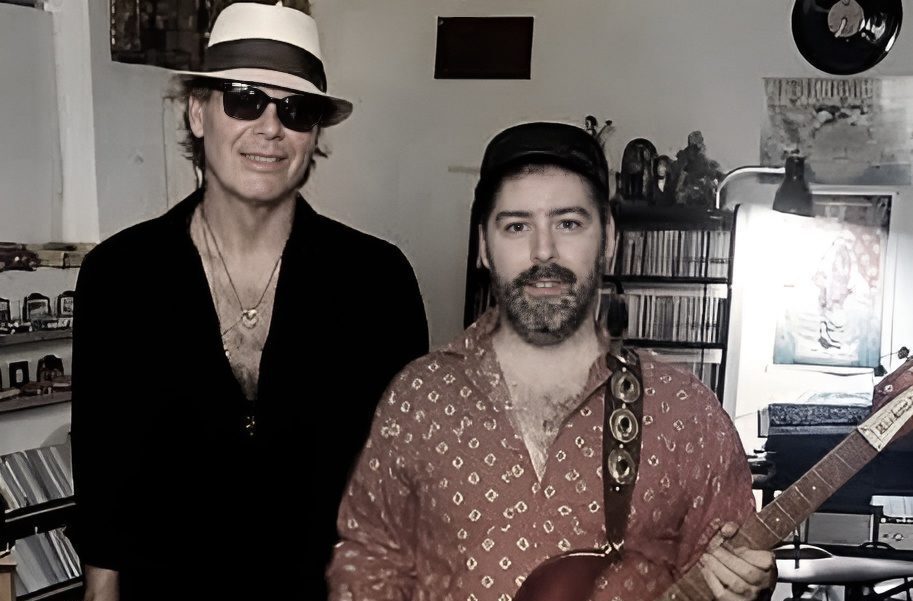
    Adrian Gonzalez, (aka. “OIGO”) has been around us here in Miami for decades. You may have seen him, but didn’t know. You most likely have heard him, but didn’t know.

    The soft spoken, Venezuelan born songwriter, multi-instrumentalist, and videographer has been driving force behind one of Miami’s most celebrated live music acts, Suenaló. He also makes a living by playing music in the background for people in public setting. In hotels and restaurants from South Beach to Boca, OIGO single handedly creates songs using loopers and organic instruments to set the mood. They are frequently cover songs, but you can’t really tell unless you listen really well. He may be playing “Every Breath You Take” by The Police, but you probably won’t figure it out till the end. He does them in his unique way. Very OIGO Music.

    Adrian’s original songs are also terribly good, cerebral, melodic, heartfelt, and….generally unknown. He’s the most underrated songwriter in town for my money. A couple of years ago, I won the “Best Songwriter” award from the Miami New Times. I’m not sure too much thought or deliberation went into that honor. To be honest, it would be a much more legitimate prize if someone like Adrian got it.

    Since the pandemic, OIGO’s video prowess and unique eye have emerged as well. He now does much of the video work for the North Beach Bandshell, and is one of the most sought-after videographers for musicians and bands in town.

    On Thursday, February 19th, Adrian is putting on a big show:

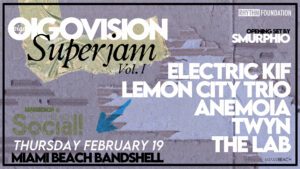
    OIGOVISION SUPERJAM VOL. 1 – A Night of Fusion and GrooveOn February 19, 2026, the Miami Beach Bandshell will host an unprecedented meeting of South Florida’s most inventive musicians — a celebration of rhythm, improvisation, and cross-genre collaboration. The night brings together members of Electric Kif, Anemoia, Lemon City Trio, Twyn, and The Lab — a powerhouse collective that has defined Miami’s modern sound. Expect blistering fusion from Electric Kif’s virtuosic quartet, Anemoia’s hypnotic song-based grooves, Lemon City Trio’s soulful organ-driven jams, and Twyn’s futuristic“jazztronica.” The Lab adds a dose of rock energy to round out the ensemble.

    Special performances will feature Anthony “Smurphio” Laurencio — the keyboardist, producer, and co-founder of Suenalo and Afrobeta — whose mastery of synthesis bridges electronic and organic worlds.

    There will be some other surprise guest performers as well.

    Adrian (OIGO) will be hosting and performing through the night.

    I got to catch up with my old friend who I have watched grow and develop for over 20 years since the old Monkey Village days at Transit Lounge.

    I have always enjoyed connecting with and discussing the Miami music scene, musicians, and venues with him. It has not been an easy journey, and both Adrian and I have been front row for the good and the bad of it.

    When I asked OIGO why guys like us are still at it, he put it perfectly.

    “You have to have the right amount of bitterness and still a joy for what we do, you know? We have that balance.”

    That is indeed true, and a cute answer. But upon reviewing OIGOs creative pathway, the evolution is filled with love and friendship.

    After helping to bring structure to the Monkey Village jams (that logistically share a lot of same stage footprint as his upcoming Superjam), OIGO started playing weekly at Vino’s in The Grove. After three years of that gig, he put together and anniversary show with other bands and musicians from the scene.

    “I like collaboration. People like to celebrate with you. So, I’m lucky to know a lot of talented people I can celebrate with.”

    In 2020, with the pandemic, a lot of musical creatives had to shift gears. That is essentially how “OIGO Vision” was born.

    “Before the global event happened, I was gigging like 5-7 times a week. Which is great, but I was depressed because I was only playing background music at hotels and restaurants. So, I’m like ‘This can’t be it.’ So, I figure everybody’s got to do videos now, right? At the same time, I luckily just got a used computer on eBay that I could edit videos with.”

    OIGO started reaching out to his friends starting with drummer, Brian Lange from The Lab and Faze One Studio. He started editing Lange’s video content. Then he reached out to his spiderweb network of high-level musicians of various genres all over Miami. He would drop by their houses and film them to edit and create short OIGO Vision videos.

    Adrian was honing his camera-craft with the eye of a musician.

    Later on, during one of Suenaló’s sold out reunion shows at the North Beach Bandshell, James Quinlan (Senior Advisor at The Rhythm Foundation), noticed the video content that OIGO was creating to promote the show.

    “James was like, ‘Wait. Are you doing video too? Do you want to work with us?’ They loved what I did and asked me to be a part of things.”

    The catalyst that really connected the dots for OIGO was working The North Beach Social.

    “What an amazing opportunity for local acts to play at a national venue. You know, a free show with production? That’s insane, bro.”

    Oigovision Superjam Vol.1 is going to reflect the creative career of a true unsung hero of the Miami music scene.

    Just like in the Transit Lounge days back in the early 2000’s, the stage will be filled with 2 drum sets, 2 keyboards, 5 guitars, and 2 basses.

    Bands will essentially be doing mini-sets and then mixing it up by swapping musicians in a carefully curated way, along with guest performers like Alejandro Elizondo.

    OIGO knows everyone’s music really well, so he’s creating an atmosphere with the stage as his canvas and the most talented musicians in town as his paint.

    “The idea is that when a band is playing and they’re finishing a song, the other band is already getting on and going to play right after. Everybody is going to get up.

    We’re inviting you to our living room. The Bandshell is going to become our living room and you get to see us jam out with each other.”

    Miami is an event town…..

    With myself being a Miami native and “local musician”, I have seen far too many silly events do well and not enough shows born out of love succeed.

    We are lucky to have The North Beach Bandshell, and we are lucky to have Adrian Gonzalez/OIGO in our music scene.

    Coming to see a unique event with world class musicians at a beautiful venue is “an event”.

    If it isn’t, then you’re missing out on what the real Miami has to offer the world.

    Enjoy the show.
  • French-Canadian Oi! Béton Armé Returns to Churchills

    French-Canadian Oi! Béton Armé Returns to Churchills

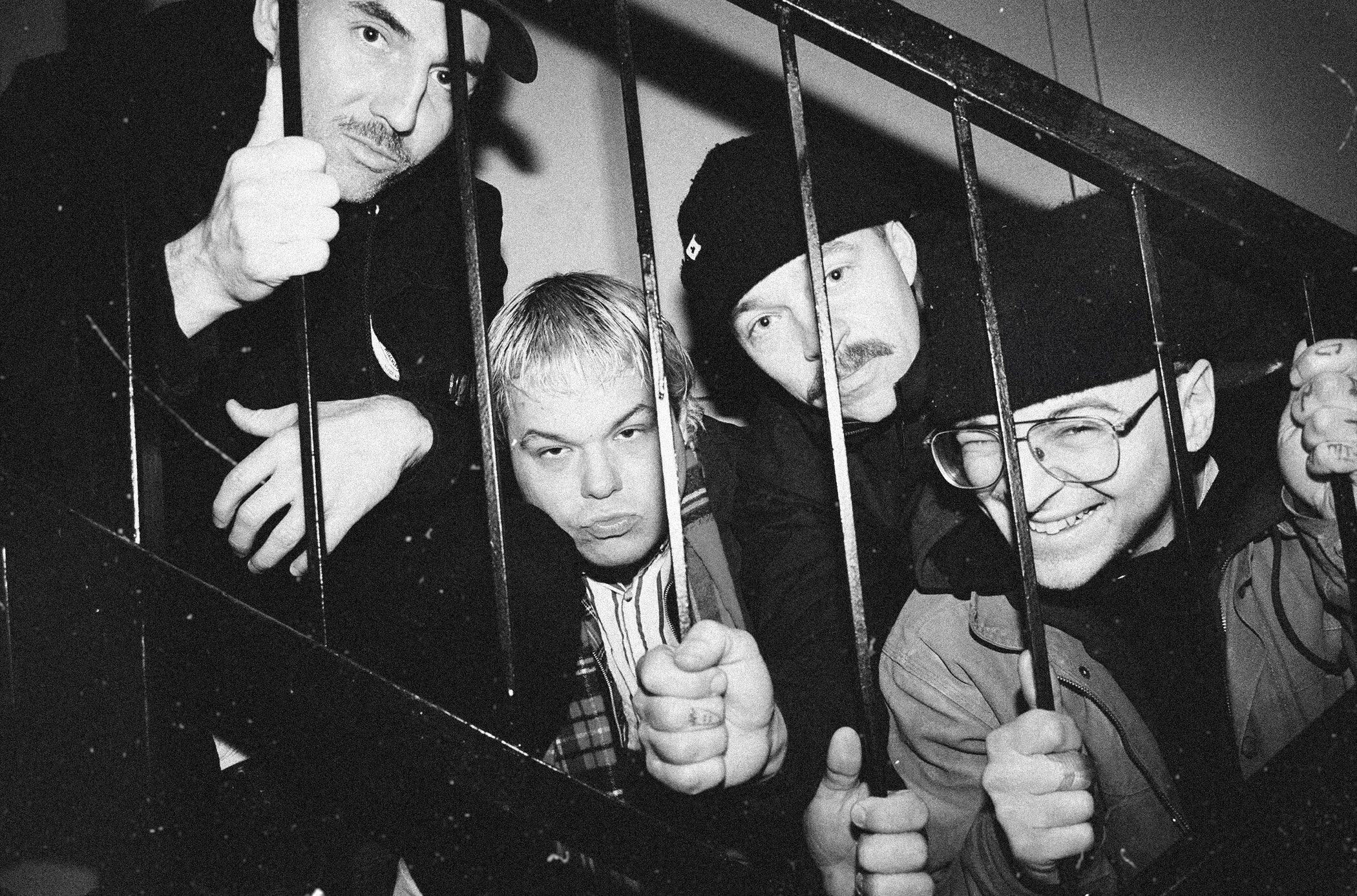
    Béton Armé sound less like a band chasing revival and more like one excavating a lineage that never quite disappeared. Emerging from Montreal’s densely layered underground, the group fuse the blunt discipline of hardcore with a distinctly French-Canadian inheritance, one that traces its roots not only through North American punk, but back across the Atlantic to the austere, working-class militancy of 1980s French punk and Oi!

    Ideologically formed in 2016 by guitarist Olivier Bérubé Sasseville, Béton Armé finally took off as a project in 2018 drawing heavily from the era when French bands treated punk as a vehicle for class consciousness, cultural resistance, and linguistic assertion – insertion points that resonated with Olivier’s background in history and subcultures. The rigid tempos, chant-ready structures, and street-level urgency that define Béton Armé’s sound echo the spirit of early French Oi! and cold-blooded punk, music that valued cohesion and resolve over flash or individuality.

    Singing in French is central to that project. In Béton Armé’s hands, language becomes both anchor and weapon, reinforcing their ties to Quebec’s long history of cultural self-definition. Their vocals land with the authority of slogans rather than confession, aligning the band with a tradition that viewed punk not as self-expression, but as collective stance.

    What makes Béton Armé compelling isn’t nostalgia, but synthesis. The band refracts those European influences through Montreal’s own history of political tension, bilingual friction, and DIY resilience. The result is music that feels disciplined without being sterile, an aggression rooted in purpose rather than chaos.

    In an era where punk often circles back on itself, Béton Armé look outward and backward at once, reconnecting French-Canadian hardcore to a broader Francophone tradition. Theirs is not a reinvention, but a reminder that some forms of resistance never go out of date, but rather, wait to be reassembled.

    Miami’s Pena Máxima operates squarely in the tradition of working-class punk, drawing on the genre’s emphasis on unity, directness, and lived experience with a not-so-subtle debt to soccer hooliganism. Their sound is built on mid-tempo drive, anthemic rhythms, and blunt delivery rather than ornamentation.

    Additional opening support includes Melbourne’s GAVL, and locals AI Death Calculator and Red Flags.

    Tickets are available by clicking here.

  • Jitney 2026 Miami Concert Preview

    Jitney 2026 Miami Concert Preview

    Who can believe it’s 2026? Once you get your jaw back into place that we’ve entered this impossibly futuristic sounding year, it’s time to get down to business and present the Jitney 2026 Miami Concert Preview. We’re giving all local music fans ample time to call your bosses and babysitters and make sure you’re free on these dates.  Without further ado here’s all your can’t miss shows that make up the Jitney 2026 Miami Concert Preview.

    South Beach Jazz Festival January 8-11 at Various Venues

    The region’s preeminent jazz festival celebrates its tenth anniversary with plenty of live jazz, both ticketed and free. This year’s bill includes John Pizzarelli at the Faena Theater on January 8, Steven Bernstein’s Millennial Territory Orchestra at Collins Park on January 9, and Spanish Harlem Orchestra at Miami Beach Bandshell on January 10. For more info visit  sobejazzfestival.com.

    Nation of Language January 16 at ZeyZey

    This New York based trio has a synth based sound they mix into a blender with folk and pop. For fans of a mellower LCD Soundsystem or Future Islands. Tickets available here.

    The Lemon Twigs January 23 at Churchill’s

    If you’re looking for a wholesome brand of power-pop reminiscent of Big Star and the Beach Boys, The Lemon Twigs are the band for you. The New York based act will make their Miami debut with tickets available here.

    South Florida Folk & Acoustic Music Festival January 30-February 1 at Bergeron Rodeo Grounds

    The South Florida Folk and Acoustic Music Club presents its annual fest with two stages of acoustic music. This year’s headliners include Mean Mary, Livingston Taylor, and John McCutcheon. There will be close to 60 other acts, along with camping, workshops, and kids programming.  For more info visit sffolk.org.

    Modest Mouse February 3-4 at ZeyZey

    I was kind of shocked to see Modest Mouse who usually play at the Fillmore booked at the much smaller ZeyZey. The February 4 show sold out right away so they added a second show. They’re one of my favorite rock bands of all time, so this is a personal can’t miss. Tickets available here.

    Digable Planets February 13 at Miami Beach Bandshell

    Another of my old school favorites will play an intimate show. Digable Planets in my mind is one of the greatest hip-hop acts ever even if they only released two albums. They’re celebrating the 30th anniversary of Blowout Comb, by performing the whole record. Tickets available here.

    Interpol March 7 at James L. Knight Center

    All the old school favorites are coming out to Miami this winter. Interpol joins in the fun playing their dark indie rock allowing us to party like it’s 2004. Tickets available here.

    GroundUp Music Festival March 13-15 at Miami Beach Bandshell

    Snarky Puppy’s annual throwdown is back with three full days of music by the beach. Each night ends with a headlining set by the band. Also on the bill are Flying Lotus, Patrice Rushen, and Arooj Aftab. I’m most excited to see Rickie Lee Jones. Get more info at groundupmusicfestival.com.

  • The B-Sides Cultivate Melody on Garden of Eve

    The B-Sides Cultivate Melody on Garden of Eve

    In a city better known for volume, be it sound, spectacle, or speed, The B-Sides arrive quietly, carrying melody like something fragile and worth protecting.

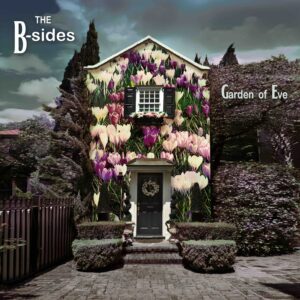
    Garden of Eve, the debut album from Miami collaborators Chris Alvy and Adrian Lopez, doesn’t announce itself with bombast or nostalgia. Instead, it opens a gate. The record leans into a lineage of carefully crafted pop and art rock that treats songwriting not as a retro affectation, but as an enduring discipline.

    Alvy, whose résumé includes Hi-Fi Sister, Superfuzz, and the Chris Alvy Band, has long operated in the spaces between scenes, where power pop meets thoughtful arrangement, and hooks coexist with restraint. Lopez, best known for Similar Prisoners, brings with him a sensibility shaped as much by visual art and poetry as by sound. Together, they form The B-Sides, a name that suggests both humility and intention: Songs made for listeners who stay with the record after the obvious tracks fade.

    Garden of Eve draws freely from the melodic grammar of the late ’60s and early ’70s, echoes of the Beatles, Badfinger, Harry Nilsson, ELO, and The Monkees surface throughout, but the album never collapses into imitation. These influences function more like reference points than destinations. What matters here is not revivalism, but clarity through chord progressions that resolve, choruses that earn their lift, and arrangements that breathe.

    The first single, “There Comes a Time,” offers a fitting introduction. It’s a song built on patience rather than urgency, unfolding with the confidence of musicians who trust their material enough not to rush it. The track gestures toward introspection without lapsing into self-importance, its melodic arc doing most of the emotional work. That sense of deliberateness runs throughout the album. Garden of Eve is sequenced like a full statement rather than a playlist of singles, inviting listeners to experience it as a continuous space. The songs don’t compete for attention; they converse with one another.

    There’s also something unmistakably Floridian in the album’s atmosphere, though not in any obvious stylistic way. Instead, it’s present in the subtle surrealism that creeps in at the edges: Moments where light shifts, where familiar sounds take on slightly altered shapes; where Miami is not a postcard or club myth, but a lived environment – humid, strange, quietly generative.

    As Miami’s underground music culture continues to evolve, projects like The B-Sides remind us that innovation doesn’t always mean louder or faster. Sometimes it means returning to fundamentals with sharper intent. Sometimes it means writing songs that assume someone, somewhere, will sit still long enough to hear them through.

    Garden of Eve will be officially released on January 15, 2026.

  • Elvis at the Olympia: Miami Bowed Before the King of Rock

    Elvis at the Olympia: Miami Bowed Before the King of Rock

    Elvis’s appearance at the Olympia unleashed a wave of youth hysteria unlike anything Miami had ever seen, and left behind one of the wildest—yet least remembered—nights in the city’s cultural history.

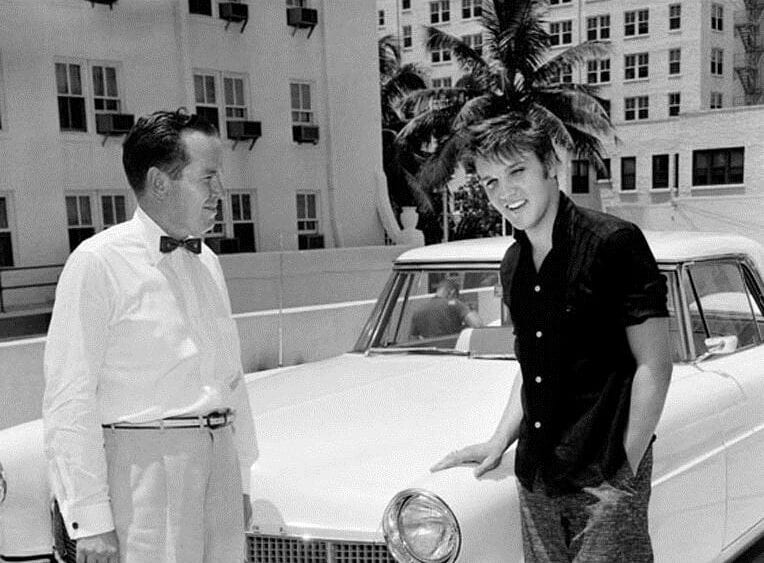
    On August 2, 1956, Elvis Presley arrived in Miami in his lavender Lincoln Premier. The following day he would give his first performance in the city, seven in total. He had already passed through Jacksonville, Fort Myers, Orlando, and Tampa, places where the conservative South reacted with suspicion as teenagers greeted him with unrestrained fever. Heartbreak Hotel topped the charts, and the country was living, officially, in the era of Pre-Presleymania. Everything suggested that Miami would be no different. The Miami Herald even ran a warning that “every young delinquent” in town would gather at the venue over the weekend.

    The concerts took place at the Olympia Theater, in the heart of Downtown, a building that has survived—almost miraculously—Miami’s unkind habit of blowing up its own history. In the 1970s it nearly met that fate, but magnate and philanthropist Maurice Gusman purchased it, donated it to the city, and spared it from destruction. It was restored and relaunched as a cultural mecca. Decades later, someone again floated the idea of demolishing it to make way for a Shopping Center, and recently it was even proposed as the site for a public school. Its stage has hosted the Kings of Spain, Pavarotti, The Police, Supertramp, and a long list of names that have given it an unmistakable glow.

    The Olympia was built between 1925 and 1926 by Paramount Pictures, just as cinema was preparing to abandon silence and enter the age of sound. Architect John Eberson designed it during Miami’s first real estate boom, when the city was beginning to appear on the national map. It was Miami’s first air-conditioned building, raised in the Mediterranean Revival style, with an interior evoking a nighttime amphitheater—false balconies, arabesque motifs, and a main floor worthy of an opera house. In 1984, it was added to the National Register of Historic Places.

    At the time, it was reported that the Olympia had never sold so many tickets so far in advance as it did for Elvis’s concerts. Crowds began forming at four in the morning for his debut. Presley appeared wearing a pink jacket and dark trousers. The frenzy inside was so great that, when the show ended, fans broke through the police line, surrounded him, and managed to tear off his pants. There are photographs of the King of Rock standing in his underwear, in white socks and shoes, amid screams and shoving.

    That concert gave rise to a host of urban legends. One of the most repeated claims that Elvis, from the window of his suite, leaned out and tossed to the fans the scraps of clothing they had ripped from him. What is documented, however, is the testimony of June Juanico, his girlfriend at the time. In an interview, she said that although Elvis caused a stir in every city, she had never seen anything like the madness he unleashed in Downtown Miami.

  • 2025 Was Such a Good Year for Music in Miami

    2025 Was Such a Good Year for Music in Miami

    Miami is an intrinsically musical place from its rooted Caribbean influences to the unusual birds that come and grab a little bit of our heat.

    It takes nerves to consider oneself a local. What makes you one? I guess surviving each and every little nuance with the slightest complaint, like Cubans say, “esto es así,” a self-proclaimed c’est la vie, accepting the city you’re bound to without paying too much attention to its adversities. It is expensive, some would say overpriced, but we come to value it in the most inadvertent moments: a colada in between shifts, the always beautiful weather, food in all of its variants, and the warmth of Spanish in every corner.

    I want to make a Momentum 2025 music Miami list of concerts, albums, shows, and songs. Not the best ones, not the most remarkable; just what they were for me and how I experienced them.

    January

    California Honey Drops at the Miami Beach Bandshell 

    Their sound: pristine.
    The vibes: infinite.

    Since I was invited last minute, I hadn’t listened to these guys before and didn’t know what to expect. I couldn’t believe I was experiencing such a high-quality show. The beginning of the year brought with it my first big rush of musical energy. The air smelled like nature. Everyone was waving and cheering; most of them—true fans—were singing the songs.

    Lead singer Lech Wierzynski has an old soul and the energy of 200 singers all at once. Their unusual instruments (washboard, anyone?) and their instrument swaps are a high-caliber experience.

    It was my first encounter with musicians after a concert—being able to talk to Johnny and say, “Hey man, you rocked!” I remember inviting them to see Tremora, a local Miami band who is also part of this momentum. In retrospect, that was kind of wild of me.

    February

    A good run of contacting local musicians and researching the local scene resulted in one of the first multi-band shows of the year: I got to see Perro Negro, The Zappe Cats, and Condors and Chaos on the same night at Savage Labs.

    This allowed me to introduce myself to them, and the idea of a seemingly possible music channel—where I could introduce local music to a wider audience via social media—was born. This idea brewed in my mind for the following months. The Zappe Cats made a particularly strong first impression.

    Shout-out to Eddy Gatoe from Girl Blues Band for telling me about it.

    March

    Khruangbin. But not only that: Helado Negro doing soundcheck, humble, generous, while allowing us to enjoy his unique sound. Then, Khruangbin.

    Visuals, pantomime, and so many conversations that followed the show with my friend Lexi—all of them recorded. Something was definitely brewing by then. A girl can dream. A girl was dreaming big, with both feet on the ground, like Regina Spektor says.

    April

    The Hermanos Gutiérrez concert at the Fillmore was spiritual and peaceful. Adrian Quesada was there too, and we got a first listen to an album that Rolling Stone would later acclaim for doing “for psychedelic boleros what the Buena Vista Social Club did for the Cuban son,” setting a very high bar for the sequel. They debuted the song Tres Hermanos right then and there.

    Hermanos Gutiérrez presented their music with intention and grace. Witnessing their performance brought me back to my beloved desert of New Mexico and Chihuahua—places they happened to mention between songs as sources of inspiration. Their music comes from the exact same place I once called home. One of the songs even carried a motif based on “Amo y Esclavo,” which moved me to tears.

    I would consider this one in my top three.

    May

    Locally speaking, Lagniappe became my favorite place to listen to live music. I got to see House Savage, Electric Kiff, and Maya Azucena. SoFar Sounds was another great experience, with Tremora’s lead singer, Carlos Escanilla, performing alongside various artists.

    June

    This month, I got lucky and won tickets to see Vampire Weekend. They asked me to talk about my experience getting the tickets and about the concert and that was it for me. I felt the calling stronger than ever. It became something I needed to do.

    I had always been a writer, but my transition into music journalism surprised even me. I was finally able to put together the two things I love most. With patience and love, Music in a Heartbeat was born.

    July

    Things evolved quickly. I scheduled my first interview. I reached out to a musician whose music I had just discovered and who felt deeply aligned with my taste. We ended up having one of the best conversations of the year: Chris Logan, the Border Town Kid.

    I wrote an extensive article, now available on my Substack. That same month, I started my YouTube channel and recorded my first in-studio interview with local band Tremora, a band I had been following for months, whose sound had already captured my attention. You can find it on Music in a Heartbeat.

    August

    August heat brought along a Mississippi original: Yot Club. I had been anticipating this show all year, and it was everything I hoped for—and more. His energy and charisma were present in every song. The shoegaze comparisons come from the dreamy, atmospheric textures, the use of chorus, reverb, and distortion is my favorite kind of sound.

    I had a blast, a sweaty one. He closed the show with a cover of “Keep On Going With the Flow,” and it was deeply comforting. A full text can be found on my Substack.

    La Santa Cecilia also blessed us with their presence this month. I had never cried and had so much fun at the same time. We need to have them visit us more often.

    The very next day, I attended another unforgettable concert: rising star Alexa Lash and Blue Mystic. One of my top ten moments of the year—it felt like watching two crescent moons rise at once, two flowers blooming in parallel motion.

    September

    September was a month of preparation, contemplation, and music. I attended Project Sirena, an initiative by Alexa Lash that showcases female singer-songwriters from Miami’s local scene—a true community service that continues to grow and flourish, like everything meant to last.

    I also recorded my interview with The Zappe Cats, which was posted the following month. I genuinely enjoy recording interviews in the studio. Every step of the process has taught me something new, and this experience was no exception. The Zappe Cats are as talented as they are warm and humble.

    October

    I published my interview with The Zappe Cats, an experience that was fulfilling from beginning to end.

    That same month, I wrote an article and attended a fundraiser for Gaston Adanto, a young musician whose story is as inspiring as his music is vibrant and full of life. This event would not have been possible without Andrew Frix of Frix and Friends, who organized the fundraiser and played most of the night for friends and family. One of my top moments of the year.

    I also attended my first-ever pre-album release listening party, hosted by Alexa Lash.

    November

    November, my birthday month, came with quieter, more reflective energy. I wrote an article about a devastating fire that destroyed most of Solange Sosa’s material possessions and collaborated in efforts to raise funds for her resettlement. Her concert was delicate yet powerful, filled with intention.

    I also attended a Balthvs concert and wrote a review, which you can find on my Substack. I’m proud to say they liked it. Top concert of the year.

    For my birthday celebration, I went to see Cumbiamba. Although their set felt shorter than I wished, I enjoyed every moment.

    December

    How are we closing this year?

    You’ll find me in the New Mexican desert, enjoying a cold one with my old ones—maybe riding a horse into the horizon. But before that, I’ll attend Helado Negro. And maybe—just maybe—he’ll be my last interview of the year.

    Thank you for being part of this incredible year—the best of my life.

    With love,
    Magno

  • Sonora Tukukuy Play Miami Beach Bandshell Thursday Night

    Sonora Tukukuy Play Miami Beach Bandshell Thursday Night

    This article originally appeared in PureHoney Magazine. Check them out here.

    In a city where rhythms collide as naturally as languages, Sonora Tukukuy have emerged from Miami’s post-pandemic haze with a pulse that never stops. Born out of long friendships, late-night jams, and overlapping band histories that stretch back to the late ’90s, the group’s hypnotic blend of cumbia, funk, and psychedelic groove feels like a communal exhale: A dance floor therapy session stitched together by rhythm and memory.

    For this Latin American sestet, cumbia with its telltale double beat wasn’t a choice so much as a birthright — “something that’s always been part of our bloodstream,” band member Gabriel Ayala says. “Its elasticity and generosity as a genre made it the perfect canvas to channel everything we were feeling and to let the sound evolve with us.”

    Peruvians Ayala and Roberto Taninaka, Venezuelan Alex Izaguirre, Colombians Alejo Angee and Jorge Moreno, and Argentinian Daniel “Dito” Reschigna carry serious Miami pedigree, with roots in local acts like Minimal, Estacion Local, Soniko, Aura Band, and Panasonicos. Their union feels like the natural next step in the city’s ongoing evolution: musicians raised on Latin rock, punk, and funk rediscovering the cumbia heartbeat that once pulsed through backyard parties and block gatherings in the southwest suburbs.

    “Miami may not be the first city people associate with cumbia,” Ayala says, “but it’s made of collisions; cultures, sounds, and stories constantly blending.” From the sprawl of Cutler Bay and Homestead to the warehouse spaces of Allapattah, the band finds inspiration in the city’s creative edges, where the spirit of improvisation and collaboration still thrives. Their music is born between worlds, proud of its heritage yet unafraid to wander. With cumbia landing in Berlin clubs and Tokyo record shops, Sonora Tukukuy see expansion, not dilution. “Cumbia doesn’t lose its roots,” Ayala insists. “It extends them.”

    With six singles out and a full-length debut coming in December, produced by local artist Delusion Bay, the band’s momentum feels unstoppable. It’s a love letter to Miami, to its rhythm and resilience, and a promise that the Tuku familia will keep growing, one sweaty, joyful dance floor at a time.

  • Electric Piquete Release Their Version of “Jingle Bells”

    Electric Piquete Release Their Version of “Jingle Bells”

    When James Lord Pierpont first penned “Jingle Bells” in 1857, it was originally titled “The One Horse Open Sleigh”. There was no way he could ever imagine that it would become a Christmas standard, and that it would be rerecorded with a Latin and blues shuffle feel by Electric Piquete 168 years later.

    When the band was still in its early stages, it regularly gigged at Dolphin Mall in Sweetwater. Those grueling three one-hour sets, sometimes played in a 90-degree swelter, steeled the band’s Latin funk sound and made the members better players.

    During the holidays, the mall would inevitably roll out the Christmas décor and host a “magical snowfall”. Being gamers and the shopping clientele ~90% Hispanic, the band learned and began performing several holiday standards, including “Feliz Navidad”, “Little Drummer Boy” (redux and recorded as “Little Conga Boy”), and “Jingle Bells,”  all with a heavy Latin flavor.

    This year, in the spirit of the festival of Yule, overeating, and maxed-out credit cards, Electric Piquete decided to capture the song and release it in time for the holidays. The first spin happened on WDNA during Viviam Maria’s December 3 Cubaneando show; it’s now streaming on YouTube.

    After shedding the track in early October, drummer Ed Rosado, bassist Michael Mut, and keyboardist Charles Gardner entered the Shack North Rehearsals and Recording mid-November and put down the basic tracks live in a session engineered by longtime friend and band producer Ferny Coipel.

    A couple of weeks later, Robert Smiley (tenor sax) and Patrick Araujo (trumpet / flugelhorn) came in and cut horns. Coipel sprinkled in some guitar for effect, and Rosado topped it off with some percussion flourishes.

    Wishing everyone a safe and Happy Holiday season, and a healthy, happy 2026! Thanks for listening and supporting the band all these years.

  • Freddie Mercury and Queen over the Water

    Freddie Mercury and Queen over the Water

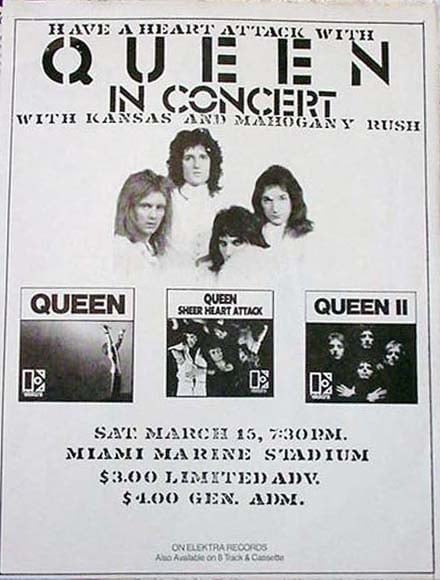
    Queen performed 704 concerts over their sixteen-year career. That journey, like that of any band starting from nothing, was built step by step: the album Queen I opened doors for them in the United Kingdom, and Queen II pushed them into the spotlight. Their immediate ambition was to conquer the United States, and the formula for doing so was already underway. “Killer Queen” was hitting the airwaves with force, and “Now I’m Here” finished winning over audiences. Both tracks were part of Sheer Heart Attack, the album that carried them to Boston, Cincinnati, Cleveland, New York, Miami, and a long list of other cities.

    The Miami show was scheduled for May 15, 1975. The tropical weather, however, seemed intent on ruining it: a storm flooded the city and forced its cancellation. The tour continued to Japan, and there was no room for rescheduling, but losing this date was unthinkable. It was their only open-air show in the United States, in a place that felt dreamlike to a band accustomed to the gray skies of The UK: the Miami Marine Stadium, a venue with a floating stage over Biscayne Bay. The band managed to set a new date two days later, and the concert became an absolute triumph. Freddie Mercury, still in his early bloom, dressed in white with long hair, overflowed with talent before a crowd that vibrated not only from the stands, but also from boats and surfboards gathered in front of the stage.

    The Miami Marine Stadium had been standing little more than a decade. It opened in December 1963 on Virginia Key, part of a project meant to inaugurate the nation’s first powerboat-racing circuit. These were years in which that sport was undergoing an extraordinary boom, and Miami wanted to be at its height. Beyond nautical competitions, the stadium was meant to host concerts and all kinds of performances.

    For the design, the city hired the firm Pancoast, Ferendino and Burnham. The commission fell to Hilario Candela, a 27-year-old Cuban architect. Despite his youth, he arrived with a remarkable résumé: he had worked in Havana for the firm behind the legendary Tropicana cabaret and, once in Miami, contributed to the construction of the first buildings of Miami Dade College. The city administration wanted a simple, low-cost project, but Candela proposed a structure with a distinctly refined aesthetic: a concrete, seafront stadium for seven thousand spectators, complete with a floating stage. After long negotiations—and concern that the project would exceed its one-million-dollar budget—an agreement was reached. Construction took six months and stayed within cost.

    The stadium lived fifteen years of splendor. From its stands, audiences witnessed boxing matches, major concerts, the filming of Clambake with Elvis Presley, and political events such as Richard Nixon’s campaign rally. But by the early 1980s, its decline had begun. New venues like the James L. Knight Center and the Miami Arena pushed it aside, and Hurricane Andrew in 1992 sealed its fate: structural damage forced its complete closure.

    Since then, the Miami Marine Stadium has lingered in limbo. Some administrations have proposed restoring it and transforming it into a cultural landmark; others have argued for its demolition. None of the plans have prospered. Today it rests beside the Rickenbacker Causeway, its bleachers covered in graffiti, an abandoned monument to Hilario Candela’s architectural dream and to that unrepeatable night when Queen quite literally sang over the water.

  • Earl Sweatshirt Made Miami Beach Feel Cool

    Earl Sweatshirt Made Miami Beach Feel Cool

    1998 was the first time (and last) that I felt cool at a concert. A friend and me went straight from work at Cuyahoga County Republican Headquarters (not a joke) to a Beastie Boys concert at Cleveland State University’s Convocation Center. The young attendees glared at us pre-show, as if they knew we were conservatives. In a strange turn of events, the Beastie Boys came out wearing exactly what we were: light gray shirts and dark gray chinos. As we walked out I overheard comments like “Are they with the band?” and “How did they know?” My friend looked over at me: “Even a broken clock is right twice a day.”

    Fast forward 27 years to my latest venture into the world of hip-hop: the Earl Sweatshirt “Live, Laugh, Love” tour stop at Miami Beach Bandshell on November 25th, 2025.

    I know of Mr. Sweatshirt because of my very cool half Albanian son, Daniel. He introduced me to Earl’s world via Tyler the Creator, who once had a sketch comedy show on the Cartoon Network’s Adult Swim called The Loiter Squad.  One of Tyler’s cast mates was an aspiring 18 year old rapper, stage name Earl Sweatshirt.

    For his 13th birthday in September, Daniel wanted nothing more than to see Earl live. So I bought 4 VIP tickets, and then promptly forgot all about it, half hoping my much cooler wife would take him. No such luck.

    It was billed as an all ages show, so I thought there’d be plenty of middle-aged dads there with kids my son’s age.  Nope. My son, apparently, is a trailblazer, so much so that Mr. Sweatshirt himself asked one of his friends, “How old are y’all? 12? 13? Mad props!”

    Despite my being among the oldest of the ticket holders, my crew of 7th graders were the youngest fans, by a lot.  However, we were made to feel very welcomed by everybody – vendors, security, talent, and other fans.

    Standing in line I struck up a conversation with Heaven, aged 21. If I hadn’t learned she was from Daytona Beach, with a southern drawl and plans to join the Air Force in 10 days, I would have assumed she was a Ukrainian model trying to make it in America.

    She had driven to Miami earlier in the day and planned to drive home after the show. This concert was her last hurrah before giving her life to the service of Uncle Sam for the next six years. Earl, she said, is her favorite rapper.

    Considering her sacrifices, I gave her my coveted Live, Laugh, Love hat that was part of our VIP swag bags. She graciously accepted, and I wished her well as she struck up a conversation with a nice young man from Miramar.

    Getting there by 5 pm to pre-register for a 6:30 p.m. meet and greet with Earl was taking its toll. I wanted to go home and re-watch the Sopranos. But the excitement was building.

    Thanks to my Shazam app, I figured out that Levelz from Birmingham, U.K. was the fun pre-recorded pre-show music thumping throughout the Bandshell (and the rest of North Beach).  Because we were VIPs, we managed to get front row access, but the sound mix was perfect.  No need for ear protection.

    Both of Earl’s openers led the crowd in chants of “Fuck the Police!” and “Fuck ICE!” The crowd largely seemed to oblige. One performer tried a chant of “Fuck Cigarettes!”

    “Whoa! That’s where I draw the line – I like cigarettes!” joked Emmanuel, a 42 year old fan of Mr. Sweatshirt, who learned of the concert just a day before, thanks to a targeted online ad.  We struck up a friendly rapport that would benefit me greatly later on.

    All of the performances were really good, especially Earl’s. A young and attractive Latina next to me seemed like a nerd – glasses, dressed very conservatively. However, I noticed she was sneaking hits of marijuana, using her phone as a shield. The higher she got, the more she invaded my space.

    Being a gentleman, and not wanting any misunderstandings with her male companion, I somewhat froze. This was a mistake. She ended up using my left shoulder as a stabilizer for her phone. My son’s friend in front of me was wearing a hoodie, and I could feel the heat emanating from him.  Heat from my own body was intensified from having Latina Mia Khalifa breathing on my neck. The whiffs of corporate vape /smoke were also closing in on me. Am I going to faint? Is this physical or anxiety? Both?

    “Boys, after this song, we’re going to the cheap seats,” I announced. A couple of us used the restroom, and I bought some Pepsi and water for my crew.

    My son protested, “Dad – what’s the point of getting VIP if we’re not in the front row?” I couldn’t argue. “I’ll stand right here by the bathroom, and you boys go back and see if you can reclaim your spots.”  They did, thanks to Emmanuel. He muscled them through the inhospitable crowd, taking care of what I couldn’t.

    Just a week before, I had been at the Van’s Warped Tour in Orlando with my eldest to take in the musical stylings of Yung Gravy and the artist formerly known as Machine Gun Kelly.  Why was I doing this to myself again? It’d be one thing if I was a drinker or a weed man. I’d have tangible coping tools at my disposal.  But to navigate these scenes old, chubby, and stone cold sober reveals just one fact: I’m a pretty good dad.

    One boy in our crew is a preacher’s kid. All throughout this night, including the drive into Miami Beach and back, I felt like the preacher and his wife must have said some prayers for us. Nothing went wrong logistically.   Getting out of the parking lot across the street was eventful, however. A “gang” of very colorful roller skate enthusiasts had kinda taken over the parking lot.  To not accidentally hit one was yet another feather in my cap.

    So it’s not my thing, this hip-hop Miami lifestyle. I did it for my boy, and I’m glad I did. One of my son’s friends even told me it was “the best night of his life.”  If I can survive, nay, thrive in that environment, then perhaps I can fly up north for Christmas without the usual sweating and anxiety?