Category: News

  • Bobby Peru Plays with the Strength of Metallic Static

    Bobby Peru Plays with the Strength of Metallic Static

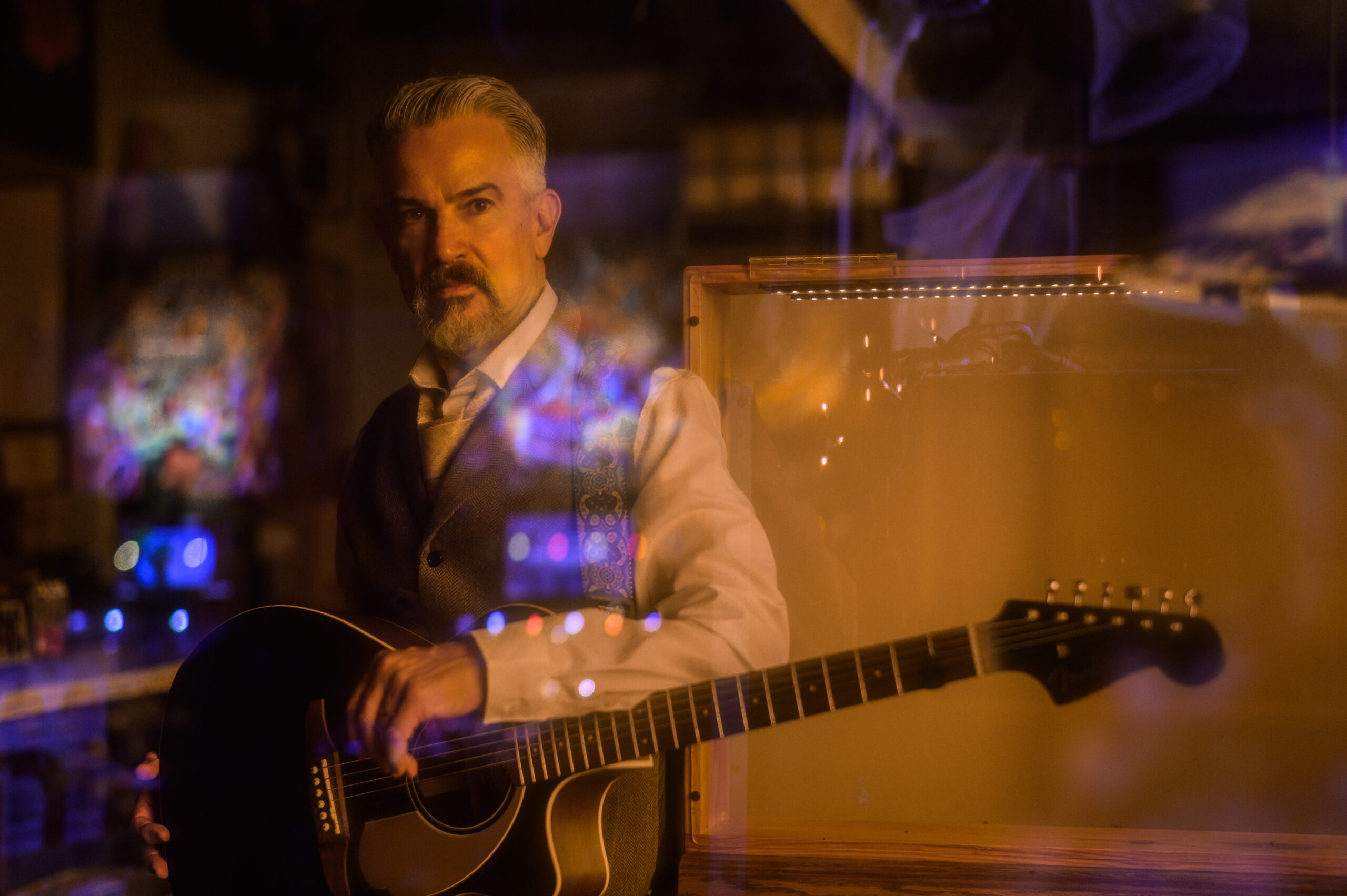
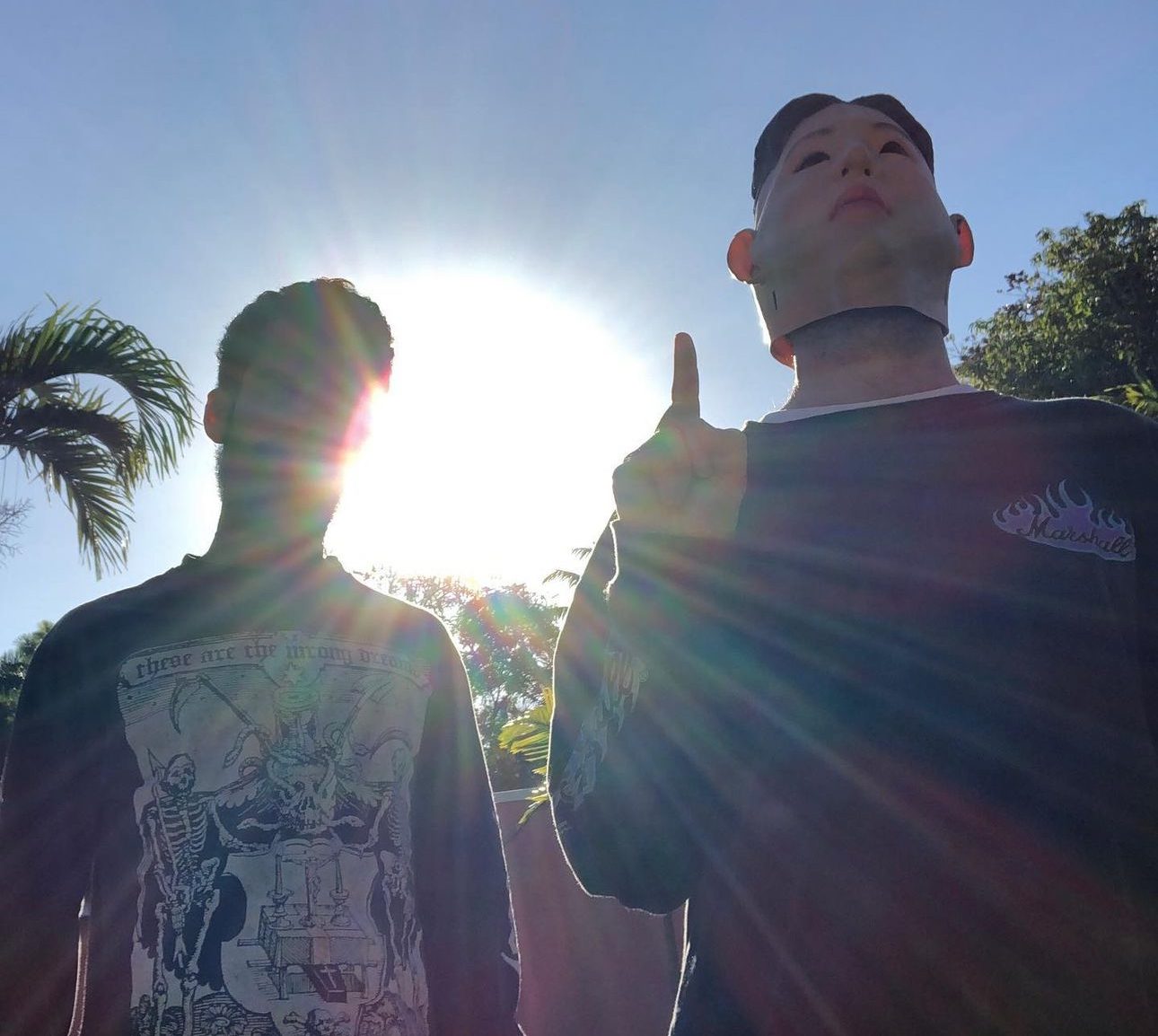
    You can find an unsuspecting sound from the duo Bobby Peru. The energy can be described as the strength of magnetic static, the drums and guitar pump like a pulse that coordinates every glitch install, and every beat. Their unique sound and variation elevate when you listen to all the singles they have released. Their latest EP Ivory Prior released in February of this year, is a thirteen minute run of what takes you through that sonic gallery.

    Drummer Davin Sosa and the guitarist who goes by Robbie hopped on to The Jitney to answer our questions.

    Why the name?

    Davin Sosa: The name is from David Lynch’s 1990 film, Wild At Heart. The character Bobby Peru is portrayed by one of my favorite actors, Mr. Willem Dafoe!

    What is your practice situation and who and how do you write your songs?

    DS: We practice in my garage. We have everything we need to rehearse and record here. Most song ideas are initiated by me, and Robbie adds the melodic flesh to the skeletons I bring him. Very rarely, we’ll jam something out together and the basics of a song take shape in the moment.

    Tell us about your next album when can we expect it.

    DS: Next couple months you’ll see three new fast ones from us. Got two really interesting ones in the chamber after that. We’ll probably just release EPs and singles forever.

    Where do you come from?

    DS: Robbie and I come from the gay fires of creation that forged us all.

    Do you have a video coming out?

    DS: Not yet, but we’d like to have a cool video. Thinking of contacting my friend Bryan Adams if he has the time or desire to help us. His work is beautiful!

    What was the first album you each bought?

    DS: The first album I bought that really opened my mind was Gorillaz’ self-titled record. Catchy vocals, awesome production and experimentation. First heavy record was SOAD’s Toxicity.

    Robbie: I’ve loved music my whole life and I’m 100% sure there’s a Muppets album or something I begged my Mom for when I was five. However a really pivotal one was not even something I bought. My brother’s friend burned me a CD from Kazaa downloads that was filled with beautiful music from genres I always ignored. I can’t remember everything that was on it but it had BT, Seal, Sting, Enya, and more…up until then I stayed safe in my beloved classic rock and ‘80s/’90s glam or grunge or metal or whatever. This was around the time my tastes started expanding.

    Please provide your social media handles.

    DS: @davsucio

    R: @thehoffafactory

    If you could have a guest musician play with you, who would that be?

    Robbie: I’ll use an example both Davin and I could agree on. It would be easy to say something obvious like Danny Carey from Tool or Mike Patton (if y’all ever feel like it, fellas) – but instead I’ll choose Yasuko Onuki, singer of the Japanese experimental punk band Melt Banana.

    Share with us something you usually wouldn’t tell other people.

    Robbie: The parts in our music that have a classical or melodic sense probably come from me. It’s not set in stone, but Davin writes a lot of the punishingly heavy, chromatic stuff and I go a little more melodic. The part of my family from Wales exposed me to traditional Welsh choral music while I was growing up. Then I fell in love with choral and classical music in general.

  • Live Arts Miami presents “[morning//mourning]” a brilliant modern opera

    Live Arts Miami presents “[morning//mourning]” a brilliant modern opera

    Celebrating its 35th anniversary, Live Arts Miami presents the Future Earth series, a dynamic lineup of performances exploring the intersection of art, technology, humanity and the planet. First up in the series,  “[morning//mourning]“, an experimental opera  exploring a post-human world on planet earth and beyond.

    Inspired by Alan Weisman’s 2007 bestselling novel  “The World Without Us” the piece debuted last year in New York to critical acclaim in The New York Times and more. It is interesting to encounter in Miami an Avant Garde production that premiered in Soho. But this is one of those sleeper gems that Live Arts is known to deliver. You have to really be plugged into Miami to witness culture like this. It’s here.

    “[morning//mourning]“

    They call this production an experimental opera. It felt more like a musical, with some pieces having the tone of old timey Americana spirituals, or soul music. Most of the soundtrack was playful and experimental, with the five piece ensemble creating onomatopoetic scatting sounds with clicks of the tongue, or snaps, whistles, body pounding and such. Some instruments are playful, like the xylophone and kazoo, others melodic like a harp, acoustic guitar or wooden daxophone. One thing is for sure in “[morning//mourning]” — there is plenty of narrative.

    “[morning//mourning]“  is a highly imaginative piece of theater. It starts in the near “now” with a mysterious cataclysmic event that wipes out humanity. We travel into the future, 30 years, 100 years, 200 years, then a jump to 5,000 years, to 20,000, 30k, 50k, 250k, 1 million, 42 million, 250 million years until earth says goodnight at 1.6 billion years.

    This play should be ominous and foreboding in tone, instead it is playful and creative. We see new species evolve. And the planet reinvent itself again and again.

    “[morning//mourning]” wildly takes us through Earth’s next evolution, as the planet deals with the plastic and nuclear waste that humans have left to decompose.

    “[morning//mourning]“  & MDC Live Arts

    This show is not for everyone. But if you have an open mind, it’s quite captivating.

    It’s certainly smart. Almost too smart for Miami? Dare we say.

    At times it felt like we were obtaining a PhD in Ecology and Evolutionary Biology from Princeton.

    At other times, it felt like we were watching five adults Fly Over the Cuckoo’s Nest.

    Yet still at other times, the piece felt meditative, like a yoga class, or being read to at night as a child.

    And finally most times, it just felt like good old storytelling, wrapped in entertainment.

    Gelsey Bell, the show’s creator, and most operatic of the ensemble, reflected on the piece’s deeper purpose: “This piece was created to expand how we think about time scales, to conceive of transformation over long periods of time, in ways that highlight the staying power of some human activities and speak to how long it can take ecosystems to adapt.”  

    Katherine Garcia, the executive director of Live Arts Miami, gets the credit for bringing the play to Miami.

    “I was immediately struck by its exquisite artistry, unexpected humor and hopeful tone,” says Kathryn Garcia. “The work truly transports you to another reality, capturing your imagination with vivid storytelling, beautiful music and outstanding performances.”  

    New York based artists including Gelsey Bell, Aviva Jaye, Mia Pak, Brian McCorkle and Paul Pinto, have created something unique. And they brought it to Miami for a weekend.

    Catch it while you can. 

     Performance Details: 

    ·         Dates & Time: October 17-19, 2024, 7:30PM

    ·         Location: The Art Lab at MDC Wolfson, 300 NE 2nd Ave Building 1, Miami, FL 33132 (bring a sweater, it’s cold in there).

    Tickets and Information: 

    As part of Live Arts Miami’s 35th Anniversary celebration, tickets for this unique event are priced at $35.

    For more information and to purchase tickets, please visit liveartsmiami.org.

    If you are a student at Miami Dade College, enter MDCSTU at checkout to get a free ticket. 

  • Lou Aguilar Presents The Washington Trail at Books & Books

    Lou Aguilar Presents The Washington Trail at Books & Books

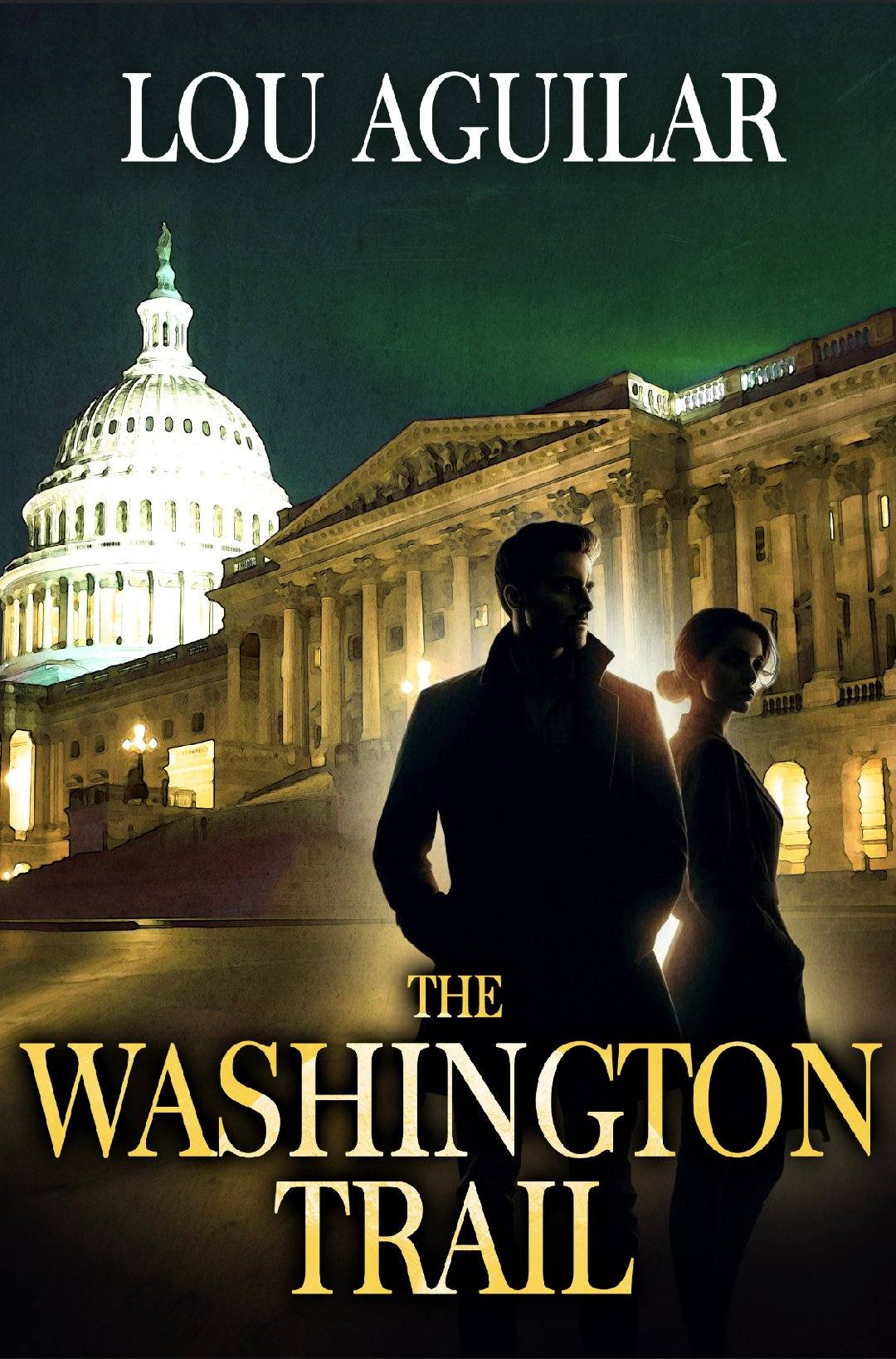
    Below is an excerpt from Lou Aguilar’s new novel, The Washington Trail, available for purchase by clicking here. Lou will be presenting his book at the Coconut Grove branch of Books & Books at 6:30 on Thursday, October 24.

    Emergency Room staffers at Howard University Hospital called it “the calm before the storm”. This was early Saturday evening, when the soon-to-be injured from shootings, beatings, and other weekend rituals were still healthy. Only five people now sat in the ER waiting area, a bright room with yellow polyester chairs, an analog wall clock indicating eight till six, and the registration-security desk. They were the burly guard at the desk, an academic with a towel around his hand, his wife and toddler, a busty mulatta policewoman in her late twenties, nametagged R. Valdez, and two seats to her right, Mark Slade.

    Slade was trying to read the Washington Post capsule story on “the Capitol Hill Sniper”, but Officer Valdez’s sad expression kept distracting him, more than it would have on a less attractive face. She’d silently driven him and Amy to the hospital, where Amy’s facial bruise was being treated by an old GU friend of his. The next destination would be police headquarters – their joint appearance guaranteed by Officer Valdez. Slade addressed her.

    “Hey, if you wanna grab a cup of coffee, I won’t run away.”

    Officer Valdez brightened slightly. “You promise?”

    “Scout’s honor.”

    “You were a Boy Scout?”

    “Eagle Scout, baby. Brussels Troop.”

    “I hear they’re letting girls in now.”

    “Someone’s gotta bake the cookies,” Slade said.

    Officer Valdez almost smiled.

    “How do you feel about lady cops?” she asked.

    “I think they’re vital for Equity, Diversity, and Inclusion.”

    “Really?”

    “No, but you’re wearing a gun,” said Slade.

    Officer Valdez did smile for a few seconds, then her face darkened again.

    “So were Behling and Garcetti,” she said. “For all the good it did ‘em.”

    “The two cops that got shot today.”

    The policewoman nodded sadly.

    “I dated Behling. It didn’t work out, but we stayed friends.”

    “I’m sorry, Offi – what’s your first name?”

    “Raquel. I think I will get that coffee. You want one?”

    “No thanks, Raquel.”

    Officer Valdez stood up and walked to the desk guard, who let her pass. Slade plugged his earbuds jack into his cellphone. If You Leave by OMD came on. He leaned back in his chair and shut his eyes. He heard the lyric that haunted him: Seven years went under the bridge like time was standing still ….

    “What was it, Mark?” said a breathy feminine voice. “More of your macho bullshit?”

    “Hello, Nina,” Slade said opening his eyes.

    Nina Holt stood before him looking just as she did on television – green cat eyes, shoulder-length brown hair, and a cute patrician nose that rejected whoever her rosy lips and curvaceous body – in light blue ski coat and jeans – attracted. Not a classic beauty like Amy, only she had pierced his chest like a Comanche arrow. Once upon a time in the West, he had penetrated her just as deeply.

    “If I’d known you’d visit me in the hospital, I’d’ve checked in long ago,” said Slade.

    “I always said brain surgery would make you more attractive.”

    “Sure, ‘cause then I’d start agreeing with your views.”

    Nina’s mouth formed into something between a smile and a smirk.

    “I heard you came back in one piece,” she said. “When was that?”

    “Almost a year ago.”

    “I’m glad, Mark. I was worried about you for the last six, ever since we stopped talking.”

    “No need for it. Your kiss-off gave me an edge against Taliban killers.”

    Nina grimaced then suppressed it.

    “So, how’re you doing?” she asked.

    “Great.”

    “I’ve seen you look better,” said Nina, indicating Slade’s left eye.

    “You should see the other guy.”

    “I did. He’s dead. So are two cops and a young man – Greg Bradford. Before he was a sniper, he was an L-A to Senator Owen.”

    “And you’re here to get the full story.”

    “Lieutenant Wallace said you’re part of it – and where I could find you. It’s my job.”

    “And you’re great at it,” said Slade. “Detached, impartial, everything a good reporter should be.”

    Nina sighed. “Look, Mark. I didn’t want to come here. It’s painful for me too. But you and Cork were involved in four shooting deaths, one of them an aide to an important Senator.”

    “Who your commie network hates.”

    “I’ll admit bringing down Owen would bump me up at work. But Neil said he won’t comment unless you do. God, I hate male bonding.”

    “Stop trying to join the club.”

    Nina winced. “Just tell me what you know, and I’ll get out of your life.

    “You want a story? All right. There was a girl. She was sweet, smart, and feminine. She loved this guy, and he her. They planned to get married after his first tour of duty – and start a family. While he was in harm’s way, she went to Columbia J School. Hooked up with a real fast crowd there. They were going to change the world – a racist, sexist world run by men and ruined by babies. She got into the right racket to do it. All she had to do to was dump the toxic male cramping her style. That she did – and on video – like the pro news chick she became. I still got it somewhere. You can tell a star was born.”

    Nina scowled, then with apparent effort softened.

    “I did love you, Mark,” she said softly. “You were everything I wanted in a boy.”

    “But not in a man.”

    “That made it more complicated.”

    “Tell me, Nina, how have you been? Who are you with? Seen any good movies lately?”

    Nina’s eyes flashed. “None of your goddamn business.”

    “That’s good, baby. Keep playing the tough bitch. Some of your viewers may buy the act. The ones that don’t wanna boink you.”

    Nina’s lower lip quivered. She spun around and marched to the exit. Her stormy eyes remained with Slade like the grin on the Cheshire Cat. So did the knot in his stomach.

    Amy Gallup stepped out of the inner door pressing an icepack to her right cheek, alongside young black doctor Ben Hooks. Slade and he had tried out for the Georgetown basketball team and come up short, literally in Slade’s case. Slade joined him and Amy.

    “Her face should be back to its supermodel caliber in a couple days,” Hooks said. “I gave her a prescription for the … You okay, man? You look like you’ve just seen a ghost.”

    “I did,” said Slade. “Nina Holt.”

    “Ouch,” said Hooks. “’Fraid I don’t have a prescription for that pain.”

  • Oscar Herrera: A Musical Journey Resumes with Songs For The Fallen Mountain King

    Oscar Herrera: A Musical Journey Resumes with Songs For The Fallen Mountain King

    In Edvard Grieg’s “In the Hall of the Mountain King,” the character of Peer Gynt enters the hall of the Dovregubbens (troll Mountain King) and is overcome by the sheer amount of creatures holding court at his feet. The bombastic crescendo that swirls around him is an immediately recognizable piece of classical music. Whether it’s a conscious nod or not, Oscar Herrera’s latest work certainly mirrors this ad hoc army while delivering an equally powerful punch.

    Oscar Herrera, a name synonymous with the ethereal sounds of darkwave, has made a significant mark in South Florida’s music scene through his work with bands like Black Tape For A Blue Girl, El Duende, Halo, and The Sleep of Reason. Herrera has returned to his musical roots with the release of his debut solo album, Songs For The Fallen Mountain King.

    “In April of last year, I retired from my regular job and after a 20-year hiatus, I was inspired to get back into music. I felt I had been away from music for far too long and I needed a creative outlet,” he said. To get the project together, Herrera contacted former bandmates and rekindled collaborations with musicians he deeply respects. The album features a diverse array of styles, merging rock with elements of jazz, flamenco, and theatrical influences.

    Herrera reached out to George Berkowitz, his former drummer from El Duende, after years of declining invitations to collaborate on various projects, believing he was retired. This time, he expressed his readiness to make music again. He also enlisted Greg Young, his bassist from The Sleep of Reason, with whom he hadn’t recorded in four decades, although they had performed together at the Flynn’s reunion show at Churchills in 2017. Additionally, he brought in guitarist Alex Sanchez and bassist Joe Rodriguez from Halo, for the reworked tracks “Io” and “Hell Before Sunrise.”

    Oscar Herrera Record Release Party

    One of the highlights of the album is “Father Whiskey,” arranged by the talented Alex Lacamoire, known for his work on Hamilton.  In 1994, Lacamoire was the 18-year-old keyboardist in Halo. “I now had three musicians from different phases of my musical career, musicians I admired and respected,” Herrera said, adding, “I also have my daughter Danielle and son Adrian singing on the album. They both heard music around the house growing up and we have gone to many concerts and music festivals together. When it comes to music we have no generation gap.”

    In addition to a string quartet from the Frost School of Music at the University of Miami, Herrera hired a three-piece horn section and a mandolin player from Buenos Aires, Argentina, a flamenco guitarist from Medellín, Colombia, and an R&B singer from Nashville through Fiverr and Soundbetter.

    “When the recording was done, I released it on all the major digital platforms in early March, but my dream was to have it released on vinyl,” he said. “Inspired by Black Tape’s Sam Rosenthal who has created several successful Kickstarter campaigns I decided to do one of my own. It was a nail-biting experience but, in the end, it was a success.”

    The finished product is also a testament to Herrera’s background as a graphic designer. The two-LP set comes with a full lyrics sheet and a set of tarot cards he designed. The bright red wax’s packaging is reminiscent of the Space Cadette era of local record-making.

    To celebrate the album’s release, Herrera will host a FREE listening party at Sweat Records on Friday, October 25 at 7 p.m.

    For more info and free tickets, click here.  

  • Attack of the Killer Tattoos

    Attack of the Killer Tattoos

    Now I know I’m going to piss off the majority of my friends. But I’m just worried. There’s an epidemic in our country, but no one’s saying a word about it. Not the doctors nor the politicians. Not the Karens nor the Kevins. It’s a silent sickness. Well, not too silent. There is the buzz of the tat gun repeatedly jabbing your skin. Oh, and the “cha-ching” of the cash register. They don’t “cha-ching” anymore, do they?

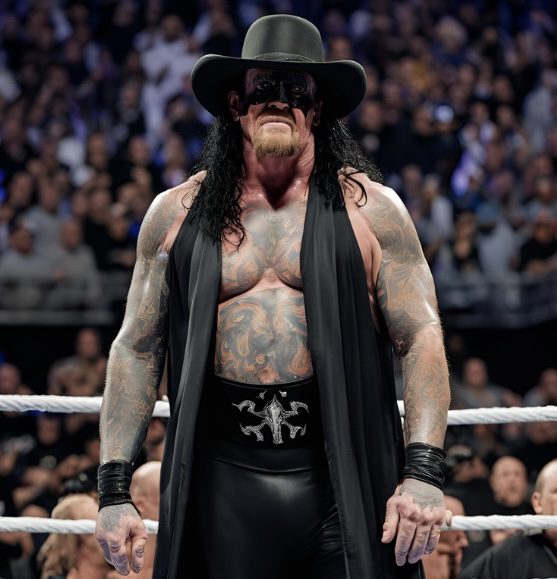
    I’m 44. And when I was a kid, I can’t remember ever seeing any tattoos on people. The first tattoo I think I ever saw was the animated GI JOE character called Shipwreck. He had, what’s very popular today, an anchor on his forearm arm. And back then, only a select few of WWE wrestlers sported some tats. Here, you can follow the sickness of tattooing by watching the Undertaker’s arms over the years.

    Now animated sailors and real-life animated wrestling characters seem to fit the bill of getting tattoos. But then the NBA began to feel the effects of this emerging disorder. And I do mean disorder in a mental health kinda way. Call me Judger McJudgerson. It looked like getting tattoos became mandatory on the basketball courts. Guys were covered in them. It looks like this started right around the turn of the century. I believe Allen Iverson was patient zero.

    The infection grew. And made it to our police stations. It used to be mustaches that every fellow officer had to procure to consolidate their identities. But now, instead of mustaches to appear as cops, it’s full tat sleeves. I wonder if it’s some kind of intimidation technique. Maybe bad guys cower when they see brightly colored coyfish and random tribal patterns on their arresting officer. The millennium did bring an influx of military personnel into our police force. Maybe one hand tattoos the other.

    So how in the hell did tattooing reach the heartland of our country? I’m wondering if it had anything to do with a little reality show about a bunch of tattoo artists called Miami Ink. It was on around 2005. I loved that show. There was always some deeper meaning behind the tattoos normal folk would get. Normal folk. I’ll get to them in a sec. But then I started seeing older people get hearts with names and dates or faces of their loved ones. I’m talking grandmas getting inked up for the passing of family members.

    Sure, maybe I’m a dinosaur. A Travis-saurus Rex. My little brain and little arms can’t grasp loftier notions associated with tattooing. So lemme back off for a second. No wait, I lied. Okay. When did suburban college graduate yoga instructors feel the need to get half sleeves? Hundred percent you’re thinking of a white girl. Seriously. Normal-ass normie people have been infected with a disease that society deems normal. Like plastic surgery. But I digress…

    The medical community has described people who get multiple or large tattoos as being the most anxious. I understand some tattooing is used to cover up scarring memories of abuse. Literally, covering up the scars. I can understand that. And believe me, I try, I try, I try. I remember seeing Anthony Kiedis’ back tat of a falcon or thunderbird in their 1991 music video for Give It Away. And I couldn’t comprehend why someone would do that to themselves. It did look cool. But then, not long ago, I saw Ben Affleck has a huge back tat. No offense, once old Benny dipped his toes into the ink pool, the back tat should’ve retired.

    I’ve been watching friends of mine up the ink on their bodies but much later in life. My friend Javier who’s two years older than I am, gets a full forearm tattoo of some Harry Potter something or other. My friend Rick, ten-ish years older than me, just got that spooky-ass Silence of the Lambs death’s head hawkmoth on the back of his neck. Yes, he’s running out of “parking spaces”. I’ll out my friends but not my family members. I have to see them this Thanksgiving.

    These days, 33% of adults have at least one tattoo. 22% have more than one. I guarantee you those numbers are modest. None of my family or friends have been asked about their tattoos in any poll. The WWE, NBA, and NFL look like they spend their off nights in the ink chair. Both Wall Street and Main Street roll up their professional sleeves to reveal their colorful ones. And everyone who falls in the never-would’ve-before category may have fallen victim to trend-chasing or something more insidious. 

    It used to be rebellious to get tattoos. Now it’s rebellious not to. It used to make you unique or badass. Heck, the Romans used tattoos to mark their criminals. Now some sweet girl named Sarah who works at Bank of America has one. It used to be the people who robbed banks that had them. Now it’s their bank tellers. It used to be the people in the prisons now it’s the prison guards. It used to be the rough guys on motorcycles with tattoos on their arms of “Mom” in a heart and now it’s cheery delivery dudes on bicycles with full-leg sleeves.

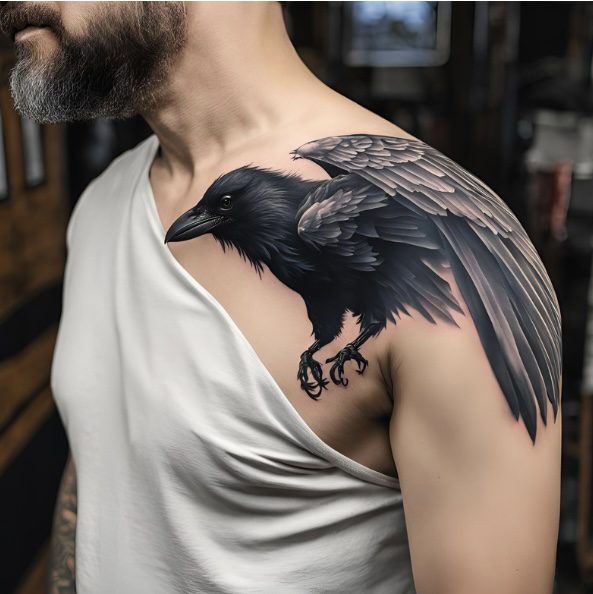
    Don’t shoot the messenger. I calls ‘em likes I sees ‘em. I see more ink than I do skin. And on the most unlikeliest of people. I’m an armchair scientist watching a virus slowly spread from the fringes of society across every facet of modern living. You know, I wanted to get a tattoo once. A raven in flight with one wing down my arm and the other across my back. Then I woke up one day and the craving was gone. I felt inoculated. One, it would’ve been hella expensive. Two, I was total chicken shit anyway. And three, I’m a grown man, dammit. Why the FUCK do I want a bird hugging half my body?!

  • The Unknown Miami of Anthony Bourdain

    The Unknown Miami of Anthony Bourdain

    This is an excerpt from Pedro Medina León’s book  TOUR: A Journey Through Miami’s Culture  where each chapter highlights an underknown aspect of Miami’s unique history.

    Anthony Bourdain’s “business card” was that of a chef. But he was also a writer, traveler, and urban chronicler of the outsider and the marginal. In his book Kitchen Confidential, he reveals since his early days in Cape Cod kitchens the behind-the-scenes of dishwashers, busboys, cooks, sex, and drugs involved in every gourmet dish. Later, in his TV shows No Reservations and Parts Unknown, he uncovered the cultural and gastronomic richness of many cities ignored or only appreciated by those who live in them.

    Parts Unknown was a global journey that spanned twelve seasons, during which Bourdain visited unimaginable places in Myanmar, Colombia, Punjab, Tanzania, Iran, Paraguay, Korea, and many others. And despite Miami’s extensive international cuisine, with few original local dishes, it earned its spot in 2015. Bourdain was spotted at The Miami Book Fair, the South Beach Food & Wine Festival, and mentioned in more than one interview that he frequently visited Miami, not just for formal events but because he liked it. This is what sparked his interest in connecting Parts Unknown with that Miami not reflected in the sugar-coated postcards of Ocean Drive. Those who truly know Miami, like Anthony Bourdain did, feel the need to show its non-touristy side.

    Anthony Bourdain’s Miami itinerary starts with his premise:

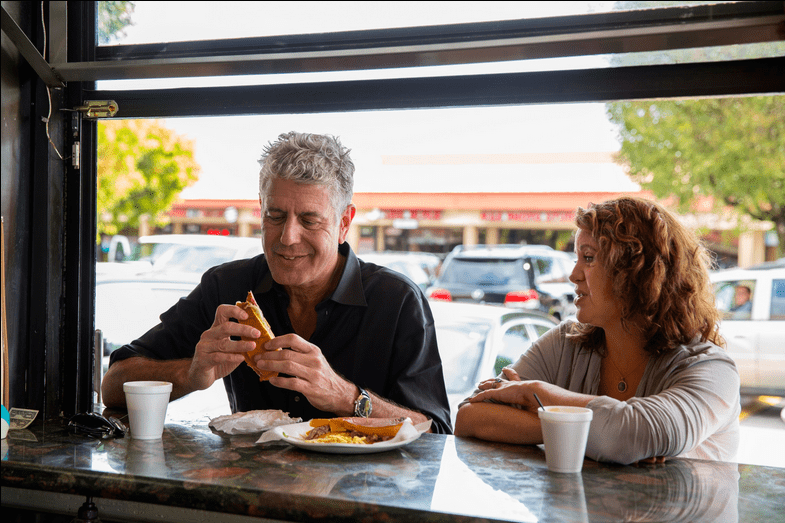
    Another day, another country. Miami is not only South Beach and begins with chef Michelle Bernstein at the Cuban restaurant Islas Canarias’ ventanita (window counter). Later, they continue at Pepito’s Plaza in Doral, chatting about the Doralzuela phenomenon while eating a Venezuelan burger so huge it was hard for him to eat.

    In South Beach, he made sure to stop at Mac’s Club Deuce, one of his favorite places in the world, and other destinations included Vizcaya, Coral Gables, and the neighborhoods of Little Haiti and Liberty City. There, in addition to tasting cow foot soup, he highlighted Miami’s long-neglected African American communities, pioneers crucial to the city’s birth and development. In the 1960s, these communities, through Willie Clarke’s Deep City Records studios, made Miami one of the most important international references for Soul music.

    The final curtain of Parts Unknown closes with a refined lunch between Bourdain and his childhood hero, Iggy Pop. The legendary singer praises the virtues of Miami’s climate and beaches and remembering on the places in Europe and the U.S. where he lived before moving here, seeking to distance himself from drugs and alcohol. The after-dinner scene is a polaroid that will remain etched in Miami’s memory: a walk along the ocean by these two beatniks of our time, framed by a newspaper-colored sky that foretold the water would flood the streets, as the production and direction credits roll, accompanied by The Passenger as the soundtrack.

  • Dry Tortugas: Stronghold of Nature

    Dry Tortugas: Stronghold of Nature

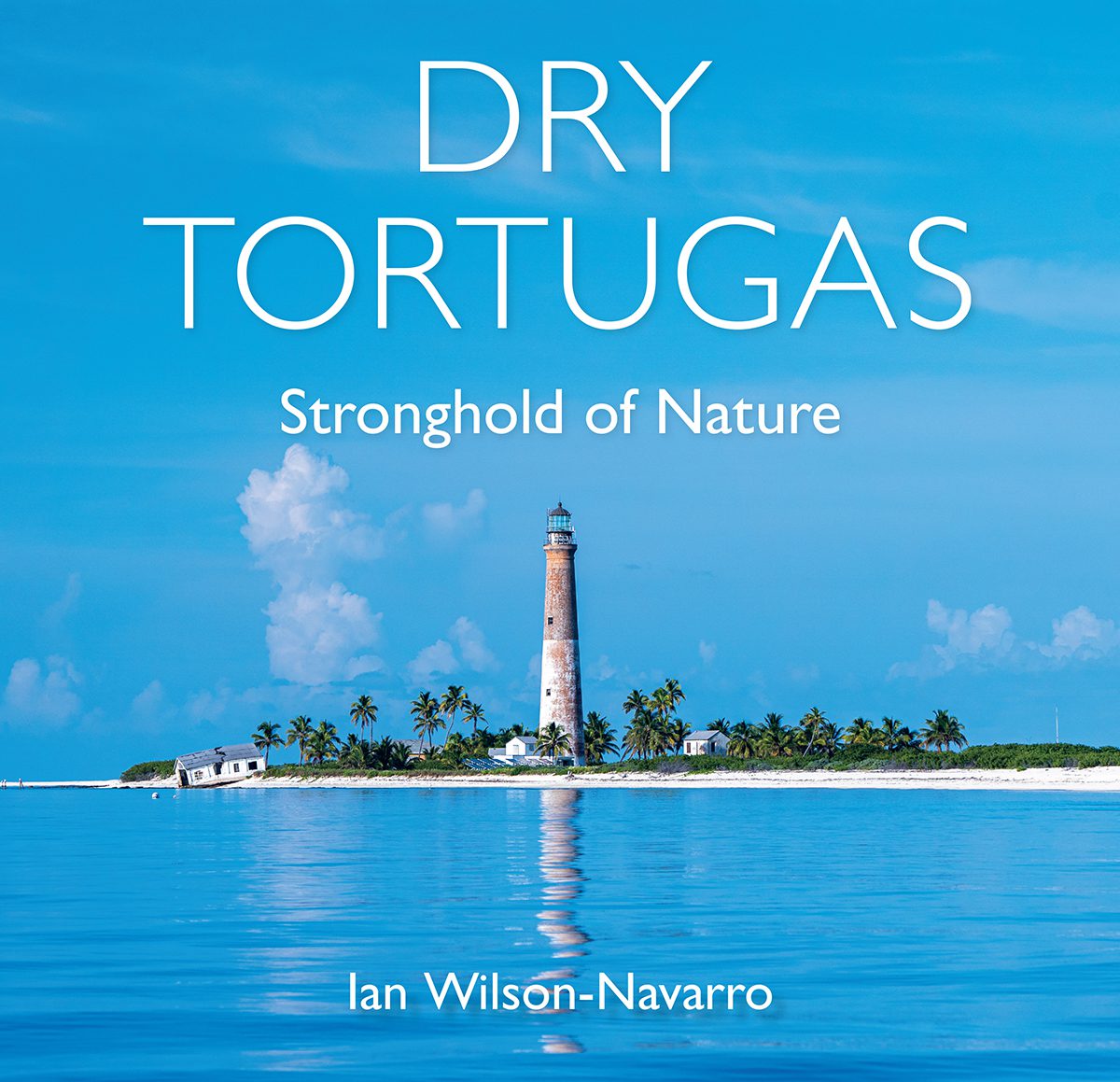
    Below is an excerpt from Ian Wilson-Navarro’s new book, Dry Tortugas: Stronghold of Nature, reprinted with permission of University Press of Florida.

    Ian will be one of over 500 authors reading and speaking at the 41st annual Miami Book Fair from November 17-24. Ian’s reading will be at 1 pm Sunday, November 24 in Room 8102. For more info visit MiamiBookFair.com.

    Florida Keys—where land and sea interlace to create a mosaic of ecosystems. This unique group of islands is my home and has shaped me into the person I am today. Born to a Nicaraguan mother and an American father, I was fortunate to grow up in a place where the beauty of nature seamlessly blended with diverse cultures and traditions.

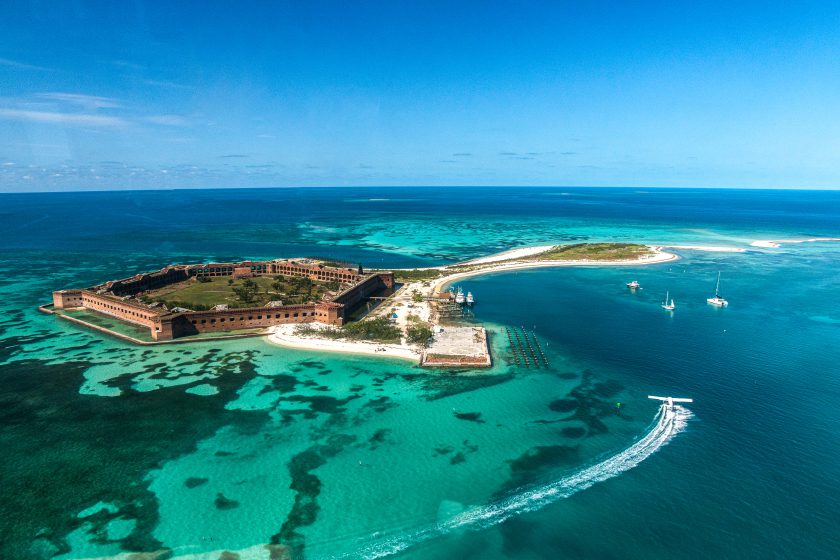
    Fort Jefferson on seaplane descent. Photograph by Ian Wilson-Navarro.

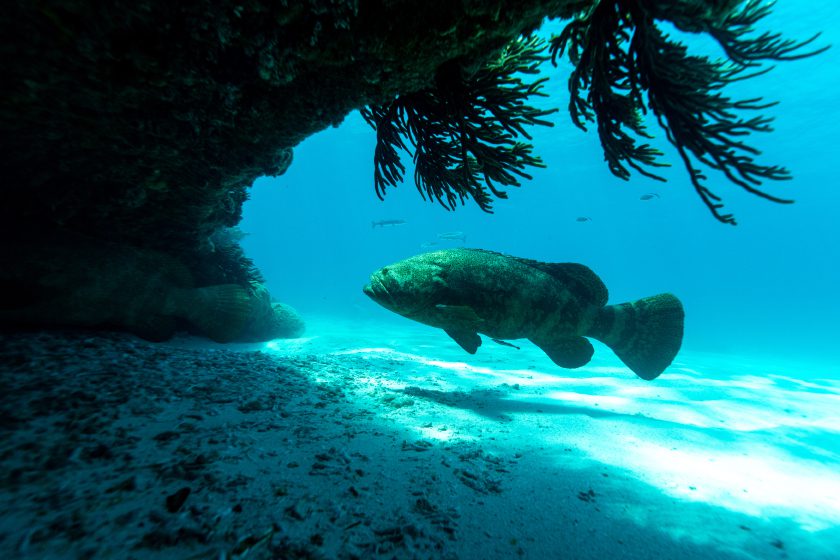
    Some of my earliest memories take me back to fishing off a dock in Key Largo, at the old bayside home my family used to rent. It became a hub of adventure and exploration for my brother and me. As kids, we spent endless hours casting our lines into the waters of Blackwater Sound, hoping to reel in a prized catch. Mangrove snapper, spotted sea trout, and the occasional tarpon were the rewards we sought. It was during those moments of anticipation and excitement that our deep and lasting connection with the ocean and its bountiful treasures was forged.

    Over time, I began to notice changes occurring in the Keys, changes similar to those marring other precious places. . . . The disheartening truth is that I found myself falling more in love with a place each year while simultaneously becoming increasingly aware of its decline. The more I observed, the more I yearned for an opportunity to experience what the Keys might have looked like before my time, to understand what they were like before human influence left its mark.

    Kayaking over the expansive seagrass flats surrounding Garden Key. Photograph by Ian Wilson-Navarro.

    In a world where nature is increasingly threatened, it is vital to raise awareness about the fragility of our ecosystems. The Florida Keys, despite their allure and nat­ural abundance, are not immune to the challenges posed by human impacts and environmental degradation. It is my mission to document the changing landscape, the struggles faced by our reefs and fisheries, and the urgent need for conservation. Through my photographs, I hope to contribute to the collective efforts of preserving this extraordinary ecosystem.


  • If Pit Bulls Had a God It’d Be a Pit Bull – Poems

    If Pit Bulls Had a God It’d Be a Pit Bull – Poems

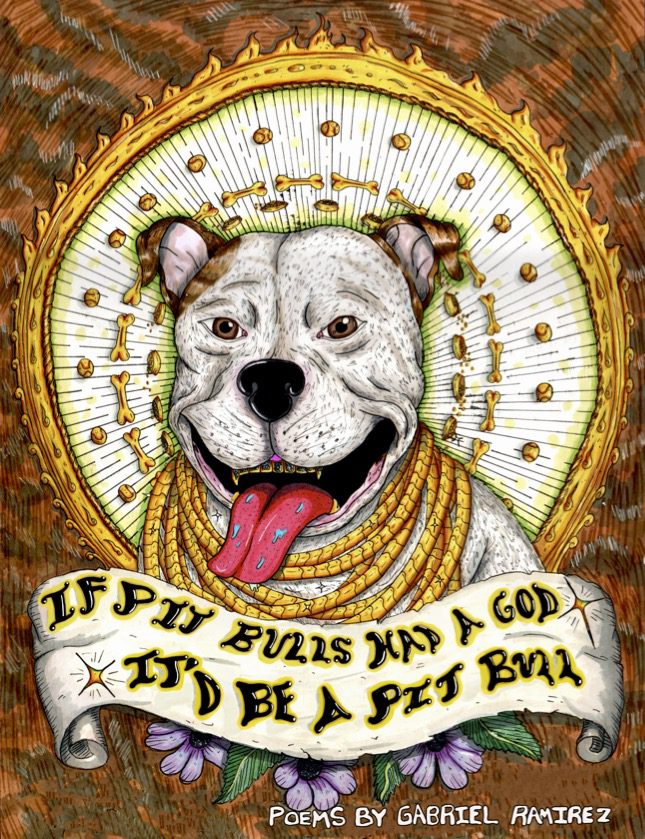
    The following are poems collected in Gabriel Ramirez’s new collection of poetry If Pit Bulls Had a God It’d Be a Pit Bull. 

    Gabriel will be one of over 500 authors reading and speaking at the 41st annual Miami Book Fair from November 17-24. Gabriel’s reading will be at 1 pm Sunday, November 24 at Room 8303. For more info visit MiamiBookFair.com.

    If Pit Bulls Had a God It’d Be a Pit Bull

    Answering their barking with cracked windows
    and water bowls with bone-shaped ice. Pit Bulls
    have no fear in either heaven or hell.
    Pit Bulls fear: loneliness, not being fed,
    when we cut off parts of their ears and tails
    and say we are doing them a favor.
    Their caretakers causing the most damage.
    There aren’t bad dogs, only bad owners.

    Only ignorance. Only negligence.
    Only selfishness. Only impatience.

    If Pit Bulls had a God it’d be a Pit Bull
    because who do Pit Bulls aspire to be
    other than themselves? When I see Pit Bulls
    I see someone I love. Someone I pray to.

    Cotto the Pit Bull of Borinquén

    When we felt the first wind of Maria
    Cotto raised his head from the toilet and
    was called to greater water. With purpose
    in his paws. Cotto stood at the edge of
    Borinquén and barked as the tide would rise.
    Cotto chiseled. Cotto got a good song
    in his blood about not dying. Cotto
    submerged and Cotto kept barking. Cotto
    kept barking. Cotto kept barking. Cotto
    barked till his blood-song split the clo/uds. Cotto
    brought light back to Borinquén like bones thrown
    from a deity’s hand. Cotto returned
    home. Lowered his head into the toilet.
    There wasn’t any water. Still isn’t.

    If Pit Bulls Had a Justice System It’d Be Belly Rubs

    Not the needles. No lethal injection.
    Not hung. No noose. No rope whatsoever.
    Not starved. Wearing bones like a wedding dress.
    Get it through your thick skull. Not the bullets.
    Breed specific legislation sounds like
    one drop rule. You Pit Bull. You too killed cruel.
    Without fair trial. Gotta get put down.
    Because your size. Because all them lied.
    Because they afraid and would rather you
    this way. In your unmarked grave. You’re to blame
    for being born this banned breed of loyal.
    February, 13 2016.
    Spike. Four year old blue nose. Shot in the head
    by cop for wagging his tail in the Bronx.


  • How I Fell in Love with Hip Hop

    How I Fell in Love with Hip Hop

    As we come upon the end of the year and amidst all the Hip Hop 50 hoopla, it’s a good time to reflect on what made us love this culture in the first place.  Late Gen Xrs, Millennials, and beyond don’t know a life without Hip Hop.  Among those generations are those who either practiced or perfected an element of the culture (rapping, deejaying, breaking, and graffiti are considered the foundational elements. Others have been proposed with varying degrees of acceptance over the years: knowledge, fashion, language, Afrocentricity, ignorance…the list goes on).  But all heads can pinpoint a specific experience, an epiphany, a lightning in a bottle moment that made them lifetime lovers of the culture.

    Yes, it’s ok to love Hip Hop.  I do.  To quote the excellent title of DJ Semtex’s book, Hip Hop Raised Me.  An unknown percentage of male Hip Hop heads grew up fatherless (such as myself), and Hip Hop filled that void for better or for worse.  Yes, the highly misogynistic content of stalwarts such as Too $hort and Snoop (that’s “beloved by suburban America as Martha Stewart’s BFF” Snoop, not the “bitches ain’t shit but hoes and tricks” early 90’s version) is still being worked out among us 30 + years later.  It won’t surprise you to learn that characters such as Little Marco Rubio and Paul Ryan are declared Hip Hop fans.  But are they of the culture?  I have a hard time imagining Lil Marco blasting “Straight Outta Compton” in his Senate office, oblivious to the irony.  But what do I know? Stranger things have happened.

    Rubio did grow up in Miami, a party and music obsessed city.  To have grown up in South Florida is to be intimately familiar with Bass, Reggae, Freestyle, R&B, Funk, and depending on your nation of origin (we’re all immigrants here) Salsa, Merengue, Bachata, Kompas, Soca, Vallenato, Cumbia…get the point?  Into that mix came Hip Hop, thanks to the endless waves of New Yorkers who have been relocating to the tropics since the first rat was spotted on the subway tracks.

    Miami is also trendy, albeit before Al Gore invented the Internet, we were one step behind.  Tapes circulated in the analog world from Flea Market USA and your cool cousin from up north who came down to visit with the latest mixtape.  Like the rest of the world, Miami embraced graffiti and breaking during the magical crossover days of the early 80s, a time when Michael Jackson moonwalked into global superstardom and breakers were regulars on SNL and at The White House.  That’s when I fell in love with it.

    My epiphany and earliest Hip Hop related memory

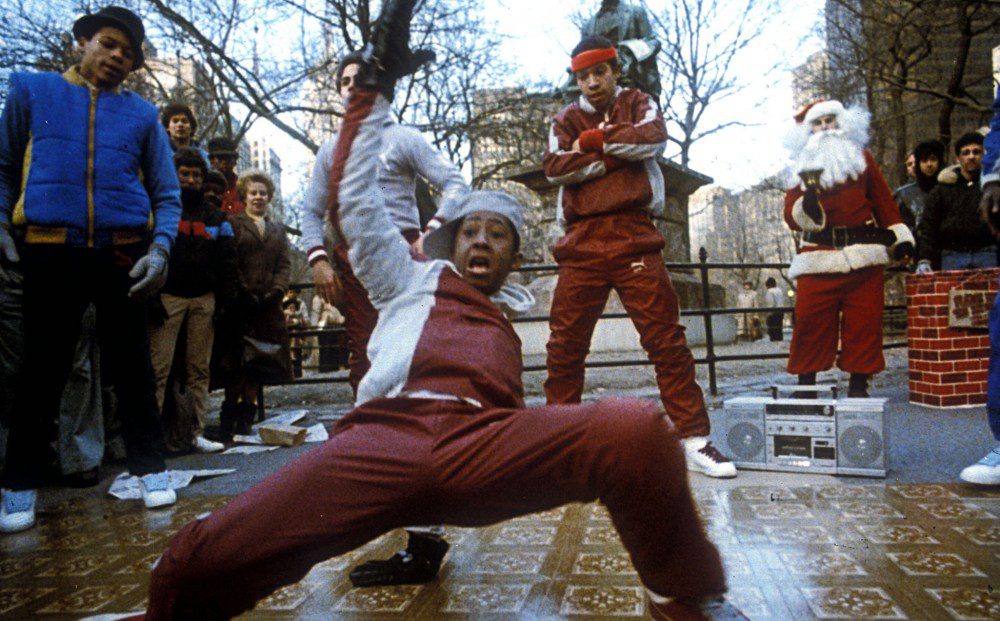
    is going with my older cousin to see Beat Street at the movie theater in 1983.  Today derided as the weaker commercialized version of Wild Style (the first and better Hip Hop movie), it managed to reach audiences the indie art house distributed Wild Style couldn’t.  That’s where I come in, because Beat Street was released by Universal-affiliated Orion Studios, meaning my teenage cousin and my 6-year-old self could see it in Venezuela, where I was born.  To say I was blown away is an understatement.  When Ramo flexed a subway graffiti piece or DJ Double K dropped a funky beat at an illegal Hip Hop jam with pirated electricity, they became superheroes on par with Spiderman and Batman to me.

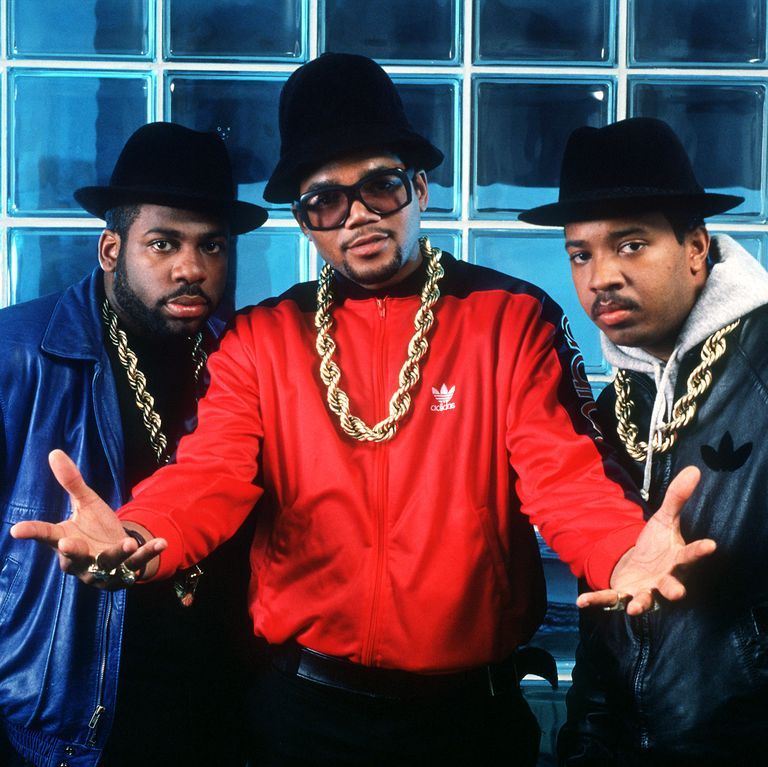
    I was blessed to travel to the States during this era thanks to my mother’s active-duty status in the Venezuelan Air Force, which in the BC (Before Chavez) years meant regular training deployments to various US Air Force bases.  I distinctly remember McDill Air Force Base in Tampa and Lowry AFB in Denver as places I touched down and lived in for a few months.  In fact, my 2nd, 5th, and 6th grade elementary school years were spent in Aurora, the Denver suburb where Lowry was located.  It was there that my mom bought me my first bootleg tapes at a flea market: Run-DMC’s “Raising Hell” and LL Cool J’s “Bigger and Deffer.”  After being blown away upon my first listen, I quickly put their posters up on my bedroom wall next to the Motley Crue and Metallica magazine page rip outs.

    Hip Hop and Heavy Metal co-existed peacefully in my childhood imagination, because they both represented youthful rebellion and masculine confidence.  Even the glammed-up rockers in full makeup got girls, to say nothing of the brand name track suits and dookie rope gold chains sported by fly MCs and their crews.  Friday nights were my favorite, because I was allowed to stay up late watching Yo! MTV Raps, Arsenio Hall, and Headbanger’s Ball.  Fab 5 Freddy and Rikki Rachtman raised an entire generation across America, and at least for myself personally, gave me a color-blind outlook.  Black, White, Beats, Guitars…dopeness is what counted then and still does.

    However, during the elementary school years I spent in Venezuela, Hip Hop was severely lacking.  Only the truly wealthy had access to MTV via expensive satellite dishes, so the culture was not broadcast like in the States.  The language barrier and everyday Latino classism and racism (“eso es musica de negros niches”) were also roadblocks to Hip Hop culture expanding in Latin America.  All of that came tumbling down once again thanks to the Internet and migration, and of course the enormous contribution made by the widely acknowledged first skilled MC to rhyme and record Hip Hop albums entirely in Spanish: Puerto Rico’s Vico C with his production partner DJ Negro, a founding figure in Reggaeton as well.

    So, while my cousins and friends in Venezuela asked, “who’s that?” when they saw my Run-DMC poster, I had memorized both albums and fiended for anything even remotely Hip Hop related.  A months-old Rolling Stone magazine with a Beastie Boys interview was gold, a dub of “Licensed to Ill” provided by a cousin who had gone to the States priceless.  When my mom married an American she met on a job after leaving the Air Force, we came to the US for good.  It was 1989, and I’ll never forget witnessing the Berlin Wall falling just a few days after we arrived in a Kansas City suburb.  I was 12 years old and transferring into 8th grade.  I attended a different school, sometimes 2 in the same year, of every grade from 1-12.  Hip Hop was my constant companion, helping me make friends over and over.

    Unlike now, not everyone was into Hip Hop.

    There was a code we abided by, and it helped me connect with other Hip Hop heads in every new school.  The code was established by how you carried yourself, what you wore, and how you spoke.  In my 8th grade class, surrounded by White kids, I was one of two Hispanics in the entire school.  But I was into Guns ‘N Roses and Slayer just like they were and spoke perfect English, so I was spared the foreign exchange student treatment.  Even with that, I stood apart with my Air Jordans and Benetton jeans.  Adhering to the Hip Hop fashion code of the time enabled me to make friends with the other heads: a few Black kids and one White boy who was down.

    I was introduced to Miami Bass by one of the Black kids, who came into biology class one day with his Walkman and a tape whose cover featured giant bass woofers stomping fools out like Godzilla: “The Bass That Ate Miami.”  I was not to arrive in the 305 until some years later, but that tape planted the seed of my undying love for the crib.  I immediately asked him if I could hold it and to my eternal gratitude he said yes.  Never mind that I couldn’t properly appreciate the tape because of being a jit with no boomin system, the notes that emanated through the Walkman headphones let me know there were other Hip Hop flavors being developed nationwide.  When The 2 Live Crew became the biggest crossover act since Run-DMC and Aerosmith, even the White boys couldn’t front.  Miami had made its name in Hip Hop, and there was more to come.

    Entering high school, which are the years where we get into the music that will accompany us the rest of our lives, I was exposed to the intricate wordplay of Brand Nubian, the rising consciousness of Ice Cube, and the musical mastery of A Tribe Called Quest.  When Lord Jamar rapped:

    “You got to know the ledge to wise the dumb

    And understand your culture of freedom

    Power equally with the Gods

    So you can build and born your cipher

    All your life you must teach truth

    Of the true and living God, not a mystery spook

    And when you do that, pursue that goal

    Which made the student enroll and only then you’ll prosper”

    The 5 % terminology and beliefs combined over the classic James Brown “Funky President” break loop blew my 13-year-old mind away.  What the hell is he talking about?  Those bars sounded like a riddle, a puzzle that I had to solve.  Keep in mind I was in Denver at the time, where the only 5 % talk was that figure being referenced as the Broncos’ chances of winning the Super Bowl.  It wouldn’t be until my first college semester that I managed to obtain the Supreme Alphabet and Mathematics by typing “5 % Nation” into a computer connected to the “internet,” an obscure academic search tool hidden in the library.

    That’s my foundation, the late 80s-early 90s golden age.

    I fell in love with Hip Hop back then and when it was my turn to bring tapes to my cousins during my teenage summer vacation visits to my South American homeland, it was “Boyz N The Hood,” “Magic Mike Drops the Bass,” and “How I Could Just Kill a Man” that I blasted in an uncle’s truck for them.  One of those cousins is now in Brooklyn, familiarizing himself with the vast Nas and Wu-Tang catalog thanks to yours truly.  They’re helping him learn English just like LL and Rakim helped me.  It’s also a window into America, because what Wu talked about in “C.R.E.A.M” and Nas in “I Can” is not exported abroad.  According to American pop culture overseas, we all live like The Fresh Prince of Bel Air, ignoring the fact that sometimes we are treated like Jazzy Jeff, thrown out of society, and having to make our presence known.

    Hip Hop can be positive, negative, inspiring, crass, dope, and wack.  It’s all those things because we human beings are all those attributes at one point or another.  Some claim to not recognize what mainstream Hip Hop has become, but that’s the older generation exercising their eternal right to criticize the youth.  Our parents did it to us when we were wearing XXL shirts and jeans blasting “fuck bitches, get money” “throw ya gunz in the air” and other uplifting positive anthems.  The question I have is what’s the difference between “Pop That Pussy” and “WAP”? Believe it or not, the culture is alive and well underneath the mainstream depraved bullshit.  Dig in those digital crates on Spotify and SoundCloud, you might find a new artist or crew that meets your standards (the algorithm and word of mouth has introduced me to Coast Contra, Roddy Ricch, Isaiah Rashad, and Navy Blue).  Then raise your glass or spark an L to another 50 years of Hip Hop and beyond, because like the Teacha reminded us: “Back in the day I knew rap would never die.”

    Word up!

  • Rick Hirsch’s Life as a Miami Journalist

    Rick Hirsch’s Life as a Miami Journalist

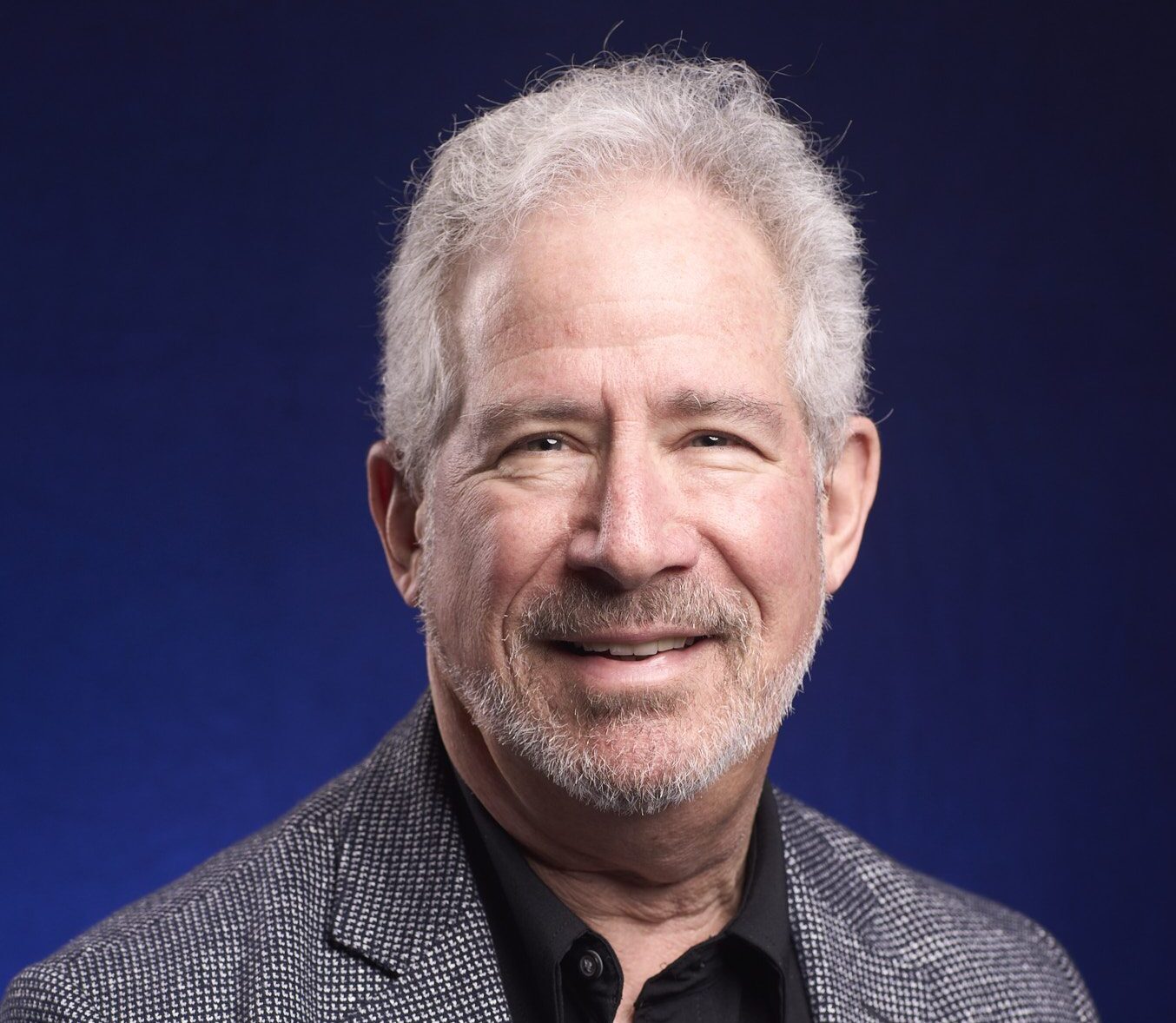
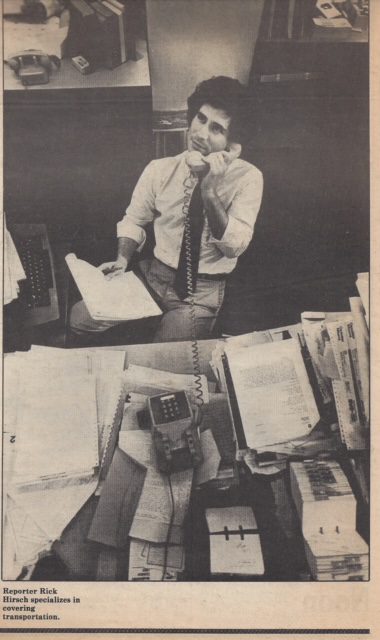
    Not many people know what they want to do for a living when they are in their early teens, but 67-year-old journalist and recently appointed director of the Collier Prize, Rick Hirsch did.

    “When I was entering junior high and going into high school, the Watergate scandal happened. As a result of work done by journalists, the president of the United States resigned in disgrace. I thought, ‘those guys are heroes, I want to be like them’,” recalled Hirsch.

    His childhood fascination with the profession led him to join his school’s paper in junior high school, which continued into high school and, eventually, to studying journalism at the University of Florida.

    The Collier Prize for State Government Accountability at the University of Florida is designed to encourage coverage of state government in every state, focusing on investigative and political reporting.

    The $25,000 prize is one of the largest journalism awards in the nation and the largest focused on state government. The distinction is open to all  news organizations and platforms and is announced annually at the White House Correspondents’ Association dinner.

    The Collier Prize was founded by Nathan S. Collier, founder and chairman of The Collier Companies headquartered in Gainesville to  promote coverage of state government. The honor’s namesake is a descendant of Peter Fenelon Collier, who founded  the investigative journalism magazine, Collier’s in the 1800s. Among its featured writers,  Jack London, Ida Tarbell and  Upton Sinclair.

     Rick Hirsch hopes to elevate The Collier Prize’s profile and generate more awareness of it, a symposium about government accountability reporting.

    Hirsch said such work ”is in my DNA. It is the work I’ve done my whole career as an editor and reporter. I think in many ways it is the most important thing we do, so I am very aligned with the mission.”

    Hirsch’s dedication to news investigating the work of the government is known to those who have worked with him, including Hub Brown, the dean of the University of Florida College of Journalism and Communications.

    “Rick has meant so much in journalism, not just in South Florida, but across the country,” Brown said, explaining that Hirsch understood the purpose of the Collier Prize. “This is going to be a chance for us to turn to the country and say, “We are willing to shine a spotlight on the best work in the country”. We want to strengthen journalism in America long-term, and so does Rick.”

    Aside from his own work, Hirsch has enjoyed passing his knowledge onto others, by organizing and creating various training workshops.

    Hirsch is the rare journalist who spent the bulk of his career at one publication, logging 42 years at the Miami Herald. He started as a reporter and eventually rose to the role of managing editor, a job he held for 12 years.

    During his tenure at the renowned paper, Hirsch covered a variety of stories that impacted the community, including investigative reporting on the shoddy construction of Metro rails, which led to the county delaying its opening to fix what was not done right. He also led the Miami Herald’s Pulitzer Prize winning coverage on the Surfside collapse and Yahweh ben Yahweh.

    Although Hirsch has had a prolific career in news, there was a time during his college years where he considered going in a different direction.

    “I went through a period of time where I thought maybe I’d want to be a lawyer,” he said. “When I told my journalism professor, whose husband was a chief judge, that I was going to take the LSAT, she said, ‘oh great, just what we need, one more mediocre lawyer. Why don’t you do something you can be good at?”

    It took Hirsch five years to earn his bachelor’s degree because he did so many internships with publications including the Palm Beach Post, Miami Herald and working for a congressman in their media office.

    Hirsch admitted he’s never had a moment in his career where he felt like he’s  “made it”, but takes great pride in the fact that he’s helped build other people’s careers.

    “What I am most proud of is the people I’ve hired and the careers I’ve played a role in,” said Hirsch who has been hiring people since he was a city editor for the local desk in Broward.

    Hirsch went on to share a heartwarming moment while at the Pulitzer Prize ceremony at Columbia University when the Miami Herald was awarded for their coverage on the surfside building collapse. The person who won the Pulitzer Prize for nonfiction is a woman named Andrea Elliot whom Hirsch hired for her first job. Elliot introduced Hirsch to her elderly mother at the event as the person who gave her her start.

    “It’s really impossible for me to describe how gratifying that is,” said Hirsch who after leaving his position as managing editor, worked as a recruiter for the paper’s parent company for a couple of years.

    Hirsch’s attention to detail and practical use of real-world experience was noticed during his time lecturing at Florida International University.

    “He wasn’t just good at teaching the language and style of journalism, but how to get a job,” said Chuck Strouse, a fellow seasoned journalist who has known Hirsch for over thirty years and has worked with him both at the Miami Herald and FIU.

    “Rich is a very smart guy,” said Strouse. “Very intuitive editor who has a great sense of local government. “He was the Urban Affairs editor when I covered county government. He had done exactly the same job before; and knew county government up and down.”

    Strouse went on to describe some of the contributions Hirsch made while at the Miami Herald, such as steering the paper’s coverage of Hurricane Andrew, a matter especially sensitive to him because he lost his home in the natural disaster.

    “He was at the paper, editing copy even after his family and neighbors were trying to put back lives that were destroyed during the storm,” recalled Strouse.

    The Miami Herald won the Gold Medal for Public Service, the biggest Pulitzer Prize for their coverage on the natural disaster.

    David Lawrence Jr, former publisher of the Miami Herald and chair of the Children’s Movement of Florida.[1] is impressed with the work Hirsch has done both during and after his time at the renowned newspaper.

    “I think everyone out to have multiple chapters in life and work as I’ve had myself,” said Lawrence. “Rick is the sort of person that whatever he tackles, he will make a difference.”

    When talking about the roles he has held since retiring from the Miami Herald, Hirsch said he appreciates the flexibility that has come with them.

    “If I have to take my granddaughter to gymnastics on Mondays and Wednesdays at 3, I can block off that time,” said Hirsh. “My wife and I have done some travel that I don’t think we would have done before.”

    Whether Hirsch is contributing to the world of journalism or spending time with his family, he will undoubtedly continue being the remarkable person he has proven himself to be over the years.