Category: News

  • Biscayne Boulevard Is a Living Breathing Thing

    Biscayne Boulevard Is a Living Breathing Thing

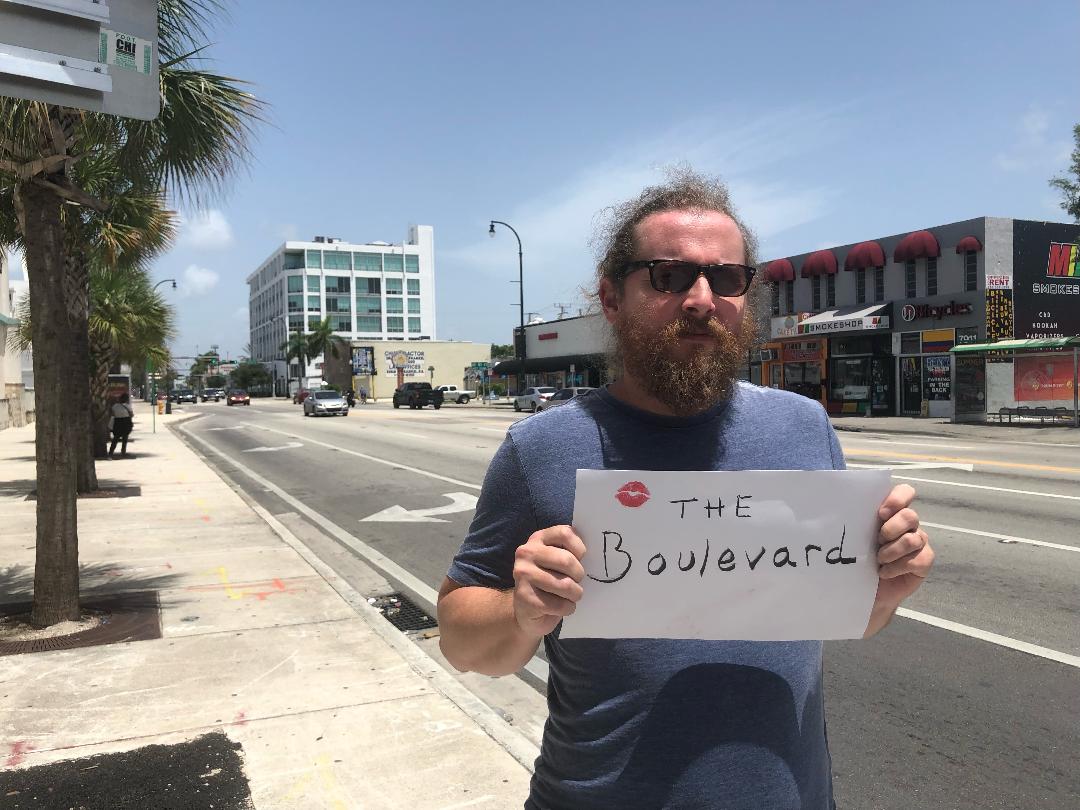
    Biscayne Boulevard is a living, breathing thing. I think we all know this, but no one brings this up. We only blabber about the traffic. The traffic. The traffic. Yep. The near death experience driving in Miami is every single day. Drivers are against you. There’s a whole plague of ’em. Deadly. Ready to cut you off, rip right passed you, or crash into you on most or all of our highways. However, “the boulevard” has always been our lighthouse, our beacon, safely bringing us home.

    It’s cared for us day in and day out for most of our lives if we’re natives or long time residents. Even out of town visitors discover if you stay the course, Biscayne Boulevard will guide you to wherever your GPS isn’t. There’s an intimacy between your tires and the road. I know that sounds silly. I’m silly. But you can consider yourself in the hands of an old time friend or new found lover between these certain mile markers. And mind you, this isn’t a history lesson. I’ll leave that to the historians. No. This… this is a recollection. A celebration. It’s also a desperate plea to those who blindly tear down the boulevard without regard for our safety or reverence we should have as drivers for these cozy lanes.

    Everyone’s been hooked on that “other boulevard” on that “other coast” over on the other side of the country. You know the one. There was a film named after it. A great film. It’s their boulevard which gets all the coverage. It’s a theme I will return to time and time again and again. The rest of the country only hear the jokes about us. They don’t see what we get to see. The shine of this drive. The way the rain pools around our street drains. How the night takes on this specific orange glow. It’s always felt like a great film on this road.

    But unlike their famous boulevard, spend long enough distances riding either the North side of the road or the South side of the road, and you realize you’re traveling essentially back and forward through time and space. The way some pockets of places have remained the same for years. Or the glistening carcass of a new strip mall waves “Hello!” as the builders add flesh to its bones. And it’s not only one’s own memories riding passenger beside you, but every few stop lights slows you down just long enough to take in each and every different part of town.

    My favorite section, believe it or not, is the road from about 79th St to about, I don’t know, a few blocks down from there. It’s where all the old hotels and building with their vintage weathered look are surrounded by these towering palms. The New Yorker. Sun Motel. The Vagabond. Sinbad Motel. Shalimar. Royal. Seven Seas. Sun N’ Surf. South Pacific. Leeward. Saturn. On a bright and blue, no cloud kind of day, you can feel like some idealized 50s movie star cruising to some fancy lunch about some fancy movie some fancy people wanna make.

    Whether it be Little Haiti, North Miami, Aventura, I’m positive we all retain vivid feelings (if feelings can be vivid) of who we’ve driven with, what the weather was like on a certain drive, and how comforting those places we continue to pass by and frequent to this day feel. Steve’s Pizza. The Jockey Club. Quayside. Gulfstream Racetrack. The AMC 24. Tres Palmas. Denny’s. The bagel place on the left heading North before 125th. And then past 125th, the red brick building on the left. Flannigans. Don Bailey. That strip club on the right going South that’s been named and renamed so many damn times. Think it was a Pink Pussycat first, right? Weird thing is, after all this time, that place now feels safe. The hallowed, decayed grounds of the former immigration building. Oh, and when KB’s Christmas Tree tent goes up. There’s of course Downtown. There’s Bayside. And that corner Wendy’s and Taco Bell is on. Y’all know the one. Or are there two? Only tried and true boulevard drivers know THAT answer.

    Now technically Biscayne Boulevard is US-1. I get that. But there’s something magical about this particular stretch of road that even heavy traffic can’t dispel. I mean, let’s be honest. When you take “Biscayne”, that really means you’re going no more South than Brickell, and no more North than Hallandale Beach Blvd. I opened this article stating Biscayne Blvd is a living, breathing thing, and I was not being hyperbolic. I’ve probably driven this road more than any other, and in my mind’s eye, there’s no difference to be made between a best friend I’ve known for ages and this road that’s seen me move throughout the many stages of my life

    Things are growing pretty quickly now along the sides of this road. It’s exciting. It’s almost as if there’s something new popping up every single day. And then some of them go away just as fast as they came. Become memories faster now than they had when I was a kid. The recently constructed pedestrian crosswalks will now become a part of the next generation’s “fabric of travel.” And that’s okay. The sky will still be there. And so will those motels. You know as well as I do those motels are going nowhere because they’re right where they should be. There is a grand scheme of things. And that there’s celestial realty.

    Well, that got unnecessarily esoteric and kind of full of itself. Change of direction. I now get to drive this road almost everyday, so maybe I’m over romanticizing this long slab of concrete as I enter my 40s and look back over my life. But even when I don’t have to, I still drive this road every chance I get. I’m drawn to it like mosquitoes are drawn to our ankles, around like what, six thirty, seven o’clock Eastern Standard time? That dusky buzz. Plus, I bypass 95 like a heart operation. It’s something I never wanna experience. But “The Boulevard”? Sign me up for that outpatient procedure! Gassed up. Spotified. Let’s go for a ride.
  • Is Miami Mayor Francis Suarez Running for President or Trying to Get Laid?

    Is Miami Mayor Francis Suarez Running for President or Trying to Get Laid?

    Last time I remember laughing at a presidential announcement was when Donald Trump rode down an escalator and improvised one-liners that had him seem one part Rodney Dangerfield and another part Benito Mussolini. So maybe I shouldn’t completely discount Miami Mayor Francis Suarez for his ridiculous video that came out a couple weeks ago announcing he’s running for president.

    Suarez after all wouldn’t be the first President to have trouble speaking in coherent complete sentences.  But he is probably the first president to make his announcement in a video that could double for a thirst trap dating profile. And Francis Suarez is definitely the first person to announce his candidacy while wearing shorts.

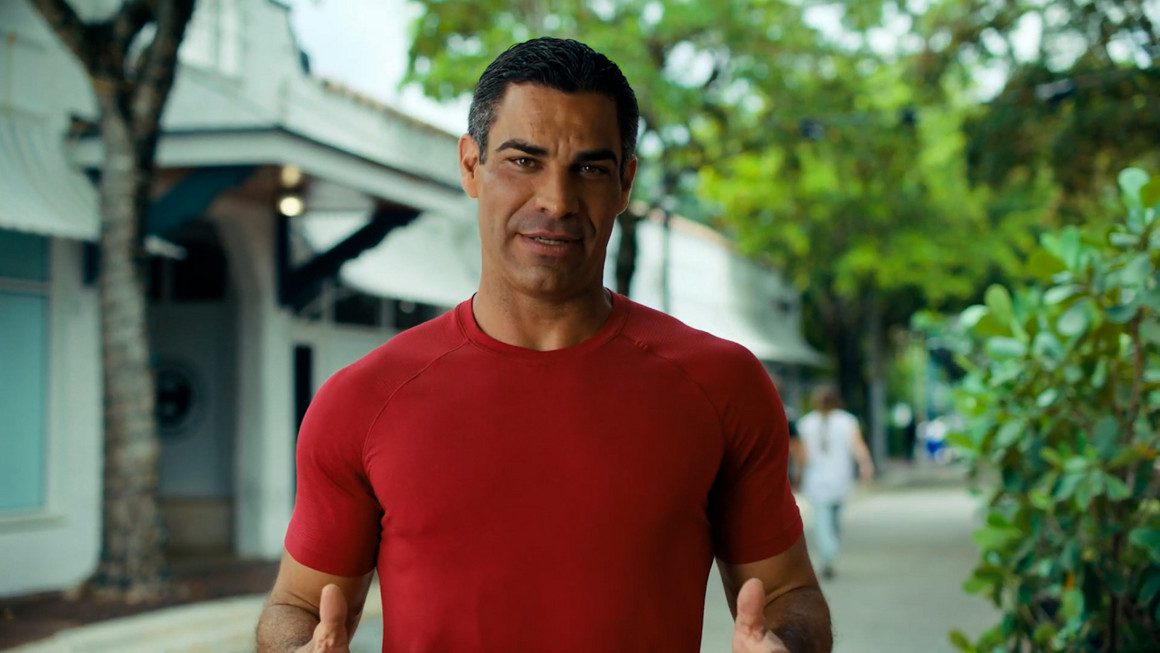
    If you take a couple minutes to watch the video, based on the concept that Suarez is running for President because he actually loves running, you’ll see Francis Suarez is a guy who is in impeccable physical shape. He refuses to shave the hair off his legs, but he is not beneath styling the hair on his head, so not a strand goes out of place.

    But the Suarez of this video does have his struggles. First he seems to have a hard time figuring out how to high five people, second he seems to get lost fairly easily as he needs to ask a woman for directions during his jog. Perhaps most uncomfortable is the difficulties he has communicating in the voiceover narration.

    But as silly as this video might seem to be,  perhaps Francis Suarez has caught on to a winning formula in what people want to vote for in president. It’s not competence or charisma. America wants a president people can laugh at. First we had four years of Trump whose arrogant bravado and ignorance was right out of a comedy sketch. The last few years we’ve had Joe Biden who has mixed the doddering confusion of Mr. Magoo and disappeared long enough that one can imagine we’re living in a remake of Weekend at Bernie’s.

    Now Mayor Suarez has added a new comedic template, that of the Himbo who mas more muscles than brain cells. This would create all kinds of new punchlines. From this video anyway Francis Suarez looks like he could provide all the wackiness and hijinks the American electorate demands in their leader.

  • A Late in Life Burst of Florida History Books

    A Late in Life Burst of Florida History Books

     As noted in the previous column, the Plant System book was another great success, my third in a row, co-authored with Professor Gregg Turner.  However, shortly after the book came out in 2004, Myrna opined to me that the collection really should be shared with the public and that the way to do that would be to write about local history.  Once again, the publishing gods were looking over my shoulder!

    Just a couple of weeks later, I answered the phone and the caller told me he was the acquisitions editor for Florida for Arcadia Publishing, the largest publisher of local history books in the country. They wanted, he told me, to add Miami Beach to their “Images of America” series and a number of people had suggested that I, with the massive collection of Miami Beach memorabilia that we had and have, would be the ideal person to write it.

    That book was the beginning, and it, along with the next three which followed, “Miami The Magic City;” “Coral Gables” (those two also in the “Images of America” series) and “Florida East Coast Railway” in the “Images of Rail” series took off like a rocket, as did the other three.

    Arcadia, for those two well-titled series, has a set format:  sepia-toned covers, 128 pages in each book, and between 180 and 220 photos to be used in each of them.  Not a problem! As the senior collector in America in my four fields (FEC Railway; Florida transportation memorabilia; Miami memorabilia and Floridiana) I can do what no other Florida history writer can do as far as providing the images for his or her book or books goes: With only a very few exceptions, and generally, at least 80% of the photos in any of my books are from The Bramson Archive. Because I have been collecting so voluminously, so fanatically, so maniacally and so hysterically for so long I do not need to go to the usual suspects (libraries, museums and historical societies) and pick out the same old tired, hackneyed images which have been used time after time by others, particularly a couple of local faux historians (no names, please:  we’re British!) who can’t seem to help doing just that.

    Having developed an extensive network of real and true and genuine and caring contacts, both locally and nationally, who, unlike the local jealous-ites, are more than happy to be included and to assist me and to participate, the books carry an extensive range of never before seen images.  Best of all, unlike said others, my books are loaded not just with photographs but with the images of booklets, brochures, pamphlets, menus and other never-before published items.

    Before we get into what occurred following the writing of the four Arcadia books noted above, though, a bit of levity is apropos at this moment.

    “Miami The Magic City” was just about to come out when I was invited, along with several other local authors, by the Hysterical Association (now HystericalMiami) to present a talk on my books at “The Harvest,” then held at what used to be called the Youth Fair Grounds on SW 107th Avenue and Coral Way during the weekend before Thanksgiving. Shortly before my presentation, I greeted one of them (another author) and in return was told, “I hear you have a book coming out called “Miami The Magic City” and that is the name of one of my books (actually, her book was titled “Magic City/Miami”)” to which I replied, “no, not exactly; the title is “Images of America: Miami The Magic City,” at which point she was turning beet red and said to me, barely able to spit the words out, much less enunciate them correctly, “how would you like it if I came out with a book called “Speedway to Sunshine?” And I replied, “I would love it (name removed to protect the guilty) so and so!  Imagine the publicity we would both get!”

    She sputtered almost unintelligibly and was almost spitting blood when she next told me that I was going to hear from her attorney, to which I then said that I would be happy to have the pleasure of so doing, she then turning and storming off, muttering legalistic threats.

    When I got home that night I called Arcadia and incredibly, who answered but the publisher herself.  “Kate, I want to tell you what happened today because I don’t want anything to ever hurt our relationship,” followed by my repeating the not exactly a conversation.  She started to laugh and then, to my surprise, said “Seth, don’t worry about it!”  “OK,” I thought, “that sounds good.”

    However, the next day, a Monday, I went out to FIU to teach my history class and approached my then-department chair, telling him that I didn’t want anything to jump up and bite us on the fanny.  When I finished telling him the story, he guffawed, also, and I said “Doc, does that mean I shouldn’t worry,” and his answer made me nothing short of joyful, as I learned the realities of copyright law.

    “Seth,” he smilingly responded, “of course you shouldn’t worry—you can’t copyright a title.”  I was not only relieved to learn that fact, but, and of course, totally pleased to learn more about that fact as he went on.  “If you could copyright a title,” he continued, “then you could copyright words such as “to,” “from,” “but,” “the,” “if” and others.  Don’t worry about it.”  And that dear friends and readers was a great lesson learned.

  • Phanésia on Short Play “And Other Dreams We Had”

    Phanésia on Short Play “And Other Dreams We Had”

    From June 8-25, City Theatre’s Summer Shorts will perform  eight short plays by Miami’s best emerging playwrights at the Arsht Center. In this series the playwrights shared a little with the Jitney about their work.

    I initially wrote “And Other Dreams We Had” during my time as an apprentice at Powerhouse Vassaar/New York Stage and Film a few years ago. My intention was to create a two-person play focusing on the topic of climate change, which has always been at the forefront of my thoughts.

    Growing up on a Dragonfruit farm near the Everglades, I have witnessed the gradual ecological shifts over time. I know destruction is immenent because I’ve seen it. Climate change has been an ongoing issue even before my birth, and it has proven to be a challenging subject to write about.

    Traditionally, the narrative surrounding climate change has revolved around ecological destruction, often depicted through images of polar bears and vanishing lands. However, when contemplating my fears related to climate collapse and destruction, it’s not just the ecological aspects such as losing the polar bears that concern me. It’s the unique elements of the human experience that are also at stake—the ability to start a family, fall in love and pursue our dreams.

    I write to honor people. So I placed a black woman at the heart of these questions—a black woman who experiences profound love yet faces an impossible decision. Through this play, I hope to remind people that love, which I know is the defining essence of the human experience, cannot be eradicated. Furthermore, I aspire to inspire audiences to integrate climate resilience into their daily lives. Sustainability is a choice that can be infused into every aspect of our existence.

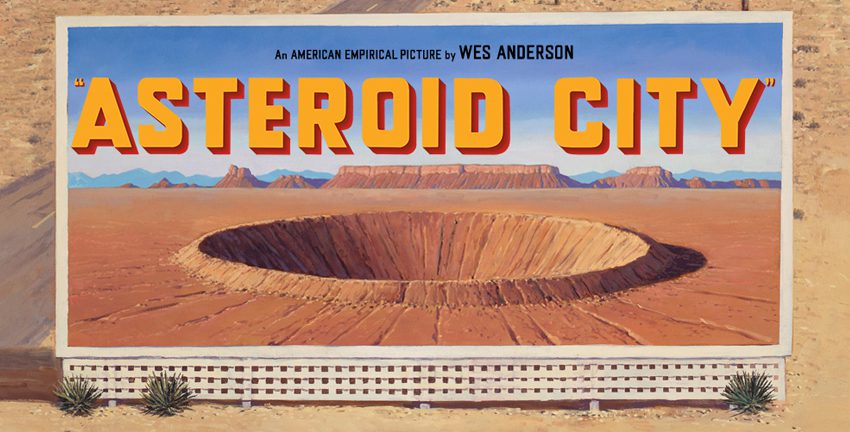
  • Asteroid City Has the Wes Anderson Goodness

    Asteroid City Has the Wes Anderson Goodness

    Miss the beat/you lose the rhythm/And nothing falls into place,” quoth Sammy Hagar.

    Never thought I’d open a review with a Van Halen lyric, much less one from the Hagar era (though it is *gulp* my preferred VH era), but here we are.

    I was as enthused as any film nerd worth their nerd salt to see Wes Anderson’s newest work, Asteroid City. I couldn’t wait to get lost in his diorama-esque mise en scène, pastel cinematography, and deadest of deadpan humor, but as Asteroid City opened on a black and white image confined to a square 4:3 aspect ratio (with the sides squished in a bit), my brain revolted, “What is this shit?!”

    Ignoring my questionable professionalism for a moment, the point I’m trying to make is that within seconds of the movie starting, I had already missed a beat.

    And you know–thanks to Mr. Hagar–what happens when you miss a beat.

    It just started; Did I already miss the rhythm?

    Yep.

    Was nothing going to fall into place?

    Hmmmm.

    Up on the screen, still in that monochrome gray, Bryan Cranston appeared as a Rod Serling-like narrator, a host of a 1950’s looking tv show (I think?), describing a play that we’re about to see, which, it turns out, was the Asteroid City we’d been promised by the trailers. After an unhelpful “Act I, scenes i – iii” title card, the movie proper begins, switching to a cinemascope frame stretching narrowly across the screen, filled with the meringue cinematography I was hoping for.

    We were on more familiar ground. I hoped for the best. Maybe the black and white intro was just a throat clearing that held little importance. Maybe I could still catch up with what the movie was doing.

    Nope.

    The black and white sequences pop up frequently throughout the narrative, raising the meta quotient with each return as they introduce the writer, director, and actors of the Asteroid City “play” that we’re ostensibly seeing in color. I spoke too soon when I called the color scenes the “movie proper.” The black and white opening wasn’t a throwaway. Clearly, the monochromed sequences were part of the main event also.

    But what did it all mean? What did this nested doll storytelling add to the tale?

    Dear reader, if you think I’m going to answer these questions, let me spoil the review’s ending right now. I will not.

    The confusion just compounds.

    The color sequences, for example, which are supposed to be a play, remember, are clearly shot on location, outdoors with stylized elements you couldn’t possibly create on a stage. True, the production design of the titular Asteroid City does have stage-like elements. Ostensibly a small town in the middle of a “California/Nevada/Arizona” desert, as one character in typical Andersonian humor describes the town’s location, everything in it appears slightly smaller than it should, like a Disney World “dark ride.” But this is typical of the Wes Anderson aesthetic, so I’m not sure if he’s trying to say something with it or just indulging in his sensibilities. What’s weirder is that the “real world” sequences, where we encounter the people behind the play, clearly are shot on stages and sets, often barely disguising their artificiality.

    Now, if you think this is all leading to a pan of Asteroid City, it’s not. As confused as I was, there was still more than enough of the Wes Anderson goodness I came for. His masterful control over the editing, pacing, and framing of each scene remains unabetted. And the humor, with its weird non-sequiturs, impassive line delivery, and whimsical asides is just as strong. I happily chortled and snortled throughout.

    Asteroid City also features one of the hands down best scenes of the year, and I’m confident it will remain so by year’s end. I’ll keep it a surprise if you choose to partake in Asteroid City’s pleasures, but I’ll give you a hint. It takes place in the impact crater of a thousands year old asteroid and is perfectly set up and flawlessly played out, the ultimate union of acting, editing, soundtrack (Alexandre Desplat’s tinkling piano is both wonderous and tension building, a sort of whimsical counterpart to AC/DC’s “Thunderstruck” opening), visual effects, and impassive humor. Absolutely delightful.

    Delight, though, is not really the film’s main aim. Wes Anderson’s movies always have an underlying sadness beneath all the whimsey, a dread simmering beneath the goofery, but Asteroid City takes it to another level. Anderson’s last project, The French Dispatch, took place in a town called, wait for it… Ennui. While the location is completely different this time around, Anderson clearly hasn’t moved, mentally at least, from that fabricated Gallic town. With its purgatorial desert setting, a plot that allows for a lot of killing time, and the almost catatonic state of some of the characters (again, this is Anderson film, so its cast is bursting at the seams with a stacked roster of famous actors including Tom Hanks, Scarlett Johansson, Tilda Swinton etc.), there is a Waiting for Godot vibe hanging in air. Even with a subtle salute to hope by film’s end (keep an eye on Jason Schwartzman’s and Jake Ryan’s hands), this is definitely Anderson’s most existential film by far.

    I may not have “gotten” it. And it may be his most existential, confusing work yet. It’s still a tour de force work from a supremely gifted director. Even if it’s the most up-his-own-ass he’s ever been, oh what a place to be.

  • San Junipero Easter Egg in Black Mirror’s Loch Henry

    San Junipero Easter Egg in Black Mirror’s Loch Henry

    This article contains no major spoilers about Loch Henry: Truth Will Out, episode 2 of the new season of Black Mirror. However, there is an Easter Egg in “Loch Henry” that references “San Junipero,” from Season 3. So we will spoil only this.

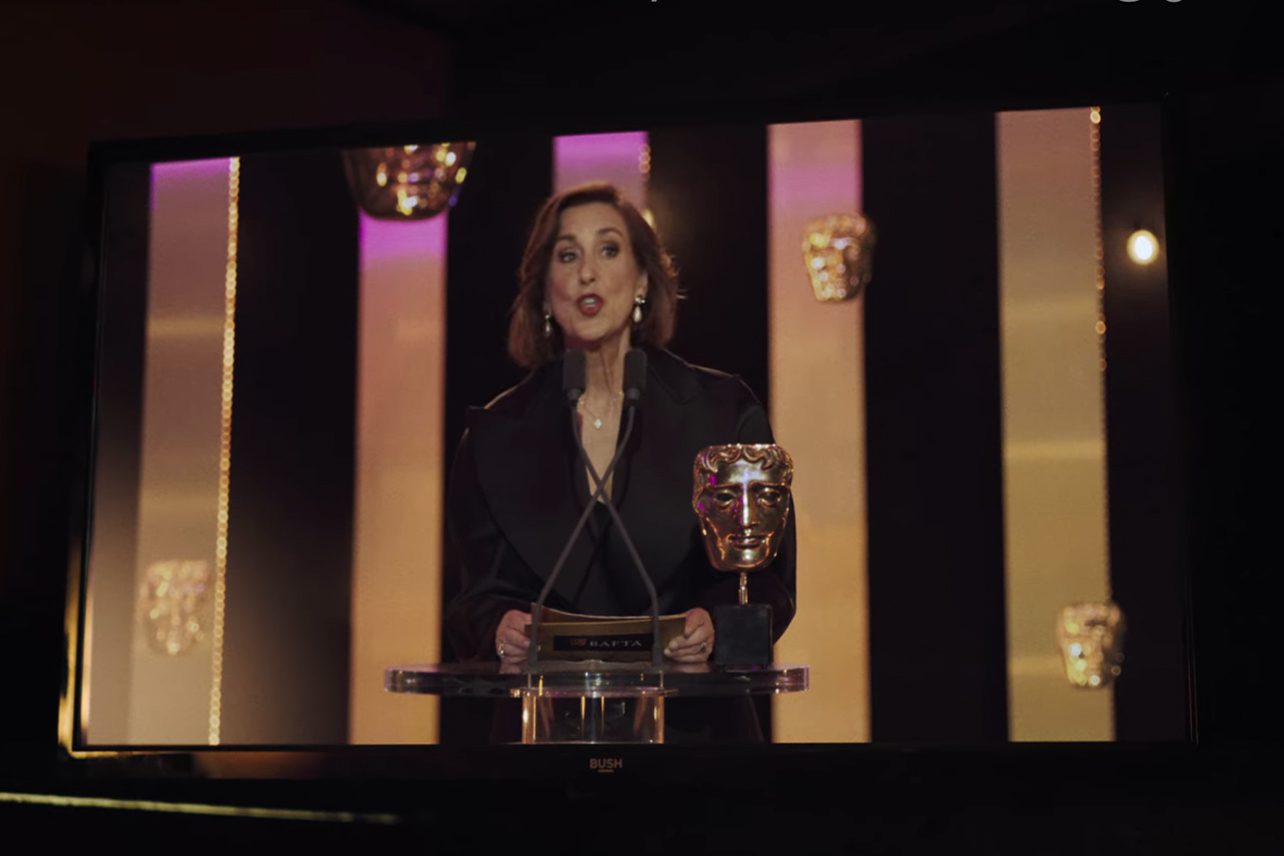
    In “Loch Henry,” there is a documentary film made. That film goes on to achieve success. It is in fact nominated for a BAFTA Award, the British equivalent to an Emmy. In the category for Best Documentary, the other two nominees are Suffer the Children, The Tipely Pedophile Ring, and Euthanasia: Inside Project San Junipero.

    We, like many, feel San Junipero is one of the best Black Mirror episodes in the entire show. In fact, as a college professor, I’ve been teaching this episode for several years and students love it. It’s twists, foreshadowing, gorgeous settings and soundtrack make it an enjoyable episode to watch and talk about. It’s also a love story. And unlike most episodes of Black Mirror, it has a happy ending, sort of. The last image we see in San Junipero is a massive super computer inside a mega-corporation called Tucker Systems. (Another Easter Egg spread across the disjointed Black Mirror universe.)

    When we are left with this haunting image of a super computer housing countless consciousnesses, it is a little harrowing. To think that a corporation has that much power is scary, to say the least. What if the server goes down? What if the corporation sells the info. It’s too much power in one place. That image is also a throwback to the last scene in Raiders of the Lost Ark, where we sell a warehouse with endless boxes, knowing one of them houses the devilish arc.

    San Junipero Easter Egg

    To see the San Junipero Easter Egg in Loch Ness begs the question: did something go wrong?  What happened? Are we to believe “Project San Junipero” is still up and running? We say no. Documentaries are not usually made about up and running projects. They are made in hindsight, usually after something goes wrong. Which leads us to believe the answer is no. Project San Junipero is not  currently functional. And yes, something did go wrong. But that’s just our opinion.

    We will likely never get the answer unless someone asks Charlie Booker. But we appreciate the question being asked. And we appreciate the Easter Egg.

  • Make Music Miami in the Original 305

    Make Music Miami in the Original 305

    Hey Folks, Mr. Entertainment here coming to you from the original 305 in Hollywood, Florida. Yes, the 305 reached far and wide back in the day, peeps. In fact, the entire state from the inception of area codes in 1947. In the 1950’s, the state started getting more area codes, and in 1988 Palm Beach County receded to 407, while Broward County was still the 305 until September of 1995. Previous to area codes, phone numbers used a phrase and numbers… My Grandparents’ Hollywood phone number was WABASH 92700. What does this have to do with Make Music Miami? Just follow me.

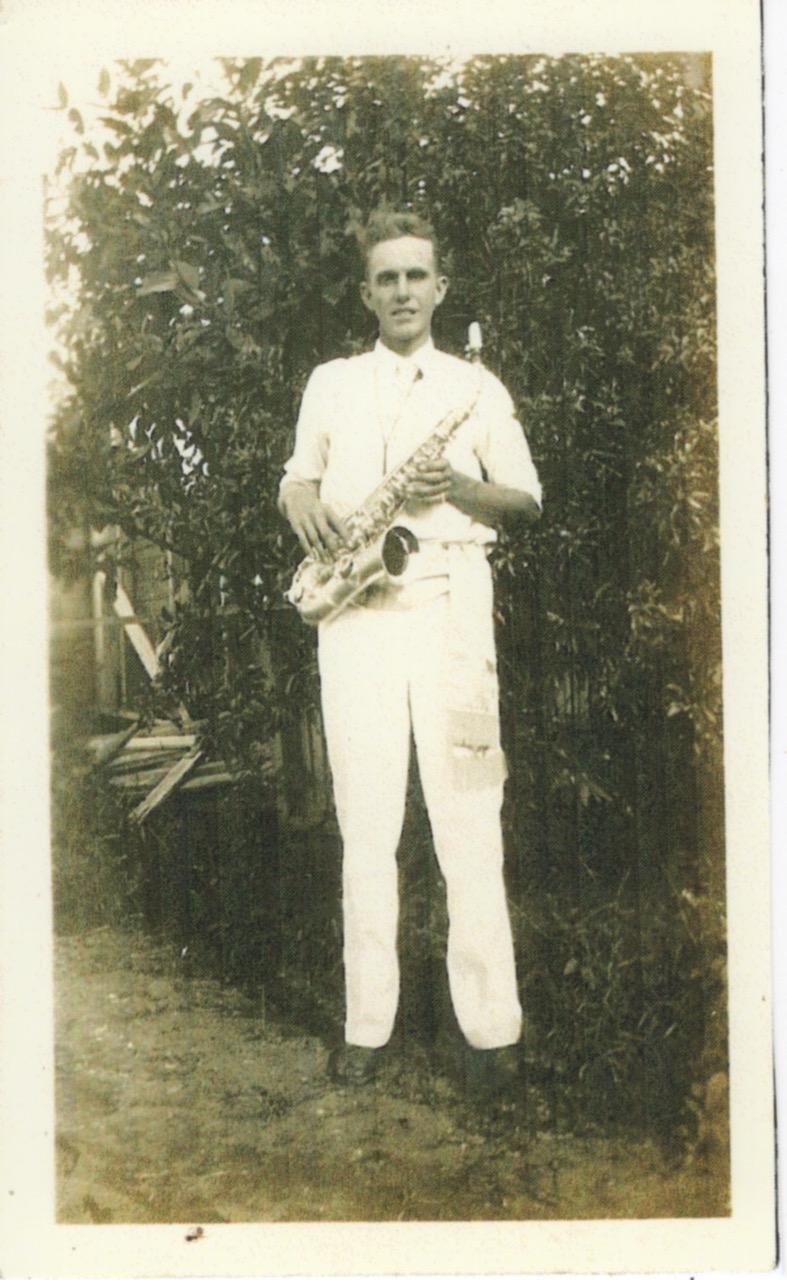
    My grandparents were pioneers in South Florida. My grandpa Elvis moved here in the late teens or early 1920’s and my grandmaw Charlotte not much after. Elvis grew up in “Mi-Ya-Ma” as Charlotte used to call it, and went to what became Miami Edison High School but was originally known as Dade County Agricultural High School. He was a saxophone player in the band there and became a hardworking farmer in Hollywood after graduating. See, my family has been making music in Mi-Ya-Ma for over a century.


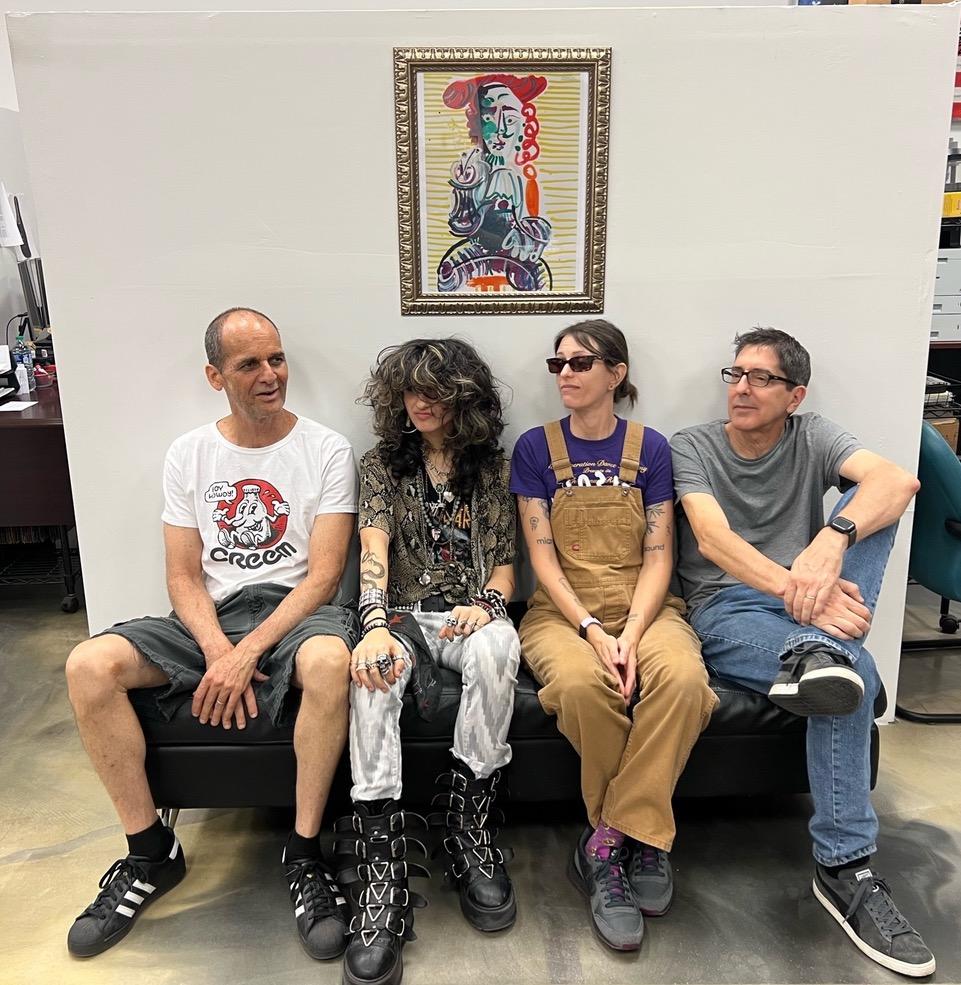
    So, what does this have to do with anything? I, Mr. Entertainment, and my merry pranksters, The Pookiesmackers, are playing Make Music Miami on June 21st, the summer solstice. Make Music Miami is an event associated with a worldwide event started in Paris France called Fete De La Musique which started there in 1982. It is a celebration of free music to welcome in the summer. In 1997 Make Music Miami began, and in 2018 it went countywide.

    The project is in collaboration beween Buskerfest Miami, The Rhythm Foundation, Villa Albertine, Olympia Arts Miami, and many more civic partners. Last year I dragged it out of being only countywide and brought it to Dania Beach for a performance at My Mama’s Books and Records. My partner in rhythm and rhyme, MLE, and I have been involved with this event  since at least 2017. We’ve played street corners, empty fields and backyards. This year we break out the rock band version and give you the modern Mr. Entertainment and the Pookiesmackers. Our event starts at 5pm with a performance by Timothy LaRoque, followed by the Pookies at 630pm. There will be music all over Miami-Dade County all day long. Check out the Make Music Miami website for details. I advise taking a long lunch or quitting your job to enjoy some free music and support your Mi-Ya-Ma music scene.

    My Mama’s is at 218 E Dania Beach Blvd.

  • Kunya Rowley on The Juneteenth Experience

    Kunya Rowley on The Juneteenth Experience

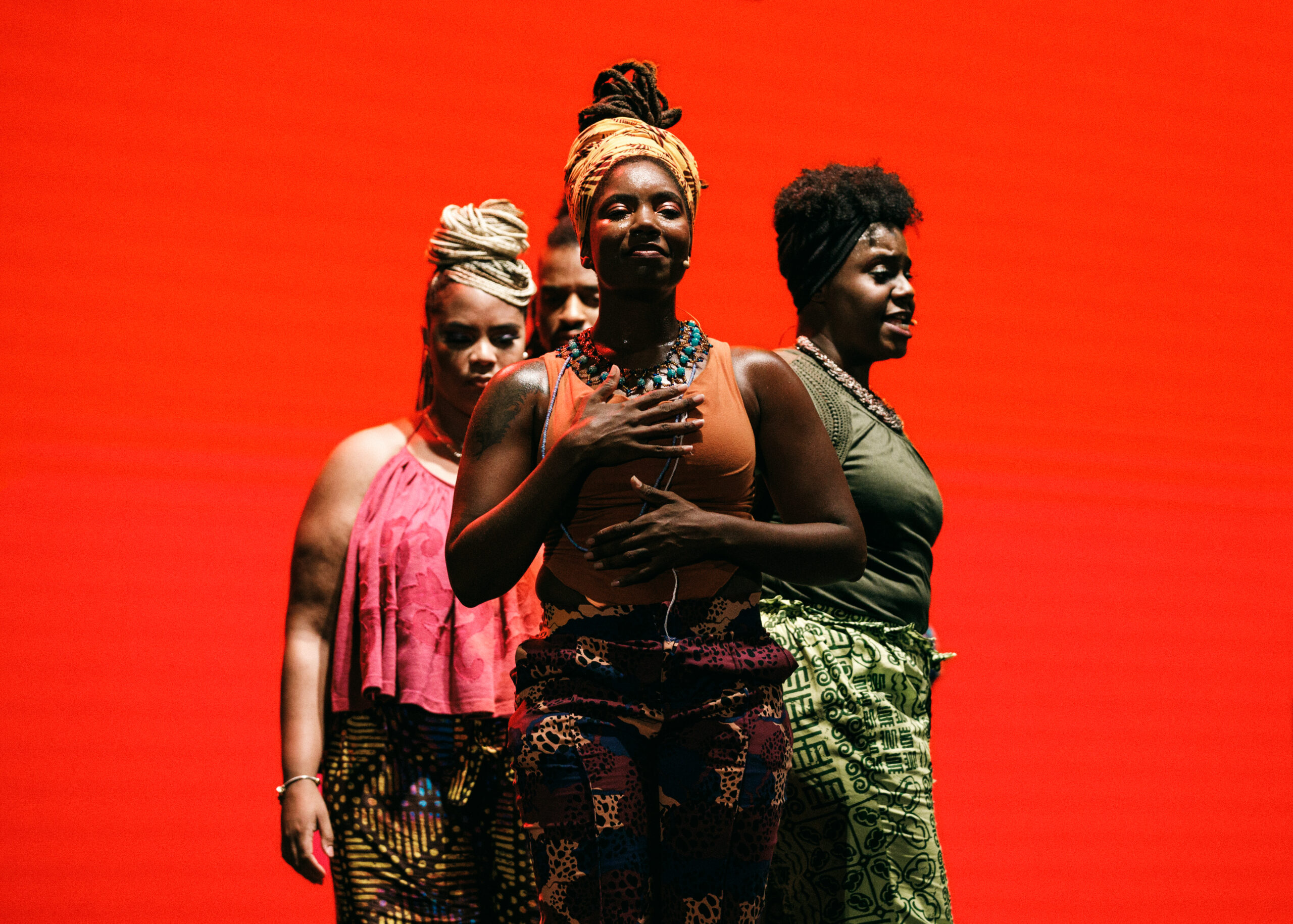
    On Monday, June 19, from 4-10pm at the Miami Beach Bandshell, South Florida is honoring Juneteenth with The Juneteenth Experience. The free event welcomes everyone to celebrate together with music, spoken word, film, and dance to commemorate the emancipation of enslaved African-Americans. The event organizer, Hued Songs founder and director, Kunya Rowley, hopped on to the Jitney to tell us what we can expect from The Juneteenth Experience.

    What were the steps to putting together The Juneteenth Experience at the Bandshell?

    Kunya Rowley: Truly, building the Juneteenth Experience is a yearlong journey. This is our 3rd time producing this performance and each one is unique and different. It begins with us building from a central theme. This year, our Juneteenth performance is rooted around the question of what it means to belong. Next, it starts with a stellar cast and creative team. When we pull together a team, we are looking for folks who are collaborative, curious, and talented.

    Our team for this performance includes a stellar cast of multi-talented musicians, dancers from Zest Collective under the direction of our choreographer Gentry George, and a truly amazing band. And there’s a lot of magic to be made because we’re starting with a powerful script by our lead writer, Miriam King. We then start to pull it all together. We kick off rehearsal in May through June, working to create a really beautiful show. For me, one of the most special things about putting this together is that we ask the cast to contribute to the design of what this show will be and look like. Every artist has a critical point of view, so we make space to ensure everyone involved is able to bring their whole selves and voice to the process.  

    What can attendees expect at the event?

    Folks can expect a powerful performance at the end of a really special day. This year, we’re really proud to share that the Juneteenth Experience is the official Juneteenth celebration for The City of Miami Beach. Folks can come to the Bandshell early and checkout a a jazz picnic powered by The City of Miami Beach from 4PM-6PM, doors will then open to the bandshell, where we’ll have music pumping. At 6:30PM, part one of the Experience begins, which will inlcude the screening of short films centering Black joy and liberation by local creatives. Then at 7:45PM we’ll have some special remarks for city and county officials, including the Mayor of Miami Beach, followed by an incredible performance at 8PM.

    Many Americans (including myself) weren’t aware of Juneteenth until the last couple years. To what do you attribute it’s increase in attention?

    This is true. Awareness around Juneteenth has ebbed and flowed for decades. Very often, the “re-emergence” of Juneteenth is precipitated by a shift in our country’s racial landscape. In 2020, it was the murder of George Floyd that brought about the awareness of Juneteenth. My hope is that building The Juneteenth Experience into an annual celebration helps to keep the conversation around Black joy, liberation, and empathy at the forefront of mind all year long and helps to continue to embed Juneteenth in our annual conversations.

    If someone can’t make it to the Bandshell what are some other ways to commemorate Juneteenth? 

    First and foremost, if someone can’t make it to the Bandshell, they can catch the entire performance via livestream. They can find it by following Hued Songs on our platform or going to our website. I’d also like to encourage folks to commemorate by learning about local Black organizations within their communities and finding ways to support their work. Juneteenth is about celebrating Black liberation and we can’t do that until every organization that is working towards that- big and small- is healthy. 

  • GableStage’s Native Gardens Delights in Brilliant Ironies

    GableStage’s Native Gardens Delights in Brilliant Ironies

    Irony is one of the most sophisticated tools of humor. It’s up there with sarcasm and a good pun. It makes you think and appreciate the humor in contradiction. Native Gardens, the final play of GableStage’s 2022-23 calendar, delivers a brisk, crisp, biting comedy loaded in hilarious ironies sure to leave audiences delighted.

    The premise of the play is as follows.

    Pablo and Tania Del Ville, a young Latinx couple, move into a new house in the D.C. area. The house is a fixer upper. They are millennials and Democrats. He’s a lawyer, born in Chile. She’s pregnant and earning her PhD in Anthropology.

    Next door live Frank and Virginia Butley. They’re the friendly, older, white, Republican, Boomer neighbors.

    She’s an engineer. He’s retired from government work.

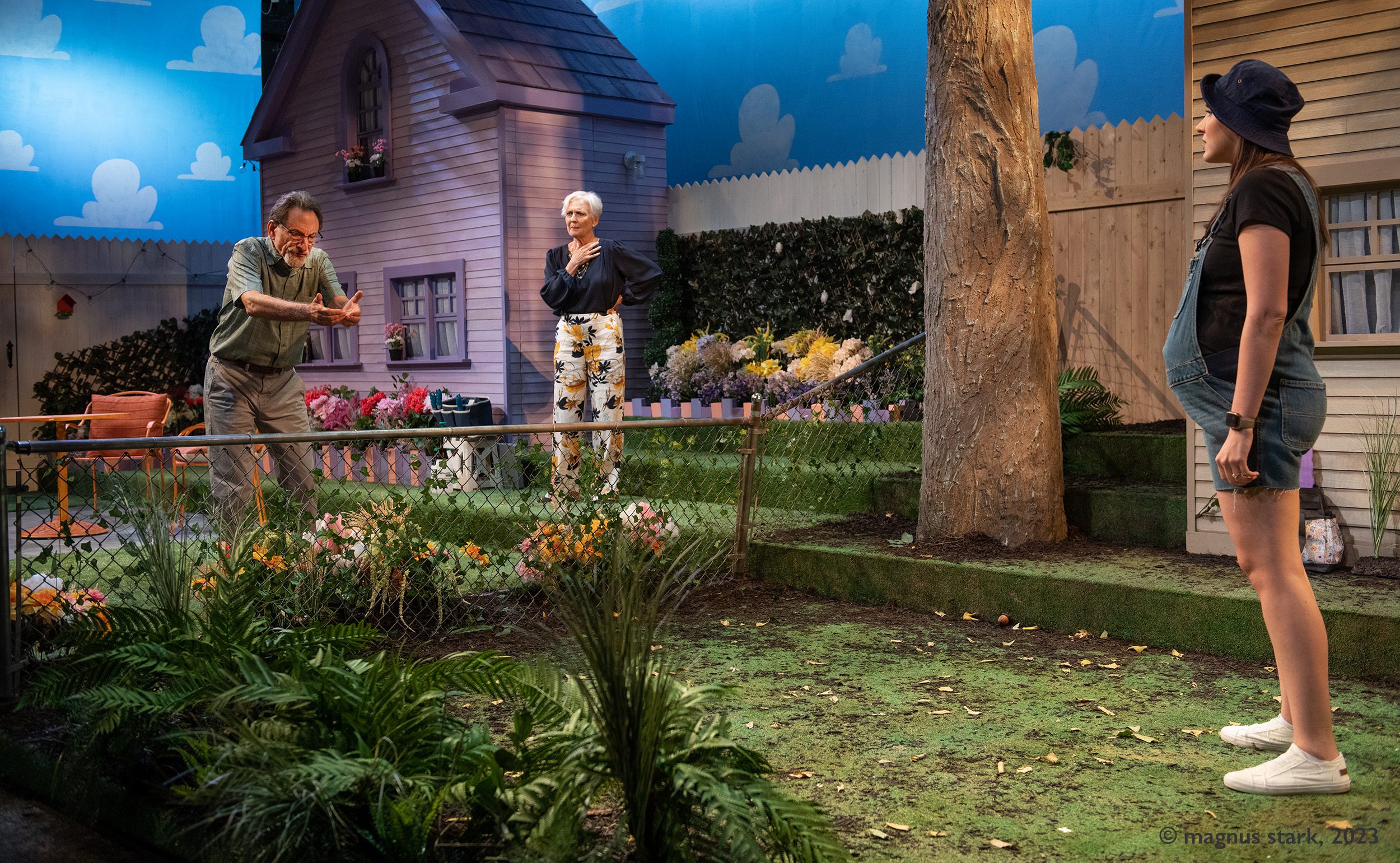
    Frank is obsessed with his beautiful award-winning garden. There is a rickety fence that divides the backyards.

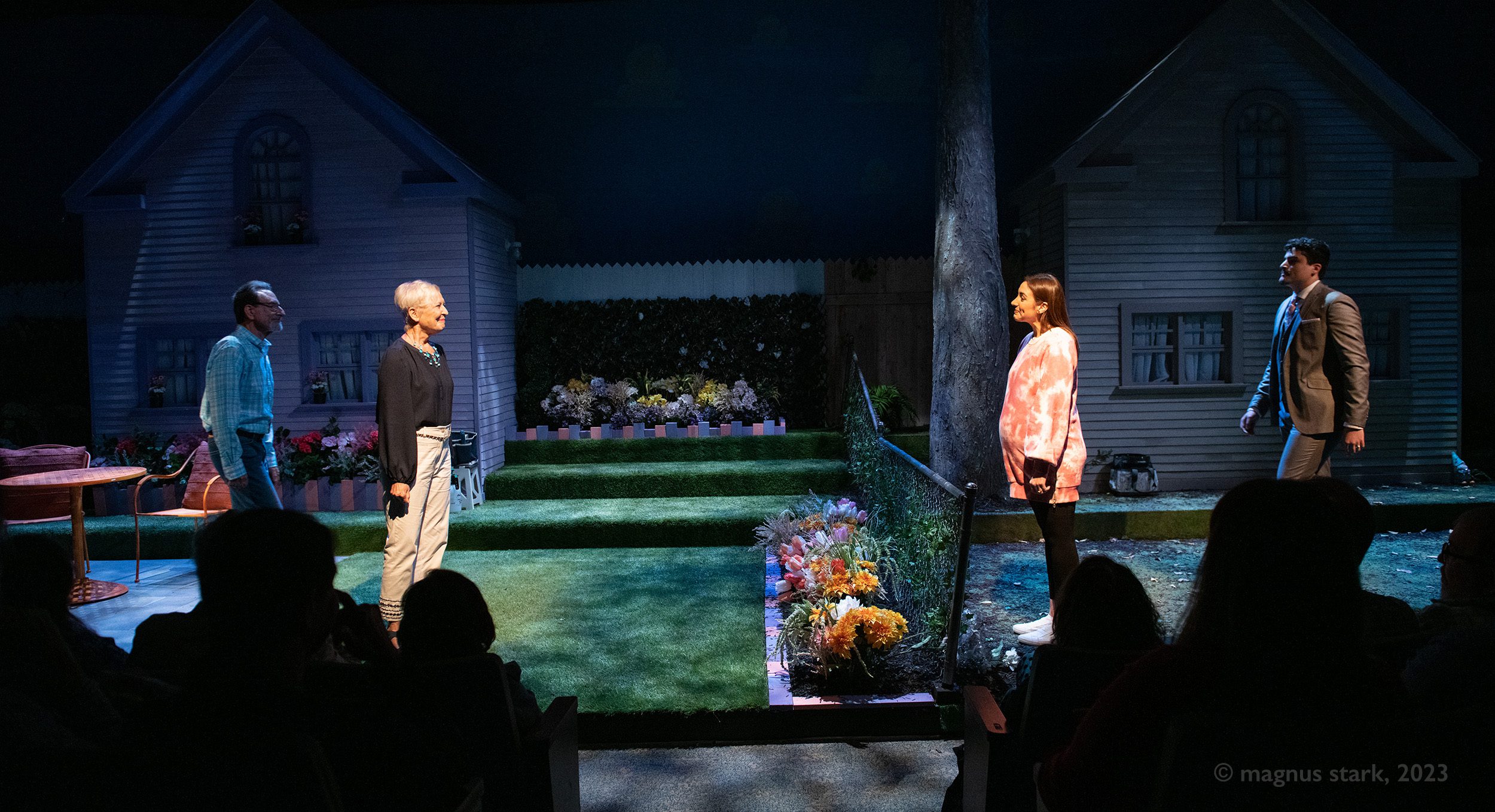
    The play is set in the backyards of the two houses.

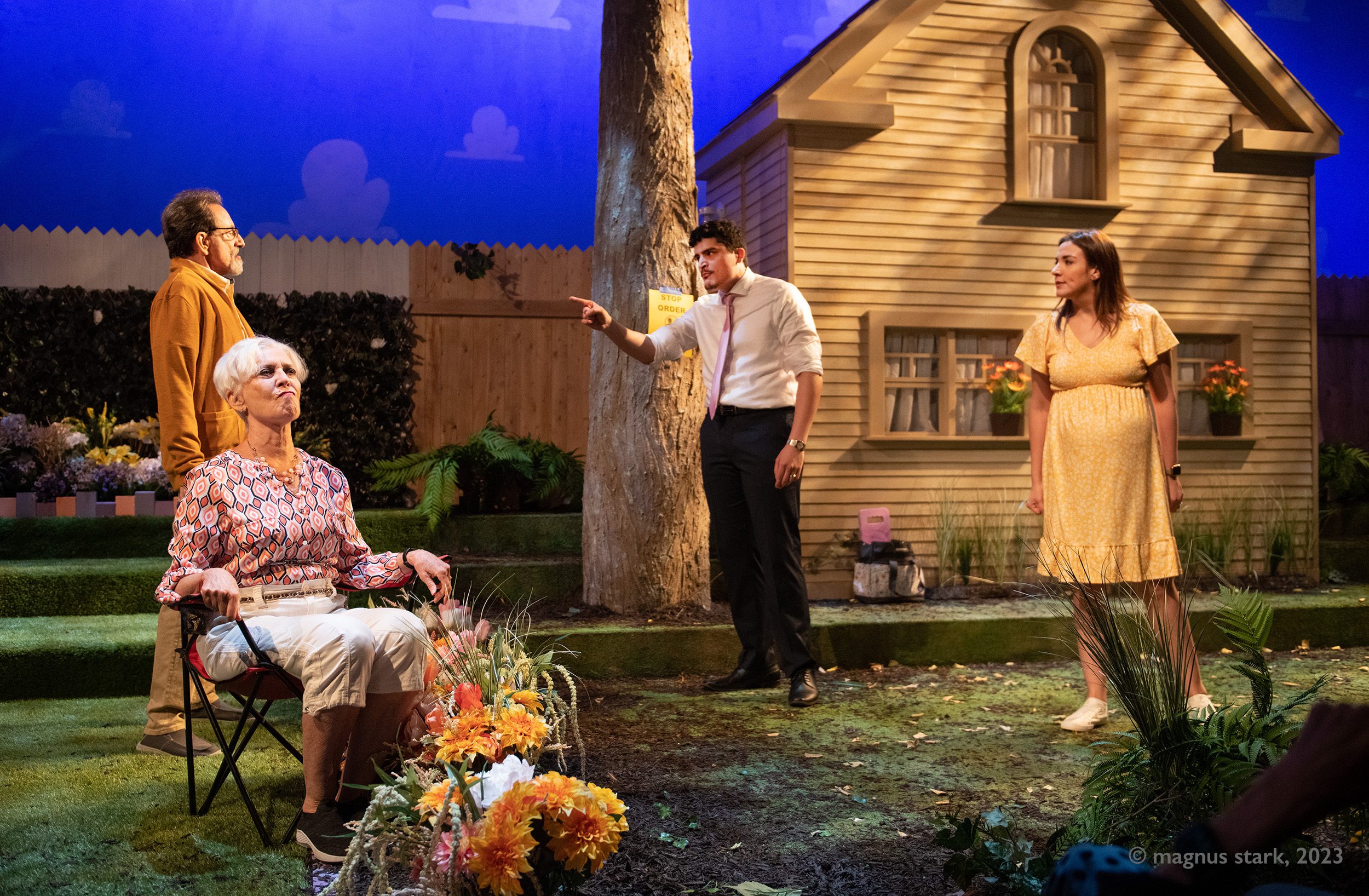
    It must be noted that the set design of this play is the most ambitious and beautiful design you will see in local regional theater. It’s awesome.

    This play is awesome. And again, mainly because of how irony is used as a premise.

    Let’s make a little list of some of the ironic premises employed.

    1. The garden. Frank’s garden is pretty but filled with invasive plants that require much care and pesticides. It’s harmful to the environment. Tania also has a green thumb and loves gardening. Her new garden is filled with ugly but indigenous native plants. In other words, the minority, or new girl on the block, and outsider, is taking it back to the way it was.


    1. The fence. A young Latin couple with ties to Mexico (on Tania’s side) is building a fence to essentially keep out the undesirables (via the horticulture of the Bentley’s).


    1. The property line. The older white Bentley couple are nice. They are. But they also accidentally have infringed on their neighbor’s land, by two feet, or 81 square feet, worth about $38,000. Not their fault. The fence was already there. But ignorance is bliss, right? And in that infringement lies Frank’s prized garden, land which their neighbors actually own. It’s a central problem in the play. And what is the solution for the Bentley’s: Squatter’s Rights. The old, rich, white, Republican couple are claiming Squatter’s Rights. Ironic.


    1. Entitlement. Who’s entitled to what actually? The most entitled character in the play is the only first-generation immigrant, Pablo Del Ville, whom growing up in Chile was extremely rich and privileged with chauffeurs and nannies and such. Entitlement is a major theme in this play…


    1. The Tree. It’s old. It’s rooted. It’s been there. So who loves it and who hates it. Go see and find out.


    1. This play opened in Miami on June 10, 2023, in the middle of National Gardening Week. It’s an actual thing we are not even sure GableStage knew about.       

    Native Gardens Now Playing

    Irony is great as a premise. But what fills a premise in writing is dialogue and plot and character. Native Gardens does not have the best dialogue or plot but it’s above average. Still, it’s a little flat at times (dialogue, plot) and gimmicky (i.e., the Jaws and “Bad to the Bone” homages — although The Godfather homage was epic).

    Native Gardens is funny but it’s not hilarious, not at all. The play is also a little rushed at times, especially at the end. Native Gardens is probably a 3.5 out of 5 star play.

    But, as far as the production put on by our beloved GableStage, it’s so delightful.

    Local audiences will enjoy this play. The acting is great, especially Diana Garle’s performance as Tania. And again, you will not see a better set design in a local theater house in South Florida. And, as always, a trip to the Gables and the Biltmore is a trip to Florida heaven.

    Be smart. Arrive early. Grab a bite or a drink at the Biltmore. Make it a night or a day if a matinee. Support local arts! And enjoy this delightful ironic romp.

    Native Gardens is now playing at GableStage. For more info and tickets click here…

    photo by Magnus Stark

  • Ivan R. Lopez on Short Play “I Found This on the Web”

    Ivan R. Lopez on Short Play “I Found This on the Web”

    From June 8-25, City Theatre’s Summer Shorts will perform  eight short plays by Miami’s best emerging playwrights at the Arsht Center. In this series the playwrights shared a little with the Jitney about their work.

    My play, I Found this on the Web, is a comedy about dating in the age of infinite intelligence.

    The idea for the play came to me at the end of last year when my smartwatch started talking to me unprompted. Our tech knows so much about us. They probably know us better than we know ourselves. That’s a scary thought and I probably could’ve gone down the route of writing some sort of dystopian Black Mirror-esque nightmare, but fortunately my creativity decided to take me down a different and funnier path. I imagined a guy on a date, repeating a lot of his same unconscious mistakes. But his AI assistant, who has accompanied him on all of these failed dates, has finally had enough of sitting idly by.

    My process involves a lot of sitting around and watching moments play out in my imagination before I ever put words down on paper. I had little moments of the play come to me while driving, or while showering, or while waiting in line at the grocery store. Then one more morning I woke up way before the sun came up and had a burst of inspiration. I set the initial draft of the play down in about 3 hours and submitted it to City Theatre for one of their City Reads events at Books and Books. The crowd seemed to enjoy it and they taught me a lot about where the good jokes were.

    Now I feel very grateful that it will take the next step at Summer Shorts: Homegrown Edition! I hope you laugh, mainly so that our eventual AI overlords have mercy on us when they do take over.