Category: News

  • Suwannee Spring Reunion Is Four Days of Fun

    Suwannee Spring Reunion Is Four Days of Fun

    I recently heard about Suwannee Spring Reunion from a friend of mine, and the family-friendly music festival intrigued me. Having attended Hulaween at the The Spirit of the Suwannee Music Park (SOSMP) in Live Oak, FL in the past, I jumped at the opportunity to bring my five year old daughter up there for an unforgettable experience of her own.

    Suwannee Spring Reunion allows festival goers to experience four days and nights of music rooted in Americana, newgrass, bluegrass, folk, blues, and more. Featuring music on multiple stages throughout the forest filled with mossy live oak trees, I’m looking forward to the picturesque setting amid a family-style friendly vibe. Aside from the music, they have workshops by a wide range of performers at the festival, jam sessions, as well as pickin’ parties throughout the campgrounds. As an adult who has enjoyed a variety of music festivals, I love the idea of having the opportunity to introduce my daughter to the experience in a more family-oriented iteration.

    The woods light up to the sounds of campground pickin’ and performers can often be found joining right along with attendees around the campfires. The park itself is a place where kids of all ages can remember why they fell in love with the magic mixture of sights, sounds, and sensations that constitutes a weekend of paradise that is the Spirit of the Suwannee Music Park. Matching the history on the stage, longtime park hosts, Beth and Randy Judy, are partnering with the Spirit of the Suwannee to make sure that every piece is in place to make an epic weekend of music and fun.

    Tickets are on sale now. Suwannee Spring Reunion offers a multi-day Weekend Ticket from March 23-26 that includes festival admission for four days of music, as well as primitive camping on Thursday, Friday, Saturday, and Sunday nights. Children 12 and under are free if accompanied by a parent or legal guardian.

  • Miami Heat Fans Should Appreciate this Team While They Can

    Miami Heat Fans Should Appreciate this Team While They Can

    For Miami Heat fans this 2022-23 season has been a bummer. Our beloved basketball team has gone from the top seed in the East, one missed shot from making the Finals last year, to fighting for their playoff lives.

    There are plenty of reasons for this. The Heat last year were the best three point shooting team in the league, this year they are among the worst. They let their starting power forward PJ Tucker walk away for nothing. They then didn’t get anyone to replace his position until midway through the season when they hired Kevin Love. Then there’s starting point guard Kyle Lowry who never seemed to return since taking personal time off in the middle of the past season.

    Whatever the excuse, it’s not looking like the Heat will be having one of those extended postseason runs, their fans have grown accustomed to.  But just because they’re not championship contenders, doesn’t mean we should stop watching the games. Because the next month or so will probably be the last chance to see this iteration of the Heat take the floor together.

    The Miami Heat are more stable than most sports organizations.

    Erik Spoelstra has been the coach for fifteen straight seasons now. But under Pat Riley, four seasons seems to be the longest he keeps a core or players together. In 2000 after four seasons of keeping the same team, Riley  traded PJ Brown and Jamal Mashburn for Eddie Jones and Anthony Mason. Three and a half seasons into his Heat tenure Shaq was shipped off to Phoenix. And most famously after four years of the Big 3 era, LeBron flaked out on the Heat heading home to Ohio.

    We’ve had four seasons now of Erik Spoelstra coaching Jimmy Butler, Bam Adebayo, Tyler Herro, and Duncan Robinson. Team history says this will be the last.

    Duncan Robinson has already been confined to the bench, barely playing any more. Jimmy Butler is turning 34 in September. Herro and Bam even at their young ages, seem to have peaked to their full potential. Barring some unlikely playoff upsets Riley will probably do what his fans are begging for and make some drastic changes.

    Which makes me a little sad because this has been one of my favorite Heat teams.

    Flashback to Autumn of 2020.

    Covid was full steam ahead. You hadn’t seen your friends in months. There was nothing to do and nowhere to go. Then all of a sudden the NBA decided to resume their broken 2020 season in a bubble in Orlando without any fans at the games. The Heat were the fifth seed and people figured they overachieved even to get that far. Then the playoffs began and they looked like world beaters.

    Jimmy Butler did one of the best Michael Jordan imitations I’d ever seen. Bam Adebayo played relentless defense, making one of the most clutch blocks in NBA history. Herro was making shots no rookie should be brave enough to take, much less make. And even Duncan Robinson was shooting lights out (I didn’t forget Goran Dragic or Jae Crowder’s great play, but they’ve sadly long been gone).

    The Heat beat the heavily favorited Milwaukee Bucks and Boston Celtics. If it wasn’t for some unfortunate injuries to Bam and Dragic, in my heart of hearts I think they would have upset the Lakers in the Finals as well. Even without taking home the trophy, that Heat team with their hustle and grit was the most successful underdog in Miami sports history.

    And then after a down 2021 the Heat did it again last season.

    By 2022 COVID was still an issue and there were points in that season, where half the Heat team was  not allowed to play due to safety protocols. But with minor league players like Max Strus, Gabe Vincent, Omer Yurtseven, Caleb Martin, and Kyle Guy stepping up, the Heat were able to grab the top seed. They beat up on the Hawks and Sixers in the playoffs. They made it all the way to game seven of the eastern conference finals and would have been in the Finals if the refs didn’t take away a three point shot Max Strus made because they incorrectly decided his foot was out of bounds.

    But that’s a loser’s lament. And this team was anything but losers.

    They played hard and won games they had no business being in. They spoiled us with unexpected victories. Maybe they can do it one more time?

    Either way Heat fans should appreciate these guys while they’re still ours to root for.

  • Defacing Michael Jackson (Review)

    Defacing Michael Jackson (Review)

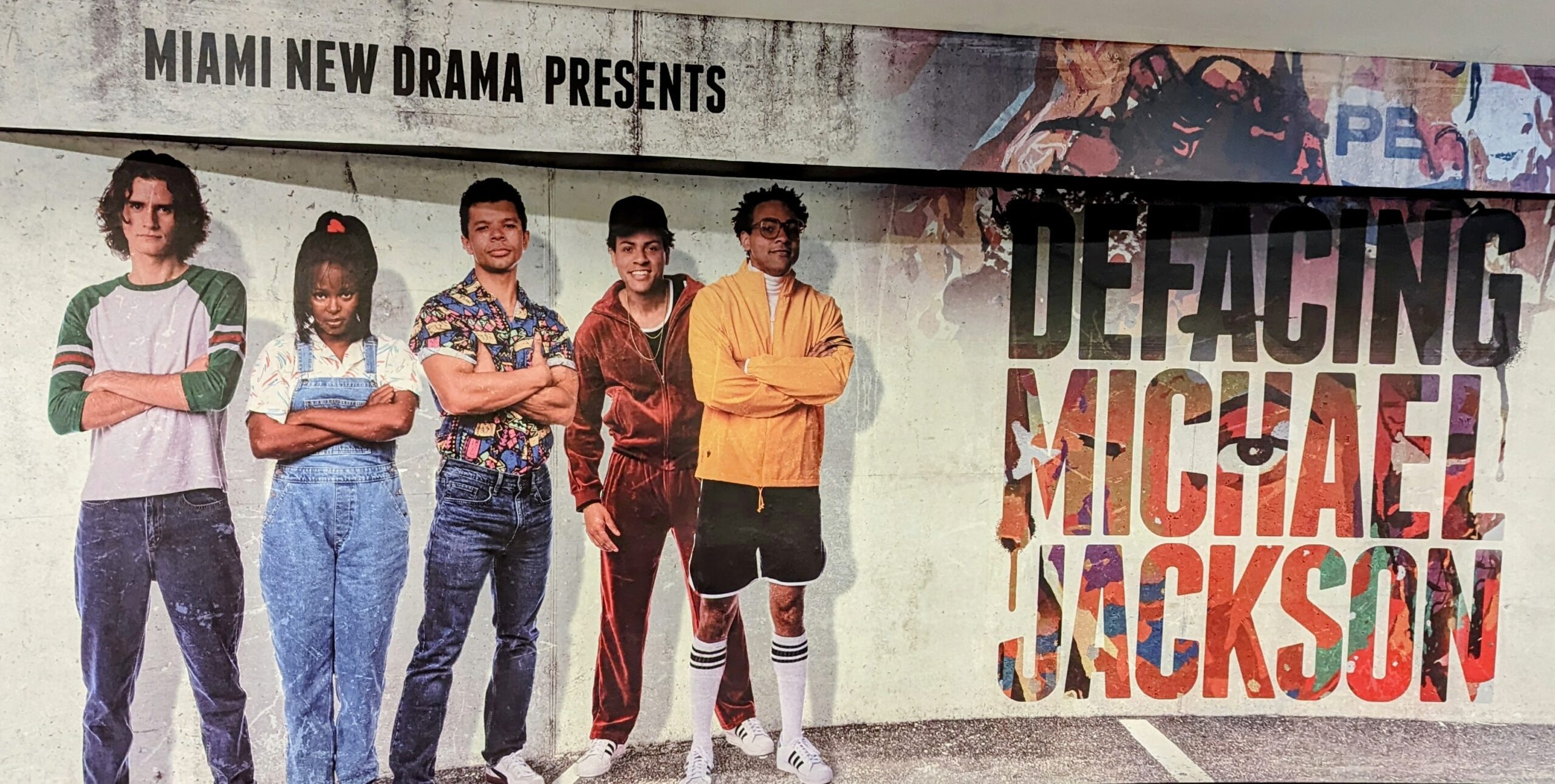
    Defacing Michael Jackson is the latest World Premier play brought to us by the folks behind Miami New Drama, arguably thee best theater in the region.  The coming-of-age dramedy, written by the incomparable Aurin Squire, and directed by New York based Shaun Patrick Tubbs, quite frankly, hits, and it hits hard.

    It’s 1984 in Opa Locka, Miami. A group of four African American teens form a fan club dedicated to Michael Jackson. Led by its female president Frenchy (Sydney Presendieu), Treasurer Obie or Obadiah (Xavier Edward King), and rounded out by the twins Red / Yellow (Dylan Rogers), the trouble begins when a stranger comes to town, Wes aka Cracker Jack (Joshua Hernandez), a tall, lanky Anglo super fan of the gloved one.

    “Can you take yourself back?” the play begins with a monologue by Obie and immediately we travel backwards down the memory line to 1984.

    Without spoiling the play, Defacing Michael Jackson is a powerful and poignant exploration of sexuality, race relations, hero worship and gentrification. Squire’s writing is crisp, brisk, rhythmic and poetic – creating a captivating and layered landscape, a precise autopsy of the above-mentioned societal issues.

    Defacing Michael Jackson is also raw AF

    There are a few scenes where the dialogue gets so toxic and racy, it’s jarring, and not necessarily for everybody, but remember this is 1984 and that’s the way it was.

    There is also a really dark twist about half-way through the play at the end of Act I concerning Wes, and affecting Obie, and then another dark transition into Act II around race. For a society so afraid of self-diagnosis, Defacing Michael Jackson dives right into the deep end of existence and a fan of the theater is better for it.

    The acting, all around, is also stellar.

    Sydney Presendieu shines and commands our attention in every scene. She’s awesome.

    Xavier King is a great narrator, utilizing interesting 4th wall breaks to create intimacy and nuance, and the actor is pitch perfect in his delivery.

    Playing three characters, the twins and a City Commissioner, Dylan Rogers showcases the deepest range and is wildly entertaining as both Red and Yellow.

    But the play is not perfect. To be honest, the Wes character does not feel three-dimensional and completely alive, and Wes’s father is perhaps the worst off-screen foil imaginable. He’s a true diaboli es machina (devil in the machine).

    At times, DMJ is too sentimental and awkward.

    But here’s the thing.

    Being a teenager is unbelievably awkward and every time you might feel awkward watching this play, just remember you’re watching awkward teenagers.

    If you feel awkward, the play is doing its job.

    And once again, when it comes to Miami New Drama, it’s a job well done.

    Tickets and Info

    Defacing Michael Jackson is playing at the Colony Theater on Miami Beach until April 2nd.

    For more info and tickets, click here.

  • Debunking the Henry Flagler Orange Blossom Myth

    Debunking the Henry Flagler Orange Blossom Myth

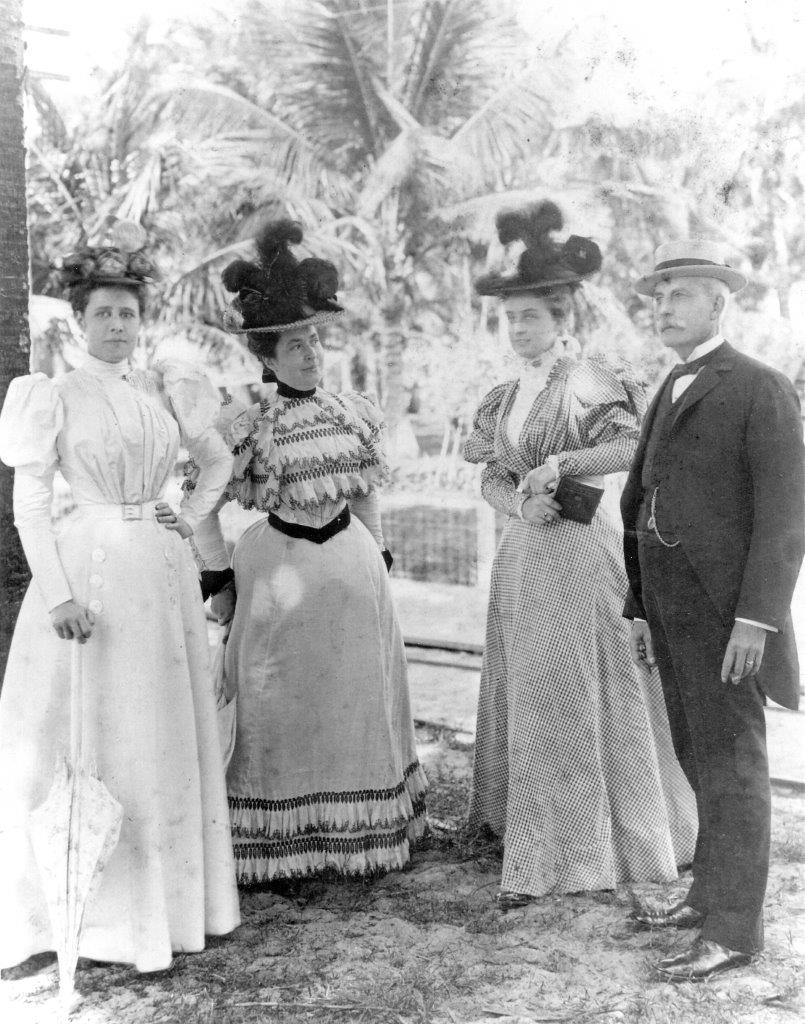
    The most shameful of the numerous myths plaguing South Florida’s history is “the orange blossom myth,” wherein, supposedly, Julia Tuttle sent Mr. Flagler some orange blossoms to induce him to extend his railroad to the shores of Biscayne Bay. Simply put, it never happened, and when you read the truth and facts about what really did happen, authored by America’s foremost authority on the histories of both the FEC Railway and Greater Miami, you will realize that what has come to be thought of as gospel is, in reality, a bunch of fol-de-rol and, in truth and fact, that it never happened.

    It is high time that the orange blossom myth is debunked once and for all, for the truth and fact is that Julia Tuttle did not send Mr. Flagler orange blossoms, a bouquet of flowers or anything else to get him to extend the railroad to the shores of Biscayne Bay. Or, as I like to say at the talks that I give and in what I have written previously, “how did she send them? By FedEx? By Postal Service overnight?” Again, the facts are and the truth is that she and Mary and William Brickell sent Mr. Flagler letters, not floral arrangements.

    The story is pure, unadulterated nonsense. A fable, a fairy tale, a myth, or, as we would say in French, a COMPLETE and total bubbemisseh as well as being utter hokum and it is well past the time that those who should know better stop bandying about that silliness as if it was fact, which it is not.

    The myth was first debunked as early as 1913 when the then-incorporated village of Coconut Grove published a beautiful promotional booklet in which they clearly stated that no such thing happened and that it was a lovely and romantic story, but completely untrue. The facts are found in Arcadia Publishing’s “Images of Rail:  Florida East Coast Railway” (P. 9), and, more completely, in Arcadia’s “Images of America: Miami the Magic City” (P. 7) wherein the true story is told regarding how and why Henry Flagler made the decision to extend the railroad the 66 miles south from West Palm Beach to what was then not yet the City of Miami.

    THE FACTS: Following the great and terrible freezes of December, 1894 and January and February, 1895, Mrs. Tuttle wrote or wired Mr. Flagler that the region around the shores of Biscayne Bay was untouched by the bitter cold. She asked him to come south to take a “look-see,” but contrary to the fallacious and made-up tales, he did not, instead sending his now famous in Florida history lieutenants, James Ingraham, his land commissioner, for whom the Ingraham Building on Southeast Second Avenue just south of Flagler Street is named, and Joseph R. Parrott, his railroad vice president. Upon making the trip south they were amazed when they found the area lush and verdant and green. They took boxes of truck (produce) and citrus back to Mr. Flagler, along with two citrus tree limbs wrapped in wet cotton. (There was no record made of which variety of citrus the tree limbs were, whether orange, tangerine, lemon, lime or grapefruit) Upon their return to St. Augustine they presented the variety of vegetation which they brought back and explained to Mr. Flagler that the treeze line appeared to be somewhere in the vicinity of one to two miles north or south of today’s Broward Boulevard in today’s Broward County, which at that time, as was all of Palm Beach County and Martin County (Stuart) part of Dade County.

    Mr. Flagler, after examining the produce said, “gentlemen, are you sure? Are you certain?” And after being assured that the conditions south of the freeze line were as Messrs. Ingraham and Parrot described, he then wired Mrs. Tuttle: “Madam,” he asked, “What is it that you propose?”

    Mary and William Brickell had previously offered Mr. Flagler half of their land south of the river but Mrs. Tuttle’s offer was the icing on the cake: “If you will extend your railroad to the shores of Biscayne Bay and build one of your great hotels” she told him, “then in addition to what has already been promised you by Mr. and Mrs. Brickell, I will give you half of my holdings north of the river plus fifty acres for shops and yards.”

    As a further note, perhaps in the next submission we will explain that Julia Tuttle was NOT “the mother of Miami” and that, again in truth and fact, there were at least four “mothers of Miami,” and we will clarify that next time.

    With that, the deal was finalized, contracts were drawn up and signed by the appropriate parties. The first train, a construction train, arrived on April 15, 1896, the first passenger train arriving one week later, on April 22, 1896, with the first excursion from north Florida arriving on May 11th. On May 15th the first edition of “The Miami Metropolis,” Miami’s first newspaper, was published and on July 28, 1896 Miami, without ever having been a village or a town or an incorporated entity of any kind sprang into existence as a city. The great and fabled Royal Palm Hotel opened on the north bank of the Miami River on December 31, 1896, NOT in 1897 as some faux historians have stated.

    That is how it happened, not because “she sent him some orange blossoms!”

    With a short “P. S.” as “the icing on the cake:” The Brickells signed their agreement with Mr. Flagler on June 12, 1895; Mrs. Tuttle did not sign her agreement until October 24 of that year, four months later, but, and unfortunately and unhappily, several organizations and individuals (“no names, please, we’re British”) came up with the orange blossom fol-de-rol and falsely named Julia Tuttle as “the mother of Miami,” of which she is not only not the sole person involved in the formation of the city on July 28, 1896, but, rather, and as noted above, is one of at least four “mothers of Miami.”

  • April Raquel and Jody Hill on Jazz in the Gardens

    April Raquel and Jody Hill on Jazz in the Gardens

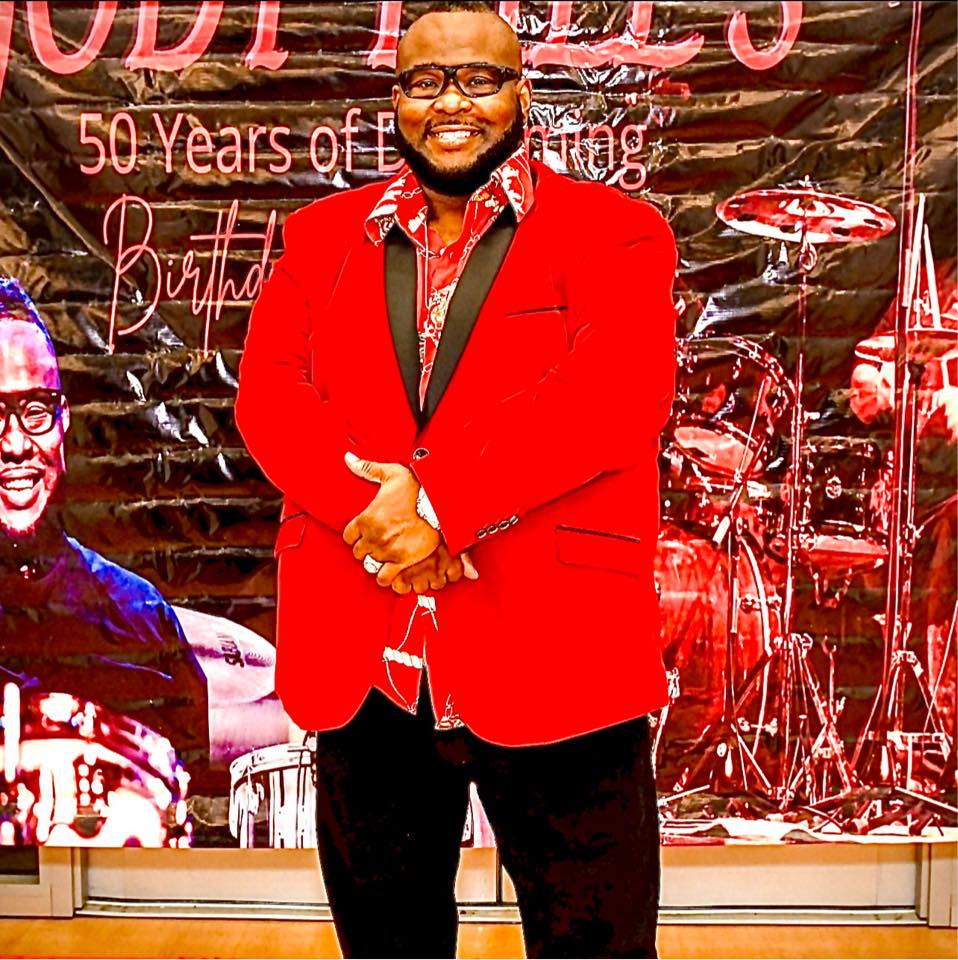
    This Saturday and Sunday, March 11 and 12, Jazz in the Gardens is back at Hard Rock Stadium. Among the heavy R&B hitters set to headline are neo-soul legends Erykah Badu and Jill Scott. For its 16th edition Jazz in the Gardens also made sure to provide a local flavor on their stages. Among the musicians representing the 305 are April Raquel and Jody Hill. The two artists hopped on to the Jitney to introduce themselves.

    When did you first fall in love with music?

    April Raquel : My mom would sing occasionally when I was a child, sometimes with my Godmother who is still one of the best singers I have ever heard. I just always loved the radio. Late 70s & early 80s R&B was such a vibe. Also my grandmother had a photo of Tina Turner at her home that I used to stare at all the time because I was captivated by the electricity of her in photo. I have that photo in my home now.

    Jody Hill: I fell in love with music around the age of 3 but I always say “birth”!

    How did Miami shape you musically?

    April Raquel: My grandmother’s first cousin, Clarence Reid, was a legendary songwriter and artist from West Palm Beach and later moved to Miami. He also went by the moniker Blowfly. He and Mr. Willie Clark discovered and wrote music for the legendary Betty Wright, also writing and producing for Sam & Dave, Gwen, McCrae, Jimmy, Beau, Horn, KC, and the Sunshine band, and others. He was right at the helm of the soulful Miami Sound back in the 60s and 70s. He would sit at my grandmother’s piano and write music. I wasn’t born quite yet, but this legacy ran rich in our family, so it’s been in my blood since before I was born.

    Jody Hill: It shaped me musically because of what I was taught in church(Macedonia COGIC) This is where it all started for me and my career. That enabled me to learned different cultures and genres of music.

    What can we expect from your performance in Jazz in the Gardens?

    April Raquel: You can expect energy, funk, original songs, & crowd R&B & Hip-Hop favorites that we all love. Songs that remind us where and who we were when these hits were out.

    Jody Hill: Great quality of music from great professional artists that my band will back up! It’s going to be stellar!

    What are your plans for the rest of 2023?

    April Raquel: In addition to music & entertainment, I will be exploring my lifestyle brand in the health, wellness & beauty space.

    Jody Hill: My plan is to further my business to produce more events and perform with more artists.

    April, You had a role in the classic Outkast video “Hey Ya”. Any memories you can share from that experience?

    April Raquel: Yes… That I had the biggest crush on André 3000, lol. Also, that was an amazing opportunity for me because one of the casting directors assistants pointed out that there are not enough dark skin, beautiful women featured in music videos at that time so she called me out to get a close-up feature. The value that came from that was just priceless!

    Jody, you produced for disco legends KC and the Sunshine Band and Gloria Gaynor. Any lessons that you learned from these veterans that you can share?

    Jody Hill: Sure, I learned how to do business, how to perfect the production side of the music and how to delegate the ones you trust to grow you production.

  • Stephen Funke is the Dream Sound Police for Cheap Trick

    Stephen Funke is the Dream Sound Police for Cheap Trick

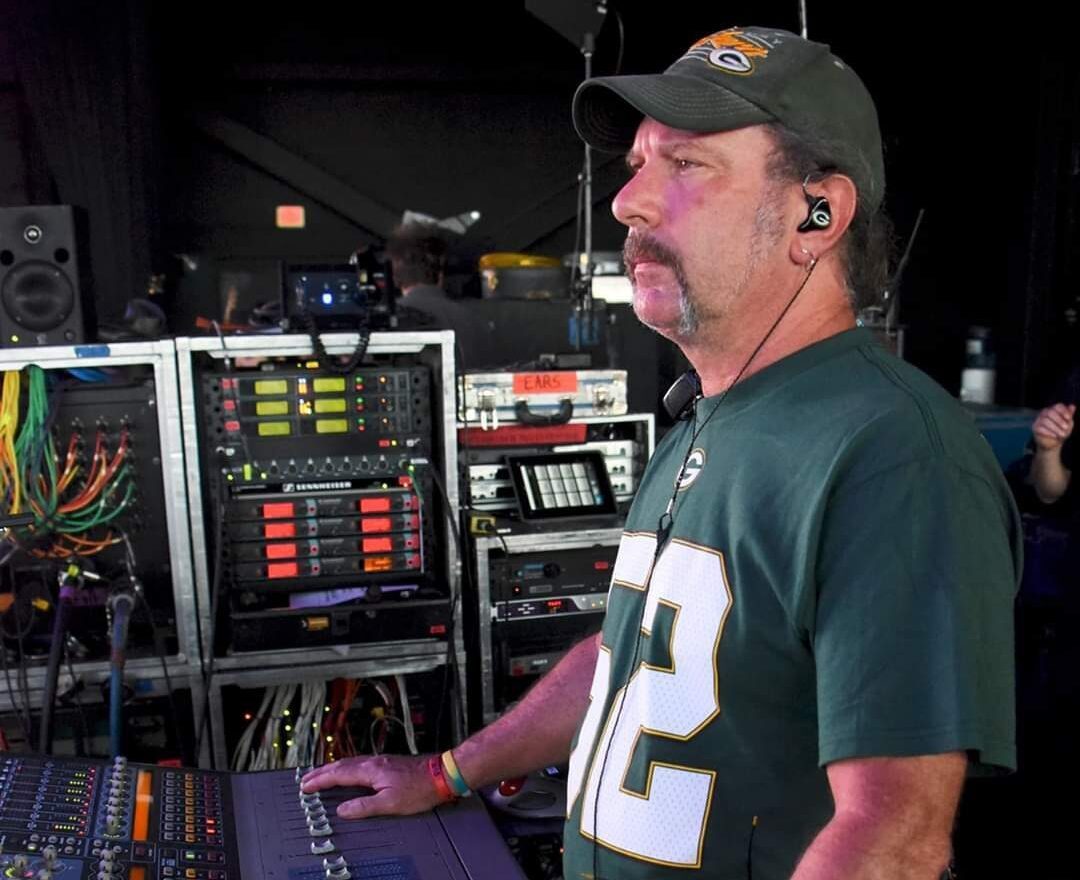
    Stephen Funke spent years in South Florida doing sound for local bands. The quality of his work was stellar. Hard work, dedication, and determination finally landed him a spot with one of the most beloved rock bands on the planet, Cheap Trick. In anticipation of Cheap Trick’s upcoming concert on March 14th at Hard Rock Live in Hollywood, Stephen hopped on to the Jitney to share his story. Without a doubt, it’s a tale of a humble, local boy done good.

    Let’s get this out of the way, is your name pronounced Funk, or Funky?

    Stephen Funke: Funky….it’s German. In German it’s pronounced Funka.

    So how did you originally get involved with sound?

    I did lights for a band while I was in the navy. While we were touring, some groupie friends told me a Chicago band was looking for a soundman. Although I’d never done sound before, I told the band I thought I could do a decent job if they give me a chance. They hired me.

    You weren’t born in South Florida, were you? How’d you end up in Miami?

    No. I was born and raised in Green Bay. That Chicago band I worked for was looking for warmer weather. The bass player of the band was an ex-Army Ranger from Nam, so he could be a bit much to handle. We got to Rock World in Orlando, and another band, The Heaters, offered to hire us. To get away from the bass player, the lightman and I agreed. We made it to Fort Lauderdale, and after hanging out at the Elbo Room, we decided to leave the band. We slept in a park in downtown Ft. Lauderdale and the next day, we sold some blood to get money for food, a six-pack of beer and a bus ticket, and went to Miami. That was like ‘79/80’.

    So now you’re in Miami. What next?

    I worked 18 months for a cover band called Zimmeron. But then I was fired because the brother of the lightman wanted my job. So I became the fulltime sound guy for Cats on Holiday and The Front. The promoter of 27 Birds and Flynn’s, Richard Shelter, also started using me as the house sound guy.

    Alright. How did Stephen Funke make the leap from South Florida to Cheap Trick?

    Well, as Shelter brought more national names to South Florida, I started mixing bands like Suicidal Tendencies, DOA, and Girls School. By the mid-80s, I got hired by a touring lounge band. I left the tour after about four years, and ended up as the sound engineer for a club in Aniston, Alabama. Six months later, after I had the sound system dialed in for them, they fired me. I then had to decide….back to South Florida or Wisconsin. That was Labor Day 1989. I went back to Wisconsin and got a regular job at a glass and mirror company. I also did sound for a popular cover band called Billy Shears and eventually got a job setting up the sound system for a small concert club (Studio East) in Green Bay that had bands like Saigon Kick and LA Guns play there. After that, I got hired by Rad Audio, and that’s when I started doing mostly vocal systems for concerts. A friend of mine, the tour manager for Ted Nugent, hired me as stage manager for the Nugent/ZZ Top 2003 tour. They kept having problems with feedback on the monitors, so I became monitor engineer as well.

    You really paid your dues!

    Yep. Then when Cheap Trick’s monitor guy took a leave of absence to tour with Trans-Siberian Orchestra, they hired me. When the guy finished his tour, Cheap Trick kept me instead. I eventually quit because I wanted to work the front of the house.

    So how did you get back to Cheap Trick?

    I did sound for Micki Free and Shalamar, and in October, 2011, I went to see Cheap Trick during the Dream Police orchestra shows in Milwaukee.The Cheap Trick tour manager asked me if I could hang out backstage and check things out after the stage collapse on Ottawa. The next week, the guys unanimously agreed to hire me back permanently.

    So this time you’re satisfied being a monitor guy? You’ve been with Cheap Trick a long time.

    No. Not really (laughs). But I like the guys, they’re good guys. They’re more than my employers, they’re my friends.

    Very, very cool. Okay, I know you own a bar in Green Bay.

    Yep, Funkes BC. The BC stands for the original owners, Barb and Carol. I bartended there for like 10 years before taking it over. The bar is doing well.

    Okay, last question. How much longer do you plan on doing this?

    Well, it’s getting harder, but at least one more year. Next year is the 50th year anniversary tour and they’re planning some big shit. I’d like to be a part of it, just like it was cool to be involved with their induction into the Rock and Roll Hall of Fame. I did the monitors that night right up on that stage with them.

    I’m really proud of your success. Very few people make it to the very top of the sound game. Thank you for taking the time to do this interview.

    Hey, I have very fond memories of my time in South Florida. It was a very special place at a very special time for me. Lots of great talent that was never discovered. See you next week in Hollywood!

  • The Trail of Highwaymen Artists

    The Trail of Highwaymen Artists

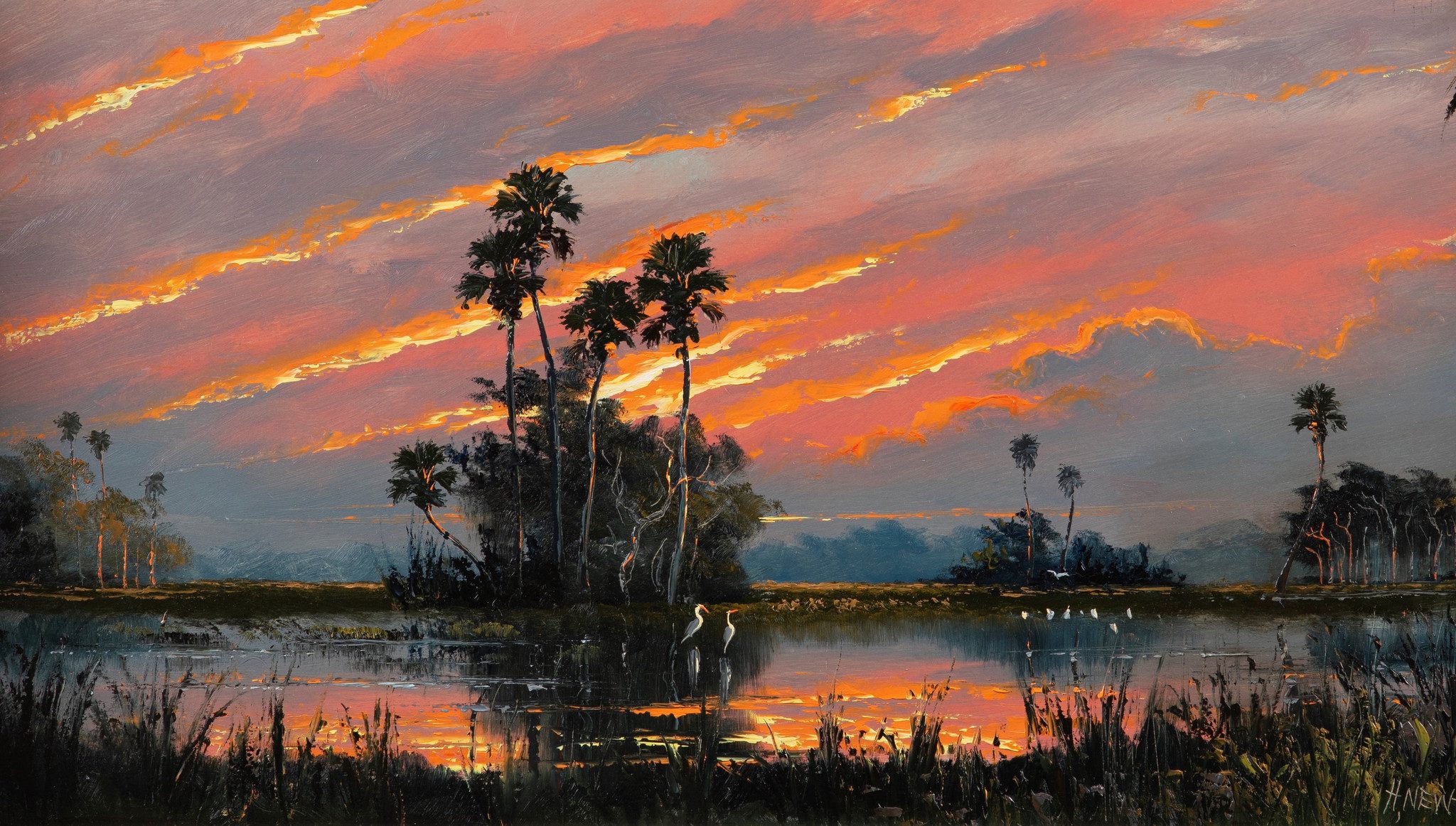
    They peddled their art from the trunks of cars for as little as $20 a pop. Often the paint had barely dried on these bright and breezy Florida landscapes, with clouds as brilliant as tangerines mirrored in swampy turquoise lakes – a color scheme that intentionally matched the decor of family rooms in the 1960s.

    Critics sniffed this was merely motel art.

    Still, these landscapes by a group of African Americans in Florida – christened the Highwaymen by a Florida collector in 1994 – were enormously popular in the late 1950s and throughout the ’60s. Highwaymen art later fell on hard times, spending at least two decades as fodder for garage sales and thrift shops and being dismissed as kissing cousins to velvet paintings of orchid-strewn jungles.

    But in the past few years, it has become popular once more, perhaps another example of the growing taste for so-called “outsider” art. It now commands much higher prices and is marketed on the Internet instead of on two-lane state roads and small-town main streets.

    In The Highwaymen: Florida’s African-American Landscape Painters (University Press of Florida, $29.95), author Gary Monroe tells the remarkable story of these largely self-taught artists. He has identified a core group of 26 artists who lived in black neighborhoods of Fort Pierce and Vero Beach. They plied their trade in the era before interstate travel to Disney World gobbled up their distribution points and made their product look dated.

    It was a good living, more satisfying than working in the orange groves or packinghouses around Fort Pierce, where many of the artists in this loosely affiliated group lived.

    Monroe’s book is a valuable document of one little-examined chapter of Florida’s rich cultural past, showing how black artists contributed to the dreamy visions of Florida that were being aggressively marketed at a time when air conditioning and mosquito repellent in the 1950s made the state a desirable destination.

    It’s no wonder that many of the artists’ customers were real estate agents.

    Gallery representation was virtually unheard of for black artists then, so the Highwaymen effectively short-circuited the gallery system, and their distinctive imagery reflected that tenacity.

    This was frankly commercial, fast-buck art, with Alfred Hair, one of the best-known Highwaymen, turning out as many as 40 paintings in a day. Materials were cheap and readily available: Upson board, a roofing material, doubled as a canvas, while tree trunks served as impromptu easels and finished paintings were framed with crown molding.

    But the work was also characterized by an unpretentious freshness as artists developed styles that were clearly their own and far different from that of their mentor, A.E. “Beanie” Backus of Fort Pierce.

    As illustrations in Monroe’s book reveal, clouds ballooned over shorelines with forthright majesty. Slapdash strokes of paint filled out sunset-bathed palms bending in the wind and herons flocking to cypress trees – all with an immediacy that was accessible and vivid.

    Few cars, motels or people clog up the Edenic fantasy views, and in this work there’s not a speck of irony.

    Monroe traces the group’s beginnings to the mid-1950s, when Harold Newton and Hair became friendly with Backus, who had already achieved fame for his classic Florida landscapes. Newton was a young artist who had found some success selling his work on the street. A local art teacher steered the more flamboyant Hair, destined to become the group’s leader, to Backus’ studio.

    More artists followed, but since this group would have to find its own market quickly to make the artist’s life pay, Hair showed that success was possible if their paintbrushes were fleet.

    Drawing on nearly two dozen interviews with Highwaymen

    and with Mary Ann Carroll, apparently the sole Highwaywoman, Monroe paints a picture of art produced at a frenetic, but fun-filled, pace. Work was sometimes done at all-night parties where beer and barbecue were plentiful, though not every artist felt compelled to match Hair’s speed.

    Much of the group’s energy dissipated when Hair was shot, at age 29, during a barroom brawl in Fort Pierce in 1970. By the 1980s, fewer Highwaymen were still making art. By then, Monroe reports, the work had become a slick caricature of its former spontaneous self, overly indebted to tourist brochures or even to Backus’ paintings.

    Very much a unique product of a particular time and place, Highwaymen art yielded, as Carroll says with an eloquence as simple as the paintings themselves, “an honest dollar for an honest day’s work.”

  • Samba Sundays Add Taste of Brazil to Miami

    Samba Sundays Add Taste of Brazil to Miami

    My roots go back to North Africa and the Middle East, but growing up as a first-generation Miamian I mostly assimilated to the Gringo ways of life. I was still introduced to a variety of cultures, including many Latin American ones; but I never had much contact with Brazilians until relatively recently. Really not until a few years ago, when I started dating one. That connection allowed me to dive headfirst into the culture, making up for lost time and then some.

    I already had an introduction to Brazilian music, particularly Samba and Bossa Nova, but I would come to realize I had only scratched the surface. Earlier in the year I spent two weeks in my girlfriend’s hometown, Salvador de Bahia, and experiencing it firsthand gave me a newfound perspective and fondness for the people and culture there. I’d heard all about the magical energy and vibe that had enamored so many foreigners with Brazil, but you can’t really appreciate it until you experience it firsthand. When I got back home, I couldn’t help but seek out more events that would offer a taste of the energy I experienced overseas, and I discovered Samba Sundays at The Moxy Hotel.

    Marco Zug hails from the small city of Sorocaba, about 100 km away from São Paulo, but has lived in Miami for over 15 years. He’s been promoting events since he was a teenager in that small town, and continued in that industry once he moved here. Initially focusing on VIP services for Brazilians vacationing in Miami, working with some of the biggest nightclubs in South Beach, eventually he began producing his own events. “My focus has always been on nightlife and my Brazilian heritage makes it easy to connect to other Brazilians here in Miami,” Zug shares.

    He started Samba Sundays in 2017

    at Bar da Vila in Downtown, a venue he owned at the time. The event was inspired by the tradition in Brazil of enjoying live Samba music on a Sunday, drinking beer or caipirinhas with your friends and family. The recurring party quickly gained a large following, attracting people of all backgrounds, with some Brazilians coming down from as far as Orlando.

    Eventually, outgrowing the initial venue, Marco found a new home at the Moxy Hotel in South Beach. Boasting a rooftop area overlooking both the beach and the city, plus an indoor space for rainy nights and more intimate shows, it seems to be a match made in heaven. Zug shares, “The feedback has been nothing but positive so we plan to continue this event and expand it to other cities as well.”

    Learn more about Samba Sundays and the other events Marco produces HERE

  • Ocean Salazar on the Artistic Process

    Ocean Salazar on the Artistic Process

    Growing up, I was obsessed with animation and cartoons. I devoured anything and everything that had moving drawings from Saturday morning cartoons to Pixar movies. I also loved video games and was fascinated with the way the characters moved on the screen and the elaborate worlds they inhabited. There was just something about seeing these images and experiencing these different worlds visually that shaped who I am today—even if my art no longer directly reflects it.

    Needless to say, as soon as I realized that there were people behind these things, meaning that it was a kind of job, I wanted to be part of that world. These job aspirations have taken multiple form of the years from animator, to character designer, to concept artists, to eventually settling into becoming an illustrator, though I still dabble into these other areas as the co-creator of “No One Lives Forever”, a comic and multi-media story that I am developing with a writer.

    I grew up in Miami and have lived here all of my life (minus the two years I spent in Pennsylvania. It’s a long story) so naturally I’ve gravitated towards using splashes of bright colors and tropical motifs, even if it’s not as directly obvious in my illustration work. 

    I’m trying to explore and establish something of a genre, something that ties together darker, uncomfortable imagery with the cheerful disposition of Miami. I’ve called it “Dark Tropical” or “Tropical Gothic” in my explorations, but I don’t think I have quite figured it out just yet!

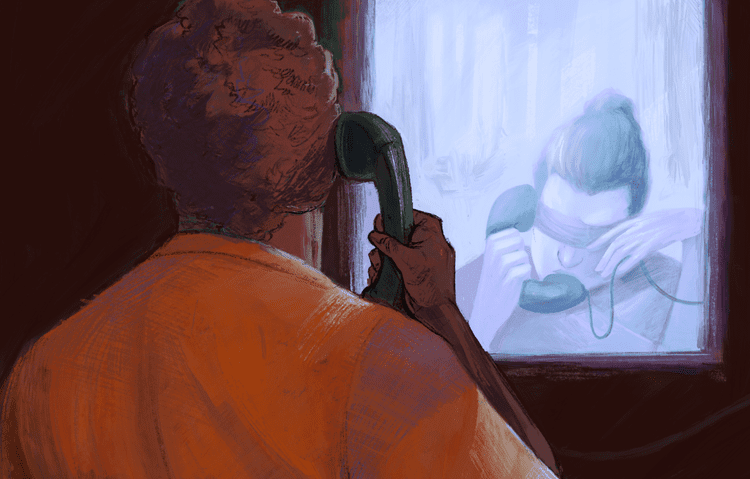
    As an Illustrator, I often and usually work from written prompts, either self-derivative or provided by a client.  For this example, I wanted to use an existing article so I picked “A Murder, as Confession, and a Fight For Clemency” from The New Yorker, which is about a man who confessed to an unsolved murder and the question of whether he is deserving of clemency.

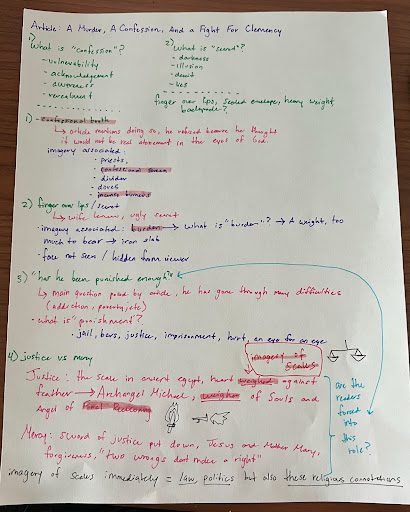
    The first thing I do is read the brief, in this case the article. I don’t circle or highlight words that stand out to me until the second or third pass. On a separate sheet of paper, I write down the major takeaways I have along with the words I want to represent. In this case, I wanted to showcase “justice” and “imprisonment” which leads to questions about how to represent these ideas with solid, universal images for the audience.

    As soon as I have a wordbank with connecting imagery established, I move into the ideation phase. It basically amounts to incomprehensible scribbles on the page to outside viewers. To me, it’s where I explore each and every idea as fast as I can, iterating multiple times until there is something that clicks.

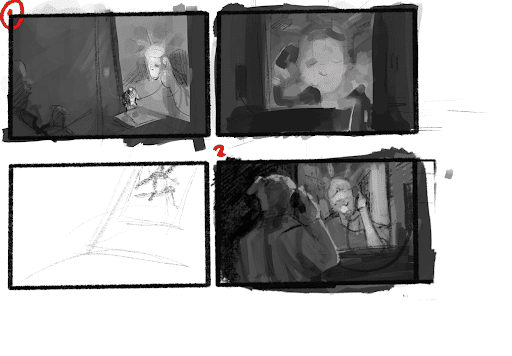
    When I find at least three that have potential, I move on to the proper thumbnailing stage— which is a cleaner version with most, if not all, the design issues figured out and clear values. These are what I would present to an art director or a client.

    Once I get approval, I move on to refining and finishing the illustration. Since this was uncommissioned, I moved on once I was confident in my design work and my mentor gave me the thumbs up.

    Here I collect references for myself to use. I pull from online sources but I often do my best to use myself as the model to inform my final. To be frank, this is something I still struggle with the most because gathering good references is a skill of its own, but the payoff is a well informed template from me to use for my image.

    As soon as I have my references, I move towards the final. The final is an ever shifting and evolving process for me; sometimes the final works immediately. Sometimes, the client lets me know if there’s something that isn’t quite working. I play with the image until I land it. 


    Maybe this is surprising to the uninformed—after all, there is a public image of art and the artist as being spontaneous. While there is a lot of spontaneity involved, for illustration I have found that giving myself a solid, thorough plan and foundation to work from is what gives me the ability to be adventurous during later stages.

    You can see more of Ocean Salazar’s work on their  instagram page or website.

  • Kevin Love Is a Sleeper Agent Sent to Sabotage Miami Heat

    Kevin Love Is a Sleeper Agent Sent to Sabotage Miami Heat

    Bro, while everyone in Miami was banging pots and pans like “yo we got Kevin Love, the greatest player in the world,” I gots to be the guy who ruins the party.

    Just like with the coronavirus, when something is too good to be true, you got to look around the table and see who the sucker is. You got to do your research and say why they going to give me them drugs for free?

    Kevin Love used to be a good player like when I was a kid. He led the NBA in rebounds and won a three point shootout. Since the Miami Heat this year are smaller than my stash after my homie, Javi, comes over, and couldn’t hit a three pointer, it sounds like the perfect fit.

    But do your research.

    How the Miami Heat getting a player who everyone says is so good for nothing?

    He coming from the Cleveland Cavaliers. That team is buying Kevin Love out. They paying him millions of dollars not to play for them.

    Yo, out in the real world does anyone ever pay you not to work? Money always costs something.

    So let me educate you on Kevin Love.

    The Cleveland Cavs and Miami Heat are fighting for playoff position. On January 31, Miami came in to Cleveland and spanked them Cavs. The Cav’s evil genius owner Dan Gilbert looked around and said, “Them Heat going to be a problem. How we going to fix them?” Then he saw Kevin Love standing around all sloppy looking and said, “Hey KLove, how you like to make some extra money playing some real bad basketball?”

    The Miami Heat fell right into their trap, picked up Kevin Love for nothing and have now lost two games in a row.

    My boy Javi be trippin like I’m paranoid. He say I’m smoking too much weed and I should give it all to him. But then he watched Kevin Love’s first game and he didn’t score a single point and he be like, “Yo you speaking truth”.

    And now you all know too.