Category: News

  • Rosie Gordon-Wallace: Dynamic Arts Leader

    Rosie Gordon-Wallace: Dynamic Arts Leader

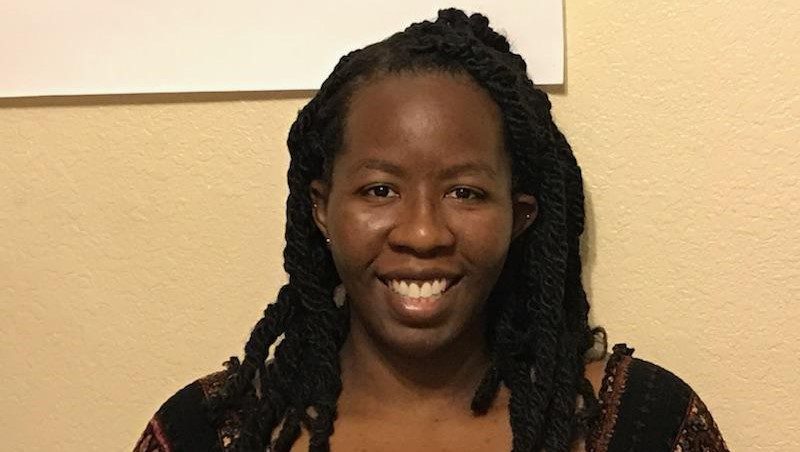
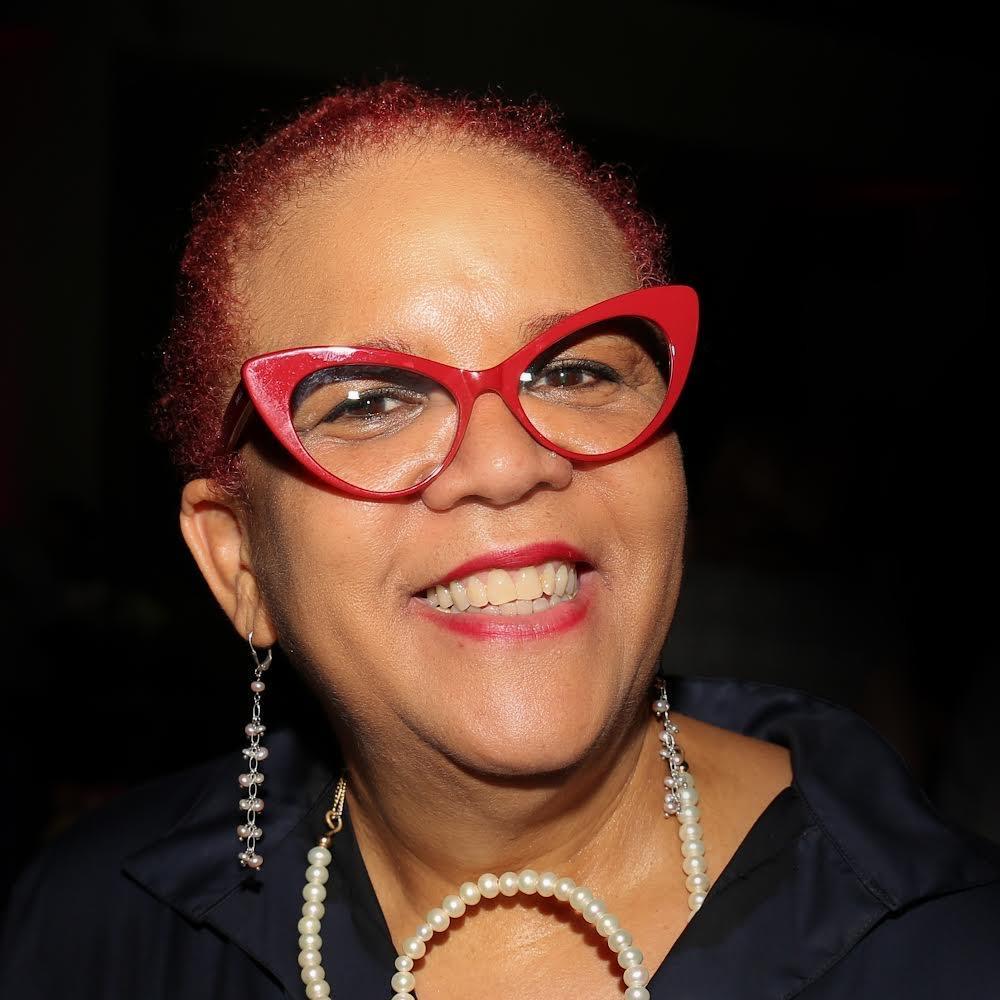
    It’s time to salute Miami’s dynamic arts leader Rosie Gordon-Wallace. She’s the innovative founder and lead curator of Diaspora Vibe Cultural Arts Incubator, now in its 27th year of creating opportunities for emerging Caribbean artists.

    In late 2022, Gordon-Wallace curated “Depth of Identity: Art and Memory and Archive” for Green Space Miami. It brought together 19 artists representing the African, Indo, and Caribbean diaspora; major support for this exhibition was provided by the Green Family Foundation. Diaspora Vibe has received The Southern Cultural Treasures Award along with 17 other awardees. Recently it received funding from the Ford Foundation and South Arts. From the South Arts website: Gordon-Wallace is an active member of PAMM [Pérez Art Museum Miami] Fund for African American Art and serves on The Cultural Affairs grant panels for Miami Dade County and Florida State’s Department of Cultural Affairs. DVCAI is recognized as a global resource and one of the region’s leading platforms dedicated to providing diaspora artists with a venue to explore and experiment with new forms and themes that challenge traditional definitions of the Caribbean and Latin American art. DVCAI artists have traveled and engaged in conversations with artists in France, Barbados, Puerto Rico, Jamaica, Antigua, Suriname, Guadeloupe, and Belize.

    For Jitney readers, I’m pleased to share this profile of Rosie Gordon-Wallace that I wrote for Biscayne Times in 2020.

    November 2019 brought a crowning moment to one of Miami’s veteran arts organizations, Diaspora Vibe Cultural Arts Incubator. DVCAI, then marking its 24th year, nurtures and supports artists of Caribbean descent. It has long punched above its weight, facilitating international artist residencies and hosting workshops and exhibits.

    On November 14, 2019, “Inter|Sectionality: Diaspora Art from the Creole City” opened in Washington, D.C. at the Corcoran Gallery of the Arts and Design at George Washington University, organized with the leadership of DVCAI founder Rosie Gordon-Wallace. Principal sponsor for the exhibit was the Knight Foundation, with additional funding from Andy Warhol Foundation for the Visual Arts and Ford Foundation.

    A multi-disciplinary gathering of 27 artists from 17 countries, most with ties to Miami via DVCAI, “Inter|Sectionality” explores the ongoing intersection of Caribbean and African culture in contemporary art. It emphasizes work by immigrant artists, whose expression is fueled by the experience of displacement. Embedded in their art are allusions to past and present remnants of colonialism.

    “Inter|Sectionality” joined notable exhibits for artists of Caribbean descent in the past decade, including those at Pérez Art Museum Miami, California’s Museum of Latin American Art, and El Museo del Barrio in collaboration with the Queens Museum of Art and the Studio Museum of Harlem. “For me to live to see that major institutions are mounting major shows with Caribbean artists is such a delight,” Gordon-Wallace says. “I really can’t even put it into words. I just can’t.”

    In the context of other Caribbean-focused exhibits,

    “Inter|Sectionality” makes a special contribution by featuring artists with far-flung links to Miami’s identity as a “creole city.” This notion of a “creole city” encompasses locations culturally connected to Miami, from Havana and Port-au-Prince to Kingston and Pointe-à-Pitre. Says Gordon-Wallace of this exhibit: “I could not have done it without the many years of working with these artists. I know these artists intimately.” The gathering includes two guest artists not previously part of DVCAI roster. Her goal was to focus, she adds, on “how the artists are dealing with displacement, race, and the socio-political climate in which they work. These are messy and complex issues. This is not a typical survey exhibition. That was not the purpose.”

    It encompasses sculpture, painting, drawing, prints, performance, photography, video, and installations. Rosa Naday Garmendia, Devora Perez, and Asser Saint-Val are among the artists included working in Miami. A series of engraved bricks, Garmendia’s Rituals of Commemoration, acknowledges histories of police violence and slavery. Michael Elliot wryly evokes British imperialism, by alluding to Great Britain’s exploitation of Caribbean laborers after World War II.

    “Inter|Sectionality” is co-curated by Gordon-Wallace and Sanjit Sethi, president of Minneapolis College of Art and Design and former director of Corcoran School of Arts and Design. When he was with the Corcoran, Sethi’s initiative made it possible for the exhibit to open there. Before they had even conceived working together, the two met in Washington, D.C. several years ago at a conference where Sethi’s talk on racial and cultural bias in the art world resonated with Gordon-Wallace. They became friends. Later, when Sethi traveled to Miami in 2018, she gave him a tour of what she calls “My Miami.”

    As one might expect, her tour veers far from glamazons strutting on South Beach. It covers points in the city connecting both her personal life and DVCAI. First she took Sethi to the historically black neighborhood of Coconut Grove and then drove over the Rickenbacker Causeway for a view of Miami’s sparkling skyline. Next, they drove through Overtown, Liberty City, Little Haiti, and past hotels near Biscayne Boulevard. She noted how these hotels welcomed black families when Miami Beach hotels were off limits.

    In her essay for the exhibit catalog, Rosie Gordon-Wallace

    recalled the frank conversations they had in the car that day. “We shared what it really means as immigrants to live in the U.S.,” she wrote. “We tossed around issues of cultural biases that influence our thoughts and actions. We quoted Edouard Glissant, Derek Walcott, and Marcus Garvey…I shared the wisdom I gained from my mother’s proverbs and old Jamaican sayings. We shared culinary delights and our personal experiences with the Civil Rights movement.” Driving through her neighborhood of Morningside and Miami Shores, she spoke about the history of black and brown families living west of Florida’s east coast railroad. Then the two sampled conch fritters at Chef Creole and lunched at the Jamaican Clyde’s Café in Little Haiti, before stopping for a cafecita in Little Havana. On that day, Gordon-Wallace recalls, “he invited me to mount an exhibition with him at the Corcoran.”

    Sethi remembers that day well. “To see Miami through her eyes and her critical acumen was so moving. Rosie is a consummate cultural leader,” he says.

    Particularly impressive for him were their studio visits with artists and a tour of Little Haiti Cultural Complex. In his statement for “Inter|Sectionality,” Sethi wrote that this exhibit’s art “can sometime make us uncomfortable but it provides searing commentary on the way the world works.” Now, he says, “I think there’s never been a more important time to celebrate the work of these artists and talk about their relevance than right now.”
  • Mango Writers Conference Takes Place this Saturday

    Mango Writers Conference Takes Place this Saturday

    This Saturday, February 25, the South Florida Writers Association will hold its 13th Annual Mango Writers Conference.  Located at  the Miami Springs Golf and Country Club at 650 Curtiss Parkway, Miami Springs, Mango Writers Conference will take place from 9 in the morning to 3:30 in the afternoon.

    Conference Director Ricki Dorn says it will be a great experience for both aspiring and practicing writers. She describes the day as one filled with,  “networking with other writers, being inspired by the five speakers and their writing experiences, having a chance to write and discuss in the breakout sessions, and enjoying writing warm-ups that I will present during my welcome and intro.” She adds to make sure all attendees bring their, “notebooks, pens, and laptops”.

    Among the writers speaking are Christina Moss Mayo, Glenn Patron, Pamela Lear, Darren Tinker and Kathie Klarreich.

    For more information and to register visit  southfloridawriters.org/copy-of-2022-mango-writers-conference.

  • International Noise Conference: Where the Strangest Characters Come out to Play

    International Noise Conference: Where the Strangest Characters Come out to Play

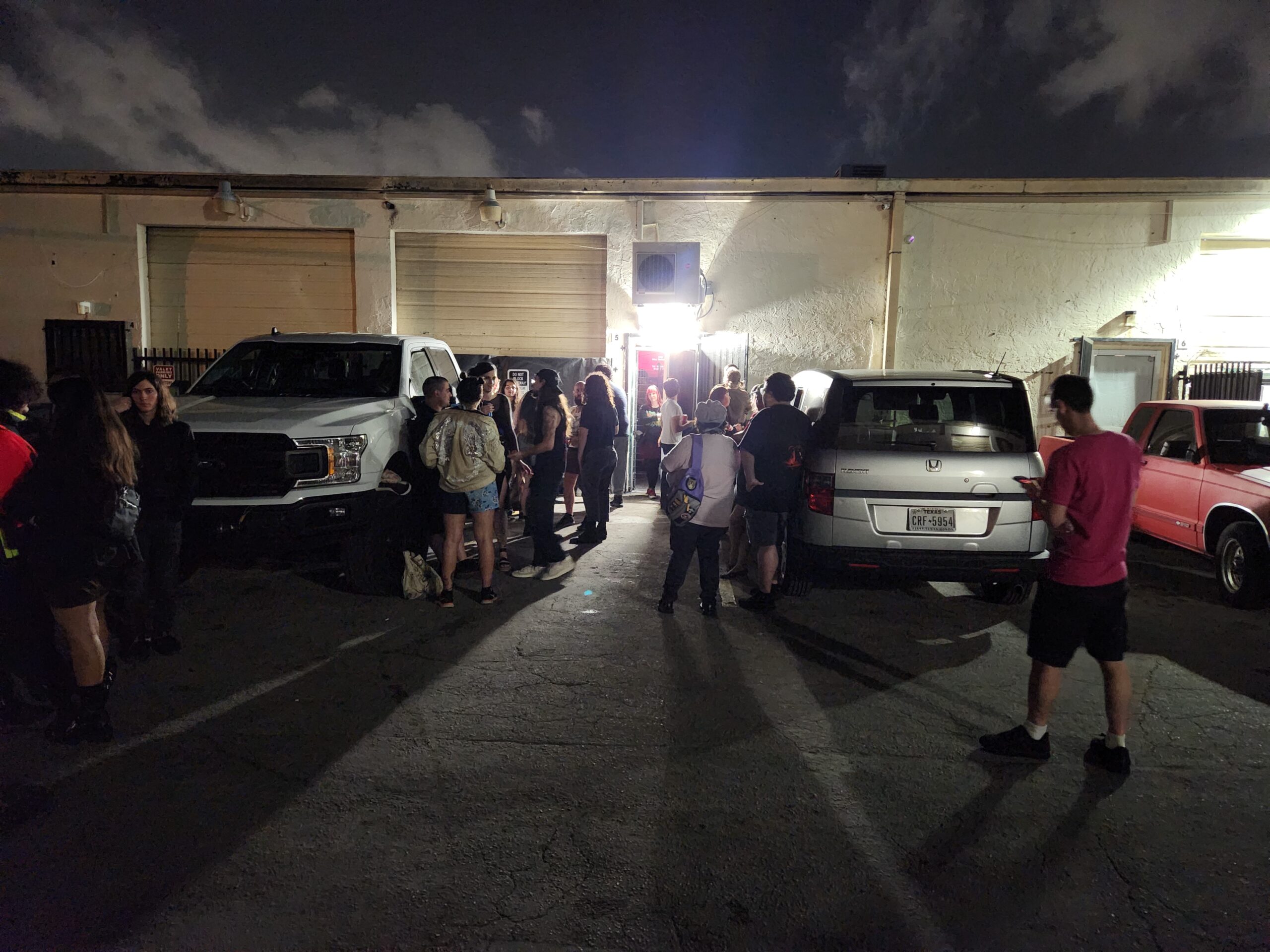
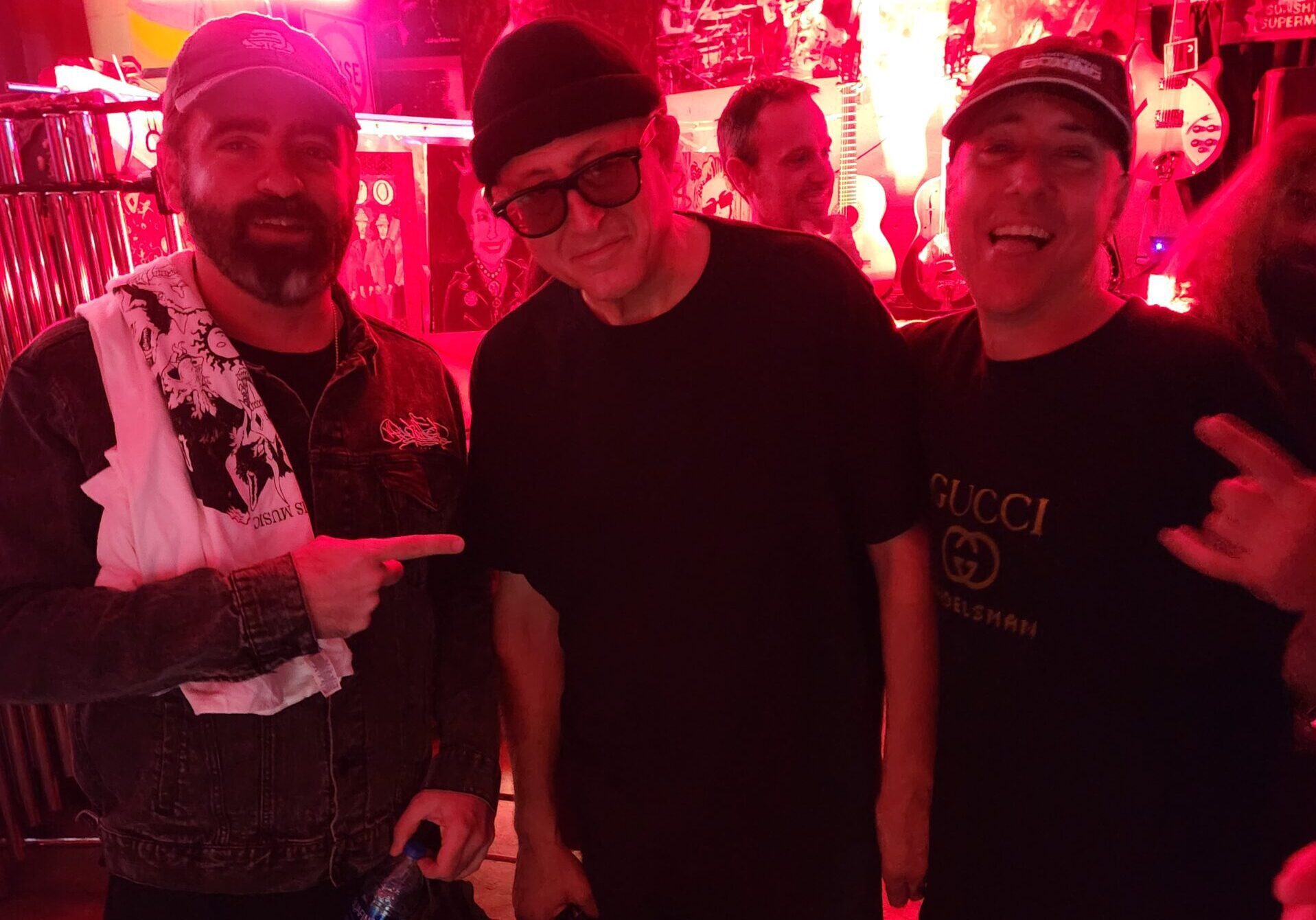
    A strange state of affairs to be playing at the first International Noise Conference you attend, but such were my circumstances last Thursday night. It was the third day (fourth counting the pre-INC show) of the 20th anniversary of Frank “Rat Bastard” Falestra’s International Noise Conference. Arquimedes (Bassist of Gucci Handelsman) and I arrived in our Lyft early at around 7:30 to the South Florida Registry of Alternative Music Archive. Jason Handelsman, our leader and vocalist who made waves as a prominent Miami performance artist and has been playing at INC for a little under a decade, had already arrived and we after a short setup began our own set of Gucci Handelsman.

    The night continued with a sudden appearance of Aholsniffsglue, a raw Miami graffiti artist who was once part of the Huffer Collective with Handelsman and Jacob Katel; and The Worm, the Serpent, and the Dragon with Handelsman and Rat Bastard. AHOL, who was a part of a driving force behind the effort for Jason to go up on Judge Mathis (S17 E78), talked about his NFT projects, turning trash into art, and motivation with us for a short bit before heading out. “You gotta keep yourself out there” he claims, It’s hard work keeping your head above water and in a world where the water’s rising swimming becomes a real struggle.

    One of the more inspirational appearances was Cuban-German bass legend Otto & Axel Von Schirach with Mr. Feathers. Otto brought his 7 year old son Axl to play. A wonderful partition of the noise scene is the inclusion of people from all walks of life and the love they have for this incredibly diverse and unhinged amalgam of acts from all across the world.

    After interviewing some newcomers and veterans of the INC one can ascribe a real taste of the people that surround the noise music scene, Rat was heard saying “It brings all the weirdos out”. A group of people surrounding a scene of cacophonous sounds, like a dog licking itself in the middle of the night, those piercing foreign feelings of discomfort is the comfort zone of these strange and unique characters. German artist Micheal Freiwald commented, “It’s something special, anyone can get into it after some time. It brings the most unique characters out.”

    Thankfully I was also able to play the post-INC Sunnday’s at the Barn and final day of the 20th anniversary of Rat Bastard’s International Noise Conference. The energy of everyone after a whole week of noise from all around the world could be described as anything but drained, everyone’s talents were elucidated here at the barn. Heading the pack was Echo Beauty Terror went first, also playing on the previous Thursday and third day of INC, they delivered a phenomenal improv set of harsh vocals coupled with jovial piano riffs. Next came the farewell to Florida show from The Hooded Figures, playing a trance-inducing piece that puts one into the observer state within their own mind creating an experience beyond sound. Leading into Bitter Lake followed shortly with a fantastic experimental solo rendition of the duo’s new songs.

    After our own set of Gucci Handelsman (I’d like to say it went well), Adam Arritola and the Appartaions took the stage together alongside Italian artist Alessandara Zerbanati who within an earlier Gucci Handelsman show pissed into a bowl on stage during a Churchill’s INC. Rafa of Calenepuelco followed shortly as he blew down the house with his wild and weird noise performance; however, not before Rat Bastard took the stage one last time to put an end to the final day of the 20th annual INC 2023. Rat had previously mentioned that he was going to do a drone performance; contrarily, what he did not mention was what type of drone, which in fact turned out to be a quadcopter hooked up to a distortion pedal and a contact mic. A fitting end with a once in a lifetime Squelchers “drone set” performance by the legend himself.

    Something about the spirit of noise music as the collective, playful usage of sound really emerges as each and every performer’s pieces are always unique and shine like a one of a kind star without competition or constraint. This year’s INC was phenomenal to see the energy people are bringing to each night, few would expect it to end anytime soon thanks to the support of a motley crew of the many passionate and skillful musicians and attendees within the scene. Thankfully there exists a website to keep track of the rich history as well as announcements for any future INC endeavors.

  • R.I.P. Trugoy from De La Soul

    R.I.P. Trugoy from De La Soul

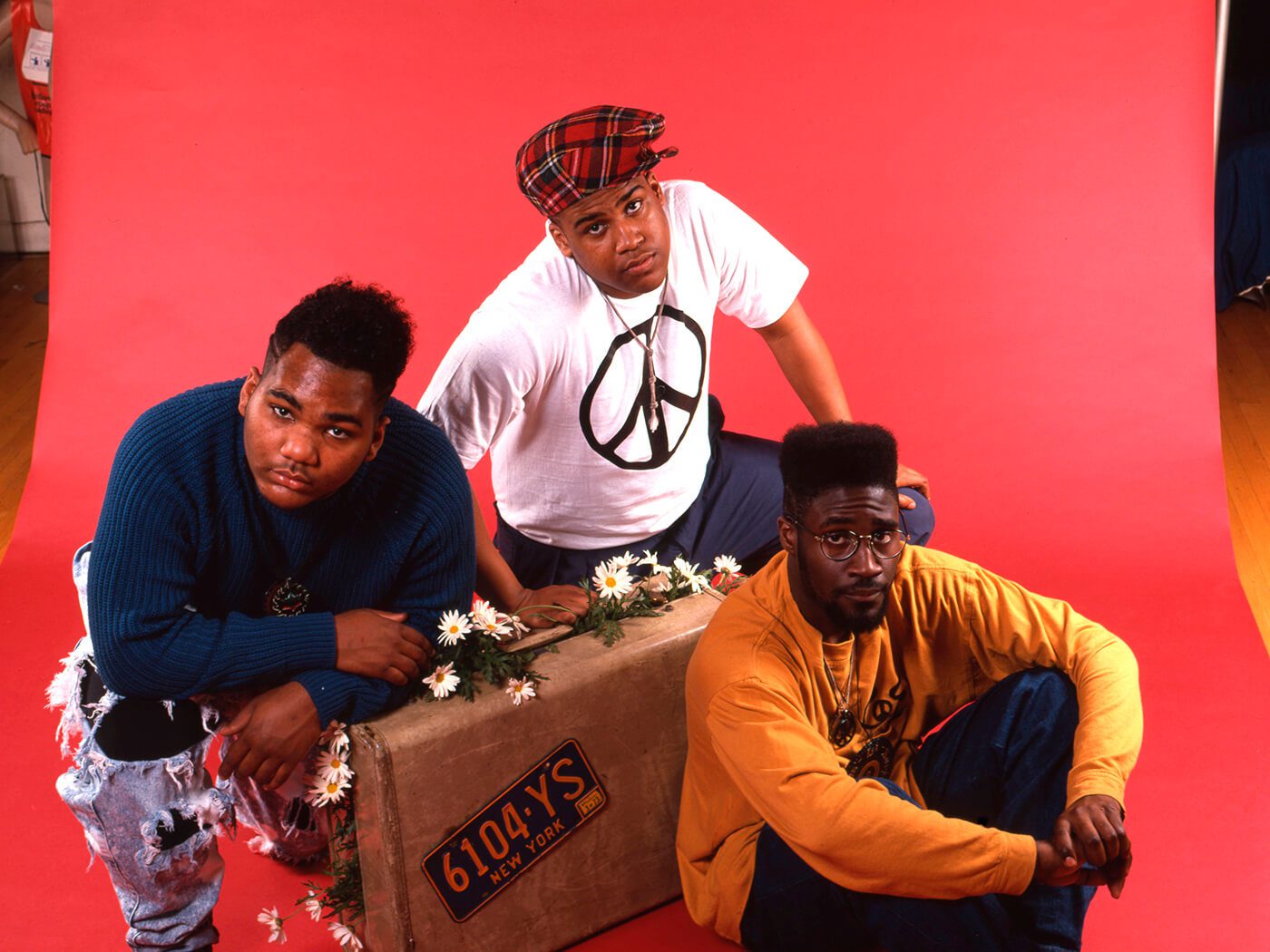
    Sad to hear that Trugoy from De La Soul passed away last weekend. Glad and surprised to see how many tributes his passing received.

    Last time I went to Coachella (2010?) Gorillaz were on stage and De La Soul were doing their part on the song “Feel Good Inc.”. A woman said to me, “Imagine being famous just for laughing on a song.”

    I suppose I was mansplaining before that was a term but I had to explain, “This is De La Soul, they’re kind of legends.”

    They put on what I believe to be the best hip-hop show I’d ever seen in 1996 in Tallahassee. Their first 4 albums are timeless classics that still hold up.

    When I first got voice mail, I played their chorus before the beep of “Hey how ya doin’/ Sorry ya can’t get through/ Why don’t you leave your name/ And your number/ And I’ll get back to you”

    And for the longest time any time we got to the 7th day of the week I’d have stuck in my head, “Five days you work/ One whole day to play/ Come on everybody, wear your roller skates today/ It’s Saturday, Saturday”

    Grateful to see their fantastic music touched so many others and Trugoy and De La Soul was remembered as more than a guest laugh on someone else’s song.

  • Tropic Bound Is Miami’s First Artists’ Book Fair

    Tropic Bound Is Miami’s First Artists’ Book Fair

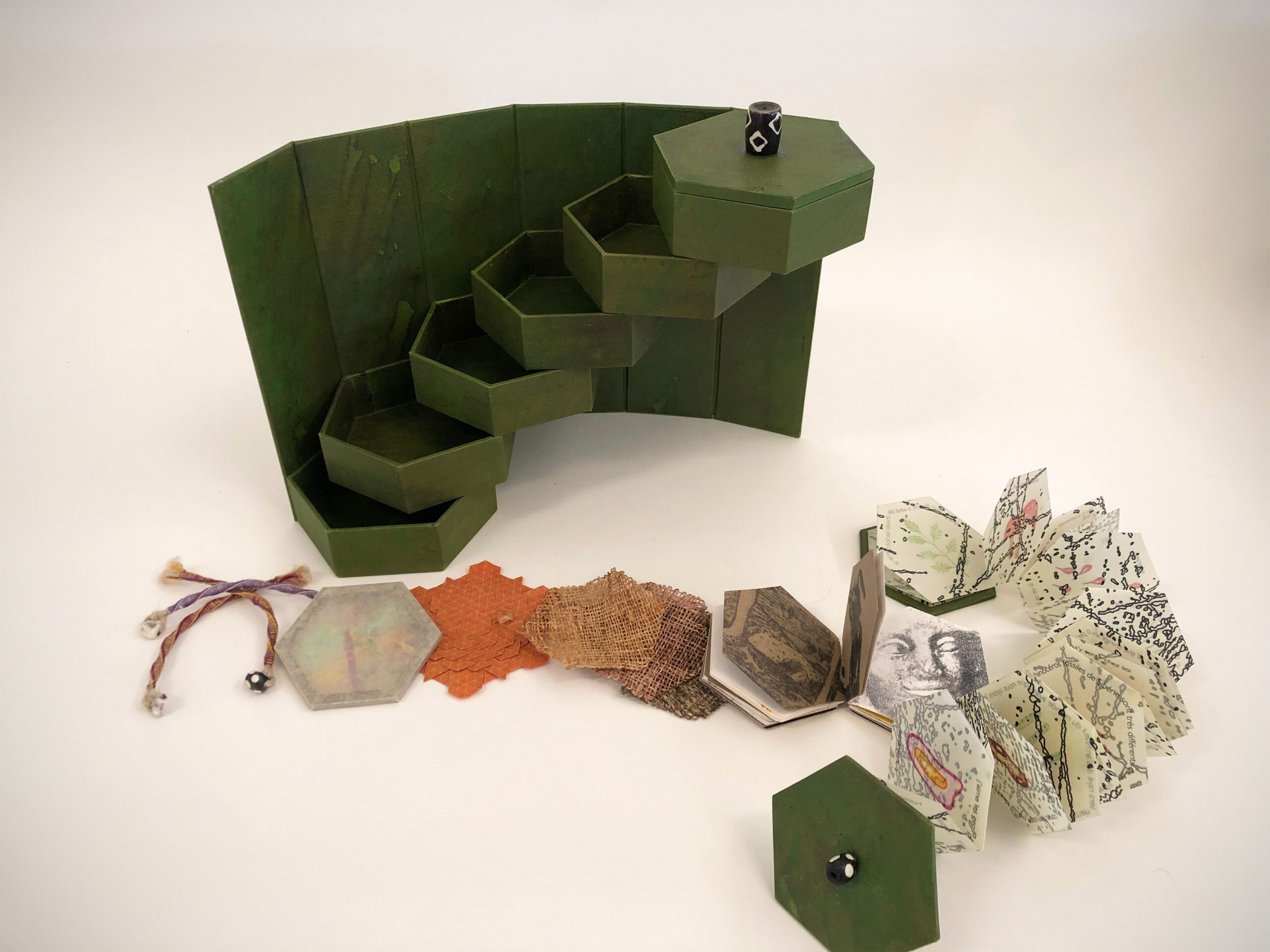
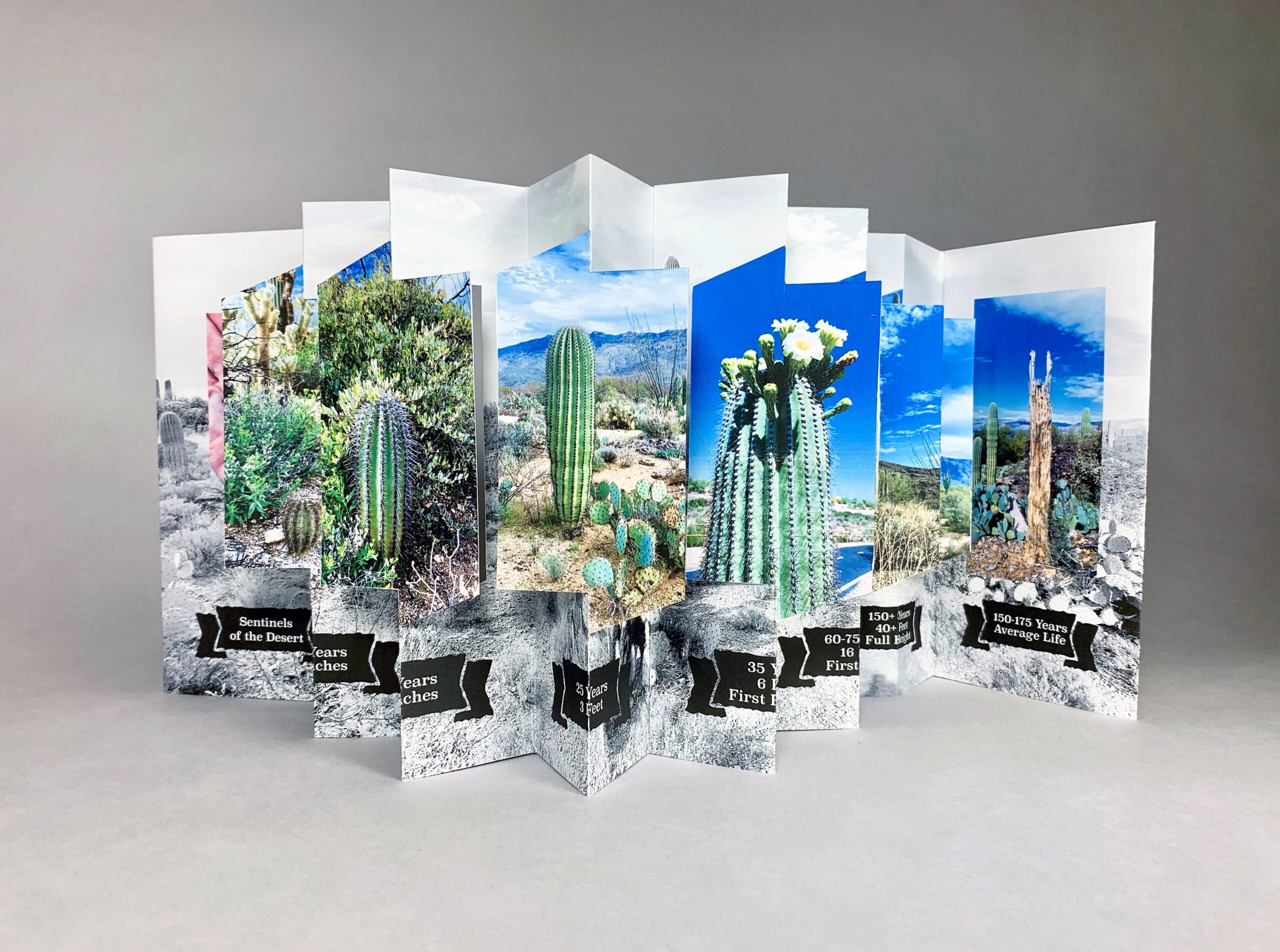
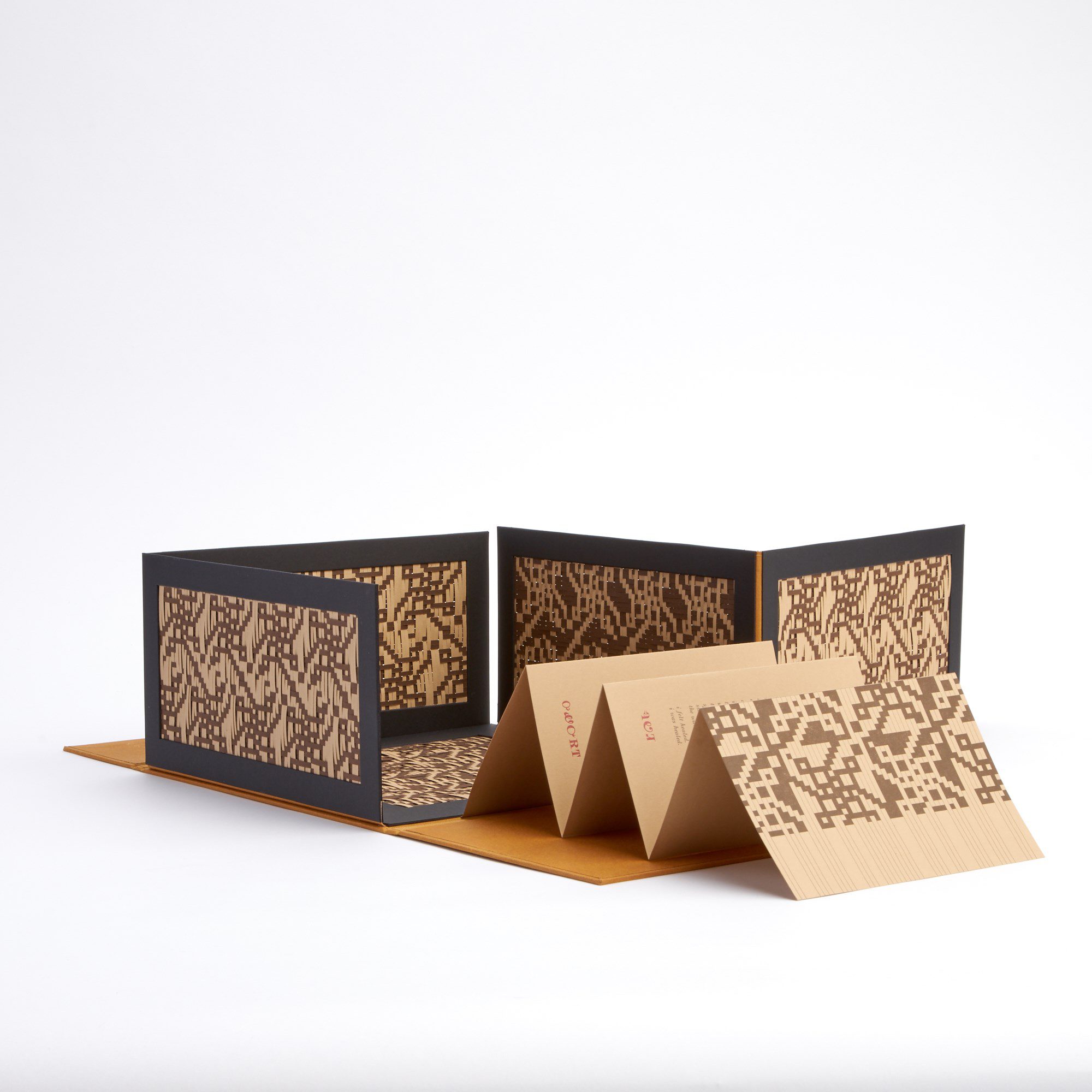
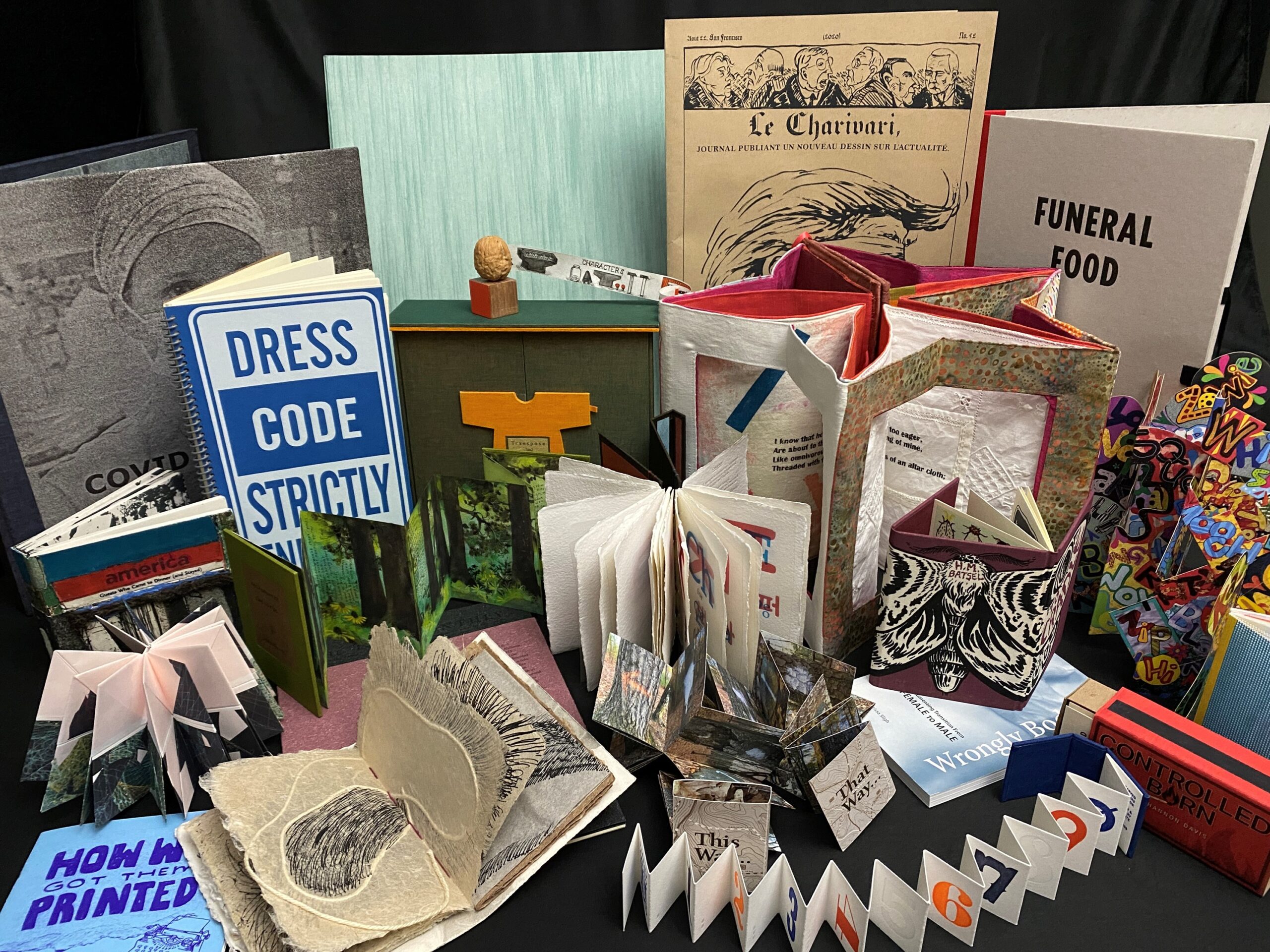
    This Thursday through Sunday February 16-19, Tropic Bound takes place at the Paradise Plaza Event Space in the Miami Design District. The event is billed as an international event highlighting the art of books, and books that are art, with an educational symposium, breakaway sessions, and a bustling fair filled with exhibitors from around the globe.

    Below is a look at  some of the books that will be on display.

    For more details on Tropic Bound visit their website at  tropicboundfair.org.

  • Yung Wylin on Playing Afro-Carib Fest in Miramar

    Yung Wylin on Playing Afro-Carib Fest in Miramar

    Yung Wylin moved to South Florida as a teenager back in 2013. For the last few years he’s been drawing on a hodgepodge of musical influences to put out positive messages.

    This February 25th, Yung Wylin will be playing at Afro-Carib Fest along with reggae singer Koffee and afropop artist Tekno. Before his gig Yung Wylin hopped on to the Jitney to answer some of our questions.

    How did you get involved with playing at Afro-Carib Fest?

    Yung Wylin: After releasing my new single “Good Energy” I had local fans reach out to me saying this would be a great song and message for the Afro Carib Festival Miramar. Being a resident of Miramar, we reached out to the City of Miramar and submitted the song and my bio. I received the call to be a part of this amazing community event and it was truly an honor and I’m grateful. I am looking forward to bringing good energy to my community and everyone having a great time.

    What can people expect from a Yung Wylin set?

    You can expect positive, uplifting vibes with my dancers who have been working consistently and also looking forward to being a part of this event.

    How do you prepare for a set?

    I rehearse at home and in the studio when my dancers are performing with me. We always pray before taking the stage.

    Who else are you excited to see at Afro-Carib Fest?

    I’m excited to meet all the other artists performing and seeing all of the people who come out and come together through the energy of amazing music and good vibes.

    What is some Afro-Carib music you enjoy listening to? What makes their sounds special?

    To name a few Burna Boy, Wizkid, and Rema. The melodies and the lingo make their sounds unique.

    What else can we expect from Yung Wylin in 2023?

    Creating new music that has a positive impact on people, touring, collaborating with other artists and continuing to spread positive messages. Building a brand is important to me on how my music will have an impact on people.  Working on releasing merch soon.

  • Vivian Marthell on O Cinema’s Virtual Reality

    Vivian Marthell on O Cinema’s Virtual Reality

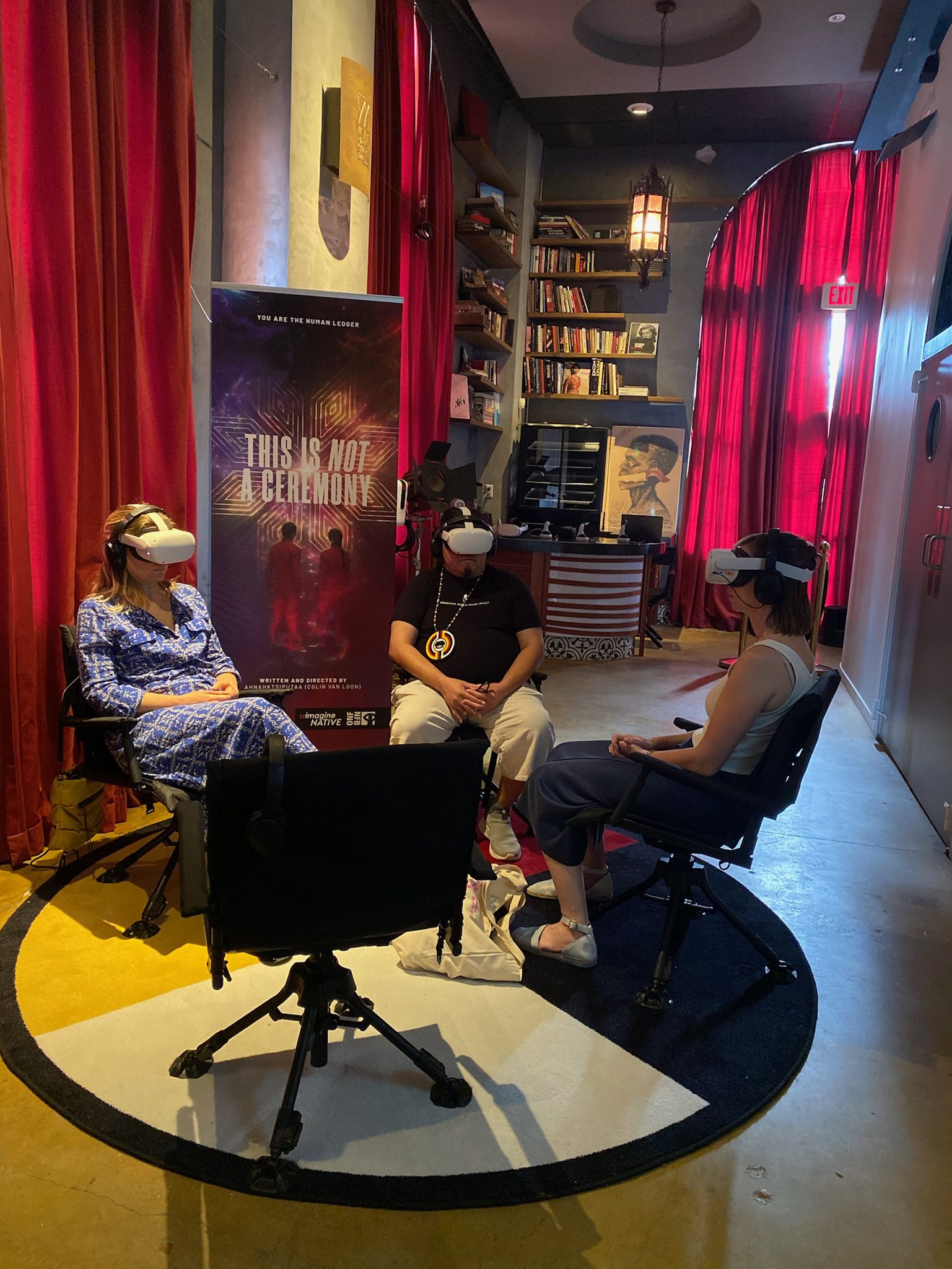
    In the near future O Cinema is going to be the last movie theater on Miami Beach. To keep the theater relevant O Cinema co-founder Vivian Marthell is having the theater offer something different beyond screening independent and foreign films. Every Saturday and Sunday through April guests have the opportunity to pay $5 to strap on a virtual reality helmet and be immersed in the short film This is Not a Ceremony.

    This past Sunday I experienced the twenty minute film. The goggles feel similar to when you have your vision checked at the eye doctor. But quickly you find yourself immersed in a world that is not yours. You can swivel around in your chair and choose where in the 360 degree range of vision that you want to focus on.

    This is Not a Ceremony was a heavy film showcasing a couple traumatic instances where Native Americans were abused. With virtual reality goggles you really can look away from the hard truths it profiles. If you don’t want to see a man as he’s dying in a hospital waiting room you can choose to look at other patients as they pass the time. It truly is a unique experience.

    Vivian Marthell hopped on the Jitney to talk a little more about virtual reality and O Cinema.

    How did O Cinema come about to decide to have this new permanent cinematic virtual reality experience?

    Vivian Marthell: Virtual reality is by its nature cinematic and having a permanent rotating VR experience at O Cinema South Beach has been part of our ongoing fascination with new technology and storytelling. We began expanding into VR by creating our digital O Cinema “world” in AltSpace where we have been hosting monthly curated shorts program since 2021. (This program will be moving over to VRChat in the coming months). Having the ability to offer up in-theater VR and AR experiences to the public and showcase these innovative creators onsite was a natural next step.

    Can you do your best to describe in words what the virtual reality experience is like?

    This is difficult to describe. It’s like putting words to an experience and a feeling at once. If a movie can move you to suspend your belief, feel empathy or feel frightened, the donning of a VR headset puts you “in” the experience as a witness, protagonist, victim or hero/ine.

    How did the program to bring the virtual reality installations to public libraries come about? Is it free for everyone at the community?

    We are partnering with MDPLS and other venues in Miami-Dade as part of our O Cinema on the Go program. This program will take movies and VR experiences throughout the county. It is in our DNA to share these independent creative stories and new technology with our community. O Cinema loves to collaborate with partners that share our belief of the power of the arts to change communities and change lives. Yes, the library experiences are free to the community.

    With Regal South Beach closing, O Cinema I believe is going to be the only movie theater on the Beach. What’s the secret to your success in staying open?

    Yes, it seems we may be the only full time movie house on all of Miami Beach. Our “magic sauce” is we work to ensure that we present a reflection of our city’s diversity on the screen and in the seats and that prices are accessible to the broadest possible audience and most importantly because of the continued support from our community.

    What are some upcoming movies playing at O that film lovers should make sure to come out and see?

    You must come see The Whale, directed by Darren Aronofsky starring Brendan Fraser. Oscar worthy performance.


  • Rhea Leonard: Art as Testament to Trauma

    Rhea Leonard: Art as Testament to Trauma

    For the current Frost Art Museum exhibit “An Elegy to Rosewood,” comemorating the 100-year anniversary of the Rosewood Massacre, the museum commissioned Miami-based artists Rhea Leonard, Charlisa Montrope, Chire Regans, and Tori Scott to create new work inspired by the history of Rosewood. “An Elegy to Rosewood” is a moving part of the Frost’s Martin Luther King, Jr. exhibition series addressing race, diversity, social justice, and civil rights. It’s now on view through April 16. In honor of Black History Month, I’m sharing this profile of Rhea Leonard, first published in Biscayne Times, from my archives about Miami artists. I’ve been fascinated to watch her career move forward since I first learned of her extraordinary talents in printmaking, drawing, and sculpture. Leonard is a resident artist of the Bakehouse Art Complex and was awarded an Oolite residency at Anderson Ranch Arts Center. Recently Greenspace Miami presented her work. Her art is now part of New York Times-reviewed “The BluPrnt” at Bridge Red Studios in North Miami.

    The socially distanced, slowed-down pace of Miami’s 2020 plague year has given many the time to focus on long-term projects, like learning to bake bread or reactivating rarely used skills for new business models. Black artist Rhea Leonard, attracting notice for her prints and drawings of Black bodies bearing the legacy of racism, is weaving with beads. She’s been familiar with beads since childhood in Cutler Ridge when her mom would weave beads into the braids of her hair and her sister’s, but those were plastic and kid-size. “Beads were always around me,” she recalls, but she’s never until now cultivated the patience to spend hours positioning one tiny glass bead after another. For her M.F.A. show at Florida International University in 2018, she acknowledges that there was some beading, but the process was slow and tedious because of her inexperience with this medium.

    Now, at age 29, she’s devoting time to hone her skills, to take them to a new level. “It’s been amazing. I’ve had to research beading, really get into how you can weave a certain type of thread,” she says, as well as how to use different types of needles and the best way to use certain types of beads. Her research has yielded impressive results, at once stunning and sobering.

    Consider the precise grace informing her current work in progress, The Mourning Veil. It started out as a project to commemorate her aunt, who passed last year around the Fourth of July. “As the virus has taken its toll on our country, it started to evolve into a memento mori,” she says, referring to the classic artistic symbol for death’s inevitability. Now, it’s tragically apt for this moment. The Black Lives Matter movement, twinned with the corona virus disproportionately affecting people of color, magnifies her acute awareness of deep losses in the Black community. “People are dying way ahead of their time for reasons that are absolutely ridiculous,” she says.

    When she first began Mourning Veil, she remembers,

    it started to resemble West African headpieces with beads hanging over the face, but as it grew the veil became heavier and burdensome to wear. She’s thinking when it is finished she will present it as a photograph of a model wearing it, so that viewers will be looking at someone in mourning. “And that’s the point,” she said. Her exquisite beading will most likely exist primarily as photographic documentation of an African-influenced ritual of grief, achingly timely. If someone were to buy and wear the actual veil, she adds, “it would become just a novelty. I don’t want to cheapen grief like that, especially as it started out as a personal loss to my family.”

    Beading, she says, is profoundly satisfying. “As tedious as it is, there’s a certain peace that comes back to me and feels really familiar. It does resonate with the idea of the diaspora and how beading has been done for centuries by my people,” she says. “I don’t have a conscious recollection of them but to do something they would have done is comforting.”

    Her 2020 print, The Dancers, is another example of imagery constructed with fascinating connections to African culture. It features a choreographed composition of bodies arranged in repeating, geometric patterns. The print, she says, pays homage to how influences from African tribes “can be seen in dances in Black culture that we have here in the U.S., from the streets of Chicago to Miami and even on the West coast. As children are making up new dances, they have their roots in where we came from and that’s what the print celebrates.”

    Dancers was part of the international online exhibit “Art Off-Screen,” through September 26, 2020. Artists also choose a public site where their art is simultaneously visible. Leonard has mounted Dancers on the door of her studio at Bakehouse Art Complex; although the Bakehouse is not currently open to visitors due to the pandemic, “Dancers” will be there indefinitely. (It’s also posted on her website and instagram account.) According to “Art Off-Screen” website, inquiries about works will be directed to the artists, who’ll handle their own sales. At least 20 percent of proceeds go to Artist Relief Fund, The Bail Project, Equal Justice Initiative, and other causes, or to a cause of the artist’s choice.

    In July, Leonard’s print You Died Screaming (Pierced), showing a Black woman with one hand tied behind her back as two spears penetrate her body, was selected for another online exhibit. Presented by New York-based retail and online company Showfields, this one was focused on Miami artists and assembled by Ghanian-born curator and cultural critic Larry Ossei-Mensah. Explaining his emphasis on Miami, Ossei-Mensah’s online statement read in part, “Over the past several years, I’ve gotten to know the artists and activists who tirelessly work to be agents of change in their community.” In another portrait of a Black woman’s body, Leonard depicts the skin on the woman’s back woven into a pair of beautiful braids, as if they are surreal, transformed welts from vicious lashings. The woman’s defiant, unbowed head is turned away from us. The title is painful and blunt: The Machinations of Self-Love in the Age of Racial Violence.

    Activism shaping art by Rhea Leonard has consistently earned recognition.

    Her cast pewter and wood sculpture Inheritance: Blood at the Root belongs to the permanent collection of the Frost Art Museum at F.I.U. It was selected from her M.F.A. show, winning the Betty Laird Purchase Award. This sculpture depicts the veined, spherical form of a tree root and bone-like trunk, presented almost like a trophy, except the tree itself is upside down in a box resembling a coffin. The effect is chilling, especially with the title’s reference to this line, “Blood on the leaves and blood at the root” from Billie Holiday’s song about lynching, “Strange Fruit.”

    “I was drawn to Rhea’s powerful examination of race,” writes Frost curator Amy Galpin in an email referring to this sculpture. “In this work, the viewer must consider the history of trees and landscapes—sites of racial violence. Often celebrated for their beauty, in Leonard’s work the artist draws relationships between trees and the physical and psychological terror of lynching.”

    Like Mourning Veil, the Frost’s Blood at the Root belongs to Leonard’s Inheritance series about objects, the artist explains, “that commemorate certain parts of Black culture, Black history. People want to appropriate the cool, hip parts of Black culture, but they don’t want to take the trauma.” Her art addresses, Leonard adds, “this horrible reality of Black lives,” but at the same time, choosing words the woman with the braided back might use, “a certain beauty and strength in being a Black woman.”

  • MOCA Curator Adeze Wilford on Welcome to Paradise

    MOCA Curator Adeze Wilford on Welcome to Paradise

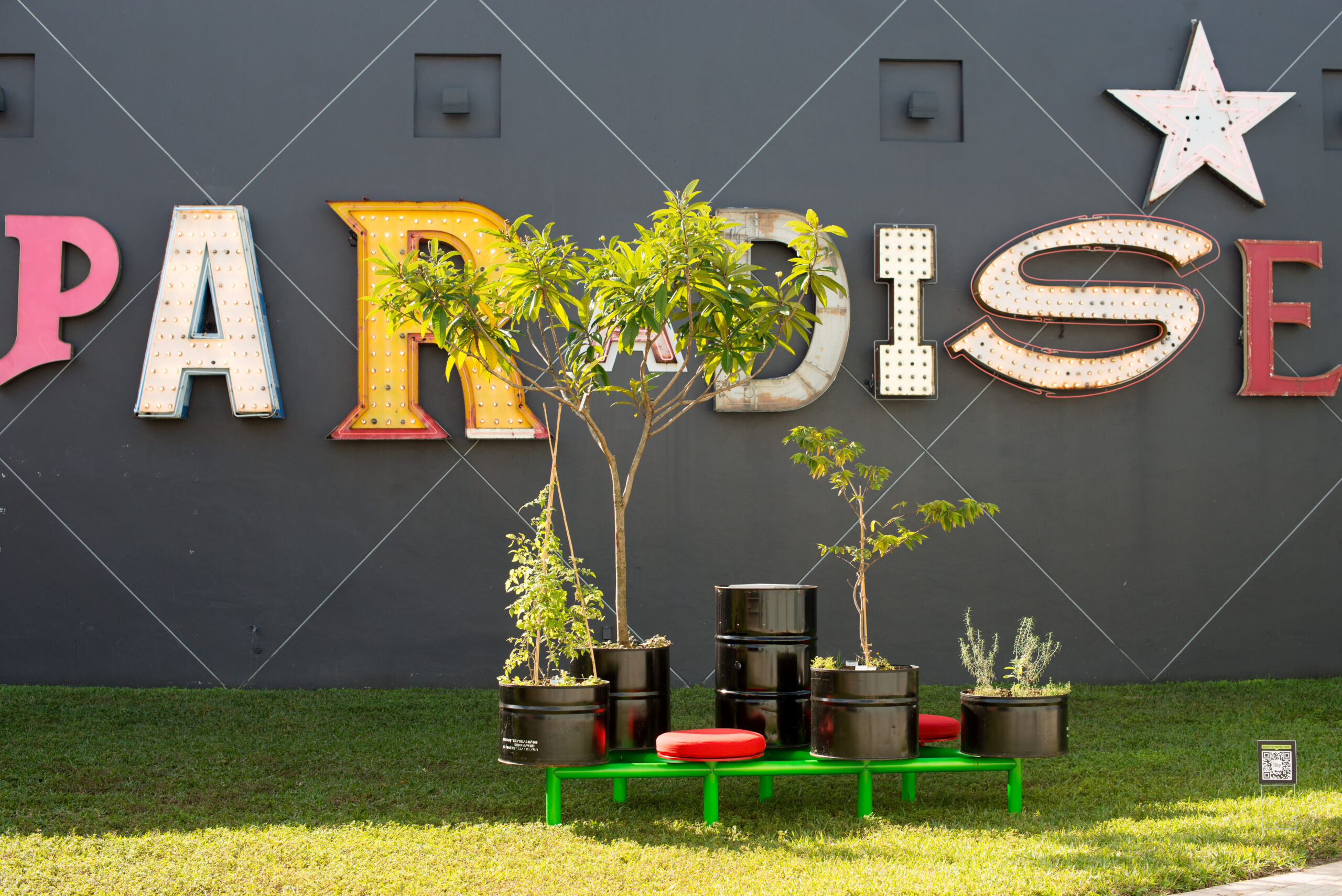
    The Museum of Contemporary Art, North Miami (MOCA) this week opens “Welcome to Paradise,” a showcase of temporary public art projects created by local South Florida artists. This program invited artists working at the intersection of ecology and technology to create installations to activate MOCA’s Paradise Courtyard.

    First up from February 8 through June 25 is “Victory Garden,” created by Miami-based artist Emmett Moore.  Utilizing sustainable materials such as repurposed steel drums to form sculptural planters, “Victory Garden” will feature plants native to South Florida and the Caribbean such as Cuban oregano, collard greens, starfruit, bee balm and Everglades cherry tomatoes that will be harvested and shared. The exhibition will also include benches and solar-powered USB outlets for visitors to use.

    MOCA curator Adeze Wilford hopped on the Jitney to tell us a bit more on what to expect from “Welcome to Paradise”.

    How did the idea for “Welcome to Paradise” come to be?

    Adeze Wilford: MOCA has a long-standing commitment to supporting South Florida artists through public artwork initiatives. We wanted to activate the iconic courtyard space in the museum that has the incredible installation by Jack Pierson with a new generation of artists. These series of temporary artist interventions are linked by the use of technology in innovative ways.

    Can you walk us through the process of selecting “Victory Garden” to be one of the first “Welcome to Paradise” exhibits?

    Emmett Moore’s “Victory Garden” blends the artist’s design and sculpture practice with a link to uplifting the community. We’re highlighting the work of some incredible organizations and giving them the platform to teach our community through this artwork. The artist wants viewers to be able to imagine possibilities within their own homes to combat food insecurity and to be more green in manageable ways.

    What are some of the other artistic highlights visitors of “Welcome to Paradise,” can look forward to seeing?

    Following Emmett Moore’s installation, our next project in the courtyard will feature ceramicist Beatriz Chachamovits who will be creating an interactive  coral reef. We will also have our third season of Art on The Plaza and our current exhibitions Didier William: Nou Kite Tout Sa Dèyè and Leah Gordon’s Kanaval will be up through April 16th.

    What are some of the on-site events and programs MOCA is putting together to accompany the exhibit?

    We will have a variety of programming including family workshops and community harvest days.

    Anything else you want to mention that people should know about MOCA and Welcome to Paradise?

    MOCA is excited to be the space where artists are able to imagine and dream of solutions for a better world through our support of their work through commissions like these.

  • Miami Doesn’t Deserve the GroundUp Music Festival

    Miami Doesn’t Deserve the GroundUp Music Festival

    If Miami were a person and you had to explain all the great things it has, one would say, “Well, it’s a good thing (he/she) is cute.”

    Built on blood money that the great Billy Corben so eloquently encapsulated Miami’s accelerated and unnatural evolution in both the Cocaine Cowboys recent Netflix series, and 2006 documentary film.

    This kind of growth tends to skip the history that is typical of deep-rooted culture.

    We are an event town.

    Miami is good at that, though.

    I’ve been a Miami musician and live music promoter for pretty much this entire century.

    I’ve seen some of the best musicians in the world play for nobody. Better yet, I’ve seen some of the best musicians in the world play impossibly good music to a room full of people paying zero attention….many, many times.

    I’ve also seen the talentless thrive and be praised more times than I care to count. Sort of the musical version of Art Basel’s infamous banana taped to the wall.

    So, when you learn there is a festival basically  put on so that people who really love music can be exposed to artists that they most likely haven’t heard of, but are great at their craft; I would say, “Nope. Not here. Not in Miami. That won’t work at all.”

    But here we are, six years later, and I can’t wait for another edition of GroundUp Music Festival.

    Michael League, the bass player of Snarky Puppy, conceptualized and curates to this day. Snarky Puppy, if you don’t know, plays each day of the festival. They have won four Grammys, in case you’re keeping score at home. The best way to explain Snarky, is picture 19-25 musical ninjas playing some of the world’s best Jazz fusion ever created.

    I would describe some of the GroundUp bands to you. But why?

    Go to www.groundupmusicfestival.com if you really want to know. Or you can find the playlist easily on Spotify.

    Better yet, just buy a ticket and come.

    The North Beach Bandshell is a beautiful venue to experience live music.

    All I can say is, GroundUp is here, and it’s thriving.

    This festival gives me hope.

    Hope for Miami. Hope for live music in Miami. Hope for what we, as a city, can become.

    Or don’t go.

    I’ll see you at the next Heat game, bro…..when they get good again.