Category: Movies & TV & Theater

Movies & TV & Theater on The Jitney is Miami’s cultural corner booth, the one where the cortadito hits hard and the takes hit harder. This page is for people who live their lives between art openings, Heat games, and late-night arguments about whether the new A24 movie was genius or basura. Everything here moves with Miami speed. Reviews are not academic snoozers. They’re fast, emotional, sunburned dispatches from someone who has seen too much, feels too much, and still shows up for another round.

Miami movies and theater.

Film coverage jumps from Wynwood-indie-weirdo vibes to blockbuster spectacle at Dolphin Mall. TV gets the same locally-sourced treatment. Prestige dramas, trash TV, guilty pleasures you’d never admit at Panther Coffee but binge anyway at 2 a.m.

Miami movies and theater.

Theater, though — that’s where the page breathes. Broadway, Off-Broadway, tiny Miami rooms where the AC barely works. If a show risks something, if it tries, if it even thinks about having corazón, it finds a home here.

This isn’t some neutral critic voice. It’s Miami talking. Sweaty, loud, honest, a little chaotic, and deeply in love with storytelling — the kind that rearranges your soul, at least for the night.

  • A Communist Brainwashed My Daughter – Thoughts on Miami Film

    A Communist Brainwashed My Daughter – Thoughts on Miami Film

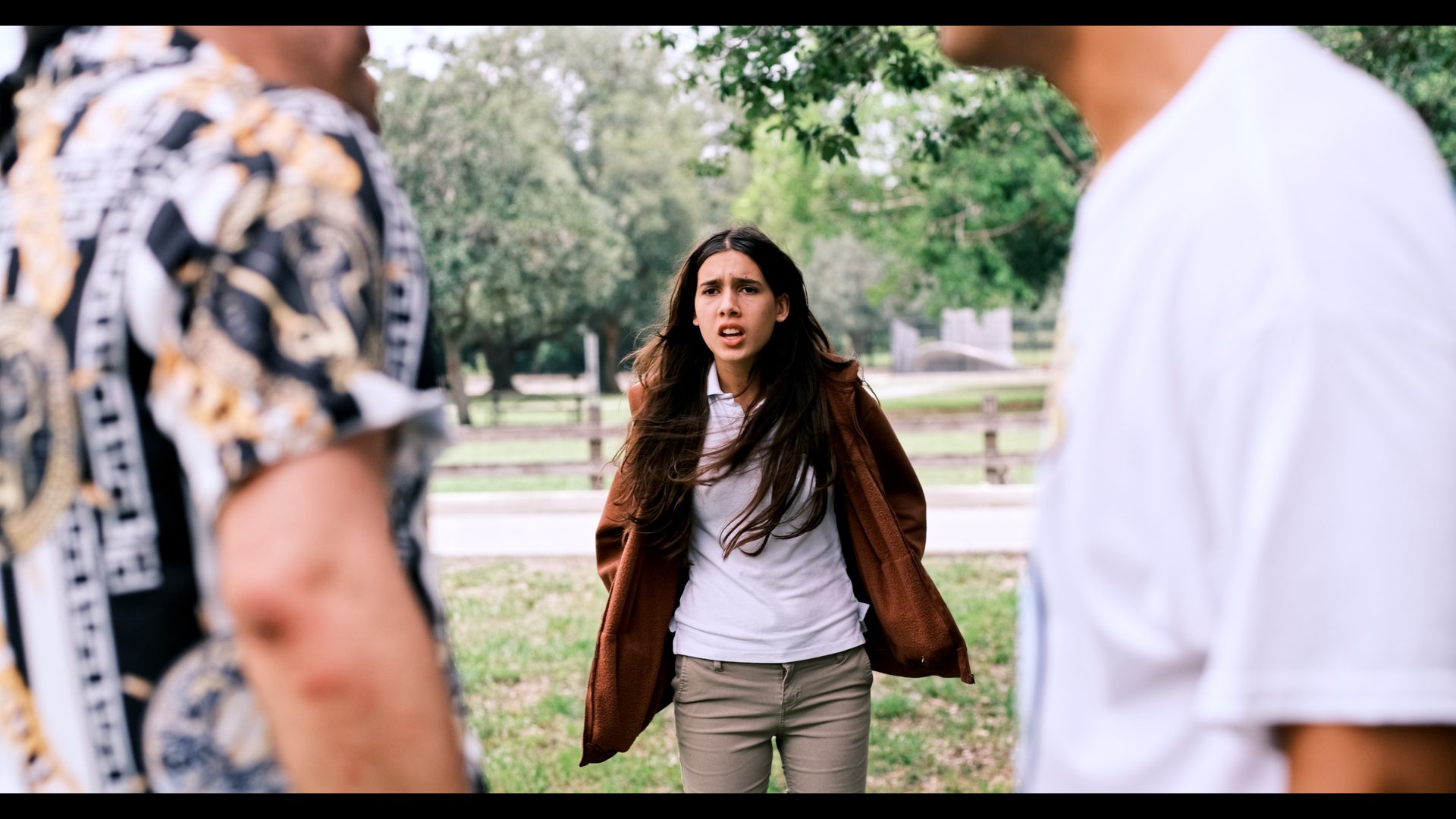
    I met filmmaker Daniel Lago, along with his long-time collaborator (and filmmaker in his own right) Manuel Delgadillo, at a social event organized by Miami Film Lab in the fall of 2023. Lago was the portrait of confidence and pride owing to the imminent completion of his debut feature film A Communist Brainwashed My Daughter, a film he wrote, produced, directed, shot, acted, edited and scored almost entirely single-handedly on a shoestring budget. To say the least, I was instantly charmed!

    Lago began filmmaking in his early adolescence with the passion of a generalist intent on performing as many of the technical roles as he could himself. My own experience as a young filmmaker was uncannily similar. Seeing the medium as a fundamentally mechanical contraption involving a vast array of controls to manipulate in order to realize an experience for an audience, there was much to grapple with in our beloved art form as a young person. For my part, it was addictive and all-consuming but a manageable passion as a youth owing to the abundance of free time and relative lack of adult responsibilities at the time. I imagine, however, if Lago and I had developed an interest in filmmaking later in life as adults, we would have likely succumbed to the tragic but widely accepted custom of becoming a specialist in one or two areas at most and accepting work with only tenuous attachment to the fundamental creative center of a given production. The broader film industry forgets that the individual talent of fully invested auteurs, innovators and magicians (e.g., Georges Melies, the Lumiere brothers, Charlie Chaplin, D.W. Griffith, etc.) popularized cinema; not a corporate committee and their compartmentalized subordinates.

    I attended the premiere of Lago’s A Communist Brainwashed My Daughter at Miami Film Festival in the spring of 2024. The screening was well-attended and its brand of irreverent, Miami-flavored satire elicited ample laughs and chuckles from the audience. In the spring of 2025, a leaner cut of the film was played at a special daytime screening organized by Miami Film Lab celebrating Miami-made films which I also attended.

    A Communist Brainwashed My Daughter is composed of a series of vignettes consisting of three principal threads: The first follows Mr. Ramos (Daniel Lago), a high school science teacher, who struggles to raise environmental conscientiousness among his brood of seemingly apathetic students; the second revolves around escalating interpersonal conflict between a group of the youngsters; and the third involves the misadventures of Ediberto (Manuel Delgadillo), a landscaper and parent of one of Mr. Ramos’ students. The multiple threads are intercut throughout the film and the comic proceedings culminate in a riotous showdown between Mr. Ramos and the decidedly un-environmentally sympathetic Ediberto.

    The film is replete with spirited comedic performances from the lead adult actors and the supporting teenagers. The dialogue and nonverbal expression have a striking naturalism far, far from the poise of scripted words and verbatim delivery. Memorable sections of the film include an early scene in which Mr. Ramos addresses his students with the fervor of an activist but the timing and temperament of a stand-up comedian. Another involves Ediberto’s run-in with a lascivious admirer’s son, who may or may not be high on a particular substance. But, amid so much levity, there’s an outstandingly poignant moment (only a few seconds long) when one of Mr. Ramos’ students (Amy Doval) pauses amid the surrounding chaos of an impromptu field trip to look at her teacher with full recognition of his exhausting desperation to make a difference in his students’ lives. A sterling example of expertly handled dramatic contrast!

    What do we do? Where do we go? We, consummate filmmakers who are so eager to mount feature-length film productions on our own and make all the countless creative decisions invited upon them? We, who are so ready to sacrifice and make vulnerable so much of ourselves in service of an art form unmatched in universal appeal and affection? There is so much dormant talent in every city in this country ready to burden themselves with this demanding work but incapable of doing so in their own communities; for the people they know and who know them. We, ready dreamers and toilers, should at least have that dignity.

    It is irrelevant how much a film costs to produce if it engages an audience and holds their interest for a given runtime. Regrettably, our mega-dominant corporate overlords have cast the thickest wool over our eyes and compelled us to believe that legitimacy in cinema comes only at the cost of millions of dollars, even hundreds of thousands of dollars, and with the involvement of talent we’ll never meet or share a word with. This is a monstrous falsity despite how many of our cultural institutions’ gatekeepers parrot its venom! There is a local, sustainable, bottom-up alternative and its practitioners will have their time in the sun – even if it has to be among the ruins of a fallen, disgraced empire…

    Unfortunately, A Communist Brainwashed My Daughter is not yet available on any streaming services but I hope that changes at some point. Find its trailer below:

    Check out more from Gabriel on his blog Gabrielrhenals.com.
  • Learning about World War 2 through French Films

    Learning about World War 2 through French Films

    You wouldn’t know it to talk to me, but I was in a French magnet program. I took many years of French. At the time, I was scared to speak it and, frankly, I just thought I was “bad at languages.” Then, when I graduated high school, it suddenly clicked. I had a level of fluency that was minimal, but adequate. The brain works in mysterious ways.

    But the best thing I got out of French class wasn’t my ability to kill it in 1st grade French on Duolingo 27 years later, but a love of international film during my teenage years that deepened my humanity and understanding of history.

    As a way to process their experiences, Europeans became low-key obsessed with making WWII films. The arthouse movies with personal stories or creative approaches had a lasting impression and emotional resonance for me, more so than the bigger budget films like American-made Schindler’s List (1993) and even Life Is Beautiful (La Vita è Bella) (1997) with Roberto Benigni.

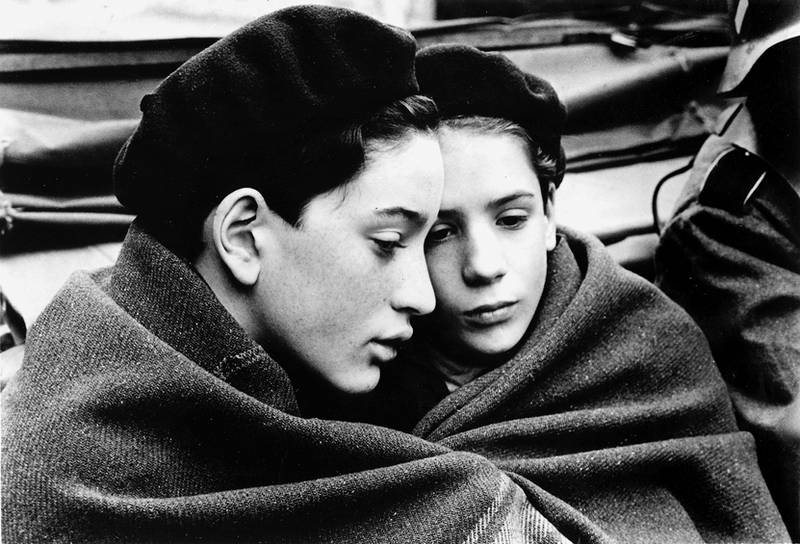
    While the kids in the German language program at my high school watched Das Boot (a 1981 film that takes place in a submarine with some homoerotic undertones), the French students were encouraged by our wonderful teachers to rent 1987’s Au Revoir Les Enfants.

    It’s based on the experiences of famed director Louis Malle (he was married to actress Candice Bergen, AKA Murphy Brown) and tells the story of a French priest who sheltered Jewish children during the war. The priest and the children were caught and sent to death camps. Au Revoir Les Enfants — which is what the brave priest says as he’s carted away — is a gorgeous depiction of boyhood, friendship, and bravery that really drives home the horrors of gen0cide and ethnic cleansing through thoughtful storytelling. Another must-see film is Europa Europa (1991), a riveting story about a Jewish teenager who flees Germany and eventually has to pose as a N@zi Youth to survive.

    I recently learned that there are people in the U.S. who aren’t being taught about the holocaust in public schools. (And we wonder why we’re in trouble.) So, a little background for those people: Around six million Jewish people and other groups like LGBTQ+ people, people with disabilities, Roma (gypsy) people, and political dissidents were tortured and killed in a variety of horrific ways by the Germany state from the early 1930s to 1945. How could schools omit this atrocity? It’s beyond me. It was less than 100 years ago!

    I can’t say when I first learned about the holocaust, but I learned a lot about it. I read The Diary of a Young Girl by Anne Frank in middle school and grew up watching PBS in Miami where there’s a big Jewish community. In high school, I visited Yad Vashem, the World Holocaust Remembrance Center in Israel, on a family trip to the West Bank.

    But I think the storytelling of cinema was the most effective teacher, and might be for an audience of kids who are growing up with nonstop screens at school and at home. At a time when U.S. schools are being targeted for inclusive approaches to teaching and books are being banned, movies can provide teens not only with critical historical information, but an emotional understanding of history so that they don’t repeat it.

    For those paying attention, it may be too late or maybe this is our last chance to show the next generation what’s at stake.

    Follow Liz Tracy’s Substack, Not a Serious Life, for not-serious takes on pop culture, our aging bodies, and more.

  • March of the Mangroves Showcases Florida’s Threatened Environment

    March of the Mangroves Showcases Florida’s Threatened Environment

    “We have to learn to live with the water, we have to learn to live with the mangroves.” – Alex Harris, lead climate reporter for the Miami Herald.

    Paleobiologists estimate that the first instances of mangrove habitats evolved 50-75 million years ago. Their significance for the equilibrium between land, sea, and air has remained steady into the contemporary era. With root structures that vary between particular species, they share a crucial commonality: healthy mangrove ecosystems store up to five times more carbon than their forest counterparts and trap the compound within their root systems for centuries, if not longer. In vehicle dependent coastal cities like Miami, which recorded a carbon dioxide output of 36.5 metric tons in 2019, this factor is especially important. It is a fact that many who cut down mangroves to make way for better views or access to water fail, or lack the willingness to understand.

    It does not take the eyes of Sherlock Holmes to notice the stark differences in foliage between different sectors of Miami, Florida. Like many things in this illustrious city, the amount of trees and shrubbery (along with what kinds) in your area is a measure of privilege– much like the model of your car, the brand of your clothes, or the size of your overpriced apartment. It is a well known yet mostly unspoken understanding that the racially motivated consequences of 1960s Urban Renewal efforts haunt this city.

    Anyone can drive down to Little Haiti or Overtown and feel the stark heat of the sun sizzling against their skin or the concrete boiling the soles of their shoes, then head over to Coral Gables and enjoy the sprawling canopies of shade from the gorgeous Live Oak trees. A mere 10 miles away from one another, the foliage contrasts bewilderingly. Sophia Abolfathi’s Suncoast Emmy-Award winning documentary March of the Mangroves explores how the trees renowned for their resilience and climate-defying powers have not been spared from the growing pains of industrialization. By cutting between snippets of a vintage travel advertisement describing the changes happening to ‘control the wilderness of Florida’ and interviews with individuals involved in sustaining mangroves, Abolfathi is able to weave a narrative that includes the past, present, and future of environmental activism.

    Amongst the interviewees are expert climate reporters (Alex Harris), Historians (Dr. Marquardt), Professors (Dr. Angela Witmer), and citizen activists making real change on the ground. While protected by Florida law, the stability of mangrove populations in the United States are precarious in light of new administration and a rigorous campaign against climate change education. The failure to adapt to environmental struggle is already harming South Floridian residents– we have seen the damage done in the aftermath of hurricanes that are developing more often and more viscous than ever, and nobody can escape the excruciating heat in the summers.

    Socioeconomic gaps in the city of Miami shine even brighter in the summer months; There are those who are able to vacation on our beaches and tan just enough to look good for snapshots, and those who are forced to work long days under the blazing heat with little shade and a severe lack of heat protection granted by law or corporate contracts.

    March of the Mangroves instills a sense of urgency in its viewers, as well as a newfound appreciation for the trees they have always noticed but not given too much thought to. However, it is not about panic or defeatist ideology that urges us to put down our tools and give up in the face of a terminally ill planet. Instead, it places mangroves as a pillar of what it means to be climate conscious in a technological world where we are overwhelmed with information and disastrous news every day. It is refreshing to hear the history of communities that figured out how to live within nature sustainably and to acknowledge that all hope is not lost.

    It is not too late for change. It is not too late to start caring about the world around us. Mangroves have become a striking symbol: if our leaders dismiss or minimize the importance of these trees, they will do the same to our marginalized families and friends. If rich folks who buy property on our beaches just to get rid of mangroves because they are able to pay the fines without breaking a sweat, who is to say they won’t do the same to their neighbors who have lived in this city for generations? And if mangroves no longer exist, we will not not be far behind.

  • Summer, 1976 is a Breezy Jaunt

    Summer, 1976 is a Breezy Jaunt

    Summer, 1976 is next up in GableStage’s arsenal, a season exploring friendship as one of its major themes.

    The play serves as a fitting bookend to King James, the first play of their season which examined adult male friendships. Here, we flipped gender and are looking at the ladies.

    And just in time for the summer.

    At its core, Summer, 1976 is a love letter to the transformative power of human connection—how we’re shaped by the people who come into our lives, even if just for a season.

    To quote hip-hop founding father Whodini:

    Friends

    How many of us have them?

    Friends

    Ones we can depend on

    (FYI — this play is as far from hip-hop as one can possibly venture).

    Summer, 1976 themes and review

    Meet Diana (Sara Morsey) and Alice (Patti Gardner), two older, very white women in Columbus, Ohio.

    The point of view of the play features their older selves reenacting a version of their younger selves in 1976, about forty years later.

    Diana is an artist, a feminist and liberated single mother and then Alice, a complacent, somewhat needy and naïve housewife.

    Diana and Alice’s friendship is a study in contrasts: bold versus reserved, liberated versus traditional. But playwright David Auburn (Proof) uses their differences to explore the deeper truths about vulnerability and the untraditional wacky ways we find common ground.

    The play proclaims that friendships are as defining as romantic relationships or family ties, but they often don’t get the same credit.

    The problem here is caring about their friendship. The two characters don’t seem compatible. There’s no chemistry or apparent glue that bonds them together. Their friendship is one of convenience and lacks empathy. Also, they’re messy people. Especially Diana, who is snobby, isolated. She’s a phony and a fraud. Furthermore, actress Sara Morsey plays her in a clumsy way, often snubbing lines and creeping about the stage as if she might trip over something. It is an awkward albeit ambitious performance. Morsey also plays Alice’s husband Doug.

    There is a bright spot in this play. Patti Gardner portrays Alice gracefully, with movement, levity and complexity. She’s deeper than she appears and Gardner makes her more likeable than she is.

    This play has depth, layers to unfold around memory, friendship and ambition.

    But the problem is it’s hard to care, or difficult to pay close attention to crack the layers.

    The 2003 Fiesta Bowl

    Not to add insult to injury, but the characters are associated with Ohio State University — Diana works there, and Alice dropped out of grad school and her husband professes there. This is personal bias, but to get a University of Miami fan to care about Ohio State is sacrilegious. It’s borderline blasphemous to see a play in Coral Gables about Columbus, Ohio and care.

    Ohio State unfairly beat the University of Miami in the Championship football game of 2003, the Fiesta Bowl, a double-overtime thriller in which the worst referee ever (Terry Porter) infamously called a mysterious pass interference call, thus helping OSU secure the victory and ending U of M’s football dynasty.

    It’s a thing. We don’t like Ohio State.

    On the Bright Side, Summer, 1976

    What’s cool about Summer, 1976 is how it shows that the little moments—conversations, laughter, even arguments—can stick with you. It’s nostalgic without being overly sappy, and it makes you think about your own life. Who are the people that changed you? What memories pop up as you age? What people come and what people go? How and when did that happen exactly?

    The breezy play (90 minutes, no intermission) sneaks up on you. It feels simple, but by the end, you’re thinking about those summers in your life that shaped who you are.

    And there’s something to say about nostalgia.

    Summer, 1976 is now playing at GableStage until April 20th – for more info and tickets click here.

    Acknowledgements

    This article’s published with the support of the Miami-Dade County Department of Cultural Affairs and the Cultural Affairs Council, the Miami-Dade County Mayor and Board of County Commissioners.

  • TV Shows and Movies With a Roommate Dynamic

    TV Shows and Movies With a Roommate Dynamic

    Roommate dynamics have always been a great starting point for TV shows and movies, exploring everything from hilarious misunderstandings and heartwarming friendships to deeply touching moments of personal growth. Whether it’s the comedic mishaps that ensue when opposites attract or the emotional bonds forged through shared experiences, roommate stories resonate deeply because they mirror our real-life journeys of sharing space, responsibility, and life itself.

    Here’s a closer look at some standout TV shows and movies that beautifully capture the roommate dynamic in all its varied, quirky, and captivating glory.

    Classic Comedies: Learning to Live Together

    One of the most enduring examples of roommates navigating life together is the beloved sitcom Friends. Set in a spacious Manhattan apartment that has become iconic in pop culture, the series highlights six friends sharing apartments, fridges, bills, and relationships. Whether it’s Chandler and Joey’s easy-going bachelor pad or Monica’s tightly controlled space shared with Rachel, the show humorously portrays the realities and absurdities of living with others.

    Another timeless sitcom, The Odd Couple, introduced audiences to Felix Unger and Oscar Madison — polar opposites who end up sharing a New York City apartment. Their conflicting personalities provide endless comedy and relatable moments, underscoring the idea that sometimes, differences bring out the best (and worst) in each other.

    Modern Takes: Reflecting Today’s Reality

    Modern-day television has embraced the roommate trope, showcasing more diverse, realistic, and relatable scenarios. New Girl, starring Zooey Deschanel as the quirky Jess Day, explores the amusing complexities of living with roommates of the opposite gender. Jess shares a loft with Nick, Schmidt, and Winston, and together, they navigate adulthood with a mix of absurdity, warmth, and friendship. The series beautifully portrays the transformative power of friendship forged through the trials and tribulations of living with another person.

    In a similar vein, HBO’s critically acclaimed series, Girls, explores a more dramatic, often raw portrayal of young adults sharing spaces in a bustling city. Lena Dunham’s Hannah and her eclectic group of friends and roommates offer a less sanitized look at roommate dynamics, complete with emotional conflicts, messy relationships, and genuine moments of support.

    Roommates on the Big Screen

    Movies have equally embraced the roommate setup as a narrative device. The classic comedy Step Brothers takes roommate humor to a new extreme, with two adult men forced to live together when their parents marry. The ensuing chaos and eventual brotherly bond between Brennan (Will Ferrell) and Dale (John C. Reilly) has made the film a modern classic in comedic storytelling.

    Another film, Frances Ha, directed by Noah Baumbach, takes a look into the deeper emotional aspects of roommate dynamics, exploring the relationship between Frances and her best friend, Sophie. Their evolving friendship, marked by dreams, disappointments, and shared spaces, illustrates the bittersweet nature of growing up and apart while under the same roof.

    Diverse Representation: Expanding the Narrative

    Today’s media offers more and more different portrayals of roommate dynamics, reflecting various backgrounds, identities, and experiences. The series Living Single, which preceded and influenced Friends, showcased four African-American women and their two male friends sharing apartments in Brooklyn, offering a fresh perspective on friendship, dating, and living with others in the 90s.

    The Netflix series Grace and Frankie introduces viewers to two unlikely roommates — Grace (Jane Fonda) and Frankie (Lily Tomlin) — who become housemates after discovering their husbands have fallen in love with each other. This series cleverly explores friendship and companionship later in life, underscoring that roommates aren’t just for the young but can profoundly impact our lives at any stage.

    Reality Check: Real-life Roommate Adventures

    Reality TV has also ventured into roommate territory, vividly captured by series like MTV’s groundbreaking The Real World. Launched in the early 90s, it gathered young strangers to live together in a house, setting the stage for modern reality television. Audiences watched as friendships, conflicts, and romances unfolded naturally, showcasing both the positive and challenging sides of shared living.

    More recently, reality shows have taken on unique spins, such as Terrace House, the Japanese reality series praised for its genuine portrayal of young adults sharing a house. With minimal intervention, viewers observe authentic interactions and subtle relationship dynamics that reflect real-world living situations.

    Finding Real-Life Roommates

    Inspired by these TV shows and movies, people often wonder about experiencing these dynamic roommate relationships firsthand. Whether it’s recreating a friendly New Girl loft vibe or navigating an Odd Couple scenario, finding compatible roommates starts with the right resources. Websites like SpareRoom simplify the roommate search, helping you find your ideal living situation — one that can lead to lasting friendships or entertaining stories of mismatched pairings.

    Why Roommate Stories Resonate

    Roommate dynamics resonate so deeply because they tap into universal experiences — shared laughter, personal growth, conflicts, and compromises that come from living closely with others. Whether the arrangement is comedic, dramatic, or somewhere in between, these stories remind viewers of their own experiences, encouraging reflection, empathy, and understanding of others.

    Ultimately, roommate-themed TV shows and movies will continue captivating audiences because they beautifully illustrate an essential human truth: sharing our lives with others, despite the challenges, enriches our personal narratives, making life significantly more colorful, rewarding, and sometimes delightfully unpredictable.


  • The Day the Earth Blew Up: A Looney Tunes Movie that Would Make even Pepe LePew Blush

    The Day the Earth Blew Up: A Looney Tunes Movie that Would Make even Pepe LePew Blush

    I consider myself sophisticated, but I still go to superhero movies. So if I can channel my inner 11 year old to watch Spider-Man or Batman, why couldn’t I go a little younger and channel my inner 6 year old and watch The Day The Earth Blew Up: A Looney Tunes Movie?

    This flick which opens in theaters on Friday was advertised as completely hand drawn and the first ever fully animated feature film in Looney Tunes history. As I reminisced about all the childhood hours spent laughing at the whacky hi-jinks of Daffy Duck and Porky Pig I figured I had to watch this.

    Oof that was a painful mistake.

    I now realize why Chuck Jones, Tex Avery and all the other creative minds that provided the anarchy that put the younger version of me in stitches never tried to turn their seven minute cartoons into ninety minute movies. You stretch out a concept of talking animals blowing each other up into a continuous hour and a half and you’re going to feel the need to create a plot which gets in the way of what Looney Tunes are all about which is slapstick humor, violence, speech impediments, and crass, ethnic stereotypes.

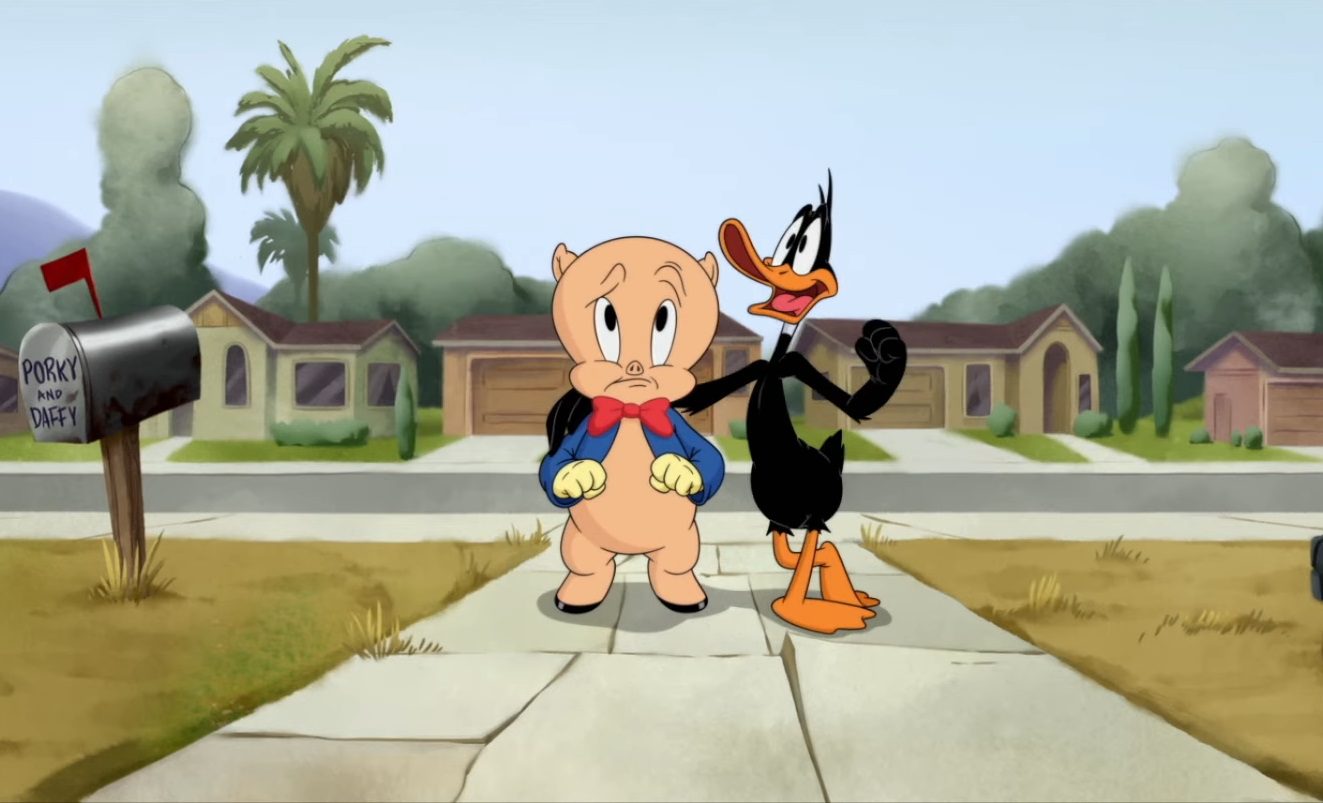
    The Day The Earth Blew Up: A Looney Tunes Movie serves as an origin story for Daffy Duck and Porky Pig.

    Raised by a farmer, they have to make money to save their childhood home. They find a job at a bubblegum factory where they learn an alien is using the gum to take over the Earth.

    The animation is smooth enough to look at, but I quickly found myself slack jawed and bored to the point that I thought maybe I outgrew the stuttering pig and lisping duck.  But a rewatch of their first 1938 black and white adventure “Daffy & Porky” still put a smile on my face.

    It wasn’t me that changed, it was the times.  The violence is not as explosive, nor are there ridiculous accents. Worst of all the attempts at humor were more of the wink-wink variety than over-the-top shenanigans we expect.

    I was ready for the th-th-that’s all folks. It finally came after the credits only for Daffy to stop Porky to say, “That can’t be all folks. we have to keep things open for a sequel.” If you find that clever, this might be the movie for you. I’ll stick with the old stuff.

  • Short Film “Silence in the Dark” Shines at FilmGate Miami Fest

    Short Film “Silence in the Dark” Shines at FilmGate Miami Fest

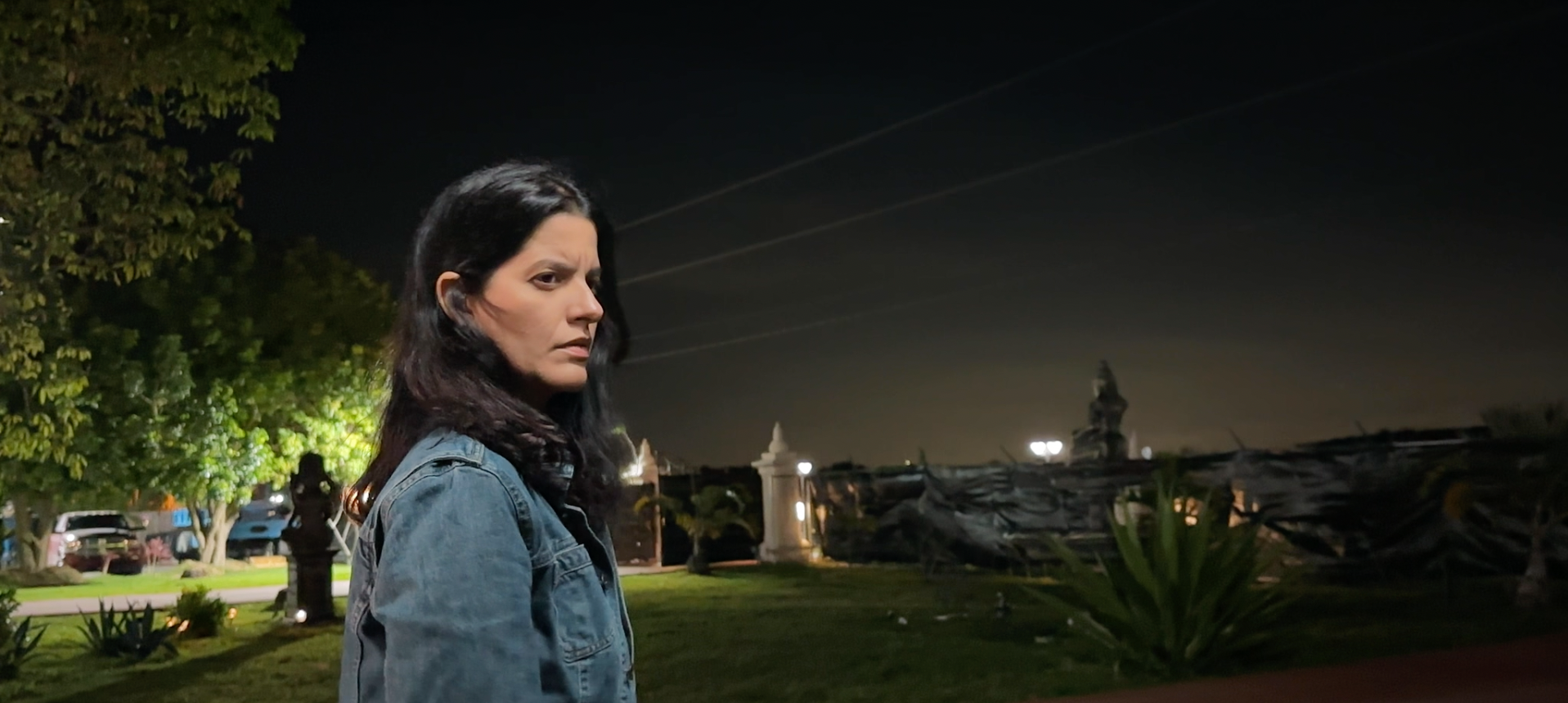
    Miami film incubator and overall awesome organization FilmGate Miami recently held its first monthly film festival of the year. It was a ‘Free-For-All’ meaning films from all genres were eligible. The sold-out event took place on January 29, 2025, and featured ten short films. There were music videos, comedies, documentaries and more. One film stood out to us at The Jitney: Silence in the Dark. It is a short slasher film set somewhere in South Miami. It is beautifully scored and legitimately tense and well shot. Take a quick look at the trailer and read below for an exclusive interview with Writer and Director Steven Salgado.

    Exclusive interview with Steven Salgado

    Tell us a little about yourself.

    My name is Steven Salgado, and I am the director and writer of Silence in the Dark. I am of Peruvian origin and have been living in Miami for thirteen years. I own an audiovisual company called Salgado Studios, and right now, I am in the final year of my master’s degree in film.

    What does this short film mean to you?

    A fresh start. Before the pandemic, I worked at a small film production company, where I wrote and directed feature films—it was my dream job. But when the pandemic hit, I lost my job and had to start over. I launched my own company and began making promotional videos. However, I eventually reached a point where I couldn’t resist the urge to direct a film again. That’s when I decided to start over with a short film.

    How was the shooting experience? Any interesting stories about the filming? What was the location with the gas lamps and the Buddhist statue?

    My initial idea was to shoot in a park, but when I couldn’t secure the necessary permits, a friend of mine, who is an actress, offered me her farm to film Silence in the Dark. The location was stunning, and everything in the set was already part of that house in Homestead. Only the flashback scene was filmed in the park where I originally wanted to shoot, but we had to do it clandestinely.

    The entire experience was incredible. We were cold, sleep-deprived, and constantly on the move, but we had so much fun.

    Why did you make the character mute? The actress isn’t actually mute, correct?

    My first language is Spanish, but I originally wrote the first draft of the script in English. I initially envisioned English-speaking actors for the roles, but I wanted my wife to act in the story—I had written the character specifically for her. However, I didn’t want language to be a distraction in the scene, so I made the character mute.

    My wife had to learn sign language for the role. She attended an association in Miami where sign language is taught, spending hours studying and communicating with members of the deaf community. She did an amazing job.

    By the time we were about to start filming, the idea of using English-speaking actors had faded, so I reached out to my Spanish-speaking actor friends instead. I truly believe I ended up with the best possible cast for this project.

    At FilmGate, you shared that this film is dedicated to your wife’s father, who passed away during COVID. I interpreted the killer as a representation of COVID. Is that accurate?

    Yes. The short film is dedicated to Manuel Melian. He had been living with Parkinson’s for the last ten years of his life, and when I met him, he was already battling the disease. He passed away during the pandemic, which was an incredibly difficult time for the family. Manuel was the best father-in-law one could ask for.

    The killer in the film is a metaphor for COVID, and Tamara’s character represents me—someone who just wanted to run.

    Finally, what’s next for Silence in the Dark? And what’s next for you?

    Silence in the Dark is following its own journey—I have submitted it to several festivals, and I’m hoping it gets accepted into many of them.

    As for my work in film, another short film is on the way—this time, a spooky movie for kids with pre-teens and children as the main characters. It’s a project that brings me a lot of joy, and I know I’ll have an amazing time making it.

    On a personal level, I know the future will bring me many great projects.

    This article was published with the support of the Miami-Dade County Department of Cultural Affairs and the Cultural Affairs Council, the Miami-Dade County Mayor and Board of County Commissioners.

  • GableStage’s Appropriate is a Family Reunion Not to be Missed

    GableStage’s Appropriate is a Family Reunion Not to be Missed

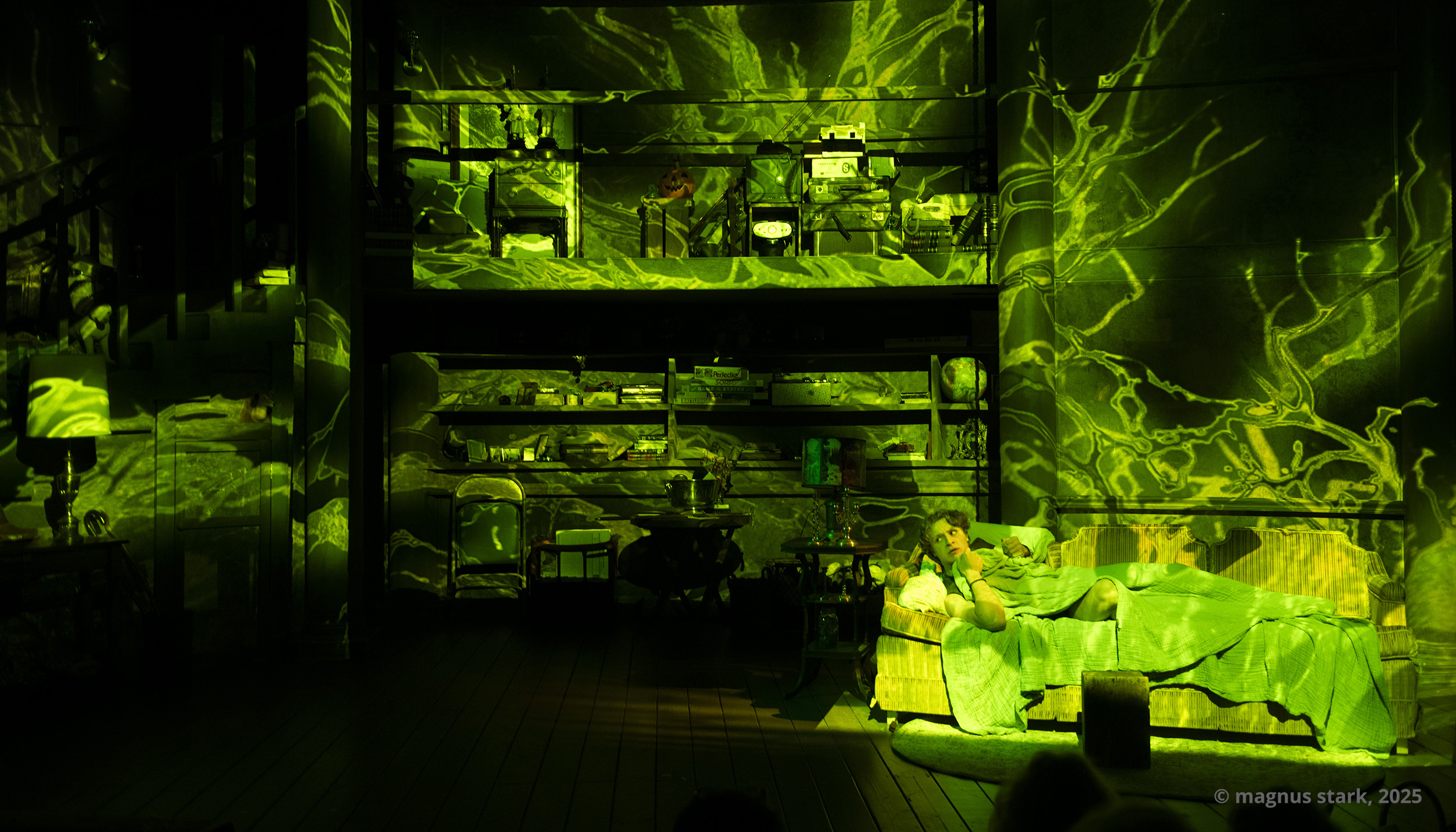
    GableStage’s 26th season is rolling along with Appropriate, a rollicking family comedy fresh off of Broadway and three 2024 Tony awards, including Best Revival of a Play and Best Actress (Sarah Paulson). The regional production won’t win any Tony’s, but you can bet the Carbonell committee will be keeping an eye on this one.

    We highly recommend seeing this play.

    Appropriate is intimate yet chaotic, entertaining but cringe. It will have you laughing. It will have you thinking. And it will have you saying to yourself, “Now, that’s entertainment.”

    Written by Branden Jacobs-Jenkins, Appropriate dives into the intricacies of family relationships and the enduring impact of history on the present. At its heart, the play tackles the uncomfortable but necessary conversation about racism, inheritance, and memory. The play also explores secrets and how we all have them. How secrets ripple across families and generations.

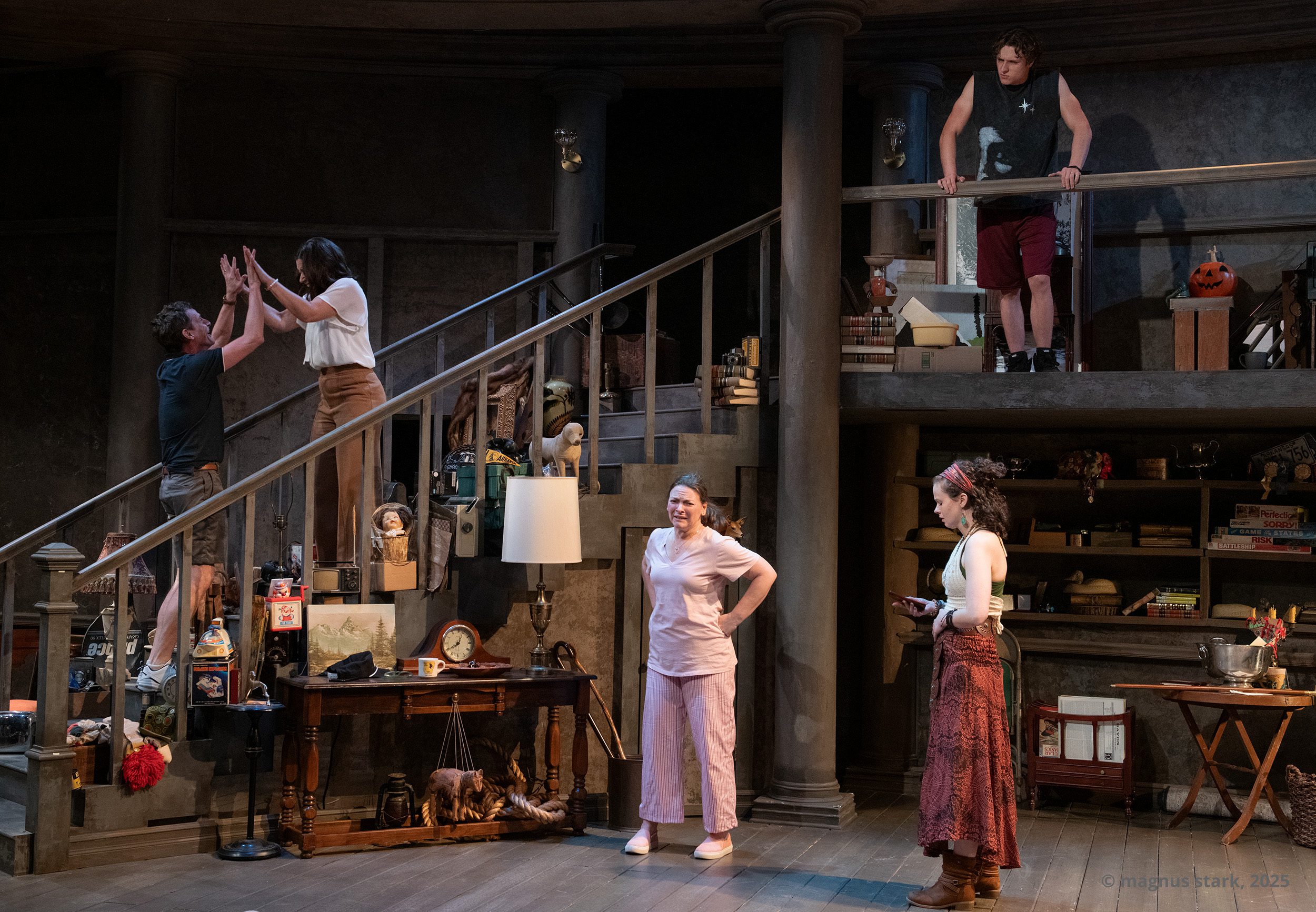
    The premise is as follows: the Lafayette family come together to deal with their deceased father’s Arkansas plantation home, only to unearth unsettling memorabilia that forces them to confront their own complicity, greed, selfishness and denial.

    Appropriate is a powerful reminder that reckoning with history— both personal and collective— is essential for moving forward. Audiences will reflect on their own histories and legacies, making it a thought-provoking work with a lasting impact.

    GableStage’s Appropriate is Storytelling at its Best

    We see a lot of local theater and GableStage does not cut corners in its storytelling (despite tight budgets in Florida). This play has an eight-member ensemble and they are constantly in motion.

    Highlighted performances include Mark H. Dold as Bo, who’s tone and comedic body language are exemplary.

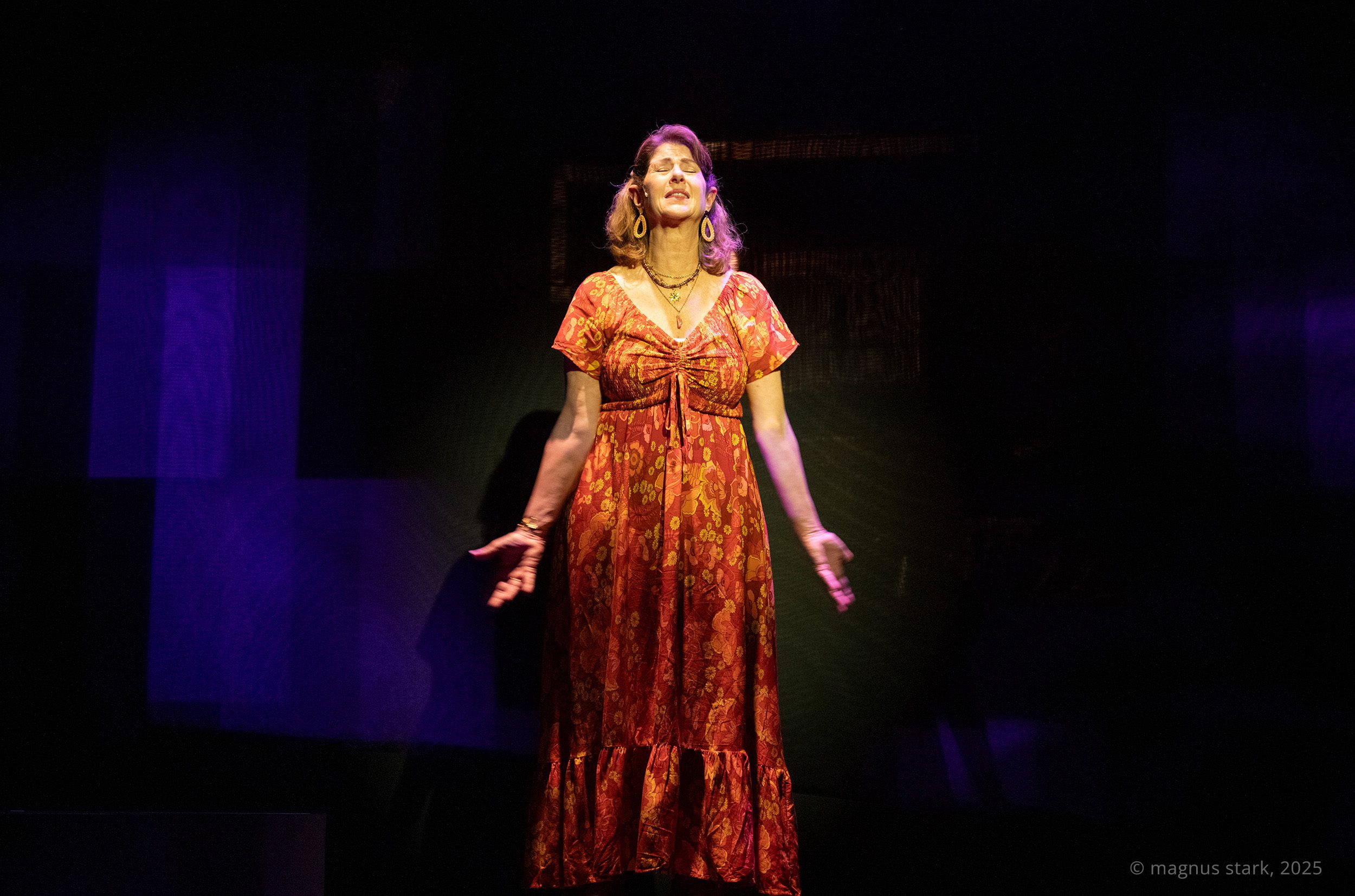
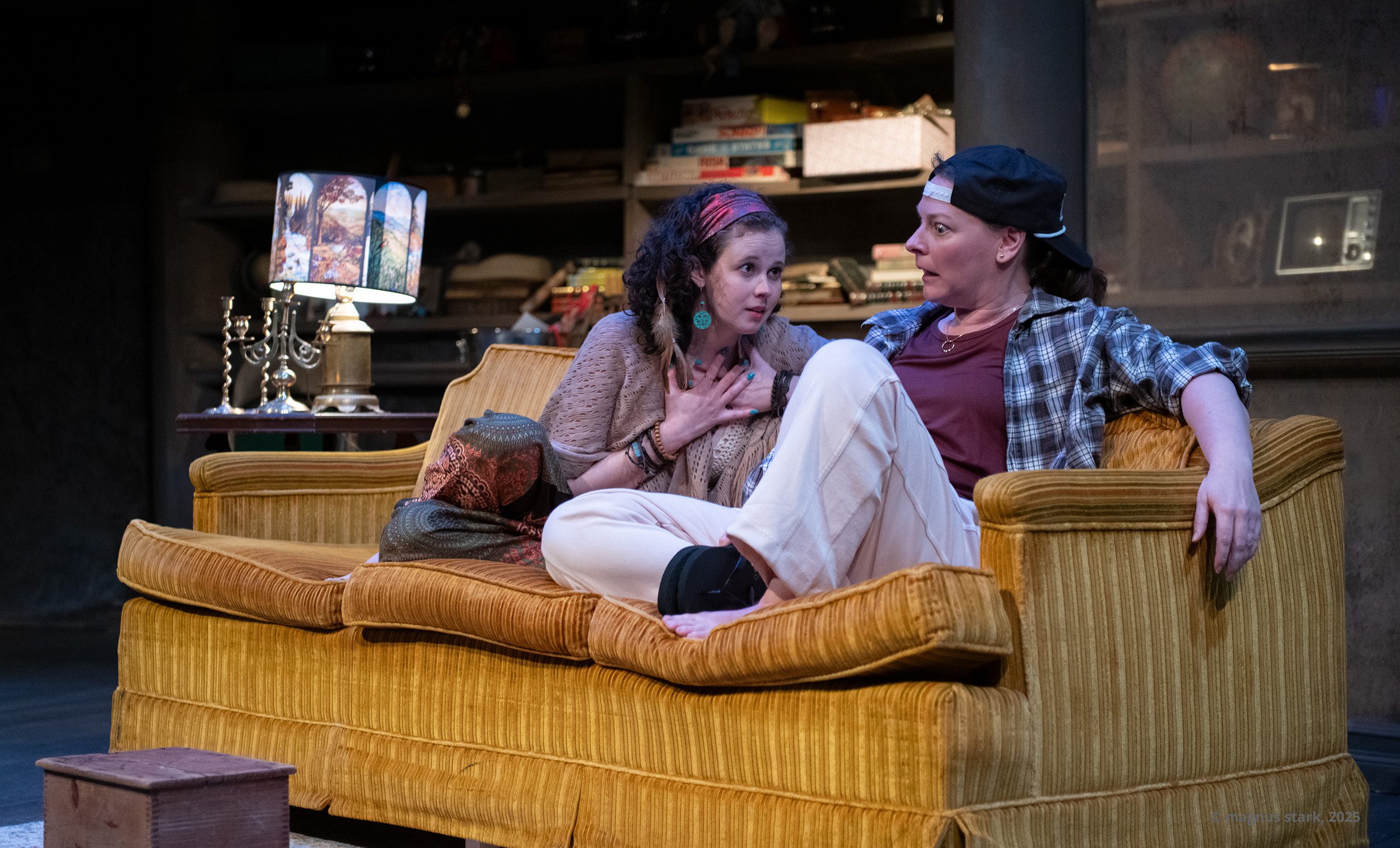
    Natalie Donahue McMahon as River also puts in a wonderful performance as the compassionate hippie whom we think is the moral compass of the play. It’s hard to tell if any of the characters are redeemable, but if there is one, it would be River.

    The play also has a wonderful script and adept direction, a challenge that Director Bari Newport seems to embrace, even if it is exhausting.

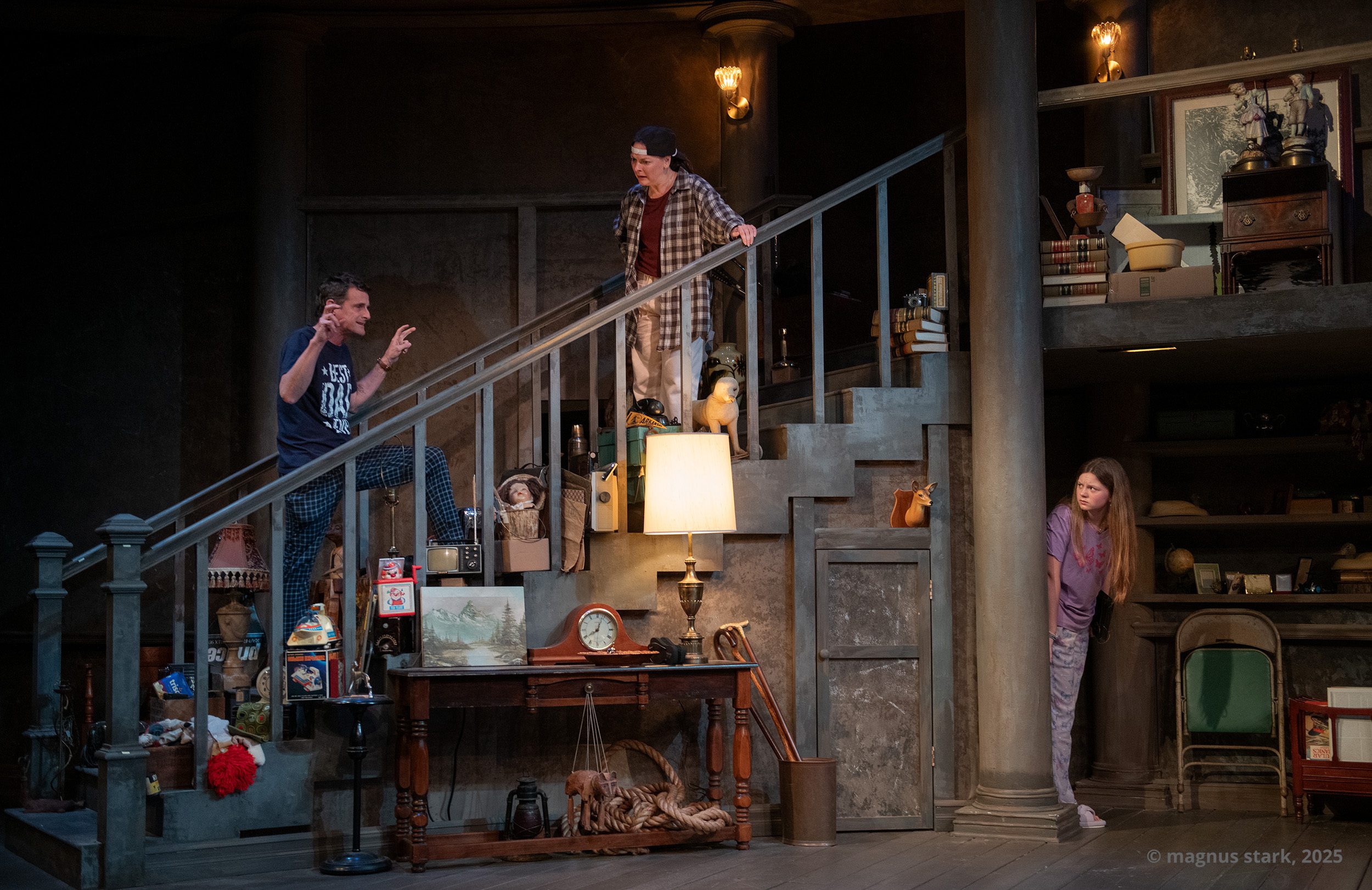
    But here’s the best part about seeing a play at GableStage compared to any other regional company in Miami. The sets are absolutely amazing.

    The set in a play is essential as it provides context, sets the mood, and enhances storytelling. It immerses the audience in the world of the characters, helping to convey themes and emotions. A well-designed set can elevate the overall production, making the narrative more engaging and impactful.

    You will drop your jaw the moment you walk into the theater and see this set!

    GableStage did in 2023 with Native Gardens and again last year with the Lehman Trilogy.

    The set design team, led by Frank J. Oliva, absolutely outdid themselves with Appropriate.

    There is no other house in the area coming anywhere near the set production of GableStage.

    The same could be said with the team behind the show’s lighting and visuals, led by designer Tony Galaska.

    Storytelling is not just a script and actors. You need a great set, lighting, sound, and costumes to immerse the audience into the fourth wall of the story.

    Give Producing Artistic Director Bari Newport all the credit in the world for bringing its audiences all the aspects of a wonderful play.

    We only hope the community appreciates it.

    After all, it would be the appropriate thing to do.

    GableStage’s Appropriate Now Playing 

    Appropriate is now playing until February 23rd. It’s a short run so don’t miss it.

    For more info and tickets click here.

    Photo by Magnus Stark
    Natalie Donahue McMahan as River and Rachel Burttram as Toni. Photo by Magnus Stark
    Mark H. Dold as Bo Photo by Magnus Stark

    This article was published with the support of the Miami-Dade County Department of Cultural Affairs and the Cultural Affairs Council, the Miami-Dade County Mayor and Board of County Commissioners.


  • Miami Stories Take Center Stage at Miami Jewish Film Festival

    Miami Stories Take Center Stage at Miami Jewish Film Festival

    Celebrating its enduring commitment to local storytelling, Miami Jewish Film Festival introduces an engaging “Made in Miami” program, shining a spotlight on films crafted by and about the vibrant Miami community.

    Among this year’s highlights is the world premiere of Miami Schmatta, a captivating documentary by Miami-based filmmakers Aaron Glickman and Clare Vickery. The film explores the city’s rich immigrant legacy and its pivotal role in shaping the American garment industry. Featuring heartfelt interviews with Miami business owners, tailors, and fashion designers, the film chronicles the industry’s golden years, its struggles amid shifting trade policies, and the enduring spirit of Miami’s creative community.

    Other notable Florida productions premiering are Miami-based filmmakers Wendy Sach’s October H8te, a timely film about antisemitism on college campuses following the October 7 tragedy, as well as Leslie Benitah’s Milk & Honey, Blood & Tears, a powerful documentary chronicling the resilience and recovery of Kibbutz Be’eri following the devastating October 7 attack. The film poignantly contrasts the kibbutz’s peaceful past with the harsh realities of survival and healing. Leslie is also celebrating the world premiere of her second film, The Last Ones of Auschwitz, a powerful film commemorating the 80th anniversary of the Liberation of Auschwitz that captures the testimonies of the last remaining Holocaust survivors, including Miami-based survivors David Schaecter, Saul Blau, Hedy Fladell, and Irene Zisblat.

    In honor of the legendary comedian and filmmaker Jerry Lewis, MJFF is hosting a special 65th anniversary presentation of his directorial debut, The Bellboy, which was filmed at the historic Fontainebleau Hotel in Miami Beach. The event will feature the attendance of his son, Christopher Lewis, an acclaimed author, who will introduce the film and participate in an extended conversation afterward.

    “The 28th edition of the Miami Jewish Film Festival is a celebration of the power of storytelling to illuminate the past, confront the present, and inspire the future,” said Igor Shteyrenberg, Executive Director of the Miami Jewish Film Festival. “From local productions that highlight Miami’s rich cultural heritage to presenting world premieres that address timely and universal themes, this year’s program reflects the resilience, creativity, and diversity of the Jewish experience on both a local and international scale.”

    Full details on the program and tickets to the festival can be found at: miamijewishfilmfestival.org

  • Nosferatu Could Haunt Your Nightmares If You Don’t Fall Asleep During It

    Nosferatu Could Haunt Your Nightmares If You Don’t Fall Asleep During It

    Vampires have kind of become a joke. Hotel Transylvania, Count Chocula, What We Do in Shadows, and those hunky teenyboppers in the Twilight movies have turned the once terrifying bloodsuckers into lovable punchlines. So here comes Nosferatu, the new movie that aims to put these monsters back on the fear pedestal that Bram Stoker, Anne Rice, and Werner Herzog built.

    Helmed by writer/director Robert Eggers, Nosferatu looks amazing. If in Eggers’ fantastic previous movie The Northman, every frame looked like it could serve as the cover of a 1970’s prog rock album, any random shot of Nosferatu could serve a 2000’s nu-metal band. The production design really digs into the nineteenth century German and Transylvanian settings.

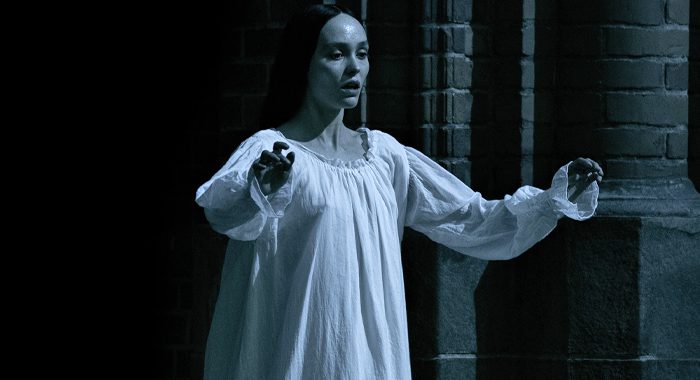
    And the movie starts off great with a young woman’s blood curdling wet dream. Her husband is given the assignment to make the six week journey to get a signature from a reclusive Count in Transylvania. It feels like we’re in for an adventure with so many wonderful visual motifs. There’s the maniac sitting in a pentagram surrounded by lit candles. Bearded gypsies play the fiddle on snow covered tundra. And then we have the dark castle that our title character calls home. Our vampire can barely breathe as he lurks in the shadows, with only in his grotesquely, long fingernails fully visible.

    The slow reveal of a monster to audiences has a noble history. We don’t see the shark in Jaws until the movie’s almost over, same with the dinosaurs in Jurassic Park.

    But the payoff has to be worth the anticipation.

    The hairless, misshapen Nosferatus of the 1922 and 1979 versions of this film are unforgettably creepy. These are beings that would haunt your nightmares. The bearded Nosferatu we get in this 2024 remake looks like a dissatisfied elderly customer at a delicatessen looking to return his soup for not being hot enough.

    There are still plenty of scares in Nosferatu. But the story kind of falls apart once Nosferatu shows up.  The rules of this world of what exactly Nosferatu is are never really explained. Screen time is divvied up to too many characters, so it’s unclear whose movie we’re watching. By the end the ticking clock you’re concerned about is not when the sun will rise, but when the closing credits will roll so you can get out of the theater.