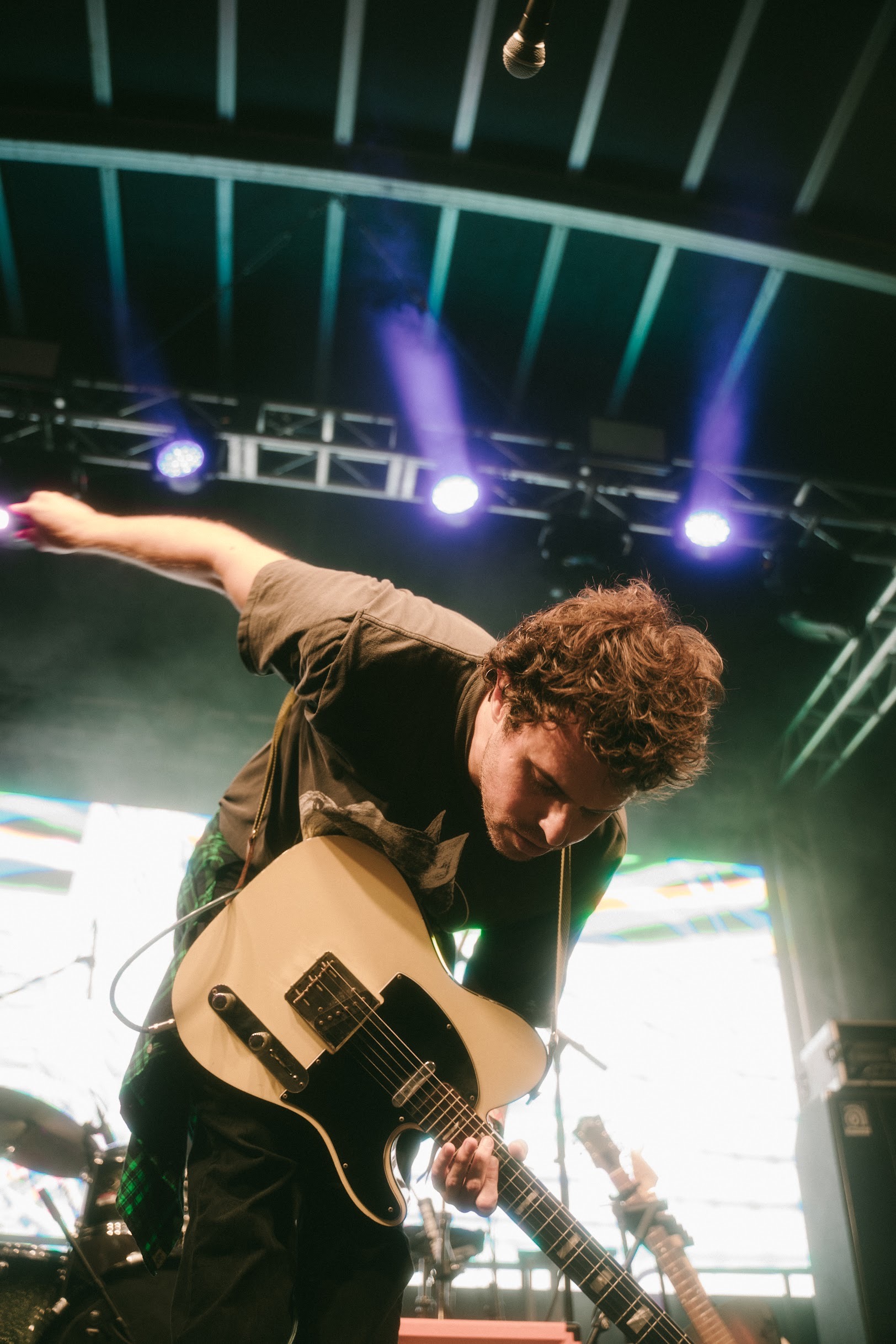
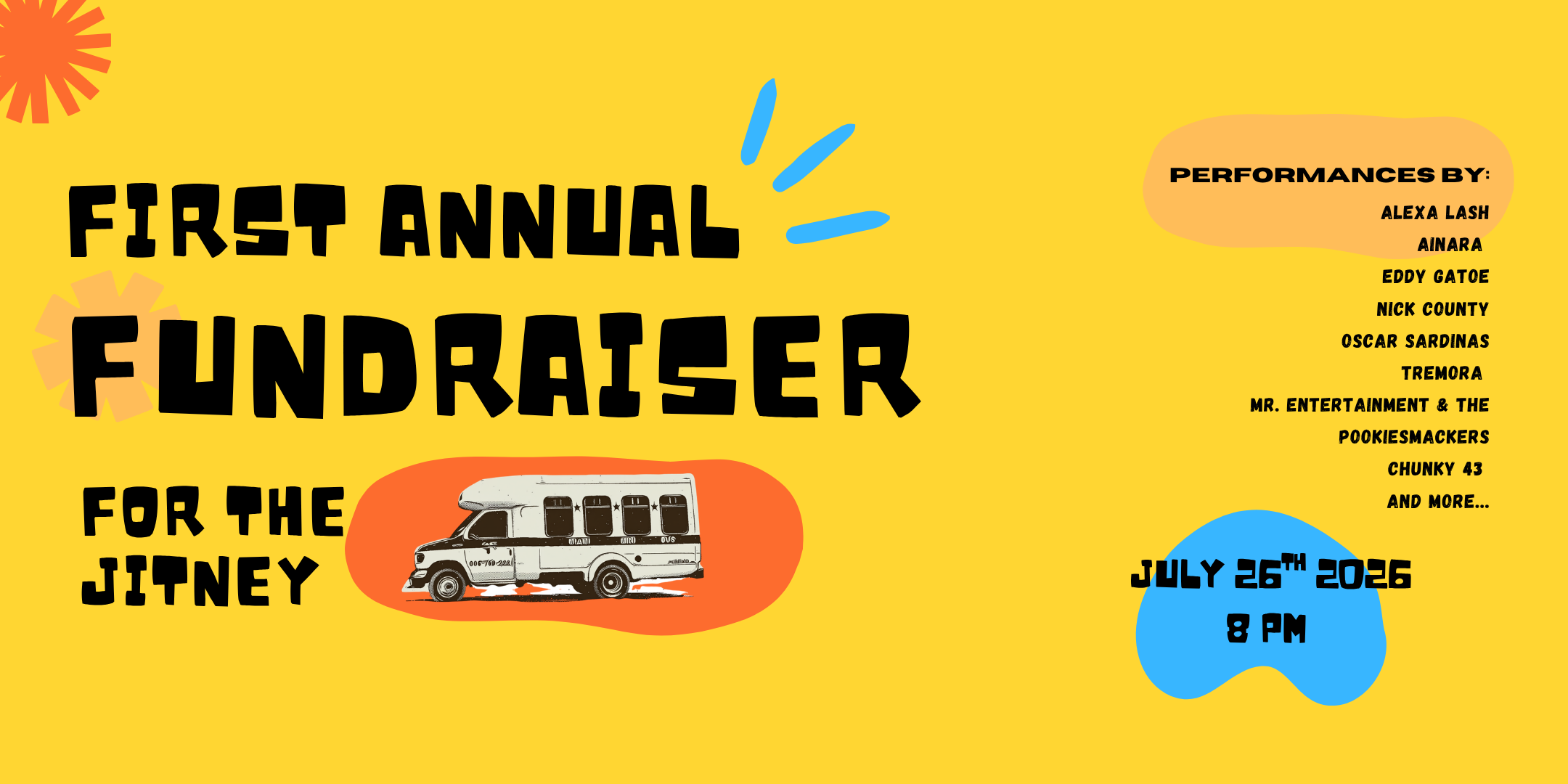
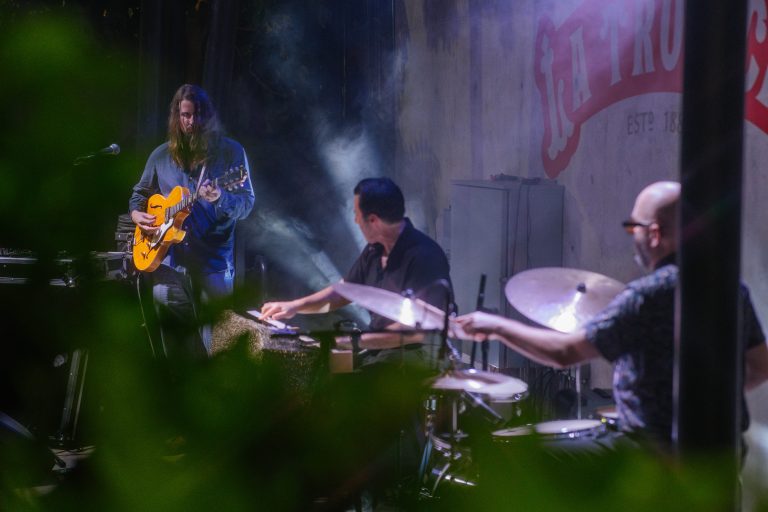
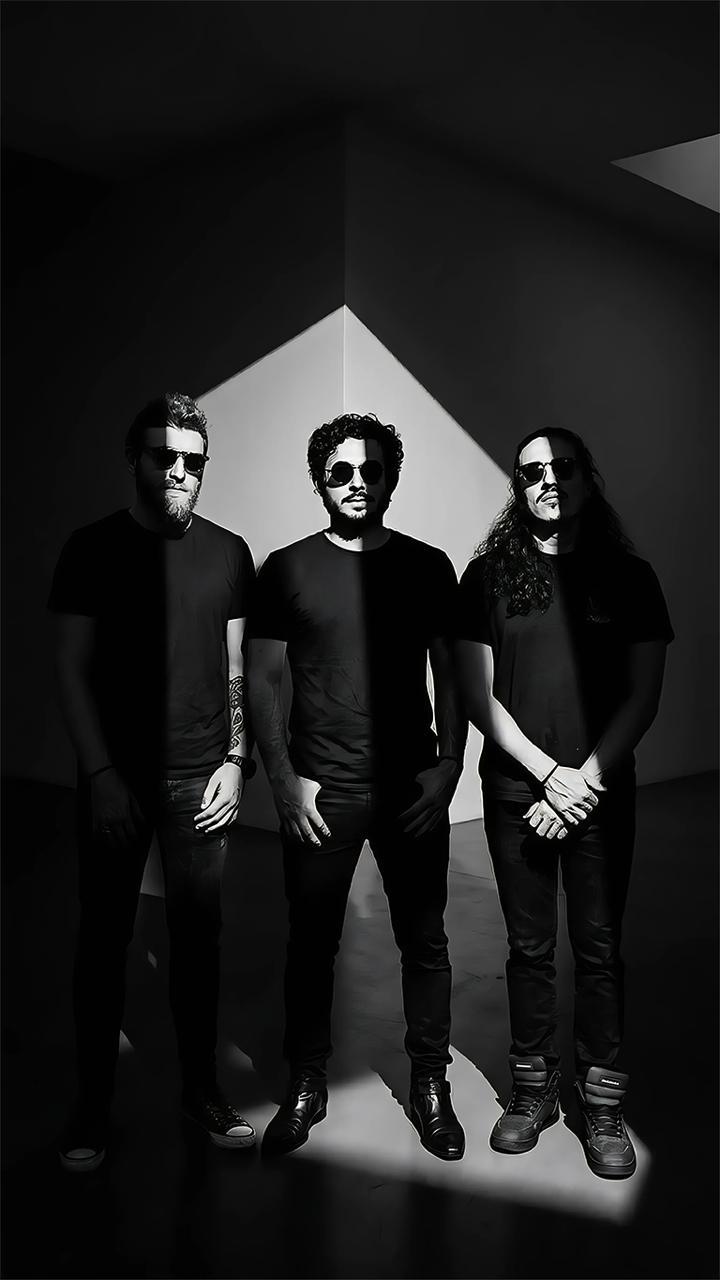
Come out to Churchill’s at 8 pm Sunday, July 26 for the first annual Jitney Fundraising Concert. Get your tickets now here because this isn’t going to be an old fashioned PBS telethon. We’re looking to throw a great rock concert with many of the finest and most fun musicians South Florida has to offer. Among the fantastic musicians playing are Oscar Sardiñas.
You might know Oscar as the frontman for the great Miami psych-rock band Jaialai. Or maybe you know him from his solo musical project as Hurricane Yellow. Or perhaps you read his analysis on the Miami Dolphins right here on the Jitney. Either way you’re about to get to know him and his music a little better as he answers a few of our questions.
How would you describe your music?
Oscar Sardiñas: Heady, nostalgic, hopefully catchy. Indie rock. Too many influences…I’m listening to Boards of Canada and Empire of the Sun at the moment…comparable bands? That’s tough…Jaialai lol.
How has your sound evolved over time?
The earth has evolved so much since my band last put out a record. I’m trying to bottle all that in some new songs. Definitely darker. A little hookier. Some electronic touches. A little more romantic…not in a sappy way.
What can people expect from this particular performance?
Some grey hair and looser fitting clothing. New material.
How has Miami shaped your music? And who are some of your favorite local bands?
Miami is my birthplace. It’s wild. Loud…very lizard brain. I’d say my music goes against that current somewhat and provides pause and introspection…but then I like to fuck shit up too so…idk. Fav locals…phew…put me on the spot…Vania Junco. Mold! Camp Blu. Rehash. I think they’re Broward though but they’re sick. Modern Cult has a really sweet new single.
What song should a first-time listener hear first?
What’s next after this show?
Record new stuff
Describe your music in three words?
Heady, grounded, thoughtful
Finish this sentence: “The Miami music scene is __________.”
If you’re reading this post, chances are you love to hop on The Jitney. We’re asking our faithful readers to come out to Churchill’s at 8 pm Sunday, July 26 for the first annual Jitney Fundraising Concert. This isn’t going to be an old fashioned PBS telethon. We’re looking to throw a great rock concert with many of the finest and most fun musicians South Florida has to offer (coincidentally or not many of them have contributed writing to The Jitney).
Included on the bill are Alexa Lash, Ainara, Eddy Gatoe, Nick County, Oscar Sardiñas, Tremora, Chunky 43, and Mr. Entertainment & The Pookiesmackers, with more potential surprises. Over the upcoming weeks look out for profiles introducing or reintroducing you to these artists.
Since 2018 JitneyBooks.com has been one of the few reliable sources of South Florida arts and music coverage. There’s no censorship, opening the outlet to as many distinct voices as we can find. We’re also the one book publishing company dedicated to publishing South Florida authors, having released twenty books by a dozen local authors. While we love and live to provide these services, everything comes at a cost.
If you’d like to contribute buy your tickets now at eventbrite.com.
In the summer time the living is easy or so they sing. It never hurts to dream that there might be some truth to those lyrics. Another thing that doesn’t hurt is The Jitney Miami Summer 2026 Concert Preview which gets underway right now.
Paul Oakenfold and The Crystal Method June 24 at Revolution Live
Party like its 1999 in Fort Lauderdale when two veteran electronic music acts pull out all the big breaks to get you dancing.
Thievery Corporation June 26 at Miami Beach Bandshell
The trip-hop duo celebrate their thirtieth anniversary, with a seemingly annual June set at North Beach.
Ariana Grande June 30 & July 2-3 at Amerant Bank Arena
Boca Raton’s pop superstar made good makes a triumphant homecoming with a three night residency of her Eternal Sunshine Tour at the local hockey arena.
Shakira July 1-2 at Kaseya Center
They say hips don’t lie. They also say the Columbian superstar will kick off the 4th of July Weekend with two nights of her Las Mujeres Ya No Lloran World Tour 2026.
Tame Impala July 6-7 at Kaseya Center
Kevin Parker brings his psychedelic pop show to an arena level with two sold out nights of his Deadbeat Tour.
Tori Amos July 7 at Kravis Center
The singer/songwriter pianist brings her confessional tunes like “Cornflake Girl” and “Silent all These Years” along with new songs off her latest record, In Times of Dragons, to West Palm.
Cat Power July 16 at ZeyZey
For someone who calls South Beach home, Cat Power’s headlining Miami shows are few and far between. So definitely worth checking out her live performance of her 2006 album The Greatest.
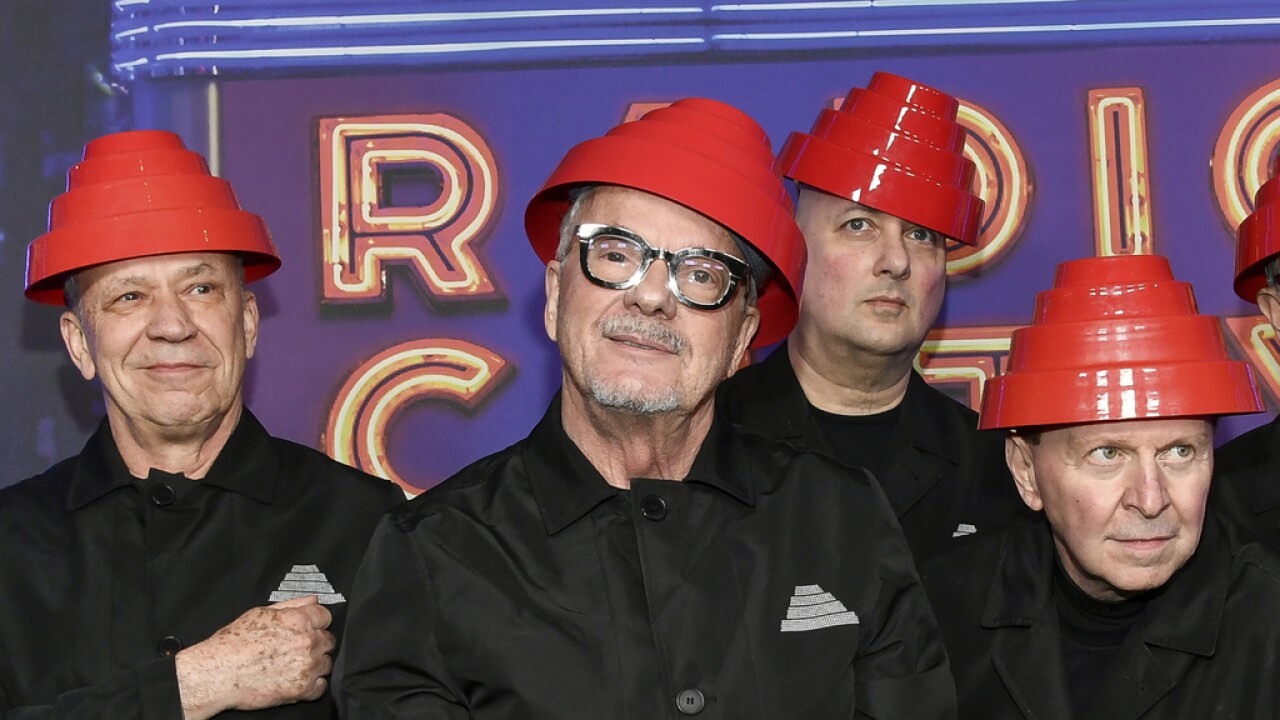
Devo August 28 at Fillmore Miami Beach
According to Setlist.FM the last time the new wave faves played South Florida was 1988 when Ronald Reagan was president. Many didn’t think the presidency and society could de-evolve any further, but Devo (short for The de-evolution Band) apparently knew.
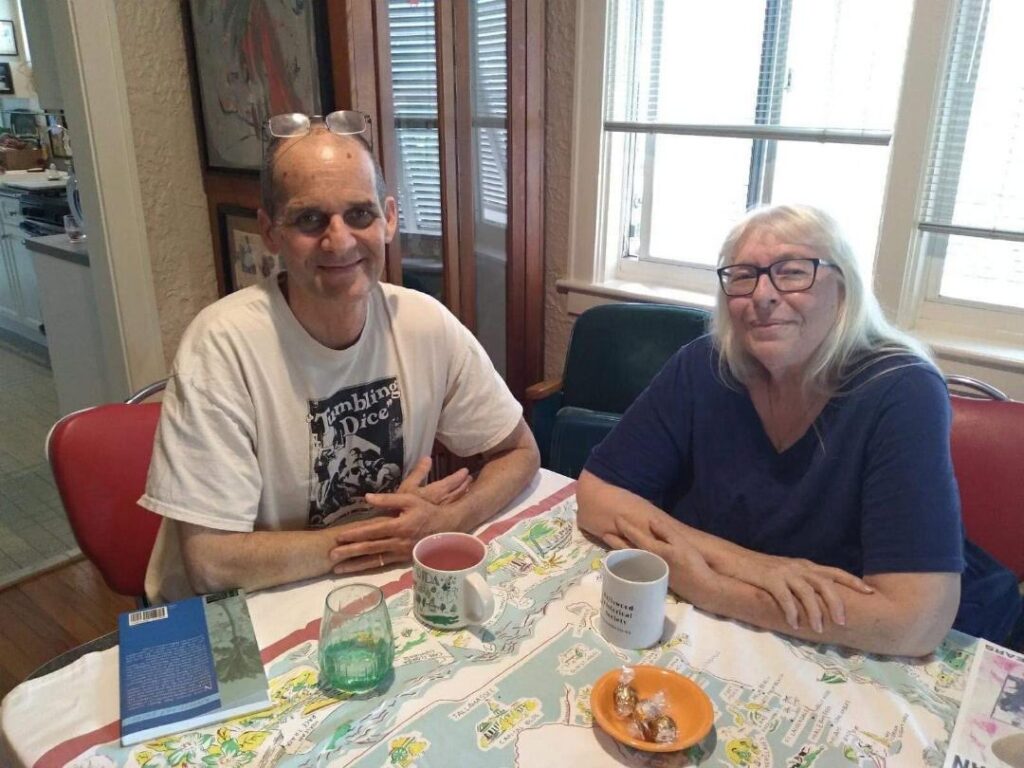
About a month ago I approached David Rolland about doing a local legends series bimonthly or so, and starting shooting around ideas. David was all for it and my lazy ass was lollygagging around until the legend I needed to write about first fell out of the sky. About the same time I brought up the idea, I picked up a new book on punk archives titled We’re Having Much More Fun by Judith A. Peraino and Tom McEnaney. The book came to my attention from a group I follow about Tomato Du Plenty from the Screamers. As I breezed through the pages I stumbled upon a photo of D. Boon and Mike Watt, and sure as shit they were photos from a legendary two night stand of the Minutemen at Flynn’s on Miami Beach. Lo and behold, Leslie Wimmer was the photographer and had a beautiful quote in the book! I reached out to Leslie to inform her but heard no response. This hit home in my head because I know Leslie would have loved to see it and gotten back to me joyously.
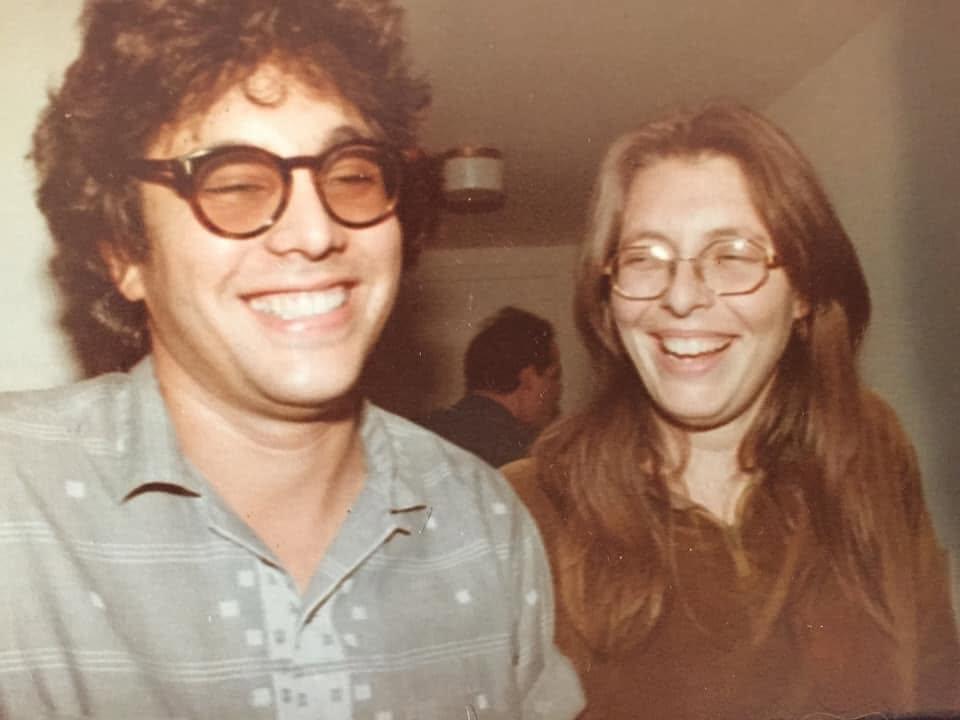
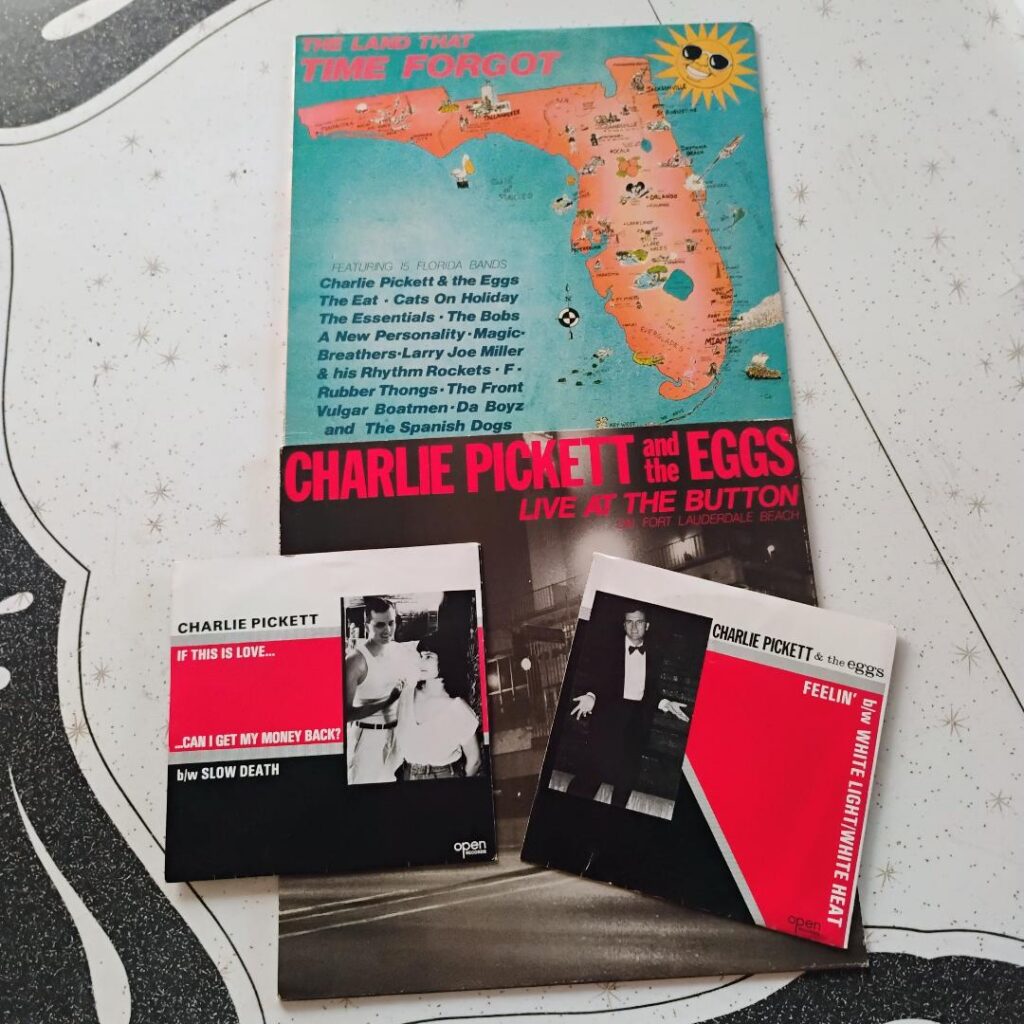
Leslie showed up on the scene in the late 1970s. I believe she may be one of the shouts at the end of the infamous “Communist Radio” song by the Eat. I could be wrong, but does it really matter? What matters is Leslie started a store with Ted Gottfried, who I hear was not psychedelic. The store was called Open Books and Records. Their first location was in Deerfield beach where they kind of sold their own stuff, before moving to Progresso Plaza in Fort Lauderdale. At that location there was a famous The Eat show that deserves it’s own story. While at Progresso Plaza they started a record label and put out The Land That Time Forgot a compilation record with 15 Florida bands plus two singles and a full-length by Charlie Pickett and the Eggs including Live At The Button, recorded at the club on Fort Lauderdale Beach. As Charlie told me recently, “If it wasn’t for Leslie I would have been a guy driving a front-end loader at the Sessa rock pit.” Soon they relocated to their legendary spot in North Miami Beach on 167th Street.
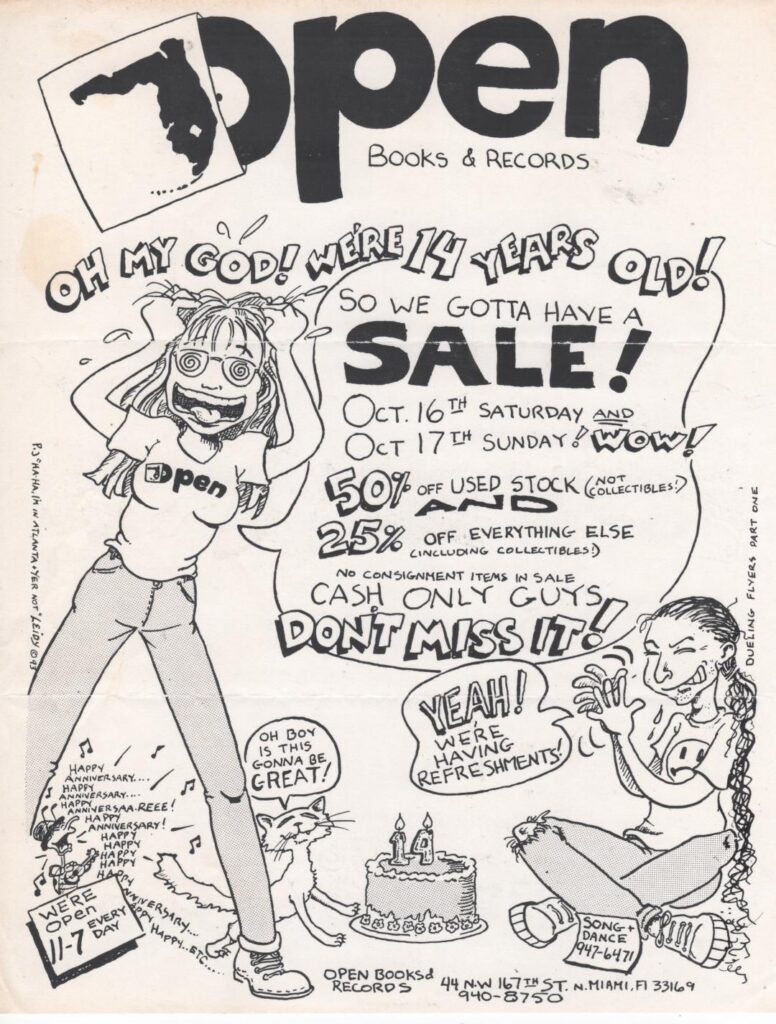
The shop on 167th became the mecca of all independent record stores in South Florida for original music, imports and whatnot. There were others, but this was a point of congregation. Ted split for the East Village in NYC around 1984 to open up See Hear, the most radical underground zine and book store around. The store was actually downstairs in a basement. Leslie carried on at Open. This was about the time Tina and I found our way there. Although I worked at Record Haven – with the cantankerous legend himself Robert Mascaro – sweeping the floors and picking up things he broke in the store as a 15 year old in 1979 and 1980, I didn’t find Open until 1984.
Once I entered Open I knew I was home. Leslie was the kindest, most warm-hearted person around. Most record store folks were obnoxious, self important jerks at the time. Don’t get me wrong, I found great record store owners after meeting Leslie, but she was the first to treat me like a friend the day I walked in the store. They had a couch near the front window, books, magazines, and cassettes across from the counter, and a u-shaped room with records around the walls and down the middle. This is where we were introduced to the SST label, IRS and Shimmy Disc. It was a whole new eye-opener of music to me. Although MTV ran The Cutting Edge and 120 Minutes, this store had records and magazines to discover even more bands. Tina and I would go there so many Sundays to hang out, buy music and meet people, and it was all because of Leslie. There was an arcade a block down with a miniature golf course, and our Sundays consisted of searching for records, a walk to the arcade, and a round of goony golf to contemplate what we’d purchase. We would spend hours in the store just chatting with Leslie about art, books and music – all on that couch that everyone sat on and is legendary in itself. And there was a store cat too! We all loved AJ.
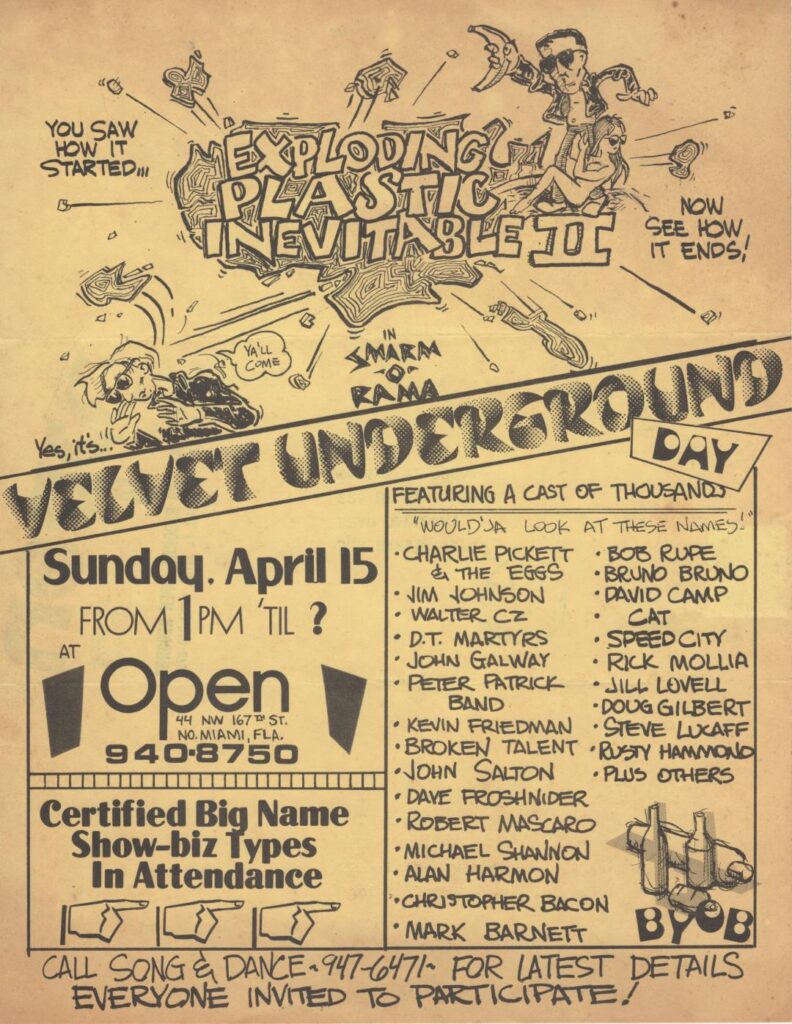
One of the other things Leslie conjured up was “Song and Dance.” It was a phone number that you called up for the local shows of the week and there was a new song every time. It was rad. There were many legendary shows there. Henry Rollins doing spoken work, Half Japanese playing in the store, the Flat Duo Jets with a stand up bass player and Crow using his drum cases, a snare and hi-hats. Also the Velvet Underground Appreciation Society, or whatever the hell they called it, where bands performed Velvets songs. Local bands also performed in the store. When I saw Boise and Moss for the first time there I knew I needed to be in a band. And watching The Eat play with Eddie O’Brien cursing in between every song then apologizing because Eddie Jr. was there – classic! Leslie either orchestrated all of this or just let it go on, always with a smile on her face and the kindest heart. Also, meeting the folks that helped out there was golden. Debbie Rage, Malcolm Tent, Punk Jill, Todd Jenkins and Hal Spector changed my life by just being friends, and made me the record store guy I am today. My favorite was when F. Clarke Marty worked there for a brief period and we showed up at opening time one Sunday and found him asleep in his car out front. We banged on the window and woke him up, and he said he’d been there since his gig the night before. It was 10 in the morning or something. Leslie really instilled in us the way to treat people in a record store, and her and Joe Harris are the reasons that Tina works in a book and record store and I at a record store today – to carry on that tradition.
By the early 1990’s the big box music stores were taking over, especially when things changed to CDs. In 1994 Leslie decided to close Open after 15 years. It was sad and tough buying stuff at the closing sale, but then Bob Perry offered her a job at Blue Note Records down the street. It was awesome to see her for a dozen or more years at Blue Note, but times were a changin’ again. There came a point when Leslie needed to take care of her mother in Melbourne or the whereabouts. Seems we all, or most of us, eventually get in that position as caretakers of those who took care of us. She did a fantastic job and occasionally would came down for events, record shows or reunions and hang outs. One of the last times we saw Leslie was 4 years ago. She came down to visit Joe Harris at My Mama’s, the book and record store Joe helped curate and Tina worked at . She wanted to stop by our house for tea and biscuits and talk books, music, art and gardening. It was lovely. She said to me “Steve, I can’t believe how much my mediocre heavy metal records are worth.” Haha! Thanks for stopping by, Leslie.
A new wave of jazz is forming in Miami as younger players embrace groove, funk, soul, and organ trio vibes without treating them like museum pieces. At the center of this movement is The Glades, whose self-titled debut on the Tiki Tumbao label feels less like a throwback than a continuation of a long, evolving South Florida musical lineage.
The Glades came together organically through sessions at Hammond organist Adam Scone’s local studio with two expats from Los Angeles, guitarist Addison Rifkind and percussionist Michael Duffy. What emerged wasn’t simply a band, but a songwriting project rooted in collaboration. “Every session we would do three songs,” Scone tells PureHoney. “One each.”
That democratic approach gives The Glades its distinct personality. The album moves fluidly through modern jazz, soul, groove, and funk while remaining remarkably unforced. “Our intention wasn’t ever to make a record that sounded like a different era or even make a ‘jazz’ record,” says Rifkind. “Just staying true to all of our individual musical personalities.”
That sensibility may explain why the record feels so alive. There are traces of classic organ trio records, think South Florida’s much-missed Lonnie Smith, and late-night soul-jazz sessions throughout, but also something undeniably contemporary; music shaped as much by instinct and chemistry as by tradition. Duffy describes the album as “gumbo,” informed by the trio’s varied musical backgrounds and collective trust in one another’s interpretations.
For South Florida, the timing feels significant. From the late ’60s through the mid-’70s, Miami sustained a vibrant jazz scene that gradually faded from prominence by the early 2000s. The Glades don’t present themselves as revivalists, but they are helping place Miami back into conversations surrounding groove-heavy modern jazz and organ trio music.
“There is also a great lineage of funk and soul music born here,” says Rifkind, “and I hope these records continue that history in some way.”
The Glades play a FREE SHOW Thursday, June 11 at Pomona in Lake Worth. They also play June 10 at Funky Biscuit, June 12 at Pilars, and June 13 at Dunedin Brewery. theglades.bandcamp.com/album/the-glades
Viloria is a sonic entity operating under the mystique of transience, diaspora, with the purist legacy of Argentine rock as an inspiration.
Viloria was born out of the restless mind of Mario Viloria, a Venezuelan multi-instrumentalist whose sentimental education was forged between school choirs and the raw revelation of watching his cousin play a guitar at ten years old. His biggest influence: Nirvana.
The name Viloria was deliberately chosen to dodge genre tags. It exists solely to be “its own thing.”
The ghost of Luis Alberto Spinetta looms large here, serving as an ethical compass. Much like El Flaco, Mario treats the music and the author as an indivisible entity.
Early offerings, like the album Pez Que Fuma and tracks like “Si no estás” or “La Ciudad del Calor” create a sound of its own, much at large a successor to this Argentine rock tradition.
Viloria’s history doubles as cultural criticism. In 2019, while tracking “Algo que decir” in Chile, the project collided with a local scene paralyzed by what we diagnosed in our interview as a stultifying “national conservatism.”
In Santiago, original indie rock is forced underground, seeking refuge in living rooms because the public square remains obsessed with nostalgia acts and cover bands. Is it a lingering trauma of the dictatorship, or just late-stage globalization?
Whatever the diagnosis, Mario’s cure was constant movement. If Santiago was the laboratory, Buenos Aires was the crucible. The Argentine capital became the “supreme” backdrop where Viloria finalized an album that is a sentient map of the Venezuelan diaspora that birthed it, triangulating coordinates between Maracaibo, New York, and Buenos Aires (with the track “Chacarita” serving as a direct sonic landmark).
But traveling with a band as immigrants is no easy task.
Arriving in the United States marked the project’s final molecular shift: the transition from a solo endeavor with hired guns to a genuine creative democracy.
Mario crossed paths with Sofía at a percussion showcase, and later recruited Derek after witnessing him execute a flawless shuffle at Gramps.
The band consolidated when they started incorporating their own ideas to the band’s new album and the dynamic of “pay per gig” came to an end. It was a living thing!
It’s within this collective friction that the magic happens, like a bassline improvised by Sofía that completely hijacked and dictated the direction of a new track.
The past forged this moment: his first project Página or the mythical, unreleased records of Los Cassettes, have been left in the rearview. Backed by a welcoming community of expatriate musicians like Cuba’s Alejandro Terra, Viloria sounds like the sum of its travels: precise, self-taught, and fiercely independent.
On May 24th, Vloria dropped “Fachada”, the lead single from their upcoming record. The sound is crisp, fresh and perfect for a summer listen, mixing Spanish and Portuguese in their chorus.
They also recently played for a benefic cause in Orlando, raising funds for a local legend who got deported by ICE
It is in this day and date that I feel certain that this band is going to make waves of long lasting impact: the metamorphosis is complete and it’s now active to unfold its full range of musical effects, one track, riff, and show at a time.
This interview was conducted entirely in Spanish, with a lot of references to bands and places that created a bond without preamble. It was one of my newfound favorite bands of this year and I feel lucky and grateful for their time.
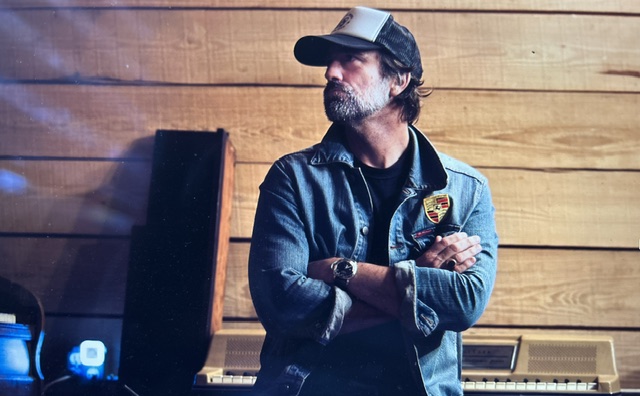
Singer-songwriter and South Florida local (well sort of!), Ryan Cooper, is celebrating the first monthiversary of his newest album release, Windowpane, a collection of 10 songs covering love, life, family, and all the good and bad moments in between. While Ryan calls Miami home most days (he has his favorite coffee shop – shout out to the Imperial Moto family), he is originally from Laurel, Mississippi and has travelled a lot for his music, going back and forth between Miami and Nashville, in addition to performing across the world in countries like Argentina. He’s a father of two. Sarcastic. Very uniquely Ryan. While the style of Windowpane is listed as Americana, Ryan’s music is a bit more versatile than that, and even contains familiar elements from late 80s and 90s, which, based on our most recent interview makes total sense:
So tell me, Ryan, how long have you been doing music?
Ryan Cooper: Oh, wow. I guess it feels like forever, but I started playing the guitar in 1994. My freshman year in college. But I didn’t start actually playing out until, I want to say, like 1998.
Maybe it’s the obvious question, but why did you even pick up a guitar in the first place?
Oh, that’s a good question. I’ve always loved music. I always sang, like, in the car. Love bands. But I never thought I could make it myself. Um, and then I don’t know, it was just like this thing in college, this guy named Leo…he had a guitar in college and he could play it and then he started teaching me things. And next thing you know, I just got one for my birthday or something like that. And said “all right, well, I’ll kind of teach myself.”
What were some of the bands that, like, were your first influences?
I mean, I loved Smashing Pumpkins in high school, but it wasn’t, like, what made me want to pick up guitar. It was just like, I think, like I said, the college experience and just wanting to do something and I loved music. I grew up with my dad. Listened to music in the car, and he was… He grew up, you know, as a kid in the ’50s, and then high school in the ’60s, and then he was in Vietnam in the late ’60s, or ’70s. So there was all these different types of music. So when I used to ride with him to school, or games, or whatnot, he was always playing, like, the Band, Janice Joplin, and Linda Ronstadt, Willie Nelson, Sade, Jim Croce, Joe Cockerson, was all this, like, different types of music flowing around. So it was always around. But I would say Smashing Pumpkins was, like the first, like push to play music.
What did you like about the Smashing Pumpkins’ music?
RC: I remember hearing like “Cherub Rock” and seeing that video and just like, it was psychedelic visually, but I think it was how the guitars were layered and the drums of Jimmy Chamberlin and the guitar playing and the melodic vocals of Billy Corgan recorded, of course. I don’t know but there’s something about that song that jumped out… It was just something about the Pumpkins I love. More than any…Pearl Jam came out when I was in high school, and Nirvana, all that grunge stuff came out, which was cool, and everybody, like, sunk their teeth in Nevermind and Ten, but there was something about Gish and Siamese Dream that just took it to another [place].
Your music doesn’t really sound that grungy, having listened to it on repeat the last few days. So how would you describe your music to someone who has never listened to you before? And then on top of that, like, how did you end up making the music you’re making now, even with all these kinds of loves at the beginning of your journey?
Well, to answer the first question, I don’t really know what it is. I’ve been told it’s Americana. I thought it was all country rock just because of some of the influences like Ryan Adams, and Pete Yorn, and all that. But the answer, the question on how did I get to the sound? I grew up in this intersection, like I said before, my dad, I was listening to Jimi Hendrix and Janis Joplin and the Band and Jim Croce, which is a singer-songwriter, right? and Joe Cocker. And then there’s Willie Nelson, and then all the stuff that my dad was listening to. And then I was growing up in the ’80s, which started with, like, ’80s, new wave, right? The Smiths and The Cure and Culture Club and Duran Duran, and then here comes the 80s hair metal bands. And then I got into, like, punk rock stuff because I was skateboarding. And then here comes grunge. And then after that, I started listening to, you know, a lot of jam bands, like Phish and Widespread Panic and the Dead. So, like, I kind of grew up and was around all this different type of music all the time. And then growing up in the South, there’s this intersection between rock and roll and country and bluegrass and jazz from [Mississippi]. So you kind of stir it all in a pot. It’s everything, there’s a little rock and roll, there’s a little blues, there’s probably some country in there as well. So I don’t have, like, one definitive genre. I think it’s just kind of like a gumbo or a mix of everything that I grew up with and where I lived.
Tell me a little more about where you’re from.
I’m from Laurel, Mississippi, which is in south central, Mississippi. about two hours northeast of New Orleans, about an hour north of the coast. And what’s interesting about my state is, like, you had the blues that was created in the Mississippi Delta. And then it was ripped off and what was created rock and roll, right? And then in the southern part of the state, you have more of the jazz influence with New Orleans. And then, if you get a little bit further north, you get more country because you get close to Tennessee. So all these artists from Mississippi were leaving the Delta. They were going north to Chicago and Memphis, and that was mixing with bluegrass and country, and then the South, so all this intermix of music was happening from these different places because of the highway that was running north and south between Chicago and New Orleans. So it’s really interesting all the different types of music that’s come out of that state.
So your album, Windowpane. Why did you choose that title for the album?
The first album [Songs for Her] was more about things that were going on inside me or inside my head and my heart. And when I was writing this one, I was more like, going to be focused on things that were happening outside my view. And one of the songs…it’s called Windowpane, it’s really literally about sitting on the couch and watching everything that’s happening outside and recognizing that, reflecting on it. So I thought it was a good kind of marriage of the 2 ideas, and that it’s not necessarily what’s happening inside…and that image that’s on the record was me being shot through a window. So it kind of all came together like that.
What are some of the influences that may have influenced the Windowpane album?
After the first album, I didn’t think I was gonna be able to write any more songs, and then I wrote, “Underwater,” which was like, okay, there’s more in there…and then one song came after another. And really what, I think, started it was, I got on all these, like, country playlists, which I didn’t think I’m a country artist, so I thought it was funny. I was like, okay…I’ll just write a country song. So I sat down and wrote “High Times”. And I was like, okay, and then I had written “Hell and Back” for a friend, and that one just kind of came, and then my buddy and I were kind of messing around, and that’s where “All I Can Do” came out…It was like, hey, these different situations have happened, and I just wrote a song about it. Next thing you know, I had multiple of those. And then the question was, okay, if you’re gonna record it, what kind of sound do you want? I didn’t want to do it in Miami again. I wanted a more Nashville, Austin sound, and that’s where I found the producer…
Do you have a favorite song on the album? Like one that you just, like, are kind of obsessed with?
Well, I told Billy, the producer, I was like, if we only put out one song it has to be “Hell and Back.” And it really was more the nature of the message, about men’s mental health, and what my friend was going through, and how it can really connect with people, to maybe talk more about what’s going on with them. But I also love, “I See Them in You”, because it’s a love song for my boys, and it reminds me of riding in the car with my dad, and that relationship between a father and son…But to answer your question, I would say, “Hell and Back,” what the message is about, how critical the moment was in the conversation I had with this individual, who was having a really hard time, and then how it ended up being produced, and the sound that goes along with it, would probably be my, I think, the most important song on it, maybe not my favorite, but the most important.
And do you have, like, a favorite lyrics from the record? Or set of lyrics, like, They’re just like, wow, I can’t believe I wrote that?
“I’d see its purpose if its made me a better man. It’d be worth it and I’d go through it all again. For them. For you. Just to help and guide you through.” [from and Hell and Back].
How was your release party? Where did you do that?
We released it in Nashville. We had a release party at a bar called Buddy’s Tiny Tonk in Nashville, where we just played the record on loop. And for me, it was about the ability to watch people and see how they reacted to it, what songs they reacted to. Do they connect with it? And then we played a show at The Basement in Nashville…played the record top to bottom in order. And I had the band that recorded the record there…And a lot of good feedback…And it’s funny, everybody has their own song.
I was just about to ask, what’s been seemingly the favorite?
It’s funny. all over the place. Like, some love “Annie Says It’s Ok,” ’cause it’s, like, a sleeper, and it kind of rocks out…I’ve been thinking about it a minute, but a lot of people like “Ugly” a lot because it’s like a punch in the face, rock and roll real quick. A lot of people love Hell and Back because of the melody. I get a lot on “Heartbreaker” because it’s like a fun, bluesy, rock and roll song. High Times, some because if they love country, and so the rock, and then “Windowpane” is kind of groovy…New Orleans, Mississippi thing. So it’s interesting to me on how each different song, um, has been responded by different types of people, what other music they listen to.
And what’s next for Ryan Cooper? Like, are you writing again? Yes. I mean, obviously, I selfishly know that you are writing a little bit, but like, as far as, like, kind of where you want to go with your next work.
So I’m gonna put another EP out at the end of June. It is gonna be 4 songs, 4 different versions of the song “Can You” from the first record… One’s a live version. 2 are EDM, like house music, remixes. And the other one is like a slow stripped down acoustic. And then, yes, I’m in the process of writing a new record, which I think I’ve got 7 or 8 now. Obviously, we worked on a few, and the idea is to get back in the studio. maybe at the end of the summer to start laying those down.
Is there anything else you want people to know about the album, about your inspirations, about anything?
Um, yeah, I mean, look, all the songs are, our stories, like they’re all real life events that have happened in my life. And I think if people resonate with, like, real, honest, original live music, and they [like] the storytelling, this is for them. I tried to mix it up and have different types of sounds that come along with those that connect with everybody, but it’s not just one thing. I think it’s kind of everything, it can be anything to anybody.
So we’re getting to the end of the interview here, but I wanted to know, since I know you’re a dad. How do your sons feel about your music?
I think they thought it was just a, uh, a thing dad was doing until they actually, like, saw their friends listening to songs or they heard it on the radio…. So now they’re a little bit more intrigued, but at the end of it, they’re so worn out from hearing, like, a 1000 different listens as you’re mixing a song, as you know.
Is there any song that they’re kind of like, sick of?
Like all of them. Because they’re always having to listen to me, you know, either the different mixes, you listen to a thousand times, or then I’m studying the songs to get ready for a show, or…
Well, do they have a favorite?
I think they like they most like Mississippi [Miles Away], there on the first record. Oh, man. On the new one, they like, um… Windowpane because it’s about their neighborhood. I’ll have to ask them on that, but that’s a good question.
Okay, well, there you go. You know, if you want recommendations for a song, his sons recommend Windowpane from the Windowpane album. Thank you, Ryan Cooper. This has been a wonderful interview.
Thank you, Alexa Lash.
Ryan Cooper is absolutely right. Everyone is going to interpret his music differently, because we all have different familiarities with different artists. Grew up in different generations. After the interview, I sat with the album again. I heard a little Jimmy Buffett. A little bit of Bobby McFerrin’s “Don’t Worry, Be Happy” in “Windowpane.” A little “Jack and Diane” from John Mellencamp in “High Times.” A little bit of the Gin Blossoms, Train, Barenaked Ladies. So give Ryan’s new album a listen, and let me know, what do you hear?
Miami is often described as a transient place, but Tamboka has spent over fifteen years refusing to fade out. Founded by jazz students now weathered musicians, the project has matured into something far more complex. It functions as a restless, shifting collage, one that has survived the city’s notorious churn by swerving through the art of mutation.
The first thing that amazed me about their sound was an improvisational approach to melodic lines and powerful shifts that don’t escape a beat.
The band is currently deep in a new phase of evolution, operating out of their studio in Fort Lauderdale. Known for a signature sound that pulls from Cumbia, Salsa, and Swing, the group is now leaning into electronic additions, layering modern textures over their technical foundation.
This latest iteration of the Tamboka collage is built on a diverse technical foundation. Founder Tyrone Iregui leads on guitar and has been the driving force behind the project, supported by Milosh Strzelczyk’s dual-threat handling of piano and trumpet and Andrea Betancourt’s mesmerizing vocals and impeccable vibes. Virtuoso Fernando Farias provides the low-end and additional guitar work, while John Santo acts as the project’s MC, cutting through the arrangements. The band’s rhythmic spine remains its powerhouse percussion section, with Abel Morales on congas and bongos and Darwish Iregui on cajon, ensuring that the “core” forged in their Fort Lauderdale studio (Space Out Studios) carries through every live set. They’re working on an album that can only be described as an evolution towards a more electronic rendition of its own original mélànge.
In our recent conversation for Music in a Heartbeat, the dialogue inevitably hit the “before and after” of the pandemic. Pre-2020 Miami sustained a functional, communicative music community. Bands looked out for one another, sharing a working map of which venues respected the craft and, crucially, which ones actually paid their talent on time.
That network has largely collapsed. The current landscape is aggressively insular, replaced by a quiet, individual scramble for survival. When discussing the local circuit, even the high-profile coastal stages, the reality is often bleak. Venues are routinely failing to meet basic professional standards, from payment delays to a general lack of rigor. It is an ecosystem that has closed its doors, leaving musicians to navigate the infrastructure entirely on their own.
Yet, Tamboka refuses to hedge their bets. They have found a steady rhythm in their 2026 residency at Tequila Town, but if you expect them to calibrate their set to match the room, you’ve misunderstood the project. They do not pivot for the venue. The music you hear on a local stage is the exact same raw, technically demanding performance they are currently pitching to major festival circuits in New York and Los Angeles.
They are a working band navigating a fractured scene, proving that even as the technology and the members change, the attitude remains.
In South Florida, we are obsessed with “the new”. We tear down historic hotels to build glass towers and pave over old neighborhoods for luxury outlets. But for those of us who spent our nights in the dim, humid corners of the local music scene, the real South Florida isn’t found in a shiny rendering of a new condo, it’s found in the grit of a hot and sweaty set at 1:00 AM.
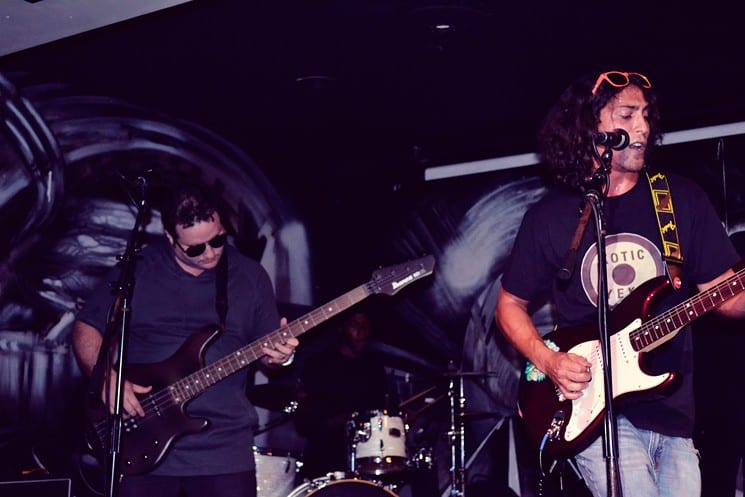
I navigated through the scene as the bass player for Xotic Yeyo, an outfit that became a staple of the local alternative-funk circuit. We were the “Disco Funk Jesus” movement of the late 2010s throughout South Florida. While we were regulars on the neon-soaked stages of Wynwood and the legendary Churchill’s Pub in Miami, we were just as likely to be found hauling gear into venues across Broward and Palm Beach County. Being in a band like that gave me a front-row seat to the raw, unpolished engine of our culture. In a town famous for “playback” performers and overpriced bottle service, being part of a live, rhythm-heavy band was our way of proving that there is still a pulse beneath the neon.
That pulse took us from the underground to the professional stage in ways only this region can manifest. For a time, we were a fixture of the live entertainment for Florida Panthers games. We’d start the night out on the Pavilion, playing for the crowds streaming through the main entrance of the arena, then haul our gear up to the club level to hit the stage during intermissions and keep the energy high after the final buzzer. It was a study in contrasts: one hour you’re playing in the sweltering outdoor air, and the next you’re providing the soundtrack for thousands of fans under the bright lights of the concourse. It was the ultimate South Florida hustle, finding a way to make the funk fit everywhere from a street corner to the executive level of a sports franchise.
There is a specific physicality to playing music here that the rest of the country doesn’t understand. It’s the 95-degree load-in through a back alley in Hollywood, West Palm, or Little Haiti, where the humidity is so thick it feels like your bass strings are fighting back. I’ve spent countless nights hauling gear through the salty air, watching the condensation form on the chrome of my bass before I even hit the first note.
People often obsess over gear, asking about specific boutique amps or vintage pedals. But South Florida teaches you a harder truth: the tone is in the fingers. In a scene where the house PA might blow a fuse or the stage monitors are held together by duct tape, you learn that your “sound” isn’t something you buy; it’s something you wring out of the instrument through sheer force of will. Whether I was playing a G&L Jazz or a short-scale Mustang, the goal was the same: provide the rhythmic anchor that kept a roomful of people moving until the sun came up.
That era peaked for us when we took that live energy into the studio with Andrew Yeomanson, better known as DJ Le Spam. Recording at his City of Progress studio in North Miami was a lesson in analog truth. Le Spam is a guy who lives the music, he’s an all-analog purist who captured our sound onto magnetic tape.
He was the one behind the board for our single “Slide to the Left,” and his influence was the secret sauce. He didn’t just record us; he dialed into the frequency of the band, capturing the “one-take” tightness we’d spent years perfecting on the road. We weren’t just playing music, we were documenting a vibe that is unique to this corner of the world, a mixture of rebellious art and pure, unadulterated party energy.
But being at the foreground of a movement means you’re the first to feel the impact when the wall hits. Just as we reached that high watermark, the pandemic arrived and effectively snuffed out the flame. It wasn’t just a pause, it was a total shutdown of the ecosystem we had bled for. When the venues finally creaked their doors open months later, the landscape had shifted. The momentum was fractured, the venues were struggling, and that specific, electric energy that had defined the late 2010s seemed to have evaporated into the stagnant air. It was a long, quiet stretch where it felt like the heart of the DIY scene had stopped beating entirely, leaving those of us who lived for the stage wondering if the “live” era was officially a relic of the past.
However, South Florida grit is harder to kill than people think. Take Churchill’s Pub, for instance. For decades, it was the dirty, beating heart of Miami’s underground, a place where you’d have a hardcore punk band followed by a country blues trio, followed by our own brand of psychedelic funk. We thought we’d lost it forever during that long silence, but as of this May, the lights are back on. Seeing DJ Oski bring MiamiPalooza back to those hallowed, beer-soaked floors on May 2nd wasn’t just a win for the scene, it was a signal that the sanctuary of the “weirdo” still has a lease on life.
The credibility of the scene never came from a social media following; it came from that “hot and sweaty” mentality. We’re from a generation of musicians who pride ourselves on the “high watermark” of the live performance. If you couldn’t deliver the groove in the moment, with the sweat dripping off your nose and the crowd pressing against the monitors in a room that hadn’t seen a working AC unit since the 90s, you didn’t belong on the bill.
Today, when I look at the South Florida horizon, the venues change and the names on the marquees are often replaced by corporate sponsors. But the soul of the place hasn’t changed. It’s there in the resurrection of Churchill’s, and it’s there in the hands of the musicians who refuse to compromise.
South Florida is at its best when it’s loud, unrefined, and unapologetically real. We might lose a few historic spots along the way, but as long as there’s a bass player somewhere in a garage from Boca to Kendall refusing to play it safe, the real South Florida is still alive. The tone, after all, is in the fingers.
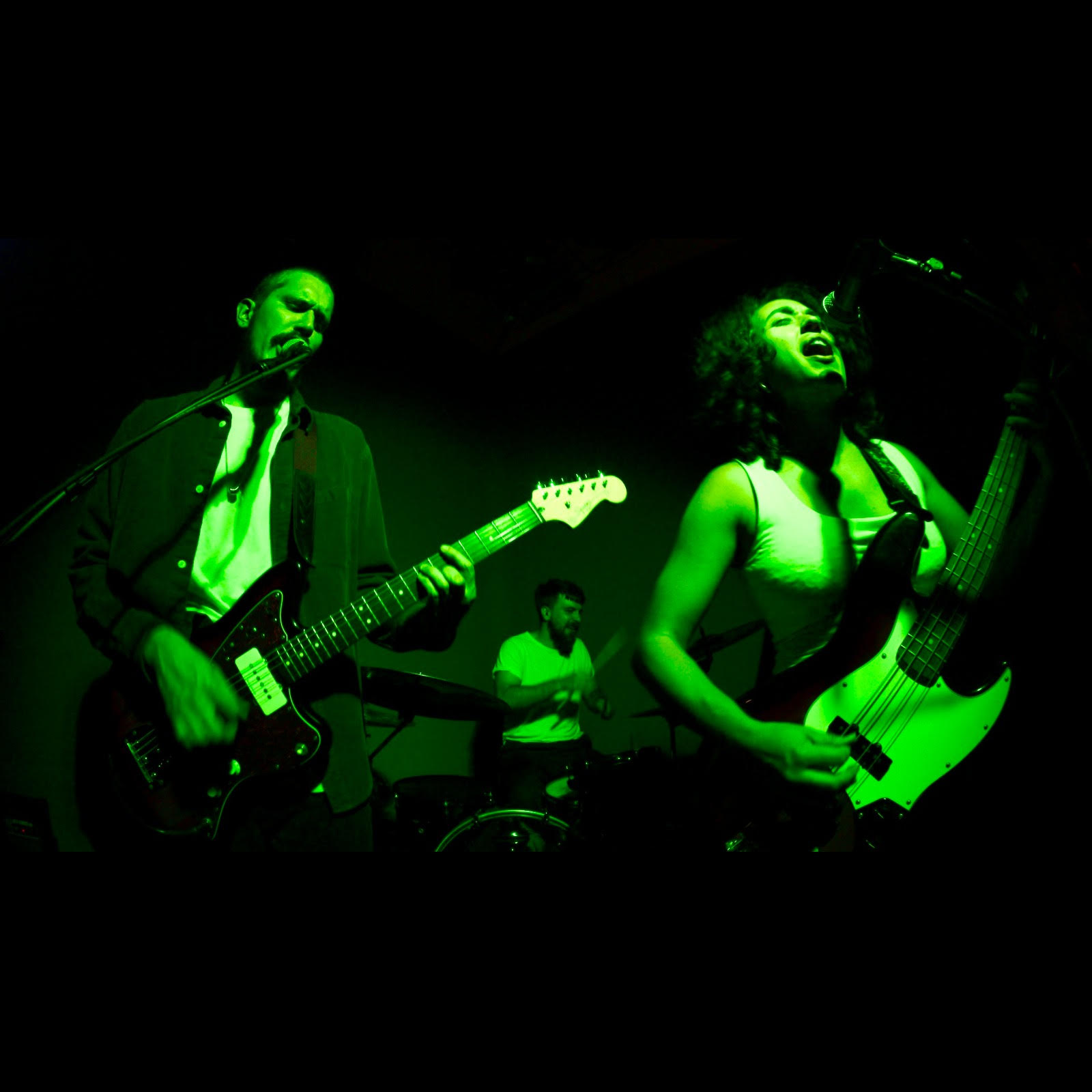
South Florida is one of the principal locations for the reemerging screamo genre. A style of music coined from hardcore subcultures in the 1990s. This music is raw and emotionally charged, often atmospheric, often dissonant, yet melodic, with interesting dynamics binding it all.
The South Florida screamo scene offers hidden treasures everywhere and this year has been great for upcoming musicians. Many screamo bands like Pictures of Lucy, Sana, and For Odette have released easily accessible music with a genuinity that makes it less about being recognized and more about being witnessed for what this genre symbolizes: community, intimacy, and authenticity.
As a frequenter of local shows I’ve recognized that this scene is less about making it out, or making it big, but that many of these musicians are groups of friends who just want to share their craft with people who appreciate their work just as much.
Pictures of Lucy
Among these new artists, a band called Pictures of Lucy has grabbed my attention as their sound falls into the classicity of post-hardcore, and abandons chaoticism and replaces it with romantic dissonance.
Characterized by a non-commercial sound and a blend of genres like screamo, post-hardcore, and math-rock, their newly released EP “POL” is energetic, emotional, raw, yet possesses a dreamy and melodic atmosphere ideal for pensivity. Honestly, their music is not easy to describe, with influences from bands like Train Breaks Down, Toe, and American Football, Pictures of Lucy has brought structure to a unique blend of genres that differs from many other bands in the Miami and South Florida music scene. This predominately female three-piece is composed of drummer Isabel Perez-Benitez, Sophia Walsh as bassist, and Dylan Arafa on guitar and vocals. Promising us a release show soon, you can find them in flyers for shows typically organized by Equinox booking and you may check their pages respectively for any updates. @picturesoflucy.sfl on Instagram.
You can find their EP, released only last week, on most platforms including Spotify and Apple Music.
For Odette
For Odette’s aesthetic presence is noticeable in both their music and the manufacture of their art and merchandise. Bella Giraldo’s and Kalimah Richardson’s vocals have an elasticity in sound that alternates from quiet and melodic to powerfully loud during screams, while maintaining and toying with delicate femininity all throughout. Their music is a blend of post-hardcore, second wave emo, and screamo. Characterized by a poetic, raw, college radio sound that is easy to get lost into. Their new EP released on February 6 offers a pleasant 1990s-like journey and showcases their impressive ability to shift through genres. Their songs often start with poetic spoken word narratives, accompanied by melodic slow-core, and follow into a speedy 1990s noise rock buildups. The band is composed of vocalist and bassist Bella Giraldo, guitarist and vocalist Kalimah Richardson, Cristina Ameller as drummer, and Jordi Perbtani on guitar.
Some of the member’s musical influences include Braid, Unwound, Daitro, Slint, This Day Forward, with some contemporary bands like Crochet, I Hate Sex, and La Dispute. If this sounds like something that interests you I encourage you to check out their debut release “Pennant” available on Spotify, Bandcamp and other platforms.