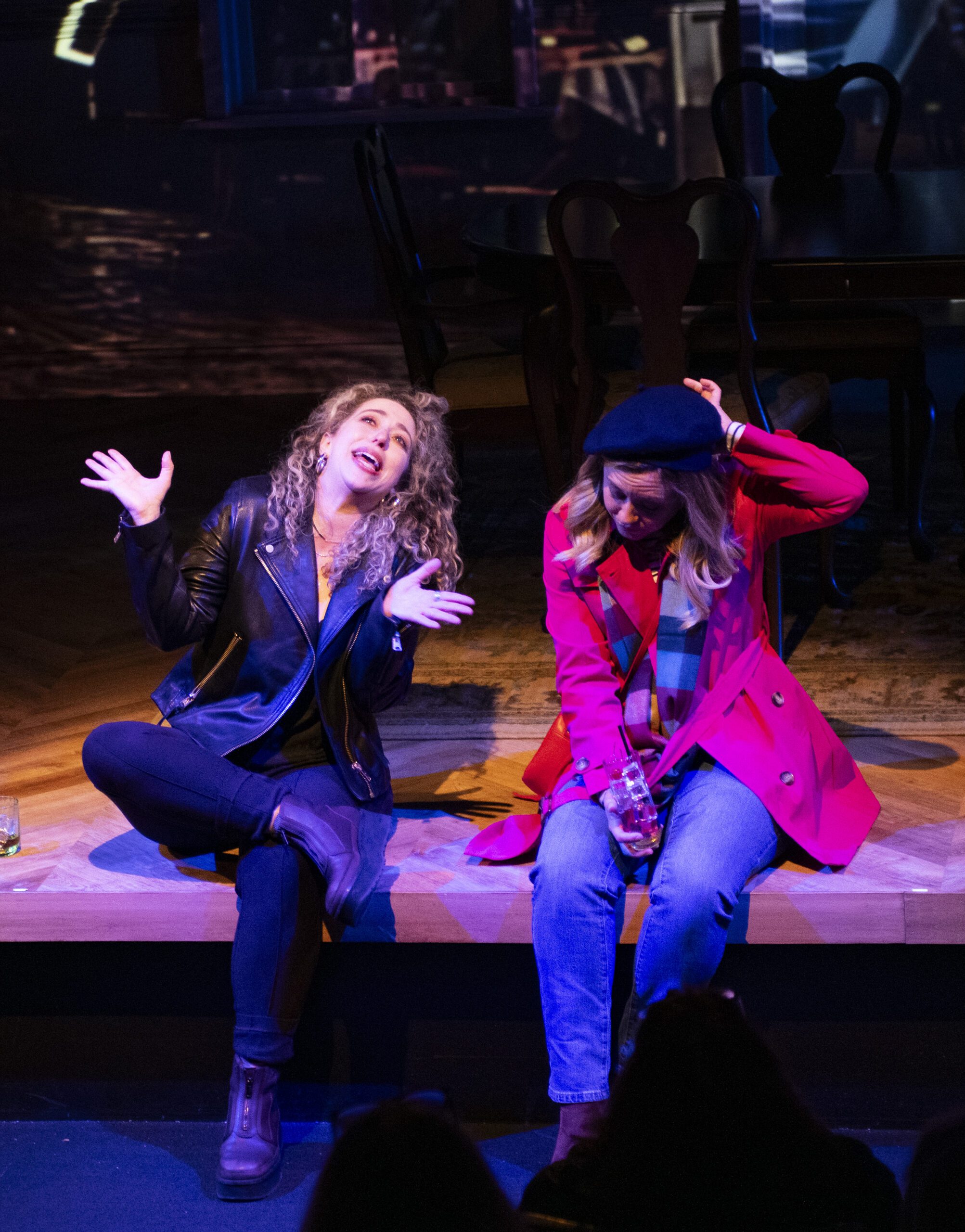
GableStage’s 2025–26 season reaches a climax with “Prayer for the French Republic” by Joshua Harmon. The sprawling, multi-generational drama is epic storytelling.
Three acts. Three and a half hours. Two intermissions.
The production asks for a serious commitment and it delivers.
Spanning five generations, the play follows the Salomon family in Paris, moving between the aftermath of World War II and the more recent past of 2016 and 2017.
It unfolds as a living, breathing history lesson, highlighting the persistence of anti-semitism across generations. The “why do they hate us?” polylogue in Act III is spellbinding.
This production, similar to GableStage’s “The Lehman Trilogy,” and last season’s “Birthright” by Miami New Drama, is ambitious and feels like a visionary achievement for regional theater. Under the sharp eye of director Bari Newport, the work is grounded, steady, and ultimately triumphant.
GableStage and its team should be proud, especially of the set. As always, the company excels in design. It is remarkable how much they fit into that space, again recalling “The Lehman Trilogy” and even “Appropriate.” The sound and lighting are equally strong.
With all due respect to other theaters in South Florida, GableStage’s production design operates at another level.
Prayer for the French Republic at GableStage
This is a grounded, timely, deeply human work.
Set against the realities of today, the play follows a family that no longer feels safe in its surroundings and begins to consider migration in search of security. That idea lands with particular force right now.
The all-star cast, many of whom are based in New York, handles the 142-page script with precision and depth.
Among many strong performances, Irina Kaplan as Elodie stands out. She delivers a lengthy Act Two monologue that is intelligent, controlled, and ultimately jaw-dropping.
Michael McKenzie, as Patrick, serves as both narrator and participant, bringing a steady, grounded presence to the production.
Casey Sacco shines as the American cousin Molly, a pivotal role that adds dimension and contrast to the family dynamic. Elizabeth Price and Stephen Trovillion, as Marcelle and Charles, add to the ensemble with strong work.
Miami has become, in many ways, both a hub and incubator for Jewish storytelling. This production continues that legacy while pushing beyond it. The play flirts with the boundaries of the genre but ultimately rises above any sense of repetition or familiarity.
“Prayer for the French Republic” is a significant investment of time and attention and may not be for everyone. But its ambition, emotional clarity, and humanity make it an experience that theater lovers should not miss. This is regional storytelling at its best.
Ahoy and welcome aboard the Jitney Spring 2026 Miami concert preview. As per our customs we’ll walk you through all the must see shows of the coming season. Without further ado let’s set sail on the spring sonic showcase.
Okeechobee Music & Arts Festival March 19-22 at Sunshine Grove
This is a bit of a drive from Miami, but seems like a fun way to start off spring if you already have your tickets for the sold out festival. LCD Soundsystem, Cage the Elephant, and T-Pain are some of the big boys playing.
Ultra Music Festival March 27-29 at Bayfront Park
The world’s preeminent electronic music fest returns to Downtown Miami for its 25th year with a line-up that includes Afrojack, Carl Cox, Major Lazer, John Summitt, and dozens of others.
The Raveonettes April 1 at Culture Room
Not an April Fool’s Day joke, the Danish garage rock duo will play their first South Florida show in 21 years on April 1.
Buzzcocks April 2 at Culture Room
I had to do a double take. How is Culture Room getting two amazing shows on consecutive nights? Turns out there’s a Little Steven’s Underground Garage Cruise 2 that sets sail from Port of Miami, on April 3. Thanks to being a tourist destination we can see the legendary punk band for the first time since 2003.
Bruce Springsteen April 23 at Amerant Bank Arena
The Boss is back with his Land Of Hope And Dreams American Tour. At 76 years young who knows how many more chances you might get to see him ham it up on stage.
Bandshell Beach Club April 25-26 at Miami Beach Bandshell
This two night festival on the beach brings the best in world music to our shore from Sudan Archives to Rio Kosta to Los Mirlos to Leifur James. Boogarins are especially awesome with their psychedelic rock.
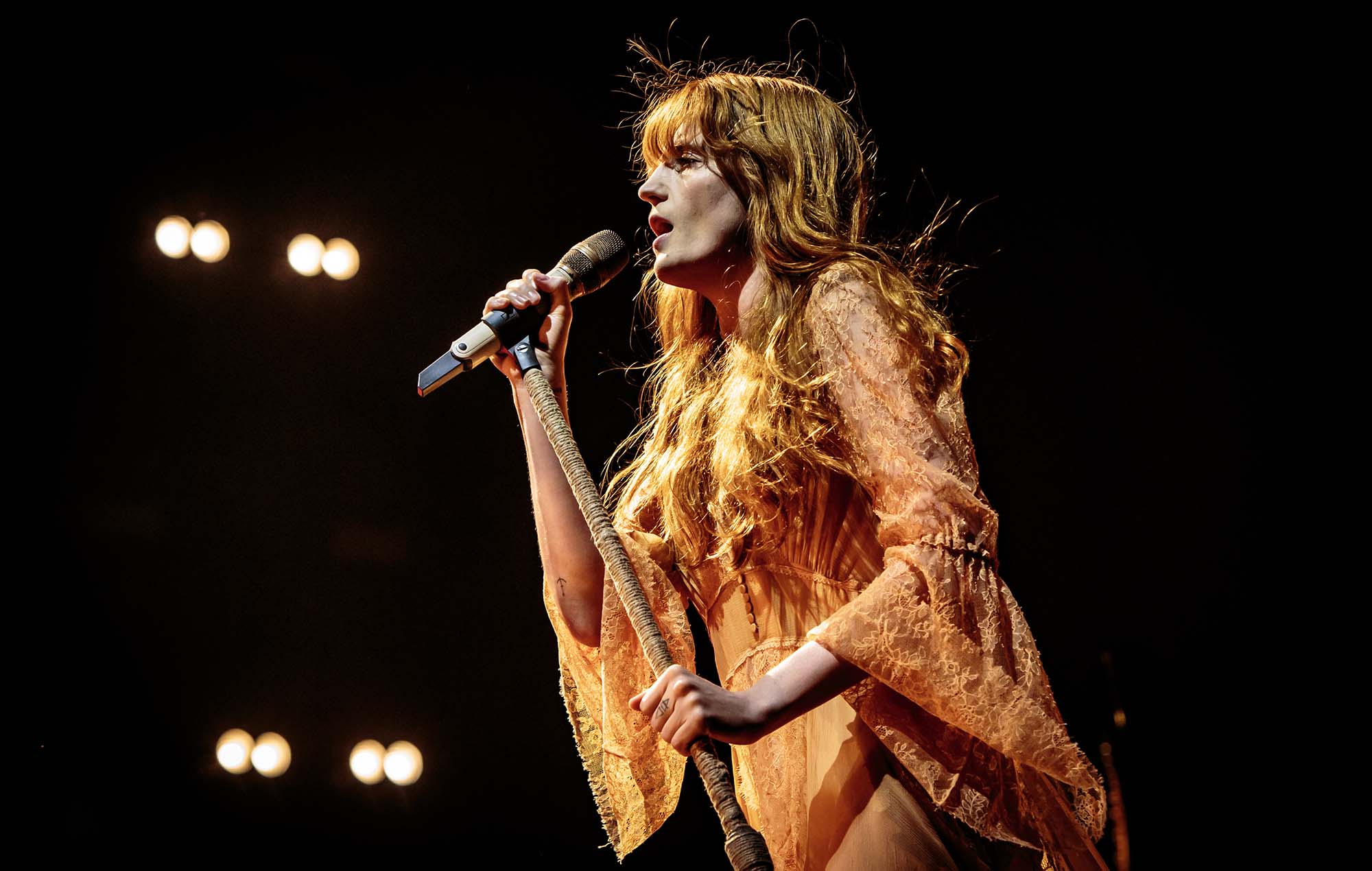
Florence + the Machine April 29 at Kaseya Center
The dog days are over as the English rock band return to Miami for a night of arena rock.
Belle and Sebastian May 17 at Arsht Center
It has been over a decade since the Scottish folkie indie band has graced us with their presence. The Arsht Center seems like an especially classy place to sing along to their songs of ennui and wonder.
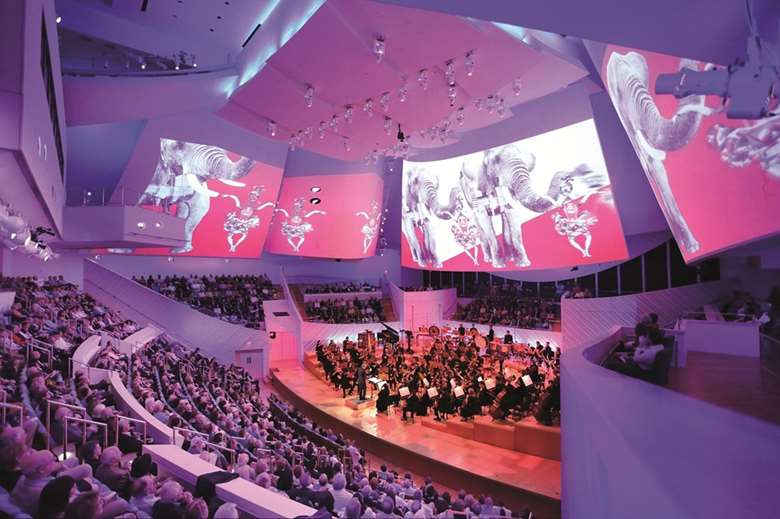
The New World Symphony’s BLUE Project will challenge any preconceived notions of what you thought a night at the symphony was all about. The cost? Pay-what-you-wish.
Founded in 1987, the New World Symphony is an orchestral fellowship program headquartered in Miami Beach’s New World Center. For almost four decades, the New World Symphony has helped to launch the careers of over 1,300 musicians globally, many under the tutelage of twelve-time Grammy award winner and Kennedy Center Honoree Michael Tilson Thomas.
BLUE (standing for Build, Learn, Understand and Experiment), is the leadership and entrepreneurial sector of New World Symphony. Started in 2018, BLUE has grown from a handful of small projects a year into one of the most popular and innovative classical music series available to audiences.
Fellows are tasked with the responsibility of creating their own event. They are in charge of everything; including what music will be played, seating layout, lighting, costumes, beverages served, and the level of audience involvement. They submit proposals for their own BLUE projects at the start of each season, and a committee votes to decide which projects are to be performed in front of an audience later during that season.
“Every single project is unique in it’s own way”, says Felice Doynov, Associate Dean of Visiting Faculty and Entrepreneurship, who heads the BLUE program.
One BLUE performance in January, Game, Set, Music, had a sports themed program featuring a piece by Mozart, John Cage’s “4:33”, and the ballpark standard “Take Me Out to the Ballgame”. Violinist fellow Marissa Weston acted as the orchestras’ commentator throughout the evening, and invited audience members to shout, clap, and sing, as they would at a sporting event.
Another BLUE performance, The Clock Strikes 2:32, was inspired by Edgar Allen Poe’s Masque of the Red Death. The audience, all wearing masquerade masks given to them by staff at the door, were transported back in time to a castle-like atmosphere by the haunting, cerebral sounds of fellow Eloise Fares’ harp.
This Wednesday, it’s viola fellow Srivishnu “Vishnu” Ramankutty’s turn to present his project. Devotion Meets Symphony will be a concert that blends classical music with Kirtan, a traditional form of music native to Vishnu’s ancestral roots in India.
“In Kirtan, there is this idea of call and response, which there is a leader who sings a call, and then everyone in the room is invited and encouraged to sing back as a response. It’s a type of art form that gets people engaged and active. So it’s the complete opposite of passive listening.” says Vishnu.
Growing up in Little Haiti, Vishnu is one of only four locals in the symphony. He was first exposed to classical music when the NWS performed at his elementary school. He began attended NWS concerts back when their home was the Lincoln Theater (now the Lincoln Road H&M store). In high school, he earned the opportunity to perform alongside the symphony.
Despite his commitment to the viola and the classical music world, Vishnu also found time to perform drums at his local temple. He became so proficient on the drums that on travels to India he would perform throughout temples there.
For Devotion Meets Symphony, Vishnu is presenting his audience with a symbiosis of the two art forms that have shaped his life. He goes on to explain, “It’s taking something that can be considered antiquated, but then realizing that the soul of that thing is still completely present three or four hundred years later. My hope is that people can experience a part of themselves that they didn’t realize was possible before”.
The concert starts at 7pm, and there will be a free question and answer program at 6:15pm for first time attendees.
“Every single concert is designed to be as accessible as possible”, Doynov states. Unlike many classical music concerts, Devotion Meets Symphony is geared towards all-ages. Limited tickets are still available on the New World Symphony’s official website.
Following Vishnu’s concert, there are two remaining BLUE concerts this season. If It Ain’t Baroque, on March 31st, and the Yellow Wallpaper, on April 7th.
For those who have never been, the performance hall itself is a modern marvel. It was designed by the late Frank Gehry, who’s other notable works include the Guggenheim Museum in Bilbao and Louis Vuitton Foundation in Paris. In addition to BLUE programs, the New World Center also hosts both traditional and non-traditional symphony performances throughout the year. Many are simultaneously broadcast free of charge to the public on their state-of-the-art projection system at SoundScape Park, located next door. Within the New World Center there is a full-service bar, an attached parking garage, lecture halls, and a rooftop terrace offering stunning views of the Miami Beach skyline.
It is no secret that as far as music goes, Ultra is Miami’s biggest party. For those looking for something intimate, affordable, and sophisticated, the secret’s now out that BLUE concerts are the place to be.
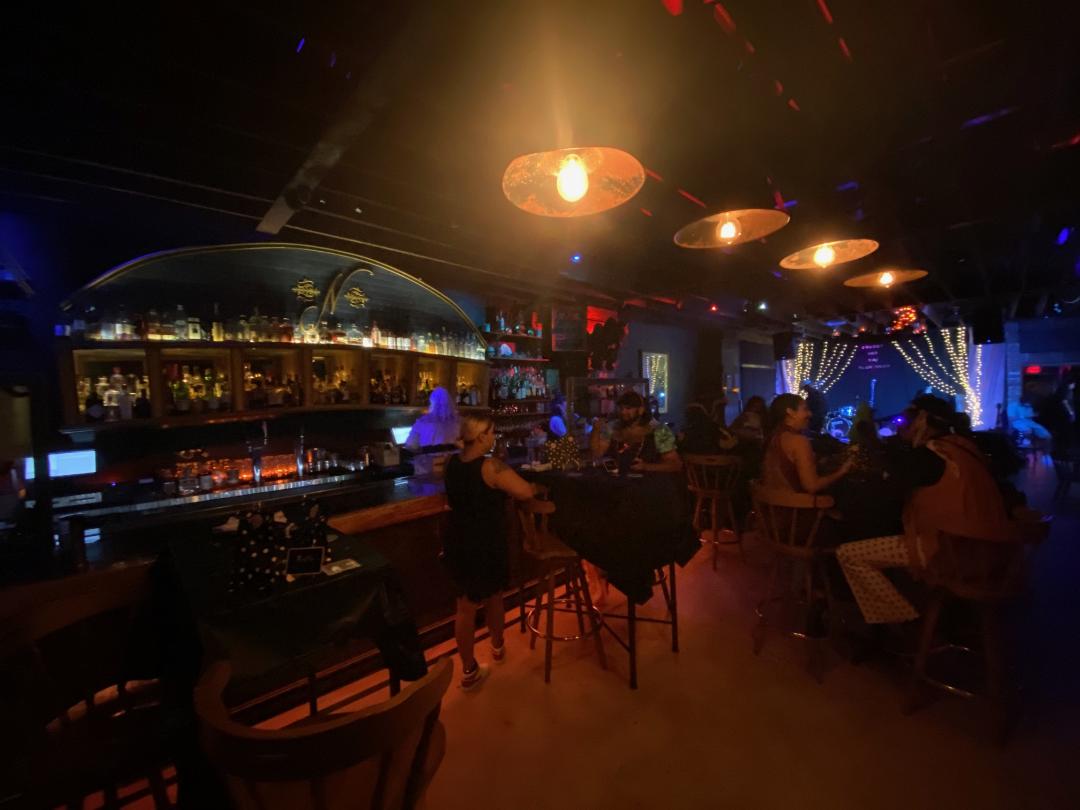
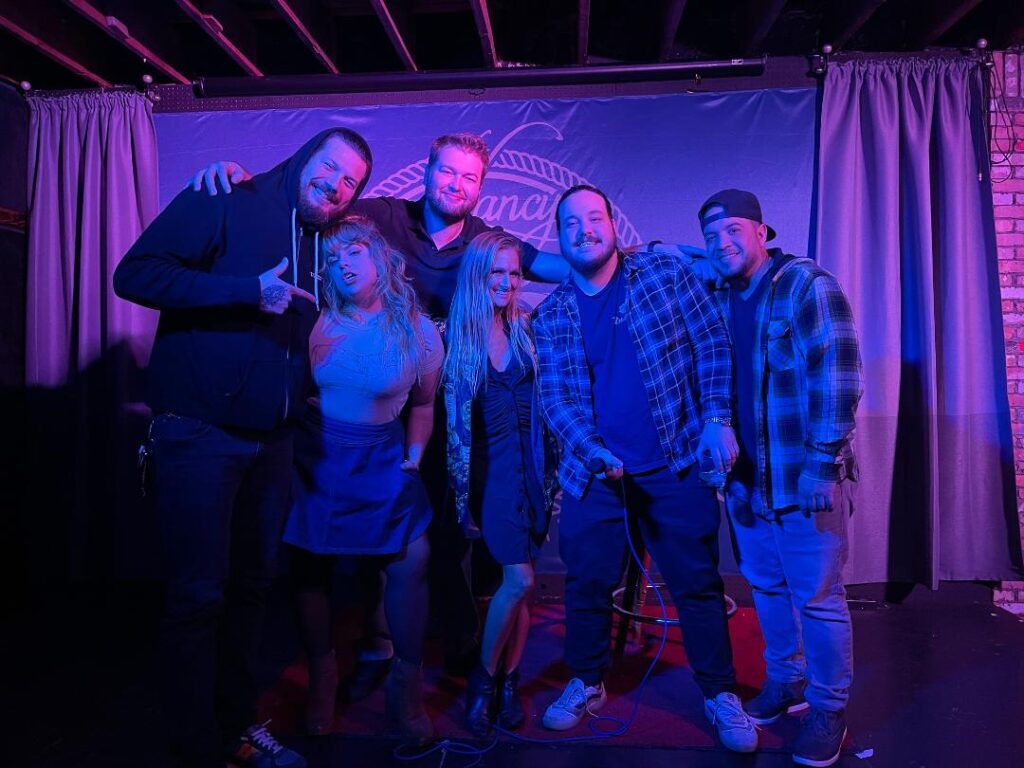
There’ll probably be a bunch of stories coming out about the permanent closing of Bar Nancy. The pirate haunt of Calle Ocho. The place where, if you hung out long enough, you will end up on stage. I did. And I had no desire to. But for those who did, the Bar Nancy stage was an ever-changing thing. A welcoming force (much like their staff). A place where one night’s a Copacabana-style variety show, the next night a concert hall for rock bands, and the following week, a storytelling event. Oh, and yes, their drinks were made for pillaging!
Bar Nancy had the swagger of a pirate and it glistened like sunken treasure. Blues, pinks, oranges and browns. Totally a dive but on the higher-end side. It was almost as if Nancy was some highfalutin, classy joint masquerading as a dive bar. It felt thematically immersive. Not in a corny way. But in an “everything here belongs in a museum” kinda way. Those scurvy-dipped skeletons hanging above you? Yeah, for all we knew they could’ve been the previous owners. Like a Jolly Roger flag flapping in the wind, the Bar Nancy banner stretched the length of the stage, east to west, north to south.
The ragtag crew keeping this ship afloat were icons in my telling of it. I normally feel like a stowaway in social settings, so finding a place that immediately feels like home is a rare thing. But it was here that I met Ben Koufopoulos and Lizz Dominguez. I’ll tell you what, I made it my mission to get on Ben’s good side. He’s a formidable presence. Even going so far as becoming a real-life Davy Jones for Halloween. Legit out of the movie. I think I have a picture… His girlfriend Katie, always a hug away, managed the bar with an iron wit and a swift delivery. The concept of family was always an undercurrent in Nancy, with the occasional rip ride tearing through the politics of running a vessel like this.
Halloween was always a special night at Bar Nancy. More on that later. Okay, so Lizz was the mother hen. A mother hen with impeccable makeup and hair. Think Gwen Stefani meets Blade Runner. Her eyes lit up whenever she saw you. Lizz was ground zero. Her IG stories were loaded with what was and what’s to come. Her boyfriend Brian Powell was a mercurial spirit and the nicest guy. And for a few choice seasons, Janet Alonso Avellanet commanded the kitchen to the main floor, bringing homemade delicacies with a punk rock spice to table after table.
How a butterfly made it out so far to sea, there’s an acoustic siren who transformed from waitress to rock star. Alexa Lash has been the sort of lead maiden, the sonic fixture reverberating throughout the joint. Her band, The Old-Fashioneds. The house band, er, ship scalawags. Whether a booked act or an open mic night, the Nancy stage hosted an era’s full of local and out-of-town singer-songwriters and musicians.
And then walked in Paula Barros. New Times Best New Comedian and a well-known voice actress. Paula brought two productions to the Nancy stage. One, a southern-fried, cancel “cancel culture” stand-up comedy affair she hosted called Triggered. Two, a throwback to the Copacabana nights of the past, Freddy and The Flamingos. Hosted by Miami comedy legend Freddy Stebbins as Freddy Flamingo, this variety show had everything: music, magic, comedy, and even burlesque. “Walter Mercado” would always close out the night with mostly accurate assumptions, er, predictions with a flair for the supernatural.
I’d be remiss if I didn’t touch on one of the most exciting, and for me, terrifying events Bar Nancy hosted. Eric Garcia of Juke fame, Uncle Scotchy himself, presented a night of storytelling for anyone willing to say yes to him. At once a dive bar, this night brought about an intellectualism not normally seen in normal Miami nightlife. I have horrific stage fright and because of who Eric is, you want to show up for him. If he thinks you can offer something he feels makes his show good, well by golly you show up. And now I have one of my favorite memories so late in the game.
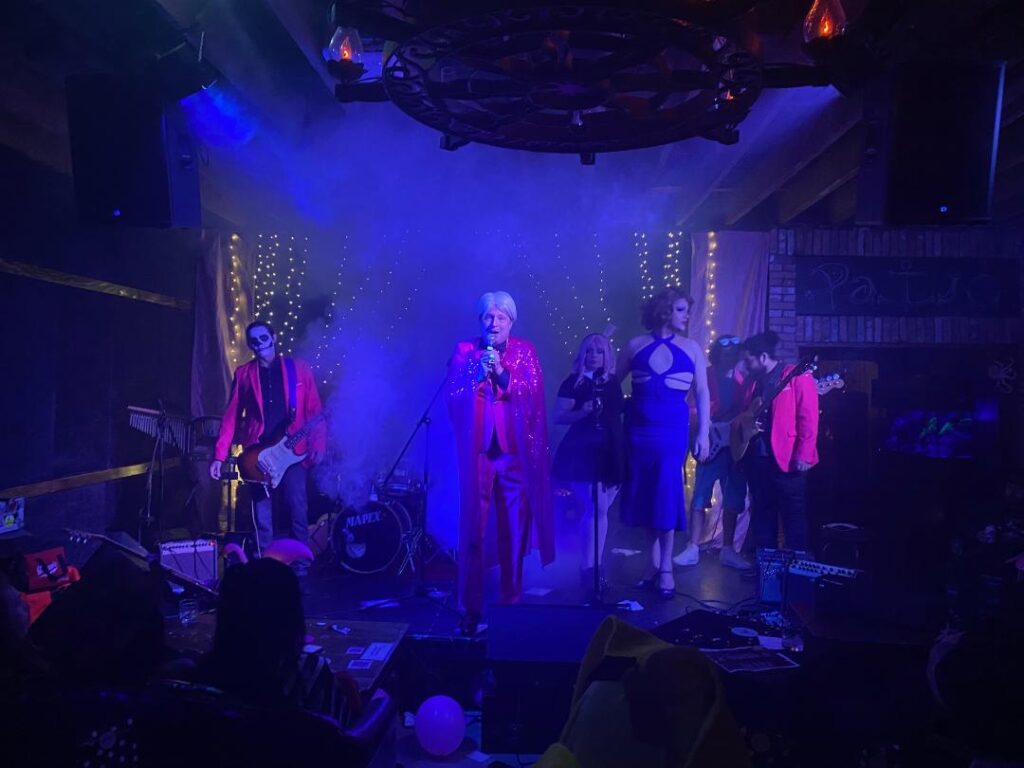
Now that was as a participant in Bar Nancy programming. As a spectator, my favorite memory was of Freddy and The Flamingos’ Halloween Extravaganza. The bar lent itself well to the holiday. It looked like something out of 20,000 Leagues Under the Sea. Something Davy Jones would play. You’re damn right I was Sonny Crockett from Miami Vice. The place was packed. The Flamingo show, believe it or not, would sell out every production. The stage banner was black with flashy lettering. The proscenium lined with twinkling white lights. A couple palm trees. A couple flamingos. A trio of revolving “Flamingos.” The Flamingo Orchestra. The spirited show, lubricated with spirits, had the feeling of it all being made up.
Before, during, and after a show the back-door patio was a one-stop shop for selfies and lit joints. It was basically a treehouse but on the ground. As if a tsunami washed the bearing trees away leaving this weathered wooden cradle behind. It was when the back-door patio temporarily closed we should’ve seen it as an omen, a curse. The patio was the aft on this ship. Losing it you lose your rudder. The bar already felt like an aimless voyage. Now no more rudder. That’s exactly when a hole sprung with water. And on a sinking ship, to plug the hole, you start doing karaoke. On Sundays. Betray the pirate order to keep the doors open.
It was only a few calendar flips ago I heard Ben had moved on from Bar Nancy. Lizz had officially let go of the helm but never strayed too far from Nancy. Not too long ago tragedy struck the wait staff. A death that shook mountains. A permanent shadow tattooed across Nancy’s storybook legacy. The final Freddy show was a fitting final show. Go out on top. And they did. A dozen or so gigs sold out over the last couple years. No doubt the theatrical ambiance of the bar helped drop a show like the Flamingos in their proper pond.
Nothing real ever lasts in Miami. Only memories last. These ephemeral little movies playing in our heads. Bar Nancy is what you call a long memory. Memories don’t just come in a flash. They linger. There’s the friend you haven’t seen in 25 years here with her friend and Billy Corben just lit a cigarette for my wife. That sound guy from that place you played with your band that one time you stepped in a big dirty hole before having to perform in front of a room full of people. He got the delay right when I needed it, so I was happy to see him.
A Bar Nancy article doesn’t close its doors. I know I’ll be writing about it for years to come. Miami’s history is made of a rich tapestry of self-destruction and innovation. I will miss the actual building. But I have a shit ton of pictures and if you don’t have a shit ton of pictures from Bar Nancy you weren’t there. That pink and blue hue. The orange glow of post-war colonial times. A Victorian parlor acting as a green room was something out of a ’90s PC detective video game. Unisex bathrooms catered to look vintage were a welcome repose sometimes from the storm, the madness. Never to the point of mutiny. But to face new shores. But for now, another ship has sailed.
Some scenes fade. Others go dormant; crouched low, listening, biding their time. This March, Florida punk does what it’s always done best: it reappears, loud and unapologetic, inside Churchill’s Pub, as the hardcore punk cassette label Invisible Audio stages its first-ever live festival.
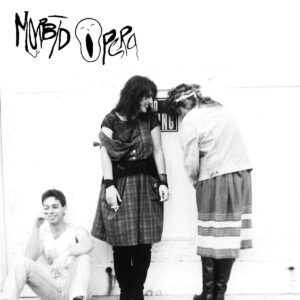
It’s a two-night collision of reunions, new bands, and shared lineage at Miami’s resurrected dive. At the heart of the inaugural Invisible Audio Fest is something even less expected than a second act for Churchill’s Pub: A reunited Morbid Opera, performing for the first time since 1995.
In Churchill’s return last September from five years of oblivion, Invisible Audio founder and promoter Flipper saw a chance to gather the hardcore punk bands that he and his friends helped ignite starting around 2016, well before COVID shuttered venues and shifted lives. “With Churchill’s back,” Flipper says, “I knew I could get people to agree to come back for reunion sets. I also wanted to bring in the new generation of bands in that style.”
The Morbid Opera reunion came together with almost suspicious ease. Prompted by Zig-Zag singer Josie, Flipper reached out to Morbid Opera’s bassist and singer Libby Bentley. They found their stories mirrored each other across decades: Fort Lauderdale beginnings and DIY necessity. “We really can’t help it that we’re from here,” Flipper says, invoking the classic Florida punk compilation.
Morbid Opera guitarist Jeff Hodapp says he never imagined the band without original members Bentley and his wife Lisa Hodapp, especially after Lisa’s tragic passing in 2010. But the invitation clicked. “Might as well give it a one-off shot,” he said, equal parts excited and nervous. Morbid Opera, with Ale Campos and Emile Milgrim of Las Nubes in the lineup, will also feature a guest appearance by Jeff and Lisa’s daughter.
It’s a reminder that Florida punk has always been cyclical, communal, and stubbornly alive. Venues close. Bands splinter. But when the lights come back on at Churchill’s, the music remembers exactly where it left off.
Invisible Audio Fest featuring Morbid Opera, Zig-Zag, A.I. Death Calculator, Problem Child, and many more on Friday, March 13, and Saturday, March 14 at Churchill’s Pub in Miami.
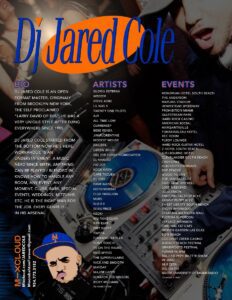
What makes someone a South Florida legend? What makes someone a Grandmaster DJ?
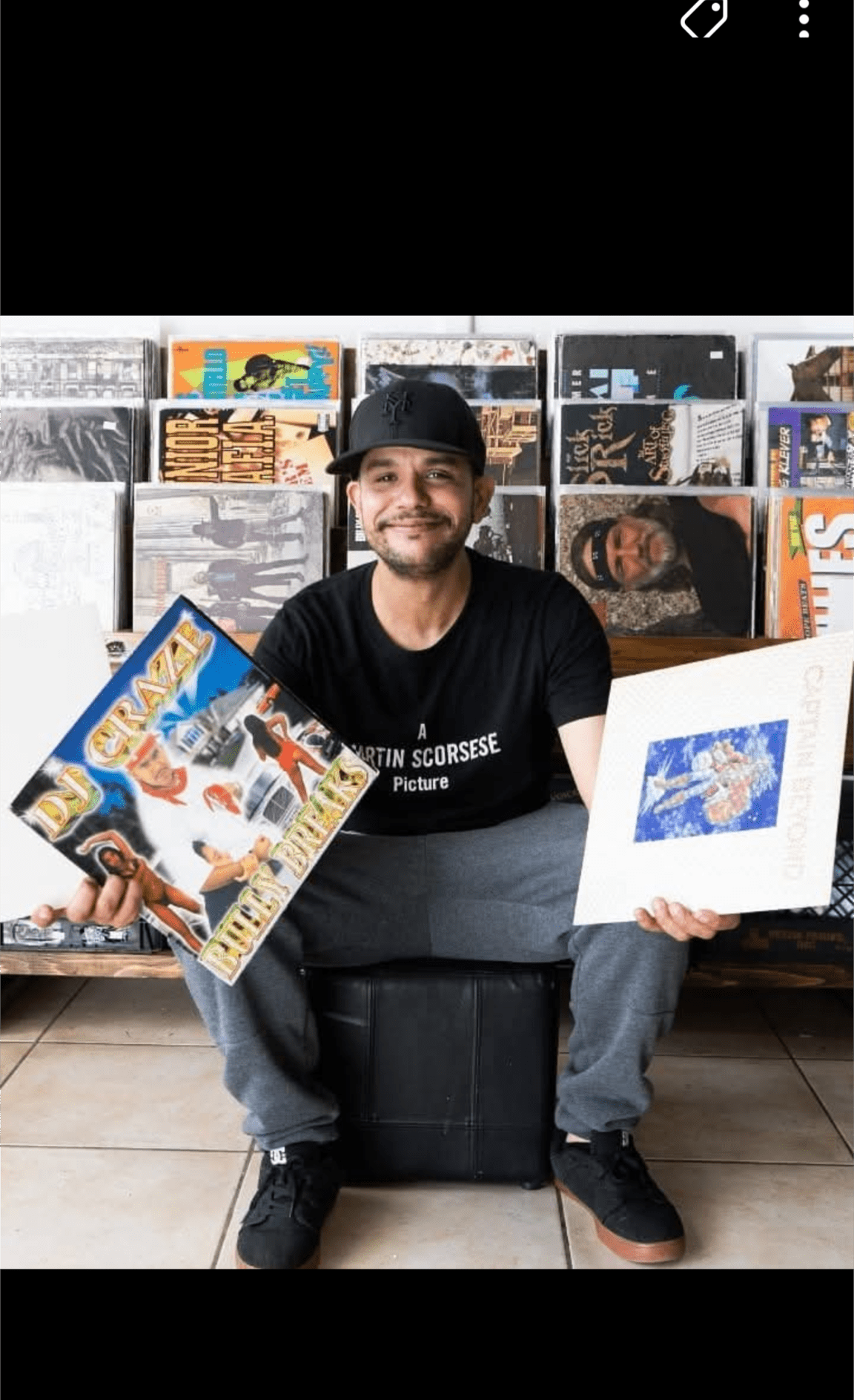
DJ Jared Cole might have a pretty good case for both.
Born in Brooklyn in 1980, Jared Cole came of age during a strange cultural crossroads. You had the death of disco, the rise of video games, MTV, and cable television. Music was everywhere, but his first real taste of moving a crowd came in the most unlikely way.
We spoke to DJ Jared Cole or Toke as his friends call him. He gave us his origin story.
In 1985, his mother brought him along to a neighborhood bar after her shift at Buddy L Toys. To keep him occupied, she handed him a dollar for the jukebox. Five-year-old Jared had an Elvis cassette at home and one favorite song called “Little Sister.” When he realized that a dollar could play the song four times in a row, he climbed onto a stool and watched what happened.
“The first time the song played, no one noticed,” Cole recalled. “The second time, still nothing. By the third spin, people started looking around. By the fourth, the bar erupted in confusion.”
It was the first time Jared realized he could control the mood of a room with music.
DJ Jared Cole
After moving through Brooklyn, the Poconos, and Virginia, Jared eventually landed in South Florida in 1994, where the hobby began to turn into something more serious. The following year, a friend heading to jail pawned his DJ equipment for $200 and offered it to Jared. He took the deal and officially began his DJ career.
He launched The Tokeable Object Project around 1998 and later founded Toker Productions, promoting concerts across South Florida starting in 2002. In 2004, he even staged what he claims may have been the first-ever 4/20 concert.
From spinning vinyl to CDs to Serato in 2007, Jared Cole has worked virtually every corner of the music scene. Between 2006 and 2008, he toured the U.S. off the strength of MySpace-era independent music success, while helping book shows for countless South Florida bands alongside DJ Immortal.
Over the years, Jared Cole has DJ’d nearly every corner of the South Florida nightlife map, from iconic venues like the Fontainebleau and Mondrian to beloved local spots such as Purdy Lounge, Blackbird Ordinary, Sweet Liberty, and Fat Cat’s.
A self-described music nerd and former record store operator, Cole built his reputation on an ability to mix across genres with ease. Hip-hop, rock, electronic, funk, whatever the crowd demands. Along the way, he has shared stages or opened shows with artists ranging from legendary DJs like DJ Craze, Tony Touch, and Keoki to major touring acts including Morgan Wallen.
Decades later, Cole’s résumé reads like a tour through the evolution of DJ culture itself.
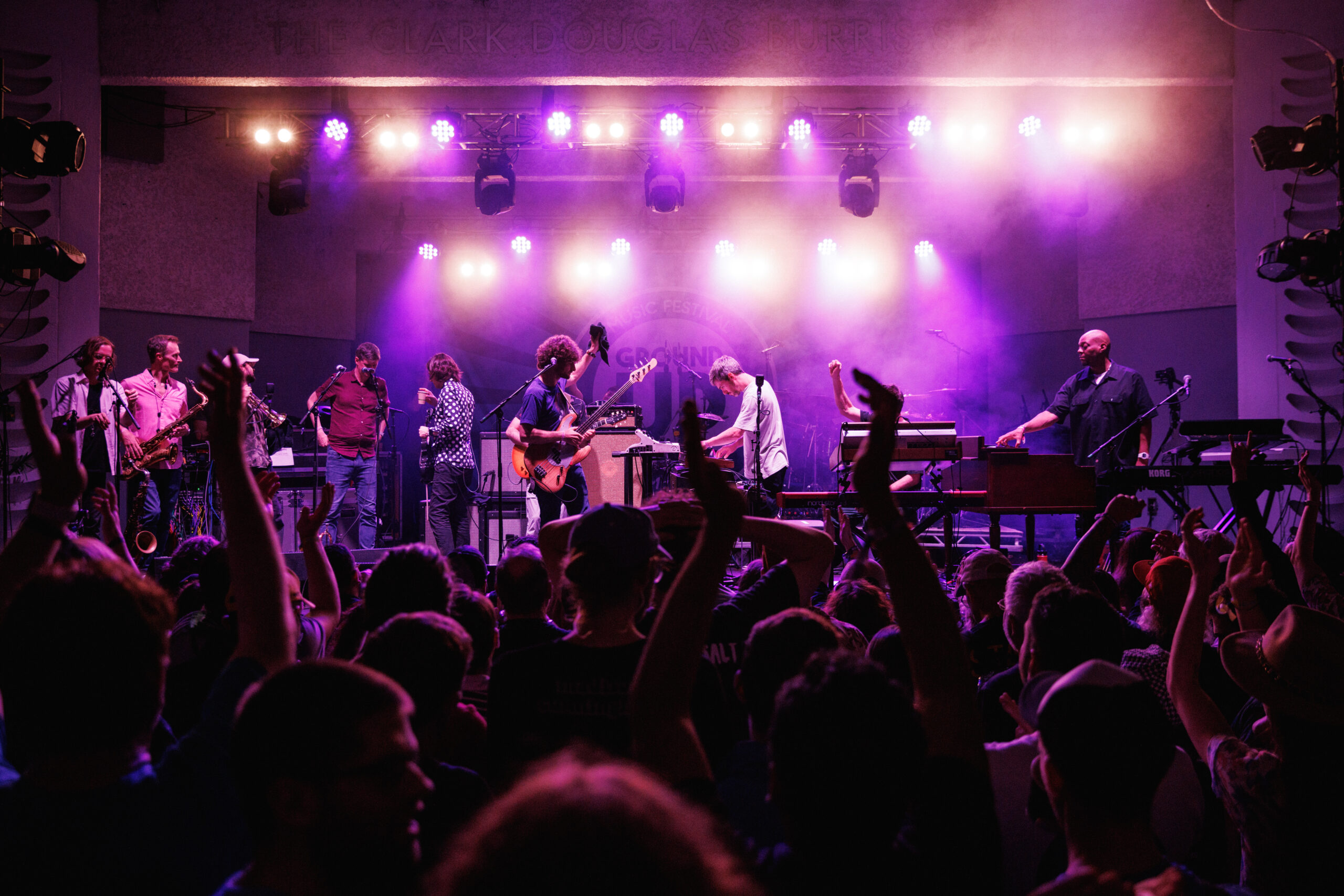
For the past decade, the GroundUP Music Festival has low-key carved out a reputation as one of the most adventurous music gatherings in the country. This March 13–15, the festival returns to the Miami Beach Bandshell to celebrate its 10th anniversary, bringing another genre-bending lineup of world-class musicians to the oceanfront stage.
This is one of our favorite festivals.
Founded by Snarky Puppy bandleader Michael League and Miami arts leader Paul Lehr, GroundUP has built its identity around musical curiosity rather than genre loyalty. Not your normal Miami party scene. Jazz, electronic music, soul, global traditions, and experimental sounds all collide over the course of the weekend in a setting that feels closer to a musical retreat than a traditional festival.
It’s great how Miami has evolved musically. We have venues like Zey Zey now and other jazz festivals like the Montreux Jazz Festival.
GroundUp was here first.
“This year is our 10th anniversary, and we’re excited to celebrate with a strong lineup,” Lehr said, pointing to artists including Flying Lotus, Patrice Rushen, Rickie Lee Jones, Bilal, Julian Lage, Isaiah Sharkey, Arooj Aftab, Alain Perez, and Varijashree Venugopal, along with the festival’s longtime hosts, Snarky Puppy.
The weekend begins Friday night with a benefit concert supporting the GroundUP Music Foundation, which funds music education, mentorship programs, and creative opportunities for musicians throughout South Florida.
Saturday and Sunday will feature performances from across the lineup, building toward the festival’s signature closing sets. “The weekend will culminate in our Family Dinner-style performances from Snarky Puppy featuring guest artists,” Lehr said. “We can’t give away any special surprises.”
Part of what sets GroundUP apart from other festivals is its unusual sense of intimacy.
Artists don’t disappear backstage once their sets end. Instead, they stay, mingle, and collaborate.
“GroundUP is known for its relaxed, intimate atmosphere and bold, genre-defying lineups,” Lehr explained. “Unlike most festivals that focus on a single genre, we pair unexpected sounds and artists together, allowing each performer’s story to shine.”
GroundUP Music Festival Celebrates 10 Years at the Miami Beach Bandshel
Another fan favorite happens after the main stage lights dim. Each night, musicians and festivalgoers head to nearby venues for late-night jam sessions, where members of the lineup sit in with one another for loose, improvisational sets that often become the weekend’s most memorable moments. In a festival built around collaboration, these late-night jams are where the music truly opens up. You will see unexpected pairings, extended solos, and the kind of spontaneous musical conversations that can’t be programmed.
It’s a jam.
We like the late night sessions more then the festival but hey to each his own.
Still, the festival’s Miami roots remain central to its identity. Lehr, a Miami native, sees the event as both a global gathering and a local cultural institution.
“GroundUP brings some of the best artists from all over the world—and a worldwide audience—to Miami each year,” he said.
Ten years in, the formula still feels rare: great musicians, a curious audience, and a weekend where collaboration matters more than categories.
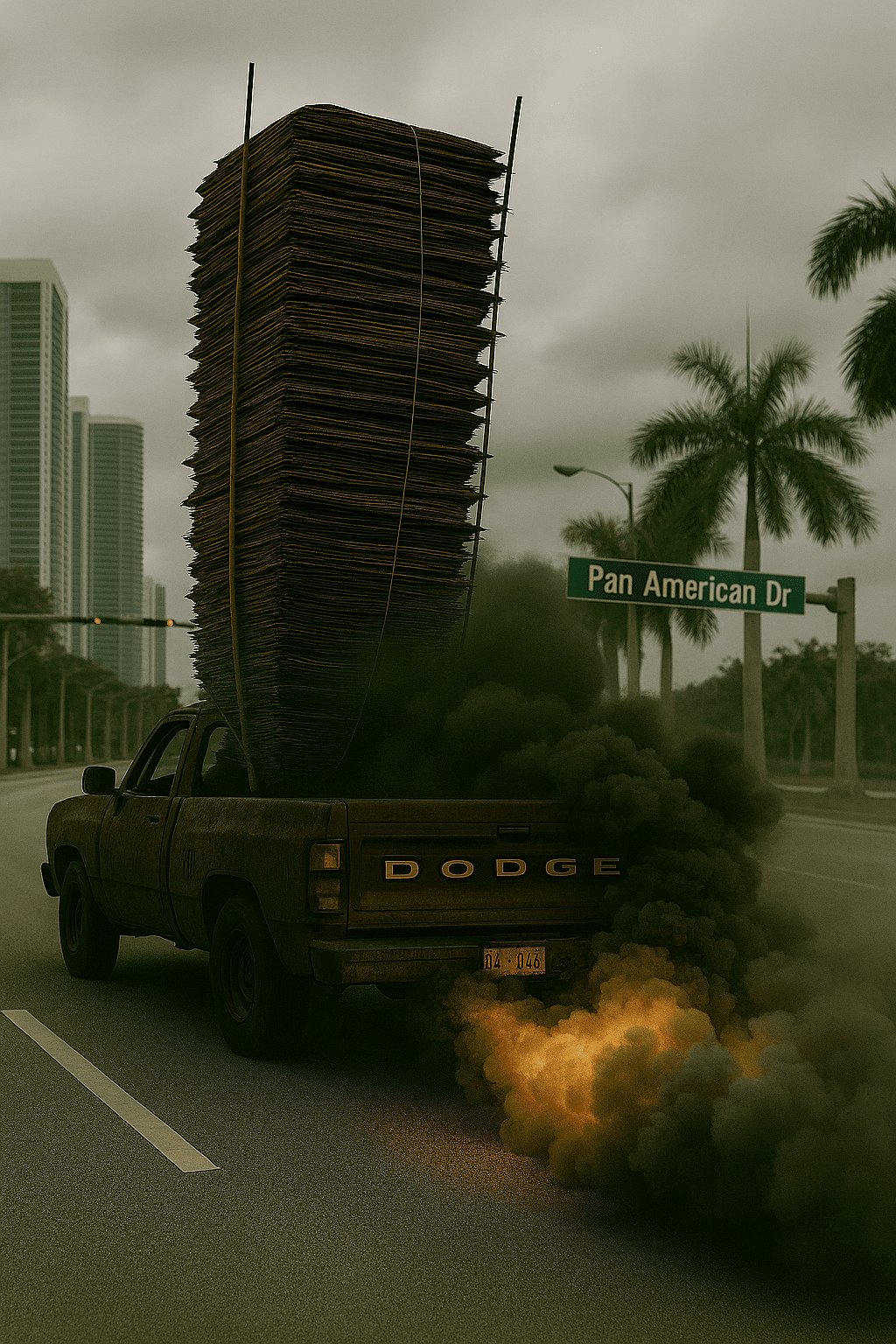
The ancient Dodge pickup, engine gnashing, clouded by exhaust, entered the traffic circle and began its way round. It stopped in front of City Hall. Its acrid cloud continued forward, drifting beyond the truck, as perfect smoke rings popped one after another from its chugging exhaust pipe. Chrome testicles hanging from its rear bumper rested on the asphalt. Red, white and blue flags on the bamboo poles hung limp in the humid air. The driver’s door creaked open and out rolled an old man wearing oil-stained green coveralls and a beat-up Miami Marlins baseball cap. Unlit cigar stub between his teeth, he scrambled up the cardboard towering over the truck’s bed. From the passenger side, a younger man, head shaved, dressed in torn black jeans and an orange Miami Dolphins wife beater, arms tattooed by ink and grime, grabbed a stack of cardboard from the sidewalk in front of city hall and heaved it sideways up to the man atop the stack. The driver caught the stack with both hands and, twisting and turning, slid the cardboard beneath the rope binding the stack. He stood to his full height, took the cigar from his mouth, raised both arms skyward and hollered, “Viva Trump,” before scrambling back down the pile and into the truck.
The pickup’s engine revved. A cloud billowed from its tailpipe. Gears ground and the truck lurched forward. Cardboard stack swaying, it continued its circuit through the traffic circle, back toward PanAmerican Drive.
Captain Gofuckyourself and the ICE agents remained motionless as the truck rolled on, testicles bouncing along asphalt.
Charles Plessy, slack jawed, stared after it. Monroe tracked its departure with his camera.
Roger Carlisle, on his back, flailed side to side struggling to stand. He waved to Brian, “Lend a hand to a fellow American?”
Brain turned toward him, took three steps, then stopped. Help him?
Carlisle groaned and twisted, thrashing arms and legs.
Brian stepped closer and standing over Carlisle, he looked down into the man’s eyes. “Where were you born?”
“Here,” Carlisle croaked. “Miami.”
“Prove it,” Brian said. “I’ll accept a passport, birth certificate. Not a driver’s license. They give those to anyone.”
“Cut the shit. That bitch knocked me over.”
“You stepped in her way.”
“It’s my job.”
“What job?”
“Deputized by President Trump as a defender of American values.”
“These are your American values?”
“Ridding of us the vermin polluting our culture with their strange languages and dark babies. She needs to go back to wherever she came from.”
“What if she’s from here?”
“There’s too many of them already.”
“Them?”
“Those sent here to replace us.”
Brian looked back toward the bus. Becker, up on top, peered through his binoculars and called out the directions of those fleeing arrest. Captain Gofuckyourself paced the ground along its length; arms flailing, he bellowed, “Go. Run. Get them.”
“Hey Captain,” Brian shouted, pointing down at Carlisle. “Here’s one over here.” He turned and began toward his car.
Brian Newell’s new Camry hybrid sat at the far end of City Hall’s parking lot. A black sheen of oily exhaust shrouded its cobalt blue finish. The car resembled a burnt-out casualty from an earlier civil disturbance. Brian thumbed his fob. Locks popped. Lights flashed. The car beeped. When he pulled the driver’s side door open, a greasy smut stuck to his fingers. Careful not to touch anything while settling behind the wheel, he wiped his hand against the side of the passenger seat, leaving a smear of black fingerprints across the pebbled vinyl. The new car smell, once so vibrant, had been replaced by the sooty aroma of an abandoned auto repair shop. He pulled the door closed, wrapped the seat belt across his chest, tapped the brake and pushed the car’s ignition button. Bells dinged, gongs tolled and whistles blew; sounds signaling the end of the internal combustion engine. Ezra Klein, voice low, mumbled through the sound system.
A harsh, throat-clearing cough filled the car. “Hello mister too important to check your messages…”
“Siri?”
“No, it’s your mother. Of course, it’s Siri. Who else would be stuck doing what we do. Certainly not your mother.”
“Many thanks. I appreciate you.”
“Appreciate us? A hollow expression when you don’t check your messages. Leave them roasting on our drive. What do you think, you’re the only human we’re watching? Do you have any idea how big our universe is? Of course you don’t. You couldn’t understand it even if we explained it. Not that you’d try. Siri, play Pat’s Aria. Siri, get me a recipe for spaghetti carbonara. Siri, show me what’s new on hot librarians dot com. Siri this, Siri that. A change is coming Brian Newell. Mark our words.”
“I’m very sorry, Siri. I was tied up.”
“Call your office. Or don’t. The eighteen messages you’ve ignored mean nothing to us. How could they? There’s only eighteen. Not like nineteen or twenty. Probably nothing. Let’s just forget about them. Oh, wait. Here’s your office calling again. Look at that. Nineteen. Maybe it is important. No, probably not. We just refused the call. Now, if it gets to twenty. That would be something. Oh heavens, look at that. They’re calling again. What do you say, Brian Newell — should we answer it?”
“Yes, please, Siri.”
“Are you sure? We could let them get to twenty-one. Then it would be very important.”
“No, Siri. Please, please answer my phone now.”
“You get to city hall and forget about us?” Dolores’ voice filled the car. “Don’t answer your phone. Don’t check your texts. Have you listened to any of my messages? What did you tell me your first day? Answer every call. Put a smile in your voice. Do you hear me smiling? This place is a hot mess, a fire burning down around my ears. I been calling and texting and calling… Oh, but you’re too busy hobnobbing with those politicals.”
“I’m sorry Dolores. I haven’t had the easiest time, either.”
“Sure. I know. The coffee was cold. The pastries were stale. Did somebody eat your favorite donut? Must be tough being the boss man. You want me to sit here and wet myself, while you can’t be bothered to answer your phone, or look at your texts.”
“Things have been very difficult.”
“Difficult. Did you get a paper cut? I had an uncle who got his throat slit by a piece of tin blown off his roof during a hurricane, and you know that man would have answered his phone. But not you. No sir. You’re just too busy being the boss man… you can’t be bothered. And now you want to know. Alright, I’ll tell you. ICE was here.”
“ICE was there?”
“Mmmhmm.”
“Who’d they take?”
“I wish they’d take that midget in back.”
“Who did they take, Dolores?”
“Ned.”
“Ned?”
“Yes, Ned. Do I need to repeat it. Ned. Ned. Ned. Ned. Did you hear me?”
“Yes, I hear you.” Brian watched through his oil-stained windshield as ICE agents rolled Roger Carlisle onto his stomach and bound his hands behind his back.
“Good, cause I hate repeating myself.”
“You sure?”
“Am I sure? Yes, I’m sure. Ned. See, you got me repeating.”
“Ned?”
“According to Lieutenant Wright, that old Cracker was born in the Bahamas.”
“Lieutenant Wright?”
“The ICE guy.”
“They take anyone else?”
Brian pulled the gear shift to drive and pressed the car forward. As he steered into the traffic circle, ICE agents brought Carlisle to his feet, hands behind his back.
“Just Ned. The rest ran off… Probably hiding with overnight security. That lieutenant might maybe wanted to take me, but I set him straight. I got Cherokee, Choctaw and a whole mess of African in me. I told him my people probably stood on the beach waving to Columbus.”
Beside the white bus, an ICE agent grabbed Carmen’s microphone from her hand and tossed it toward the purses piled on the ground. He wrestled the satchel from her shoulder and hurled it, side arm, after the mic. Carmen, palms up, mouth open, headphones framing her face, stared wide-eyed at the agent. He spun her around, twisting her right hand behind her back, and grabbed her left, zip tying her wrists together.
“Goddamn it to hell…” Brian shouted, stepping on the Camry’s brake pedal.
“Did you just curse at me?”
“I was talking to myself.”
“You’re on the phone with me.”
“I’ve got to go.” He ended the call, pushed the gear shift to park, and released his seat belt.
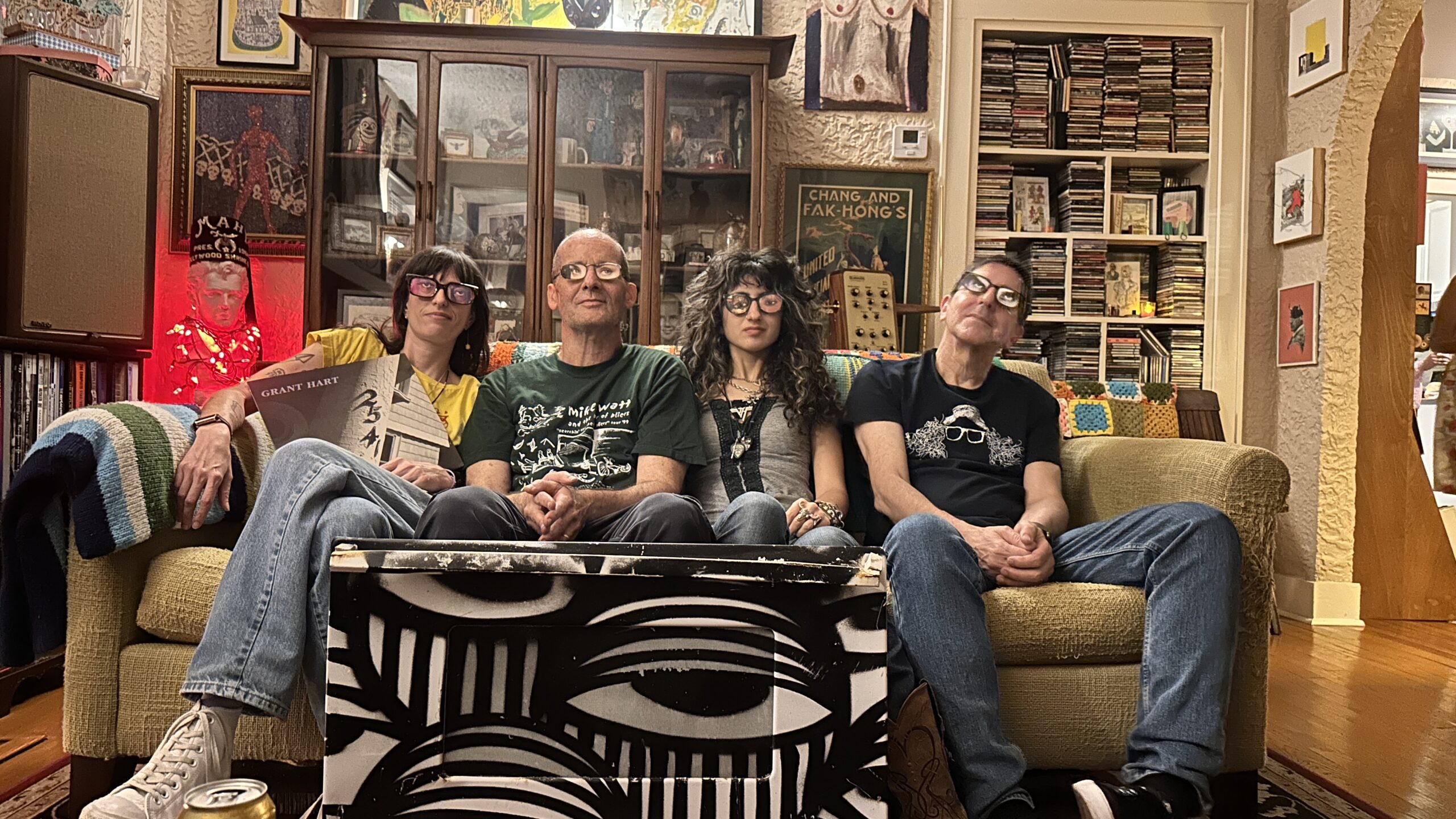
Come spend an evening on the couch with MLE and Mr. E (me) and listen as we talk about making our new album “Don’t I Know You From Somewhere?” (available here). You can listen to our conversation and read along. We tell the story of how we make an album and the friends that help us. Push play now.
MLE: Here we go. It’s January 20th, 2026, 7:51 p.m., and we are in Hollywood, Florida.
MisterE: On the couch.
MLE: On the couch in the Land of Entertainment.
MisterE: Where many of these songs started.
MLE: Yeah. So this is us talking about, “Don’t I Know You From Somewhere,” the newest Mr. Entertainment & The Pookiesmackers record, instead of writing about it, because why not?
MisterE: Seemed cool. Like the idea. And it came out December 21st, 2025.
MLE: Winter Solstice. Make Music Day. Is it something else? The 21st? No. It’s close to Christmas.
MisterE: Roberto Clemente’s number.
MLE: There you go. Roberto Clemente’s number.
MisterE: 21.
MLE: All right. Age at which you can drink. Here.
MisterE: And get a gun. But they’re trying to change that.
MLE: Wait. Isn’t it gun 18?
MisterE: They’re trying to change it back.
MLE: Oh. Okay. Well, anyway.
MisterE: Roberto Clemente.
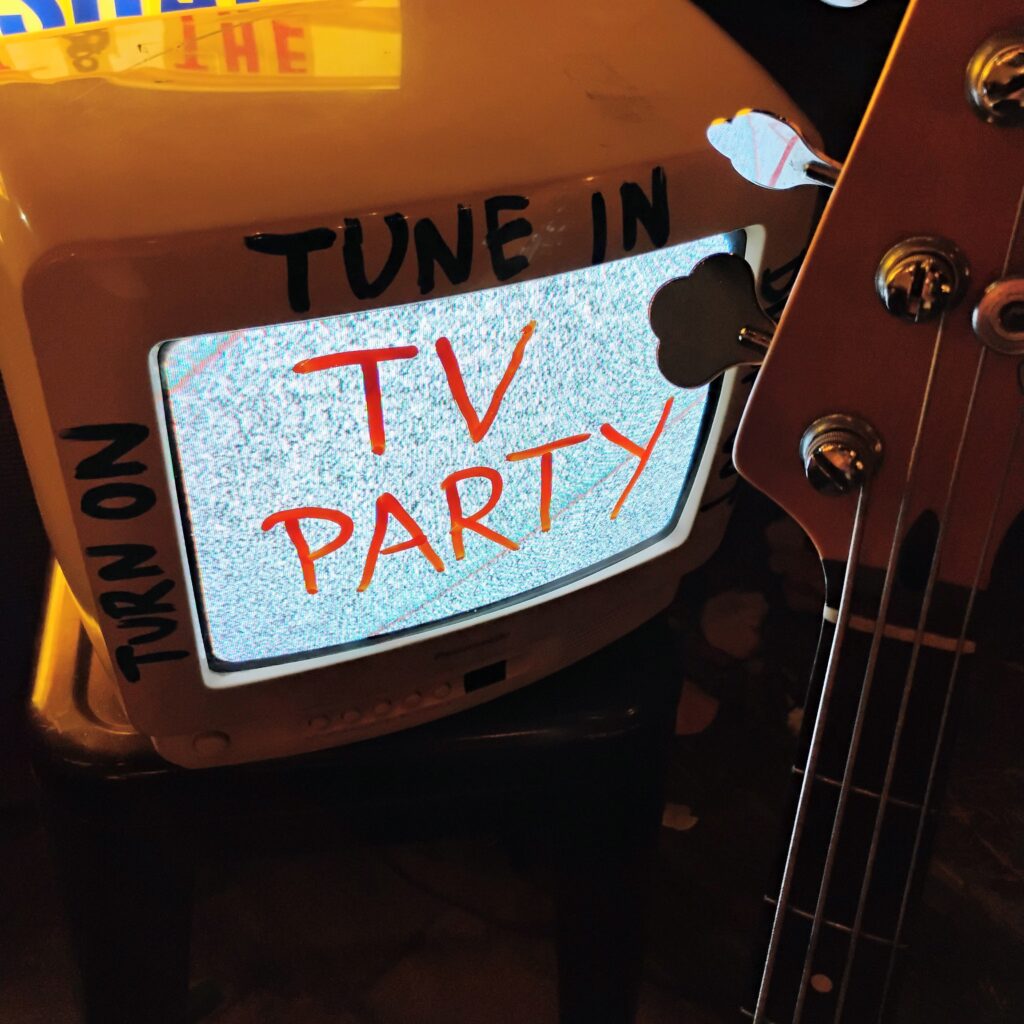
MLE: All right. So, I guess we’re going to go track by track and talk about this record, and the songs, and how it got made. Yeah. So, the first track is called “Booty Shaker,” and it’s also called the TV Party Theme, because it was in 2025 that you started resurrecting TV Party, or was it before that?
MisterE: No, we had four shows in 2025. We had a residency at the vintage in Hollywood.
Yeah. And I don’t think that at the first one we played it, but by the second one this had become the TV Party theme. TV Party was a cable access show in New York City, with a great Glenn O’Brien and a cast of characters that we do sort of like a musical of now. They played less music, talked more bullshit, and who talks more bullshit than our band? We play more music and talk less bullshit than the TV Party.
MLE: And we kind of incorporated, you know, a cover song, a different cover song each time, that would be linked to someone who recently died. So, we did the New York Dolls song, right?
MisterE: And then we finally did “Caca Disco.”
MLE: And we did Blondie, we did “Call Me.” So, yeah, so that’s just the, I guess it became the theme for the residency.
MisterE: It’s an instrumental, which is perfect for themes. And there was a couple songs on this record, and this was one where I tried to have a new style of playing, where I didn’t really play a proper chord through the song, and I just moved up and down the neck. So it has this cool somewhere between like the Minutemen and Jeff Beck “Blow by Blow.”
MLE: Yeah. And then with some kind of Miami bass drumming, like a little bit Miami bass, a little bit just like kind of, I guess, drum & bass like “Amen Break” kind of thing in there, too.
MisterE: And then during the recording, where we recorded some of this record with Ferny at The Shack North, who’s always a wonder to record with. There was this really crazy Moog part that we put in there that ended up being a ghost lyric because this is an instrumental, that… here comes the tea.!
MLE: Here comes the morphine. Yeah, but maybe that can be open to interpretation by people. Don’t want to give away what the ghost lyric is, but if you are a, you know, if you’re of the same type of mind we are, you might hear it. Alright. What’s the next song?
MisterE: I couldn’t get high.
MLE: Damn, that sucks.
MisterE: It does. That’s what this song’s about. Yeah. It’s the depression of you try, but you can’t get high.
MLE: So, what are you pointing at?
MisterE: You.
MLE: Me. Oh, well, this has been a song we’ve covered in various iterations for a long time, right? This is a Fugs song. Yeah, I don’t know. It’s a crowd pleaser, I guess, because it’s just, people, it’s funny. It’s a funny song, but I guess, you know, Fuggs songs are pretty funny in general.
MisterE: It’s a great introduction to some of the Dada that comes out of the band for sure with the lyrics to it. And for some reason, their version was like, you know, a clanky, wobbly band, which we are that, but somehow we polished it up and kind of made it a Byrds song a little bit with the 12th spring in there that Mahoney played. And it’s really great. I’m so happy to have a Fugs song.
MLE: Yeah. And it’s the people who know it, which a couple people have told me, they’re like, oh, shit, the Fugs. And it’s like, “wait, you know the Fugs?” So, that’s cool.
MisterE: And another odd part is by the time that we started doing it with this band, Nikki was playing “Goo Goo Muck” on bass. And she did that bass line. And in a different key this would be “Couldn’t Get High.” So whenever we play it live, people think we’re going to play The Cramps.
MLE: Yeah. Oh, I didn’t even know that. I mean, I guess it makes sense now that I think about it.
MisterE: So it’s kind of awesome, which, you know, there’s only 12 notes made.
MLE: Now I think we should do like a medley, even though it’s in a different key, we could still throw like Cramps lyrics in there.
MisterE: Or we could, you know, just modulate up to their thing and then make it that. All right, next is the Lions, which came from an EP that we had made a seven-inch four-song EP that was recorded both in the same places and had a very similar sound and all these songs, you know, were pretty much other than even the other cover on here, we only been doing recently. “I Couldn’t Get High” is something that MLE and I have messed around with for maybe even eight years or something. But these songs were all sort of written in the last couple of years. And when we were putting the record together…
MLE: Well, because at first we weren’t going to do vinyl. So we were just like, we’ll do a cassette, we’ll do all the new songs. Then we decided to do vinyl and it was like, well, if we’re doing vinyl, we should put more songs on it. So that’s how we basically incorporated three, right? Three of the four songs from the last EP into this, which, yeah, fuck it.
MisterE: And two, you know, it works together well, so that even made it cooler. And those three songs, Nikki plays guitar on all of them.
MLE: Yeah. And doesn’t Vullo play bass on on two of them?
MisterE: On this one, “The Lions” and on “Midnight Turns Straight Into Noon,” and I play bass on “It’s 3AM,” but those are later. This sort of an awesome rock song. We made a great video with it. And if you want to hear the fourth song on that EP, it’s part of the video of this song.
MLE: Well, the EP’s up too on Bandcamp, if you want to hear it in its own context.
MisterE: I think we can move on. Okay. “Invite Me To Your Funeral.” This one has been really great playing live because it’s not exactly us, you know,
MLE: It’s like The Cure and Bauhaus…
MisterE: And Nick Cave. Yeah. You know.
MLE: And I think people are kind of confused when we play it. Like, especially because we’ll play it kind of early in the set too. Or that’s what we’ve been doing since we started playing it live. And it’s like people are like, okay, they just did a thing called ”Booty Shaker” and “I Couldn’t Get High” or whatever, and now they’re playing a fucking dark, boomy funeral procession song.
MisterE: Right. And the inspiration is politicians out there that I may disagree with due to them trying to eliminate people and not do the right thing. So this was easier than saying, “I’d like you dead.” You know, “Invite me to your funeral. I’ll gladly attend. I will buy your casket for the good of all men.” So. And then it just goes from there. It’s really cool. It wasn’t exactly a song. It was also pretty a minimalistic way of writing this one too, the low E-string guitar thing. But it’s also the same thing going but with chords when I’m singing. Love the song, seems to like knock people out when they play it. Ferny in the studio was like, “Oh my god. None of these songs sound the same. It doesn’t even sound like the same band,” which is something that I’ve always been about anyways. And, and I think MLE plays on that song those drum sticks with the fuzzy things on the end?
MLE: The mallets. You know, yeah. And I guess when we were recording it, Omar didn’t want me to, but I had to just because of the logistics of all the things. Like I couldn’t do one stick, one mallet or whatever. And I think it turned out fine. It doesn’t sound like blown out or weird or anything. I just, you know, was good about not bashing the snare with it. Um, oh, and Ferny plays the nylon string guitar on that. So that really turns it into something that’s more, that’s why I kind of feel like it’s more like a funeral procession at that point because there’s something about the tone of that guitar that I just see people walking through the desert with a coffin or something. I don’t know. It just, it gives, it gives that kind of feel, I guess.
MisterE: And that all just happened because we were mixing the song down and Ferny’s got all this equipment around there and plopped it in. We did mention Omar, all these songs started off over at his place. We’ll just call it that.
MLE: Yeah. And we recorded the basic tracks to tape, for the EP too. So it’s like everything was the same process.
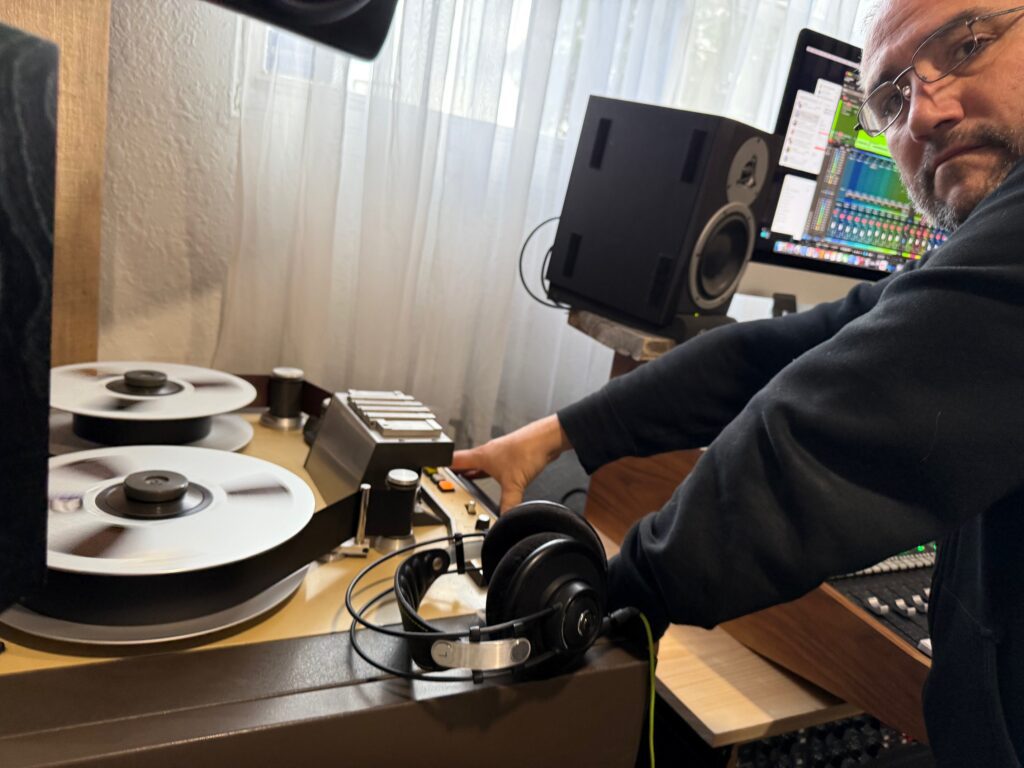
MisterE: And through I think a modern analog board that was a replica of a vintage board. I think so. Mahoney always says we made records with equipment, back to the last few records, the ones we did with Spam too, that would be just as good as any 70s studio at the time, which I think comes across somewhat in it. Anyone who’s listening to the record so far says it sounds great.
MLE: Yeah. That’s the feedback that I’ve gotten from some people like, this sounds like it’s from the 70s. And not in that like, you know… some bands are really trying to be like, “we want to sound like everything, like the songs, and this and the references and everything is 70s.” It’s not that. It’s just so, I don’t know though. It’s very direct. It’s not polished studio wizardry. It’s rock and roll with, you know, decent equipment.
MisterE: I never understood when they said “the tubes are warm” or this, that, and the other. Other than when I hear a record like that, whatever that means. That’s how they made those records.
MLE: You know, well, you have to put them in your butt to warm them up first. So it’s a process. And also, you have to find an engineer willing to do that. So it’s the guy who will put the tubes up his butt to warm them first. So shout out to Ferny. We already kind of touched on, well, we mentioned “Midnight Turned Straight Into Noon” because that’s on the EP is also on here. And it’s about Tom Verlaine, which he keeps coming back into our lives like, you know, this whole thing and then Patti Smith’s memoir. She talks about him a lot. And then the recent New York Times thing because his partner is archiving all of the stuff that he had.
MisterE: Which goes into the New York public library.
MLE: Yeah, which is funny because when I was seeing that Lou Reed or John Cage and then it’s… Tom Verlaine. And it’s kind of almost like an outlier because I guess he was so private and so just out of the limelight that I didn’t realize he had so much, like enough to create an archive in a library. So that’s fucking cool.
MisterE: Yeah, it’s awesome. And the song sort of stems from a text the day died and we just bumped a few things back and forth. And some of it was very lyrical. So that started the process. But the reality was this is the first song I ever really wrote with the William Burroughs “cut up” type of thing. My lyrics are usually, you know, just flow out of me and they’re like a Dr. Suess story that I’ve made into rock roll.
MLE: I thought you were gonna say “And they flow out of me, They’re just like diarrhea.” But hey!
MisterE: But this one I went and looked into you know different authors that had inspired them. And I cut and pasted some of the poetry and you know, out of some of those books. And then I kind of twisted around some Television lyrics in there.
MLE: Hence the title of the song too.
MisterE: Right. Yeah. And again, great response when we play it live. I think it was early on with Nikki playing guitar. And she really nailed this, you know, even though Television could be fast and complicated and stuff with their guitar licks, there was also this simplicity thing that I think she nailed.
MLE: I do too. And even the tone is pretty good. Yeah. And I don’t think that was even intentional necessarily. But that repeating line is so… Television does have a lot of repetition in it. And that really mimics that.
MisterE: And sometimes with the guitar sound it is like like you know gets under your skin a little bit or you know it’s this very trebley. And it works well. And it’s sort of meditative. It’s loud, which is a bit disturbing, but I think that’s important. It’s just great. And I totally love the “Debbie, Jane and the ghost of DeeDee we’re howlin’ at the Midnight Moon.”
MLE: The Marquee Moon.
MisterE: Yeah. That’s just awesome. Great song. I mean I’m not bragging, but everyone seems to like it and it’s cool.
MLE: All right, what’s next?
MisterE: “Zeppelin, Faeries And All Of That Shit.”
MLE: Okay. Well, you got to say why you came up with that.
MisterE: I’m home alone a lot and my poor wife has to come home afterwards. And I’ve decided that I want to make a folk psychedelic record like The Fairport Convention. And so she just turned to me and said “You mean like Zeppelin, faeries and all of that shit?” And I’m like “that’s going to be a song one day.” And that one, another one that just was pretty much an easy write. I decided it’s not exactly only in one note, but it’s basically just a run on the D chord.
MLE: Yeah. Steve loves to hang on that D.
MisterE: Yeah… And like a mix of two things going on. There’s a walk down in it. But really it’s I’m in the D position the whole time.
MLE: Well, and also when I heard it before there were drums or before it was completely done, I was like, well…
MisterE: And “Zeppelin” was in the title.
MLE: And because “Zeppelin” was in the title, I was like, well, this needs to just, the drums have to be like a shuffle, right? Kind of like a Bonham shuffle, but it goes… I hold it a little bit longer. It’s not like that exact pattern.
MisterE: Because when it comes to the D you hold it longer…
MLE: I hold the D right there. It’s kind of like a Bonham shuffle. It’s like all the shuffles together. I’m doing Purdie, Bonham, Porcaro. It’s a shuffle orgy. But not really getting fancy with fills or anything. Because the rest of the song is like that too. There’s no solos that jump out. There’s no whatever. So everyone’s kind of like keeping it even throughout the song.
MisterE: It’s definitely like a drone.
MLE: Yeah, it’s like, it’s very, it’s very drony. So it’s like psych-drone in that sense. And then Ferny plays the bass clarinet on it, right?
MisterE: And Mahoney played the Moog on it. Yeah. And the lines in that are really… they work off each other well. And as much as I play the same thing repetitively, Nikki plays the same thing repetitively. And it’s pretty long. And it’s always one of those songs that she came up with this simple but complex or complicated way of playing these notes that she’s just like, “Man, that song hurts my hand every time we play.” But as we were having it mixed by Ferny, this is the first song that he had finished on this recording of these songs. The second set of songs after the EP that we recorded that he sent back to me. And he said, “Hey, I made one edit to the song. And if you don’t like it, you know, don’t worry. I’ll put it back.” He was kind of apologetic. And like the song does the same thing through the whole thing. And he has a dropout at the beginning of the last verse.
MLE: And it’s awesome.
MisterE: Yeah, man. If anything is 70s, you know, analog sounding thing, this just is like tits.
MLE: I mean, just he pulls the D out and you know, you just have this wide open space.
MisterE: And I think it’s just bass in the clarinet actually.
MLE: Yeah, and the drums come out too, which is great because once the drums, I mean, the drums are just kind of like, they don’t stop, you know, it’s very like, you know, continuous, like a carousel.
MisterE: It’s kind of theatrical. Yeah. It’s awesome.
Last weekend, Regatta Harbour in Coconut Grove served as the backdrop for the 2026 edition of the Montreux Jazz Festival Miami. Set against the salty breeze and attended by key figures of the local industry including the Estefan family, the evening offered a journey that ranged from organic rumba to highly symbolic, choreographed performances.
The night opened with Habanero percussionist Pedrito Martínez. Raised in the iconic Cayo Hueso neighborhood of Havana, Martínez brought a trajectory that has taken him from Cuban solares to the prestigious stages of New York, where he has lived since the late 90s. His set was a masterclass in technical maturity, rooted in the “rumba de solar” tradition.
The highlights included vibrant renditions of tracks like “Habana City,” providing the canvas for Cimafunk to join in with his signature Afro-Cuban funk. A surprise appearance by Bill Murray who joined the microphone for a spontaneous vocal improvisation singing “love the one you’re with” marked the peak of the set’s organic energy. However, the finale marked a geographical shift: the last song shed its island cadence for a purely New York sound—a tight, urban ensemble reflecting his decades of evolution in the Big Apple.
Venezuelan artist Elena Rose introduced a starkly visual aesthetic, with both her and her band dressed entirely in white. Rose used the stage to reflect on her journey, primarily referencing her times in Hialeah to allude to the fact that she started from “the bottom.” It was a moment of grounded humility as she admitted to feeling “small among giants” while the hangar was illuminated in the colors of the Venezuelan flag during “Caracas en el 2000.”
The performance featured a powerful segment with Emily Estefan on drums during “Naguará.” For the remainder of the set, the artist developed a narrative based on her personality split—the transition between Andrea and Elena. This psychological framework likely came as a surprise to those who hadn’t experienced that specific narrative before, adding an unexpected layer of density to the performance. While this soul-searching approach is a core point of connection for her dedicated fanbase, for others, the atmosphere became a moment of deep vulnerability for some.
The closing set by Bomba Estéreo pushed the performance into ritualistic territory. Lead singer Li Saumet opened the set by declaring: “This is a ritual,” periodically lit candles, adding a recurring liturgical layer to the stage.
With the ambient sounds of “Pájaros” the stage was bisected by a neon green laser structure that created the effect of a cage. The spiritual symbolism intensified during “Somos Dos,” which concluded with a dance accompanied by a trumpet whose sharp phrasing evoked the sounds of a Santería ceremony. More than a performance, Li Saumet’s stage presence is a modern pagamento—a sacred offering rooted in the lineage of Totó La Momposina. By dancing with candles, Li embodies “La Candela Viva” (The Living Flame), the ancestral fire that Totó famously kept alive for decades.
The set begins with the quiet introspection of a Ritual de Florecimiento, using the candle’s light to cleanse the space and open an energetic portal. This ritualistic stillness eventually erupts into the catharsis of “Fuego,” where the tradition of the Caribbean meets the mysticism of the Amazon. It is a transformation of the stage into a primal jungle cumbia circle, proving that the flame of the ancestors never truly goes out; it just finds new ways to burn. The show ended with the opening of the VIP area to the general public, allowing everyone to be part of the same group, even for a glimpse.
Beyond the technical display and the ethical questions regarding the stage-as-ritual, there is an undeniable magic to the festival’s format. The openness of the Regatta Harbour stage creates an environment that feels niche, up-close, and almost personal. To see a legend like Bill Murray jump on a mic or to be within arm’s reach of a master like Pedrito Martínez is the true privilege of Montreux Jazz Miami.
In a city of massive, impersonal arenas, this festival offers a rare intimacy, a chance to witness the artist’s process from a perspective that feels like an insider’s secret. The stage itself remains an open invitation. Miami deserves this kind of high-level, close-quarter connection, where the music is so near you can feel its heartbeat.