Category: News

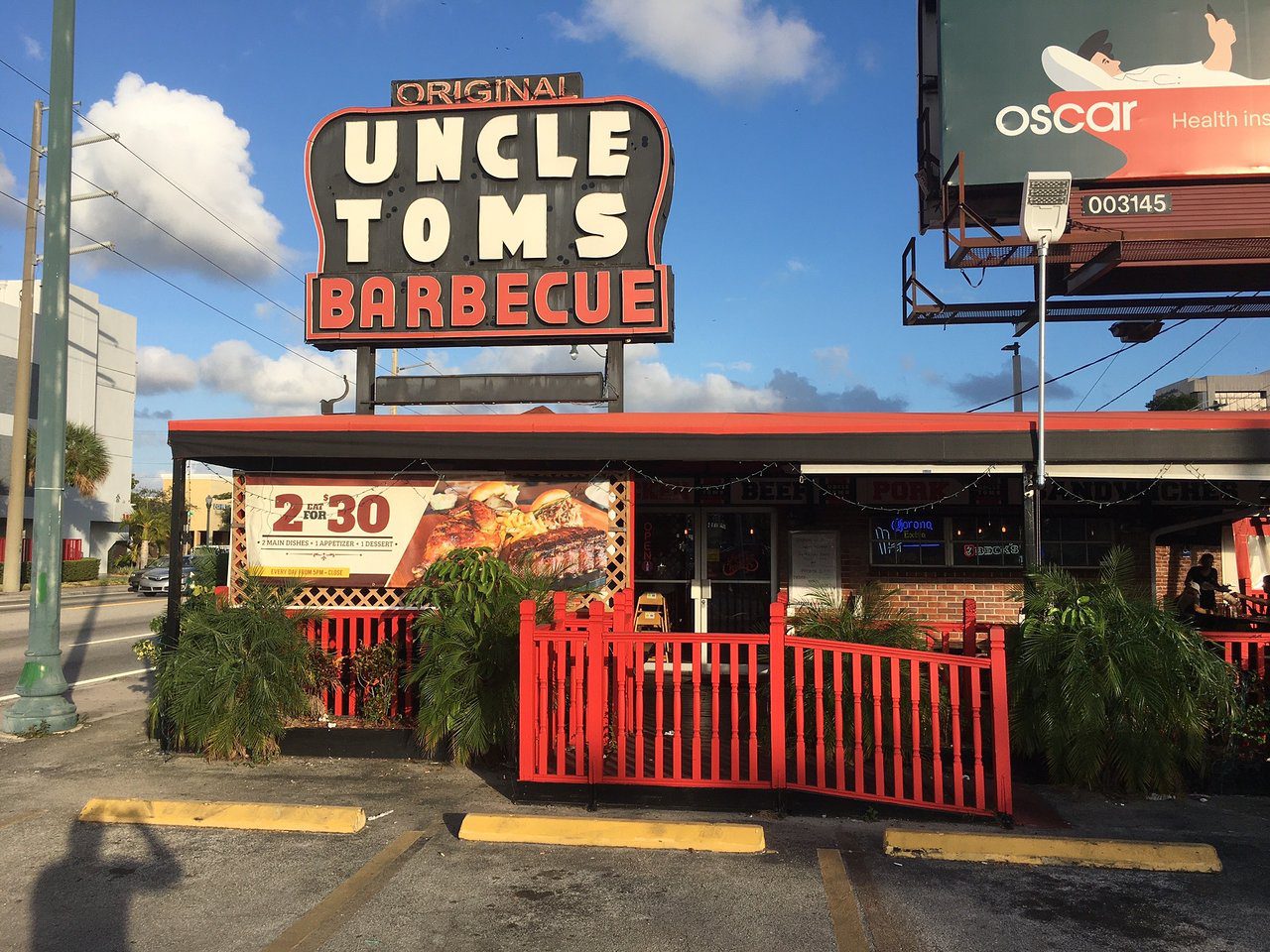
  • Uncle Tom’s Barbecue, 2010 – Poetry

    Uncle Tom’s Barbecue, 2010 – Poetry

    We take our usual spot in the corner

    and even though the lacquered picnic

    table’s the same, we know something’s off.

    The waitress hasn’t noticed us,

    which is hard to imagine since we’re the only

    patrons inside right now.

    April 1992 playmate Cady Cantrell’s picture is still up,

    flanked by a black and white,

    shotgun-toting Duke and the

    overtly hairy, “every-hombre” glamour

    headshot of Joe Perez – his enormous

    handlebar moustache intact.

    They’ve built a deck outside

    with greenish lumber, a DJ’s booth,

    tables, chairs and populated it with leather-clad,

    Latino, cigar-chomping bikers;

    The jackets read Matanzas Hellfire Club.

    One of them, particularly overweight,

    works a pair of Technics 1200s and a microphone.

    He’s a heavily accented parody of the ride announcer

    at the Youth Fair – we half expect a chomped

    do you wanna go faster? to burst out.

    I’m hoping these changes have not

    made their way into the vats

    of the delicious, family recipe sauce.

    The waitress plops a pair of spiral-bound,

    laminated menus on the table

    as the mayor of Coral Gables, a Vietnam vet,

    walks in wearing, what I’m told,

    is the same outfit he wears every day.

    Uncle Tom’s barbecue pit was built way before

    the neighboring car dealerships,

    back when Rita Hayworth and Mae West

    were the feverish wrinkles in every man’s dreams.

    By his wrinkles and gray hair,

    I’m guessing the mayor must’ve been an

    ankle-biter the day the first coals were fired.

    Nobody’s ordered any food yet and the wait staff

    has only delivered drafts

    to our table, the mayor, and the bikers.

    What I take to be a hooker,

    fresh from Calle Ocho earnings,

    sits across from us checking herself in a compact,

    and I’m jabbed violently in the ribs

    for staring at the triangle of freckled flesh

    in her V-neck blouse – and I’m asked

    if I’m going to keep looking at the peroxide

    or order because the table’s starving,

    and truth be told, I’m terrified to order –

    what if the sauce has been bungled like some

    of the surroundings? I mean, that’s why we’re all here:

    constituents of that semi-sweet, sienna-toned,

    molasses-thick juice; the tiniest hints of hickory

    and cayenne injecting life to fire-cooked meats…

    Will we be met with a palatal vestige of Miami?
  • Luxury, Gambling, and Gangsters: the Hidden History of Hialeah

    Luxury, Gambling, and Gangsters: the Hidden History of Hialeah

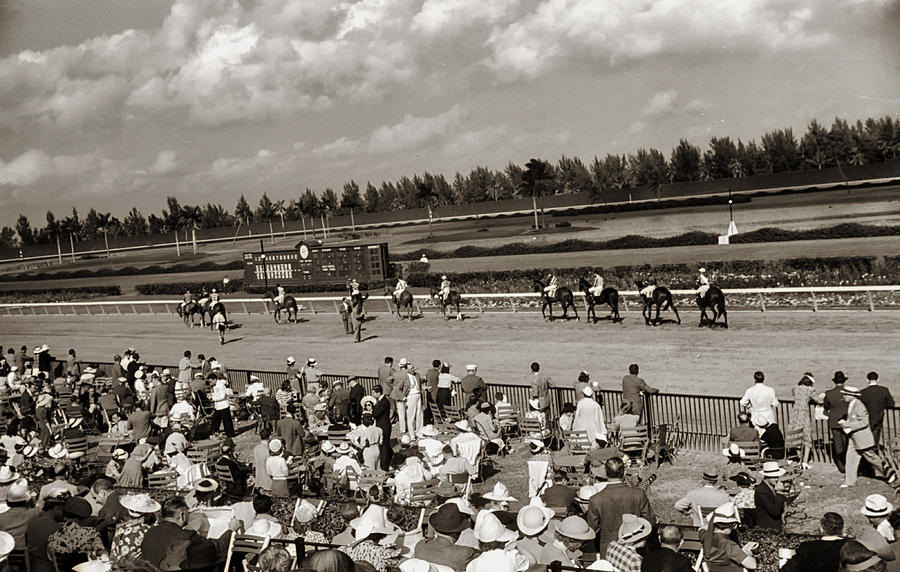
    Mary Josephine Coughlin stood by Al Capone until the last day of his life. She was his beloved and revered wife, “Mae,” even though the gangster’s weakness for women was an open secret and it was common to see him on the street with prostitutes and lovers. Jeanette DeMarco, a blonde who was always accompanied by her brother Vince as a bodyguard, held a special place among these “occasional women.” Capone and DeMarco met at the Hialeah racetrack, one of the gangster’s favorite places—not only because of his passion for betting, but also because it was a gallery of America’s oligarchs and millionaires, where he liked to show himself off in his finest suits and fedora hats.

    It is not clear whether the word Hialeah, which comes from the Seminole term Hyllakpohilli, means “highland prairie,” “beautiful prairie,” or simply “prairie.” What is certain is that this landscape attracted Missouri cattleman James H. Bright, who purchased fourteen thousand acres to establish his stables there. His project kept growing: first a few houses, then streets, a school, and the largest stable in the country. Finally, on September 10, 1925, Hialeah was officially incorporated as a city.

    The real boom came with the racetrack, the Hialeah Race Track. For its construction, Bright donated 160 acres to New York investor Joseph Smoot, and on January 25, 1925, the venue was inaugurated in front of a crowd of eighteen thousand people from around the world. Access, however, was a nightmare. Henry Flagler’s railroad—the Florida East Coast Railway—would take years to reach the area, and the geography was still so remote and wild that some claimed the racetrack rested atop snake nests. Added to this was the legal battle against gambling, which was considered illegal. And then came the 1926 hurricane, the most devastating in local history, which halted tourism and reduced Miami to a struggle for survival.

    Bright, dissatisfied with Smoot’s management, decided the racetrack needed new hands to be reborn. He chose Philadelphia magnate Joseph E. Widener, who envisioned a venue capable of competing with—or even surpassing—those of Palm Beach and Kentucky. He commissioned architect Lester W. Geisler to carry out the renovation, transforming the complex into a lush Mediterranean Revival: immaculate gardens, exotic vegetation, towering palm trees, and a central lake. His personal hallmark was the flamingos brought from Cuba, later immortalized in the opening credits of Miami Vice.

    The new Hialeah Race Track opened in 1932 and became the most beautiful and prestigious racetrack in the world. Its resurgence placed Hialeah on the national map, restoring the aristocratic aura it had sought since its founding. The splendor lasted through the 1950s and 1960s, until the city gradually faded. Even so, it continued to host important derbies until May 22, 2001.

    Today it preserves much of its original structure and a melancholy that is hard to imitate. The former temple of gambling is now Hialeah Park Casino, where the columns, the gardens, and the echo of an era when Hialeah was, for a few years, the seasonal refuge of the powerful still survive. The rest already belongs to that blurry territory where history blends with myth.

  • Montreux Jazz Festival Miami’s Miles Davis Centennial – Review

    Montreux Jazz Festival Miami’s Miles Davis Centennial – Review

    The Montreux Jazz Festival Miami kicked off its third edition Wednesday night. For 2026, the festival added two nights at the historic Miami Beach Bandshell in North Beach. Wednesday’s performance celebrated the life and legacy of perhaps jazz’s most famous performer, Miles Davis. Davis, who passed away in 1991, would have turned 100 in May of this year.

    The evening began with the Kind of Blue Acoustic Band. Their set began with a haunting version of “My Funny Valentine”, featuring Grammy award winning singer Lalah Hathaway on vocals. The band then proceeded to play through Kind of Blue, drowning out the sounds of nearby car horns and sirens with the familiar hypnotic tunes of jazz’s most famous album. Tenor saxophonist Javon Jackson, alto saxophonist Donald Harrisson, and trumpeter Eddie Henderson all took turns improvising solos that left the audience in awe. This all-star collection of musicians was backed by drummer Lenny White, who performed on Davis’s seminal 1969 album, Bitches Brew.

    After a brief intermission, the stage, like Davis’s career, morphed into something entirely new. During his later years, Davis was anything but nostalgic when it came to his music and once compared performing old hits to eating leftover turkey. The Miles Electric Band, which more than doubled the Acoustic Band’s sextet, performed songs from Davis’s later career that still sound futuristic today. Featuring electric guitar, multiple percussionists, synthesizers, and even a DJ, the Electric Band even used a sampler to incorporate Davis’s iconic whisper of a voice into several of the songs on the setlist.

    Led by Davis’ nephew Vince Wilburn, Jr, the collective had the audience singing along to “Time After Time” and “Human Nature”, two covers off Davis’s 1985 album You’re Under Arrest.


    Miles was given an important life lesson by his father when he was young boy. Listening to a nearby mockingbird emulate the sound of other birds, his father lectured him on the importance of finding his own sound. Reflecting on the memory, Miles told reporters “Man, sometimes it takes a long time to sound like yourself”. With their own unique touch, the Miles Electric Band managed to pay tribute while carving their own path for a new generation of jazz aficionados.

    The Montreux Jazz Festival continues Thursday evening with a performance by Makaya McCraven  at the Miami Beach Bandshell. Friday, the event shifts to the Hangar in Coconut Grove, an intimate 1,500-person venue built in 1918 with a weekend of performances headlined by Jon Batiste, Trombone Shorty, Nile Rogers, Toto, and Bomba Estereo.

  • Pocket of Lollipops Release Number 2990

    Pocket of Lollipops Release Number 2990

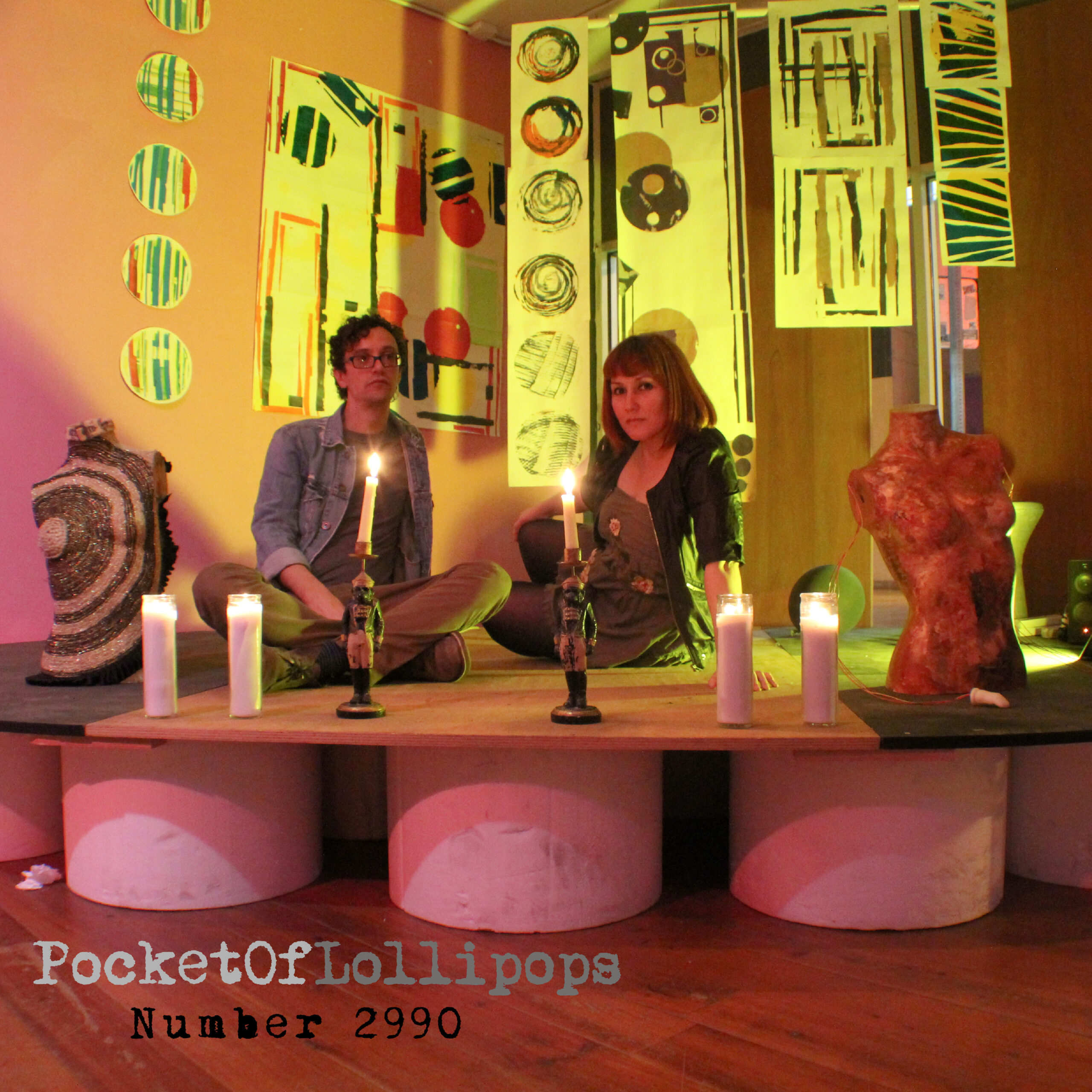
    Miami’s experimental noise rock/punk duo Pocket of Lollipops known for blurring the lines between music, art, and performance, has just released Part 1 of their eighth album, Number 2990. A project that feels as much like an art installation as it does a record.

    Recorded in summer 2025 and mastered by the legendary Kramer, Number 2990 is an immersive experience. Over the past six months, Pocket of Lollipops engaged fans in a unique game, releasing one track per month since July to create a looping narrative. The final track of Part 1, “Be Your Own Detective,” is described as art disguised as music and music disguised as art. A mystery that refuses resolution.

    Formed by Maitejosune Urrechaga (bass, multidisciplinary artist) and Tony Kapel (drums, writer, filmmaker), Pocket of Lollipops transforms sound into surreal worlds where meaning dissolves and sensation reigns. Visual art is integral to their identity, live performance, influencing album covers and aesthetics.

    Part 2 of Number 2990 will arrive in 2026. How it will be released remains an open question. 

  • The Unscripted Anthem: How the 305 Pulls the Pieces Together

    The Unscripted Anthem: How the 305 Pulls the Pieces Together

    I first met Attila Mendez during a moment of vulnerability for our community: a fundraiser for Gaston Adanto. Since then, our paths have continued to cross at Cristal Jams and on the corners of Little Havana. This interview wasn’t planned with a rigid script; it was a necessary encounter between the February chill and the heat of creation. Sitting there, listening to how Attila and DShon El Villano deconstruct the reality of Miami to turn it into music, reminded me why I do this. There is a raw magic in the 305 that only appears when you stop looking for studio polish and start listening to the pulse of the street.

    The air in Little Havana carried a rare, crisp edge of a cold February morning. Weird for a Miami winter. Surrounded by the neighborhood’s familiar chorus of roosters and the low, rhythmic thrum of jet engines, the conversation with Attila Mendez and DShon El Villano felt remarkably easy—just a natural flow of ideas between people who have spent plenty of time in the same trenches. It was a fluid, trilingual exchange, where sentences beginning in Spanish found their rhythm in English and occasionally hit a French note. There was no artifice, just the comfortable energy of a morning spent catching up in the chill.

    The story of their partnership is a testament to the quiet gravity of the Miami creative scene. This interview’s energy was a reminder that in this city, serendipity isn’t just a coincidence; it’s a pathos.

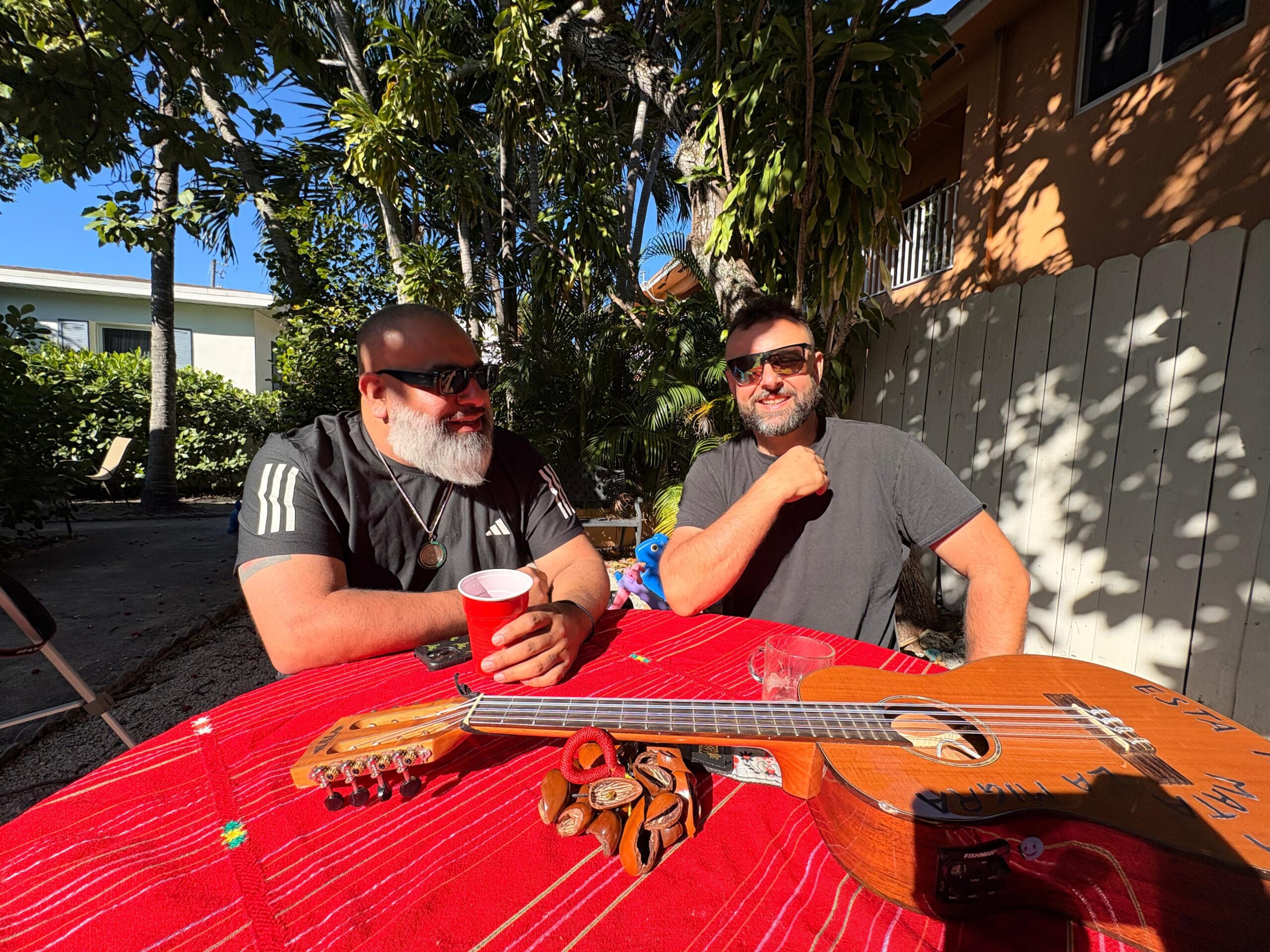
    They retraced their steps back to the open-mic nights at Bar Nancy and Thank You Miami, laughing about their first encounter. Attila had arrived with a Charango tucked inside a case resembling a vintage Tommy gun. “He comes up to me and says, ‘Hey, you can’t be bringing that in here!’” Attila laughed, remembering DShon’s reaction to the “gangster” silhouette of the instrument case. Between swatting away mosquitos borrachos and leaning into the Spanglish rhythm of the neighborhood, they described a chemistry that was never forced, only discovered. Their spirit of collaboration and openness to being creative together makes them genuine, something that is greatly appreciated nowadays.

    This “found-sound” philosophy is the literal pulse of their music, powered by Attila’s professional setup, Mobile Studio. For Attila, a professional recording doesn’t have to be tethered to a static, soundproof room. His studio moves with him, allowing him to capture the city’s raw frequency with high-fidelity precision. Their single, “Solo el Sol y la Luna,” was built from a collection of these sonic artifacts: a melody hummed by Attila’s wife during morning coffee and the five-note scale of a Chirophone recorded at a North Miami playground.

    “I recorded it with my phone,” Attila explained. “The notes were limited, but those are the notes of the new song.” By integrating the mechanical “ring-long” of Miami trains and the “hum” of the city into his professional production, he creates something uniquely local. “Every local space has its own reverb, its own sound and echo,” he says. “It gives the music character.”

    Having had a first listen to “Solo el Sol y la Luna,” I was struck by the haunting interplay of French and Spanish. It’s a track that captures a specific frequency of the city, a sound that is as sophisticated as it is raw. I also had the chance to hear an unreleased track that takes their experimentation even further: the creative well is deep. I experienced their flow first-hand by just being there, listening to their exchange.

    That honesty peaks in their anthem “Fuck ICE,” where the ancient vibration of the Oud meets DShon’s modern delivery. In a city where the “artistic elite” often hide behind a bubble of silence, they chose to speak. “Art in general… each artist should use their art to comment on life,” DShon insisted. “Politics affects us all.” The lyric “I speak like this because I look like this” hung in the air, a reflection on the weight of an accent and the ghost of a “System” that can make a person disappear. For Attila, holding two first-world passports felt like a call to action. “People are literally willing to die for those documents,” he shared. “It gives me chills… it gives me the responsibility to be vocal and help where I can.”

    As the morning moved toward noon, the focus shifted to the future. The upcoming collaborations move into even more experimental territory, with the duo diving into Champeta, the heavy, guitar-driven rhythms of Barranquilla. Hearing the early versions of these tracks, the fusion is startlingly seamless. “I didn’t know what to expect from that song,” DShon admitted of their foray into the Colombian genre, “but he knocked it out of the park.”

    The session was a reminder that the most powerful art grows from these quiet moments, by having a heart open to really listen. For Attila and DShon, the goal is that fleeting, liberated second where an audience connects with a message. “To hear the people chanting it on stage,” DShon noted, “that’s the dream.”

    Sonic Inventory

    The Charango: A small Andean string instrument that first sparked their conversation due to its “Tommy gun” carrying case.

    The Oud: The fretless, pear-shaped lute that provides the “spirit” and resonant echo of “Fuck ICE.”

    The Braguinha: A string instrument originating from Madeira, Portugal, a precursor to the ukulele, adding a vibrant and traditional texture to the compositions.

    The Chirophone: A playground instrument used to capture the “limited five-note scale” for their new single.

    Mobile Studio: Attila’s professional mobile recording setup designed to capture the authentic acoustics and “found rhythms” of the city.

    Full Live Interview at Musicinaheartbeat on YouTube, coming soon.

  • Inside South Beach Wine & Food Festival’s 25th Anniversary Kickoff

    Inside South Beach Wine & Food Festival’s 25th Anniversary Kickoff

    The South Beach Wine & Food Festival markets itself as a national, star-studded, four-day destination foodie event featuring the country’s top chefs and celebrity talent. This year marked its 25th anniversary — a milestone.

    A legacy. A quarter century of culinary prestige.

    One of the marquee events was the Grand Tasting Village’s 25th Anniversary Night Party featuring DJ Diplo. Tickets: $300. The promise: unlimited food and beverages.

    After living in Miami as long as the festival has existed, curiosity finally won. Expectations were high. No dinner beforehand. An empty stomach. Ready to sample bites from the nation’s best chefs on the sands of South Beach.

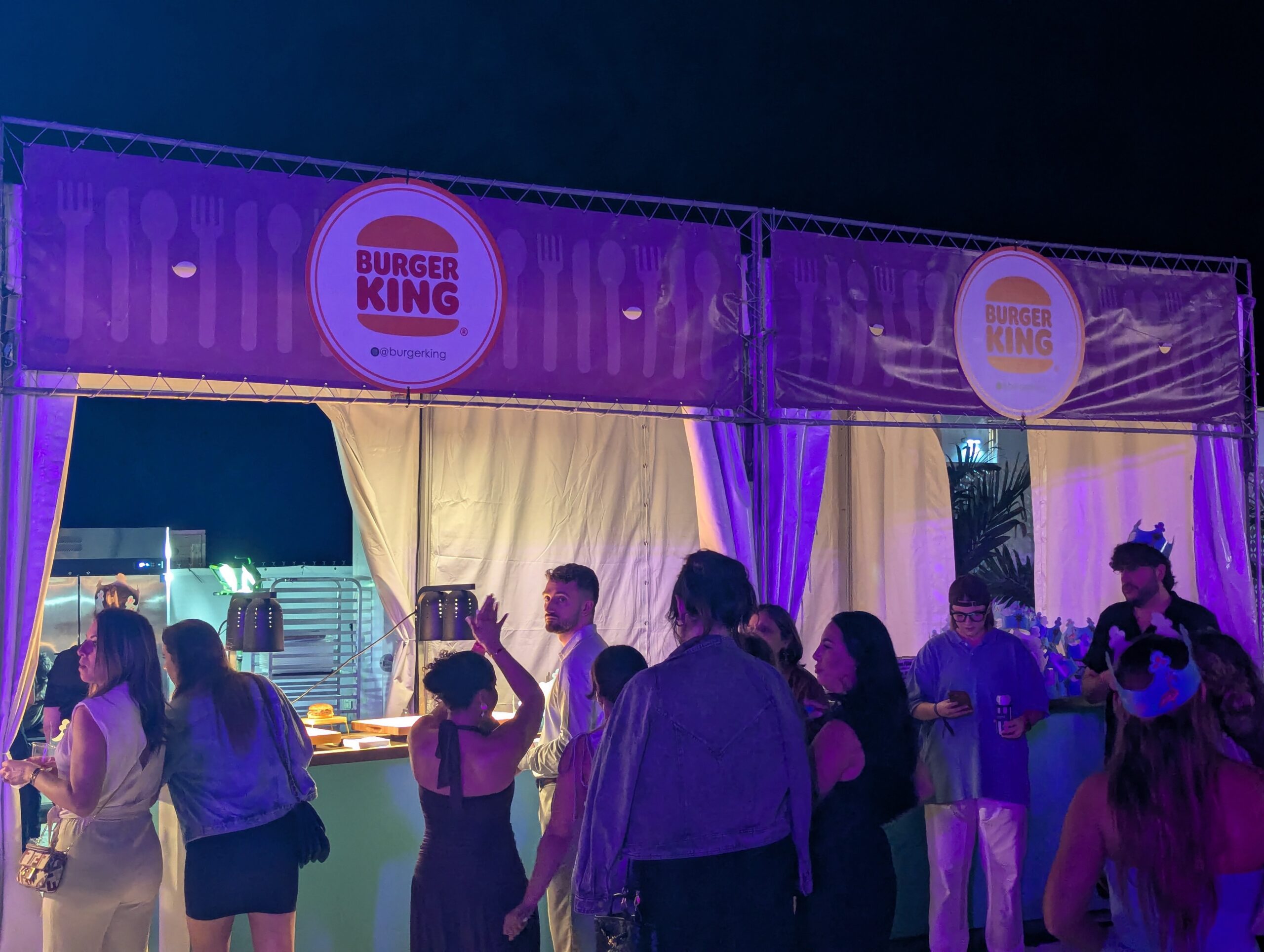
    What appeared instead was… Burger King.

    Not metaphorically. Literally.

    Long lines at 9 p.m. for Whoppers. Burger King hamburgers. Blue paper crowns included. Jalapeño tater tots on the side. A hundred people deep in line for fast food at a $300 culinary festival.

    The bars? Two hundred people deep. Tiny three-ounce pre-mixed cocktails served in plastic cups. Hennessy, vodka, tequila — rationed like a tasting at an airport lounge.

    Maybe there was more? A hidden chef’s corner? A surprise pop-up?

    A VIP section existed — because apparently $300 wasn’t VIP enough — but even there the offerings amounted to underwhelming chicken and beef empanadas and a modest charcuterie board. One beer option. Sorbet. That was the spread.

    Not kidding.

    South Beach Wine & Food Festival

    For a festival celebrating its 25th anniversary, the culinary lineup felt less “grand tasting” and more “corporate catering.”

    Guests — many of them tourists — were visibly stunned. Hungry. Confused.

    Most left early to find actual food not at the Food & Wine Festival. That irony hung thick in the salt air.

    As the night wore on and people abandoned ship, the bar lines finally thinned. With patience, a buzz was attainable.

    Diplo provided a beach vibe. The crowd looked beautiful. The ocean breeze cooperated. It was, visually, a lovely Miami night.

    But a lovely night under the stars does not justify a $300 Burger King experience.

    Ironically, just up the road, the festival’s famed Burger Bash was charging a similar price point — and at least there the expectation was hamburgers.

    The 25th anniversary kickoff should have been a culinary statement. Instead, it felt phoned in. Overbranded. Under-delivered. Like the NBA, they tanked.

    If there’s a lesson here, it’s this: eat before you go. Or arrive late enough that the lines have collapsed and expectations have adjusted accordingly.

    For a festival that trades on prestige, this felt less like celebration and more like a cautionary tale.

    South Beach deserved better.

    Editor’s note — this article was written with the help of A.I. off of a voicenote transcription. Since they phoned it in, we figured we would do the same.

  • Light in the Dark Fest Is Saturday in Fort Lauderdale

    Light in the Dark Fest Is Saturday in Fort Lauderdale

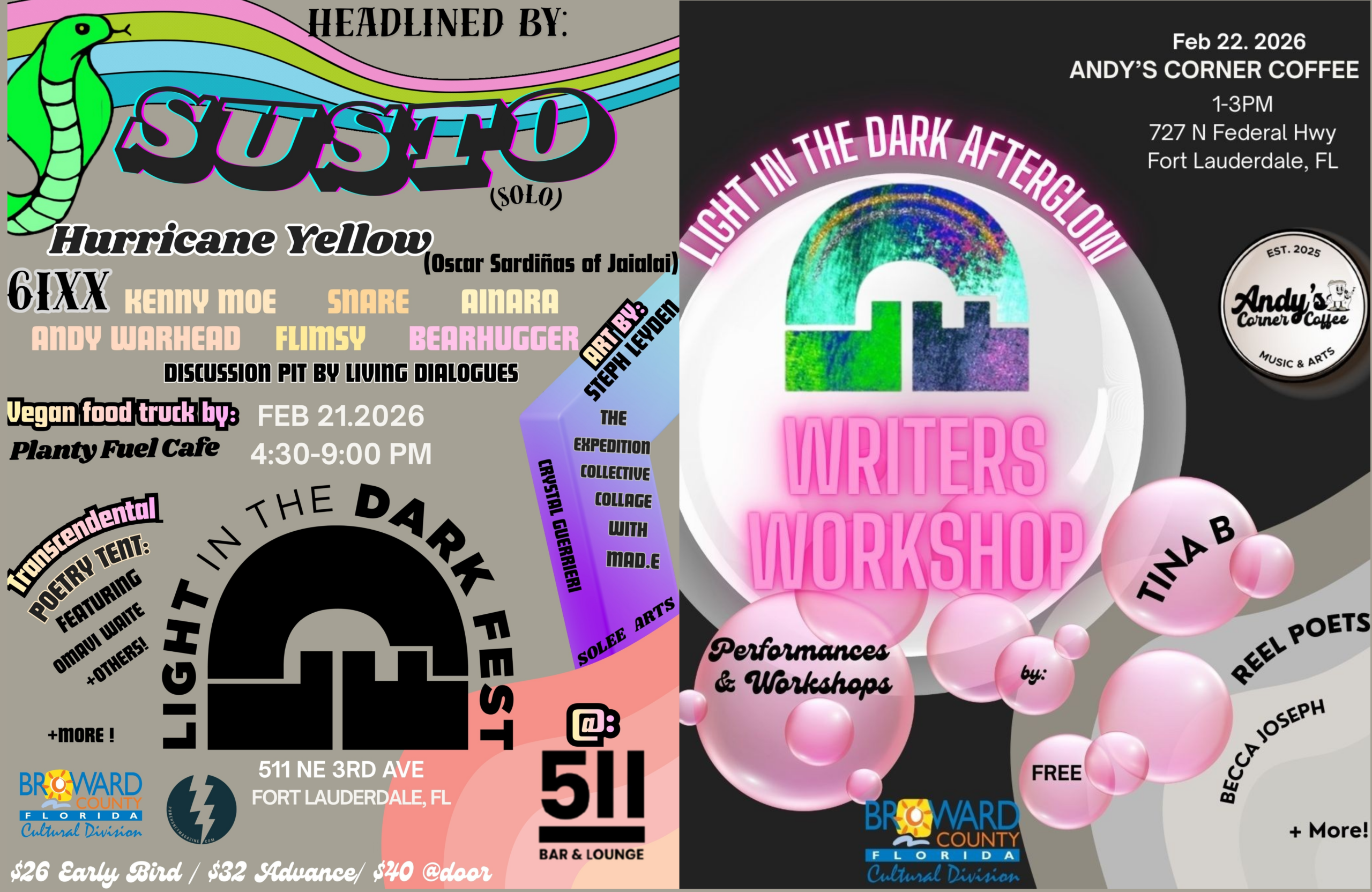
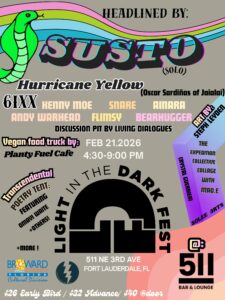
    Light in the Dark 2026 is Saturday, February 21 from 4:30-9:00 PM at 511 Bar & Lounge (511 NE 3rd Ave) in Fort Lauderdale. It is sponsored by Broward County Cultural Division and Purehoney magazine and headlined by a solo performance by SUSTO. SUSTO is the moniker of singer-songwriter, Justin Osborne as a solo artist and as a full-band. SUSTO is based out of Asheville, Charleston, and Austin, and will be performing in South FL for one night only! SUSTO has played in arenas opening for artists such as Noah Kahan, Hootie and The Blowfish, and The Lumineers. SUSTO’s previous albums have been signed to Rounder Records alongside many of the other greats including Woody Guthrie, Robert Plant of Led Zeppelin, Bela Fleck, as well as New West Records which has featured many top acts such as The Wallflowers and Ben Folds.


    Hurricane Yellow is the 2026 local music headliner. Oscar Sardiñas of Jaialai’s newest project, Hurricane Yellow was nominated by the Miami New Times as the “Best Solo Artist” of 2024. Jaialai was selected as the Miami New Times “Best Musical Act” of 2021, The Miami New Times “Reader’s Choice Best Band” of 2020, and various other awards. Oscar has played III Points, Okeechobee, and at the Arsht Center for the Performing Arts while also gaining national recognition on playlists such as Spotify’s Neo Psychedelic Rock.

    To learn more visit: Lightinthedarkfest.com

    Ticket Link Here: https://www.eventbrite.com/e/light-in-the-dark-fest-2026-tickets-1974971263213?aff=oddtdtcreator

    Tickets are: $32 in advance and $40 at the door

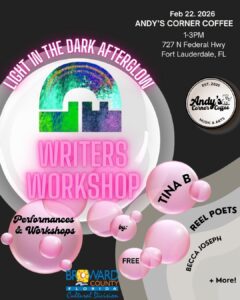
    Additionally, there will be an after event (The Light in the Dark Afterglow) on Feb 22nd at Andy’s Corner Coffee in Fort Lauderdale (727 North Federal Highway). This is a free event from 1-3PM which will feature performances and writing workshops led by Tina B, Reel Poets, & Becca Joseph. This will include concurrent workshop sessions all centered around the themes of peace & environmentalism on:
    -Poetry, prose, and songwriting
    -Exploration of vocal performance

    RSVP for your choice of FREE workshop here and to see additional details on location: https://www.eventbrite.com/e/light-in-the-dark-afterglow-writers-workshop-tickets-1982996065613

  • Black Tuna Gang: Before the Snow, There Was Weed

    Black Tuna Gang: Before the Snow, There Was Weed

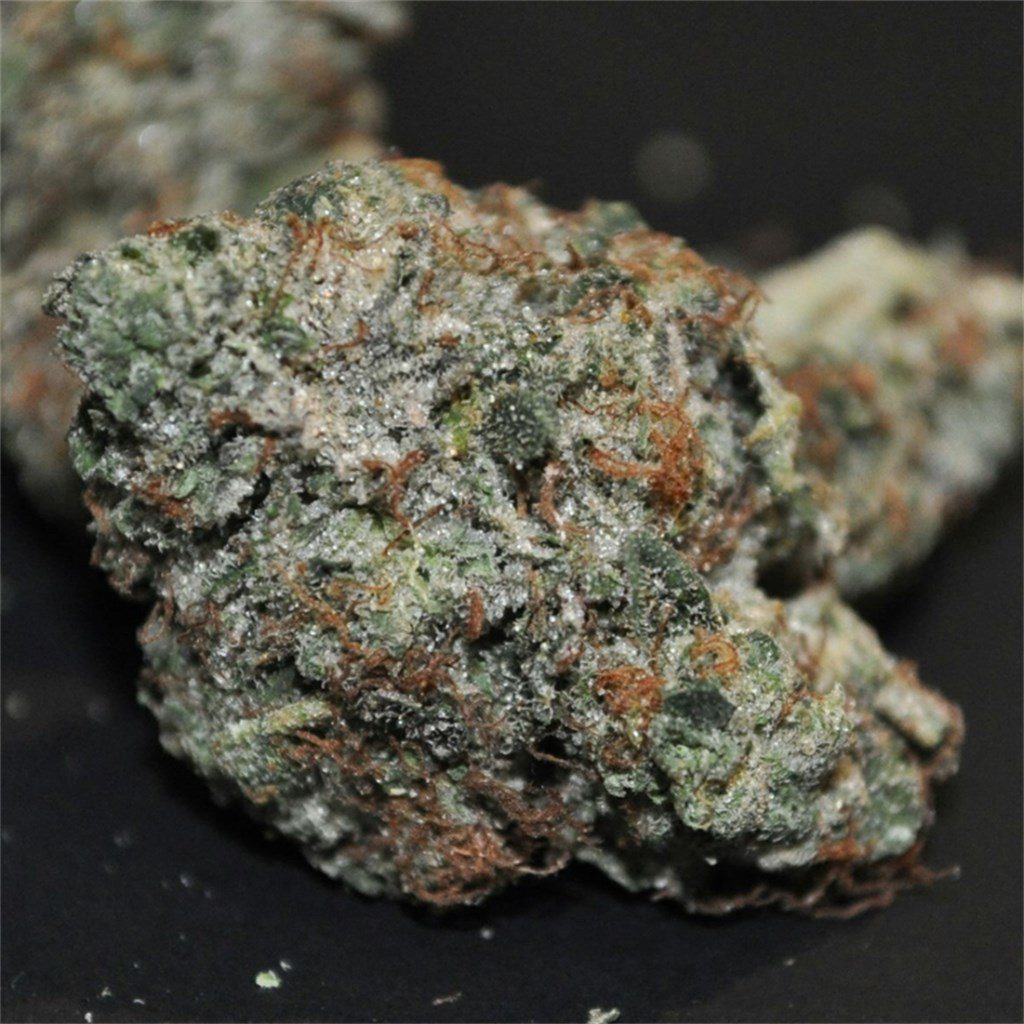
    An article published in The Miami Herald in August 1971 warned about the rapid growth of drug consumption in Miami compared to previous years. Until then, drug use had been associated almost exclusively with impoverished African American neighborhoods, but between 1968 and 1970 hippie culture and the counterculture had already spread beyond the Village in New York and San Francisco, normalizing marijuana use to the point that the government itself debated the possibility of legalizing it. In that short period, arrests for drug possession, basically weed, increased by 183%, resulting in nearly seven hundred people detained.

    Consumption was not the only thing growing in Florida: the state became the main gateway for marijuana into the United States. It is estimated that, in the early 1970s, more than 80% of the marijuana seized nationwide entered through its coasts, from the Keys to Tampa, with Miami as the epicenter. The Everglades functioned as a virtually uncontrollable corridor. In Everglades City, a town that at the time barely exceeded five hundred inhabitants, almost every family was involved, directly or indirectly, in the business. It was not until the early 1980s that federal authorities managed to dismantle a structure that had been operating in plain sight for more than a decade. But before that, the main protagonists of marijuana smuggling were the members of what came to be known as the Black Tuna Gang.

    Its members never called themselves that. The name was assigned by the DEA and the FBI during the investigations that led to their downfall, because all of them wore around their necks a medallion depicting a black fish: a tuna.

    Bob Platshorn and Robert Meinster, childhood friends from Pennsylvania, were the group’s leaders. Both looked more like California surfers than like drug traffickers draped in gold and Oscar de la Renta suits with wide lapels. Their personalities also complemented each other. Platshorn was charismatic and outgoing, a natural salesman; Meinster was reserved, methodical, almost hermetic. Platshorn liked to describe himself as a pitchman—someone capable of selling anything—and he was the one who took the first steps.

    It all began almost by chance, at a trade fair in Wisconsin. An acquaintance told him he had a shipment of marijuana and that, if Platshorn helped him sell it, he would receive an attractive commission. Platshorn agreed and delivered. At first he acted as an intermediary, a simple broker, until he realized that the real money was in selling directly. He proposed the idea to Meinster and, shortly thereafter, both moved to Miami, the ideal hub for smuggling marijuana into the United States.

    In the city, they opened a used car dealership as a front: Auto Auction, located at 2900 NW 36th Street. Their next step was to travel to Colombia, from which they returned with the necessary contacts to traffic on a large scale. From then on, operations intensified. Platshorn was in charge of getting the marijuana into Miami; Meinster handled distribution. Entry routes were both maritime and aerial. Their headquarters, with the consent of hotel owner Ben Novak, were set up in none other than the presidential suite of the Fontainebleau in Miami Beach. There they received their clients, who arrived carrying briefcases stuffed with thick bundles of cash.

    Toward the end of the 1970s, the DEA and the FBI began to detect suspicious financial movements in accounts linked to the Black Tuna Gang. The United States had already formally declared the war on drugs, and the alerts multiplied. In May 1978, the members of the organization were arrested. Federal agencies announced that they had dismantled the largest drug trafficking network in the country up to that point.

    The media impact was devastating. Neither Platshorn nor Meinster immediately grasped the magnitude of the trouble they were in. They never denied trafficking marijuana, but they insisted they were far from being a cartel of such proportions; they saw themselves more as a group of friends who liked smoking weed, the beach, and easy money. Even their lawyers attempted to dismantle the charges by arguing, using figures and evidence, that the quantities of drugs attributed to them were exaggerated.

    None of it worked. In February 1980, Bob Platshorn was sentenced to sixty-four years in prison and Robert Meinster to fifty-eight. At the time, these were the harshest sentences ever imposed in the United States for marijuana trafficking.

    The fall of the Black Tuna Gang marked the end of an era. But the vacuum it left behind was quickly filled. At the beginning of the 1980s, Miami would trade weed for snow. And the business, far more violent, far more profitable, was only just beginning.

  • South Beach Food & Wine Festival Is This Weekend

    South Beach Food & Wine Festival Is This Weekend

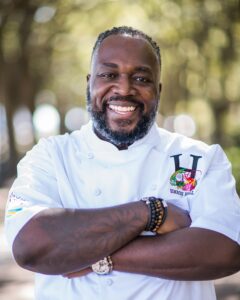
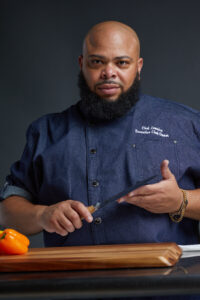
    South Beach Food & Wine Festival takes place this weekend from February 19 through February 22. Tickets for the events are available at sobewff.org. To whet our appetite, we invited some chefs in Findler Charles, Alain Lemaire, Simeon Hall, and Patience Dean to hop aboard The Jitney and share some secrets from their kitchens.

    When did you fall in love with cooking?

    Findler Charles: It all started when I was 16 and working in the back of a kitchen. I was promoted from a dietary server to a cook, and that’s when everything clicked. From there, my passion really took off. I started experimenting with new recipes, learning new techniques, and pushing myself to get better every day. That’s where my journey truly began.

    Alain Lemaire: It all happened at a very young age. What first started as a means to satisfy my desire for autonomy, quickly grew into a passion for hosting, feeding others, and nourishing both mind and body. Smiles, laughters, and full bellies give me joy.

    Simeon Hall: I fell in love with food at a very early age, around four years old. I come from a multigenerational culinary family. My paternal grandmother was one of the first female restaurateurs in the region. My maternal grandmother was a chef specialist at a local hospital, and her mother, my great-grandmother, owned a neighborhood tuckshop, essentially a Bahamian bodega. Food, hospitality, and service were simply part of my upbringing.

    Simeon Hall

    Patience Dean: Italian Ice—what we proudly call Water Ice in Philadelphia—has been part of my life for as long as I can remember. Growing up, stopping at the neighborhood Water Ice stand after school was a daily ritual and something we genuinely looked forward to. Those moments created lasting memories, and that nostalgia is what ultimately inspired Italian Vice.

    What can we expect from you at South Beach Food and Wine Fest?

    Findler Charles: We’re bringing one of our signature items, our RumBerry Wings. They’re grilled Creole-style wings tossed in our house-made RumBerry BBQ sauce, a bold fusion of blueberries and Barbancourt rum that brings sweet, smoky, and Caribbean flavors together.

    Alain Lemaire: For this year’s festival, you can expect me to bring a always bold flavors, authenticity, innovation, while respecting the traditions and the cultural essences of the Caribbean.

    Chef Alain Lemaire

    Simeon Hall: I am often described as a Bahamian culinary griot. Guests can expect thoughtful storytelling told through food, dishes rooted in culture, history, and memory, presented in a way that feels elevated yet deeply personal.

    Patience Dean: Guests can expect a refreshing, flavor-packed experience. Italian Vice delivers vibrant, handcrafted Italian Ice that’s light, indulgent, and bursting with bold flavor. Perfect for the Miami heat and the energy of SOBEWFF.

    Where can people taste your cooking outside South Beach Food & Wine Fest?

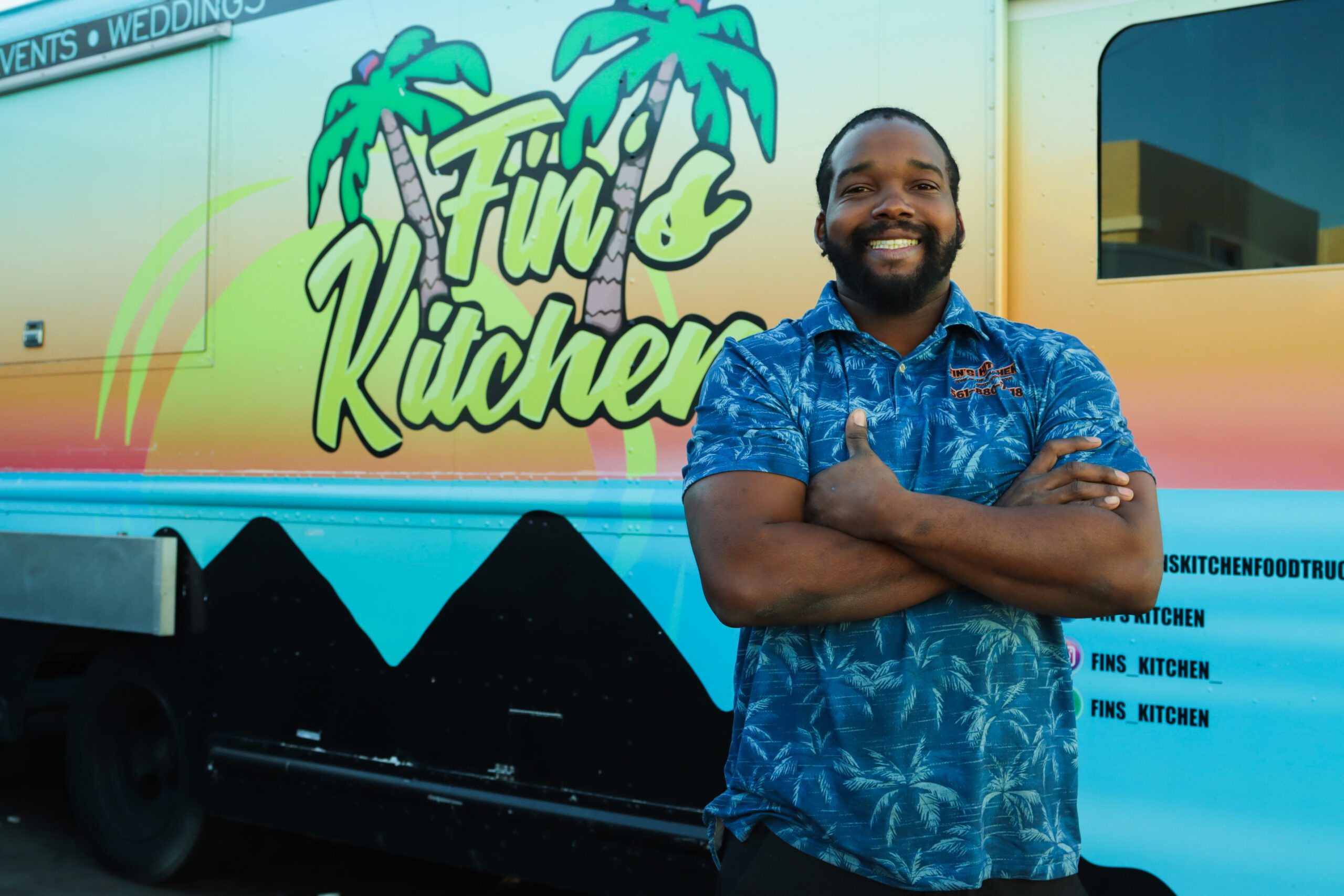
    Findler Charles: You can catch us on the road at one of our food truck stops, or you can visit our new ghost kitchen in Pompano for the same flavors anytime.

    Alain Lemaire: As a private chef and caterer, I can be booked for all occasions via www.cheflemaire.com or at hello@cheflemaire.com. I also host the Ou Manje Deja? Supper Club . The phrase “Ou Manje Deja?” is an endearing question which means “Did you eat yet?” We want people to experience light, elegant, and refined Caribbean cuisine without the worries of anything being too overwhelming or heavy.

    Simeon Hall: I am currently based in The Bahamas, where I focus on specialized culinary events, private chef experiences, and destination dining projects.

    Patience Dean: Italian Vice can be found year-round at Hard Rock Stadium during games, concerts, and major events in Sections 119 and 341—shoutout to Sodexo Live!. We’re also at Chase Stadium in Section 121, with Inter Miami CF at Freedom Park coming soon. In addition, we offer catering throughout South Florida and are excited to be planning our first restaurant concept, launching in 2027.

    What’s a simple thing people can do when cooking at home to make their meals more exciting?

    Findler Charles: Step outside your comfort zone. Trying new cuisines can unlock flavors you didn’t even know your palate was missing.

    Alain Lemaire: What’s a simple thing people can do when cooking at home to make their meals more exciting? Use fresh ingredients as much as possible, it tastes better. That little extra step can go a long way. Also, never hesitate to experience new things, but most of all don’t hold back on the seasoning. That can make or break your dishes. Trust your palate, at the end of the day, you’re cooking for yourself and/or loved ones.

    Simeon Hall: Keep it simple. Use fresh, local ingredients whenever possible and involve the family in the process. Food tastes better when it is shared and made together.

    Patience Dean: Keep dessert fun and effortless. Italian Ice is incredibly versatile. You can enjoy it straight from the freezer or save it for later without compromising quality. It’s the perfect way to add a refreshing, flavorful finish to any meal at home.

  • Scream at Fashion Island

    Scream at Fashion Island

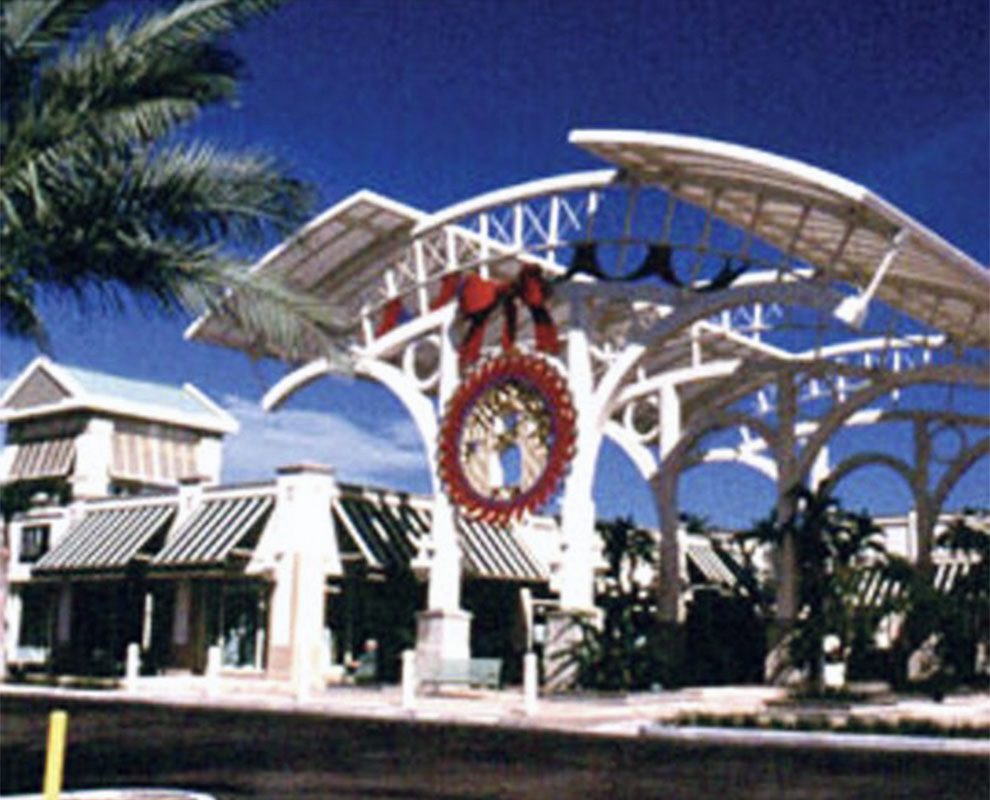
    It’s been 30 years since I saw Scream when it first came out in 1996. It was playing at Aventura’s Loehmann’s Fashion Island. Fashion Island was the start of AMC Aventura 24. It was the start of our non-existent winter. A brilliant blue sky above. Not one cloud. I remember what I was wearing. Sneakers and light jeans. A long sleeve white shirt, a white shirt over that, and wait for it, a tank top over that. My parents were with me but they weren’t with me. I alone forged my way into the theater.

    I sat down fairly close to the screen and to the right. It felt immersive. There was an electricity in the room. It was palpable. Middle of the afternoon, too. This was when there were like two trailers before the movie. Now, forget about it. They keep you in that dimmed state. Trailer after trailer, you slowly forget what you’ve come to see. But then, back then, lights went out in what felt like seconds. Nobody’s face in their cellphone, but cell phones had begun circulating at this time.

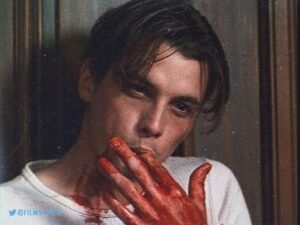
    A metallic slashing sound accompanied the Dimension films logo. “Exterior, suburban house. A tree swing sways back and forth. Interior, kitchen. Stove top Jiffy Pop on burner. The phone rings…” Drew Barrymore’s Casey Becker picks it up. It was then we were introduced to the voice of a new horror icon. Ghostface, itself. And when Casey offered up a wrong answer during Ghostface’s deadly game of trivia, and I knew the answer, it was then I knew we were in for something inter-generational.

    Only true horror fans knew that answer. We were experiencing a once in a generation film going event. It was my Halloween. Ghostface was my Michael Myers. And now Neve Campbell was the new “final girl”, Sidney Prescott. And like Jaime Lee Curtis’s prudish but resourceful Laurie Strode, would go on to define her own career-spanning franchise. Even at 21, Neve had been acting for a decade. Formerly, a dancer. Her wounded but resilient portrayal of Sidney Prescott solidified her as an official “scream queen”.

    The movie was madness. And a lot of laughs. Wes Craven, Scream’s director, and Kevin Williamson, Scream’s scribe, tapped into something mythological. A new iconography was born. A new language was born. The film was flooded with talent. In front and behind the camera. Marco Beltrami, contributed a score bordering on experimental. I listen to it to this day. It doesn’t age. Director of photography Peter Deming would go on to work almost exclusively with David Lynch.

    The soundtrack was a nostalgia trap. Track after track, each song supported scene after  scene, the same way an orchestra would. When played, you’d be instantly transported to that movie theater. To the knowing feeling that was in the air back then. One of those occasions that ask nothing of you. They just unfold. Between Nick Cave’s “Red Right Hand” and Gus’ shoe gaze version of Blue Oyster Cult’s autumn anthem “(Don’t Fear) The Reaper”, there are so many standout selections. I don’t think there’s been a soundtrack so tied into a movie since Scream first came out. How bizarre.

    Walking out of the theater, you wouldn’t think you were congregating in a land locked mini mall. It felt old South Florida. It felt like the waves were feet away. Everything was concrete, white. An otherworldly orange sky. It could’ve been the 70s. Or the 50s. What a strange feeling. I spent two hours in a darkened room with strangers watching what would become a modern day classic. Art had just put a mirror to us. You forget that. The word “meta” had rarely reached the zeitgeist of ever. And now we were all self-aware. It’s like we all came online together. Movies were talking back to us.

    I was 16 years old standing outside the theater waiting for my parents. Oh gross I might’ve been smoking a cigarette. So 90s of me. Fashion Island 16. A soon to be relic when it already felt ancient. It’s these kinds of places we get for about a decade, then they’re bulldozed or shuttered up. In the coming weeks, Scream 7 comes out. Neve Campbell’s back. I’ll probably watch it at home, though. Not many stories come out about some guy, me, laying in bed, pausing the movie to get up and piss for the fourteenth fucking time.

    30 years later, Fashion Island is a distant memory. However, Scream is still around. And I’m lucky to still be around. Cuz you never know… the next victim…  could be… YOU!