Category: News

  • One Final Story of Gramps: Wynwood’s Best Bar

    One Final Story of Gramps: Wynwood’s Best Bar

    Last week, someone belted out the final tune of Let’s Sang at Gramps. I don’t know what karaoke song they sang. I wasn’t there. But I hope it was a real banger like “My Way” and not “Closing Time.”

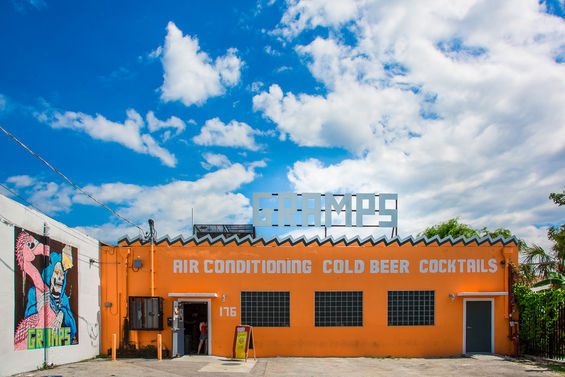
    Gramps was the best bar in Wynwood and one of the greatest creative spaces the Magic City has ever known. It’s been a cultural refuge, safe stage, and home base. It’s been precious.

    I recently called it “distilled Florida,” and I meant that as the greatest compliment. It harnesses the wildness, innovation, and fragile beauty of a complicated place. And just like Florida, it’s a place I always feel at home.

    Being part of a creative community in Miami with friends in the early part of the 21st century was such a ridiculously special time in my life. I cherish it. And I feel like Gramps was in many ways the zenith of that time.

    Yes, we had Churchill’s Pub and other beloved venues, but with Gramps, owner Adam Gersten started from scratch and allowed his friends to give what we had to offer — our humor, our bands, our plays, our movie nights, every silly idea that came into our heads. All under his careful curatorial control.

    I visited Gramps when it was just an empty warehouse, wrote the first article on it, threw joyful parties and made some questionable decisions there that still haunt me. So, I was thrilled when Oly Vargas, Gramps’ venue director and creator of Let’s Sang, asked me to fly to Miami to present a history of the bar during its final Nerd Nite event.

    Here’s my presentation. If you want to, please share it with friends who also love Gramps!

    And don’t despair, there’s still the delightful Gramps Getaway on the Rickenbacker Causeway where Let’s Sang, karaoke for music nerds, lives on the last Tuesday of each month.

    Follow Liz Tracy’s Substack, Not a Serious Life, for not-serious takes on pop culture, our aging bodies, and more.

  • King Mango Strut Highlights

    King Mango Strut Highlights

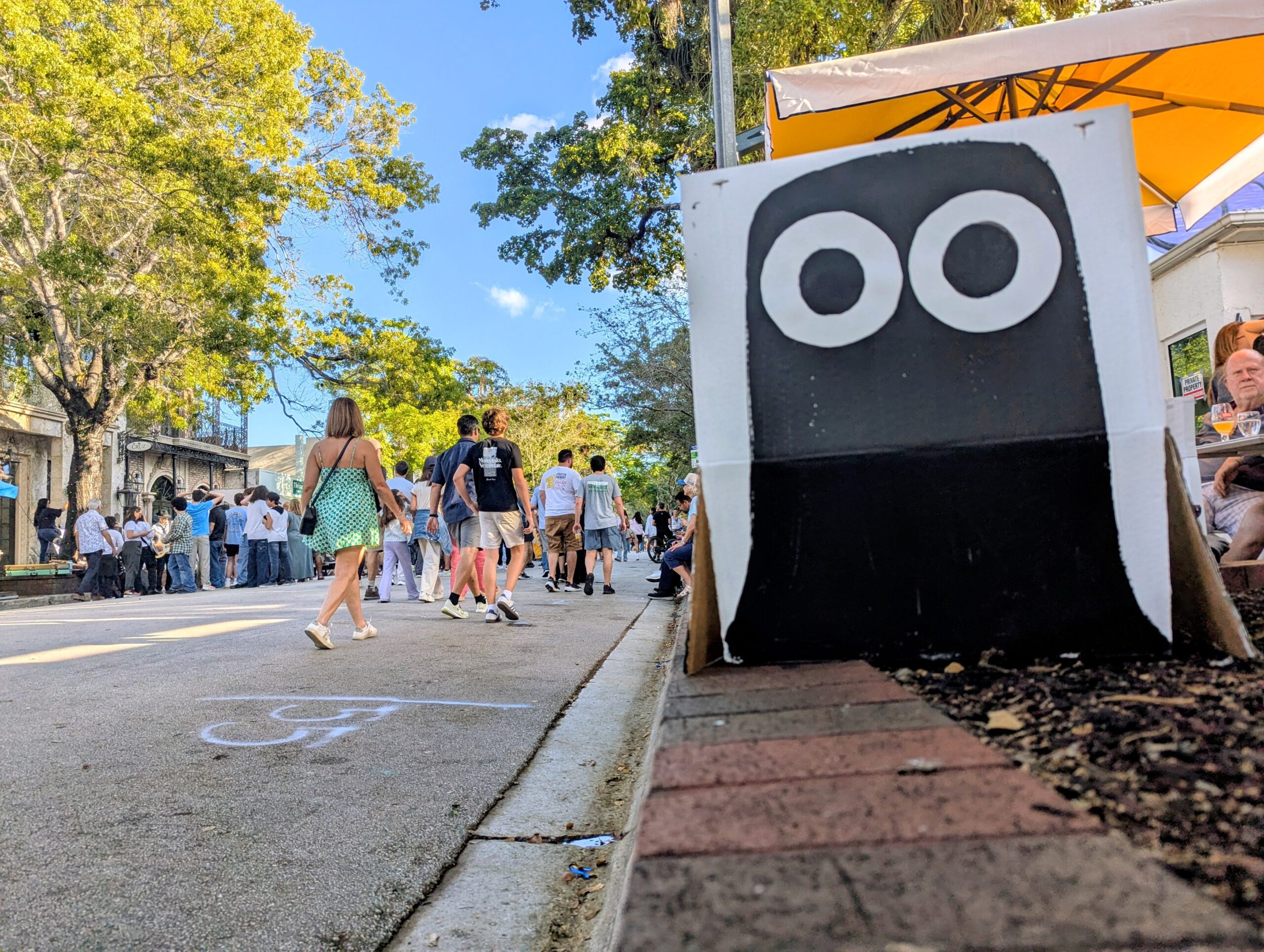
    Miami doesn’t do parades. It does group hallucinations with permits. This one had bulldozers killing rainbows, robots delivering burritos, Freds running en masse, and PBS characters bleeding ideology. Politics, parody, devotion, noise, and joy smashed together under the sun. Welcome to civic surrealism, Miami-style — welcome to the King Mango Strut! There were about 58 different themes in this year’s parade.

    The following are some highlights.

    2026 King Mango Strut Highlights

    Bernie Sanders as Sanders Claus

    Class warfare but festive.

    Defunded PBS Characters (Top choice)

    Bob Ross bleeding rainbow paint.

    Sesame Street casualties.

    Dora deported.

    Cookie Monster’s snap benefits rescinded.

    No Kings in America / Blue Wave

    Straight-up political messaging. Zero satire. Just vibes, rejection of fascism.

    Robot Invasion (Uber Eats Edition) (Top Choice)

    R2-D2 lookalikes. Delivery robots pushed in wheelchairs. Existential dread plus burritos.

    Many of the robots included residents with disabilities, thus the wheelchairs.

    Running of the Freds

    Like the Running of the Bulls, but just dudes named Fred. Peak absurdism.

    Women’s Club of Coconut Grove

    Celebrating 135 years. Quietly the most impressive flex in the whole parade.

    Rainbow Destruction Company

    Hearse + bulldozer imagery reenacting the death of rainbow crosswalks. DeSantis as urban grim reaper.

    Club Space Wars

    Rave float meets Star Wars parody. Lasers, chaos, probably still going at 9 a.m. spiritually.

    The World-Class Bridge Satire

    A brutal roast of that downtown eyesore. Spider bridge aspirations, pretzel reality. “ Architectural confusion made art.

    Hare Krishna Crew

    Full devotional presence.

    Big group singing 80s pop bangers like I Wanna Dance With Somebody. Earnest, sweet, kind of sexy.

    Ken Russell (Ace of the Parade)

    He was Vanilla Ice, the ultimate pun on immigration — someone had to do it, of course it would be Ken (ex mayoral candidate.)

  • Jitney 2026 Miami Concert Preview

    Jitney 2026 Miami Concert Preview

    Who can believe it’s 2026? Once you get your jaw back into place that we’ve entered this impossibly futuristic sounding year, it’s time to get down to business and present the Jitney 2026 Miami Concert Preview. We’re giving all local music fans ample time to call your bosses and babysitters and make sure you’re free on these dates.  Without further ado here’s all your can’t miss shows that make up the Jitney 2026 Miami Concert Preview.

    South Beach Jazz Festival January 8-11 at Various Venues

    The region’s preeminent jazz festival celebrates its tenth anniversary with plenty of live jazz, both ticketed and free. This year’s bill includes John Pizzarelli at the Faena Theater on January 8, Steven Bernstein’s Millennial Territory Orchestra at Collins Park on January 9, and Spanish Harlem Orchestra at Miami Beach Bandshell on January 10. For more info visit  sobejazzfestival.com.

    Nation of Language January 16 at ZeyZey

    This New York based trio has a synth based sound they mix into a blender with folk and pop. For fans of a mellower LCD Soundsystem or Future Islands. Tickets available here.

    The Lemon Twigs January 23 at Churchill’s

    If you’re looking for a wholesome brand of power-pop reminiscent of Big Star and the Beach Boys, The Lemon Twigs are the band for you. The New York based act will make their Miami debut with tickets available here.

    South Florida Folk & Acoustic Music Festival January 30-February 1 at Bergeron Rodeo Grounds

    The South Florida Folk and Acoustic Music Club presents its annual fest with two stages of acoustic music. This year’s headliners include Mean Mary, Livingston Taylor, and John McCutcheon. There will be close to 60 other acts, along with camping, workshops, and kids programming.  For more info visit sffolk.org.

    Modest Mouse February 3-4 at ZeyZey

    I was kind of shocked to see Modest Mouse who usually play at the Fillmore booked at the much smaller ZeyZey. The February 4 show sold out right away so they added a second show. They’re one of my favorite rock bands of all time, so this is a personal can’t miss. Tickets available here.

    Digable Planets February 13 at Miami Beach Bandshell

    Another of my old school favorites will play an intimate show. Digable Planets in my mind is one of the greatest hip-hop acts ever even if they only released two albums. They’re celebrating the 30th anniversary of Blowout Comb, by performing the whole record. Tickets available here.

    Interpol March 7 at James L. Knight Center

    All the old school favorites are coming out to Miami this winter. Interpol joins in the fun playing their dark indie rock allowing us to party like it’s 2004. Tickets available here.

    GroundUp Music Festival March 13-15 at Miami Beach Bandshell

    Snarky Puppy’s annual throwdown is back with three full days of music by the beach. Each night ends with a headlining set by the band. Also on the bill are Flying Lotus, Patrice Rushen, and Arooj Aftab. I’m most excited to see Rickie Lee Jones. Get more info at groundupmusicfestival.com.

  • Marjorie Prime Broadway Review

    Marjorie Prime Broadway Review

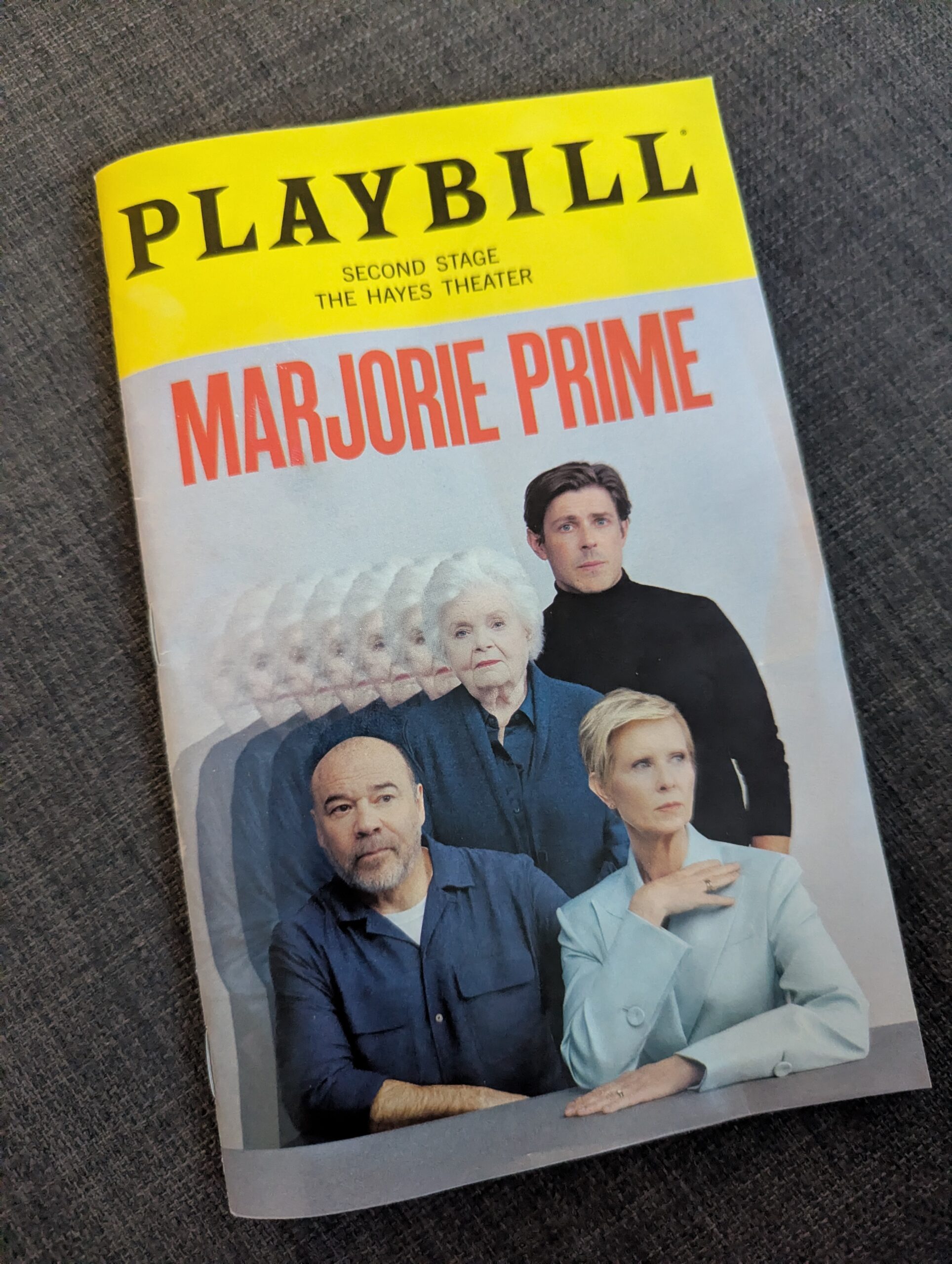
    Marjorie Prime is currently on Broadway. It is a sci-fi drama with a dark undertone, examining aging, grief, family dynamics, and memory.

    The play first premiered Off-Broadway in 2015, where it was a Pulitzer Prize finalist. A decade later, Jordan Harrison’s work makes its Broadway debut with a strong cast, including Cynthia Nixon, Danny Burstein, and a remarkable performance from 96-year-old June Squibb.

    The premise is deceptively simple. Marjorie is an 85-year-old woman living with dementia and fully aware of her decline. She’s cared for by her daughter Tess, played with controlled precision by Nixon, and by her husband John. The play is set slightly in the future, where AI holograms called “Primes” are created from deceased loved ones to provide companionship.

    Marjorie’s Prime is Walter, her late husband, recreated as a younger man in his thirties, from a time before Tess was even born. (Hard not to compare Walter to Darren Crisss’s helper bot in Maybe Happy Ending, they look a-like, chiseled chin and all). Walter’s role is to keep Marjorie company, assist with memory, and perhaps resolve unfinished emotional business before death arrives.

    This idea isn’t new. The resurrection of the dead through technology, or the use of technology to eliminate lonliness, has been explored repeatedly over the past decade, from Black Mirror’s “Be Right Back” and “San Junipero” to Spike Jonze’s Her. These stories function as cautionary tales and they rarely end well. Some conversations, it turns out, may be better left un-reopened.

    Marjorie Prime Broadway Review

    Marjorie Prime runs a tight 90 minutes with no intermission. It is not a feel-good experience. Portions of the play can be deeply triggering, especially for anyone who has been a caregiver or carries unresolved grief. The emotional terrain is heavy and familiar.

    As the play unfolds, without spoilers, the central dramatic question begins to wobble. Is the Prime truly necessary? Does this character require it, or does the device exist primarily to serve the premise? At a certain point, the Prime and/or Primes stop functioning as a dramatic engine and start feeling like a concept the play no longer knows how to interrogate. Like, are we to believe these characters needs these Primes.

    That said, the performances are undeniably strong. June Squibb plays Marjorie with surprising lightness and self-awareness, handling an extraordinarily difficult role with grace and control. Nixon is equally compelling as Tess, and both performances would be worthy of Tony nominations, even if wins feel unlikely.

    Still, this is not a holiday play, and it doesn’t feel fresh. Despite how close we are to this technology becoming real, the ideas feel well-traveled. You leave the theater more subdued than moved.

    This is a solidly acted revival of a familiar cautionary tale. And because we’ve already lived with these questions for years, Marjorie Prime ultimately feels skippable.

    For more info and tickets click here.

  • The B-Sides Cultivate Melody on Garden of Eve

    The B-Sides Cultivate Melody on Garden of Eve

    In a city better known for volume, be it sound, spectacle, or speed, The B-Sides arrive quietly, carrying melody like something fragile and worth protecting.

    Garden of Eve, the debut album from Miami collaborators Chris Alvy and Adrian Lopez, doesn’t announce itself with bombast or nostalgia. Instead, it opens a gate. The record leans into a lineage of carefully crafted pop and art rock that treats songwriting not as a retro affectation, but as an enduring discipline.

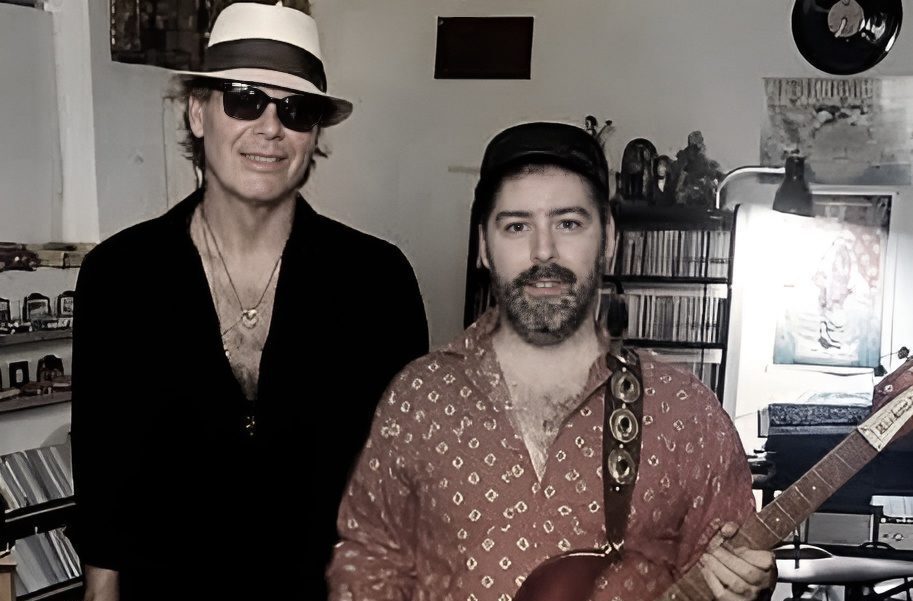
    Alvy, whose résumé includes Hi-Fi Sister, Superfuzz, and the Chris Alvy Band, has long operated in the spaces between scenes, where power pop meets thoughtful arrangement, and hooks coexist with restraint. Lopez, best known for Similar Prisoners, brings with him a sensibility shaped as much by visual art and poetry as by sound. Together, they form The B-Sides, a name that suggests both humility and intention: Songs made for listeners who stay with the record after the obvious tracks fade.

    Garden of Eve draws freely from the melodic grammar of the late ’60s and early ’70s, echoes of the Beatles, Badfinger, Harry Nilsson, ELO, and The Monkees surface throughout, but the album never collapses into imitation. These influences function more like reference points than destinations. What matters here is not revivalism, but clarity through chord progressions that resolve, choruses that earn their lift, and arrangements that breathe.

    The first single, “There Comes a Time,” offers a fitting introduction. It’s a song built on patience rather than urgency, unfolding with the confidence of musicians who trust their material enough not to rush it. The track gestures toward introspection without lapsing into self-importance, its melodic arc doing most of the emotional work. That sense of deliberateness runs throughout the album. Garden of Eve is sequenced like a full statement rather than a playlist of singles, inviting listeners to experience it as a continuous space. The songs don’t compete for attention; they converse with one another.

    There’s also something unmistakably Floridian in the album’s atmosphere, though not in any obvious stylistic way. Instead, it’s present in the subtle surrealism that creeps in at the edges: Moments where light shifts, where familiar sounds take on slightly altered shapes; where Miami is not a postcard or club myth, but a lived environment – humid, strange, quietly generative.

    As Miami’s underground music culture continues to evolve, projects like The B-Sides remind us that innovation doesn’t always mean louder or faster. Sometimes it means returning to fundamentals with sharper intent. Sometimes it means writing songs that assume someone, somewhere, will sit still long enough to hear them through.

    Garden of Eve will be officially released on January 15, 2026.

  • Haitian Men in Brother, I’m Dying and Mountains

    Haitian Men in Brother, I’m Dying and Mountains

    A few weeks ago I was driving when the light on my dashboard came on warning of low air in my back tire. I stopped at the gas station on Biscayne and found the air machine. As I inserted quarters into it, a beater of a pick-up truck pulled up next to me. “You using the air?” a middle-aged man asked in a Haitian accent.

    I explained how my tire keeps deflating every couple weeks and I need to get a new one. After my tire filled up, the machine was still spewing out air, so I handed the hose to the gentleman as he and his younger companion used it to fill up a bicycle tire. When I got into my car the older Haitian man said to me, “Remember to fix what is broken.”

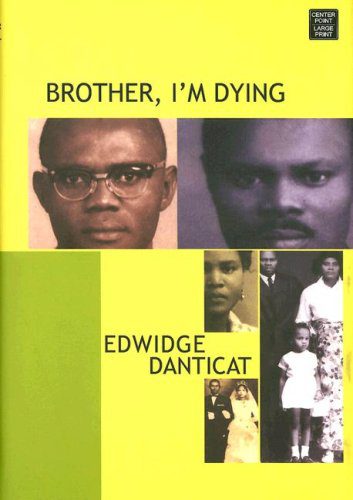
    That five minute interaction kept coming to mind as I read Edwidge Danticat’s beautiful memoir, Brother, I’m Dying. In this book which recounts her life as a child in Haiti and her adulthood in the United States, one man steals the show for me. Her Uncle Joseph is a very unique figure in modern storytelling. Usually, characters whether real or imagined are portrayed as flawed. Writers tend to think there is more interest in imperfection. Uncle Joseph contradicts this assumption. He is fascinating because he is so rare in fiction or non-fiction in that he is a true paragon of virtue. Life has struck this man many blows.  He loses his voice due to an illness and is forced to use a modulator to communicate. His wife dies. His church is destroyed. He spends his last days imprisoned while in exile, unwelcome in the United States. Still there is never the slightest iota of bitterness. All he does is give back, whether in helping to raise children that are not his own or when trying to uplift his impoverished community.

    Anyone who has dealt with any member of the human race, must wonder whether Danticat is painting her uncle with a thick paint of nostalgia. Surely a man who cared for her when she was young and her parents were unable to deserves such a glowing tribute. But one would think there would be one moment where he loses his temper or acts in a selfish manner. Every American I met finds something to complain about even when living under much more luxurious circumstances, but Uncle Joseph glides through this book with a metaphorical halo over his head.

    This quality makes it all the more heartbreaking when you read how he spent his final days. I would not wish his fate on any person. To first have the church he spent his whole life building to be destroyed by angry gang members who thought he betrayed them. Then once he escapes and finds his way to the United States to be taken to Krome Service Processing Center where he is imprisoned and not given proper medical care is torturous to read. A man like this deserves to be embraced by the world with open arms. Any country would be lucky to have such a man walk among them, but ours didn’t look at him for who he was, but only by where he came from. He then suffered the most tragic of demises.

    Throughout the book readers learn quite a bit about the Caribbean country’s harsh recent history. President Woodrow Wilson ordered the U.S. Marines to invade Haiti in 1915 which resulted in a fifteen year occupation which Haitians fought against guerilla style unsuccessfully. Through the twentieth century there were plenty of regime changes, apparently none more tumultuous than that involving Jean-Bertrand Arstide. In 1991 Arstide was ousted by military coup. According to Danticat, “residents remained steadfast in calling for his return through protests and demonstrations. In retaliation the army raided and torched houses and killed hundreds” (139). To survive such instability and poverty over decades perhaps makes for a man of patience and perspective such as Uncle Joseph or the gentleman I encountered at the gas station.

    Xavier, the Haitian- American male protagonist of the 2023 movie Mountains, is cut from a slightly different cloth. When we are first introduced to Xavier working as a construction worker striving to purchase a bigger home to share with his wife in Miami’s Little Haiti neighborhood, he too seems patient. As the film progresses we can observe a rage simmering underneath his stoic exterior. He is angry that his adult son still lives at home and doesn’t seem to aspire to do more than work as a valet and tell jokes at open mic comedy nights. Xavier is also frustrated that his neighborhood is gentrifying, pricing out his fellow Haitian exiles in exchange for yuppies of a lighter complexion. Finally, he goes from trying to play peacemaker for the racial tension between the Black and Hispanic workers, to confronting his foreman for making a racist comment.

    Xavier fell for the mythology of the American dream. He thought once he made it to the U.S his future would be golden. In the climactic scene where he tries to make peace with his son, Xavier bears his heart and regret. He spent all these decades working his behind off and feels like he’s gotten nowhere. Xavier reminisces about the more relaxed life in his native land where he spent entire days at the beach. And in the line of dialogue from which the movie gains its title, he rues how in Haiti you could see mountains, but in the United States all you see are buildings.

    It is a much more cynical perspective than that what we get in the entire book of Brother, I’m Dying from Uncle Joseph or the moment where I interacted with the man at the air pump. But perhaps the American Dream can only be dreamed by those who live outside our borders. To assimilate might mean not to believe in hope any longer.

  • Losing Gramps Is A Cultural Lobotomy

    Losing Gramps Is A Cultural Lobotomy

    When the owner of Gramps announced in late August that the Wynwood location would be closing permanently, our first reaction was that sucks. But also, not the end of the world.  Still had months. Plus, logically, Gramps wasn’t really going away. There’s already Gramps Getaway in Key Biscayne, which is dope, on the water, and doing its own thing. I also remembered hearing about plans for a purpose-built venue in Little River, plus some talk of a smaller hub along the river. Not entirely sure what happened with those projects.

    But still, Las Rosas had reopened. Churchill’s came back. The ecosystem would survive.

    But as December crept in and the end of the year approached, something shifted.

    Our algorithms. The gravity. Whatever you want to call it. We kept getting pulled back to Gramps. Event flyers, photos, dope events, memories. And suddenly it clicked.

    Losing Gramps is a big deal.

    It’s not just another bar closing. Gramps is, in many ways, the brain of Miami’s counterculture. And the brain matters. The cerebrum handles thinking, language, movement. Gramps is that part of Miami. Losing it feels, honestly, like a cultural lobotomy.

    This is where the cool kids hung out and the smart events occurred.

    The Key Biscayne location isn’t the same. It’s a different neighborhood. A different vibe. Nobody wants to drive out there late at night. Wynwood is central.

    Gramps History

    Gramps first opened during Art Basel in 2012. So even though it feels like it’s been here forever, it’s only been 13 years, which is still a long time.

    Back in 2013, our New Times colleague Jose Duran interviewed Gramps owner Adam Gersten, who talked about his vision for Gramps, which, ironically, wasn’t crystal clear at the time. They had no idea what their niche would be. Mind you, in early 2013, Miami was a very different city. The Electric Pickle was still open. Caffeina. Bardot. Wood Tavern. Grand Central. O Cinema was still in Wynwood. The Wynwood Yard. Gab Gallery. Lester’s. The Room. Purdy Lounge was still open. Plus Churchill’s and The Corner.

    So Gramps was tiny in context compared to the sheer number of venues operating near the city center back then.

    I first wrote about Gramps in 2014 for Huffington Post, I called it our brain back then: “with the closing of Lester’s, Gramps is the logical spot to fill the void of a venue that provided the neighborhood its brain….Gramps will likely become the new brain of our corridor.”

    Gramps worked because it had three distinct rooms: the railroad bar inside, the big outdoor courtyard, and the intimate back room, Shirley’s. Three spaces. Three moods. Infinite combinations. Miami will reinvent itself. It always does. New venues will rise. Others will grow and evolve. But this one hurts. So go. Show up.

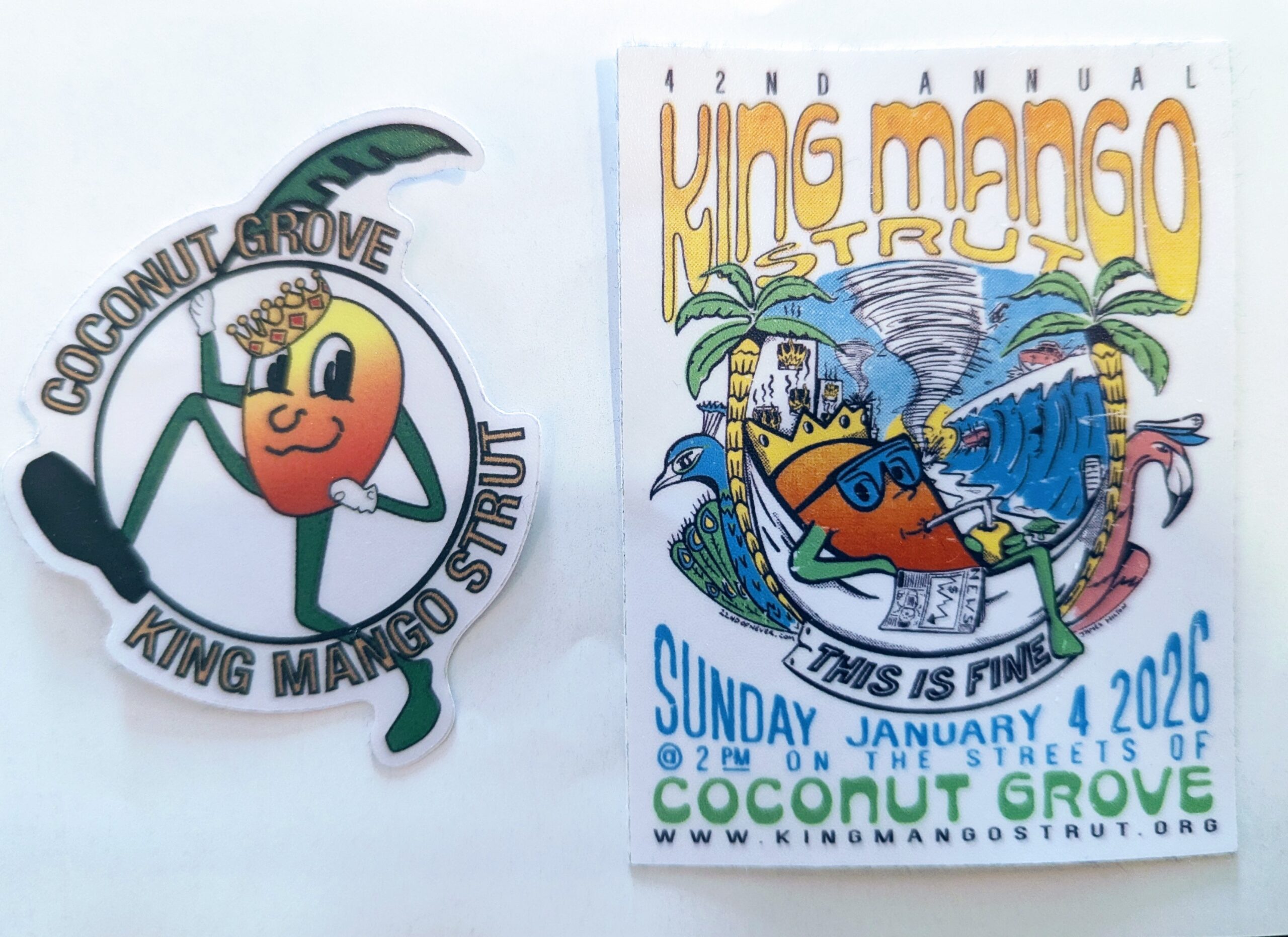
    Closing Day is Sunday, January 4th — perfect thing to do after the King Mango Strut parade. Say goodbye. Because Wynwood is losing its brain.

    We’ll miss you, Gramps.

    Rest in pizza.

  • Bare Knuckle Poet – Semi-Fiction

    Bare Knuckle Poet – Semi-Fiction

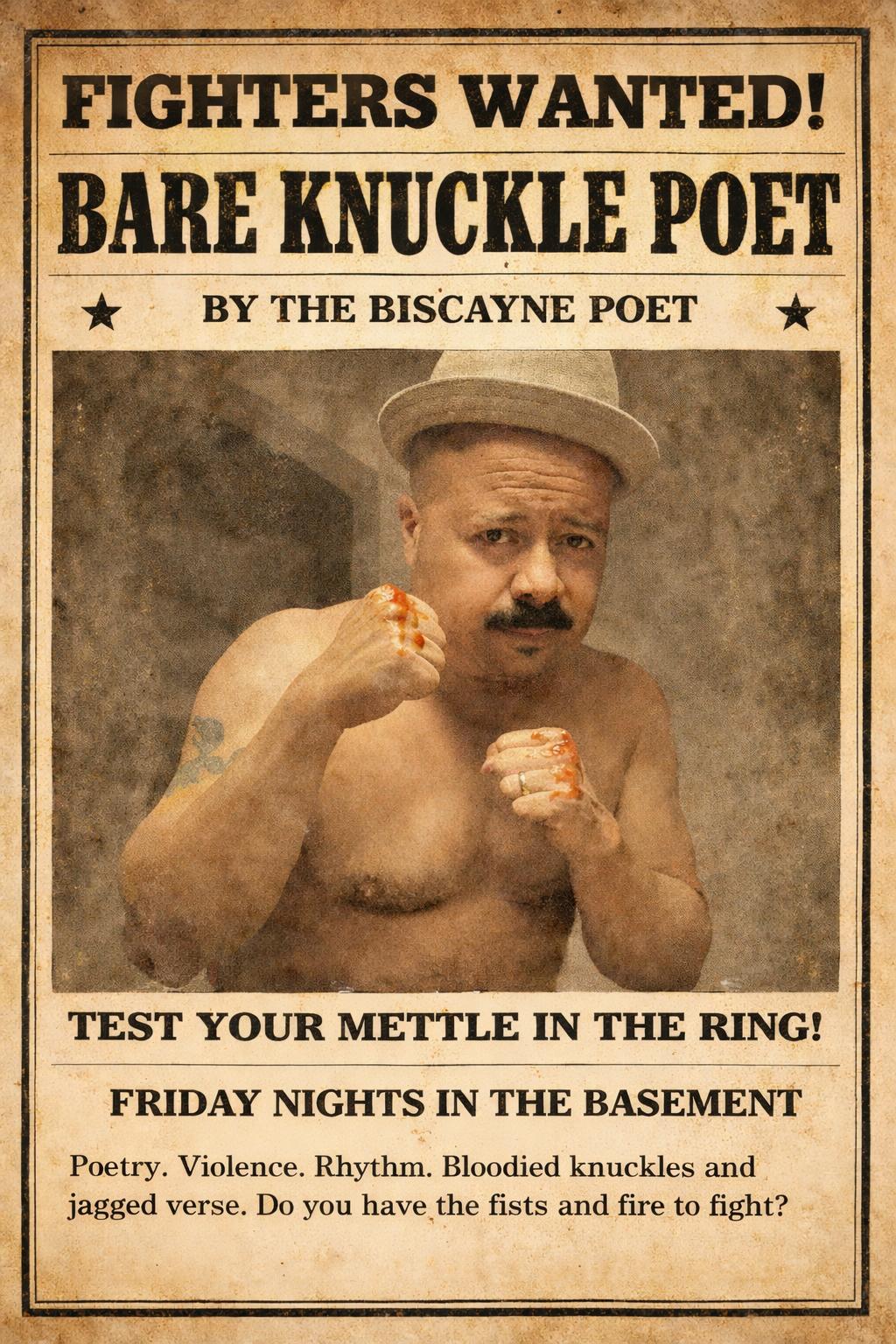
    The Jersey winter was a hard white fist. I came north with my father for a construction job. After two weeks of swinging a hammer, my hands were raw and my mind numb. It was clear, I was no carpenter.

    I quit. Got a day job slinging pizza at Uno’s in Jersey City. My afternoons were my own. I’d take the PATH to Hoboken, to the Iron Monkey rooftop bar. I’d stare at the skyline, the Statue of Liberty out in the grey water, the gap where the Towers should’ve been. The cold ate through my coat.

    In the city, I found the Village Voice. Poetry readings. Jazz clubs. On Bleecker Street, I walked into the Bowery Poetry Club. Bob Holman was there. He heard me recite something I’d written. He said, “You’ve got a voice. Come back Friday.”

    I did. The room was warm and dark, smelling of beer and old books. They served a Fitzgerald gin fizz. I missed Miami like a missing limb. But I recited. They listened.

    Then Bob showed me the basement.

    On Friday nights, the poetry stopped. The tables were pushed back. Men with taped hands and flat eyes stood in the circle of light. Money changed hands in the shadows. It was a bare-knuckle fight club. Bob asked me to MC. “Announce them,” he said. “Give it some rhythm.”

    I did. I started composing fight poems, short, hard words for short, hard men. The crowd liked it. One night, a spectator, a big man with a broken nose, pointed at me. “Why don’t you get in, poet?”

    The crowd took up the chant. Poet. Poet. Poet.

    I stepped into the ring. I remembered what my father taught me as a boy: keep your hands up. It wasn’t like that. It was clumsy and desperate. He came in swinging. I slipped a wild hook, threw a jab to close the distance, and clinched. We broke, and I caught him with a short right uppercut as he pushed off. My knuckles sang. He staggered back, and I saw the opening, a spinning hammer fist from my left, all weight and luck, caught him across the temple. He went down. The roar was louder than any applause. I felt clean. Empty. Hungry for it again.

    I rode the midnight train back to Jersey, hoodie up, lip swollen shut. That’s where I met Veronica. She sat across from me, looked at my face, and didn’t look away. “Rough night?” she asked.

    Her voice was warm. She was from Paterson. She liked poets. We walked the city. She laughed at my jokes. In my cold apartment, her skin was a shield against the winter. I told her about the fights. She just traced the bruise on my ribs and said, “Be careful.”

    For weeks, I lived two lives. By day, pizza and poetry. By night, the basement and Veronica. She was my harbor.

    Then she was gone. No note. I saw her a week later, on the train. She was with another guy. He had a fresh cut over his eye. She was holding his arm, leaning into him, just like she had with me. Our eyes met. She gave a small, sorry smile and looked away. I understood then. She collected fighters. We were all just poems to her, brief, violent, and finished.

    I stopped going to the basement. The winter got colder. I wrote through the nights. The poems weren’t about fighting anymore. They were about a train going north, a skyline missing its teeth, a warmth that was only borrowed.

    In March, my father lost the job. We packed the truck at 2:30 AM during a snowstorm. The city lights glowed behind the falling snow, like a dying furnace.

    We drove south in silence. After an hour, my father spoke.“You’re different,” he said, eyes on the taillights ahead.

    “Yeah.”

    “That girl?”

    “Gone.”

    He nodded. “The fights?”

    “Done.”

    He was quiet for a long time. Then he said, “Your mother left because I couldn’t stop fighting. Not in a ring. Just… with everything.” He glanced at me. “You stopped.”

    I looked at his profile, the same hard jaw I saw in the mirror. He was smiling a little. Not a happy smile. A true one.

    I touched my lip, where the scar had healed clean. Outside, the snow turned to rain. We were going home. I had a notebook in my bag, full of new words. They were harder than fists, and they were mine.

    The winter hadn’t broken me. It had whittled me down to what I was: a man who could take a punch, and a poet who knew how to write the bruise.

  • Why Miami Needs the King Mango Strut

    Why Miami Needs the King Mango Strut

    The King Mango Strut has proudly called itself the weirdest parade in the universe for more than forty years.

    Since 1984, this annual satirical parade has marched through Coconut Grove, skewering the news, politics, and personalities of the previous year. Think of it as a moving, costumed, street-level satire. A walking Saturday Night Live sketch, if you will, except messier and unmistakably Miami.

    Every January, locals dress up, build props, and lampoon everything from politicians to immigration policy. Nothing is sacred. Everything is fair game.

    This year, according to Board members we spoke to, we can expect a lot of ICE-related bits, as well as an appearance by Kristi Noam and her dog, and much, much more.

    The 2026 parade kicks off at 2 p.m. on January 4, with comedian and historian Freddy Stebbins hosting. The parade has two hosts this year as Stebbins will be joined by fellow comic and Jitney bud Paula Barros.

    Why Miami Needs the King Mango Strut

    The thing about Miami is the way it combines grit and weirdness without ever apologizing.

    We are weird. We are gritty. That is Miami.

    A tropical city, yes, but rough around the edges.

    It’s a hustle town. You keep your head up, eyes open. Miami is built on grinding, on navigating danger, ambition, corruption, and opportunity. Crime and corruption has never been a side note. It’s baked into our pop culture, politics, and storytelling.

    That grit gave rise to entire genres. Florida noir didn’t happen by accident. Writers and filmmakers found endless material in Miami’s contradictions, from Miami Vice to the novels of Carl Hiaasen, Elmore Leonard, Charles Willeford, and James W. Hall. Even today, storytellers like Billy Corben chronicle what he calls “Florida fuckery.” The corruption hasn’t disappeared and the stories keep coming.

    But what balances Miami’s grit is its strangeness. Not curated weirdness, not branding-campaign weird. We don’t pride ourselves on being strange the way Portland or Austin does. We simply are tropical, fruity, batty. Sometimes embarrassing, sometimes brilliant.

    Miami is what happens when you take New York’s grind and smash it with San Francisco weird, then filter it through Latin America, the Caribbean, and a hundred overlapping diasporas. That strange energy has fueled humor and satire for decades.

    Writers like Dave Barry built entire careers exaggerating Miami’s absurdities because the raw material never runs out. And no event celebrates that better than the King Mango Strut parade.

    Celebrating the crossroad between gritty and weird is why this annual event is so much fun. And why it is so Miami. For more info on this year’s parade, click here.

  • Elvis at the Olympia: Miami Bowed Before the King of Rock

    Elvis at the Olympia: Miami Bowed Before the King of Rock

    Elvis’s appearance at the Olympia unleashed a wave of youth hysteria unlike anything Miami had ever seen, and left behind one of the wildest—yet least remembered—nights in the city’s cultural history.

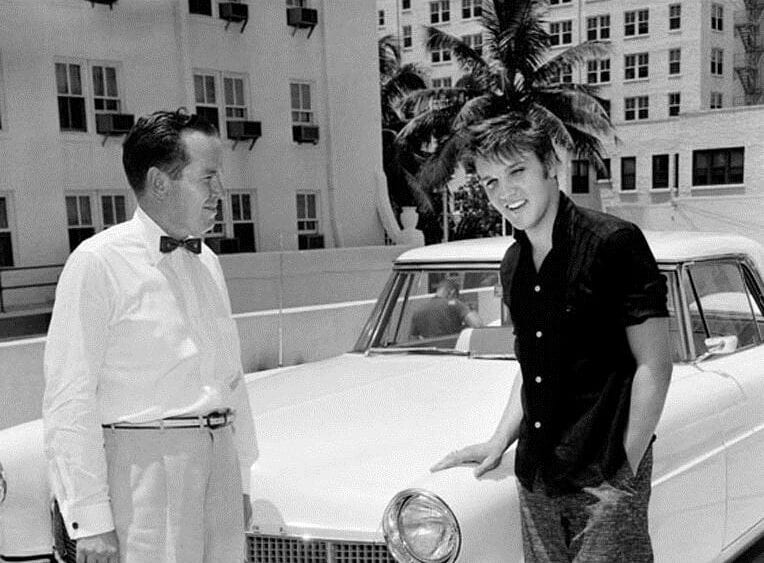
    On August 2, 1956, Elvis Presley arrived in Miami in his lavender Lincoln Premier. The following day he would give his first performance in the city, seven in total. He had already passed through Jacksonville, Fort Myers, Orlando, and Tampa, places where the conservative South reacted with suspicion as teenagers greeted him with unrestrained fever. Heartbreak Hotel topped the charts, and the country was living, officially, in the era of Pre-Presleymania. Everything suggested that Miami would be no different. The Miami Herald even ran a warning that “every young delinquent” in town would gather at the venue over the weekend.

    The concerts took place at the Olympia Theater, in the heart of Downtown, a building that has survived—almost miraculously—Miami’s unkind habit of blowing up its own history. In the 1970s it nearly met that fate, but magnate and philanthropist Maurice Gusman purchased it, donated it to the city, and spared it from destruction. It was restored and relaunched as a cultural mecca. Decades later, someone again floated the idea of demolishing it to make way for a Shopping Center, and recently it was even proposed as the site for a public school. Its stage has hosted the Kings of Spain, Pavarotti, The Police, Supertramp, and a long list of names that have given it an unmistakable glow.

    The Olympia was built between 1925 and 1926 by Paramount Pictures, just as cinema was preparing to abandon silence and enter the age of sound. Architect John Eberson designed it during Miami’s first real estate boom, when the city was beginning to appear on the national map. It was Miami’s first air-conditioned building, raised in the Mediterranean Revival style, with an interior evoking a nighttime amphitheater—false balconies, arabesque motifs, and a main floor worthy of an opera house. In 1984, it was added to the National Register of Historic Places.

    At the time, it was reported that the Olympia had never sold so many tickets so far in advance as it did for Elvis’s concerts. Crowds began forming at four in the morning for his debut. Presley appeared wearing a pink jacket and dark trousers. The frenzy inside was so great that, when the show ended, fans broke through the police line, surrounded him, and managed to tear off his pants. There are photographs of the King of Rock standing in his underwear, in white socks and shoes, amid screams and shoving.

    That concert gave rise to a host of urban legends. One of the most repeated claims that Elvis, from the window of his suite, leaned out and tossed to the fans the scraps of clothing they had ripped from him. What is documented, however, is the testimony of June Juanico, his girlfriend at the time. In an interview, she said that although Elvis caused a stir in every city, she had never seen anything like the madness he unleashed in Downtown Miami.