Category: News

  • Edinburgh Fringe Shows to Skip

    Edinburgh Fringe Shows to Skip

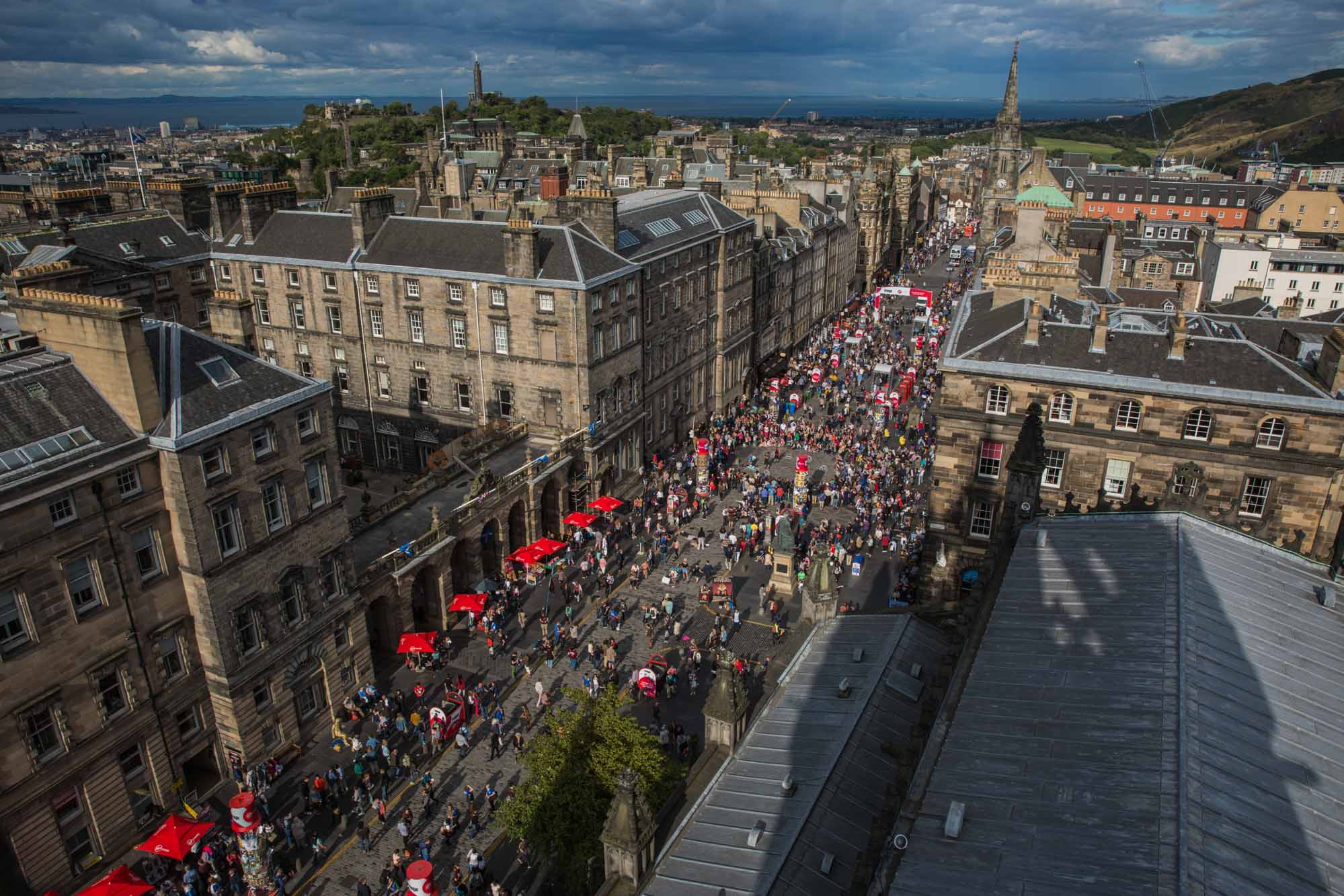
    Well, in a festival with 3,000 performances, they all can’t be winners, can they?

    Although we did find and publish not one list, but two lists of plays we thought were great, today we have some duds. Three to be precise.

    Buy hey, maybe you’ll like them: one man gathers what another another man spills.


    John Kent Walters is Frankie Monroe: Dead!!!

    John Kent Walters’ Frankie Monroe: Dead!!! is part clown show, part stand-up, with a dash of slapstick and a streak of gallows humor. Walters is a well-known UK comedian, here performing as his character Frankie Monroe who is a music promoter dragged to hell “by his balls,” now putting on a show in the underworld.

    But he wants out of hell to reclaim his club from Mr. Vegas who made it fancy.

    Dressed in a Beetlejuice-inspired getup, Walters delivers a sub-hour set mixing crowd work, teasing, and UK-centric references. His heavy accent, combined with colloquial slang, made much of the humor difficult for non-local audiences to grasp. In the cramped, overheated venue, the experience was at times more punishing than entertaining.

    That said, the show had its moments. It wasn’t without laughs, but the pacing lagged, and too many jokes hinged on insider knowledge. For those in on the references, it may be a riot.

    For outsiders, it’s a more uneven ride.


    The Butterfly Who Flew into the Rave

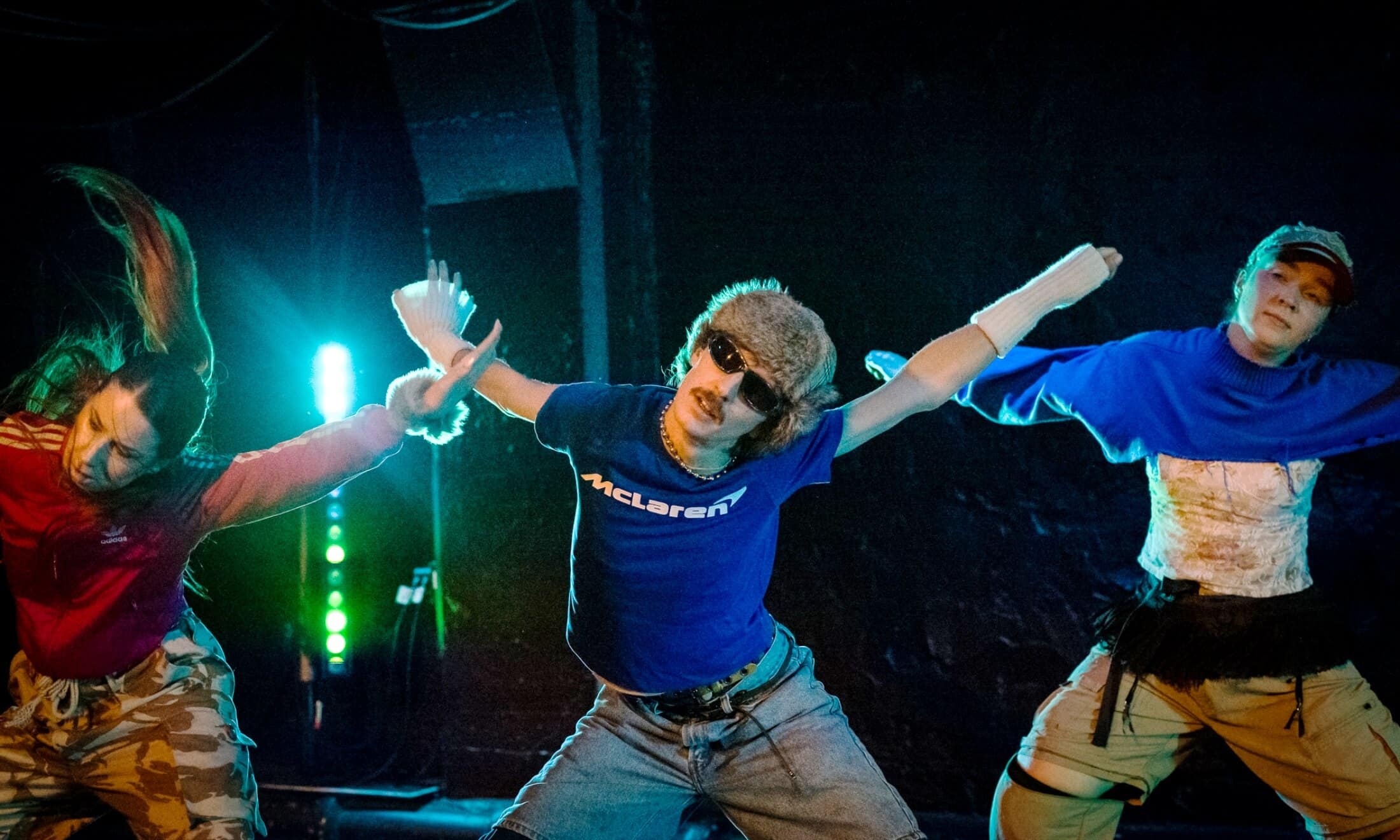
    Hyped by multiple Fringe-goers as a must-see, The Butterfly Who Flew into the Rave is an hour-long endurance feat by three New Zealand dancers performing to relentless techno in a strobe-heavy, high-decibel environment.

    The choreography is impressive, the dancers’ energy unwavering, and the synergy between them undeniable. However, the blaring sound, aggressive lighting, and unyielding beat made the performance more of a sensory assault than an artistic experience for those not predisposed to enjoy club culture.

    The audience around us went wild, clearly loving it. But if you dislike techno or strobe-heavy shows, this is not for you.


    The Centre of the Universe

    A one-woman play about a Gen Z wannabe influencer who believes fame and fortune are her destiny simply because she exists, The Centre of the Universe is intentionally built around an unlikable protagonist. We meet her at 15, follow her to 23, and watch her attempt to manufacture a celebrity persona.

    The actress delivers a strong performance, but the script offers little new insight into social media culture, influencer obsession, or Gen Z entitlement. The show lacks the satire, bite, or self-awareness that could have elevated it beyond a straightforward character study.

    Half-full at performance, it felt underpowered. Despite the talent on stage, she can act and has a future, the writing didn’t deliver enough depth, humor, or fresh perspective.

  • Edinburgh Fringe Review Highlights: Fail Safe & Bury the Hatchet

    Edinburgh Fringe Review Highlights: Fail Safe & Bury the Hatchet

    We at The Jitney continue to review Edinburg Fringe plays at a breakneck speed.

    Today we highlight two diamonds in the rush we would like to promote.

    Fail Safe

    Fail Safe was one of the longest plays we saw at this year’s Fringe at 90 minutes. And it was one of the most engaging. This world-premiere black comedy follows Ivy and Jones, two dead-end twenty-somethings in Connecticut who form a suicide pact.

    Ivy is a long-suffering manic depressive, while Jones is a socially awkward 26-year-old virgin with a slightly more political streak. He wants to make their deaths a statement against capitalism and inequality.

    She just wants to die.

    The piece cycles through repeated failed attempts at suicide, broken up by bursts of dark humor, unexpected intimacy, and increasingly absurd scenarios. The writing is sharp, the pacing tight, and the chemistry between the two American actors snaps, crackles, and eventually pops.

    Despite the bleak subject matter, the show avoids being oppressively dark, opting instead for a twisted but playful tone. With only six people in the audience, it deserved far more.

    Funny, dark, well-written, and captivating. ★★★★


    Bury the Hatchet

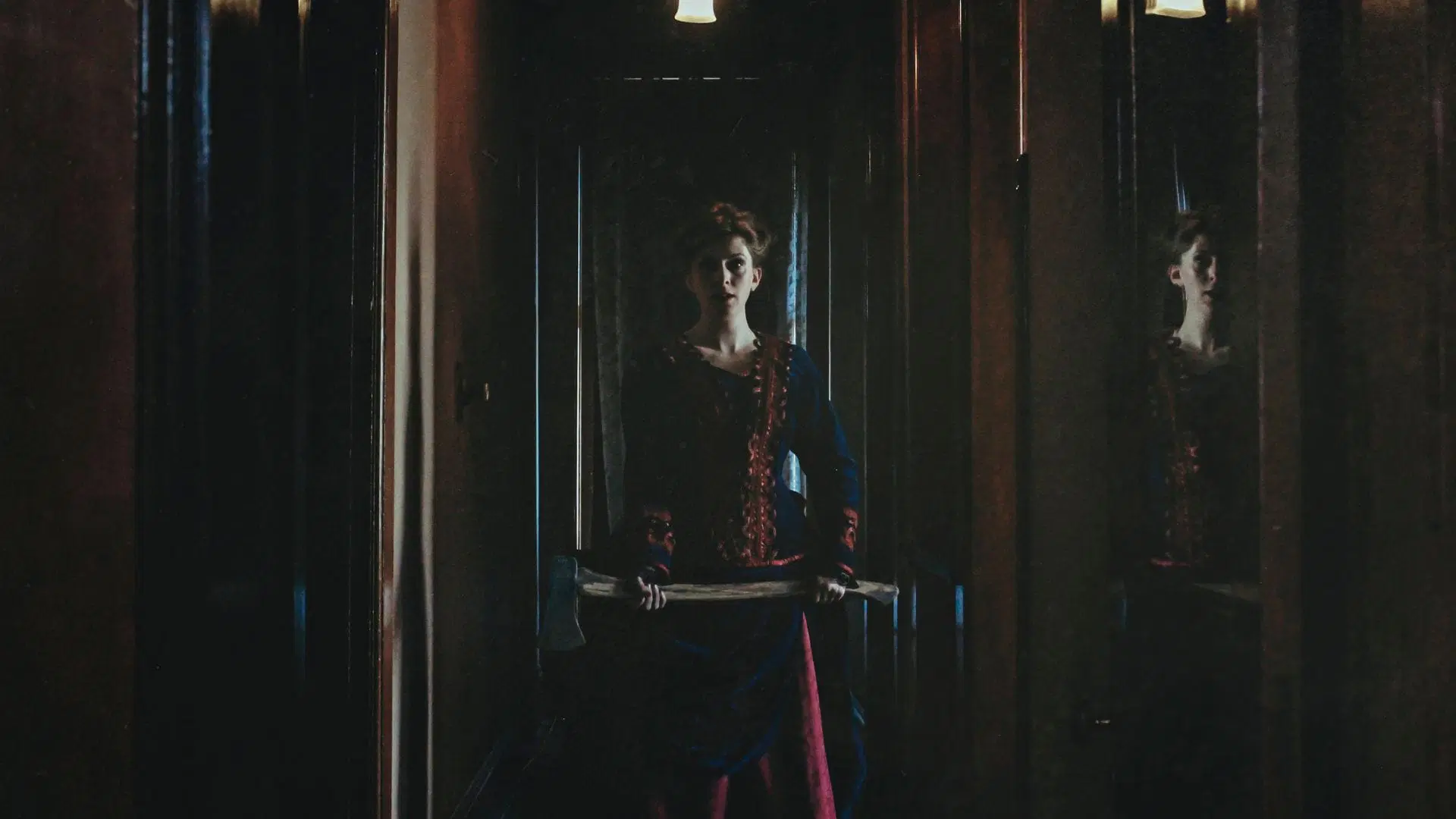
    Presented by Out of the Forest Theatre Company, Bury the Hatchet is a clever, bluegrass-infused retelling of the Lizzie Borden case, one of America’s most notorious unsolved murders. Well, it’s sort of solved, like most people know she did it. Mixing true crime, history, and folksy murder ballads, three immensely talented actors (including an Olivier Award winner) transform the tale into a witty, fast-paced piece of theatre.

    Framed like a live true crime podcast, the show leads the audience through the events, trial, and cultural mythology surrounding Borden. The performances are crisp, the tempo never lags, and the musical elements add a lively twist to the morbid subject matter.

    Tightly packed, great acting, and consistently entertaining. ★★★★

    Our Favorite play of the Fringe remains Philosphy of the World, reviewed here.

  • The Internet Didn’t Change Us

    The Internet Didn’t Change Us

    It started for me with a hiss and a shriek, our dial-up modem screaming like it was dying. Watching the screen glow dim and blueish in the room, a hint of fear rose in my chest at the uncertainty of it all, this unknown plane. Fingers hovering over the keyboard like I was unlocking a portal, like we’d just found the proverbial closet door to Narnia. At the time, it seemed like a new form of life, something both alien and filled with possibility. I was in elementary school the first time I heard that modem screech, eyes fixed on the family desktop waiting to get on “The Internet.”

    Just pixels and text at first, game cheat codes, primitive websites with flashing GIFs, the occasional message board. Then came the chatrooms. AOL. A/S/L. The strange thrill of talking to strangers who you knew were also sitting at another computer somewhere else, fingers tapping keys just seconds before you saw the text. The freedom to say anything without your voice cracking or your hands sweating. I was a shy kid growing up, super unsure of myself. But online, I could be whoever I wanted.

    And so, incidentally, could everyone else.

    From the start, people said things they’d never say out loud. Racist jokes, sexist rants, brutality masked as “I’m just being real, bro.” It didn’t feel forced so much as inevitable.

    Like…we’re giving people relative anonymity here. Of course the masks are gonna came off.

    Some argue the internet has made society worse, pointing to political polarization, misinformation and online harassment as evidence. That argument holds water when it comes to the extremes, but it also misses the deeper truth.

    That the internet didn’t make us worse. The internet is us.

    The Mask Slips

    By high school, the novelty of the whole thing had worn off, but the impact hadn’t. AIM was a legit hangout spot, characterized by the inside jokes and passive-aggressive song lyrics on everybody’s away messages. It was mostly innocent back then though, I’m sure most people thought.

    I sure did.

    Beneath the surface though, in the dim glow of low-res avatars and lagging lobbies, something darker lurked. Comments that cut like serrated knives, buried in threads from usernames that felt like balaclavas covering the faces of shadows.

    For some people it wasn’t just trolling, then or now.

    Trolls offend for the thrill of seeing people angry. Many times, they have no personal connection to the offensive stuff they post. It’s not them I’m talking about, though the ironic meme accounts and edgelords trying to be funny by provoking and humiliating are their own issue. 

    I’m talking though about the kind of meanness that feels honest, in the worst way possible. Long, unhinged rants about race and gender and sexuality from people who remain faceless in ways that still conjure images of the boogeyman, or the masked serial killers in all those ‘70s and ‘80s scream queen horror films.

    The digital world didn’t invent cruelty, but it did provide a shield for people to feel comfortable removing their filters, like an astronaut back in the station from a spacewalk climbing out of the suit. Back then though, in its early stages, most of us couldn’t know that this raw, unfiltered chaos wasn’t the internet’s final form. Couldn’t realize that, as it evolved, so would the way we used it.

    And weaponized it.

    The Performative Self

    Internet anonymity gave people the space to unleash what they wouldn’t in person. But at some point, internet identity itself became a thing. By the time I was in college, the internet wasn’t just where people found information and said what they thought. It was where they curated how they wanted to be seen. Being on the internet became the equivalent of getting dressed for school, carefully choosing which outfit would represent you to the world that day.

    Facebook was the first organized main stage, with Instagram coming along later on like a vanity mirror. By the 2010s it seemed like everyone I knew was suddenly an entrepreneur or philosopher or fitness guru (or at least trying to look like one).

    Not to say I didn’t fall for the bait too.

    I admittedly have spent an embarrassing amount of time choosing the right photos, multiple takes of the same pose so I could delete the ones that made me want to hit the gym.

    Even as anonymity gave way to identity though, the ugliness didn’t disappear. It just switched up its wardrobe. We still got our slurs and screeds, but now they were accompanied by carefully selected profile pictures, fake smiles and filtered selfies. Daily highlight reels of individually-important lives.

    Back then, a lot of the self-comparisons and stream-of-consciousness mind dumps still seemed harmless in the grander scale of things. The impulses beneath the urges — whether insecurity, envy, pettiness, or performative morality — didn’t come with the apps though. They were already in us.

    The internet didn’t create the horrible tendencies, it just brought them out into the limelight. Updated their outlets for the modern age, added a couple hashtags and hit post.

    Loathsomeness went viral.

    And once enough people were performing for the feed, the individual acts blurred into something collectively louder, meaner, and harder to stop.

    The Mob and the Mirror

    Eventually, all that curated ugliness had to reach critical mass. What used to be individual performances turned into collective rituals. Timelines became coliseums, displaying battles both external and internal.

    Rage bait. Outrage cycles. Hashtag vs Hashtag.

    The pandemic was a divergent point. Height of the George Floyd and Black Lives Matter protests, watching one cancellation and dox unfold after another, lockdown days blurring together like circular set pieces rotating from day to night. All of us stuck inside with nothing to do but doomscroll. One day, a racist college kid. The next, an influencer. Then a pastor. Names and faces flooding feeds, the drama even more addictive in the stir-crazy haze of lockdown.

    Many of the people canceled at that time and since deserved the accountability, especially those outed for things like racist ideologies and abusive behavior. But what began as an avenue for valid criticism spiraled into performance mixed with a kind of social bloodsport, which had the duel effect of making us all look bad while also inflating every issue to the point that none of them seemed individually important anymore.

    What I noticed even more than anything though, was how much we all enjoyed destroying people.

    There was a rhythm to it.

    That’s the part that’s scary. The internet doesn’t reward empathy, it rewards extremity, and humanity fits right there. That’s how the algorithms are designed, to bring to the surface whatever gets the most reaction, not what’s most thoughtful.

    That collective voice shouting from all sides makes me think of the Freudian id. The raw, impulsive part of us that’s hungry for attention and power, lit up by likes and shares. A digital subconscious, just a lot louder and a lot meaner than we expected.

    The internet didn’t change us, it magnified us. Amplified our worst tendencies until they echoed louder than everything else.

    The Hope (Not a Solution)

    Yet, despite all that, I haven’t unplugged.

    Not completely.

    It’s exhausting, seeing that reflection every day. But I still show up. Not because I believe I can change anything, but because sometimes the internet still surprises me.

    There’s a strange kind of hope in that, I think. Not in the platforms themselves (those things definitely ain’t saving us) but in the few moments of connection that still get through. A message from someone I haven’t spoken to in years who read something I posted and remembered me. A stranger I exchanged likes with years ago, and now we support each other’s artistic endeavors. A comment thread that didn’t devolve into war but stayed real and funny and empathetic and generous.

    They’re rare. But moments like those still happen.

    If you can’t tell, I’m trying to stop blaming the internet.

    The internet isn’t sentient. It’s a mirror. A megaphone. If the internet’s a playground, our insecurities are the cigarettes we bring to the park benches, chain smoking negativity like it won’t eventually kill us.

    These days, I try to log off more. Post less, write more. Maybe there’s not much else I can do, but I can choose how I respond. I don’t think there’s a fix for what the internet has revealed, not a clean one anyway. But I do think there are small acts of resistance. Choosing not to dunk on someone even when it’s easy. Choosing not to post the photo that’s clearly a cry for validation. Choosing to figure out your own insecurities instead of unleashing them on the world.

    The internet didn’t break us. It just showed us where the cracks were already forming.

    But since they’re out in the open now, maybe we should…you know, take a look.

    See which of those cracks we can fix.

    ***

    → Subscribe to my Substack for more essays and short stories.

  • Edinburgh Fringe Reviews: Casino? & Do Astronauts Masturbate in Outer Space?

    Edinburgh Fringe Reviews: Casino? & Do Astronauts Masturbate in Outer Space?

    We’ve curated two more Edinburgh Fringe reviews, all in the genre of theater.

    Casino?

    Casino? is a delightful romp.

    It’s well-written, fast-paced, and farcical, with all the essential elements of engaging storytelling. The audience at the near-sold-out performance loved it, responding with a standing ovation from a largely twenty-something crowd.

    The plot sits comfortably within a familiar casino trope. In most stories like this, you either get the slick “Ocean’s 11” heist or the desperate gambler’s last-chance miracle win. This one falls into one of those categories (no spoilers) but it’s set among a crew of Scottish waiters and waitresses at a Glasgow steakhouse. The place is overseen by a bullying, sleazy boss. After-hours partying, workplace tensions, and some ill-advised wagers quickly raise the stakes. There’s betrayal, transformation, and a satisfying resolution.

    The show is peppered with heavy local slang and insider jokes that UK audiences will grasp instantly, though international visitors might struggle with the thick accents. Even so, its energy and charm shine through.

    A fun night out at the Fringe. ★★★½

    Do Astronauts Masturbate in Outer Space

    Should win the best title award.

    Staged in an intimate venue just off the Royal Mile, Do Astronauts Masturbate in Outer Space bursts with energy from both its performers and its tightly packed script. In just 55 minutes, the show delivers the density of what feels like an 80-page play, and it is sharp, quick, and brimming with ideas.

    Part comedy, part dystopia, part love story, it’s a smart mashup that feels like The Handmaid’s Tale meets Animal Farm, with a dash of rom-com. Weird mix, right? But it works. At its core, it’s about an unplanned pregnancy and the fears, delights, and relationship pressures that come with it. Layered into this personal story is a biting political commentary that keeps the stakes high and the satire pointed.

    The cast’s manic energy sometimes outpaces the small space, but the piece has the bones of something bigger. The material in this play could easily expand into a larger, more visually dynamic production.

    Surprising, sharp, and full of potential. ★★★★

  • LINEAGE Is an Art Exhibition Confronting Grief

    LINEAGE Is an Art Exhibition Confronting Grief

    This article originally appeared in PureHoney Magazine. Check them out here.

    South Florida multidisciplinary artist Kelcie McQuaid confronts loss, grief, memory and survival in a highly personal project called LINEAGE, whose creation demanded more of her than any art she’s ever previously made.

    “It’s about what gets passed down through blood, through habit, through shame and sometimes through acceptance,” artist, curator, and scene champion McQuaid says of the exhibition at Bailey Contemporary Arts. ”It’s about how memory lives in our bodies.”

    Employing objects from childhood, family portraiture, projections, textiles, petri dishes and more in a mixed-media panorama, LINEAGE also draws on McQuaid’s deep connections to South Florida musicians: One piece incorporates their sonic contributions, all part of an experimental undertaking informed by emotion, intuition and vulnerability.

    “This show was born out of a lot of heartbreak over the last decade,” McQuaid says. A string of untimely deaths in her family hit hard. “I tried to quit art,” she says. “I broke down, but then I kept going.” In the midst of still more losses close to home, the first inklings of what would become LINEAGE took shape in her mind. Bolstered by an Artist Innovation Grant from Broward Cultural Division and Community Foundation of Broward, McQuaid forged ahead. “It’s been the most cathartic and difficult work of my life so far,” she says.

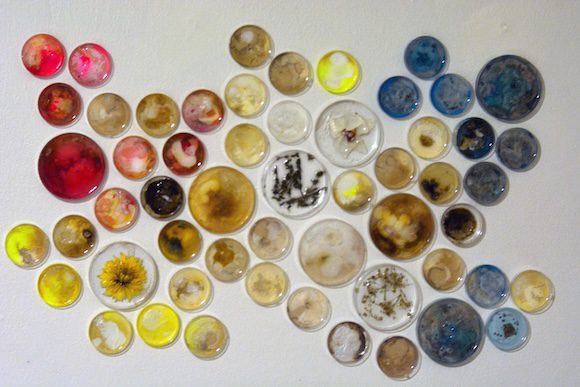
    Some works put familiar elements into unexpected settings. “Placenta” is composed of 600 bio-art pieces employing household items and materials from childhood. McQuaid used each item to grow mold in petri dishes and then sealed them in resin for display.

    Spread across all three galleries is a series called “Chemical Reaction,” sixteen mixed-media works made in response to soundscapes from more than a dozen local musicians including Lindsey Mills of Surfer Blood, Brady Newbill of Nervous Monks, and Chris Horgan of Sweet Bronco.

    “I selected these musicians and asked them to respond to the question, ‘Who in your early life made you feel most accepted?’” McQuaid says. “The results are gut-wrenching compositions of sound, and the correlating family stories they told are just as moving.”

    LINEAGE  at Bailey Contemporary Arts Center in Pompano Beach runs through September 13.

  • Meet Nelly Sheridan – Fiction

    Meet Nelly Sheridan – Fiction

    Brian Newell approached a frosted glass door with The Honorable J. J. Carpenter in brassy gold leaf across it. A grinding noise came from inside. He waited for the noise to stop and knocked.

    “Yes?” a woman called.

    “Nelly? Nelly Sheridan? It’s Brian Newell from Stobo de Pas Park. We spoke a couple times when I interviewed. I have an appointment with Commissioner Carpenter.”

    “He’s not here.”

    “I know, I saw him in the parking lot.”

    “Then you know.” The grinding re-commenced.

    He waited for it to cease and knocked. “Is anybody here I can talk to about the park? I have a list, and I have a problem.”

    “What did you say your name was?”

    “Brian. Brian Newell.”

    “The new Pearl?”

    “The new director at Stobo de Pas Park. Not the new Pearl.”

    “Six-a-one,” she said.

    Locks clicked; bolts slid — a knob turned; the door swung open. The scent of patchouli wafted out like a flashback from the seventies. Nelly Sheridan stuck her head into the hallway, looked left, right, then squinted up into Brian’s face. She lifted rimless glasses hanging from a bejeweled chain around her neck. Her eyes darted side-to-side behind their oversized lenses. A fluorescent orange noise-reduction rig wrapped her neck; its earmuffs rested on her shoulders. A sky-blue bandana wrapped her cloud white hair. A braid, thick as a ship’s hawser, fell down the back of her earth-toned peasant blouse. The shirt’s drawstrings corralled her sun-ravaged decolletage above faded jeans and red-beaded, soft leather moccasins.

    ““Come in, if you’re coming.”  She stepped aside.

    The small anteroom held a plastic-jugged water cooler, a coffee table with tattered magazines strewn across it, and a blue suede couch. A portrait of Commissioner J.J. Carpenter in slashing strokes of riotous tropical acrylic grinned above the couch.

    Nelly pushed past Brian, shutting the door. She twisted the deadbolt’s lever, slid a locking rod, then turned to face him, back braced against the door. “Who saw you come in?”

    “What? I don’t know.”

    “You don’t know.” She shook her head. “Impossible. I say again, who saw you come in?”

    “A bunch of people.”

    “A bunch? They’re not bananas.” She snapped her fingers. “I need names.”

    “Some guy in the parking lot. Said his name was Roger.”

    “Carlisle?  Gave me herpes in the eighties. Who else?”

    “A television reporter. Charles….”

    “Plessy? That old reprobate. Who else?”

    “Carmen Gómez.”

    “Carmen Gómez? Describe her.”

    “Green hair…”

    “Green hair? No.” She fluttered her hands. “Jesus.”
    “Marcos Rivas stopped me.”

    “That zero. What did you tell him?”

    “He accused me of putting a sign on the metal detector. I told him I didn’t do it.”

    “That’s right. You didn’t do it. Even if they have video and a roomful of witnesses. You didn’t do it.”

    “But I didn’t do it.”

    “That’s between you and your god. Who else?”

    “The security guard, Sylvie.”

    “Awake or asleep?”

    “Awake.” He snapped his wristwatch from beneath his sleeve. “She said the watch my father gave me was fake.”

    “She would know. Who else?”

    “The lobby was full of people. One guy said I was number one hundred seventy-four on his org chart.”

    “Fat? Bald with hair plugs?”

    “That’s him.”

    “Crespo… In cahoots with the feds. Next time you see him smile and say, real loud, ‘Nelly Sheridan said that’s some sweet property you got down in the Caymans.’ He’ll get the message.”

    “What’s the message?”

    “Don’t fuck with momma bear, unless you want to be devoured, limb by limb, before she starts on your wife, children and relatives back three generations.”

    Brian laughed. “That’s funny.”

    “Everybody laughs until the bear chews their fucking arm off.” She closed her eyes, shook her head. “I don’t have time for this.” She pushed past Brian into her office. “What? You just going to stand there?”

    “Yes. What? No.” he said, following her through the door.

    Bulging manila folders rose in neat piles from the floor toward the ceiling. More climbed like stalagmites from open file drawers. Narrow paths twisted between piles to two frosted glass doors – the left one labeled, “Storage Closet;” the right, “Private.” Mid-room, beside a cluttered desktop, sat a wheeled contraption with an opening the size of a small hatchback. A touchscreen on its left side flashed red:  Destroy Destroy Destroy. A name plate above the screen read THE EXONERATOR IV: Shred today, avoid questions tomorrow. Nelly pulled the muffs over her ears, grabbed an armload of files, tossed them into the maw.

    The machine roared and gnawed, pulverized and destroyed. A canvas bag behind the machine ballooned with fine dust. The room quieted. The Exonerator belched.

    “I told J. J. a million times, this obsession with paper would be his downfall.” She grabbed another pile and tossed it in.

    Brian clapped his hands over his ears.

    The paper disappeared.

    “Are you sure you should be doing this?”

    Nelly pulled the muffs from her ears. “What?”

    “I asked if you should be doing this?”

    “Doing what?” She snapped a fold of paper from her jean’s back pocket and handed it to him. “Memo from the city attorney, reminding us of the annual records disposal policy. I made copies. Keep it. Could be handy someday.”

    Brian scanned the memo. It directed city staff to proceed with all necessary haste to destroy any and all documents judged to be immaterial or unnecessary for a full accounting of their office’s activities for the year prior, ending September 30, as prescribed by city regulations, state statutes, and applicable federal law. It closed, “As always, let your conscience be your guide.”

    “That’s a year’s worth?”

    “We’ve been remiss. It’s about seven, give or take. Anything before that, they can read all they want.”

    “Who’s they?”

    “The enemy.”

    “And the enemy is?”

    “Anybody not in this conversation.”

    “So, you and me, we’re not the enemy?”

    “Unless one of us proves otherwise.”

    “Good to know.” Brian nodded. “Is Raul Mendoza in?”

    Nelly yelled, “Raul,” grabbed an arm load of files and threw them into the EXONERATOR.

  • Edinburgh Fringe Review: Paldem, Ohio, and Standing in the Shadows of Giants

    Edinburgh Fringe Review: Paldem, Ohio, and Standing in the Shadows of Giants

    We’ve curated three Edinburgh Fringe reviews, all in the genre of theater.

    Ohio

    Ohio is sold out and buzzing with word-of-mouth hype around Edinburgh. This intimate musical biography follows a two-piece husband-and-wife band from Ohio, USA. Both are neurodivergent, and the husband is gradually losing his hearing. On stage, they’re instantly likeable, warm, genuine, and effortlessly charming.

    The show traces their childhoods, marriage, parenthood, and life as working musicians. It’s folksy, gentle, and deeply personal, with a homespun charm that makes you want to root for them. But while the material is original and heartfelt, the tone often stays too soft, never quite lifting the audience to an emotional high.

    Is this the folksiness or the plays themes?

    A recurring focus on religion, drawn from their upbringing, he a Lutheran and son of a pastor, she a Jew, becomes a dominant theme, even though both now seem agnostic or atheist.

    This religious repetition slows the pacing and occasionally flattens the energy.

    But ultimately, Ohio is a good show. Not a great one but a good one. It’s intimate, unique, and warmly received by the crowd, just missing a final spark to make it truly unforgettable.

    Paldem

    Paldem is a sharp, sexy anti-rom-com that dives headfirst into one of the trickiest tropes in the relationship genre, the paradoxical “friends with benefits.”

    Like, what could possibly go wrong?

    As you might guess, plenty. Feelings surface, complications multiply, and when you add a dash of “look-at-me” culture, an OnlyFans account, an interracial dynamic, and a well-timed betrayal, the result is a fast-paced tangle of lust, loyalty, and lies.

    It is risqué without being gratuitous, witty without losing emotional depth, and genuinely riveting from start to finish. The chemistry between the leads crackles, the dialogue zings, and the play keeps its finger firmly on the pulse of modern dating culture. And it’s sexy af.

    Playing at Summerhall, Paldem delivers both the laughs and the heat. It is an irresistible Fringe cocktail of romance, humour, and just enough bite to leave you thinking about it long after the curtain falls.

    This show is almost sold out nightly click here to get tickets.

    Edinburgh Fringe Review

    Standing in the Shadows of Giants

    Standing in the Shadows of Giants was billed as a musical biopic about a struggling artist living under the shadow of a greater talent. In reality, it’s the story of a woman whose younger brother was in a ’90s Britpop band with Oasis-level fame. She was never really a musician herself, and her only tie to the music world was being “the sister of one of the most famous musicians of his time.”

    Instead of music, we get an hour and fifteen minutes of addiction recovery, abandonment issues, rehab, a brief prison stint, and celebrity encounters. While her journey is valid, and not to minimize her recovery and road to peace, but the piece feels like the memoir of someone who’s lived a largely privileged life. It lacks the grit or emotional pull to really land.

    The scheduling didn’t help, 1:30 p.m. for such a heavy piece. Plus it started late and ran long, leaving some scrambling to make their next show at 3pm. The house was only about a third full, and the mood was flat.

    This show is not selling out and to get tickets click here.

    Our favorite Edinburgh Fringe review to date, Philosophy of the World, can be read here.

  • Edinburgh Fringe Spotlight: Philosophy of the World

    Edinburgh Fringe Spotlight: Philosophy of the World

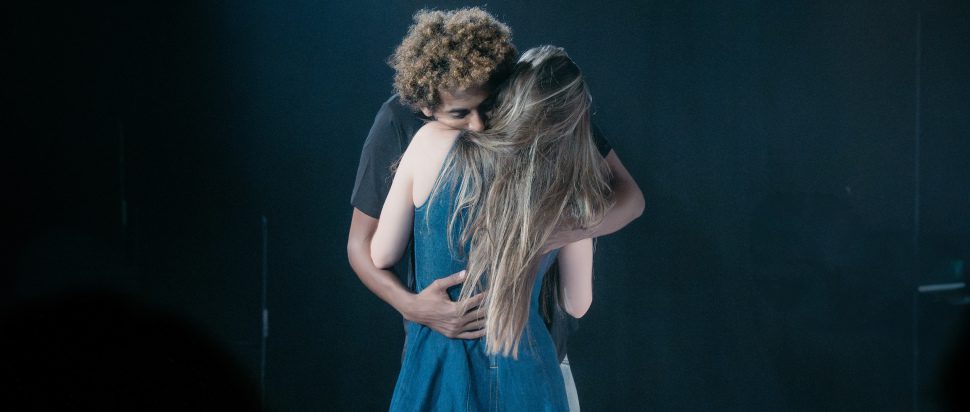
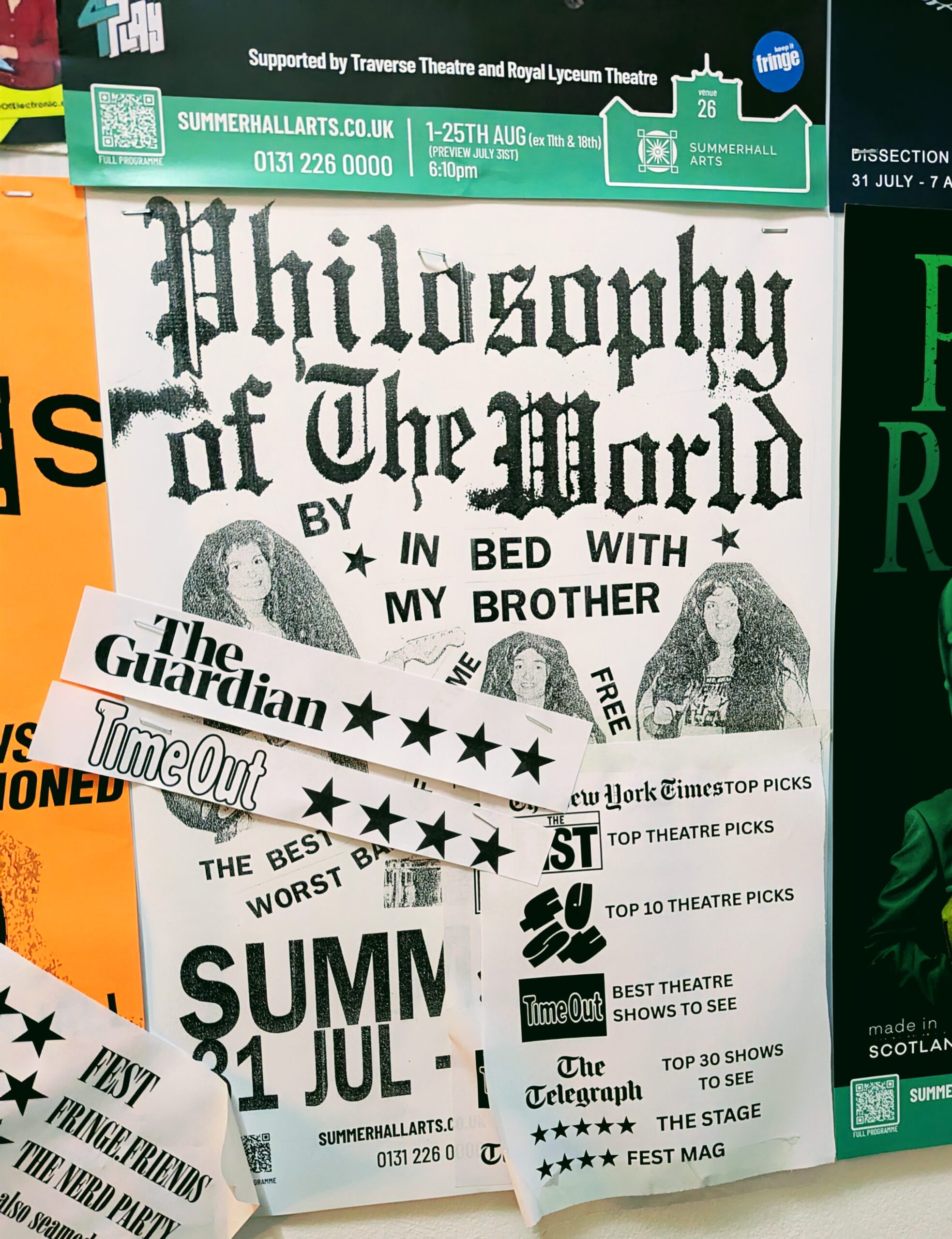
    Philosophy of the World is bonkers good.

    Easy to say, “This play is amazing! No spoilers — go see it for yourself.”

    But this performance, and its performers — Nora Alexander, Dora Lynn and Kat Cory — as well as Nigel Barrett — deserve four-hundred words. On the surface, the piece is a three-act play that’s scripted as a musical biopic of a band called The Shaggs, who produced an album titled Philosophy of the World.

    The Shaggs were a three-sister band formed in the mid-1960s in New Hampshire. They were driven by their father hard to succeed but they didn’t succeed but then they did, eventually becoming a cult sensation.

    According to hipster godfather Frank Zappa, they were “better than the Beatles,” and Nirvana frontman Kurt Cobain called The Shags “a major influence.”

    But this play is and is not about The Shaggs; the piece is an onion. And once you start peeling off the layers, it might stink, might make your eyes tear up, but it encapsulates a very clear philosophy of the world.

    Work hard. Fail till you succeed. Don’t give up. Rise up in a world without entitlement at a time when it’s harder than ever without nepotism. The play is about feminism and the patriarchy, and father-daughter relationships, and how layered they are. It’s about discipline and structure without structure, structure in chaos. And it’s 100% a cutthroat examination of just how insane it is to be alive in the year 2025.

    Yet the production still has a historical lens that seems very relevant and refreshing.

    Philosophy of the World Crushes at Fringe

    This play is not for everybody. It is experimental and violent and loud and bloody! But if you are open to enjoying the beauty that theater can give you, this play is pure art. And it’s punk rock as hell!

    These performers literally bleed on stage every night.

    The Third Act of Philosophy of the World is a wicked murder board that will slay you.

    This play deserves to get picked up and put Off-Broadway.

    Four days into Fringe, it’s about a mile better than anything we’ve seen so far.

  • The Grey Tones Blend the Ethereal and Distorted

    The Grey Tones Blend the Ethereal and Distorted

    The Grey Tones is a duo whose sound blends ethereal and distorted moody surf-inspired textures. Featuring Agent Mar (Marcela Agüero)  a vocalist and multi-instrumentalist whose style ranges with post punk elements. Complementing her sound is The Abominable Dr. John (John Messing) The unique approach combines vintage drum machines, layered samples and expressive bass work to create  a haunting, cinematic atmosphere at the heart of the band’s music. Sneak a peek at the entrancing sound of several shades as The Grey Tones hop aboard The Jitney.

    Why the name, The Grey Tones?

    Mar: Our former name was “Agent Mar and The Abominable Dr. John”. It exceeds character limits for almost every platform. It took us a year to agree on a shorter name. The Grey Tones is a very special name for us because we’re both into B&W photography and John is into vintage film. I’ve actually used this name for my side projects for decades. It’s a neutral but meaningful name.

    Dr. John: We wanted a name that Reflects not only our music but also our interest in art. We also wanted something that is easy to remember. 

    What is your practice situation and who and how do you write your songs?

    Dr. John: We are able to practice at our home studio since we use electronic drums. It starts with a riff or a melody on the bass. Mar adds the vocals and then I write the drums and any other instruments are added after.

    If you can have a guest musician play with you who would it be?

    Mar: My first thought is a drummer friend named Ramsey.

    Dr. John: The first thing that comes to mind is prog-rock drummer Bill Bruford or I wish I could have played with The Ventures drummer. 

    Mar: Funny how we both thought of drummers.

    Tell us about your next album and when can we expect it?

    Mar: We quietly released a demo today. It’s our first! No one knows about it and it has no plays. But it’s everywhere if anyone is curious. We are recording a handful of songs now.

    Dr. John: (Laughs) That would be this album right?  It will be our first and it will encompass all of the aspects of our music. And, should be available at the beginning of next year.

    Share with us something that you wouldn’t usually tell other people

    Mar: We used to be in a Goth band and we were also frenemies.

    Where do you come from?

    Mar: We’re from the old Broward underground scene. Squeeze, Nemesis, ect. Shout out to downtown Ft. Lauderdale!

    Dr. John: I was born in Coral Gables, but moved to Fort Lauderdale when I was two years old. I have always been here. The band came about from us knowing each other in the south Florida scene many years ago and we’ve worked on and off together in different projects. We met each other at Squeeze. And just being musicians and having similar interests, things just fell together.

    Do you have a video coming out?

    Dr John: Why yes we do! We have our first video coming out this month as well as our first release.  It’s demo quality but encapsulates our style. 

    What was the first album you each bought?

    Mar: Duran Duran’s Rio. I guess I’ve always loved a good bass line.

    Dr. John: The first album I ever received was James Bond Live and Let Die, on 8 track tape. The first album I ever purchased was Tales from Topographic Oceans by Yes. And, the first album I took from someone else was The Ventures Live Album.

    Anything else you want to tell me or provide to include into this.

    Mar: The Grey Tones is an old and new musical collaboration. Some of the songs we did together in the past with a full band and drummer.  For the past decade or so, John has been performing as a solo artist. (how cool is that?! A band that’s just Bass Guitar!) It really highlights the contributions he’s made to each of his bands. He restructured his original bass parts, and created new ones too, adding drum machines, keyboards and samples. Now, I’m adding new and old vocals, flute and ambient parts to his arrangements. It’s taking on such a unique form so far and we’re pumping out songs pretty fast. John’s project is different than the electronic styles I’m used to working on, or the gloom-rock bands we used to be in. Lyrically, it’s easy for me to write sad songs, but we try to keep our vibe positive for The Grey Tones. We even jokingly base the style off spaghetti-westerns, and spy theme movies. Our musical reunion is the best gift I could’ve asked for. We’re grateful to everyone who’s collaborating, supporting or even interested in us. We do it because it’s fun. And we can’t wait share our sound with everyone!

    Dr. John: The best is yet to come!

    Please Provide your social media handles.

    Instagram : https://www.instagram.com/thegreytones.music/

    Facebook: https://www.facebook.com/TheGreyTones.music

    TikTok: https://www.tiktok.com/@thegreytones.music

    YouTube: https://www.youtube.com/@GreyTones-music

    New! Spotify: https://open.spotify.com/artist/0Qz73xwYg3XfLzM4KJfiT6?si=fmtEUjfpSyqd-tKWO9YOUQ

  • Not Even the Miami Playboy Club Could Keep Us Apart

    Not Even the Miami Playboy Club Could Keep Us Apart

    Funny (or, sometimes not) how “stuff” happens or, as I am wont to say, how feces occurs.

    In our Part One I talked (wrote) about being in love with “a nice Italian girl from Bay Ridge, Brooklyn” and how it turned out that, not only wasn’t she so nice but how a stunningly beautiful woman by the name of Myrna (last name at the time, that “time” now being almost 49 years ago, being DePaula) saved me from the late Maryann. And, as we would say in Espanol, “OY! Is dot a story!”

    Anyway, I met Maryann at the Fontainebleau in late July or August of ’66, getting ready to leave for a little place in upstate New York called Cornell University, my being the first Dade County Junior College (DCJC) graduate to be accepted at that fabled institution of higher learning and being the first DCJC graduate to graduate from Cornell (only took me seven years to get my bachelor’s degree) but in regard to Maryann I was totally infatuated with her. Simply put, she was the sexiest female who I had ever seen, much less met. The infatuation did turn to love, but totally and thankfully (although I did not feel that way at the time, this all pre-Myrna) to no avail.

    She came up to see me in Ithaca for two fraternity weekends and my fraternity brothers sat there staring at her with their mouths hanging wide open, she was that sexy-looking. I spent Thanksgiving (remember, that was 1966) with her at her sister’s house in Brooklyn and a couple of weeks later called her on the pay phone from my upperclass transfer dorm in Ithaca only to have her tell me that she and Sammy, who she had been going with for seven years before she met me were getting married and I can’t begin to tell you—which I am doing!—how broken hearted I was.

    He, being a tough guy from Brooklyn was the type of moron who, when they were dating and going together would, if a guy turned and looked at her (no normal guy could help doing that she was so rousingly sexy) he would throw his chair back, walk over to the—in his mind, offending–male who had been staring and say (and I quote) “What are you doing? Looking at my girl friend (or wife, later)? I’m gonna kick your ass. After we re-united I explained to her what an insecure putz he was and asked her if she hadn’t noticed that, when we went out, I was looking around to enjoy the fact that all the men were staring at her, which was exactly the same with Myrna because she was so stunning and elegantly beautiful that you (male or female) couldn’t help but turn and drink in her beauty. Seriously.

    In Part One I wrote of reconnecting with Maryann after she was married and how she was going to leave the husband and come up to Ithaca for my graduation, then to my first two jobs in Dallas and Atlanta and then to meet me back in Miami Beach, none of which happened. Fortunately (for me) I followed that with (as the great song goes) “Some Enchanted Evening” when, indeed, I did meet a stranger, and saw her laughing across a crowded room and have shared the story with you of how the late, great Oliver “Butch” Stallings introduced us.

    Myrna had been married twice before and I became her third (and last) husband, she my first and only wife, but truth be told (again) I chased that woman for three years until she caught me!

    We met one week and one day after Thanksgiving of ’73 and about a month later when I called her for our next date she said to me “I don’t think I’m going to be seeing you anymore.” Well, I had learned a lesson when I went to Chicago (as I did every summer) following my 10th or 11th grade at Beach High to spend about six weeks with my dear Aunt Gertrude (Mom’s sister) and Uncle Joe but I left behind a Miami High girl by the name of Gale Burt, who I was honestly and earnestly crazy about. Soon as I got back to Miami Beach I called her and much to my shock heard these words: “You didn’t write me while you were away so I’m not going to see you anymore.” I was stunned and couldn’t believe it, but I did learn the lesson that I should have tried to convince her that it was wrong of me and to at least meet with me and give me another chance. (Of course, I didn’t have her address so it would have been tough to send a letter!)

    That lesson stuck with me and as soon as Myrna told me what she told me in the first sentence of the above paragraph I responded with “Wait a moment. Please, let’s do this: meet me at Parham’s (remember that wonderful restaurant on the northeast corner of 73rd and Collins on Miami Beach which was famous for it’s pancakes?) and least let’s talk about it.” As she would later say—with a smile, of course!—“Big mistake! I met him there and with his glib commentary and wonderful voice, that was it! We were never apart again!”

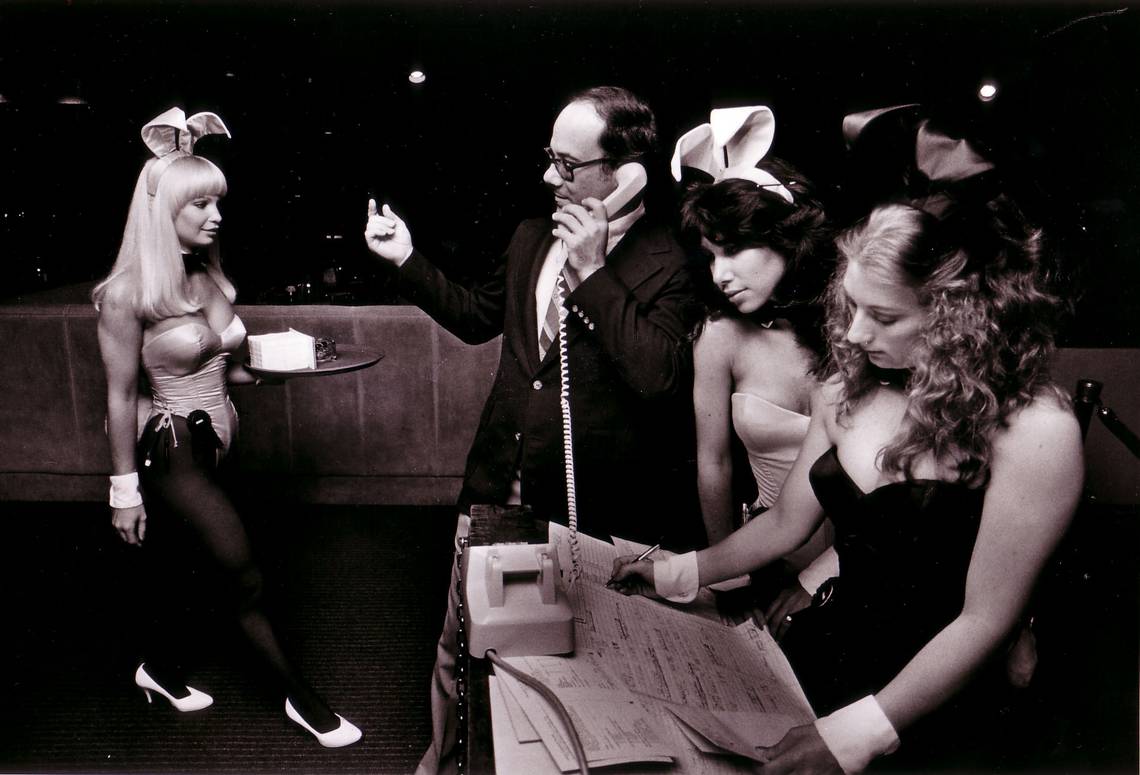
    Myrna came up to New York, where I was managing the fabled New York Gaslight Club (the great story of the Gaslight Clubs, which—seriously—the Playboy Clubs came from) will follow in another episode “down the road apiece” and I know you will love that one, also) to spend the summer of ’76. Her daughter, Saralyn, then 14 and now my daughter, also, spent the summer with Uncle Barry, Myrna’s brother and his then-wife at Barry’s apartment on the east side. We had a wonderful summer and every time I would bring Myrna to the Gaslight Club, Ann, my head Gaslight Girl, would come over and say (and, yes, I quote exactly) “Myrna, you have to become a Gaslight Girl,” and Myrna would respond, always graciously, “thank you, Ann, but I teach in an elementary school on Miami Beach and I just can’t” and the same thing would happen when I brought her to the Miami Playboy Club when my Bunny Mother would come over and say, “Myrna, you have to become a Bunny” and Myrna would give her the same answer as I smiled through it all. (Yes, “it’s twoo, it’s twoo” as Lilly Von Shtup would say to Clevon Little playing “Sheriff Bart” in “Blazing Saddle,” this writer is the only living former New York Gaslight Club and Playboy Club Miami General Manager)

    So what was next for us? Myrna had earned a two-week fellowship from Sears (a different company at that time, of course) at the University of South Florida in Tampa, all expenses paid, the title of said fellowship being “There is No Such Thing as a Free Lunch” and it was a marvelous learning experience for her as it was a two week presentation and discussion on and about capitalism, the free market economy and democracy and she loved it, returning to the apartment in North Bay Village in time for the resumption of classes in either very late August or early September.

    Keep in mind that in those years we didn’t have cell phones. While we did have direct dial, we paid for each long distance call and there was no Caller I. D. so you didn’t know who was calling. Anyway, it must have been a Sunday because I was in my apartment (12J at 101 W. 57th Street on the southwest corner of 57th Street and 6th Avenue, the “Avenue of the Americas”) and the phone rang. Upon answering it I heard two words:  “I’ve decided.” To which I replied, in my innocence, “you’ve decided what,” and the answer to that question was (no kidding!) “I’ve decided we’re getting married!”

    Now, folks, here I was, running the famous New York Gaslight Club, surrounded by the beautiful Gaslight Girls and so I immediately started back-pedaling: “Wait a minute,” I said, “the several times I brought it up you told me that everything was fine and that we should just “leave it as it is,” so let’s do this (as I desperately tried to buy time!) let’s think about it carefully and we’ll talk about it again in February” and what I heard on the other end of the line was (and I quote) “If you don’t want to marry me then don’t call me the next time you’re in Miami.”

    Well, dear readers, in addition to being a writer (America’s single most-published Florida history book author, now working on numbers 34—38, none self-published and having written something in the vicinity of 400 articles, I am also a talented public speaker) here is where I must state that I hope that some of you will get to hear this routine at one of my talks because you will be rolling off your chair laughing.

    First, as I say to the audience, “do you think any woman is going to speak to ME that way? Do you think any woman—my voice rising—is going to talk to me like that?!  And—now with a very much raised voice—”do you want to know what I said then? I said (again, loudly) following which my voice dropped to just above a whisper, “what day do you want to get married on?” and that was how I found out I was getting married!

    We set the date for November 27th of 76, the wedding at the Gaslight Club, and, yes, I was still seeing Maryann until the month before and on our last date (for lunch) we were walking back crosstown toward my apartment when I stopped (I will never forget this) in front of the famous New York Athletic Club on the north side of 57th Street and said to Maryann, “I have to tell you something,” to which she answered with one word, “what?”

    “Myrna and I are getting married” and she did something she had never done before: she started to stutter “but…but…but…I’m getting divorced.” “Really, well, I’m sorry. You’ve been telling me that for eight years and I am not going to tell Myrna that I’m not going to marry her because you’re telling me again that you’re getting divorced.” She appeared to be genuinely upset, and that, I thought was it.

    Well, she (Maryann) did get divorced two years later, in ’78, and called to tell me and to ask if I was still married and those calls went on every two years, she re-marrying in ’88 and getting divorced in ’96, calling me bi-annually to update me and find out if I was still married, which, obviously, I was. (I was Myrna’s third and last husband, she my first and only wife and the only time she ever smoked was between husbands!). Anyhoo, two final notes: Maryann died in 2019 at the age of 74 and her sister, Geraldine (Geri) called me from New York not just to tell me that Maryann had passed away but to also tell me that Maryann had asked her to call me to let me know that she knew she had made a terrible mistake not marrying you and she hoped you would forgive her. (Yes, actually and truthfully, I really would have liked to thank her)

    And, “in finality” for this episode, I have to share a secret with you all. Myrna divorced her second husband when he didn’t come home one night and finally admitted to her that he had had a “little thing” with a tsotskalah (Yiddishism for a babe) who worked at First Union at the corner of Lincoln and Alton, which had been Miami Beach First National Bank, after which she told him—after eight years of marriage—to pack up and get out. As she told me, he begged and pleaded with her, eventually on hands and knees, promising that it would never happen again, and I have never forgotten the words she used in her elegance and refinement when she told him it was over: “You’re right. It will never happen again because you took away my dignity.”

    Dear readers I never forgot those words and if you don’t think that, as G M of the New York Gaslight Club and Playboy Club Miami that I didn’t have plenty of opportunities you would be wrong, BUT:

    In almost 47 years of marriage (November 27th of ’23 would have been our 47th anniversary, she having passed away on September 7th of that year) never once—not once—in those almost 47 years did I violate our marriage, never, for one moment. I never forgot those words, and we never, ever, took away each other’s dignity, but, and in closing, a real and true confession….

     ….about three years before she died I said to her, “Myrna, I have to make a confession,” and she said, “which is what?” and I then followed with, “I have been having an affair for i a few years” after which a broad smile broke out on that still stunningly beautiful face of hers and she replied “I know.”

     “You know?” I queried, and she, still with that smile, said “of course I know: it’s called the Florida East Coast Railway” and that dear friends and readers will be “it” for this go-round, looking forward to regaling you with more in the next several issues, perhaps with the factual stories of and about the NEOsonderkommandos, as well as “Debunking the South Florida Myths” in which you will learn that so many of the fables, fairy tales, fol-de-rol and bubbemissehs spouted off by certain other people are nothing but that: a complete bunch of nonsensical hooey with no basis in truth of fact, as well as, in addition, with “more good stuff.”

    Be well, all, stay safe, and as we say in South Florida, “Thank you for not shooting and have a MIAMI NICE day!”