Category: News

  • Subscriptions, Serfdom, and the Price of Progress

    Subscriptions, Serfdom, and the Price of Progress

    The endgame is becoming clear: everything is a subscription. Your doors unlock if you’re up to date on your dues. Your stove heats for fees. Your shoes track steps behind paywalls. You own nothing, pay forever, and corporations control everything.

    This isn’t innovation, it’s digital feudalism. Medieval peasants paid lords for the right to farm land. Today, we pay corporations for the right to use tools, software, even the features in cars we already bought. Heated seats, tractor repairs, printer cartridges, each sliced into monthly fees. The packaging is new. The power dynamic is ancient.

    It reminds me of what I’ve seen play out in my own city. Developers pitch “special area plans” and massive projects as progress for the neighborhood. But behind the smoke and mirrors, the same equation unfolds: those with the resources get exemptions, shortcuts, and guaranteed profits, while small businesses and residents carry the burden of bureaucracy and rising costs. We’ve poured blood, sweat, and tears into our communities for decades, yet the rewards are siphoned off by those with enough leverage to tilt the playing field.

    In either case, tech subscriptions or urban development, the story is the same: concentration of power dressed up as progress. We’re told it’s about convenience, efficiency, or revitalization. But what it often delivers is dependency and increased disparity. A model where survival means signing the contract, keeping the auto-renew box checked, watching your neighborhood rebranded in whatever image suits the marketing team’s strategy.

    We need systems that let people create, own, and sustain without paying forever just to stand on ground they already tended. It’s not too late to demand better. Friendlier cities, fairer tech, more honest economies. But it starts with seeing clearly: when ownership disappears, when contracts are written intentionally to disenfranchise, we’re not being offered freedom. We’re being ushered into a new fiefdom.

  • Exiled on Main Street: E-Roc Spins Stories in Sound

    Exiled on Main Street: E-Roc Spins Stories in Sound

    For some, the pandemic meant binge-watching shows or learning to bake bread. For Eric Sanders, better known in crate-digging circles as DJ E-Roc, it meant doubling down on vinyl, curation, and community. From his home on Main Street in Bethlehem, Pennsylvania, Sanders launched Exiled on Main Street, a Mixcloud series that has since racked up more than 400,000 minutes of listening time, drawing ears from around the world.

    “I really believe there is an artistry to it,” he says. “It’s gratifying to share these relatively rare tracks and have people listen from all over.”

    The project began almost a decade ago with recordings of his Universal Sound radio show in Portland, Oregon. After moving east, Sanders leaned on Mixcloud as a way to share the music that excited him. By 2020, livestreaming vinyl sets on Twitch and Mixcloud Live for collectives like Metro Sessions and Exciting Drink Radio gave the project a new momentum. The Stones-inspired name came naturally: “I actually live on Main Street and at the start of the pandemic, I was indeed ‘exiled’ there,” he laughs.

    Though E-Roc’s roots stretch back to South Florida, where he attended FIU in the mid-’90s, his collection and tastes have evolved considerably. What began as a stack of indie rock CDs and glam records has ballooned into a library of nearly 10,000 LPs and thousands of 45s. These days, his obsessions run toward jazz, soul, disco, and the endless chase of “cheap heat” records. “Chico Hamilton’s Impulse records are exceptional, and cost far less than they should,” Sanders notes, name-checking guitarist Gábor Szabó and Larry Coryell as overlooked gems in the mix.

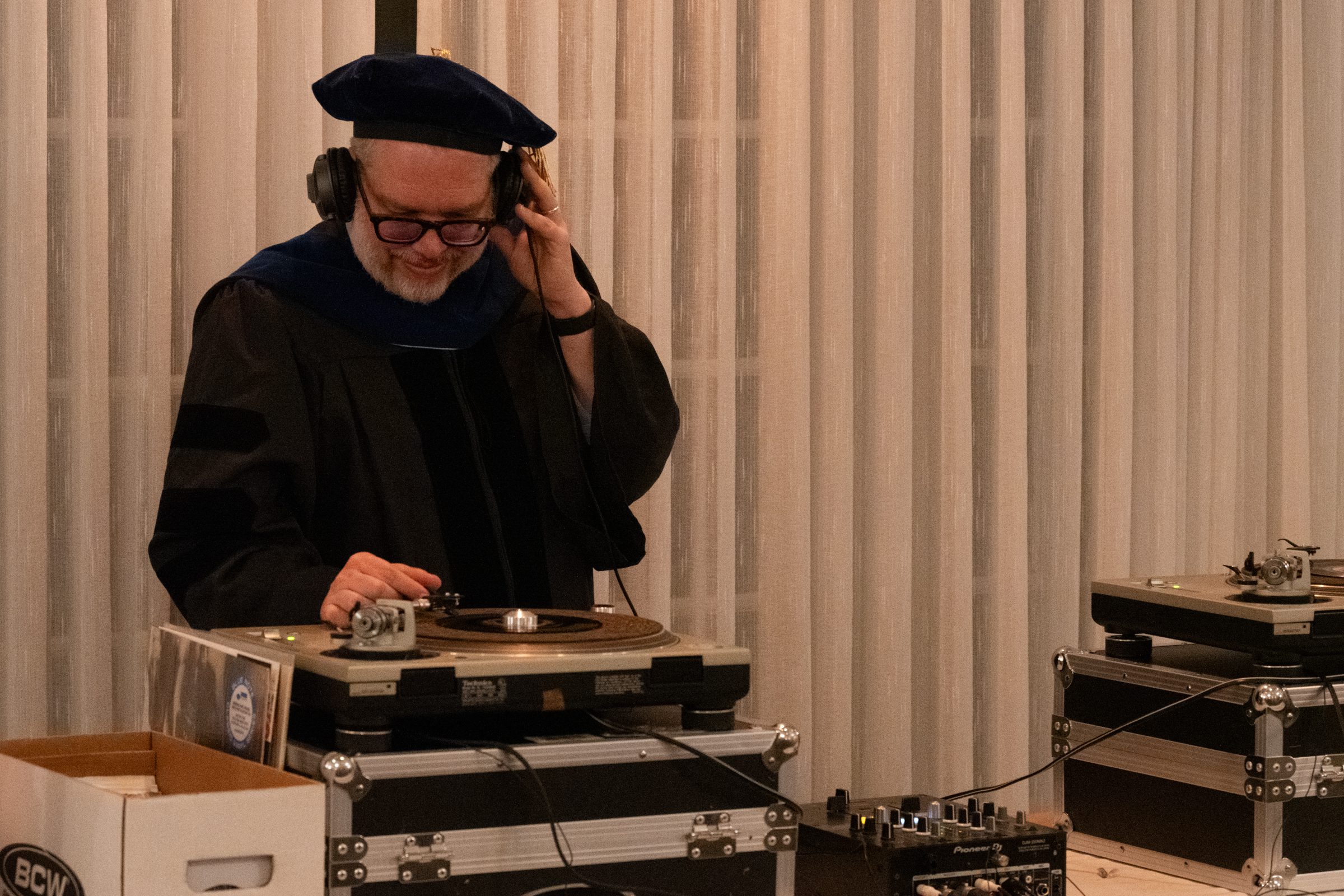
    That collector’s instinct dovetails neatly with his life as an academic. “Making mixes is similar to writing a research article,” he explains, bridging the gap between his duties as an academician with a Ph.D. in speech and hearing sciences. “Both are planned out, tell a story, and require time spent refining and editing.” While his live sets around Pennsylvania’s Lehigh Valley with the Nite Liters LLC crew lean more on instinct and crowd reaction, Exiled on Main Street is meticulously curated. Every track, across nearly 190 mixes, is logged in a Google Doc to avoid repetition. Some sets are thematic, like tributes to producer Charles Stepney or vocal-driven jazz, while others mimic the spontaneity of a late-night set peppered with nostalgia.

    Sanders still thrives on the hunt. The closure of his local shop, Double Decker Records in Allentown, left a void, but trips to Philadelphia, New York, or Princeton fill the gap. “Sometimes I’ll play a record and just be overwhelmed thinking about the journey of this 60-year-old piece of vinyl and how it ended up on my turntable,” he says.

    For listeners, that reverence translates into mixes that feel less like playlists and more like sonic essays; stories told through grooves, tempo, and transitions. In the end, Exiled on Main Street is not just about rediscovering forgotten cuts. It’s about building bridges: between past and present, between the solitary act of collecting and the shared joy of listening.

  • 2025 Miami Dolphins Season Preview

    2025 Miami Dolphins Season Preview

    If I was going to ever sell my writer soul and let artificial intelligence do the writing for me, a Miami Dolphins season preview article would be the culprit. Ever since Stephen Ross bought the team in 2009, you knew before each season exactly what The Miami Dolphins will give you… mediocrity. They might be a couple games over .500 or a couple games below. They might even make the playoffs a couple times a decade, but only to get slaughtered in the first round. It’s been a joyless, thankless exercise being a Dolphins fan the last 16 years.

    This is probably right around when ChatGPT would show me links to suicide hotlines. But where there’s life, there’s hope. Even hapless franchises like The Cleveland Browns and Detroit Lions have won playoff games in recent years. Could the 2025 Miami Dolphins break their quarter century curse and finally win in the postseason this year?

    Let’s start with our 6th year quarterback, Tua Tagovailoa. Here’s what I wrote about Tua two years ago in the 2023 season preview. “He is a winning quarterback when he plays. The Dolphins have a 21-13 record with Tua as  starter. Unfortunately he has also shown his body is not made for the rigors of football.” Somehow now he’s 40-24 without seemingly ever beating a good team.

    Or ever seemingly fully healthy. Last year he ended the Dolphins season in week 2 by running head first into a tackler knocking himself out of consciousness and out of the next month of games. He came back to get the Dolphins into playoff contention, only to miss the last two games and the playoffs.

    Since then his supporting cast has only gotten worse. Once great wide receiver Tyreek Hill found himself in more off field controversies than he had touchdowns last year which only numbered six. Jaylen Waddle slumped even worse, only able to get in the end zone twice. Once promising running back De’Von Achane had double the rushing attempts in 2024 compared to 2023 and only managed 100 more yards for his troubles. Their best offensive lineman Terron Armstead retired and the lone 2024 bright spot in tight end Jonnu Smith was traded.

    On the defensive side of the ball linebackers Bradley Chubb and Jaelan Phillips are supposedly coming back from season ending injuries, but counting on them making it through an NFL season without another injury is the height of insanity. Future hall-of-famer Jalen Ramsey demanded a trade which took him to Pittsburgh in exchange for Minkah Fitzpatrick who it seems like just yesterday demanded a trade from the Dolphins. The rest of the secondary is filled with no names.

    Now we get to see what Coach Mike McDaniel is made of. Can he get a team that looks awful on paper to overachieve? Is he the wunderkind that he was touted upon his hiring or the overwhelmed dweeb he comes across at press conferences?

    Three years and change is all Stephen Ross generally allows Dolphins coaches to last. He fired Adam Gase and Brian Flores after year three, while cutting loose Tony Sparano and Joe Philbin midway through year four.  Looking at the 2025 schedule the Dolphins late bye week looks like it could be when McDaniel gets the axe. The Dolphins will have three tough home games going into it against Baltimore, Buffalo, and Washington. Go 0-3 in that homestand and I don’t think McDaniel will survive. Especially after an offseason where he was mocked and ridiculed by former players as a pushover.

    Betting lines have the Dolphins at exactly .500 picking them to win 8.5 games. I’m going the under and see a dreadful 7-10 season in our future.

  • Proper Procedures – Fiction

    Proper Procedures – Fiction

    Nelly Sheridan grabbed another arm load of manila folders and tossed them into The Exonerator. The machine roared and growled, grinding what may once have been evidence into fairy dust. “See,” she said. “That’s how we do it.”

    Brian Newell nodded. “That’s very efficient.”

    “I pride myself on efficiency.”

    “I can see that.”

    Nelly smiled at him for the first time. “What did you say you needed?”

    “Raul Mendoza. Is he in?”

    “Raul,” Nelly hollered and gathering another arm load of folders she threw them in The Exonerator.

    As the machine roared, the “Storage Closet” door swung inward, and a famine thin man appeared. Tall as Brian, the man’s bald head shone as if waxed and buffed. His face gaunt, eyes sunken but bright, he held Brian in a steady gaze from under coal black eyebrows. A matching black beard shadowed cheeks and chin. Its gray rootstock signaled the need for a touch up. He wore a midnight blue Lebron James, Miami Heat jersey. It hung loose as a house dress over a white crew neck t-shirt. His pressed and creased khaki shorts reached knees boney as clenched fists. His twig thin calves ended at bulging ankles above tan deck shoes.

    Nelly jerked a thumb at Brian. “Came to see J.J. Says he needs help.”

    Raul looked left, right, then tilted his head sideways, looking Brian up and down. “And you are?”

    “Brian Newell.”

    “Who?”

    “The new Pearl,” Nelly said.

    “I am not the new Pearl. I’m Brian Newell, the new director at Stobo de Pass Park. We met during my interviews. On Zoom.”

    “You’re so much larger in person.”

    “Isn’t everybody?”

    “Is that some kind of fat joke?”

    “What? No. You’re not fat.”

    “I was until Ozempic.” He shook his head. “Fat shaming still triggers me.”

    Nelly pulled a sparkling blue vape pen from her back pocket, sucked in a big breath, held it, then blew pink vapors into the air. Her eyes rolled back. She staggered, then straightened. “Wait till you hear this guy. He’s the new and improved Pearl.”

    “I’m not the new anything Pearl. I’m Brian Newell from Philadelphia. You read my C.V. Summers hanging hammocks at Spruce Street Harbor Park. I interned with Dan Biederman’s crew in Bryant Park. I’m going to bring new ideas to Stobo de Pas. I’m not going to do anything that gets me sent to prison.”

    “I’m sure Pearl believed he wouldn’t get caught.”

    “I’m not going to do anything that would get me caught.”

    “Hear that Nelly?”

    “What did I tell you? A regular criminal master mind.” Nelly clapped the earmuffs on and tossed another stack of papers into the shredder. When the grinding stopped, she yelled, “Make sure your guys know, this all disappears. When there’s no evidence, there’s no questions.”

    “And fewer answers.” Raul turned to Brian. “So, Mister I’m not the new Pearl, what can I do for you?”

    “I have questions about the proper procedures to get things done at the park.”

    “I can help. Step into my office.” Raul moved aside, and bowing slightly, he swept his arm toward the doorway. “After you…”

    Brian pointed at the door. “In the storage closet?”

    “The right person in city hall can get anything he wants on his door.”

    Brian stepped past Raul into a high-ceilinged room with cream-colored walls and gold flecked, black terrazzo floors. A hint of cedar and a smoldering cigar scented the air. A rattan ceiling fan turned slowly overhead. Dark wood accordion shutters covered a bank of windows in the opposite wall; louvers partially cracked allowed bars of morning sunlight to slip in. Beneath the shutters, atop a hulking wooden desk, sat a large gilt framed photo of a pre-Ozempic Raul beside a smiling Lebron James. Lebron palmed Raul’s bald head as if it were a basketball. An open Apple laptop sat in the desk’s middle; its power cord snaked across the desktop.

    To Brian’s right, an elegantly distressed brown leather couch was pushed against the wall. Above it, a flat screen showed the city commission chambers. “Currently in Recess,” ran in an endless crawl at the screen’s bottom. An etched glass decanter half full of brown liquid and four matching glasses sat on a polished silver tray in the middle of a teak coffee table. Beside the tray, a dark wooden humidor flanked a heavy glass ashtray with a smoldering cigar. Two cane backed chairs faced the coffee table. Their back legs resembled the limbs of a large wading bird, with three-toed feet splayed on the floor. The chairs’ arms and front legs were carved like the sinuous neck of a Great Blue Heron. Heads bent; their beaks probed the floor.

    Raul pointed at the chairs. “Please. Have a seat.”

    Brian ran his hands over the herons’ necks before he dropped into a surprisingly comfortable seat and placed his portfolio on the table. “You have a very nice office.”

    “I prefer the simple life.” Raul crossed the room and drew the shutters wide. Sunlight brightened the room.

    Brian blinked his eyes shut.

    “Not too bright I hope,” Raul said.

    “No, it’s fine,” Brian said, squinting.

    Passing the desk, Raul slapped the Apple laptop closed. “They say that beast can eat anything.” He grabbed the computer with both hands and wrenched it sideways, sending its power cord and plug whistling through the air.

    The laptop’s plug nicked Brian’s left ear. “Ow, shit.” He said, bringing hand to ear. He examined his fingers expecting blood. There was none.

    Raul said. “That was close.”

    “Close? You hit me.”

    “Hit you?” Raul cried. “That’s a little over the top. Looks to me like I almost missed.” He snapped his fingers. “Yes! Almost missed. Much better.”

    Raul wrapped the cord around the computer he walked to the doorway. At the threshold, he glanced back at Brian. “Watch and learn… It’s Mendoza from the top of the key.” He launched the laptop like a basketball into the Exonerator’s maw. The machine ground, growled and was quiet. Raul hissed, “He scores,” held both arms high and spun in a circle, before pushing the door closed. He turned the deadbolt’s knob; its bolt clicked home solid as a chambered slug. Rounding the coffee table, he dropped onto the couch. Its cushion hissed like air escaping a punctured tire.

    “How may I help you?” he asked.

  • Autumn 2025 Miami Concert Preview

    Autumn 2025 Miami Concert Preview

    Summer might not officially start for a few weeks, but the kids are back to school, Labor Day weekend is almost here and our social media feeds are already filled with hurricane fears, so might as well crank up The Jitney Autumn 2025 Miami Concert Preview. Here are the radical shows we’re looking forward to in the coming months.

    Killer Mike September 14 at Arsht Center

    Known best as one half of the rap group Run the Jewels, Killer Mike for this concert is accompanied by the gospel choir the Mighty Midnight Revival and the Atlantic Studio Philharmonic. He’ll perform songs off his 2024 album Songs for Sinners and Saints and his 2023 album Michael.

    Benson Boone September 14 at Kaseya Center

    Perhaps the first mustached heartthrob since the glory days of Magnum P.I., the pop star’s show has already sold out as legions of fans wait breathlessly to see how many backflips he does.

    Stereolab September 16 at Miami Beach Bandshell

    Florida has had to wait over 30 years far to witness this art rock group extraordinaire play a live show. The wait will be worth it if their excellent new record Instant Holograms on Metal Film is any hint of what is to come.

    Billie Eilish October 9, 11 & 12 at Kaseya Center

    Last year it was Taylor Swift who sold out three nights at a huge venue in Miami, this year it’s Billie Eilish. The bedroom pop phenomenon makes her second (and third and fourth) appearances in Miami. Her first Miami show was mere days before the world shut down for COVID in 2020, hopefully these aren’t another sign of an apocalypse.

    Allah-Las October 11 at Zeyzey

    This Los Angeles based psychedelic rock band were so freaking good when they last played Miami at the House of Creatives Fest back in 2018. At that rate if you miss this show you’ll have to wait all the way until 2032 to see them again. And who knows if Miami or this dimension will even exist by then.

    III Points Music Festival October 17-18 at Mana Wynwood

    Even if no performers on their poster stand immediately out to you, the Wynwood two night extravaganza features over 100 acts this year, so you’re bound to bump into something you enjoy.

    The Mars Volta October 31 at Fillmore

    The Texan prog rock duo just opened for the Deftones in March at the Panther’s arena, but this will be their first headlining show in South Florida since they played the Fillmore in 2008.

    The Magnetic Fields November 1-2 at Arsht Center

    How the heck do The Magnetic Fields do one of those front to back concerts where a band performs an entire classic album, when their record 69 Love Songs contains 69 songs? By breaking up the show into two nights. Night one features the front half and night two features the back.

  • Biscayne Inferno – Fiction

    Biscayne Inferno – Fiction

    The mirror in the Vagabond gave me back a stranger’s face. Nose swollen. Eye bruised. I didn’t care. The thugs who had come to assault me at the hotel would be surprised to see me alive.

    The hammer and knife lay on the floor. I wrapped them in a motel towel. Grabbed my car keys and phone. My ’74 Dodge Dart waited outside with its trunk full of old typewriters, ghost keys possessed by the spirits of hundreds of dead writers who had once owned them, until their middle fingers got stuck from a severe case of Dupuytren’s Contracture.

    I left the Vagabond in a hurry, heading south on Biscayne toward Van Orsdel Crematorium. The Mayan artifact my grandfather had given me on his deathbed needed to be recovered. I had to hold it before it disappeared.

    The Dart coughed, then roared awake. I pressed the gas. It leapt forward like the devil on a leash, every gear shift a tug at the chain. I almost let it go.

    Somewhere between the neon of pawn shops and the crematory sign, I saw her, Amara Li. First in a dream days ago, and now, in a flash vision from the future. She sat beside me on the bench seat, translucent and barefoot, dress wet, hair slick as if combed by the tide. She looked ahead, not at me.

    The city broke in a pause. The present dissolved. I was underwater in the year 2150. Biscayne Boulevard was a drowned causeway. Condos like reefs, balconies heavy with coral. Street signs swaying, unreadable. Cemeteries emptied. My own ashes dissolved in saltwater, drifting in the Biscayne currents. It hit me like a tsunami I didn’t see coming, salt and decay, fear and awe so murky I could not breathe.

    Her hand brushed the rearview mirror. “You’ve been here before,” she said. Her voice was a current through time. I gripped the wheel for control. I could feel her presence, the future spilling into the present. The hammer and knife hummed. My grandfather’s dying words echoed: You are its keeper. Its voice is yours.

    The Dart tore down Biscayne Boulevard, southbound. Typewriters clattered in the trunk, like ghost fingers on keys. The city rose and fell around me, living and drowned. The air smelled of salt and something else I couldn’t name.

    I didn’t understand it. I didn’t need to. The artifact, the flood, the ghost beside me, they were all the same. I was moving through time, through an undertow, and moving fast.

    I made a right on Biscayne and Northeast 34th Street. The Dart stopped in front of Van Orsdel Crematorium, engine ticking down, headlights spilling across cracked pavement.

    I pushed the door open and got out. My shirt was bloody, boxers torn. Knife in one hand, hammer in the other.

    Above the crematorium, the sky had turned unnatural, burgundy and red streaked with blue and purple. Lightning flashed slow and deliberate, like the heartbeat of some enormous, unseen storm. A category seven hurricane seemed trapped in the clouds, waiting.

    I knew the artifact was inside. Activated. Calling me. I could feel its pulse through the metal in my hands, through the blood on my skin, through the heat of the smoky air. The wind carried the smell of ash, ozone, and salt. I didn’t look back at the Dart. The typewriters rattled in the trunk like a warning, ghost keys clicking in the dark.

    The door was cracked open. Smoke poured out in thick, black waves. The smell, faintly barbecue. I stepped inside. My lungs started to burn.

    The crematorium was a furnace. Flames roared along the walls, devouring everything. The furnaces were abandoned. Bodies lay still beneath the smoke and heat, untouched. Only fire and the roar of it.

    The artifact burned in the back center of the room, white-hot, red-hot, almost alive. I could feel it throbbing in my hands even before I touched it.

    Something glimmered on the floor, a single heat-resistant glove. I dropped the hammer and snatched it, palm slick with sweat, fingers stinging from the heat. The artifact was on my hand.

    The smoke clawed at my throat. I stumbled forward. Amara was inside my mind, her presence warm and urgent, threading through memories of that Miami night when the AC had broken, and she had first whispered into my dreams. It tests you. Not for strength. For everything you are.

    I moved down the center aisle, past rows of marble niches, blackened urns, and stainless-steel beds on wheels, every step slow. Shadows clung to the walls, but I could see enough to keep my footing. Lightning from the storm above streaked through stained-glass windows, casting long stripes of burgundy, violet, and blue across the floor. The artifact pulsed in response, a steady rhythm I could follow in the dark.

    At the far end, Amara waited, hovering just above the ground, hair slick, eyes reflecting the storm outside. She did not speak aloud. I heard her voice in my head: Do not falter. You are its keeper.

    The pedestal rose a few steps ahead, plain marble, artifact glowing faintly atop it. Smoke curled around the edges but did not obscure the way. I stepped forward, knife steady in one hand, hammer in the other, following the pulse.

    The artifact now on my hand pulsed harder, demanding, insistent, alive. I could feel it threading through me, through everything I was, everything I had ever thrived for. I remembered my grandfather.

    I moved back toward the exit, lungs burning, smoke thickening enough to remind me of the danger, but not so much I couldn’t see the path.

    That’s when I saw them.

    Two bodies sprawled on the floor, semi-fresh but already catching flame. The stench hit me first, sickly sweet, mixed with scorched leather. The fire crawled up their clothes, licking at blistered skin, erasing faces I had last seen snarling in the half-light of my apartment doorway. A flash, one of them shoving me against the wall, the other yanking the artifact from my hands. Another, the metallic taste of blood in my mouth as the door slammed behind them.

    Now, their eyes, what was left, stared glassy into the dark, frozen wide, as if they had seen what was coming but too late to run. The flames made quick work, turning muscle to shadow, shadow to ash.

    I stepped past without slowing, the artifact pulsing like a second heartbeat in my hand, and made my way toward the exit.

    Outside, Biscayne Boulevard sparkled with water. The Sinbad Motel at 62nd half-submerged, its neon sign flickering, reflecting in shallow pools. The Dart waited, engine growling, typewriters rattling in the trunk. I climbed in, chest burning, muscles screaming. The artifact no longer hot, but glowing beside me on the bench seat.

    Amara Li whispered in my mind: Alive. Wild-eyed. Burned but unbroken.

    I pressed the gas and headed back to the Vagabond Hotel. The city rushed past, alive, drowned, chaotic. I moved faster than the world could follow, the artifact glowing beside me. In the rearview mirror, everything slid away. I caught a glimpse of my strange, bloody face. And In that madness, I smiled.

  • Alexa Lash and Blue Mystic – When Two Crescent Moons Met at Sweat Records

    Alexa Lash and Blue Mystic – When Two Crescent Moons Met at Sweat Records

    Have you ever awoken after sleeping through an entire day, only to catch the last glimpse of a setting sun? That small ache of having missed something beautiful—that’s what I think the Romantics must have first felt, long before we named it FOMO. And live music carries its own version of that ache. Miss a great show, and you’ve missed a once-only constellation of voices, moments, and electricity in the air.

    That’s why I believe sharing upcoming events on social media isn’t just promotion—it’s preservation. It keeps the cycle alive: shows fund albums, good albums inspire great performances, and the loop feeds on itself. It’s also a quiet act of empathy toward creators. We can’t let magic happen in a room if no one’s there to see it.

    I’d been anticipating Alexa Lash and Blue Mystic’s show for weeks, imagining what I called an encounter of two crescent moons.

    Alexa Lash is a Miami-based singer-songwriter whose music bridges the luminous melancholy of ’90s alt-female rock with the layered ornamentation of post-2000s indie pop. Her guitar work and piano ballads shimmer with the arpeggiated clarity of The Cranberries’ Linger, the conversational pulse of Natalie Merchant’s Tigerlily, and the vocal candor of Sheryl Crow or Paula Cole. Yet she also draws on the textural layering of Imogen Heap, the airy sway of Feist, the crescendos of Florence + The Machine, and the confessional intimacy of Regina Spektor.

    Her songs are fearless self-confrontations—whether answering the call to be an artist (Fate), voicing the quiet brutality of anxiety (Miracle), or speaking frankly about womanhood (Woman). My personal favorite remains the unapologetically titled Fuck That Noise.

    Blue Mystic, on the other hand, is a rising voice whose presence feels at once grounded and otherworldly. With soulful vocals that can lean into ’60s jazz warmth or swell into the emotional sweep of a Mariah Carey ballad, she’s impossible to box in. Her lyrics are visceral—sometimes sending shivers down my spine mid-verse. I once called her “the goosebump summoner” on TikTok.

    Beyond music, she’s a visual designer, poet, energy healer, florist, and business owner. Her journey hasn’t been without obstacles, but each one seems to have sharpened her voice into something unshakable. Her Water in a Rock has haunted me since that time I heard it.

    The setting was Sweat Records, a very special place in Miami’s Little Haiti—part record store, part community living room, and a cornerstone of the city’s indie scene. Right next door is Churchill’s, the legendary venue that has long represented a home for concerts and subcultures of every stripe, and which is now rumored to be making a return. That proximity adds a layer of history and electricity to every show Sweat hosts; it’s a place where past and present overlap in the air itself.

    The stage that night felt like a dreamscape bedroom—somewhere an indie film would pause time for its perfect soundtrack moment. Alexa’s eye makeup was a riot of colors, armor forged from tenderness. Blue’s face bloomed with sparkling flowers and real petals, glitter catching the light as if she’d stepped from another realm.

    Alexa opened with guitarist Marcel Salas at her side, her voice finding an immediate, easy intimacy with the room. Blue later shared in a quick interview for my TikTok that “playing at Sweat Records is like a full circle,” recalling her early days as a listener at Churchill’s next door. She took the stage with her friend Tristan, whose quiet, confident guitar work let her voice glitter and rise.

    Both performed only originals, each song prefaced with a brief, warm introduction and a thank-you to the crowd—sometimes coaxing us into a sing-along. But the night’s high point came when they stood side by side for Water in a Rock. The room seemed to fold in on itself, smaller and warmer, as they exchanged whispered “I love yous” mid-song. It was the kind of moment you could feel in your chest, a rare intersection of friendship, artistry, and vulnerability.

    Walking out into the Miami night, I thought back to my fear of missing out. Yes, you can sleep through a day and wake to a fading sunset—but you can also catch the glow at its most golden. On this night, inside Sweat Records, two crescent moons met, and the light they cast will linger far longer than the last chord.

  • Planes, Brains & Ubermobiles – Budget Air Travel in Europe

    Planes, Brains & Ubermobiles – Budget Air Travel in Europe

    My wife travels regularly for business. She’s been to Africa, Asia, South America and Europe more times than I’ve visited the gym. She loves exploring the world, and it’s generally on someone else’s dime. My desire for world travel has been largely satisfied by many outstanding YouTube documentaries, watched in the air-conditioned comfort of my living room, in UHD 4K.   

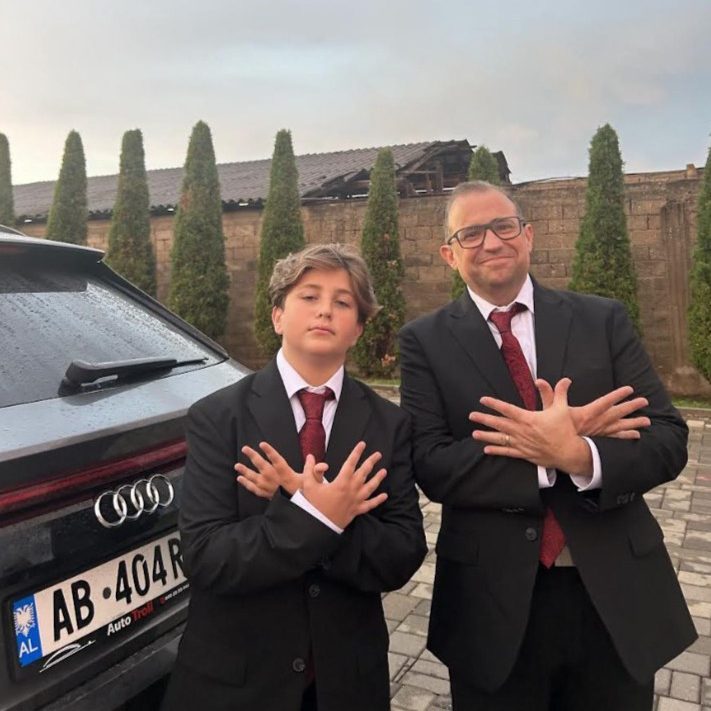
    For reasons unknown, my beautiful Balkan bride tasked me with booking our annual summer trip to Albania, where she is from, and where we had a family wedding to attend.

    Ever since I met my wife, I’ve been enamored with all things Albanian (except for learning the actual language).  I’m so into Albania that my children accuse me of cultural appropriation. My rebuttal?  “Culture is ALWAYS appropriate.”

    Our usual route to the former communist nation is Miami to Rome, via Alitalia Airlines. I think they’re called ITA Airways now. However, even three months out, that route was fully booked.  

    Enter Norse Atlantic Airways.  Hey – if the Norwegians can be trusted to run a cruise line, surely they can offer a safe and enjoyable flying experience?  

    Norse Atlantic flies directly from Miami to London’s Gatwick Airport.  No problem. We’ll just take Ryanair to Albania (Ryanair is the Spirit Airlines of Europe). Oh, Ryanair only flies to Albania via London’s Stansted airport? Never heard of it. But I’m an American recluse. There’s tons of shit I’ve never heard of. Now that we’re stateside, I’d like to offer some reflections on my travels with these alternative airlines and budget air travel in Europe.

    Norse Atlantic

    The flight was comfortable enough, and the plane was a very new Boeing 787 with huge windows and… NO Wi-Fi! I repeat – no Wi-Fi, not even as a $39.99 add on. Yet, Wi-Fi works just fine when you make a $5 purchase for cheap headphones to watch movies.

    The main included meal was “serviceable,” as a home inspector might describe a 23 year old electrical panel. However, the $20 “bonus meal” was an absolute disgrace to aviation culinary. The flight attendants both times acted super inconvenienced to bring our family the $100 worth of oniony cheesy Hot Pocket knock-offs that my delicate body is still trying to make sense of.

    Most of the flight attendants on Norse were super kind and friendly, but one treated me like I was a MAGA hat at a Greenpeace rally lost and found.

    Ryanair

    Based on YouTube videos and news articles from over the years, my expectations were low for Ryanair, so perhaps this reverse confirmation bias worked in their favor.  

    Ryan’s business model is to fly, almost exclusively, the Boeing 737.  It reduces redundancy for parts, training, etc. There is a certain charm that comes with the beat up interiors, knowing and trusting that at least the key components must pass inspections. They’ve surely got an FAA in Europe?

    The flight attendants were all very chill – reminiscent of Southwest Airlines in the 1990s. Jokes and smiles came easy to the Ryanair flight crew. They seem to know who they are and have embraced the same renegade personality as their beat up (cosmetically) aircraft (and their somewhat wacky CEO).

    The Spirit of Europe?

    I must disclose that I fly Spirit a lot domestically, so my tolerance for no-frills air travel is high.  Spirit generally has the best prices, and most importantly, the best schedules to Cleveland.

    I’ve never seen a fist-fight or even a shouting match on one of their planes, counters or gates, nor have I ever encountered the kind of rudeness they are sometimes called out for.  One time former Cleveland Cavaliers coach Mike Fratello was seated right behind me when the pilot suddenly aborted takeoff after a bird strike. Other than that, nothing bad or amazing to report on Spirit.

    Norse Atlantic is not on my short list for next time, but my wife assures me there won’t be a next time. I am no longer permitted to book trips, which is fine with me.

    Did we save money by doing Norse-Ryanair?  Yes.  The Holiday Inn near Gatwick was around $200, the Ubers back and forth betwixt Stansted and Gatwick were around $400 total.  Despite this, we saved around $2000 by NOT flying British Airways or a similar “leading brand” carrier.  $2000 could buy me some real Hot Pockets, and a really big TV, with YouTube built right in!

    PS. I’ll write about Albania itself later, as well as some tidbits about our brief time in Kosovo. Until then, I’m grateful that we live near a major international airport. Imagine adding a connection in Newark to all of this!

    BONUS FEATURE!

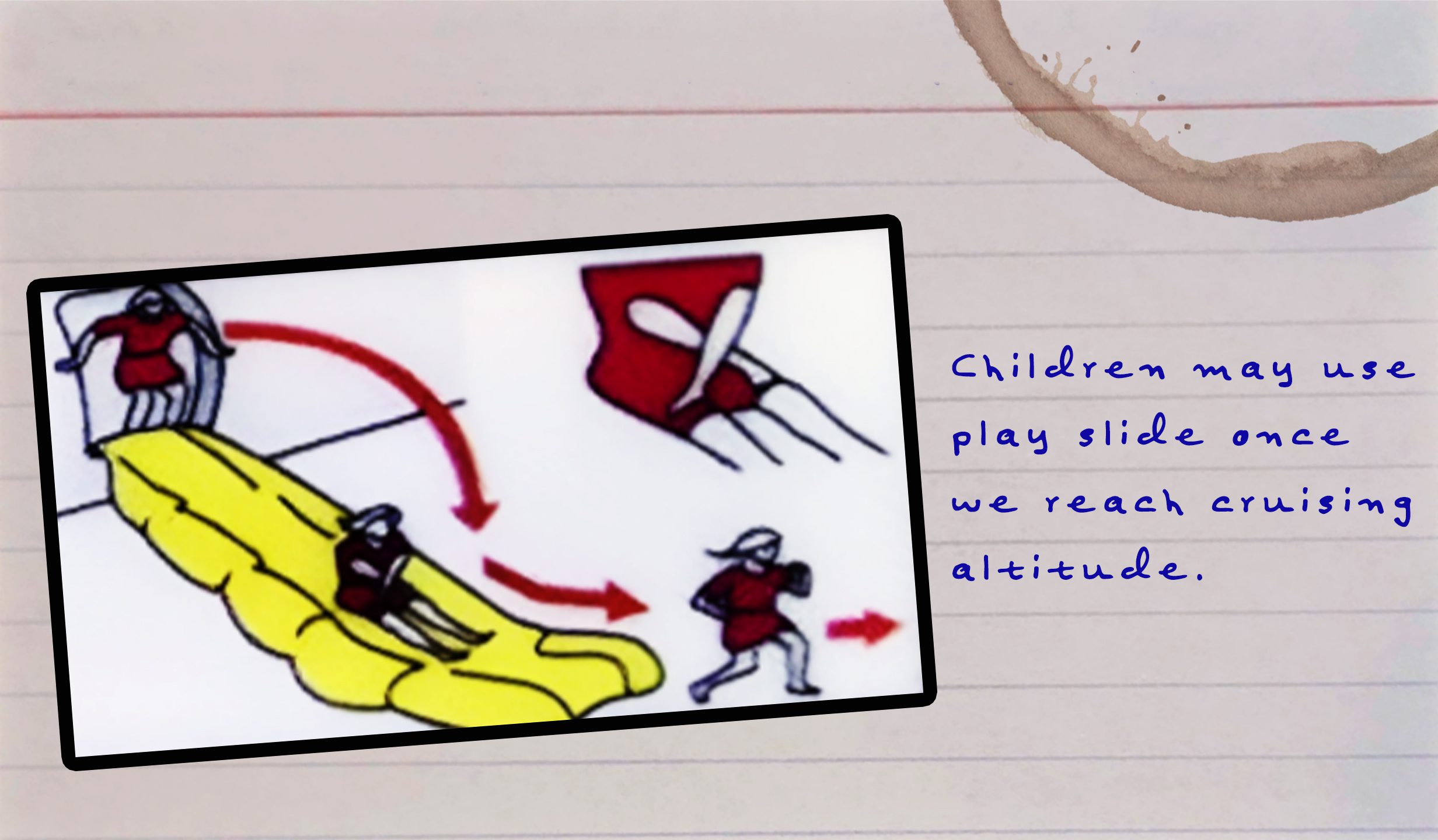
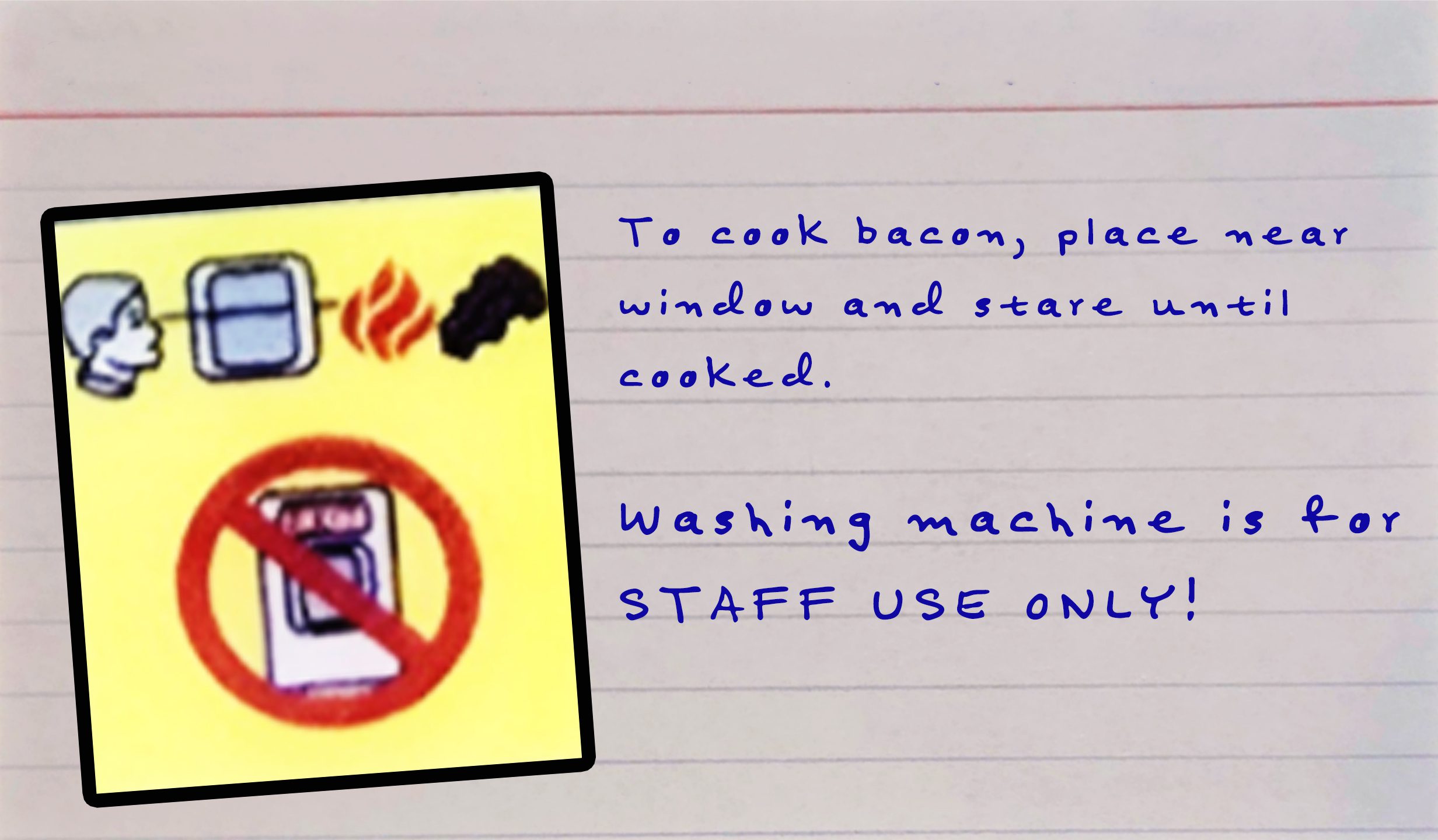
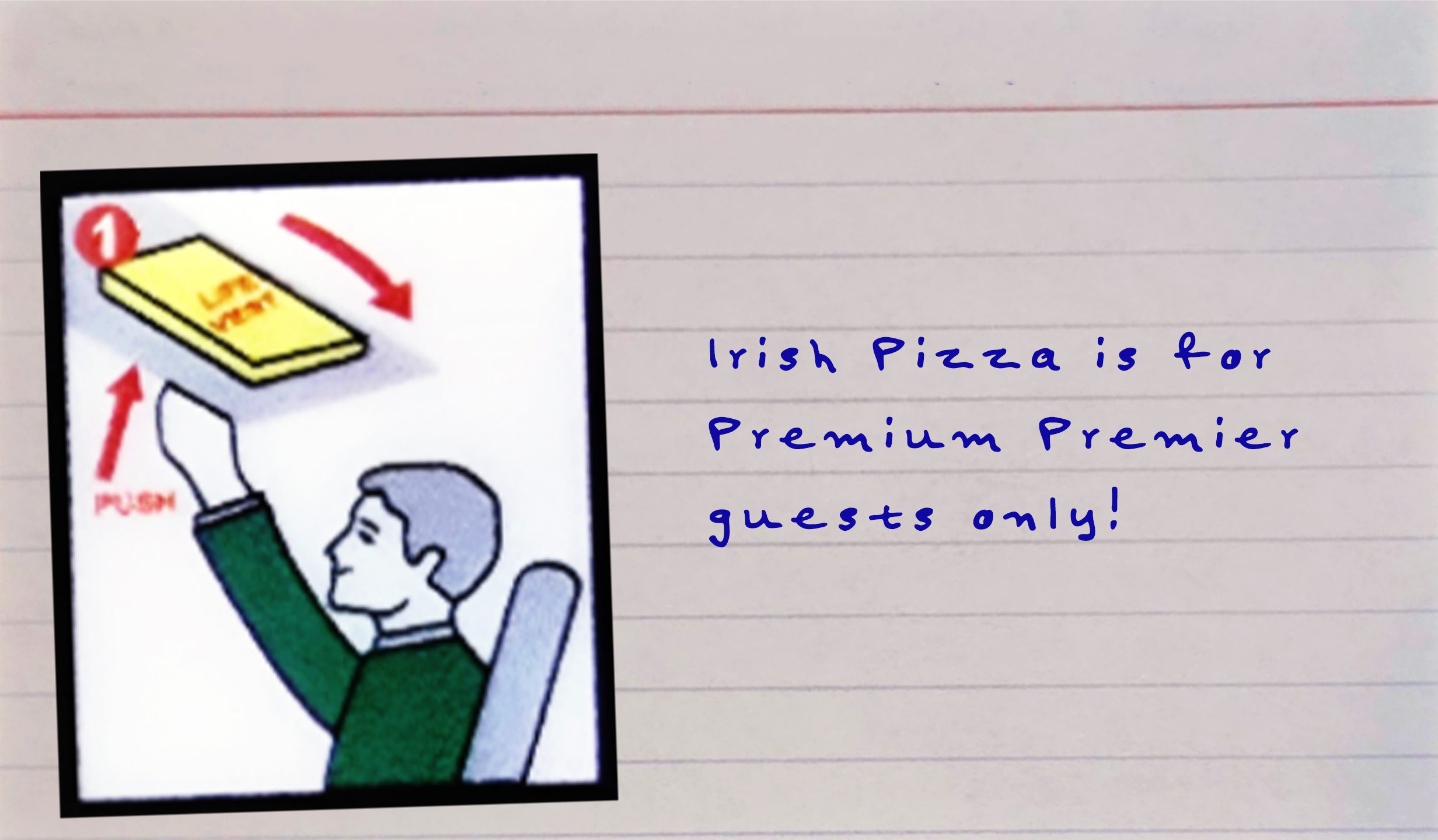
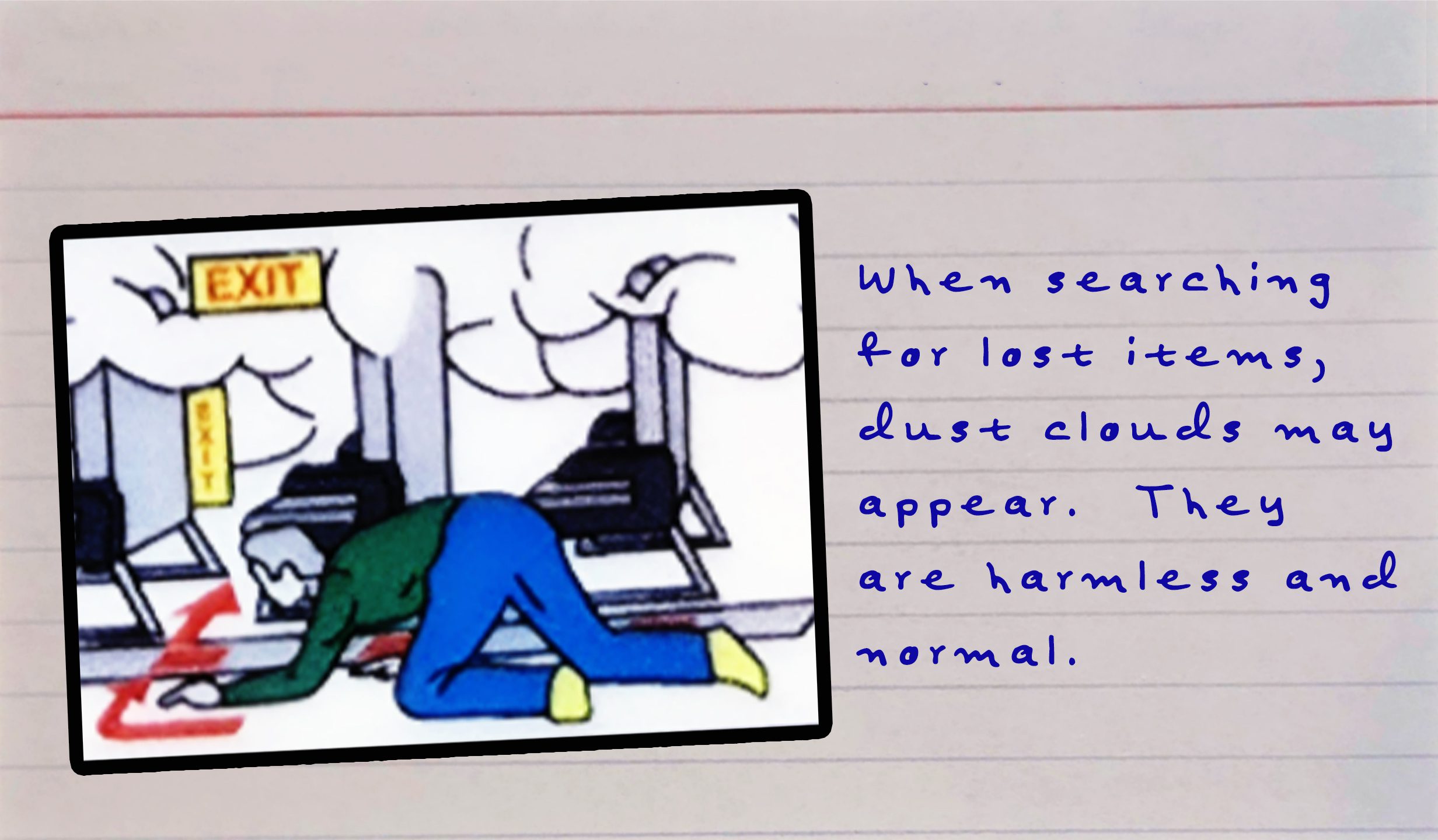
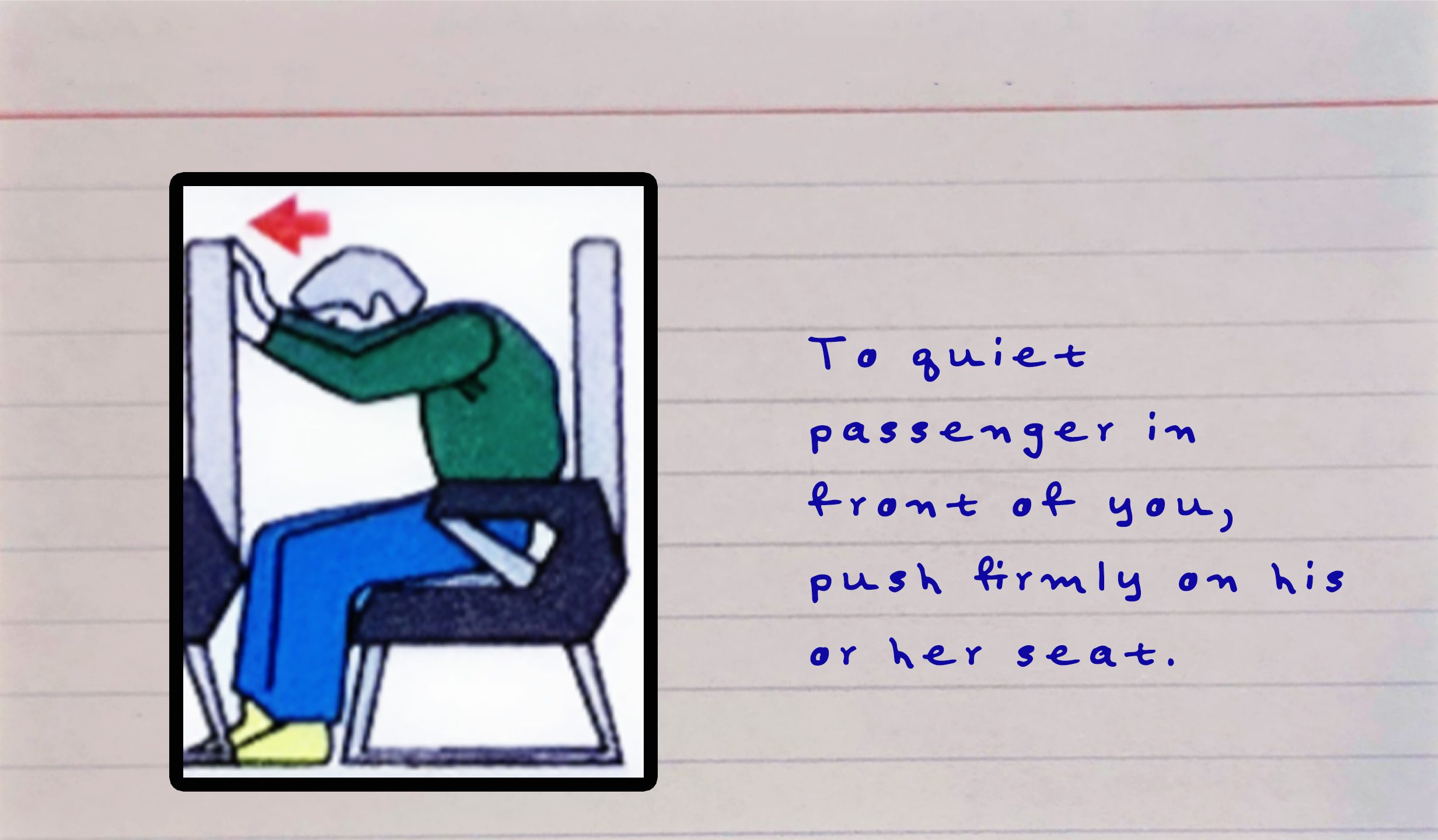
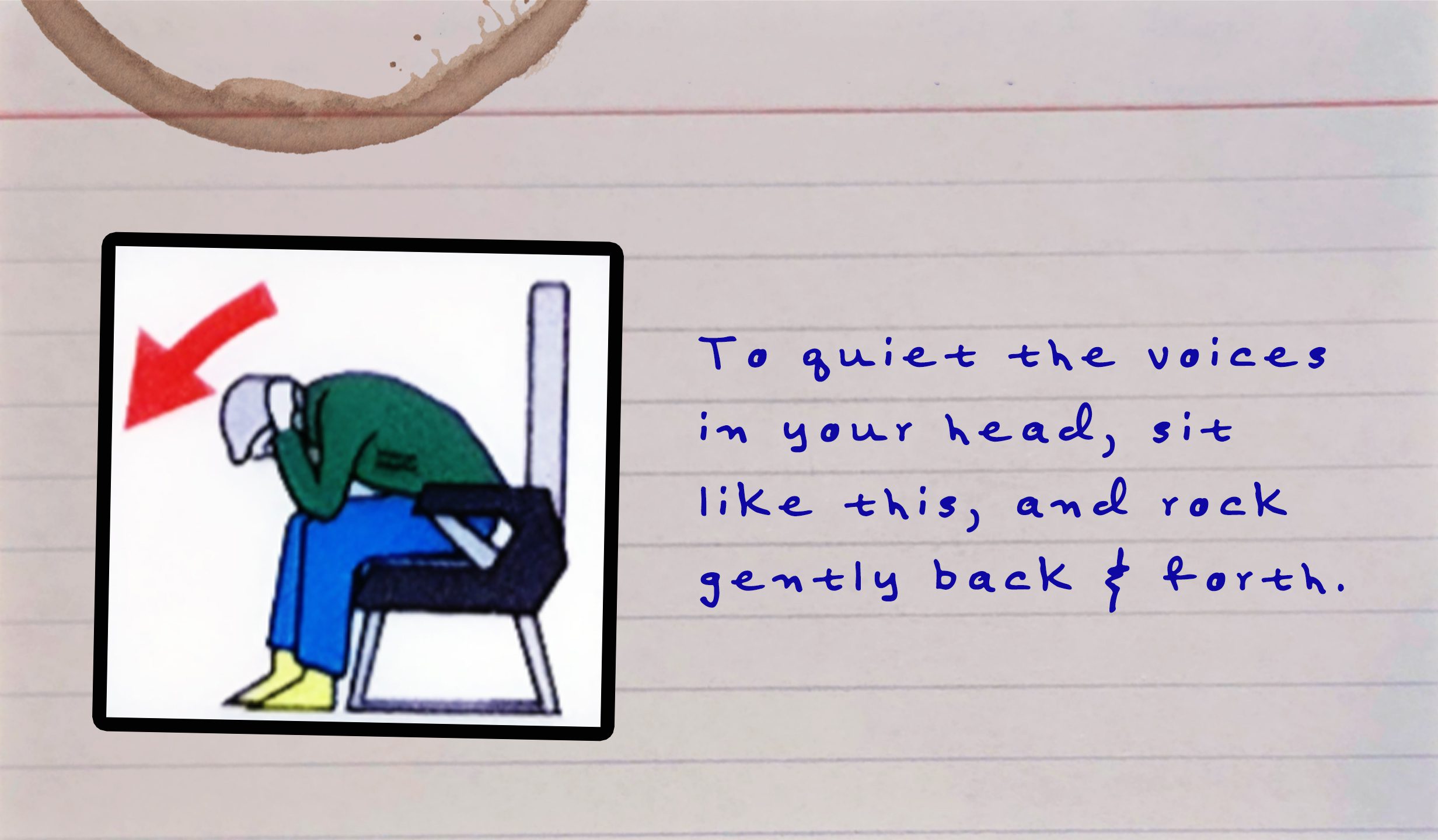
    On my Ryanair flights, the plane’s safety card is just a big sticker on the seat in front of you.  There’s no words, so I had to deduce the meaning of some of the more confusing drawings.


  • Debunking More Miami History Myths

    Debunking More Miami History Myths

    Sadly, regretfully and unhappily, we in South Florida have been burdened with no few inane, ridiculous and utterly nonsensical (not to mention “shameful,” which I am doing) Miami history myths, and, even worse, those myths have, in some cases, been propagated for so long and so incessantly that they seem to have become, in many people’s minds, factual, when, in truth and fact, they are nothing other than fables, fairy tales, fol-de-rol, or, to use the Yiddishism, bubbemissehs, having absolute no basis in truth or fact but making the teller (or writer) of the tall tales (which they are nothing but) appear to be legitimate historians when, again in truth and fact, they are anything but. (If they were actual and factual the story tellers wouldn’t be making up such supercilious and totally inane nonsense, would they? And, for the third time in truth and fact, that is all those made-up stories are, and you will read and learn what the actual factuality is regarding what you will enjoy reading as you proceed with a quick P. S.: If you tell me you didn’t enjoy learning the truth then let’s get together and I will laden you with as many bunches of hooey and ridiculosity as you can handle at one sitting, such as telling you that “Herr Trumpler is really a classy guy and a gentleman,” a statement which any even half-wit would puke in revulsion from.

     And so we “begin at the beginning,” with the sadly most -repeated and most virulently and totally false comment and commentary about our history ever made, but one which, unhappily except for those who propagated and spewed it out over the decades has taken on a life of it’s own, and that, of course, is the “after the great and terrible freezes of December of 1894 and January and February of 1895, Julia Tuttle sent Mr. Flagler (we all know who he is, don’t we?!!) some orange blossoms, so he extended the railroad to Biscayne Bay.” Really? How did she send them? By FedEx? By Postal Service Overnight Mail? NO! The whole story is a made-up bunch of nonsense and never happened, or, simply put, she never sent them.

    “But Seth, how can you be so sure that it never happened?” And the answer is/answers are quite simple, so y’all pay attention, now, y’hear?

     First, before I get into who I am in the historic community here in the Sunshine State a couple of questions/comments: She sent orange blossoms? How did she send them? And several people have said to me “in dry ice” and my reply was simple and logical” “Do you know what dry ice would have done to orange blossoms over a trip which, since there was no railroad yet between West Palm Beach and Myamuh, had to be made by boat and by buckboard (essentially a horse drawn wagon with a bench at the front for the driver and maybe two or at the most three passengers and then an open area behind the driver’s bench in which freight or luggage could carried) and said trip, in those days, generally took at least two and a half days so we can rule dry ice out immediately.

     “But Seth,” you query, “wasn’t that how Mrs. Tuttle came to be known as “the mother of Miami,” and the answer to that totally and sadly false statement is intertwined with the orange blossom silliness.

     So let’s look at the actual and real and true facts: Mary and William Brickell arrived in the wilderness which would, on July 28, 1896, become the City of Miami, in 1870 and, it appears, late in that decade they began writing to Henry B. Plant, one of the three great Henrys who built Florida, asking him to extend his railroad to what was beginning to be called “Miami.” Mr. Plant, the builder of railroads, steamships and hotels in central and on the west coast of Florida, replied graciously to their first seven entreaties but with their eighth letter his reply was short, curt and to the point and in that letter he wrote the following to Mrs. Brickell (one of his six secretaries wrote his words): “My dear Madam: I have no intention of extending my railroad 160 miles across trackless wilderness to satisfy your ego. Please do not contact me again. Very truly yours, Henry Bradley Plant.”

     However, she was not dissuaded because she knew that her and Mr. Brickell’s salvation was 66 miles north, which was where the Jacksonville, St. Augustine & Indian River (J St A & I R) Railway (to become the Florida East Coast (F E C) Railway in September, 1895) terminated, that point being West Palm Beach, and it was then that the Brickells were joined in their quest by the aforementioned Julia Tuttle, a widow who had moved to the Biscayne Bay region from Cleveland (where she had actually made the acquaintance of one Henry M. Flagler, who, with Messrs. Andrews and Rockefeller, were the proprietors of Standard Oil) in 1888, 18 years after the arrival of the Brickells.

     “So,” you ask, “how was it in truth and fact that the railroad was actually extended to Miami?” And while the answer is a bit lengthy, it is the real and true story, not some bunch of made-up hooey.

     Shortly after Mr. Plant made certain that the Brickells understood that he was not going to extend his railroad across Florida both they and Mrs. Tuttle began writing to Mr. Flagler asking him to extend the railroad down the coast to the settlement on the shores of Biscayne Bay, entreaties which he was disinterested in and with each letter, as Mr. Plant had done, courteously declined to do as they had asked. However, everything changed with the great and terrible freezes noted above which, yes, actually destroyed the citrus and other crops all the way down to the temperate zone, an approximately four mile stretch which will be discussed later, because, and again contrary to the nonsense, there was no “freeze line.”

     After learning that there was an increase in temperatures south of a given point (there was NO “freeze line”) Mr. Flagler sent his land commissioner, James Ingraham, along with several porters south from West Palm Beach to determine what the conditions actually were. When they crossed into the temperate zone (after years of study and research I have been able to determine that said zone was approximately four miles in length, the geographic center appearing to be at approximately the location of Broward Boulevard, which did not exist at that time, in Fort Lauderdale. Once they got to what would become Miami on July 28, 1896 they were met by the Brickells, Mrs. Tuttle and other local denizens including Ida and Jacob Schneidman and Mr. Ingraham had his porters gather boxes of truck (produce) and four small citrus tree limes (we do not know today if they were orange, grapefruit, lemon, lime or tangerine limbs), boxing and packaging all to be taken back to show Mr. Flagler in West Palm Beach.

     When they returned and showed the items to Mr. Flagler the great man said (yes, this was recorded by one of Mr. Flagler’s secretaries) “are you sure? Are you certain?” to which Mr. Ingraham replied, “Sir, you sent us down there to investigate and we have not just seen it with our own eyes and can verify that both parties have written the truth to you, but this is what we have found in perfect condition.”

     Following the freezes (and, yes, this is factual) both the Brickells and Mrs. Tuttle wrote to Mr. Flagler telling him that, if he would extend his railroad they would give him land and in Julia’s case more, as we shall learn: Mr. and Mrs. Brickell offered Mr. Flagler half of their holdings south of the (Miami) River while Julia advised Mr. Flagler that in addition to offering him half of her holdings north of the same river, she would give him “fifty acres for shops and yards” if he would build one of his great hotels, following which, with those offers, Mr. Flagler’s attorneys entered the picture, drew up the necessary legal documents and saw to it that “all was in order” for the extension to be built, after which both parties concurred with the legalities and construction of the extension began in the summer of 1895.

     “But wait! There’s more!” because the hooey and the misstatements of FACT continue.

     With the acceptance of the 50 acres for shops and yards (that acreage was the property north of the passenger station which opened in late 1911 on Avenue E and 10th Street, later 200 Northwest First Avenue) In 1921 the Chaille Plan changed the streets and avenues designations from letters and numbers to the quadrant system of Northeast, Northwest, Southeast and Southwest with today’s Northeast First Avenue having been Avenue A and today’s Miami Avenue having been Avenue D while today’s Northeast/Northwest 12th Street was, pre-Chaille Plan, First Street and today’s Miami Avenue was 12th St.

     Just north of today’s Northwest Fifth Street was the FEC’s “wye” which led to the site of the original FEC Railway Miami yard, the track extending east to the passenger station (on the site of today’s MIAMI NEWS/Freedom Tower Building and it is well past high time that that historic building be given it’s proper name, as shown here) and across “the Boulevard” (today’s Biscayne Boulevard to the docks on the east side of the boulevard. In late 1911, in concert with the opening of the Key West Extension of the railway (truly, the greatest railroad story ever told) the old station was closed and the new station, site noted above, opened.

    Now, what else is important for us to know regarding the Miami extension? How about the correct dates?

    In an issue of “Tequesta,” the publication of the Hysterical Association of Southern Florida, my friend, Larry Wiggins, wrote an article quoting sources which stated that the railroad reached Miami on May 11th or May 13th, 1896, and that was incorrect. (He quoted, if I remember correctly, from newspaper articles of the time which had incorrect information). According to the F E C Railway Company’s official documents, the first train, a construction engineer’s train, arrived in Miami on April 15, 1896 with the first passenger train arriving on April 22, 1896 and the first excursion from “the north” (Jacksonville) leaving that city on May 11, 1896. The first issue of the first newspaper, The Miami Metropolis, was published on May 15, 1896 (we hold, here in The Bramson Archive, one of only three copies of that first issue of the first newspaper which are known to be in existence) with the city coming into existence on July 28, 1896. And as “a side note,” the first permanent Jewish settler, Isidor Cohen, arrived in March, 1896, having been held in Jupiter (along with many others) due to the virulent epidemic which had caused Miami to be quarantined for almost six weeks. (See L’CHAIM! THE HISTORY OF THE JEWISH COMMUNITY OF GREATER MIAMI, published by Arcadia and The History Press and available on-line from them or her in Miami from The Bramson Archive for the complete story)

     And, no you don’t have to wait, because there is more!

     Once all contracts were signed Mr. Flagler began construction on the Royal Palm Hotel on the north bank of the Miami River, and, again, we have several completely incorrect (false) statements regarding the hotel’s opening, those showing several different dates in early 1897. The problem? They are all wrong.

     The Royal Palm Hotel, the construction of which was supervised by Mr. Flagler’s “man in Miami,” John (J. N.) Sewell (he and his brother, J. E. Sewell claimed to have opened “Miami’s first store,” but that, also, is in question, as the aforementioned Isidor Cohen made the same claim) who would become Miami’s third mayor while brother James E. would be elected the first mayor of Miami Beach in 1915, completed the hotel to the point at which it opened not in 1897 but on New Year’s Eve, December 31, 1896 with a grand and gala ball, it’s first guests checking in and enjoying the comforts of the brand new F. E. C. Hotel Company hotel that night, the official opening of the hotel actually being the last day of 1896.

     As the railroad began it’s construction south from West Palm Beach the company took advantage of an offer which a number of other states, in addition to Florida, made to their railroad builders: we (the state) will give you alternate sections on either side of the railroad for every mile of railway that you complete and with a section containing 640 acres if was “an offer that couldn’t be refused,” but there was one small “bump in the road” which had to be overcome, as there were a number of places along the right of way which were already in private hands, and, of course with those land-owners knowing that they held property along the right-of-way they might want to make extravagant demands which was the point at which Mr. Flagler’s Land Commissioner, James Ingraham, for whom the Ingraham Building in downtown Miami was named and in which, on the ground floor was, for many years, the railway’s Miami city ticket office, stepped in.

     Mr. Ingraham was authorized to negotiate with said property owners to get the best price possible for the railroad but he said to Mr. Flagler, “Sir, what if they are willing to turn the property over to us but also demand that we build them a station at said location?” To which Mr. Flagler replied, “tell them yes, we will be happy to build them a station,” and then added, as an aside to Mr. Ingraham, “ we will build them a station but we won’t stop any trains there!”

     “And in conclusion,” for today (no few more myths to be debunked in coming issues) let us once and for all end that utter nonsense that Julia Tuttle was “the mother of Miami.” Like hell she was, because, at best, she was one of at least four real and true “mothers of Miami,” and the Miami Woman’s Club, having published a book titled Julia’s daughters, should never have propagated the myth, but they did and now it is long past due that we “set the record straight” with FACTS.

     Mary Brickell arrived in 1870, Julia Tuttle in 1888, Mrs. J. N. Sewell in 1895 and Ida Cohen, wife of Isidor, who was the first permanent Jewish settler to arrive actually came with her late husband, Jacob Schneidman, in 1894. After Jacob’s death from cancer in 1896, Ida returned to New York. Several months later, ostensibly on a buying trip, Isidor want to New York, returning about a month later with the new Mrs. Cohen, formerly Ida Schneidman and her two children, who Isidor adopted and whose names became Cohen. So, dear readers, we have, in truth, fact and actuality, FOUR “mothers of Miami” not one: Mary Brickell, Julia, Mrs. Sewell and Ida S. Cohen, all equally responsible for “mothering” what would eventually become one of the world’s greatest cities, but to have given that credit to just one person (and I won’t go into several of the reasons, including the fact that Ida was Jewish and was he mother of Miami’s Jewish community) was certainly wrong, bordering on shameful

    So, my friends, there you have until next time when we will continue the debunkification of the fables, fairy tales, sillynesses and myths which have plagued us for decades beginning with the “that was Al Capone’s hideaway” nonsense foisted on tour members during a certain individual’s walking tours, today’s actual and factual lesson regarding, about and related to Greater Miami history.

  • Heatwave Visions Journal Platforms Local Creatives

    Heatwave Visions Journal Platforms Local Creatives

    The name, Heatwave Visions Journal,  came to me during a conversation with my sister, sitting across a table eating my favorite Haitian food in Miami (Cecibon Restaurant, I adore you). The concept was simple and based on journals I had been published in before, the ones I loved the most, the ones with personalized emails and social media run by real people you could feel the passions of. But the idea of starting such a project was about as daunting as climbing into an alligator’s jaw with Slim Jims stuffed in my back pocket.

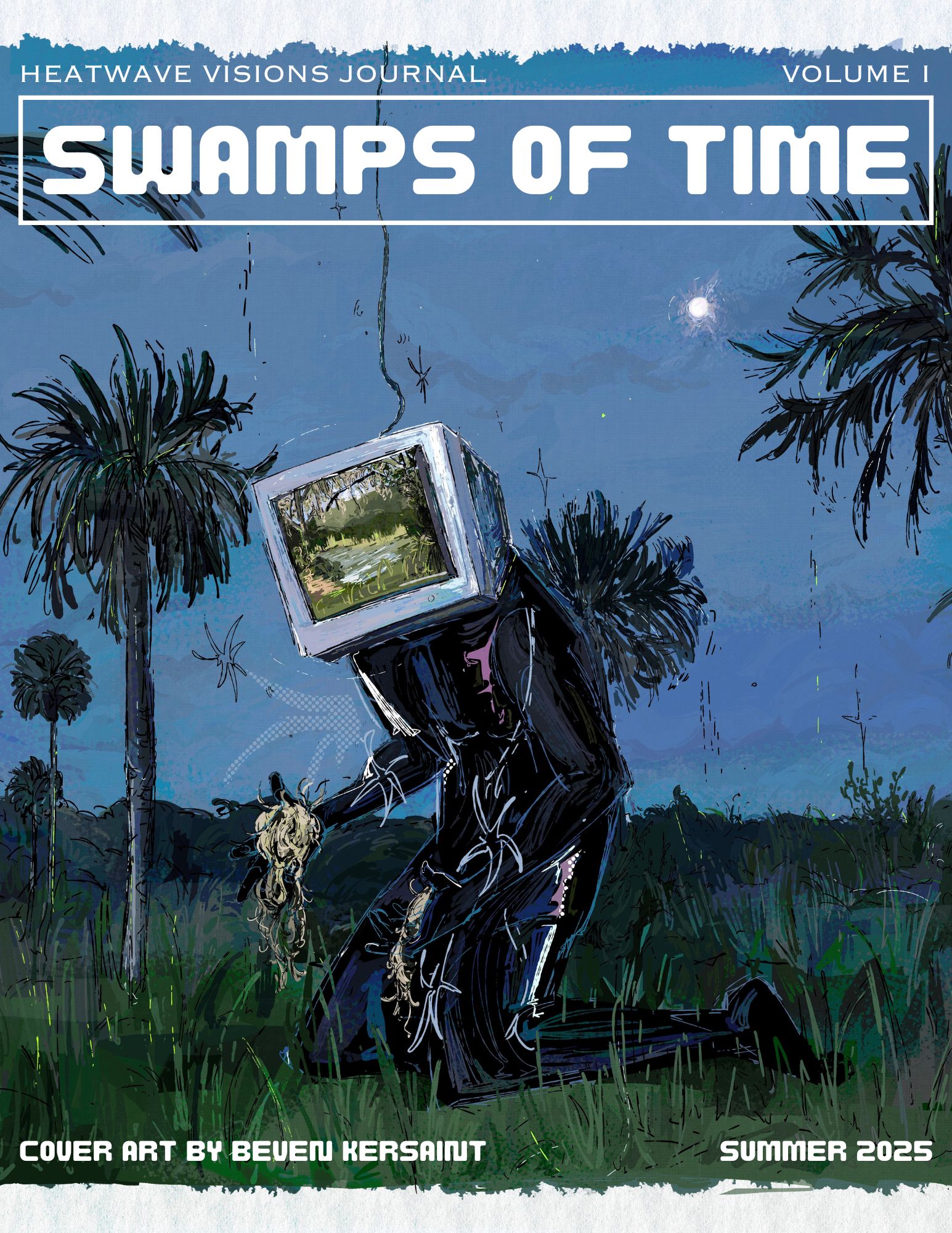
    There are a few things one inevitably thinks about when they think about Miami: the crushing heat and the famous beaches. The swirling mix of English, Spanish, and Haitian Creole. Fresh fruits you can get on the side of the street and the empanadas you can buy at the gas station. These are all images that I wanted reflected on the pages of the journal; a mosaic of visions connected to a region that continues to simmer under our feet. Our inaugural issue’s theme, Swamps of Time, was meant to inspire creative interpretation. For me, the aspect of time was not simply metaphorical.

    As an academically trained historian who is currently applying to graduate school, I cannot count the number of times I have used magazines and art and writing as pivotal resources. Unless you are a military historian, the meaning of the past is not extracted from war strategies or battle tactics so much as the ramifications those moments had on living, breathing people who had to survive in spite of them. Their culture and experiences were best recorded by their own hands: their art, their poetry, their fiction, their creations that outlasted them. This was a goal when solidifying the idea. That is, creating a resource for future historians to bear witness to South Florida’s artistic and literary culture in the face of climate change and societal strife.

    To say I was impressed by the contributors’ pieces would be an understatement. Their work swept up the theme and drew it out to where they needed, creating variations on Swamps of Time that made for an exceptional debut issue of Heatwave Visions Journal. I am so proud of what we were able to create together, and I cannot wait to see what the future has in store. South Florida’s literary and artistic history is being written right now, all around us, no matter how badly some in this country wish that such resistance epicenters would remain stagnant and abandoned like so much infrastructure in the region.

    The future of Heatwave Visions Journal

    is as bright as the sun that bares down on our cars and makes our steering wheels sizzle. As editorial director, I am already working on the next issue of the mixed-media magazine while collaborating with Pana MIA Club to find ways of printing physical copies of our debut edition. With the funds earned from selling the digital edition (as well as amazing and generous donations) we are confident in our ability to have the copies we wish, and to get them in the hands of South Florida creatives’ supporters.

    I could not have done this without the aid of Pana MIA Club and its beloved founder and sister, Claribel Avila. Who knew the tough older sister that pretended to hate the fashion shows we would stage in my room as a kid would be the key to making this passion project possible?

    In any case, I cannot express my gratitude enough. Not only to the contributors who made blank pages transform into beautiful works of art, but to those who showed up for them. Those who actively wish to support locals but don’t necessarily know where or how to, and upon seeing my project jumped on board and interacted with me. Together, we can make South Florida’s artistic and literary legacy thrive, today, tomorrow, and long after we are gone. The first digital issue is available to purchase by clicking here.