Category: News

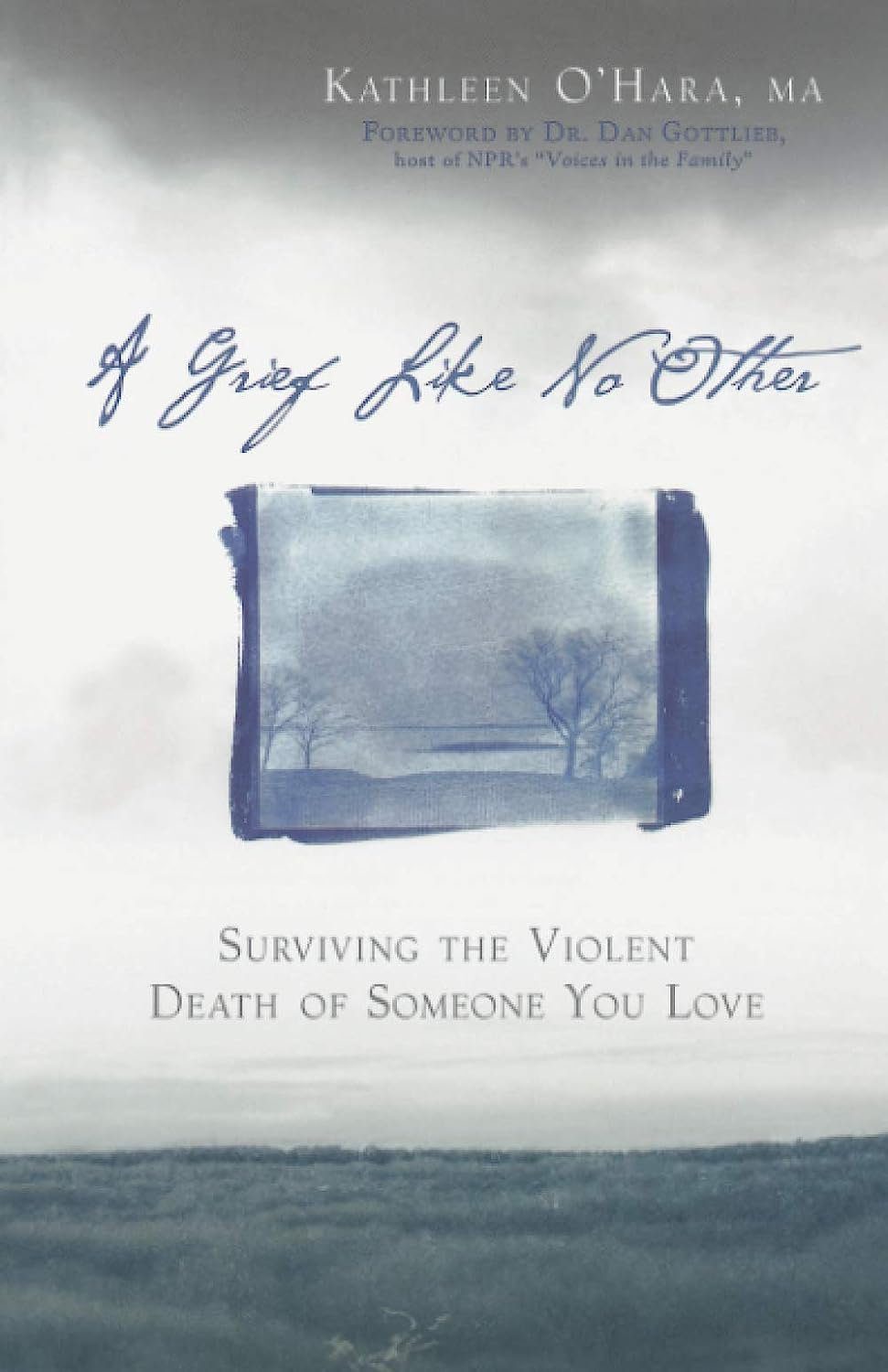
  • A Grief Like No Other: Surviving the Violent Death of Someone You Love (Book Review)

    A Grief Like No Other: Surviving the Violent Death of Someone You Love (Book Review)

    A Grief Like No Other was written for a specific audience: those who’ve lost loved ones to violent death.  Yet the principles and practices articulated by author and therapist Kathleen O’Hara are universal. These are tools for survivors, as well as for those who seek to understand.

    Ms. O’Hara’s son, Aaron, was murdered in 1999 along with his roommate. He was a student at Franciscan University of Steubenville (Ohio), probably the sweetest campus I’ve ever visited. The physical beauty of the place is reflected in its students.  They don’t seem to take themselves too seriously, though they are serious about their faith.

    I originally purchased this book in 2015 and sent it to my aunt.  She had discovered my grandmother’s body after she was murdered at age 94 by a 15-year-old neighbor. I wonder how my life might have been different had I bought a copy for myself. It’s that good, not just for those of us in the unique club of people who’ve lost loved ones to violence. The book contains exercises and tools for overcoming loss that anyone can use.

    In March, I was reminded of A Grief Like No Other by Chris Becker, the hero who successfully prosecuted my grandmother’s killer and also helped prosecute the murderers of Kathleen’s son. Chris referenced the book as an example of someone who relied on her faith and found the meaning in her suffering, an idea best articulated by Dr. Viktor Frankl, psychiatrist and Holocaust survivor.

    Since getting a new copy (this time, the Kindle version), I’ve been highlighting voraciously, wondering why I hadn’t read this a decade ago. Maybe I wasn’t ready?

    Chances are good that the murder of a loved one is not something you’ll experience. But perhaps you’re in a caring profession, want to be a better listener, or struggle with what to say to someone who has experienced unexpected loss?

    Ms. O’Hara handles these questions like a true professional, never diminishing her own deeply held faith, while also sharing stories from people of other beliefs, or none at all.

    Meaningful books take me longer to read, longer to digest, longer to process. I still have my copy of John Locke’s Second Treatise on Civil Government from college, painstakingly read and highlighted, but not nearly as practical as O’Hara’s masterpiece.

    She writes not only from the gut-wrenching experience of her own loss, but with a timeless philosophical and metaphysical thread.  Her writing feels inspired, reminiscent of the great contemplative thinkers of her Catholic faith (think Thomas Merton).

    The challenges she addresses, grief, pain, anger, PTSD, and general suffering, are met with tools like faith, humor, forgiveness, and acceptance. She also addresses the legacy our loved ones leave behind and how to navigate the practicalities of life post-loss.

    In the immediate aftermath of my grandmother’s murder, I was in shock. But I also experienced the very best of people, prayers, encouragement, and hugs. O’Hara writes, “We seemed to exist in a kind of floating world, holding onto whatever was left of our lives.” That was true for me. I felt as though I were high, laughs came easier, compassion and patience seemed to ooze out of me.

    It was a combination of shock, Jesus, and Red Bull that got me through those first weeks. At the funeral, the spirit of peace and compassion felt so real and thick it could have been cut with a knife.

    O’Hara beautifully writes of our loved ones’ deaths:

    “Eventually, the story will become like the clouds on the horizon-sometimes distant, sometimes full of thunder and rain, and on some days, a soft white snow will fall.”

    Her tenderness in writing about her son reminds the reader that there’s a much larger story unfolding, one of which we know very little on this side of Heaven.

    Among her philosophical foundations are “One Day at a Time” and “Even if you think you don’t have it, you must act as though you do!” As someone in AA, this resonates deeply with me. O’Hara writes:

    “I needed to find the courage to live for them [her other children]. I found a part of me that I didn’t know I had.”

    She reminds us that we share brave genes from generations past who endured unimaginable hardship:

    “You are in limbo between your old, pre-trauma world and the new one you have yet to discover.”

    These are the kinds of insights that often take years of therapy or 12-step meetings to fully absorb.

    She encourages us to change how we think about what happened, not through tricks, but through the hard work of writing, introspection, meditation, and prayer.

    “In our world, there are many ways to find the breath of life,” she writes, disarming words to saints and seekers alike.

    She urges us to remember who we are, “not as the shell left over from one horrific experience.” Paraphrasing Dr. Frankl, she writes:

    “The last of the human freedoms is to choose how we will suffer. That surely means having the courage to change ourselves.”

    One of the most unexpected hardships I faced after my grandmother’s murder was that some lawyer friends in Ohio ignored my calls for assistance when the State rescinded the killer’s life-without-parole sentence. I was willing to pay market rates!  I might’ve been better prepared for those betrayals had I already read this line:

    “You will hear things you won’t believe and be wounded in ways from which you will not soon recover.”
    More “O’Hara Nuggets,” Free of Charge:

    • “Trauma forces us to face our inner selves and discover our true mettle.”

    • “It is important to remember who you were the day before the event happened.”

    • “Can we, despite our tragedies… still believe [the world] is a good place?”

    • “You may feel abandoned by both the living and the dead.”

    • “Trauma can also bring people together.  You may be surprised by who will help when you least expect it.”

    • Channel your rage, even if it’s by hitting your bed with a tennis racket.

    • “You could be the one person to turn someone else’s life around… even while seeking resolution for your own grief.”

    • “Peace is more important than our obsession with taking back control.”

    • “Barn burnt down; now I can see the moon.”

    • “The second and third years can be more difficult than the first…”

    • “Sometimes it is suffering that makes us love more.”

    • “Joy follows the long labor of childbirth; it is springtime after the harsh winter and eternity after the brief breath of life.”

    Regarding faith, O’Hara writes:

    “When tragedy strikes, faith becomes something real, something they actually believe in rather than something they give lip service to.”

    On grieving:

    “The remarkable thing was that, as I allowed the torturers to find me, I discovered that these feelings wouldn’t destroy me. And so, I allowed grief to do its work.”

    Forgiveness

    Forgiveness is central to faith. For me, it came rather easily. When I first heard the news of my grandmother’s murder, I dropped to my knees. I prayed for my family. I prayed for my gram. Then I prayed for her killer, whoever he may be.

    I reasoned that he is either so evil or so sick, or both, that he needs the love of God. That’s something my gram would’ve done, too. But I also prayed he’d face the earthly consequences of his act. I wrote him an anonymous letter while he awaited trial, telling him that God loves him just as he is, not as he should be, because none of us are as we should be.

    Still, I’d never even considered what O’Hara writes about her son’s killers:

    “While I may be able to forgive something done to me, I am not sure I can forgive something done to someone else. I question whether it is my right to forgive a harm done to someone else.”

    Exercises relating to art, music, nature, and writing are detailed in the book as creative outlets.  These have also been tremendously healing for me.

    Help for the Hurting

    O’Hara offers excellent guidance for those supporting the grieving:

    • At the wake or over the phone, share a cherished memory or express how much the deceased cared for the person grieving.

    • Don’t wait to be contacted. Call. Grieving people feel isolated, especially after the initial shock passes.

    • Avoid platitudes like “Time heals all wounds” or “It was God’s will.” Instead, say, “I don’t know what to say, but I’m here if you want to talk.”

    • Really listen. Don’t hijack the conversation. Just be there.

    The world can be an ugly place. A Grief Like No Other points us toward the source of beauty and gives us tools to ride out the storm, until we, too, are called home.
  • Rafa Is an Experiment in Musical Stimuli

    Rafa Is an Experiment in Musical Stimuli

    When you listen to rafa This is not performance. It’s ritual. An experiment in stimuli—manipulating sound waves to provoke, to heal, to haunt. Every show is a new audio experience.

    Sonic brutality. Expectations are traps—he has no intention of fulfilling them. This is not music. This is a process of transformation. Atmosphere is the medium. Noise is the language. Each performance is a rupture:

      • A rejection of passive listening
      • A confrontation with the self
      • A ritual of disintegration and reassembly
      • Sound becomes pressure.
      • Control is an illusion.
      • Love is the frequency.

    Rafa hopped on to The Jitney to discuss all this and more.

    Why the name, rafa?

    rafa: About two years ago, I decided to change my artist name to rafa and retire the other monikers I had been using for over a decade, for the sake of honesty and clarity. It’s short. Easy to remember, easy to forget. It’s generic and specific at the same time. It universally signals my heritage without being too specific. Mostly, it reminds me to forget all pretenses and just make what’s me—what comes from within, as a reflection of what accumulates outside of me through shared experience.

    What is your practice situation, and who and how do you write your songs?

    I practice at home on headphones, at the workshop or studio of a friend or two, at my office after work—sometimes I’ll even practice a “song” at one live event to prepare for another. I write my “songs” by creating patterns, algorithms, and sequences—usually beats, structured noise, or things tangentially akin to grooves or melodies—that I mix, reorder, and deconstruct live as a base for freer and more spontaneous improvisation.

    If you could have a guest musician play with you, who would it be?

    Mon Rivera. He was from Mayagüez, like me, and I feel a deep connection to his music and lore. His sound was playful, percussive, with edge, coded clarity, and full of swagger.

    Tell us about your next album. When can we expect it?

    I’ve been recording my live sets straight from the mixer at most of the shows I play around Miami. I dropped a collection of those tracks in May. The next one should be out in September or October—same approach, different moments.

    Share with us something that you wouldn’t usually tell other people.

    My first art school professor told me I was an innate problem solver—but unfortunately, also an inherent troublemaker.

    Where do you come from?

    Puerto Rico and South Florida. I grew up in both. I found myself, then lost myself, and then found myself again in both. And I developed creatively in both.

    Do you have a video coming out?

    All the time…But, longer than 30 seconds? Maybe in six months.

    What was the first album you each bought?

    A bootleg cassette copy of Michael Jackson’s Thriller that I begged my parents to buy me when I was four years old. We saw the premiere of the video for the album’s titular song on MTV. It gave me nightmares, but I was obsessed with it.

    Anything else you want to tell me or provide to include into this?

    In errant loops and granular ghosts—glitch-born invocations crossing trembling thresholds, a través de las voces de mis ancestros. Cada azar es un portal. Control is an illusion. I do this out of love and reverence for humanity.

    Please provide your social media handles.

    Instagram: https://www.instagram.com/rafael.vargas.bernard/
    Bandcamp: https://rafarafarafa.bandcamp.com/

  • Mission Bunny (Fiction)

    Mission Bunny (Fiction)

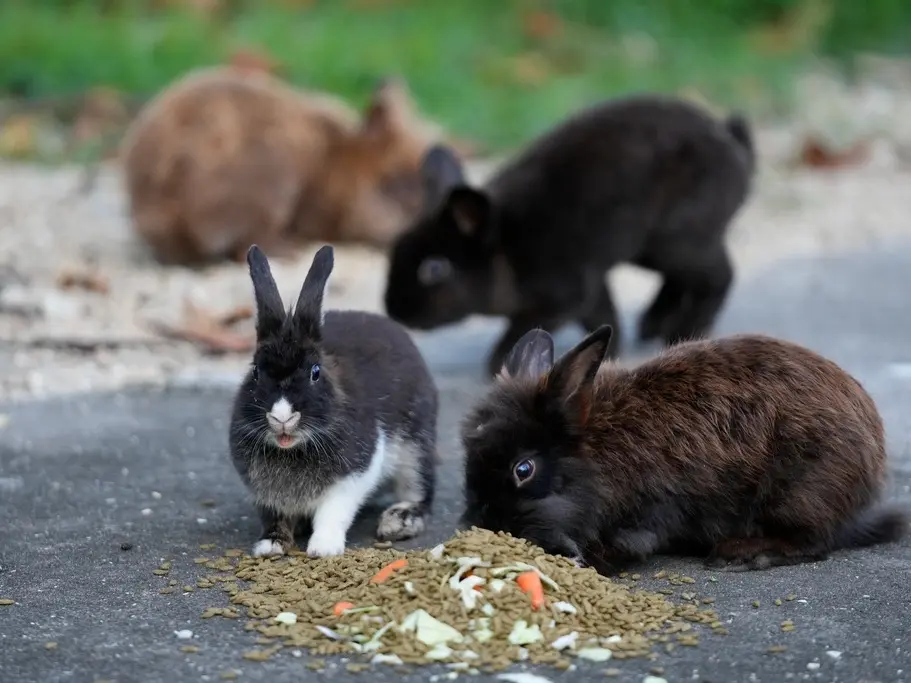
    Vlad from Margaret Street had a peculiar problem: a colony of over 14 bunnies multiplying faster than anyone could track. By June, they were a neighborhood sensation. My next-door neighbor snapped a photo when they first appeared in his yard. Soon, they were hopping around everyone’s property, up to six at any given time.

    The neighborhood quickly embraced them. Some folks fed them carrots and bananas. They feasted on butterfly plants and weeds in my front yard. Among them were three tan males, a possibly pregnant white female, and two black-and-white babies darting about.

    Witnessing the bunnies’ close encounters with cars and dogs and knowing that US 1 was only a few blocks west, made me concerned.

    My neighbor Alison and I contacted four rescues, three were already full. Determined, Alison, an animal advocate, knocked on doors until she found the owner.  Vlad, who lived 6 doors down and had at least 15 bunnies in his yard. A hole in his fence had left six escapes, or so they claimed.

    Vlad told Alison he planned to take the bunnies to a farm in Homestead so she shared my address where they gathered at night. When Vlad and his family arrived in their enormous black SUV, the drama ensued.  Vlad and his kids, with tangled blond hair and oversized T-shirts, and sweatpants hanging around their hips, chased bunnies into the street, trampled gardens, screeched and created a scene. 

    As I approached, I heard my neighbor Andy shouting at Vlad to get off his property, calling him a terrible rabbit owner. Vlad, unfazed, said in a thick accent, “The bunnies are indestructible and have great survival skills.” I couldn’t help but wonder if “the farm” was a euphemism. That night, only one pregnant female was caught. Vlad’s wife sat passively in the SUV, detached from any emotions. 

    I asked her why they hadn’t noticed the bunnies were missing. She said they thought a cat had gotten them, and that they were moving to Pennsylvania soon because South Florida was too expensive. She reiterated they’d take the remaining bunnies to a farm in Homestead and promised to return tomorrow but never did.

    Two days later, another neighbor knocked on my door to show me a post on the Nextdoor app about a white bunny found up the street. I left a note on Vlad’s door. He texted, “What can I do for you?” I explained I still had bunnies in my yard.  “Free bunnies! They are no longer my bunnies!” He texted back. When I asked if he’d take them to the farm as promised, he claimed he already had taken ten. I mentioned the Nextdoor post. “There’s another one,” I said. “It’s not mine,” he replied.

    That night, he sent me a photo of his daughter holding the bunny I’d seen eating a carrot from my niece’s hand the day before. “We got one more!” he texted. At least he was trying, I thought. My faith was restored. 

    I found myself thinking about the bunnies all day at work. I considered pressuring Vlad more but decided to let it go. That evening, while walking the dogs, I saw Andy sitting cross-legged in his driveway, feeding bananas to two bunnies—one in each hand. When full, they dug a trench in the grass and laid down. One had a hairy, bearded face; the other was smaller with short hair. Andy said they showed up nightly. I admitted a childhood incident with my pet bunny made me hesitant to adopt them. Andy, who traveled often and had a dog, nodded. We agreed to enjoy the bunnies while they were around.

    A couple of nights later, only one bunny came to my yard. I fed him carrots. The next morning, that same bunny waited for Andy, who came out at 8 a.m. with bananas. I feared the worst for the bearded bunny. I texted Vlad to ask if he’d caught another. He said no and insisted that many neighbors had bunnies. I replied that I’d never seen any loose before. Thankfully, the bearded bunny showed up again that evening. I fed them both more carrots.

    On Sunday, Alison and I decided to catch them. My coworker agreed to adopt them, so we produced a plan. Alison and her husband built a corral from boxes and brought bunny-friendly food—pellets, bananas, and hay. As if on cue, the two bunnies showed up around 8 p.m.

    The smaller one, clever and cautious, evaded the trap. But the bearded bunny, tempted by food, ventured into the corral. We secured him and transferred him to a container lined with hay. We texted my coworker: “One down, one to go. What’s your ETA?”

    The smaller bunny darted across the street to a neighbor’s yard. We reset the trap and waited. As people walked their dogs, they stopped to ask about the bunnies. It seemed everyone was concerned and watching. Alison urged them along, mindful of the dogs’ instincts and the bunnies’ sensitivity.

    Then Vlad, his wife, and their four children marched down the street. My heart sank. The kids excitedly asked about the bunny. “That’s Butterscotch!” one exclaimed. “We promised him to someone!” I explained both bunnies were going to a loving home. The mother corrected her daughter: “No, we didn’t promise anyone.” she said, “It seems like you have this under control.” She kindly told me. 

    I explained the bunnies would see a vet and be neutered. “Neutered! That’s cruel!” the oldest child yelled. The kids insisted on catching the second bunny named Cinnamon. Chaos broke out again. The family ran through yards and into the street. Cars slowed to avoid hitting the children or the bunny.

    Alison tried to explain why neutering was important. The kids were confused and upset. “That’s sad!” one yelled. Eventually, they gave up and left.

    My coworker arrived at 9 p.m. and patiently waited, but the little bunny was too clever. After hours of attempts, we gave up for the night. Still, the sense of community and frustration lingered.

    On night two, Alison and her husband tried again. At 8:30 p.m., Vlad and three of his kids returned with a flashlight. The oldest daughter whined, “Did you give away Butterscotch?” I finally snapped. “Yes. Your father said, ‘free bunnies’ and ‘they’re not my bunnies.’ You let them loose months ago. Just give it up!” I had hit my limit. They left, claiming they’d catch Cinnamon. Vlad drove past five times between 9 and 10 p.m.

    I asked Andy if I could set a trap in his yard, since the bunny showed up there every morning and night. We camouflaged the trap with ferns behind a tree.

    Night three: we checked the trap hourly. Still no luck. But Alison got the lead, Miami Wildlife Rescue was willing to help.

    The next evening, a short, stocky man named Mike showed up in a crossover SUV filled with nets and cages. We pointed out the bunny at 7 p.m., and Mike went on the chase under cars, around sheds until he caught him in a net. He moved like a ninja wielding a large net. The bunny let out a squeal as Mike untangled him, and I cringed. But once secured in a ventilated container, Cinnamon began to relax.

    Following Alison’s guidance, we added litter, food, water, and hay. We placed the container in my bathtub, turned off the lights, and sealed off the area to keep my dogs from getting near.

    The next night, my coworker came to pick up Cinnamon. She spent 30 minutes inspecting and petting him. He had two minor injuries already healing. She took him home around 9 p.m. to be with Butterscotch.

    A few weeks have passed. My yard feels quieter now, and I find myself looking to see if a furball with ears is eating my butterfly garden. The weeds have overtaken my yard without the bunny’s attention.  Despite the mayhem and the anxiety over the bunnies’ future, the neighborhood showed up for animals, for each other, for the hope that saving a life matters. I felt a powerful sense of community in my neighborhood in Miami where I feel at home. 

  • Miami Girls Rock Camp Finale Concert – Sunday Night at Space

    Miami Girls Rock Camp Finale Concert – Sunday Night at Space

    For the 10th consecutive summer, Miami Girls Rock Camp (MGRC) returns to amplify the voices of girls and gender-expansive youth, equipping them with the tools to build confidence, foster community, and express themselves through the power of music and performance.

    Since 2015, MGRC has offered programming that includes instrument instruction, band practice, songwriting, workshops on self-advocacy, and live sets by visiting artists and DJs; all culminating in a high-energy finale concert.

    This year’s Finale Concert will take place on Sunday, August 2nd at The Ground at Space, one of Miami’s most iconic music venues. The all-ages event features live performances from 10 brand-new camper bands, showcasing original songs created during camp week, followed by a celebratory dance party with DJ Lolo.

    “This isn’t just a concert ; it’s a community celebration,” says Heather Burdick, MGRC co-director. “For 10 years, we’ve watched young people, some who’ve never touched an instrument, step into their power and own the stage. It’s truly inspirational.”
    ● All Ages Welcome
    ● Doors open at 6:00 PM
    ● Tickets: $20 at miamigirlsrockcamp.org
    ● The Ground at Space – 34 NE 11th St, Miami, FL 33132

    More Information:
    Instagram: @miamigirlsrockcamp
    Facebook: facebook.com/miamigirlsrockcamp
    Website: www.miamigirlsrockcamp.org

  • Tremora: Miami’s Brass Hurricane

    Tremora: Miami’s Brass Hurricane

    It’s not about standing still and becoming safe. If anybody wants to keep creating they have to be about change.”
    — Miles Davis

    That restless spirit lives in Tremora’s sound—a band that refuses to stay still, continually reinventing itself and shaking the ground beneath Miami’s music scene.

    A Sound That Metamorphosizes the Atmosphere

    We’ve all been to a bar with live music, but how often does a band reshape the very air in the room?

    Tremora is one such force—a band so bold and fluid that it tears down the foundations of familiar songs and rebuilds them into something raw, new, and unforgettable.

    I first encountered this sound unexpectedly at Lagniappe, a Midtown bar known for its curated atmosphere and excellent music. Seated less than a foot from the microphone, I was engulfed by their music in a way that left no room for indifference. That night, what was then Carlos & the Experience delivered a sonic force that compelled me to record and to listen deeply.

    From Carlos & the Experience to Tremora: Evolution of a Sound

    What began as Carlos Escanilla’s vision—the tight, soulful group known as Carlos & the Experience—evolved organically into an even greater entity: Tremora.

    The name Tremora carries dual significance. It refers to a storied New Orleans neighborhood famed for its musical heritage, but it also evokes the physical tremor—the visceral shaking—that the band’s sound imprints on listeners.

    Tremora’s sound changes with the space it inhabits—each venue a unique canvas:

    At Lagniappe, their music resonates with pure sound and atmospheric vibrance.

    Magic 13 offers an open, summery feeling that makes every note feel like a lucky coincidence.

    Bougainvillea’s is where the party peaks—brass and energy spill into the night.

    SoFar Sounds reveals the band’s intimate, magical side.

    Strange Beast? Seven musicians crammed into a small room, creating a wall of sound that left the audience breathless. Whether performing as a tight trio or a full seven-piece, Tremora commands the stage like a brass hurricane.

    The Core and the Crescendo

    Scott (guitar) and Adam (saxophone) have been core pillars of the band since the beginning. They don’t just play—they form the expressive backbone of Tremora’s ever-evolving sound.

    Adam, saxophonist, doesn’t just play melodies—he summons moods. His playing moves between sharp, staccato bursts that wake you up like cold water and long, smoky phrases that feel like walking through memory. He’s the kind of player who doesn’t ask for attention but always earns it.

    Scott, guitarist, offers a textured musical voice that fills in the atmosphere without crowding it. His chord work and phrasing balance complexity with clarity—never overdone, always spot on.

    Orion, the drummer, is the storm engine behind the band’s movement. His rhythms aren’t just time—they’re terrain. Watching him play is like watching someone surf—intuitive, powerful, and unshakable.

    Jorge, on bass, is the silent architect. His lines keep the whole ensemble grounded while still sneaking in funk grooves and subtle playfulness. He doesn’t compete with the brass or vocals—he anchors them, giving every note above him a foundation to leap from.

    Sam Savage, trombone in hand, brings raw heat and swagger. He’s soulful and gritty, giving the music its muscular middle—sometimes crooning, sometimes wailing, always precise. You can hear the echo of New Orleans in his tone, and a hint of punk in his confidence.

    The latest additions to Tremora have brought new sonic dimensions:

    Nay, a prodigy violinist, is a revelation. She carves through brass and rhythm like light through smoke, layering something classical, urgent, and unexpected over the band’s sound. Her style is refined but fearless—she’ll break your heart and then stitch it back together in one solo.

    Brett, the youngest of the crew, is the trumpetist who literally “fell from heaven.” He plays like he’s been waiting his whole life to join this band. His melodies soar and dive, full of brightness, bite, and joy. There’s a kind of glorious recklessness to his sound—he pushes the music forward, faster, higher, louder, and everyone rides that wave with him.

    Carlos Escanilla: The Sonic Earthquake and Composer

    At the very core is Carlos Escanilla, whose voice commands attention with magnetic power. His vocals don’t merely float above the instruments—they pull you in like a force of nature, raw and full-bodied.

    His voice shakes the bones of every listener, carrying stories worn and weathered, charged with emotional weight. It’s not just singing—it’s testifying.

    Carlos is not just a frontman—he’s also the composer of Tremora’s original songs, including “Heart on My Sleeve” and “Driving”. His songwriting captures love, ache, defiance, and joy in each phrase. He’s also known for reinventing the sound of originals, giving them a new skin, a new breath, and a deeper soul.

    His guitar playing mirrors his vocal power—deliberate yet raw, shifting effortlessly between silence and ringing chords that shimmer or strike. Carlos is not just the band’s pulse; he’s a thunder at the heart of Tremora’s hurricane.

    The Pulse of Something Real

    Tremora isn’t a revival or a trend. It’s a pulse, a living experiment. Their music is where funk, soul, jazz, even a little country and Latin (yes—there are songs in Spanish coming up!) blend together, never as gimmick, always as lifeblood.

    Each show is a revelation. No set is ever the same, no sound repeated exactly. They build, destroy, remix, and surprise.

    If you want to hear a band that dares, one that feels like a storm that’s somehow in tune with your own heartbeat, find them. Listen closely.

    What a great time to be in Miami’s music scene!

  • Hulk Hogan Raised Me

    Hulk Hogan Raised Me

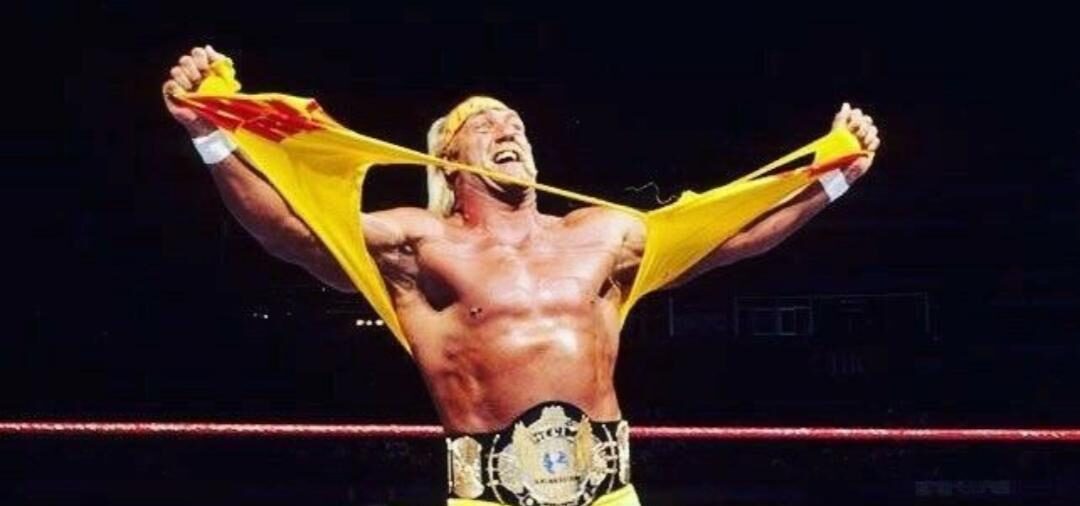
    There are a lot of things you can say about Terry Bollea. And they’d all be true. Should we excuse them? No. But I’m not really here to talk about Terry Bollea. At least not much. I’m here to talk about the Hulkster. Hulkamania. Hollywood Hogan. The man in yellow and red. The beach-bum tan. And those bleached blonde tassels whipping around his ever-receding hairline.

    To me, it didn’t matter if what Hulk said was real or made up, it was a shoot, a job, a calling. The man was kayfabe till the end. I don’t think there’s anyone who did more for his sport, for those companies, or for inspiring kids around the world to “Train, say your prayers, and take your vitamins.” And let’s be honest, that mantra hits different when it’s leaping off the top turnbuckle with a double ax handle.

    There are no heroes or villains in wrestling. Only babyfaces and heels. And Hogan knew how to work those roles better than anyone, or rather, monetize them better than anyone. Hulk always got the biggest pop. He didn’t even need the belt, he was the belt. Watch any Hogan entrance: the moment “Real American” hits, you better call for roof repair.

    After a political hit job over steroid use rocked the industry, Hulk did get noticeably smaller. But when his boss Vince McMahon stood trial, it was Hogan’s testimony that helped get him acquitted. On the flip side, when Jesse “The Body” Ventura tried forming a wrestlers’ union, it was Hogan who made sure it never happened.

    WrestleMania is often called the Super Bowl of wrestling. I hate that comparison, but it’s all I got. So does that make Hogan the ball or…? Either way, he headlined the main event for the first eight years of WrestleMania. And what’s crazier,  he never changed his finishing move.

    Well, finishing choreography. It always started with Hulk getting pummeled. But once his opponent hit their finisher, Hogan would shake it off like it was nothing. He’d start shaking his head, puffing out his cheeks, eyes wide. The punches started coming, and doing nothing. He wasn’t selling anymore.

    Then came the finger wag. Three quick punches. Whip to the ropes. Big boot. Leg drop. One, two, three! Hulkamania wins. “Real American” blasts through the speakers. Every. Single. Time. And every single time, the crowd loses its mind like it’s the first time they’ve ever seen it. That’s the magic of Hulk Hogan. Like a favorite movie or a favorite song, nothing changes. And we don’t want it to.

    But unlike those movies or songs that live forever, wrestlers only have so much magic to give. Most don’t make it past their 50s. So when Hogan turned 71, I thought, this guy’s in it for the long haul. He was starting a new wrestling league. Guesting on podcasts. Running his shop in Clearwater and a bar across from MSG. He was bear-hugging the hell out of his golden (brown) years.

    I didn’t expect to write this much. And honestly, it barely scratches the surface of a life this big. A life full of contradictions and complexities that only those who’ve lived in that squared circle can truly understand. I wouldn’t have wanted to be Hulk Hogan. And I definitely wouldn’t have wanted to be Terry Bollea.

    I’m sure there are people, former co-workers, friends, ex-friends, ex-wives, who needed to tell him one last thing, good or bad, before he left us. What would I say?

    Thank you, Hulk Hogan, for making me believe in something bigger than myself. You’d be proud to know I never once agreed with anyone who said wrestling was fake. At eight years old, you were a living cartoon. At 45, I can see the man behind the cartoon, the one who gave everything to put on a good show. And yeah, to make some money too.

    Oh, and say hi to everyone, will ya?

    Randy “Macho Man” Savage. Miss Elizabeth. Andre the Giant. The Warrior. Rowdy Roddy Piper. Big Boss Man. Mr. Perfect. Owen Hart. Razor Ramon. Sensational Sherri. Mean Gene. Gorilla Monsoon. Hawk. Bam Bam Bigelow. Kevin Sullivan. Eddie Guerrero. Ole Anderson. Kerry Von Erich…

    And everyone else.

  • MannySwagg: The Jitney Interview

    MannySwagg: The Jitney Interview

    MannySwagg is a Cuban-American singer / songwriter / percussionist based in Miami who joined forces with three time Miami New Times “Best of Miami” award winners Electric Piquete. The singer and the Latin funk band first joined forces two summers ago and are now promoting an infectious new Miami-themed single “Muevete Con Ganas”. The video for the hip-shaking, dance floor burner premieres Friday, July 25 on the group’s YouTube Channel. The Jitney sat with the vocalist to talk about his career and collaboration with the mainstays, fresh off their “Best Musical Act” 2025 Readers’ Choice win.

    What is your earliest musical memory?

    MannySwagg: My grandfather playing vinyl records by Bola de Nieve and Benny Moré on his furniture-like RCA Victor record player. 

    Who are some of your musical influences?

    I come from a very cultural and festive family and have lived a very eclectic sonic experience. Artists like Ruben Blades, Juan Luis Guerra, Celia Cruz, Oscar d’ Leon, the Fania All Stars, James Brown, Aretha Franklin, Miles Davis, Irakere, Los Van Van, the Beatles, the Rolling Stones, Havana Abierta, Michael Jackson, and Prince. I’m also a fan of modern rock, blues and R ‘n’ B, grunge, and ska, all of whom made the language barrier disappear at every social gathering. 

    Tell our readers about some of the other acts you’ve collaborated with.

    Sol & the Tribu, which was previously known as Picadillo and is fronted by Sol Ruiz and Rey Rodriguez),  Mr. Haka , Lobo and Raphox (Dem’ Boiz), BarrioActivo , Stealing Cigarettes, Gaiya, Nick N. Taya, Doble 9, Raudel Escuadron, Diana Fuentes and Jorge Luis Chacin (“La Vida es Buena Live”), and now Electric Piquete. “Muevete Con Ganas” is my most recent collaboration. 

    How did you first hear about Electric Piquete?

    The name kept coming up on social media platforms, and I had my first glance at them at the 2023 Shakori Hills Grassroots Fest (in Pittsboro, NC), when we had the opportunity to be on the same lineup. I remember talking to Michael and some of the gang for the first time at the lunch tent. 

    When was the first time you collaborated with the band?

    I remember that clearly. I happened to have a private event at The Confidante, and they were performing at a summer 2023 Miami Beach OnStage earlier the same day. We joined forces and had a blast taking the crowd on a full on “Miami Sound Get Down” with Locos Por Juana closing the day. That day saw the birth of the phrase. “Esto es un cohete, MannySwagg y Electric Piquete” (laughs). ¡Tremendo Sofrito!

    What was it like writing the melody and lyrics to an EP song that already existed?

    Well, it’s always a bit of a challenge when you’re called upon to do something extra for an already well-conceived idea. You’re always second guessing yourself if the lyric might take away or be in sync with everything else that’s happening. You never wanna over-saturate. Luckily, we’re all from the 305, and that’s what first showed up in my head. Spanglish definitely had to play a part in the opening line, and somehow I got led by the feeling of Que Pasa USA skits blending into a Miami Sound Machine “Conga” style remix and boom! Neon flooring meets Carnaval, Balseros dancing through Miami Beach and Hialeah bringing the diaspora, exile, and multi-cultural experience, and setting the mood for just the right Miami story. 

    What was shooting the video at Ball & Chain like?

    Couldn’t be more accurate, a Tropical Stage and the oversized ornament were key elements to this project. Wonderful getting together and sharing the vibe. The sun was definitely Miami. 

    What are your hopes for the “Muevete Con Ganas” single? 

    That everyone who comes across this groovy tune gets the vibe and feeling of what a genuine night turns-to-day out in Miami would sound and look like.  

    What’s next for MannySwagg?

    To infinity and beyond, but nah…the sky’s really the limit when it comes to try the endless possibilities to keep exploring and expanding my musical universe. Although “Muevete Con Ganas” is already streaming, I’m really looking forward to sharing the video with everyone, which will drop on Friday, July 25.

    How can readers learn more about you?

    Check out my latest single “Ricota”, and follow me on Instagram and Spotify.

  • There Is Something in Your Teeth (Fiction)

    There Is Something in Your Teeth (Fiction)

    Janet was always frail and nervous and confused about what to do. She had been transferred to my department on the first floor of the regional library due to conflicts with staff in her former department. I asked her to create a display for Hispanic Heritage Month. She proceeded to scour the catalog and write down call numbers excitedly and ran back and forth to the shelves arranging the books and videos in the display area. 

    One of my employees, Roberto, a Cuban born Anti-Castro activist who came to Miami as part of the Peter Pan Operations, came out of the office, and took inventory of the display. He saw it before I did. He began grabbing the books and screaming “this does not represent my people!” very loudly. 

    She had gathered materials about Nicaraguan contras, Colombian rebels, Che Guevara, Fidel Castro, and the Mexican cartel.  She did not include books about Frida Kahl, Pablo Picasso or Pablo Neruda, Jose Marti or South American travel and description or the flamingo dance or the merengue or Celia Cruz or any other successful, beautiful contributions from Latin culture. The covers of the books she chose had images of dark-skinned rebels engaging in warfare or dealing drugs or staring into the camera with a mask on and an ak47 strapped to their back with a red background. Always a red background. 

    As I realized what had happened, I asked Janet to change the display. “How?” she responded, completely perplexed. “I wasn’t finished!” she exclaimed.

    I told her to “make it positive.”

    “Like what?” she asked. 

    I said “art, literature, poetry, landscape, travel, inventors.” 

    Roberto had already gone above my head to the branch manager to complain. My supervisor marched over and said, “Fix it!”

    “It was a misunderstanding,” I said. Janet began “fixing it.”

    “I’m fixing it, I’m fixing it!” she repeated nervously.

    I started naming artists and poets, since she appreciated the arts and humanities.  Janet apologized to Roberto, and he said, “Let me help you.” 

    “I’m sorry!” she repeated, “but that’s what I see on the news!”

    I didn’t know what news she watched but I reluctantly accepted her explanation. Roberto helped her pick out different books about famous poets, artists, and writers from South and Central America and Spain with vibrant covers along with travel books that displayed the seaside of Chile and the mountains of Peru and the architecture of Buenos Aires. 

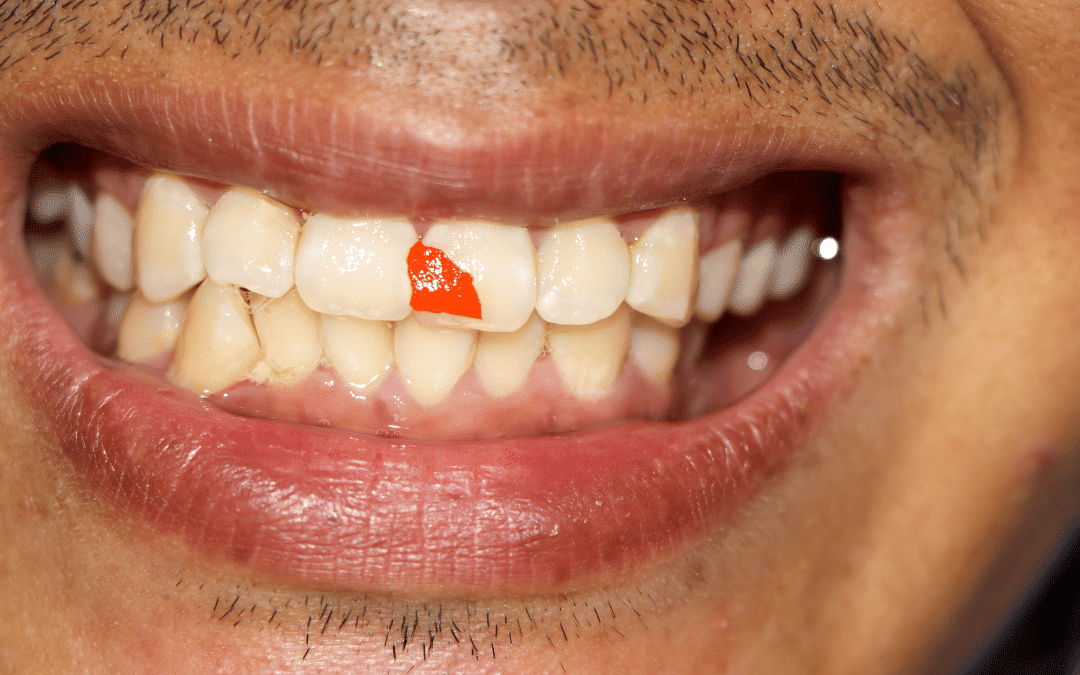
    Later I explained an anecdote to Roberto that I had heard at a diversity training. The County trainer told a story about when a supervisor kept saying things that were a little inappropriate about race, gender or ethnicity and they set up a code so when the supervisor made a mistake, his coworker/ friend would pull him aside and say, “excuse me, you have something in your teeth.”  And that would signal he had said something politically incorrect rather than embarrassing him in front of others. Roberto listened and said “You have something in your teeth? I can do that. I’ll take care of it.”  

    This approach caught on in our department at work and Roberto tried it on everyone, every chance he got. After all it was the early twenty-first century and political correctness was at its height. I would hear Roberto’s direct supervisor joke with him on the way out at night saying “just brush your teeth really well before you come in and I will too, and we should be ok.”

    Or sometimes Roberto would say “did you brush your teeth before you came to the desk?”

    We were all trying to be as culturally sensitive as possible while still having a little humor and kindness. 

  • Miami, Meet America

    Miami, Meet America

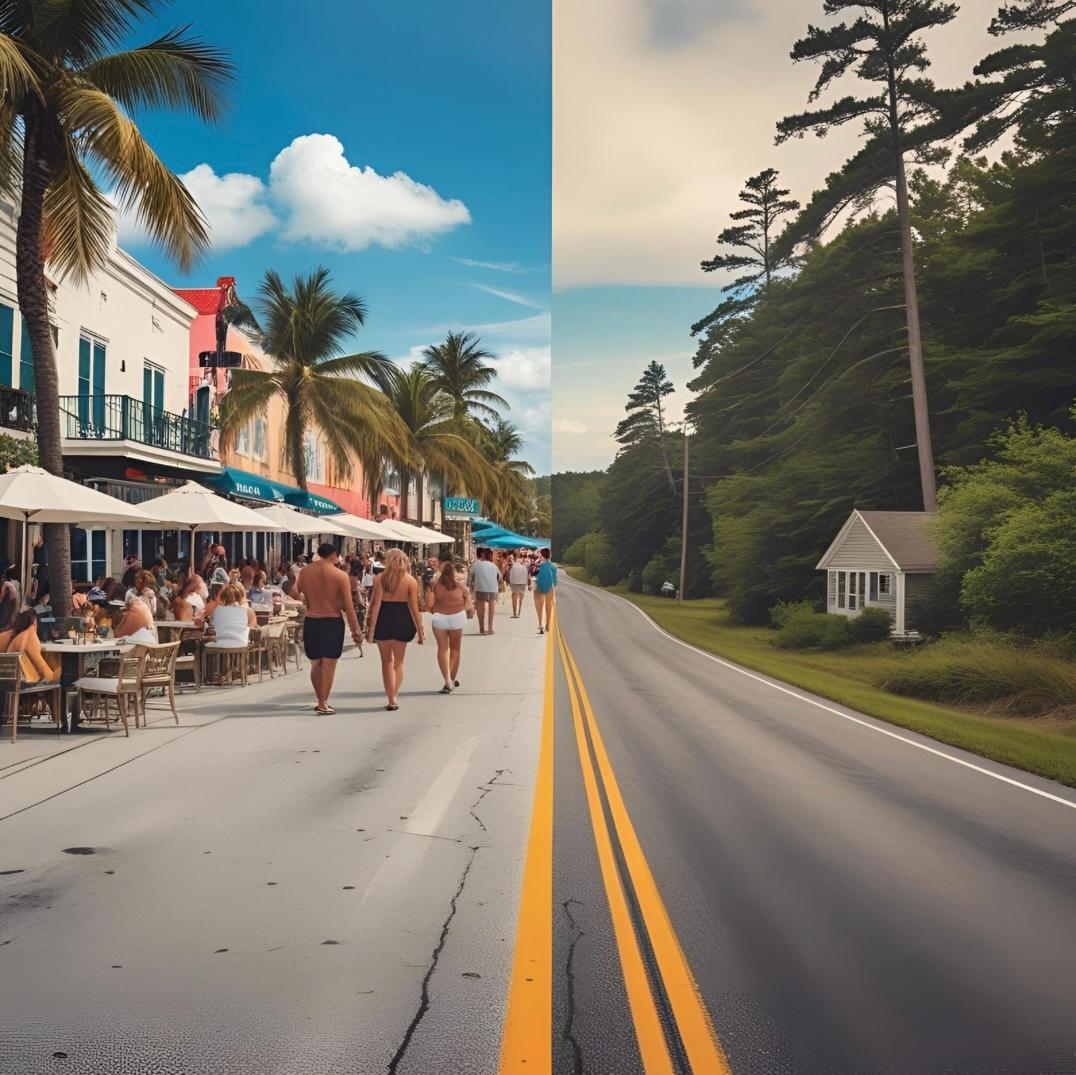
    I’ve lived in Miami most of my life (though I drank away about nine months in Orlando once). My feelings about Miami have always been as erratic as our weather. But having just come back from what I’ll call “not-Miami,” I’m here to tell you: Miami is not a kind place. And we? We are not a kind people. We aren’t the America that America wanted to be. It’s like we’ve been cut off from the rest of the country. County Line Road might as well be a dotted border.

    This isn’t a trash-Miami piece, mind you. That’d be too easy. But if we’re talking about kindness, try changing lanes on I-95. As soon as your blinker’s on, cars speed up to box you out. That’s why we don’t use turn signals, right? Now try changing lanes in a small town. It’s like the world pauses just for you. That kind of courtesy? That’s the America America wanted to be.

    Miami had its shot. We could’ve been that America. But we sold our elbow room to the highest bidder. Now it’s a tight squeeze. Unoccupied buildings birthing more unoccupied buildings. Mid-century homes, the ones that gave Miami its look and soul, get bulldozed for another glass box with no character. Meanwhile, in the America I just visited, people preserve the old homes, the history, the human scale.

    Of course, Miami’s not the only city going through these anti-American mutations. And no, this isn’t about politics. It’s about a way of living. A way of seeing. A way of remembering. One that’s slowly slipping away. In small towns, the only “new” is a McDonald’s, and even that feels like a sore thumb on a hillside moose.

    Maybe keeping things small is American. This whole “go big or go home” thing? That’s what pushed us from the good ol’ days to just trying to get through the day. Walking around Black Mountain, North Carolina, it felt like I was living an original life. Back home, it feels like a constant remake. And wasn’t originality supposed to be the American dream? These days, we’ve got more destroyers, sorry, developers, than preservers.

    It’s been a bit of a culture shock here in Black Mountain. A side of America I’ve never experienced. Miami, and I know this is low-hanging fruit, not unlike a sun-ripened avocado, is more Latin America than “America”-America. And hey, I married a Chilean. I wanted a little Latin in my America. But being here has lifted the palm tree–themed veil and shown me a less humid, more human way of living.

  • Florida Supercon 2025 Cosplay Superstars

    Florida Supercon 2025 Cosplay Superstars

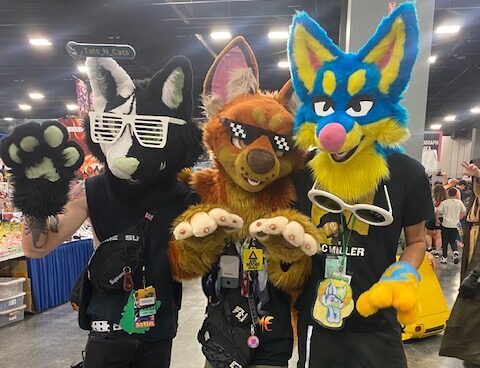
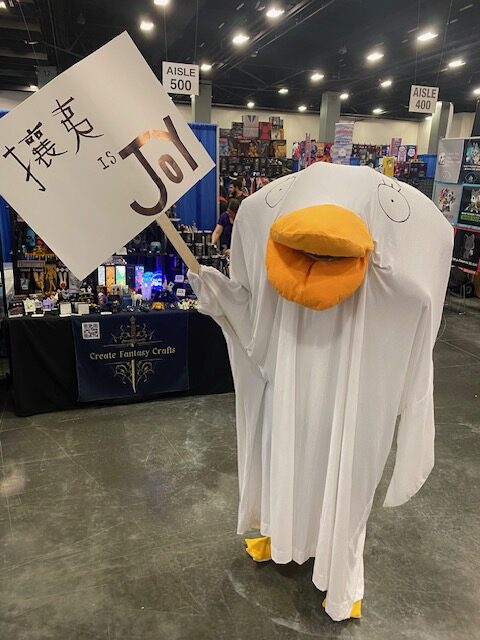
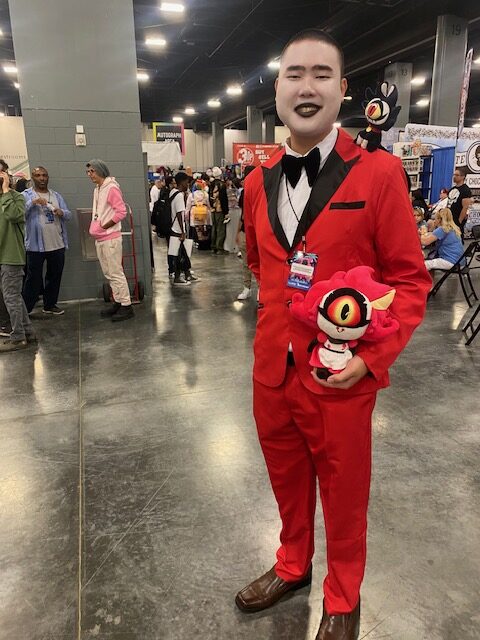
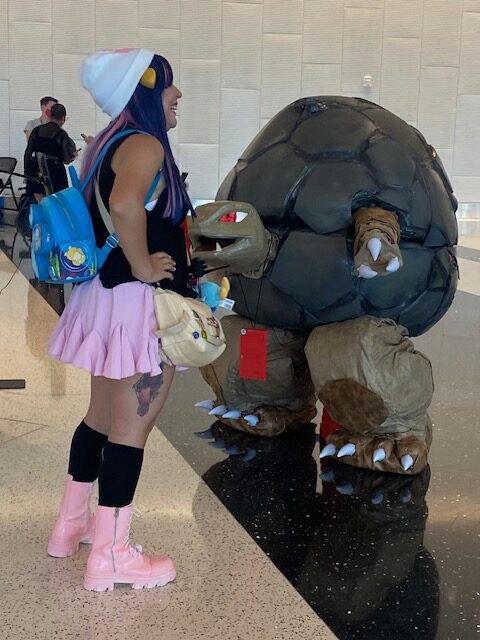
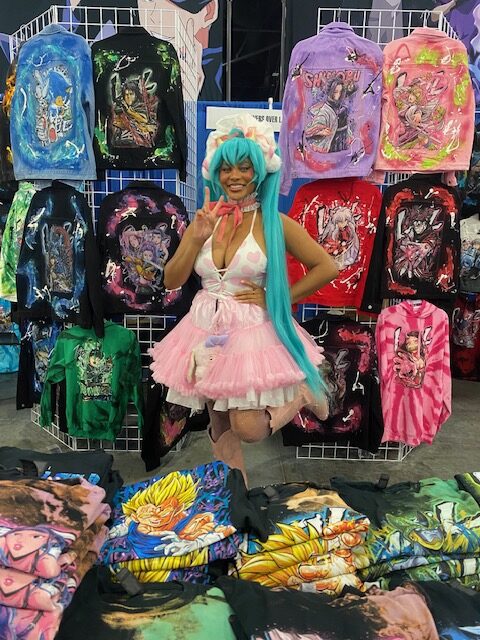
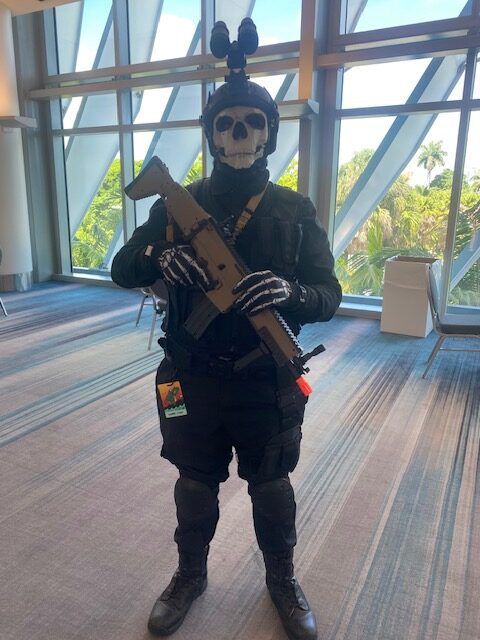
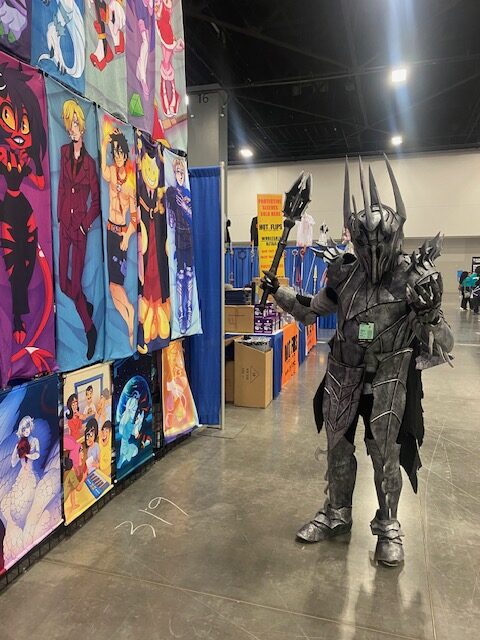
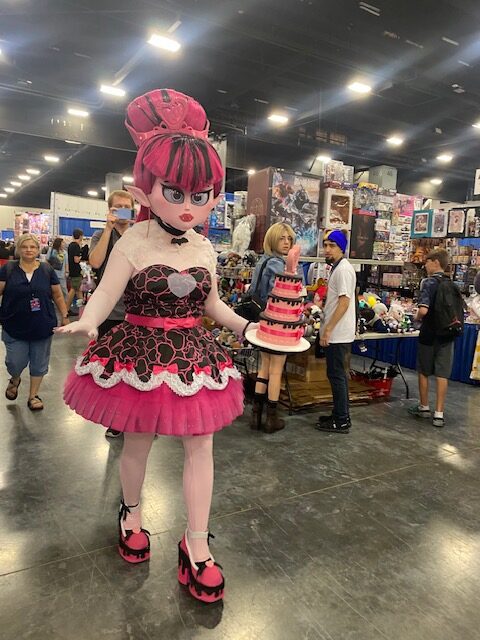
    Another year, another Supercon in the books. Florida Supercon 2025 featured cosplay from all realms of pop culture. From anime to movies to video games to comic books, no character was too obscure to impersonate. Here’s a look at who was out and about at the Miami Beach Convention Center this past weekend.