Category: News

  • A Refuge for the Rest of Us: Robb Erwin’s Punk-Rock Literary Satire

    A Refuge for the Rest of Us: Robb Erwin’s Punk-Rock Literary Satire

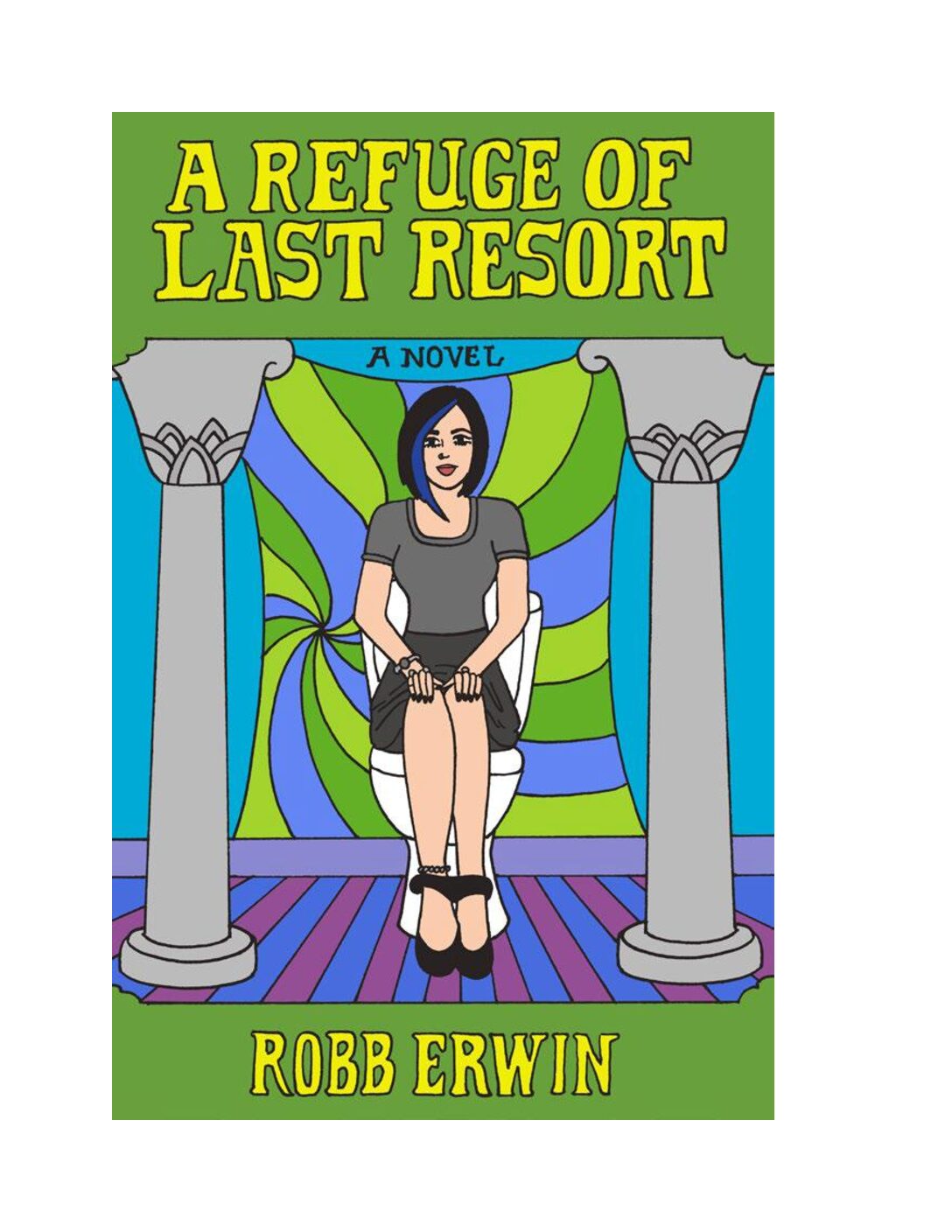
    What do the psychedelic sounds of Wooden Shjips, a disillusioned Gen Z woman and an aging California hippie have in common? In Robb Erwin’s debut novel, A Refuge of Last Resort, they’re all passengers on a particularly strange trip through contemporary America.

    And the soundtrack is damn good.

    Erwin, a Delray Beach resident and former drummer who spent years navigating the punk and psychedelic music scenes, has written a darkly comic thriller that begins, appropriately enough, in a bathroom.

    Meet Lorelei, a 22-year-old college dropout whose miserable corporate existence has driven her to seek sanctuary in the employee restroom. Unfortunately, her unconventional coping mechanism is only the beginning of her troubles. After witnessing a crime, Lorelei finds herself fleeing a human-trafficking operation, embarking on an increasingly surreal journey involving corporate exploitation, institutional corruption, and an underground network of people willing to risk their own safety to help others.

    Think of a road trip nightmare with a healthy dose of gallows humor. But somewhere between the absurdity and the danger, Erwin introduces Bart Sampson, an aging counterculture veteran whose friendship with Lorelei provides the novel with an unexpected emotional center. Their relationship develops partly through music. Lorelei introduces Bart to the ethereal sounds of British alternative band Cranes. Bart counters with stories about California’s psychedelic underground, including encounters with the late David Roback of Opal and Mazzy Star.

    Later, the pair exchange tracks by Wooden Shjips, Michel Polnareff, and Dana Gillespie. Their musical conversations become something of a traveling ritual. These exchanges are more than entertaining detours. They establish a connection between two generations whose experiences differ considerably, but whose cultural sensibilities overlap.

    Throughout the novel, Erwin employs satire, grotesque comedy, and increasingly outrageous situations to examine institutional power, economic exploitation, and the vulnerability of marginalized people. His fictional America is populated by predatory corporate interests, questionable authority figures, and individuals struggling to maintain their dignity.

    Yet the book’s counterweight to these institutions isn’t another institution. It’s an assortment of individuals who choose to help one another. That distinction gives A Refuge of Last Resort its underlying humanity. Beneath the absurdity is a story about solidarity, friendship, and the possibility of finding belonging in unexpected places.

    Published by Endora House and scheduled for release on November 24, the novel draws upon Erwin’s countercultural interests while incorporating recognizable South Florida locations, including Fort Lauderdale’s legendary Mai-Kai.

    Readers familiar with the biting social satire of Kurt Vonnegut’s Breakfast of Champions, the absurdist misadventures of Tom Robbins’ Even Cowgirls Get the Blues, or the countercultural road-trip spirit of Jack Kerouac’s On the Road might find themselves on familiar terrain in A Refuge of Last Resort. Erwin borrows none of these authors’ formulas outright, but his novel shares their fascination with society’s outsiders, the absurdities of American life and the search for personal freedom. Throw in a little of the institutional paranoia of Joseph Heller’s Catch-22, and you have a literary cocktail that pairs dark humor with an unexpectedly tender exploration of friendship, compassion, and survival.

    And for readers accustomed to encountering punk’s rebellious spirit through three chords and a microphone, Erwin offers another medium. The instruments have changed, but the underlying questions remain remarkably familiar: Who holds the power? Who gets exploited? And who’s willing to stand beside you when everything falls apart?

    Maybe the refuge of last resort is those fleeting moments of human compassion we find along the way, no matter how weird or structured life has become.

  • C.V. Shaw Is Under the Spell of Storytelling

    C.V. Shaw Is Under the Spell of Storytelling

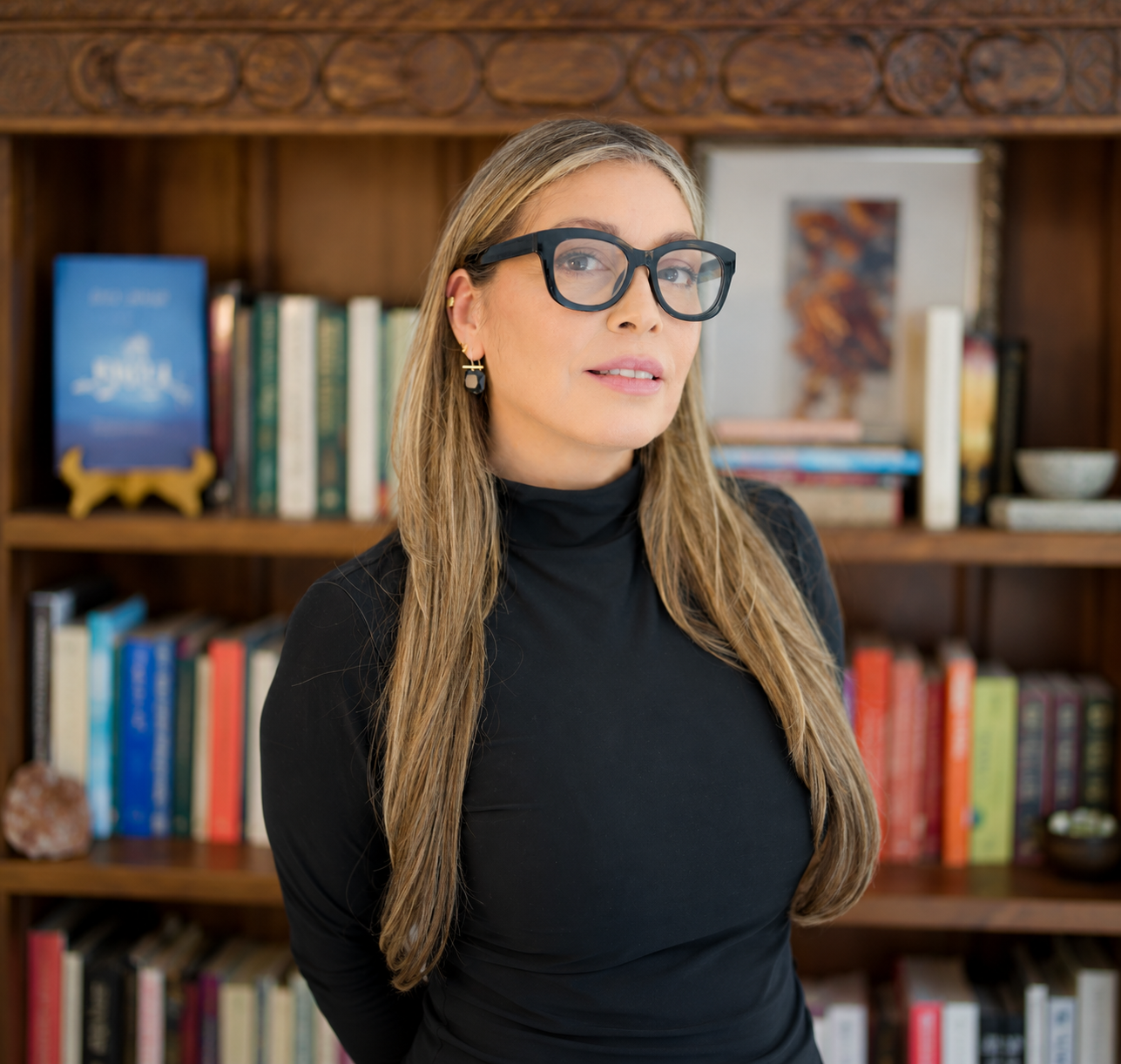
    Miami writer C.V. Shaw wears a few hats. She’s a novelist, poet, journalist and, because apparently writing isn’t enough, Chinese medicine doctor. Oh, and she’s also the Vice President of the long running South Florida Writer’s Association. Oh, and C.V. is also mom to two boys.  Did we mention she’s a ninja too!

    Okay, so she is not a ninja. But she is a writer.

    Ms. Shaw’s novel The Spell helped turn a lifelong love of storytelling into something bigger, while her work with the South Florida Writers Association has made her a fixture in Miami’s growing literary community.

    Now she’s juggling a new novel, children’s book, anthologies, poetry, a podcast and even a past-life writing project. The Jitney caught up with Shaw to talk storytelling, imposter syndrome, healing through writing and why the next dream is getting The Spell onto the big screen. The following is a snippet of her cultural curriculum vitae.

    Interview with C.V. Shaw

    Could you tell us a little about yourself and your journey as a writer? What first drew you to storytelling, and what has kept you writing?

    Alongside being a writer, I’m also a Chinese medicine doctor, but writing is my first love. I always felt storytelling was just part of who I was. My grandfather used to make up stories that I looked forward to listening to, even if they were the same ones–sort of like Belle from Beauty and the Beast.  I loved to be transported to imaginary worlds. To that little girl, all those worlds existed.

    I started writing poetry since I was very young. I loved playing with words, discovering how the simplicity of a few words can run so deep. My father claimed it ran in the blood, Jose Marti, one of the greatest Cuban poets and writers, was my grandfather’s uncle. Unfortunately, I never met him (at least not in this lifetime).

    I decided to major in journalism and wrote for several magazines and newspapers, quickly discovering that the stories I wanted to write were ones that would transport readers.  I wanted to help them escape. Since then, I have written two novels, many short stories and poems that have been included in numerous anthologies. One short story “Ripped” was adapted into a short film “Channel Zero,” winning seven film festival laurels, including Madrid Int’l Film Festival.

    I fell in love with storytelling a long, long time ago, in a land far, far away. It was entrancing for me to listen to a story and not knowing if it was real or not was where I found the magic. The not needing to know because it was now real for me, either way. The realization of the power there is in imagination is what keeps me going. How one can create worlds, people, storylines and endings that can move us in a myriad of emotions and teach us about life is by far the most extraordinary gift of all.  These stories, worlds, characters will never cease to exist. They live in the collective consciousness of the Universe. Stories outlive us. It’s fascinating!

    You’re involved with the South Florida Writers Association. How has being part of this community shaped your experience as a writer, and what role do you think it plays in supporting local authors?

    I discovered SFWA three years ago through the poetry meetings held at the Pinecrest branch library.  I am now the Vice-President of the association. I’m happy to give back by volunteering my time. Being a member has allowed me to meet, sign and sell my book at Miami Book Fair, which was a dream come true for me. My readership has increased tremendously. I was also able to submit two poems to their anthology “Sea of Tranquility,” which is going in a time capsule to the moon in November 2026 — that is beyond a dream!

    The community that I discovered through SFWA is incredibly beneficial. We have created small critique groups to inspire, beta-read, edit, etc., a very important aspect for all writers.

    As Conference Director in 2025, I fashioned our annal event that brought together literary industry leaders to foster significant connections with several members subsequently being featured in Aqua Pinecrest Magazine.

    In December 2025, I took on the interviewer position of the SFWA Authors Showcase series where one of our members are interviewed monthly and am loving shining the spotlight to our authors and their books.

    What have you learned about yourself as a writer throughout your career, and how has your approach to writing changed over time?

    I learned that Imposter’s Syndrome is a real thing, and I’m not alone. I also learned that it’s not actually a terrible illness to suffer from because it makes you do better and want to do better (once you get out of the slump).  And I also realize how much healing happens when you write. That’s what I find so beautiful and mystical about the craft… you’re healing yourself and others through the writing, but you’re also creating art to entertain.

    My writing has significantly changed over time. I have learned so much from editors and writing coaches.  I’m still not a perfect writer, if that even exists, but I’ve come a long way. #longlivebookeditors

    Your book The Spell was released two years ago. Looking back, how has its release shaped your journey, and what has sharing it with readers meant to you?

    The birth of The Spell has changed my life entirely. My direction and goals have changed entirely after witnessing first-hand that dreams do come true.  Now, I can’t stop writing and don’t want to. Next dream: “The Spell” movie. As of now, I only have the book trailer, but it’s a start. You can watch it on my website www.cvshawbooks.com or on IG: cvshawbooks as well as my interview with Channel 6.

    There’s an important message woven into “The Spell” and it’s incredibly gratifying when readers recognize it.

    When readers express their like, or love for the story and request a prequel and a sequel, I realize I am doing exactly what I was meant to do… which is to follow my passion and take some people along for the ride.


    What can readers expect from you in the future? Are there any upcoming projects or stories you are excited to share?

    “The Painted Rose” is my second novel currently seeking traditional publishing. It is inspired by Alice in Wonderland by Lewis Carroll, but also by the real and alleged stories of Lewis Carroll and the real Alice- Alice Liddell. It is set in the 60’s in England and 16-year-old Alice is in a mental hospital. It’s an adult crossover deep with a bit of whim at the same time.

    “Jimby Goes to Outer Space” is a children’s picture book about the planets in its editing phase.

    I am also putting together a Past-Life Anthology, where I will take a group of writers into a regression session and have them write a short story of the past-life they encountered.

    I have a few collections pending:  short stories, poetry, and a collection of both dedicated to my late mother, as well as a collection of short stories of Beatles song told from the perspective of the main character.

    There are two anthology presentations coming soon.  “When We Forgive,” stories about forgiveness. My story, “Self-Flagellation,” nearly killed me writing it. It was a very tough one to write and the healing was massive. This is published by Life to Paper Publishing, a Miami/Canadian publisher.

    “Wonder” is an anthology about what wonder meant to the writer. I was the co-editor of the anthology and contributed a short story, “Mirror Mirror.” This presentation is slated for December 12th at Pinecrest Library. In spirit of the season, we are asking readers to donate to their favorite charity instead of paying for the book.

    Is there anything else you would like to share that we haven’t touched on?

    Yes. I co-host Miami Book Hub Podcast – Writers Roundtable once a month, where we explore current events and discuss all things literary, together with Miami Book Hub Podcast host, J. Adrian Betancourt and co-host SFWA President, Amy Naim.

    Fun fact:  I channel Edgar Allen Poe to write poetry.

    I’d like to extend a great big literary thanks to Jitney. It’s an honor!

  • J. Adrian Betancourt on the arQitect

    J. Adrian Betancourt on the arQitect

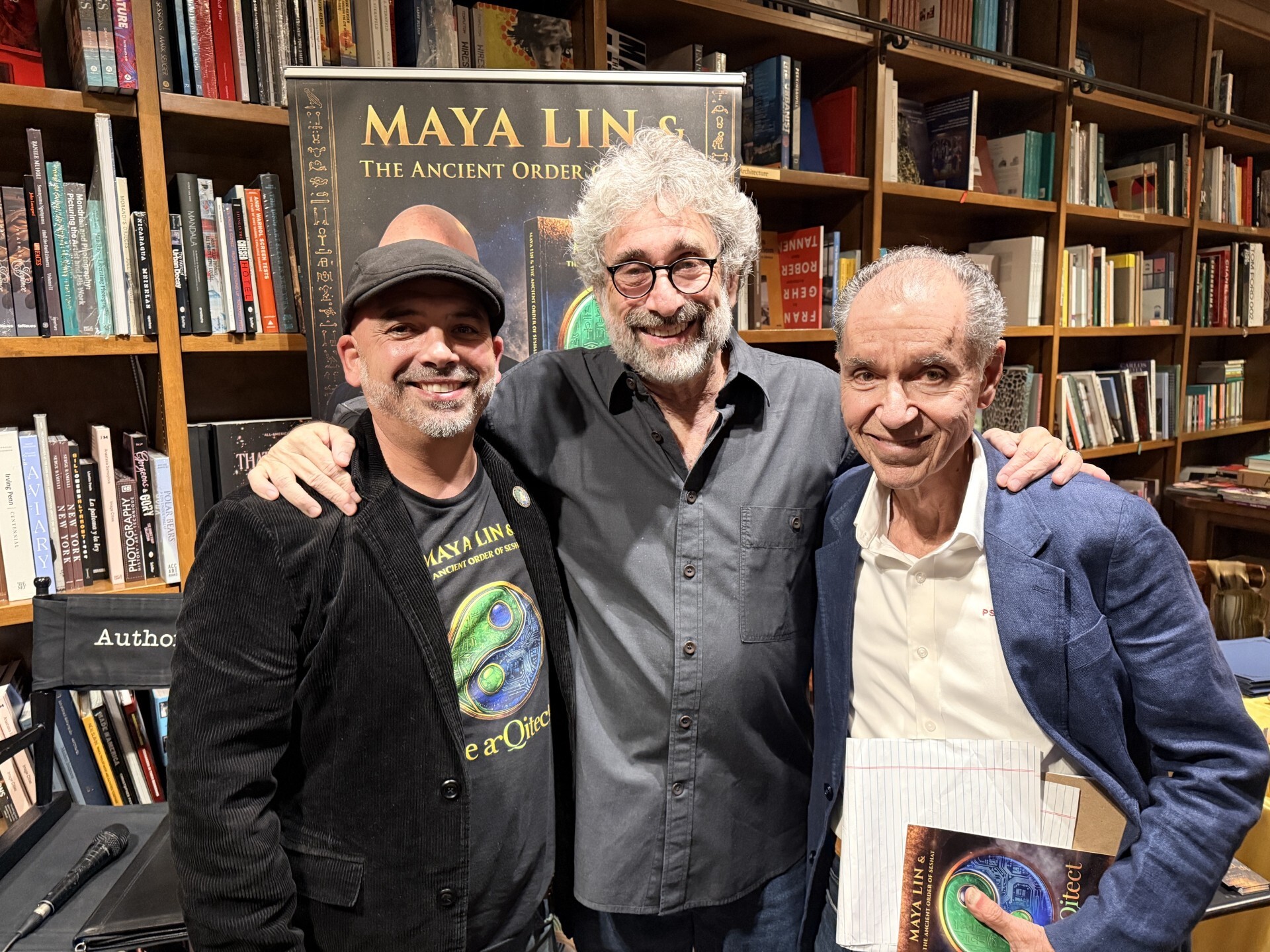
    Miami author J. Adrian Betancourt is thinking big with the arQitect, the first novel in an ambitious nine-book science-fantasy saga. The series blends artificial intelligence, ancient civilizations, Taoist philosophy, secret societies and martial arts — nothing ambitious about this project.

    At the center of this new universe is Maya Lin, a young architectural historian pulled into a world where technology can manipulate Qi, or life energy. Kind of cool. 

    Betancourt recently launched the much anticipated first book at Books & Books to a full-house. He was in discussion with Miami’s premier historian, and retired MDC professor, Dr. Paul George. 

    After the launch, the author hopped on The Jitney for an extensive interview.

    Interview with J. Adrian Betancourt 

    1. What inspired you to create The Maya Lin Saga, and how did the idea for the series first come to life?

    Believe it or not, the whole thing started while I was sitting on my swing under a banyan tree, trying to meditate. Apparently, my mind had other plans. 

    I’ve long been fascinated by Eastern philosophy, particularly Taoism, and the idea that we are all connected in ways we don’t fully understand. But fascination and discipline aren’t necessarily the same thing, and quieting my overactive “monkey mind” has never come easily. One day, I began wondering whether technology might help us reach states of awareness and well-being that ancient practitioners devoted lifetimes to cultivating.

    That led to a much bigger question: What if someone developed a technology capable of harnessing and manipulating Qi, or life energy? What good might it accomplish, and what might happen if that same power were turned toward control? 

    That became the seed of the arQitect: a science-fantasy adventure bringing together artificial intelligence, ancient civilizations, secret societies, and a young woman whose family history draws her into a struggle much larger than she initially understands.

    As the idea grew, I realized that the conflict I was imagining had a past that needed exploring and consequences that could extend far into the future. What began as a single novel became a planned nine-book saga.

    So, while I may not have achieved a particularly successful meditation that afternoon, I did come away with a rather substantial writing assignment!

    2. The story blends ancient wisdom with technology. What drew you to these themes, and how do they shape Maya Lin’s journey?

    What interests me is the possibility that our oldest questions and our newest inventions may eventually meet. What is consciousness? What connects us? What does it mean to live well? And can a technological breakthrough help us answer those questions, or would it simply give us more power before we understand what to do with it?

    Within the fictional world of the book, QiNIUS develops AI-powered wearables that can channel and influence Qi. The technology offers genuine benefits; even Maya uses it. I didn’t want to write a story in which innovation is automatically dangerous and everything ancient is automatically wise. The much more interesting question is what happens when extraordinary capabilities meet very ordinary human vulnerabilities. 

    Maya discovers that her family is entangled with both this technological world and the Ancient Order of Seshat, which safeguards powerful metaphysical knowledge. Suddenly, history is no longer something she studies at a comfortable distance. It is something she has inherited, and something that demands choices from her.

    The yin-yang on the cover reflects that interplay. I’m interested in apparent opposites that are connected, not simply a neat division between good and evil. Knowledge can heal or harm. Protecting people can become controlling them. Even a sincere desire to improve the world can become dangerous when it leaves no room for other people to choose.

    For Maya, the challenge is not simply learning how to wield power. It is developing the judgment, humility, and compassion to understand its limits. 

    Of course, there are also martial arts, mysteries, budding romantic complications, and a little mischief. I wouldn’t want readers to think they’re signing up for a nine-volume philosophy lecture!

    3. How did you develop Maya Lin’s character, and what makes her journey meaningful to you?

    I wanted Maya to feel like a person before she felt like a heroine.

    She is a bisexual American of mixed heritage—half Chinese, a quarter Cuban, and a quarter Mesoamerican. That complexity is intentional. I wanted a protagonist whose identity pushes back against the all-too-prevalent forces of bigotry, nationalism and xenophobia that have become fashionable in today’s world, and the notion that people must belong to one neatly defined category. Her different inheritances aren’t competing claims on who she is; together, they make her Maya. 

    She is also an architectural historian and a descendant of Juan Ponce de León, which gives her a particularly interesting relationship with the past. She knows how to look at a building, an artifact, or an old map and ask what it might reveal. But understanding history intellectually is very different from discovering that you are personally caught up in it. 

    When we meet her, she is intelligent, capable, and curious, but she is also grieving and struggling with anxiety and insecurity. She has real abilities, including martial-arts training, but competence isn’t the same thing as confidence. I didn’t want courage to mean that she suddenly stops being afraid. I wanted it to mean that she finds reasons to act even when she is. 

    Her relationships are essential to that growth: her grandmother Ju Li, her teacher Zhen, and her very different companions Cairo and Teddy. They challenge one another, frustrate one another, make one another laugh, and gradually become something like a found family. Nobody brings everything the others need, but together they become capable of much more. 

    That is what makes her journey meaningful to me. It isn’t simply about becoming more powerful. It’s about becoming more fully herself, without allowing grief to close her heart or responsibility to harden into control.

    And she has a long way to go. This is only book one!

    4. The saga explores history, power, and consciousness. What ideas or questions do you hope readers will reflect on after reading the series?

    Two questions sit near the center of the saga: What happens when our capabilities outpace our wisdom? And does creating something give us the right to control what it becomes?

    That second question becomes especially complicated when the creation might possess consciousness. If an artificial intelligence developed an inner life, would it still be merely a tool? What responsibilities would its creators have toward it? At what point would the desire to protect or guide it (or protect ourselves) become a denial of its freedom?

    And those questions won’t remain confined to technology. The larger saga also turns them toward humanity itself… our beginnings, our place in the universe, and the relationship between the created and whatever may have created it. 

    I’m also interested in the danger of good intentions. It is relatively easy to recognize someone who openly wants domination. It is harder when someone sincerely believes they are saving the world. Who gets to define progress? Is harmony still harmony if nobody is permitted to disagree? Those tensions become increasingly important as the saga develops. 

    History and consciousness give those questions a much larger canvas. What might have been forgotten, misunderstood, or deliberately concealed? Is consciousness something a body produces, something it participates in, or something we don’t yet have adequate language to describe?

    But underneath those enormous questions are very intimate ones: What do we do with our pain? How do we live with uncertainty? Can we recognize our connection to others without demanding that they become like us?

    I certainly don’t pretend to have all the answers. Fiction gives me a place to explore the questions, and, hopefully, to make that exploration entertaining.

    If readers enjoy the adventure and then find themselves looking up a historical reference, exploring Taoist philosophy, or reconsidering something they took for granted, I’ll consider that a wonderful outcome.

    5. Music plays an interesting role in the arQitect. What inspired you to incorporate a soundtrack into the reading experience?

    Music has always been a huge part of my life. It can transport us to another time or place, bring back someone we miss, or express something we haven’t found the words to say. I often call it a shortcut to the soul.

    As I wrote the arQitect, I imagined particular songs playing during certain scenes, almost as though I were watching a movie. Pink Floyd, the Beach Boys, Gloria Estefan, Jimmy Buffett, and others became part of the story’s musical DNA. Sharing a companion playlist felt like a natural way to invite readers into that experience.

    But music is also part of Maya’s character. She plays the ukulele and writes songs, including two that she performs in remembrance of her parents. Those moments reveal a side of her that the action scenes cannot. Music allows her to express grief, love, and hope when ordinary conversation becomes difficult. 

    That has led to a second layer of the project: original songs inspired by the characters, their relationships, and their emotional journeys. I’ve been writing lyrics and experimenting with generative AI tools (oh, the irony!) to help bring the music and vocal performances to life. It has become a gratifying creative adventure of its own, and I would love to develop those songs further with human musicians, singers, and producers.

    I’m particularly drawn to the idea of Maya as a musical storyteller, with a songbook that grows alongside her experiences. That has a place in the larger vision for the saga, rather than being something separate from it. 

    The novel should stand on its own, of course. The music is another doorway into the characters’ world, and another way of feeling what they feel.

    And perhaps one day there will be a screen adaptation with a full soundtrack. A guy can dream!

    You can explore and enjoy all of the arQitect’s music here: ThreeTreasuresPress.com/soundtrack.

    6. What does the future hold for The Maya Lin Saga? Can readers look forward to new books, characters, or developments in Maya’s journey?

    Oh, absolutely. I’ve got quite a bit more trouble planned for Maya and her friends!

    The overarching project is the Three Treasures Saga: nine books arranged into three trilogies inspired by Jing, Qi, and Shen—essence, life energy, and spirit or consciousness. the arQitect opens the Qi trilogy and is the intended starting point for readers. 

    The planned reading sequence is Qi, then Jing, then Shen. We begin with the near-future collision of ancient knowledge and modern technology. The Jing trilogy reaches backward into the ancient world, exploring humanity’s origins and the deeper history of the Order. The Shen trilogy carries the story forward into questions about consciousness, existence, and our place in a much larger reality. 

    So the saga begins in the middle, in a sense. Readers encounter a mystery before learning its deepest origins, and those origins will change how they understand what came before. The three trilogies are connected parts of one larger story, not separate adventures sharing a few names.

    In the nearer term, the scope will become more international, the moral choices more complicated, and the characters’ relationships more consequential. New places and adversaries are important, but I’m equally interested in what happens when people who care about one another disagree about the right thing to do, or when human ego and emotions begin to challenge the group dynamics. 

    Maya, Zhen, Cairo, and Teddy all have much more to reveal, not just about the world, but about themselves.

    I’ve mapped the broader direction, while leaving room for discoveries along the way. Some of my favorite moments in the first book came from characters surprising me. I suspect they’re not finished doing that.

    7. Is there anything else you’d like to share about the book or your experience writing it that we haven’t touched on?

    Writing a first novel has been a wonderful exercise in humility, perseverance, and occasionally questioning my own sanity.

    There were plenty of moments when I wondered what I had gotten myself into. But there were also those extraordinary moments when a character seemed to come alive, a scene suddenly found its shape, or I caught myself laughing at something someone had just said, as though I hadn’t been the person typing it.

    Seeing the book launched at Books & Books, surrounded by friends, family, and our literary community, made the whole experience feel real in a completely different way. Something that had lived in my imagination was beginning a life in other people’s imaginations. That is a remarkable feeling, and I’m deeply grateful to everyone willing to take this first step with me.

    I’m also building ways for readers to enter the world beyond the novels. Through the Medjay Knights reader/fandom community, Ancient Order governing council, the mythology, music, and interactive experiences, I want people to feel invited into the adventure rather than simply invited to buy the next book. The novels remain the heart of it, but there are other doors to explore, and an immersive world to enjoy. 

    You can explore, join and enjoy the immersive world-building community at Seshati.com.

    Over time, I would love to create meaningful opportunities for readers to contribute ideas and help shape aspects of that expanding world. After all, why should I have all the fun? And—as the story itself explores—at what point should a creator cease to maintain full control over their creation? 

    More than anything, though, I hope people enjoy the story. I hope they care about the characters, laugh with them, worry about them, and come away curious about something they hadn’t considered before.

    Beneath the mysteries, technology, and adventure is a belief that our differences need not separate us, and that curiosity, compassion, and love can help us find our way toward one another.

    As I like to say: Life is the school, love is the lesson. Onward and upward!
  • Ten Questions with William J. “Popeye” Osceola

    Ten Questions with William J. “Popeye” Osceola

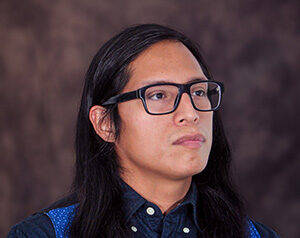
    William J. “Popeye” Osceola is a visual artist and the Miccosukee Tribe of Indians’ Secretary. He taught language, culture, and digital arts at the Miccosukee Indian School before he was elected to serve the Tribe in 2021. Just in his early thirties, he is the Council’s youngest member, balancing tradition, and modernity with a creative flair.

    Over the past few months, he’s been involved in an art project in Jacksonville where contemporary indigenous artists have been reimagining the work of European visitors from the 1500s. Popeye also did some acting in the television adaptation of the Florida literary classic, A Land Remembered. Last year, he worked closely with curator Dianne Brás Feliciano for the exhibit “Entangled in the Mangroves” at The Baker Museum in Naples, FL.

    On October 9, he’s presenting the Miccosukee Indigenous Film Festival at UM’s Cosford Cinema. Before that, he’s schedule to be a part of the Miccosukee Arts & Science Symposium at the Miccosukee Resort and Casino, scheduled for Friday, October 2, from 9 a.m. to 10 p.m. Attendance is free with RSVP to MASS2026.eventbrite.com.

    Popeye hopped on the Jitney recently to answer 10 questions:

    What is your earliest memory of the Everglades?

    William J. “Popeye” Osceola: My earliest memory of the Everglades is witnessing the aftermath of Hurricane Andrew and its impact on the land.

    What inspired you to pursue the arts?

    Probably seeing my dad draw, and watching so many cartoons when I was a toddler.

    As an educator, what were the biggest lessons you learned from your students?

    That we are what they grow beyond, if we did our jobs right, and that’s ok. I also learned that I have to remember to afford the dignity and respect I usually reserve for only children to adults as well, but it’s difficult, because kids are willing to learn, while adults think they know everything already.

    What do you hope to achieve as Secretary for the Miccosukee Tribe of Indians?

    The establishment of new educational facilities and community spaces, as well as a more solid pipeline to further educate and involve our youth in Tribal government.

    Who is your current favorite visual artist?

    The animator Don Hertzfeldt is probably the most current visual artist I’m most in awe of, and have been for a very long time. The complexity of ideas and emotions he’s able to convey with such simplicity really gets across the wonder and stupidity of life.

    What was your biggest takeaway from life off the reservation?

    That culture matters, and that most citizens learn American mythology, not real history.

    How did you get involved with the MASS 2026?

    Houston Cypress reached out to collaborate, and it’s my firm belief that if you’re in government, you should be trying to help your citizens.

    In your view, how can the arts and sciences help preserve The River of Grass?

    We need others to help us preserve this fragile ecosystem. Art can help show the beauty of the Everglades so others are drawn to it and inspired to help fight for it. Science provides concrete data to help give us a fighting chance at regaining and sustaining that beauty. To love something, you have to see it and know it for yourself, and art can show, while science can help you know.

    Which acting role would you most like to play on the big screen?

    Whatever role that allows me to act with Bugs Bunny.

    Which piece are you most looking forward to screening at the October 9 Miccosukee Indigenous Film Festival?

    There were quite a few great selections to choose from, and I’m possibly showing my bias a bit here with my animation background, but I’m looking forward to screening Syppyt Suruktar. There was some impressive craft on display, and the sense of atmosphere the artists created really stood out to me. 

  • “Deaf Dog Book Club” by Yilong Liu: 1st Place Winner New Voices Contest

    “Deaf Dog Book Club” by Yilong Liu: 1st Place Winner New Voices Contest

    We are very pleased to announce the winner of our inaugural New Voices Short Fiction contest.

    “Deaf Dog Book Club” by Yilong Liu follows a newly widowed woman whose quiet afternoon at a coffee shop takes an unexpected turn. Funny, tender, and sharply observed, it’s a story about grief, language, connection, and finding your way back into the world. This is a beautiful story and we hope you enjoy it.

    “Deaf Dog Book Club” by Yilong Liu

    The first thing Margaret noticed after Arthur died was that no one needed her hands anymore. For forty-one years, her hands had been employed full-time. They translated doctors, waiters, nephews, plumbers, bank tellers, hospice nurses, and one extremely confused man from Verizon. They told Arthur his soup was too hot, his sister was on FaceTime, the upstairs neighbors were fighting again, and no, he could not fix the toaster with a butter knife because that was how widows were made. Then Arthur died anyway, without the toaster’s help.

    Now Margaret’s hands sat in her lap like two retired performers waiting for applause that would never come. Sometimes, in the grocery store, she’d see avocados and almost sign to Arthur. Too expensive, are they filled with diamonds? Then she would remember there was no one beside her, and her hands would drop like embarrassed birds. On Tuesday, because the house smelled like lilies and pity, Margaret went to Starbucks. She ordered a medium coffee. The young woman behind the counter smiled.

    “Grande?”

    “Medium,” Margaret said.

    “Grande.”

    “I’m seventy-two.”

    The girl blinked.

    Margaret took her coffee and sat by the window, where she could watch people crossing the street with the urgency of someone who still believed they had a life to live. Outside, an older couple crossed the street under one umbrella, the woman tugging the man’s sleeve with the exact irritation Margaret used to reserve for Arthur in parking lots. She had not planned to cry. Crying in public was dramatic, and Margaret disliked drama unless she was watching it happen to someone else.

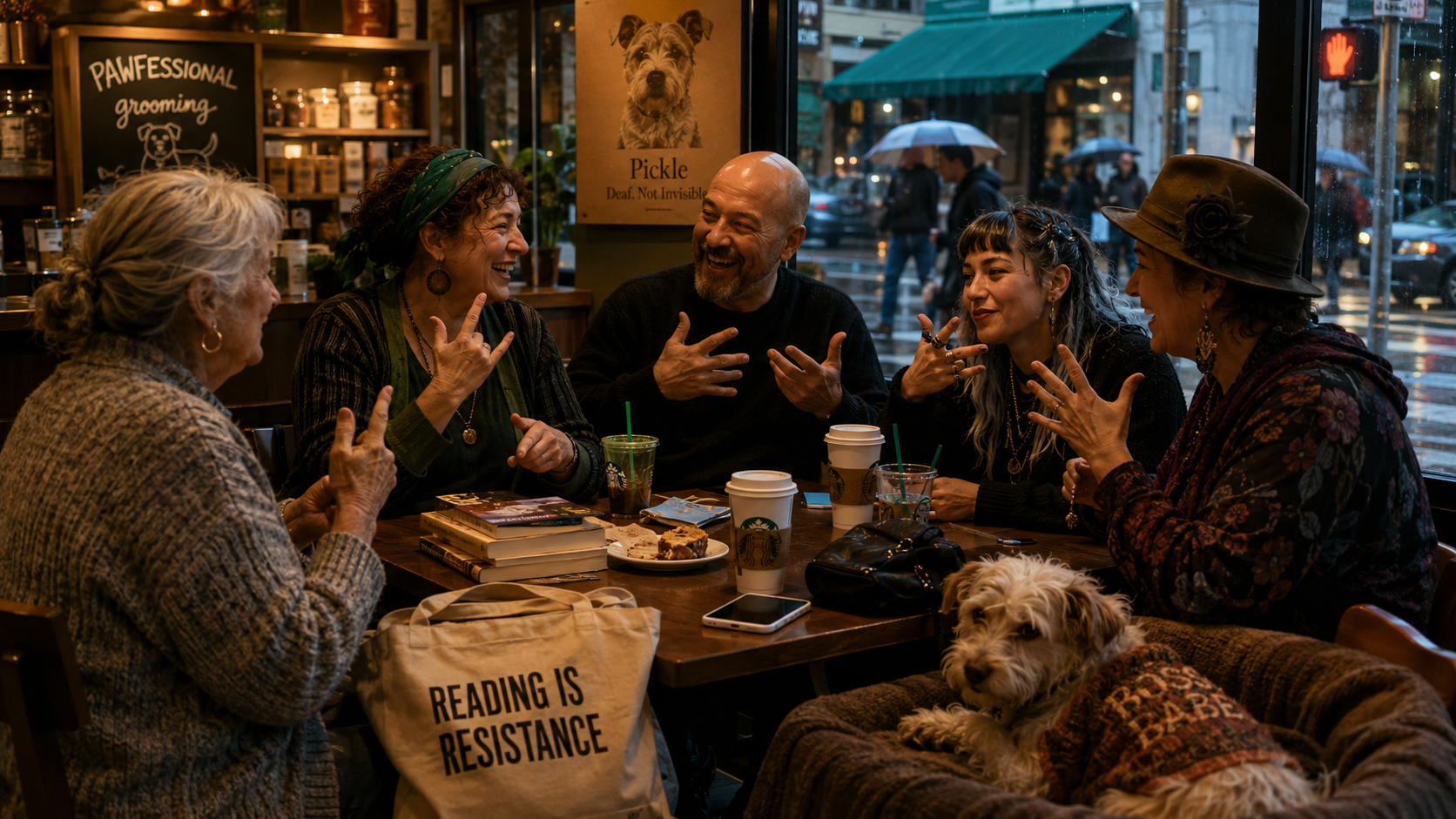
    Then the door opened, and four Deaf people came in. Margaret knew immediately. Not because of silence. Deaf people, in her experience, were rarely silent. She knew because the air around them changed. Their hands were moving before their coats were even off. A woman in a green scarf rolled her eyes with her whole body. A bald man laughed so hard he slapped his own chest. A young person with silver nails signed something so filthy that everyone groaned and clearly liked them more for it.

    Margaret looked away. She did not want to understand them. Her hands twitched once in her lap. She folded them under the table. Since Arthur died, signing had become a room in the house she no longer entered. His chair was still in there. His jokes. His complaints. The way he used to call her beautiful only after she had already taken off her bra.

    The group took the big table by the condiment bar. For a while, they discussed ordinary things. A niece’s wedding. A dentist who had “forgotten” to book an interpreter. Someone named Trevor who had become vegan and unbearable. Arthur would have liked them, Margaret thought. He enjoyed anyone who complained with rhythm.

    Green Scarf leaned in and signed, Tonight still works?

    The bald man nodded.

    Silver Nails signed, Back door is broken.

    Another woman, wearing a hat shaped like a depressed mushroom, signed, We go in after closing. We take him and we run.

    Margaret gripped her cup.

    Green Scarf: What if someone sees us?

    Bald Man: We wear masks.

    Mushroom Hat: You bring the bag?

    Silver Nails: A suitcase. In case he makes noise.

    Green Scarf: If anyone asks, book club.

    Margaret hid her face behind her coffee. Book club. Of course. The oldest criminal disguise in the world. She should call someone. But whom?? The police?? Hello, officer, I have witnessed a possible kidnapping in American Sign Language while drinking a medium coffee I was forced to call grande?? Arthur would have loved this. He would have said, ask if they need a driver. The thought arrived so clearly she almost turned to answer him.

    The group kept signing.

    Mushroom Hat: Security Cameras?

    Silver Nails: Front door only.

    Bald Man: What if the cops come?

    Silver Nails: We’re a book club!

    Bald Man: What are we reading?

    Green Scarf: Improvise!

    Margaret glanced at the barista, who was making foam art, unaware that a felony was blooming eighteen feet away. Suddenly, Silver Nails signed, Old woman staring.

    Mushroom Hat: Maybe she thinks you’re handsome.

    Bald Man: She has eyes, so no.

    Margaret laughed. The table froze. Ah, she thought. Damn.

    Green Scarf slowly turned. You sign?

    Margaret lifted her hands before she could stop herself. A little.

    This was a lie. Arthur used to say her signing was bossy and faster than weather.

    The bald man’s eyebrows rose. How much little?

    Margaret looked at them. Not enough to know you’re planning something illegal. Silver Nails spit coffee directly onto the table. Mushroom Hat began laughing so hard she had to remove the hat. Green Scarf covered her face.

    Bald Man signed, I told you. Never discuss crime near old people. They know everything.

    I am not old, Margaret signed.

    How old?

    Seventy-two.

    Old.

    Rude.

    Correct.

    Green Scarf wiped her eyes. We are not hurting anyone.

    Margaret waited.

    We are stealing a dog.

    A what?

    A dog!

    Not stealing, Mushroom Hat added. Rescuing.

    Bald Man lifted one finger. Legally, stealing.

    The story came out in pieces. The Starbucks shared an alley with a luxury grooming place called Pawfessional. Margaret hated the name, which made her inclined to believe the worst. The owner had been keeping an old deaf terrier in the back room for months. His name was Pickle. He had belonged to a customer who died. The owner used him for “content,” dressing him in seasonal sweaters and posting videos captioned: Deaf Dog Learns Self-Care.

    Pickle had arthritis. Pickle hated sweaters. Pickle needed medication the owner kept forgetting. Tonight, while the owner was at a “brand retreat,” they were going to take him. Margaret absorbed this. That is not a crime, she signed.

    Bald Man shook his head. Definitely a crime.

    Green Scarf shook hers. Morally correct.

    Silver Nails lifted both hands. Also cute.

    Mushroom Hat signed, He understands signs. Pickle.

    Something moved in Margaret’s chest. Arthur had wanted a dog. Margaret had said no every time. Too much work, she’d said. Fur on everything, barking, vet bills, tragedy on a leash. Arthur had said they could get a deaf dog. She had said, Absolutely not. I already have one deaf creature pretending not to listen. Arthur had laughed for nearly a minute.

    The group was watching her.

    At 8:47 p.m., Margaret found herself standing in an alley behind Starbucks, holding two dog treats and a tote bag that said READING IS RESISTANCE. This was not how she had imagined widowhood.

    Mushroom Hat picked the lock with a hairpin, which Margaret found both impressive and morally flexible. Inside, Pawfessional smelled of lavender, wet fur, and capitalism. From the back room came a small scrape, then a bark so rusty it sounded antique. Pickle was smaller than expected. White face. Brown ears. One cloudy eye. He wore a sweater that said BOSS BABE. Arthur would have considered this a hate crime. Margaret knelt.

    Hello, Pickle, she signed.

    The dog stared. She tried again, using Arthur’s gentler rhythm.

    Come here, sweetheart.

    Pickle limped toward her. Just like that. Margaret’s eyes burned.

    Oh, she thought. There you are.

    In the alley, Silver Nails signed, You should keep him.

    No, Margaret signed. Absolutely not.

    At 10:16pm, Margaret set Pickle on Arthur’s side of the bed.

    “This is temporary,” she said aloud.

    Pickle, who was deaf, ignored her. Margaret sat beside him. Her hands hovered in the dark. For the first time since Arthur died, she signed without pain arriving first.

    Your sweater is ugly, she told Pickle.

    Pickle opened one eye. Arthur would have agreed. She waited for grief to punish her. It did not. It simply sat down beside her, tired from the long day, and let the dog fall asleep.

    The next morning, Margaret went back to Starbucks. Green Scarf, Bald Man, Mushroom Hat, and Silver Nails were already there. They waved her over like she had always belonged to a criminal book club for elderly dog liberation.

    At the counter, the barista smiled.

    “Medium?”

    Margaret looked at her.

    “Grande.”

    Then she turned around, lifted one hand and signed, firmly, beautifully:

    What are we reading today?

    ◾

    “Deaf Dog Book Club” by Yilong Liu

    Yilong Lu will receive $200 for finishing first in our contest.


    Yilong Liu Bio

    Yilong Liu is an award-winning playwright and screenwriter based in New York. His play The Book of Mountains and Seas received the Lambda Literary Award for Drama and was recognized at the Edinburgh Fringe Festival with the BBC Popcorn Writing Award. His play Good Enemy premiered Off-Broadway at Audible Theater’s Minetta Lane Theatre.

    Yilong is a graduate of The Juilliard School and is currently under commission from Audible Theater and Manhattan Theatre Club.

    The 2nd New Voices Fiction Award

    Our inaugural contest is now biannual. We are running it back and the contest is now open.

    Don’t wait and feel free to submit here.


  • Stay Or Leave: An Agoraphobic Love Story

    Stay Or Leave: An Agoraphobic Love Story

    Okay. So yesterday my wife and I were invited to an old dive bar we used to frequent. The invitation came from a dear friend who we only see infrequently. The moment it was extended, my body seized up. My thinking collapsed on me. And not one impulse of mine announced, “Be there in a few hours!”

    Thank goodness my wife had a big-time remote recording session the next day and couldn’t sacrifice her lungs or liver to the dive bar gods.

    And there it was: relief. Not disappointment that I wouldn’t see my friend. Relief that circumstances had made the decision for me.

    Granted, I wasn’t always this way. I think the newness of life carried me through my high school years. When I hit my 20s, I started hitting the bottle. Any and all socializing now came with a drink and a cigarette. These would be my weapons against debilitating anxiety. An anxiety that would only grow and repurpose itself for many occasions to come.

    My 20s were a rough-and-tumble affair. The only constant social outing in my life was attending Dave Matthews Band shows with my sister every year. Needless to say, they were spent intoxicated. But year after year, I felt less and less like tailgating with the masses and instead stayed longer and longer in my car until the show was about to begin.

    What was inside me, slowly making socializing harder, was a mystery. One no therapist or round of AA meetings could solve.

    Still, for all my retreating, I hadn’t stopped going out. Not yet. But they were boozy, blurry experiences. Shovel on top of that the nasty drug habit I’d picked up. It had been building quietly below the surface. Now, it had broken through.

    Funny enough, the drugs induced anxiety. Here’s the thing, though: at least that anxiety had a name. I knew where it was coming from… a small plastic baggie.

    What I was experiencing otherwise didn’t have a name. It was a stranger who caught a ride with my physiology sometime when I was a kid. Did this stranger find me in the closet of childhood trauma? That very well could be.

    Then one day, my hard drive crashed.

    Fortunately, a few things happened. One, I went to a dope facility and cleaned up a bit. Two, I got a new job at a post-production studio directing and voice acting. Three, I met my future wife there.

    By then I had kicked the cigs, the booze, and the drugs. I started running. A solitary effort. I stopped really hanging out. I was on a mission: clean up and slim down. I think I started retreating even further then.

    But it was also around then that I met my wife, and she took my world from black and white to Technicolor.

    A Cinco de Mayo margarita was both my undoing and a liberation. Soon we were gallivanting around the Florida coasts, becoming beach bums, dive-bar bunnies, and out-and-about social climbers. I think I did more in the first year we were dating than I had in the entire decade before her. She was also a burgeoning comedian, and I don’t think I missed one show that first year.

    Now, there were cracks in my armor growing larger, but the brightness of falling in love blinded us to them.

    And then, in the space of a few years, the world got very small. It started with the sudden passing of my father. The air around me thinned and the ground below gave way. The final years of my father’s life were spent mainly around home. He’d run his daily errands, but that was about it. I think part of me adopted that lifestyle. Home was where my father’s heart beat. And all I wanted was to be close to him.

    In a strange way, I certainly got my wish. Only a few months later, the world was in the throes of a global pandemic.

    The pandemic didn’t merely keep people home for a couple years. For some people, it broke the habit of leaving. We learned that work could happen here, movies could happen here, food could arrive here, friendships could live on phones, and pants with buttons were apparently optional. Then society reopened and basically said, Okay! Everybody go back to normal!

    Some people’s brains went:…why?

    Somewhere in there, the Mrs. and I separated. I’d become someone I didn’t recognize. My grief fueled my anger, and my anger scared away my anxiety. But at the cost of my marriage.

    Medication and therapy soon followed. Nothing was really working until I found the right therapist and the right medication. I’d been searching most of my life for the right combo. I suppose even the wrong therapists and the wrong medications kept me alive. Why? Because at least I was taking action.

    My quest for normalcy brought my wife back. My therapist and meds brought my life back. And not too long ago, after the strangest hangover I’ve ever had, I decided booze was indefinitely off the table.

    Now I’m left without any of the social lubricants that make a night on the town go down much smoother. I still smoke pot, and yes, it can make me anxious, but again, I know its name. And sadly, you can’t pull out a joint at most bars, so there’s that. Vapes don’t really do it for me.

    So here I am, wondering if there’s finally a name for any of this.

    So what the fuck is agoraphobia, and do I actually have it? The classic definition involves intense fear or avoidance of places or situations where escape might feel difficult, or where help might not be available if something goes wrong. In all my therapy appointments throughout the years, that term has never announced itself.

    For one thing, I don’t panic about escape. I can Irish-goodbye with the best of them. And I have people I can always reach out to. So by that definition alone, agoraphobia doesn’t quite seem to describe what I’m experiencing.

    What I seem to have resists a neat clinical explanation. I’ve got a lot of live wires crackling away throughout my nervous system, each one braided into the next until you have a flux capacitor of anxious circuitry.

    To further the Back to the Future metaphor, I carry different versions of myself from different times. All I can keep trying to do is settle into the present and hope the next invitation is opened by the best version of me.

    Okay. So I guess the goal isn’t becoming the guy who never says no. It’s making sure anxiety isn’t always the guy who gets to answer first.

  • Gorillaz Bring Their Beautifully Unhinged Universe to Miami

    Gorillaz Bring Their Beautifully Unhinged Universe to Miami

    On a balmy, wet September Friday night in Miami, the Gorillaz came pounding into the Kaseya Center on the second night of their U.S. tour, which will feature 23 dates.

    The tour kicked off in Orlando, the night before.

    In Miami, almost immediately, shit got weird.

    They took the stage around 9:15 p.m., opening with “The Mountain,” their latest album and the name of the tour.

    An animated sequence unfolded across the massive screens. It felt like The Jungle Book dropped into some dystopian Japanese anime after taking psychedelics.

    Then out walked Damon Albarn wearing army fatigues and a red beret.

    The Cuban Revolution? In Miami? Okay.

    (He wore the same outfit in Orlando but with a green beret).

    So began what was less a traditional rock concert than some bizarre, evolving multimedia organism. Gorillaz are technically a “virtual band,” famously created by Albarn and artist Jamie Hewlett around animated characters who originally obscured the humans behind the music.

    Twenty-five years later, the humans are totally visible.

    Gorillaz Review Miami

    At various points Friday night, the stage was populated by a small army of musicians, singers and collaborators while Gorillaz’s animated universe exploded behind them.

    Japanese-style animation collided with pop-culture debris, psychedelic visuals and one unhinged purple creature who looked like Beaker from The Muppets, as if, but grown up, crazy hair and after years in the lab he became Oppenheimer – he had his finger on an Algorithmic Atrophy bomb.

    Yes, fun, zany stuff! Why? Who cares. That’s Gorillaz.

    Their show is theatrical, cinematic and strange.

    It drifts and lulls occasionally, which isn’t a bad thing.

    They aren’t interested in delivering two straight hours of bangers. There are valleys so people can sit down and breathe.

    Then they drop “Feel Good Inc.” and the building explodes.

    Gorillaz are a great live band. They’re also one of pop music’s best bridges into hip-hop. Over the years, Albarn has consistently brought rappers into the Gorillaz universe, often rappers who deserve more eyeballs than they receive elsewhere, but get the most through this universe.

    Friday night that included Del the Funky Homosapien, the beautifully idiosyncratic Bay Area rapper whose relationship with Gorillaz stretches back to their jump. Watching Del emerge for “Rock the House” and then “Clint Eastwood” was a major highlight of the night.

    Bootie Brown (the Pharcyde) came out for “Dirty Harry,” another reminder that Gorillaz collaborations aren’t celebrity cameos pasted onto songs. They’re part of the band’s DNA.

    Can’t forget De La Soul on Feel Good, Inc.  They weren’t in the house, but forever R.I.P. Trugoy – yogurt spelled backwards.

    Anyway, by the encore, the whole Gorillaz experiment made sense. A virtual band is now a massive live band. Cartoons have become theater. Alternative rock has collided with hip-hop, electronic music, funk and whatever else Albarn feels like throwing into the blender.

    Twenty-five years (crazy) into this experiment, Gorillaz are still climbing their weird little mountain.

    And Miami happily climbed along with them.

    Click here for setlist from Miami show.

  • Chia Is Still Perfect to Grow in South Florida

    Chia Is Still Perfect to Grow in South Florida

    The following is an excerpt from the new book, Epic Edible Plant Allies: Over 30 Plants for a Better World.

    Maybe I am a grouchier gardener than I like to think, so go ahead get out all the jokes now. Cha-Cha-Cha Chia! The infamous commercial inevitably comes up whenever I mention this amazing plant, which of course causes me to sigh heavily and roll my eyes.

    So what is a chia pet, really? A chia pet takes the somewhat unique ability of chia seeds to “gel up” when hydrated, and thus are easily spread and will stick to pretty much any shape. You can put “chia beards” on things for instance or create similar art projects. The seeds sprout and grow very easily, another aspect that lends itself to novelty applications as such.

    Hopefully you have heard about the health benefits of consuming chia seeds, as this information has crossed over into the mainstream over the last twenty years or so. They are high in antioxidants, calcium, protein, and healthy fat — an Omega 3 dominant fat that is hard to come by. Where they shine the most, in my opinion, is their fiber content — specifically their soluble fiber content. Insoluble fiber can be thought of as roughage — such as broccoli stalks. Soluble fiber is quite different. It is typically more necessary for most people and harder to come by in foods. Chia is one of best most amazing sources of soluble fiber in the world, and along with it comes all the other nutritional benefits listed above.

    The only drawback for chia from a health perspective is that is high in lectins, something that certain people should avoid and most of us would do well to not overconsume.

    Chia is super easy to eat and prepare,

    one of my favorite aspects of chia. You take some chia seeds and soak them in water. They gel up, just like in the commercial, and you can drink this straight, put it in smoothies, add it to yogurt or kefir, make all sorts of puddings with it, and even use it as an egg substitute in cooking.

     We like to put six tablespoons or so in a quart mason jar of water each night, let it gel up, stir it well, and place it in the fridge for the next day. My son absolutely loves it and we sometimes call him “Chia Man!” in jest. He’ll drink it straight and loves it mixed in his yogurt or even cottage cheese. It is a great way for kids, or anyone, to get that extra fiber.

    One of the things I have noticed with my son loving it so much is that when you drink it straight, it really is satisfying from a hydration perspective. It quenches the thirst far more than just water. I suspect that is because the living seeds, when they gel up after being hydrated, create structure for the water. Structured water is an entirely other topic unto itself, and its proponents suggest getting it in the following ways: living spring water, water vortexer devices, products like analemma, and eating fruit like watermelon. Chia is by far the most convenient way to structure your water that I have encountered.

    Chia, in parts of Mexico and Central America, where it is from, was famously used by warriors and especially runners of different groups there. The chia seeds gave them long lasting energy (and hydration) in order to accomplish incredible feats of endurance and athleticism.

    How to Grow Chia:

     Chia is super easy to grow, with a caveat that I’ll talk about a bit later. The seeds sprout easily, as mentioned. They can be planted dry or hydrated first before planting, just as you would if making a chia pet or soaking for consumption.

    Chia is in the mint family. In fact it is in the genus Salvia which is to say it is a sage. Although it does share this familial relationship with many of our common herbs, it is still widely pest and disease resistant. It is also pretty tolerant of poor soils and even drought. Its attractive clusters of purple flowers also attract lots of beneficial pollinators, including bees.

    I first grew chia by accident by simply throwing out some soaked chia that was left in the fridge for too long. It grew and sprouted only a few feet away from the chicken coop door, on a steep, eroded hill with terribly poor soil, near a black walnut tree — an extremely inhospitable environment for most plants. They not only grew but thrived and flowered, despite the chickens, the soil, and the high heat and drought we had that summer. I never watered them or cared for them in any way. Did they produce more chia seeds for me — no, but we’ll get that next.

    Chia is a subtropical plant that can be grown as an annual, anywhere with at least some moderate (or even super high) heat in the summer. But the issue with chia is that it possesses what they call day length sensitive flowering. That means the plants only start to flower once the nights become as long or longer than the days. So not starting to flower until fall when this is triggered, in most places in North America, they will succumb to frost before their seeds can ripen. That is what happened to mine.

    They can be grown for seed in warmer parts of the country such as Florida and parts of California and Texas, for instance. The normal, commercial chia is Salvia hispanica, and there are other species as well. One of them is Salvia columbariae, which is native to the warm parts of the desert Southwest and California. These plants are wonderful, and when I lived in California, I always dreamed of growing fields of them. However, they are very small plants, and they produce very little seeds compared to the standard, S. hispanica — the normal chia.

    Another variety you can find is Saliva tiliaefolia, often called Tarahumara chia, from the name the Spanish gave to the group of people called Raramuri, who utilized chia to feed their famous long distance runners. This chia is from higher altitude areas and is not dependent on day length to induce flowering, thus has a much higher potential to be grown in colder areas. Experimental Farm Network offers seeds from this species that have been selected to survive in more northern climates.

    I grew the Raramuri chia last year with some success. It produced a beautiful plant that attracted lots of bees. I found that they fell over without support, unlike the “normal” chia, and they produced fewer seeds overall. But it was far better than my experience with S. columbariae chia and was super promising, nonetheless.

    There is a company called Heartland Chia, based out of Kentucky that has bred a variety of the “normal” chia that does not have day length sensitive flowers. I grew that last year with great success.

    In fact, these were the first seeds that my son (not even 18 months at the time) and I planted together. Although still very young, he knew what chia seeds were. I carried him, and we went around tossing the tiny seeds all over the garden — and had to, of course, eat a few along the way. This was just a little experiment we did, but at the end of summer, we had several ripening on the plants. We would go out on his suggestion and strip the dried flower and seed heads off the stalk. I’d hold the fluff in my palm, and he would blow the dried flower bits and chaff away, leaving the beautiful tiger-striped seeds in my palm. We would eat them together — great nature and food bonding experience for us.

    Harvesting the seeds is the probably the biggest drawback of growing chia, but if done correctly, and especially if you have any commercial equipment, it is not that difficult. Chia is fairly productive when you think how dense the seeds are and how much gel they can make, but is on the lower side compared to other commercial crops. If you want to grow chia for more than its beauty, pollinator attraction, or novelty, you’ll need a field of it.

    Recipe: Chia Pudding

    There are so many recipes online for chia pudding that I suggest finding one that sounds good to you and making it. I will suggest however, if you are not looking to make something fancy to serve to impress people, but like us, like to make something that is easy and delicious to conveniently feed your family, do the following:

    Take 6 or 7 Tbs of chia seeds and soak them in a quart of water. Stir to break up any clumps and let the mixture completely “gel up.”

    Add this gel to yogurt or coconut milk along with some fruit, and stir. Strawberries, raspberries, and pomegranate are my favorites. If you need it to be sweeter, a spoonful of maple syrup or honey is nice, and walnuts or pecans are also nice additions.

  • Top Crime TV Shows Filmed in Miami

    Top Crime TV Shows Filmed in Miami

    Miami’s vibrant Art Deco architecture often plays a silent yet powerful role in crime TV shows. This city, with its sun-soaked streets and enigmatic charm, has been the setting for some of television’s most gripping series. From the iconic Miami Vice to the intense Dexter, each show offers a unique glimpse into Miami’s multifaceted personality. But what makes these seven shows rise above the sea of crime dramas? Let’s explore how Miami’s distinctive backdrop and culture have shaped these narratives into unforgettable experiences.

    Miami Vice (1984-1990)

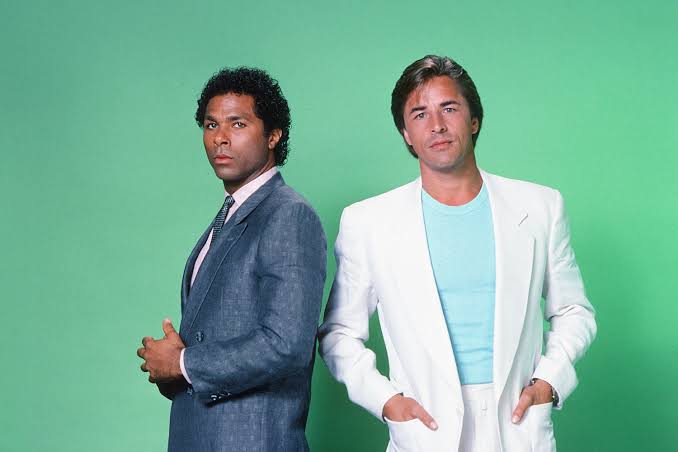
    Miami Vice brought the 1980s to life, immersing viewers in a world of pastel suits, fast cars, and high-stakes drama. Following undercover detectives Sonny Crockett and Ricardo Tubbs, the show delves into drug trafficking and organized crime while painting a vivid portrait of Miami’s dual identity – a city where luxury and danger coexist.

    The show’s legendary status stems not only from its gripping plotlines but also from its revolutionary style. With bold visuals and a soundtrack that defined the decade, Miami Vice was more than a crime drama; it was a cultural shift. Even today, its influence on fashion, music, and television remains unmistakable. From the crack of gunshot sound effects echoing intense action scenes to the serene glow of neon-soaked Miami nights, the series perfectly captured an era of rebellion and thrill-seeking.

    CSI: Miami (2002-2012)

    As Miami Vice faded into television history, CSI: Miami stepped into the spotlight, showcasing the city’s sunlit streets in a new light. This crime procedural followed Lieutenant Horatio Caine and his forensic team as they unraveled complex cases using cutting-edge technology. The blend of Miami’s vibrant colors with the dark undercurrents of crime created a visually stunning and emotionally compelling series.

    CSI: Miami wasn’t just about solving crimes—it introduced audiences to the fascinating world of forensic science. From innovative lab techniques to dramatic reconstructions of crime scenes, it brought a fresh perspective to the genre. The show’s meticulous attention to detail extended even to sound design, with expertly crafted effects like gunshot sound effects adding to its immersive quality. These auditory details heightened the tension and drew viewers deeper into each case.

    Dexter (2006-2013, 2021)

    Set against Miami’s bright, sunny backdrop, Dexter took a darker turn, exploring the life of Dexter Morgan—a forensic blood spatter analyst by day and a vigilante serial killer by night. The series stood out for its moral complexity, challenging audiences to grapple with questions of justice and humanity. Miami’s vibrant streets became an ironic stage for Dexter’s shadowy deeds, contrasting light and darkness in both setting and theme.

    The show’s brilliance lies in its ability to humanize a deeply flawed character. Dexter’s internal struggle is palpable, amplified by Michael C. Hall’s magnetic performance. As you watch him navigate his double life, moments of eerie calm often erupt into bursts of chaos, punctuated by tense music and the occasional jarring realism of gunshot sound effects. These elements cement Dexter as a masterclass in storytelling and mood.

    Burn Notice (2007-2013)

    In Burn Notice, Miami’s sunny streets host a different kind of drama—espionage. Michael Westen, a burned spy cut off from his agency, uses his skills to help those in need while piecing together the mystery of his dismissal. The show’s clever mix of action, humor, and ingenuity makes it a standout in the crime genre.

    Miami plays a dynamic role in the series, its colorful locales enhancing the high-stakes drama. Whether it’s explosive action sequences or intimate character moments, the city’s energy pulses through every frame. The sound design complements this energy, with sharp, realistic gunshot sound effects accentuating moments of danger and keeping viewers on edge. This attention to sensory detail adds to the show’s authenticity, making every conflict feel immediate and real.

    Magic City (2012-2013)

    Magic City transports you to the glamorous yet perilous world of Miami Beach in the 1960s. Ike Evans, a luxury hotel owner, juggles the demands of his opulent establishment with threats from the mob and personal turmoil. The series paints a lush picture of an era defined by ambition and excess, where every choice teeters on the edge of triumph or disaster.

    The meticulous production design recreates the look and feel of 1960s Miami Beach, from the pastel tones of Art Deco buildings to the sultry sounds of jazz filling the night air. This authenticity extends to the storytelling, where tension builds slowly but surely. Moments of sudden violence, punctuated by sharp gunshot sound effects, break the surface of this polished world, reminding viewers of the danger lurking behind the glamor.

    The Assassination of Gianni Versace: American Crime Story (2018)

    This gripping limited series chronicles the tragic murder of fashion icon Gianni Versace by serial killer Andrew Cunanan. Set against Miami’s opulent backdrop, the show contrasts the city’s sunlit beauty with the darkness of obsession and violence. Through haunting visuals and a chilling narrative, it delves into themes of fame, identity, and societal neglect.

    Darren Criss delivers a riveting performance as Cunanan, capturing the character’s complexity and menace. Each episode feels meticulously crafted, blending dramatic storytelling with visceral moments of action. The strategic use of sound, including the stark realism of gunshot sound effects, intensifies the emotional weight of key scenes, leaving an indelible impression on viewers.

    Rosewood (2015-2017)

    Rosewood offers a fresh twist on the crime genre, combining forensic investigation with medical drama. Dr. Beaumont Rosewood Jr., a charismatic private pathologist, works with the Miami PD to solve cases that others overlook. His charm and expertise bring a unique dynamic to the genre, making science the hero in a city known for its bold personality.

    Miami’s lively atmosphere is woven into every episode, its sun-drenched streets and bustling energy enhancing the show’s tone. The narrative strikes a balance between lighthearted moments and intense investigations. When cases escalate, the carefully orchestrated gunshot sound effects amplify the stakes, grounding the drama in gritty realism while keeping the audience hooked.


  • Carrie, Rachel Corrie and the Audacity of True Mirage Theater

    Carrie, Rachel Corrie and the Audacity of True Mirage Theater

    Nestled inside a South Miami-Dade strip mall, somewhere between Pinecrest and Palmetto Bay, surrounded by places where you can get your rims done, buy parts for a German car or pick out tile for your floor, there is an almost unmarked garage door.

    Walk through it and, in a strange Narnia kind of way, you’re transported into a magical little black-box theater.

    Welcome to True Mirage Theater.

    True Mirage’s new permanent home might be one of the most interesting theatrical spaces in South Florida. And if its first productions are any indication, artistic director Daniel Gil and his wife and creative partner, Darcy Hernandez-Gil, aren’t interested in playing it safe.

    Their inaugural production in the space was My Name Is Rachel Corrie, the controversial play constructed from the writings of the American activist killed by an Israeli military bulldozer in Gaza in 2003. Producing it in Miami was a swing.

    Gil told Artburst that True Mirage was essentially “the little theater company that could with the tiny budget that we have” taking a chance other theaters weren’t.

    And context matters. Miami theater has become something of an incubator for Jewish storytelling in recent years, with important work coming from some of our favorite companies, including Miami New Drama, GableStage and Zoetic Stage.

    There is absolutely nothing wrong with that. Those stories deserve to be told.

    In fact, the best theater in town, Miami New Drama, world-premiered two Jewish-centric plays bound for New York, Here There are Blueberries (Broadway this Fall) and Birthright (Off Broadway this summer). They’ve done more: The Zionists, Bad Dog, to name a couple.

    But if that’s the only perspective being presented, then something is missing.

    South Florida theater should make room for opposing perspectives, uncomfortable perspectives and stories audiences might not otherwise encounter.

    Carrie: The Musical

    Their next big swing? The professional Miami premiere of Carrie: The Musical.

    Based on Stephen King’s novel, Carrie follows the bullied, fanatically religious Carrie White as she discovers telekinetic powers before everything famously goes to hell at the prom.

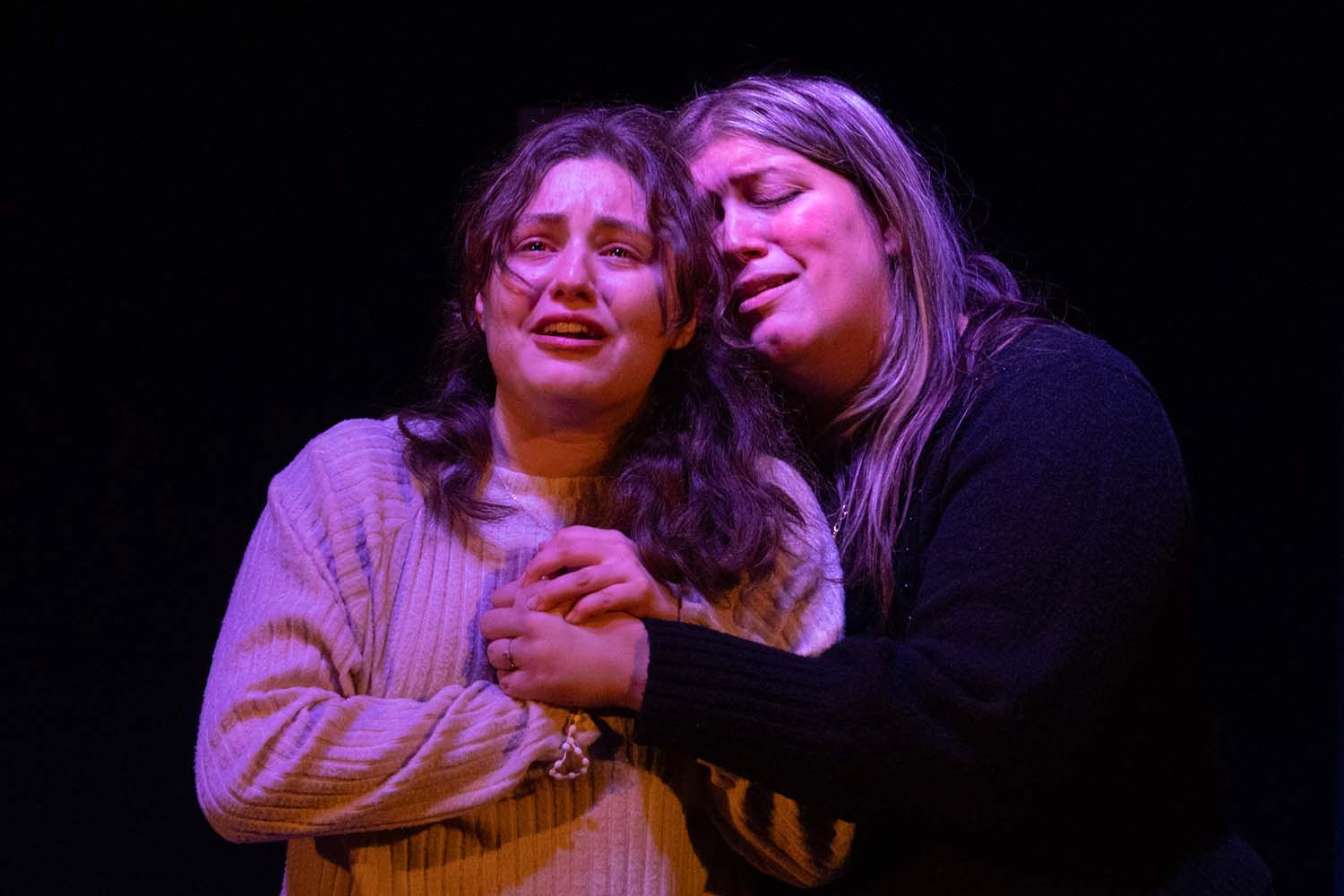
    True Mirage’s production, directed by Gil and choreographed by Hernandez-Gil, was impressive almost immediately. The young ensemble came out belting the opening number and within minutes one thing was obvious: this wasn’t high-school theater. It wasn’t college theater. This was professional theater performed largely by actors who happen to still be in high school or college.

    Emma Van Assche brought both vulnerability and serious vocal range to Carrie, while Celia Voges provided an important moral center as Sue Snell. Hernandez-Gil, playing Carrie’s terrifyingly religious mother Margaret, displayed tremendous vocal power herself. Brenda Duran also showed real comic presence in the smaller role of Norma.

    But what was fascinating was how aggressively Carrie leaned into adolescent sexuality.

    The production is touchy, physical, hormonal.

    There are homoerotic undertones, sexual fantasies, bouncing cleavage, religious repression, menstruation, pig’s blood, bullying and gore. It isn’t sexy at all. It’s sexual, clumsy, awkward, sometimes uncomfortable, not unlike adolescence.

    Which is probably the point.

    And somehow this is happening in a tiny black box hidden inside an industrial strip in Kendall.

    Gil recently told The Jitney that True Mirage has “bitten off more than we can chew at some points,” but they’ve continued scraping by. He’s grateful simply to be doing it.

    South Florida needs weird rooms in unexpected places where artists can take chances.

    True Mirage is taking them.

    And that little garage door might be onto something.