Category: News

  • Interview with Brian W. Ball, Runner-Up Jitney’s New Voices Award

    Interview with Brian W. Ball, Runner-Up Jitney’s New Voices Award

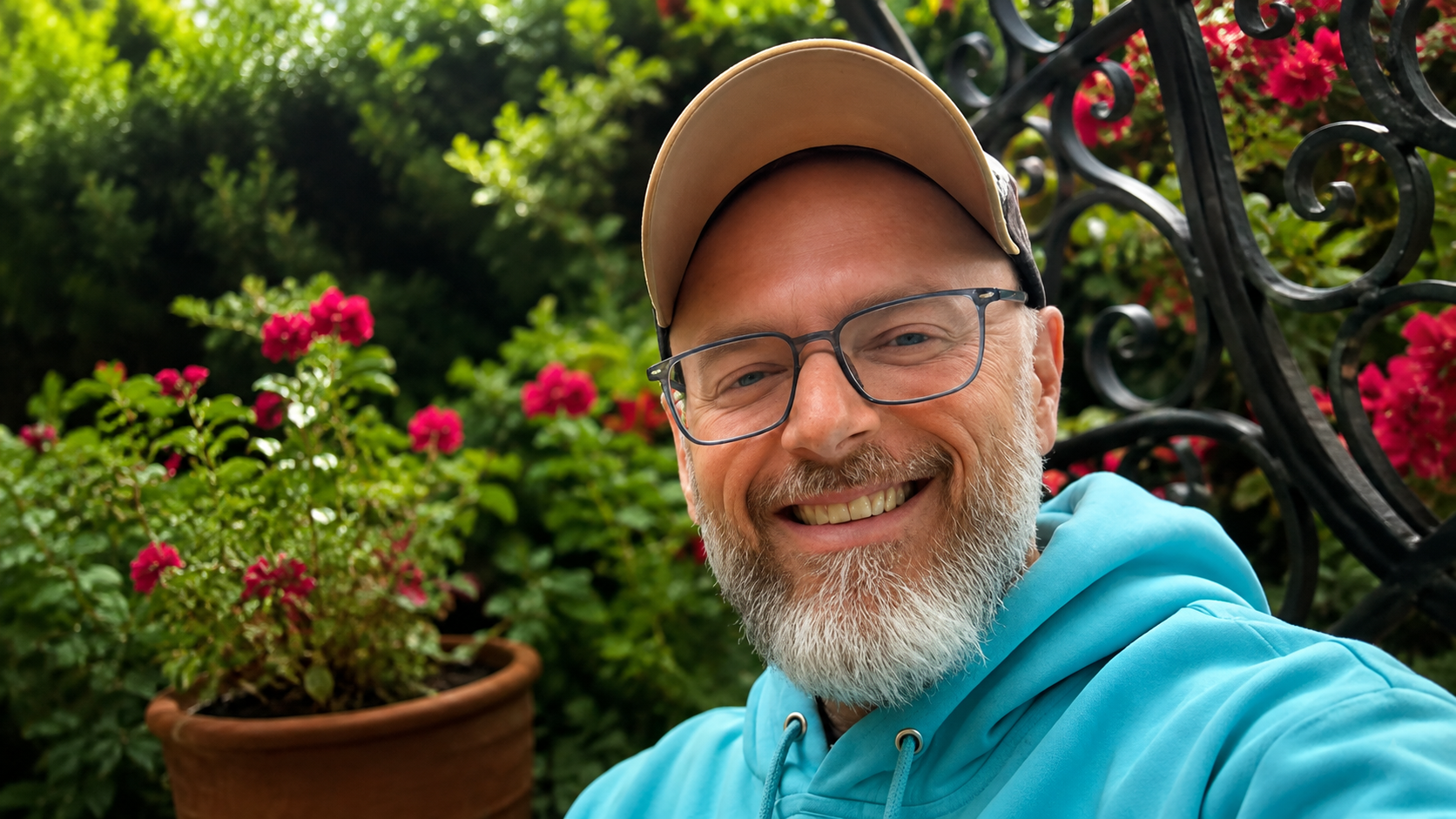
    Brain W. Ball is the runner-up in our inaugural New Voices Short Fiction Award.

    “Nests and Numbers” by Brian W. Ball  follows a retired IT professional confronting a devastating diagnosis while trying to make sense of the numbers that suddenly define her future. A quietly furious story about mortality, money, motherhood, and the brutal arithmetic of American healthcare. It’s a powerful American tale and we hope you enjoy it.

    Brian W. Ball will receive $50 for finishing second in our contest.

    Mr. Ball has also jumped onboard The Jitney in an exclusive interview talking about his story.

    Can you tell us a little about yourself and your journey as a writer?

    I’m originally from New England and now live in Michigan with my wife and two sons. I tried writing when my boys were younger but struggled to find the time and energy. A few years ago, my mother-in-law suggested I give it a try again. I’m glad I listened. I try to write a little every day, whether it’s good or just garbage.

    What inspired you to write this story, and where did the idea first come from?

    One of my co-workers lost his wife to cancer. His stories about what they endured trying to get her the best care made me realize how difficult it is to be sick in America. Our system is broken.

    Was there a particular character, moment, or theme in the story that was especially meaningful to you? Why?

    My wife struggles with health issues too and whenever she’s sick, she tends to worry if everyone else is okay before herself. She puts the people she loves first. If faced with the same hard choices, like the main character, my wife would probably do the same thing.

    Are there any writers, books, or experiences that have influenced your writing and shaped your voice?

    Right now, I’m reading a lot of Raymond Carver. His stories about Americans doing hard things with very little continue to resonate today. He writes incredible dialogue as well. The two best books I’ve read this year were Night of the Hunter by Davis Grubb and Wroblewski’s The Story of Edgar Sawtelle. Also, I’ll read anything by Stephen King.

    What comes next for your writing?

    Next year, I have a story appearing in Witnessed: An Anthology of Literary Horror, from Edge & Busby Press and another in an upcoming collection of stories about the 224-Verse from Starry Eyed Press. I’m putting the finishing touches on a story collection, and I would love to find representation soon.

    Is there anything else you would like to add? 

    I’m flattered by the opportunity The Jitney provided. I’m hoping to read some great stories here. Thank you again.


    Brain Bell bio

    Originally from Rhode Island, Brian Ball has been a special education teacher for almost thirty years. He currently works with disabled adults suffering from mental illness. He lives in Ann Arbor, Michigan with his wife, also an educator, and two sons. His work has appeared in 365 Tomorrows, Edge&Busby, Sci-Fi Shorts and Mobius Blvd. He holds a Bachelor of Arts in English Literature and a master’s in Education.


    The 2nd New Voices Fiction Award

    Our inaugural contest is now biannual. We are running it back and the contest is now open.

    Don’t wait and feel free to submit here.

  • How Love Built Towers of Babel

    How Love Built Towers of Babel

    When Christa and Jay met in Miami during the pandemic, music wasn’t even on the table. They simply connected as two people navigating an uncertain time, falling in love long before either realized the other was a musician. Discovering that shared passion came later, like finding a hidden room in a house they’d already moved into, turning a quiet personal bond into a deeply creative partnership. Jay, whose background spans radio and music production, found himself inspired to step back into creating music by Christa’s talent and songwriting.

    Once the music started flowing, their styles clicked seamlessly. Christa brought a rich foundation forged during her time studying in Boston at Berklee College of Music and Boston University—a period spent refining her open-mic chops and developing her acoustic storytelling style (including her solo work, The Stars Before They Burn), anchored by the smoky vocal intimacy of Norah Jones. Jay brought his sharp production ear, sharing a mutual appreciation for stripped-down, authentic recording.

    To protect their vision of honest, handcrafted music, they launched their independent label, Maiden Brain Sounds. Under this umbrella, they maintain complete creative independence, handling everything from song arrangements to physical artwork.

    A Live Band at Heart

    At their core, Christa and Jay are a live band. Their approach relies on tracking live to capture that genuine, unvarnished energy—because that’s where they sound the most like themselves. That ethos is the foundation for their Maiden Brain Sounds release, The Setlist. Inspired by the raw, acoustic energy of Jason Mraz’s live performances, they chose to keep the record strictly focused on guitars and vocals, pairing that drive with the spacious, high-altitude recording feel of Gregory Alan Isakov and classic mountain country to give every arrangement room to breathe. Rather than a scattered collection of tracks, The Setlist is curated like a complete night out, purposefully ordered to be experienced from start to finish. Alongside reimagined favorites, the album includes tracks never released online—capturing that rare concert magic where a song belongs, if only for a few minutes, solely to you and the room.

    In case you’re wondering what’s the next best thing to seeing them play live, they have just released a video that comes from a live session, it’s on YouTube and you can watch it here. 


    Catch a Towers of Babel live set at the Legion Park Farmers Market

    Beyond the record, Christa and Jay are deeply invested in the local Miami music scene, championing collaboration, unity, and genuine artist-to-artist connection across the city.

    They’ve extended that ethos to how they distribute their music. Under Maiden Brain Sounds, they produced a small, limited physical run of The Setlist made straight from their hands to yours. On Saturday mornings, you can find Towers of Babel set up at the Legion Park Farmers Market, bringing copies of the album directly to the neighborhood right under the trees. They also do a Clothing Swap event every last Saturday of the month.

    If you’re out taking in the morning this Saturday, swing by, pick up a copy of The Setlist, and say hi!

  • “Nests and Numbers” by Brian W. Ball: 2nd Place New Voices Contest

    “Nests and Numbers” by Brian W. Ball: 2nd Place New Voices Contest

    We are very pleased to announce the runner-up in our inaugural New Voices Short Fiction contest.

    “Nests and Numbers” by Brian W. Ball  follows a retired IT professional confronting a devastating diagnosis while trying to make sense of the numbers that suddenly define her future. A quietly furious story about mortality, money, motherhood, and the brutal arithmetic of American healthcare. It’s a powerful American tale and we hope you enjoy it.


    “Nests and Numbers” by Brian W. Ball


    She was almost out of time but wouldn’t back down. Check the numbers again, she said, be sure. Please. They had sources of data. Anybody and their niece could see she was sick. Her own data showed serious freaking discrepancies between serenity and despair. Her weight was down, doing anything hurt, she could sleep for twelve hours and still wake-up tired. This was her third specialist. If he agreed with the others, she was cooked. Days numbered.

    The data came back corrupted. When the doctor offered her a glass of water, she knew it was over. After, she drove without direction, going nowhere but under the speed limit. At a drive-through, she ordered her favorite: an iced mocha. Finally, she remembered the beach.

    A summer day but early, so the teenage attendant wasn’t in the booth to check her resident sticker. She pulled in front of the concrete barrier. Two seagulls, camouflaged in the bright sky, cried out. She tried to cry but couldn’t. Everything was too pretty. She drank her coffee and started to put things in order.

    The money numbers showed aggression, devouring time: ubiquitous and conclusive. Growths competing for space in her liver and spine; actions that needed equally aggressive reaction. Act now or forever hold your pieces. She needed more time to get her boys settled. The doctors suggested treatments beyond her understanding. Immunotherapy and immune checkpoint inhibitors. A CAR-T? The first doctor acted like she ought to know. Hadn’t she had a terminal disease before?

    She’d worked in IT before retiring. The three of them had not lived lavishly but with enough. She worked long hours and spent weekends on call. She gave up family time patching firewalls and finding lost customer data. She didn’t make six figures. She made a safe home, saved what she could and had good medical insurance.

    Time marched on, the boys grew, moved away but stayed close. Good boys with good jobs, just not great ones yet. They were still young. She lived alone and worked into her mid-sixties. She retired and tried quilting, but most mornings, she walked this beach.

    She took her shoes off and tiptoed into the waves. She went up past her ankles and watched the foam gather and pull back. A small cut stung. Feeling something felt good.

    When the boys were little, they came here. They fished off the pier, tied hooks but never caught anything. After, they sat in the sun and ate ice cream.

    She had $223,261 left in the credit union, and five years on her mortgage. She wanted the boys set-up. Buying a home today was too hard. A good down payment and no school debt. Her nest egg would help.

    She spent the next two weeks on hold or chatting with an AI bot. Frustrating: deductibles, copays, out-of-network premiums, and coinsurances percentages…hurt her head. She had questions, needed more data and got confusing answers, except “no.”

    Aggressive treatments needed approval and time. They suggested she start treatment and figure out the money later. She might lose her nest egg. She needed to talk to someone in person. She was being treated poorly.

    The squeaky rolling chair and clacking keyboard competed with the quiet. The rep. typed and she waited on a desperate island. The doctors wanted to begin this week. She needed these numbers.

    The office smelled like lemon. A healthy philodendron on the desk mocked her. A vine of glossy leaves draped to the floor. She crossed her leg and coughed. The rep., with his name on the door, emailed someone else in authority. She’d worked forty-five years and had paid medical insurance the entire time. She ought to be sitting with the CEO.

    He typed more while she asked questions. She was prepared to pay something, her fair share. He called other people and repeated her questions. Silence, listening. She knew if they wanted to, they’d help, but she was just a number. Why were they doing this to her?

    He asked for patience and got it. Through the reflection of his cell phone, his desktop software computed her life’s worth quickly. She’d need about $300,000 out of pocket. The procedure was only partially covered. There was an advance waiver form that, if approved, would cover some more. How about that? He seemed pleased and swiveled to something behind his desk.

    She waited, unsure what to do, inhaled and took the plunge. Committing a felony wasn’t really her thing, but it seemed a fair play. She couldn’t let them do this to someone else. She slipped a USB drive into a port at the back of his computer. He didn’t notice. His cell beeped. She left.

    She stood again at the cusp between white sand and gleaming wet. More seagulls spun overhead, hollering at the day. She couldn’t call her boys. She tried but stopped. Too hard. She wasn’t willing to mortgage their futures. She’d worked too long.

    In a few days the rep. would open a folder on his desktop he didn’t recognize. Malware would download, modify the boot sector and begin to copy itself. It would execute to every connected office device, deleting files both domestically and internationally.

    It would take months to untangle. She was sure a virus named “numbers” wouldn’t be easy to find. It would spread quickly. She’d spent her career defending against such viruses and the company would not recover. Folks tend to be sensitive about their protected health information and financial data.

    She finished her iced coffee and walked the plastic cup to the trash can at the top of the beach. She turned back, took a deep breath and ran. When the swell went over her head, she swam, cupping water in strokes like she taught the boys. She stopped swimming when she felt weak. The shore, now far behind, was a thin line of sand. The seagulls flew over and squawked at her. She closed her eyes and listened. Did they ever rest?

    She was ready to.

    “Nests and Numbers” by Brian W. Ball

    Brian W. Ball will receive $50 for finishing second in our contest.


    Brain Bell bio

    Originally from Rhode Island, Brian Ball has been a special education teacher for almost thirty years. He currently works with disabled adults suffering from mental illness. He lives in Ann Arbor, Michigan with his wife, also an educator, and two sons. His work has appeared in 365 Tomorrows, Edge&Busby, Sci-Fi Shorts and Mobius Blvd. He holds a Bachelor of Arts in English Literature and a master’s in Education.


    The 2nd New Voices Fiction Award

    Our inaugural contest is now biannual. We are running it back and the contest is now open.

    Don’t wait and feel free to submit here.

  • “Silver Dollars for Silver Tongues” by Emorra Oteca: 3rd Place Winner New Voices Contest

    “Silver Dollars for Silver Tongues” by Emorra Oteca: 3rd Place Winner New Voices Contest

    We are very pleased to announce the third place winner of our inaugural New Voices Short Fiction contest.

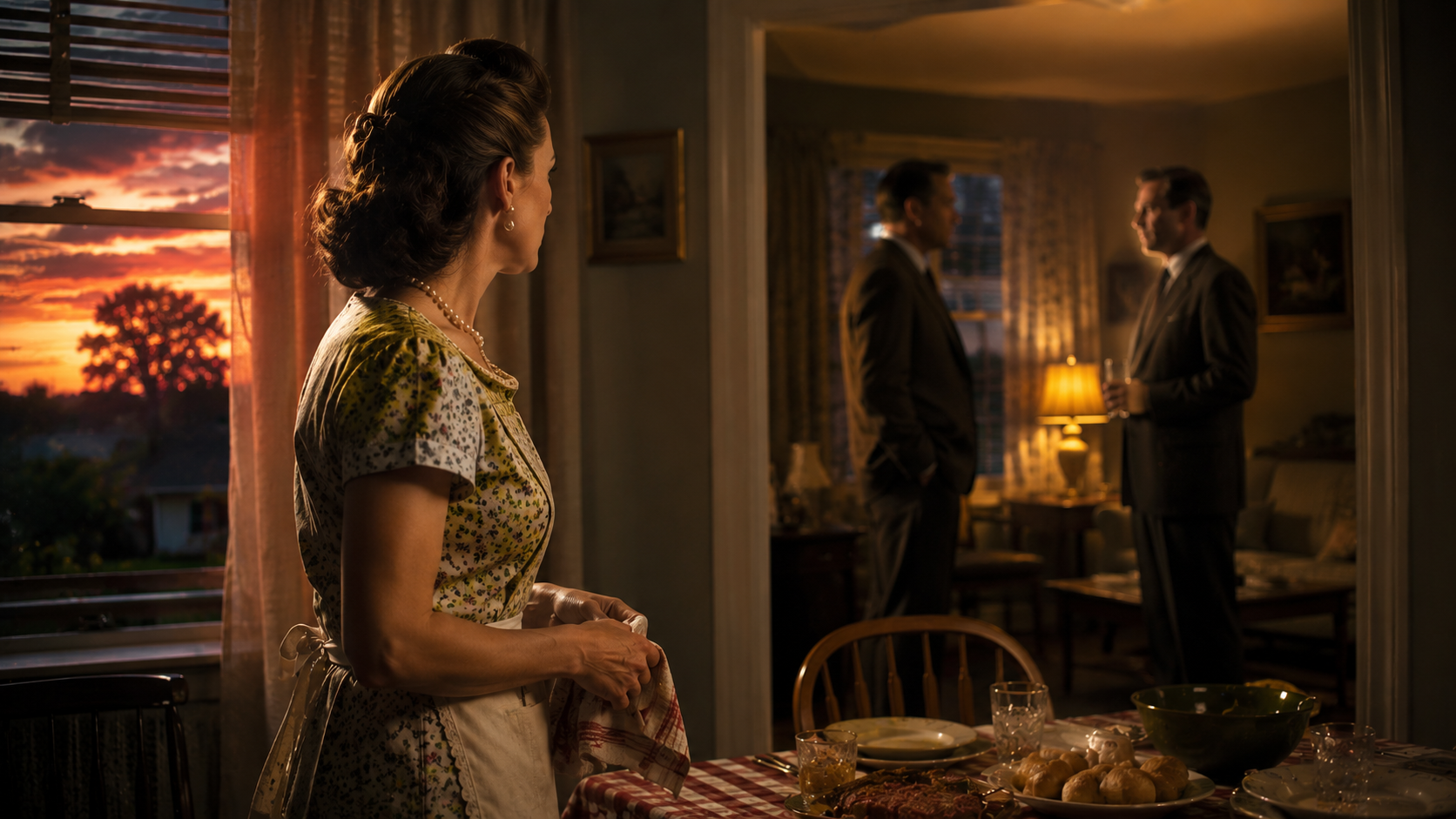
    “Silver Dollars for Silver Tongues” by Emorra Oteca follows a young wife in 1950s America as a charismatic stranger draws her husband toward the promise of easy wealth. It is a tense domestic story about ambition, trust, marriage, and the seductive power of believing in something too good to be true. From a feminist lens, it follows a woman stuck in the patriarchy, who knows best but can’t do anything about it, yet the story still unfolds in a darker way than she could have ever imagined.

    We hope you enjoy this gripping noir-ish tale.

    “Silver Dollars for Silver Tongues” by Emorra Oteca

     The first time I met Donny was a Tuesday evening in late spring. I was enjoying a moment of peace between cooking dinner, watching the sunset out the window while Junior entertained himself. It was a spectacular sunset, a beautiful array of colors tipped over and spilling together. The golden ochre faded into fierce reds and dainty pinks, all melting into the deep navy blanket of night. Usually Rob watched them with me if he could, but he had called to tell me he would be late, and he would be bringing a friend.

    Finally he walked in the door, called my name, and by the time I had pushed through the slatted kitchen doors to greet him, a second man had entered our house. His suit was impeccable, and the leather of his briefcase shone like a newly minted penny.

    “This is Donny,” my husband said.

    Donny kissed my hand, the picture of politeness, but his eyes looked past me. His hair was slicked back, unlike Rob’s fashionable pompadour. I left to finish setting the table and pull the meatloaf from the oven while Rob poured whiskey. Junior was happily playing with his brand-new Lincoln Logs in the living room, and Donny was crouched in front of him when I returned.

    “By Christmas,” Donny said, half to my son, half to my husband, completely ignoring me, “your daddy will be able to get you anything you want.”

    Donny was an investor, with a real estate opportunity—cheap land down south. He piled words together like you’d pile ingredients on a sandwich: minimal risk, giant profits, a capitalist’s dream. His voice was an oil spill, shimmering and smooth, and I could tell Rob was smitten with the possibilities.

    Out of politeness, I waited until Donny left and Junior was asleep before questioning my husband. Although our country was getting finally back on its feet, this didn’t feel like the best time for an unknown investment, and I told him so.

    Rob looked almost angry. “You heard what he said. It’s a great opportunity, basically made in the shade. With ten dollars, Donny says we could have over three hundred in a few weeks—can you imagine? And that’s only the beginning.”

    I wasn’t known for my imagination. To me, ten dollars was groceries for the week. Why gamble? He’d just gotten hired at Ford and we were trying to give Junior a sibling. I needed to persuade him this was too risky, but couldn’t decide how.

    He smiled as I stayed silent, thinking I’d seen his side.

    “Think bigger,” he’d said. “You’re always so hesitant. We’re lucky to be getting in now. A guy like Donny? The people he’s worked with–rumor is he knows the Fords personally, even met President Eisenhower, but he’s too humble to say–this can change our lives.” He spun me around, giddy. “You’ll see, Mary,” he continued, running his hands across my back, then lower. “I’ll be able to take care of us, easily. I’ll give you anything—everything—you want.”

    I just want you, I thought as his hands guided me to bed.

    That night I lay there with him above me. I couldn’t tell if he was seeing me, or the dollar signs Donny had promised. My teeth clenched as his fingers flexed around my wrists, leaving soft spots that throbbed the next day. He didn’t notice.

    ###

    Throughout the summer, Donny came by intermittently, sometimes with money but always asking for more. I hated it, and I hated Donny.

    He hated me too. He knew I was against this, and he did what he could to discredit me. It worked. It hadn’t helped that I was a lone voice, my friends and their husbands under his spell.

    But I had to keep trying, especially with Rob. Donny was a shuckster, and I wanted him to split.

    Mistress Mary, quite contrary, Donny muttered as I asked to see Rob in the kitchen one night. Donny’d come over and told us he was finishing up the investment, he just had one final purchase to make. I successfully got my husband into the kitchen, but I could tell before I opened my mouth that he wouldn’t listen.

    Soon, Rob kept repeating. Soon we’ll have the big windfall. He didn’t even bother arguing anymore. His eyes slid past me as he took our last silver dollars from the emergency jar.

    ###

    The next Wednesday, Rob surprised me with a trip to Marshall Field’s.

    “We can’t afford this,” I stuttered as we turned the corner and I saw his destination.

    “Of course we can,” he said dismissively. “I told you I’ll take care of you.” I saw the familiar look in his eyes and knew he wasn’t seeing our empty wallet, but the one promised.

    Donny swore the first return was coming tomorrow, and it would be close to five hundred dollars—almost two month’s of Rob’s salary earnings. He was almost vibrating as he drove, he was so jazzed up.

    The saleswomen fawned over us when they saw the BankAmerica card Donny convinced Rob to get, despite my objections. We spent three hours in the store, Rob looking so proud, and left with three dresses, a pair of shoes, and a small assortment of jewelry.

    “My beautiful Mary,” he murmured on the drive home, reaching for my hand.

    Whenever he’d held up a new dress, asking if I wanted to try it, I had thought, I just want you. I just want us. But like every other moment when Rob talked about what he could give me, the words never made it past my lips.

    But in this moment, it felt like I had us. I squeezed his hand back before he had to shift gears.

    ###

    Thursday, I met my friends at the country club. Rob insisted I wear my new clothes and do my hair. Donny would be over while I was out, and our wallet would finally match the extravagant lifestyle we were pretending to live.

    Heads turned, taking in my outfit and the trendy bouffant I had attempted. It made my head feel like it was going to tip over, but the girls lavished me with praise, glad I had finally come into the new decade. I knew if I voiced my concerns they’d be brushed off, spinning the tale back to soft fabrics and rings that were so big they broke apart sunlight.

    Sally hung back with me while the girls went to get refreshments. “Still stewing?” she asked quietly. Sally knew me well.

    “He says it’s tonight,” I replied. She nodded, and I remembered her husband had also invested.

    She gave me a knowing smile. “And then we’ll be rich as gangbusters,” she said as our friends returned.

    Rob was in a frenzy when I came home, phone cord wrapped around his waist. The Princess Phone had boasted about its single buttons and cord length, yet right now it was wound so tight it looked like a constricting snake.

    “Donny didn’t show,” he barely glanced at me as he dialed another number. “No one knows where he went.”

    He slept on the couch, making calls from sunup to sundown. His fingers wore down the zero button as he harassed the operator to connect him to various names. Stubble appeared along his jaw.

    Envelopes kept coming; none of them looked good.

    After two days, I packed Junior in the car and dropped him with my parents. Even if Rob had let me use the phone my parents didn’t own one, so they were usually fine with unexpected visits. I considered staying there too, but I knew what was necessary of a good wife. I needed to help Rob through this—help him-and-me get back to being us.

    ###

    When I returned to our house, everything was dark. Not even the porch light was on, but I was sure Rob was inside. He’d refused to leave for days, skipping work, skipping everything, just in case Donny appeared.

    I turned on lights as I walked through the house, searching. Nothing in the living room, except the phone had been ripped from the wall. It lay on the floor, a misshapen serpent.

    The decanter was missing.

    Then I heard a clink from the kitchen.

    When I pushed through the doors, Rob was at the table, clumsily pouring himself a drink with his left hand. He poured more than two fingers’ worth, and I could tell this wasn’t his first.

    Automatically, I took a step back. He’d never been a big drinker, but I knew from my friends what happened when a man became more booze than brain.

    He noticed my tiny retreat.

    “Sit with me,” he said—commanded, really. Not a request. The way he’d been talking to me these last months.

    I sat.

    We stared at each other for a few seconds. The fading light from the window—another gorgeous sunset, although I was too stressed to really notice, hadn’t paid attention in weeks—cast slivers of light and dark along his face. They hit along his cheekbone, highlighted the curls that now hung limp over his forehead. He looked like a crossroads, like an unbalanced knife, quivering on the edge.

    I wondered what I looked like to him.

    “The worst part,” Rob said from nowhere, as if we were in the middle of a conversation, “was that you knew. All those times, you tried to warn me, to tell me what I couldn’t do. I didn’t listen, but you were right.”

    He dragged his left hand over his face as if trying to peel off his skin. His fingers left red marks. When he looked at me, his eyes were empty, missing the spark that was there on our wedding day, on the weekend mornings when we used to take Junior to the park to feed the ducks.

    Now they held nothing. A void. They were black holes: they sucked away my ability to think, to breathe.

    We’ll take care of each other had turned into I’ll take care of you, and it had driven Rob mad. He had invested with Donny, believed him over me, trusted in the small payouts and silky words while handing him all our savings. He’d gotten his friends on board. Now they were all out of money, and fingers were pointing in our direction.

    There was no way Rob didn’t feel trapped. That he didn’t feel the walls closing in, from all sides. I knew what desperate animals did in tiny cages.

    His hidden right hand moved to the table. Perhaps it shouldn’t have surprised me.

    “You were right. I was wrong,” he said, finger curling around the gun’s trigger. “You deserve better—anything you want. The whole world. And I can’t give it to you.” The lingering sunlight allowed me to see the tear escaping down his cheek.

    “I just want you,” I stuttered out. After all those months of saying it in my head, I could tell it fell on deaf ears now.

    “Mary,” he sighed, lifting his hand, “you were my world.”

    The past tense caused the adrenaline swimming through my veins to turn to ice. Even if I’d wanted to, I couldn’t move.

    The gun went up, level with my eyes, then continued. Before my brain fully processed this—it’s not me, he’s not pointing it at me—his wrist had turned inward. The barrel had been pressed against his temple.

    I screamed.

    The gun screamed louder.

    Crimson coated the windows, marring the final moments of that magnificent sunset.


    “Silver Dollars for Silver Tongues” by Emorra Oteca

    Emorra Oteca is a Mexican-American writer from the Midwest. Her work has recently been nominated for a Pushcart Prize.

    Say hi on bluesky: wordsfromemorra.bsky.social


    The 2nd New Voices Fiction Award

    Our inaugural contest is now biannual. We are running it back and the contest is now open.

    Don’t wait and feel free to submit here.

  • XXXTentacion Final Interview: an Inside Look, Years Later

    XXXTentacion Final Interview: an Inside Look, Years Later

    • (UPDATE) — as of 08-01-26 the writer has not released the audio and written transcripts and has no immediate plans to do so.

    About two weeks before the senseless, tragic murder of XXXTentacion, the Miami New Times released an in-depth feature profiling the artist to an extent like never before.

    It’s a must-read piece.

    The writer of the article was able to interview XXXTentacion in the comfort of his own home by finding his address on an errant speeding ticket obtained in court documents. She knocked on his door. After a long back-and-forth she spoke to him for 2 1/2 hours.

    XXXTentacion Final Interview

    The New Times article does not go into extensive details about the conversation, which is now his last interview. It is also the most in-depth conversation anyone in the media will ever have with the slain rapper.

    The Jitney spoke exclusively to the writer of the article.

    The entire recorded conversation is below.

    The following highlights information obtained from our conversation.

    • Reporter interviewed XXXTentacion on May 3rd. Article came out June 5th.
    • X reluctant to talk, questions reporter’s credentials.
    • X described as “charming, charismatic but a little condescending.”
    • Multi-hour interview recorded and transcribed, not yet released.
    • XXXTentacion described as “super” introspective.
    • X was “super” spiritual but not in a Christian sense.
    • Often complimented people by saying “there is a good energy coming off you.”
    • He was a student of the Koran.
    • X “kinda believed in Santeria” and “definitely believed in witches.”
    • Earlier girlfriend had “been a witch” and performed money spells.
    • X believed the spells worked.
    • Another ex-girlfriend asked to study witchcraft.
    • XXXTentacion was deep into Astrology.
    • He worked well with other Aquarius, including Joey Badass and Denzel Curry.
    • XXXTentacion felt the #Metoo movement inflated allegations against him.
    • Facing 30 years in jail, he wondered why no one else accused faced that much time.
    • Believed women had more power than men in post #Metoo moment.
    • Cites Asiz Ansari as example of a single allegation hurting  career.
    • X was charming, filled with energy, but also defensive and insecure.
    • Ski Mask the Slump God and XXXTentacion relationship described as insecure and delicate.
    • Tensions existed between the two collaborators as they grew into their own artists.
    • X’s camp not a fan of the New Times profile.
    • Devastating story on all angles.
    • Moral question likely forever left unanswered.

    XXXTentacion Funeral

    In addition, we attended the public funeral service for XXXTentacion.

  • Flirtin’ with Disaster: The Rise and Demise of Molly Hatchet (Update)

    Flirtin’ with Disaster: The Rise and Demise of Molly Hatchet (Update)

    Jacksonville made a name for itself in the world of music as the motherlode of so-called southern rock. Several notable groups emerged from the city in the late 1960s and early 1970s including the Allman Brothers Band, Lynyrd Skynyrd and many others. However, by the late 1970s, the ABB had fallen into in disarray and had broken up, and Skynyrd suffered what was then seen as its demise due to a 1977 plane crash.

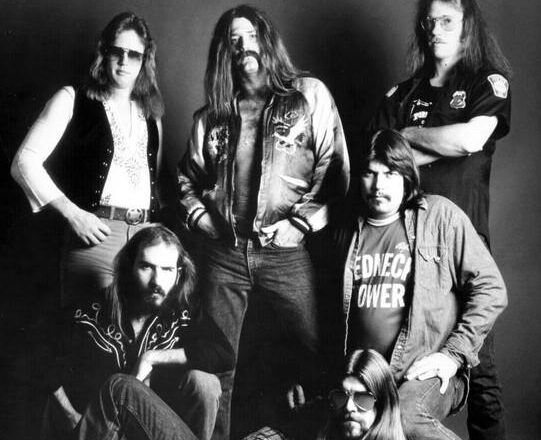
    A year after the crash, a new Jacksonville group calling itself Molly Hatchet—named after an apocryphal prostitute who murdered her clients with an axe—exploded onto the worldwide music scene. Leader-guitarist Dave Hlubek had lived in the same blue-collar, Westside Jacksonville neighborhood and had gone to the same schools as many of the Lynyrd Skynyrd boys.

    Hatchet had been recommended to talent manager Pat Armstrong, who had co-managed Skynyrd before that group got its big break in 1973. Armstrong too was from Jacksonville but by 1970 had relocated to Macon, Ga., widely considered the home of southern rock because it was the headquarters of Capricorn Records and its premier act, the Allman Brothers Band.

    Pat Armstrong had also been offered management of 38 Special, a group led by Skynyrd singer Ronnie Van Zant’s younger brother Donnie. Armstrong passed on 38, but someone in that group thought he might be interested in Hatchet.

    Armstrong signed with Molly Hatchet as the group’s manager, executive producer and publisher. Wearing all three hats was a serious, yet common, conflict of interest; still the group signed his contract enthusiastically, in spite of the fact that the members had engaged one of the top entertainment law firms in New York to review it. Either the group’s attorneys did them a great disservice or—more likely—the group simply ignored their advice.

    Armstrong got in touch with Van Zant, who was by this point well-ensconced in the music business and looking for other acts to mentor and produce. At Armstrong’s behest, Van Zant and Skynyrd sound man, Kevin Elson, traveled to Daytona Beach to see Hatchet perform. The relationship got off to a rocky start because Hatchet played a song, Gator Country, that poked a bit of fun at Skynyrd.

    Still, Van Zant and Elson agreed that Molly Hatchet had something.

    Van Zant brought Hatchet into Skynyrd’s studio on Riverside Avenue to record some demos and helped them clean up some song arrangements. The plan was that he would use his connections in the music business to shop Hatchet’s demos to record companies. If a deal transpired, Van Zant would come aboard to co-produce Hatchet’s debut album.

    That opportunity was dashed by Skynyrd’s plane crash in October, killing Van Zant along with five other passengers. Hatchet’s big break went up in smoke.

    Still, the group managed to snatch victory from what seemed like defeat: The loss of Skynyrd left a huge hole in the southern-rock market. Armstrong guessed—correctly—that several major labels were in search of a Skynyrd substitute to satisfy the demand for redneck rock, and being from the same city as Skynyrd gave Hatchet a leg up on the competition. The group even incorporated a Skynyrd tribute into its live performances.

    Armstrong snagged Hatchet an audition with Tom Werman, an Epic Records producer, who happened to be working at an Atlanta studio called the Sound Pit. Hatchet set up in the studio for a live audition. Werman loved the group and, grasping its potential for seizing the southern-rock crown, quickly signed it to Epic.

    There were other Jacksonville-based contenders to be sure: 38 Special, whose lead singer was himself a Van Zant, and Blackfoot, with two members who had briefly been in Skynyrd. However, with its “three-guitar army” and dynamic front man Danny Joe Brown, Molly Hatchet looked and sounded more like Skynyrd.

    With Werman at the helm, the group scored a hit album that quickly went gold. Hatchet’s second album became even bigger hit than the first, scoring double-platinum (all in all, Molly Hatchet managed to create four platinum albums for Epic/Sony). The group shot to the top of the music world. Things could not have been going better.

    This would have been the point where most groups would work to consolidate their success, but it was exactly the point at which Hatchet started unraveling. With the sudden influx of fame and fortune, the members’ heads swelled uncontrollably as they began to destroy themselves—along with their careers. Not only did they piss away their hard-won success—and money—most of the members destroyed themselves in the process.

    Cocaine seemed to be the most pressing problem,

    with alcohol abuse running a close second. As the group began floundering, Armstrong admonished them, “You scratched and clawed your way to the top, and now you’ve snorted your way to the bottom.”

    Whether it was alcoholism, cocaine-induced megalomania, dain bramage or just bad judgment fueled by arrogance, most of the members—with the notable exception of drummer Bruce Crump, who was a health nut—seemed to be on self-destruct and proud of it. The topic of self-destruction even became song fodder: they wrote songs about it, such as Flirtin’ with Disaster, which was also the title of their biggest-selling album.

    Just as the group’s career was hitting full swing, lead singer Danny Joe Brown quit to start a solo career, convinced that he was the main attraction. His illusions would prove to be ill-founded as his success as a solo act fizzled in short order. In fact it was an unmitigated disaster. His drug use and egregious behavior completely alienated his new band members—to the point where they staged a mutiny and walked out mid-tour. Brown was forced to finish his 1981-82 tour opening for fellow Jacksonville rockers Blackfoot with a pickup band he found in a local bar.

    Ultimately, one of the group’s most fundamental blunders was that the members refused to create a corporation or establish any type of formal business structure or even an operating agreement; hence, if a member quit, there was no legal framework for a financial settlement. They would have to sue, but none did.

    Every member, with the exception of guitarist Duane Roland, eventually got fed up and walked away from the group—and its joint assets—without so much as asking for a settlement. Even the founder of the group, guitarist Dave Hlubek, walked out. Nearly all of them at some point returned as salaried sidemen, having relinquished their positions as principals.

    The last man standing, guitarist Duane Roland, inherited the name and the tour bus. But Roland no longer wanted to tour due to a hip replacement and dependence on pain pills on top of his alcoholism. He was convinced the crazy world of touring could kill him.

    However, there were still fans out there and money to be made,

    so in 1993 Roland agreed to license the name of the group to Brown and replacement guitarist Bobby Ingram (who had been in Brown’s solo band). This arrangement lasted two years, when Brown developed serious health problems and could no longer tour (he died of kidney failure in 2005). In 2000 Roland finally sold the name to Ingram for $250,000 and retired. He died of cirrhosis in 2006.

    Bassist Banner Thomas and drummer Bruce Crump also came back as sidemen, but neither lasted long under Ingram’s aegis. Both have since died. Even Dave Hlubek came back for a time as a sideman in the group he himself had founded. He died in 2017.

    Ingram continues to tour with replacement members who get paid by the gig. He is the only guitarist in a group that was once renowned for its three-guitar army.

    The group’s fans have largely split into two camps, those of the “original” Hatchet and those of the current lineup. The social-media war between the two camps has been written about and commented on profusely; there was even a cover story about the feud in Folio, Jacksonville’s alternative weekly.

    Ingram for his part has insisted he is proud to carry on the Molly Hatchet tradition and that he is doing so with the most honorable of intentions. This may well be true. However, many of the older fans continue to attack him on Facebook, disparagingly calling the group “Bobby Hatchet.”

    The oddest part of the story is that every member of the original lineup has died—along with several replacements—almost as if the group had been cursed. Hatchet has had approximately 20 members over four decades, 11 of whom are deceased.

  • Jitney Books Announces 2nd New Voices Fiction Award (Open for Submissions)

    Jitney Books Announces 2nd New Voices Fiction Award (Open for Submissions)

    The New Voices Fiction Award presented by Jitney Books

    After our first contest closed with a buzz, we had so much fun we have decided to make the contest biannual.

    We hope to increase the visibility of this award and the cash prizes also. The 2nd New Voices Fiction Award is now open for submissions.

    Official Contest Guidelines

    The New Voices Fiction Award celebrates bold, original short fiction from emerging and established writers alike. We are seeking compelling stories across all genres that challenge, entertain, surprise, and linger in the reader’s mind long after the final sentence. We are excited for this contest and can’t wait to read your submissions.

    TO SUBMIT YOUR STORY FOR THE NEW FICTION AWARD SUBMIT HERE

    Prizes

    First Place

    • $200 Cash Prize
    • Publication of the winning story
    • Featured author interview published alongside the story

    Second Place

    • $50 Cash Prize
    • Publication in The Jitney

    Third Place

    • Publication in The Jitney

    In addition to the winners, selected finalists may also be considered for longlist or shortlist recognition.

    Contest Timeline

    • Submission Deadline: December 15
    • Winners Announced: Within one month of the submission deadline

    Eligibility

    • Open internationally
    • No age restrictions
    • Writers of all backgrounds and experience levels are encouraged to submit
    • Must be in English

    Submission Guidelines

    • Fiction or creative non-fiction
    • Any genre accepted
    • Minimum Length: 500 words
    • Maximum length: 2,000 words
    • Stories must be original and previously unpublished
    • Simultaneous submissions are allowed, but authors must notify us immediately if the story is accepted elsewhere

    TO SUBMIT YOUR STORY FOR THE NEW FICTION AWARD SUBMIT HERE

    Formatting Requirements

    • Times New Roman
    • 12-point font
    • Double-spaced
    • Standard document margins
    • Include page numbers

    Entry Fee

    • $15  reading fee

    Multiple submissions are welcome. Each entry requires a separate reading fee.

    AI Policy

    Submissions must be the original work of the author.

    Stories generated wholly or substantially through artificial intelligence tools are not eligible. The editorial team reserves the right to disqualify any submission suspected of violating this policy.

    Final Judge

    J.J. Colagrande

    Publication Rights

    • First North American Serial Rights
      (or First World Rights, depending on publication format)

    Authors retain full copyright to their work. Rights revert to the author after initial publication.

    Legal Notice

    This contest is void where prohibited by law.

    Submissions are now open!

    TO SUBMIT YOUR STORY FOR THE 2ND NEW FICTION AWARD SUBMIT HERE.

  • Miami New Drama Announces 10th Anniversary Season

    Miami New Drama Announces 10th Anniversary Season

    Miami New Drama has (finally) announced its 10th Anniversary Season, marking a decade of bringing groundbreaking stories to Miami audiences.

    We are excited for what’s coming.

    The season will include four world premieres including “Ghandi and the Jew” by Harley Elias (November 5 – 29, 2026). Also, “The Great Behind” a comedy by Carmen Pelaez (April 1 – 25, 2027) and “City Hall” an immersive theater experience by Aurin Squire. Finally, “Cianuro Espumante” by Karin Valecillos (July 8 – August 1, 2027), the first authorized direct Spanish-language adaptation of one of Agatha Christie’s iconic mysteries.

    A city that produces world premier plays is a city that is worthy of being seen as wordly.

    “Miami is one of the most diverse cities in the country. We believed that a theater rooted in this extraordinary city could not only reflect our community; it could help create the future of the American theater,” explains artistic director Michel Hausmann. “I’m so proud to begin our second decade with our most ambitious season to date. We’re bringing five extraordinary shows that are personal and political, local and national, unmistakably Miami, and in direct conversation with the world beyond it.”

    Season subscription packages are now on sale at miaminewdrama.org.. Single tickets will be available starting September 8, 2026.


    About the 10th Anniversary Season

    Gandhi and the Jew (World Premiere)
    By Harley Elias

    Directed by Margot Bordelon
    November 5 – November 29, 2026

    A friendship that changed the world. Drawn from years of research, multiple journeys to South Africa, and hundreds of unpublished letters, Gandhi and the Jew uncovers an unlikely and profound bond between Mahatma Gandhi and Hermann Kallenbach, a Jewish architect shaped by exile and persecution.

    Together, they help invent the philosophy of nonviolence. But as history darkens and the fate of European Jews becomes urgent, their shared ideals fracture, setting them on a collision course over the future of a Jewish state. This is the story of a friendship that changed the world, and the conflict that nearly broke it.


    The Golem of Havana – An Original Musical

    10th Anniversary Production

    Music by Saloman Lerner, Lyrics by Len Schiff, Book by Michel Hausmann

    January 28 – February 28, 2027

    A Holocaust survivor’s family. An Afro-Cuban housekeeper who prays to the sea. A wounded revolutionary hiding in the back room. And a teenage girl who believes a comic-book monster can save them all.

    Set in late-1950s Havana, The Golem of Havana follows Rebecca, a young Jewish girl who turns to a mythical protector of Jewish folklore — the Golem — as her family navigates poverty, political unrest, and the electric final days of the Batista regime. When she’s drawn into the orbit of Teo, a young revolutionary, myth and reality collide.

    The Golem of Havana throws Jewish legend and Cuban revolution onto the same stage and lets them ignite, in a musical that moves from klezmer to mambo to bolero without ever stopping to breathe.

    The Great Behind (World Premiere)
    A Comedy By Carmen Pelaez April 1 – April 25, 2027

    A Miami Cyrano. Same Wit. Bigger Hips.

    This is bold, hilarious reinvention of Cyrano de Bergerac. Sylvia is a brilliant Miami librarian with a lethal tongue, a body everyone notices but no one truly sees, and a secret. She is hopelessly in love with her best friend. When he falls for Sylvia’s beautiful new coworker, Sylvia agrees to write the love letters that will win his heart, giving another woman the words she cannot bring herself to speak.

    Written by Miami native Carmen Peláez, in her fifth work with Miami New Drama. The Great Behind is a romantic new comedy about beauty, desire, and the courage it takes to be truly seen.

    How long can you give someone your words before you lose your own?

    We are looking forward to this!

    Miami New Drama

    City Hall (An Immersive World Premiere)
    Conceived by Michel Hausmann, Written by Aurin Squire

    Dates Forthcoming

    Set in a live Miami City Commission meeting and performed inside a real city hall, City Hall transforms the audience into the electorate, the chamber into the stage, and every performance into a live vote on the city’s future.  As rising seas threaten to swallow the city, a billionaire developer offers the solution the city cannot afford: he will fund the infrastructure needed to save it, but only if democracy steps aside and his company takes control for a generation. What follows is a gripping, high-stakes battle between survival and sovereignty, speed and accountability, private power and the public good.

    Immersive, urgent, and different every night, City Hall is a love letter to democracy that asks its audience to do more than watch. It asks them to decide: when the system is failing, do you fix it or give it away?

    We are really looking forward to this!!

    Cianuro Espumante (An Agatha Christie World Premiere)
    By Karin Valecillos

    July 8 – August 1, 2027

    In a thrilling first, the Agatha Christie Estate has authorized a direct Spanish-language adaptation of one of Agatha Christie’s iconic mysteries—reimagined for Miami.

    When a glamorous birthday celebration ends in sudden death, what appears to be a tragic suicide unravels into a web of secrets, ambition, and betrayal. One year later, the guests reunite—and another body falls. As the brilliant detective Hercule Poirot invites the audience to play along, every glance, toast, and  silence becomes a clue.

    A seductive, suspenseful game of truth and illusion, set in the heart of Miami, where beauty, power, and greed collide. Cianuro asks: how well do we really know the people we love? And how far will we go to protect what we’ve built?


  • New Voices Fiction Award Shortlist Announced

    New Voices Fiction Award Shortlist Announced

    Our first short story contest, The New Voices Fiction Award, closed with forty-six submissions. A member of Jitney’s team was assigned the stories and tasked to deliver a short list. Eight stories were sent along blindly meaning it was one big document, with eight stories, all titled, but no author name. Time to judge!

    What fun! They were all great! Truly. So diverse and creative and well-written, all.

    We are proud to release the names of the authors on our shortlist:

    Kabal Briar

    Jan Phibbons

    Thomas Clay Nance

    Yilong Liu

    January L Kerr

    Brian W Ball

    C.V. Shaw

    Emora Oteca


    Eight Finalists in New Voices Award

    Here are a few sample taglines from our finalists.

    A woman chooses to break bad to save her family from the insurance industry.

    A wife stuck in the patriarchy is hopeless to stop her husband’s victimization at the hand of a pyramid scheme huckster.  

    A young woman enters a time-traveling wormhole to a place and era when natives lived.

    A widow is lost after the death of her deaf husband until she stumbles across a potential kidnapping plot concocted by a group of deaf kids!

    These are just a few taglines of the wonderful stories featured in our shortlist.

    Stay tuned for the winners to be announced next week.

    New Voices Fiction Award Returns

    We had so much fun with this contest and learned so much that we have decided to make the New Voices Fiction Award a biannual contest.

    Our next reiteration is already live.

    Submissions close on December 15th, but don’t delay.

    Shoot your shot and submit now.

    Good luck to all finalists.


  • Lynyrd Skynyrd’s Allen Collins Was the Craziest Sumbitch I Ever Met (Update)

    Lynyrd Skynyrd’s Allen Collins Was the Craziest Sumbitch I Ever Met (Update)

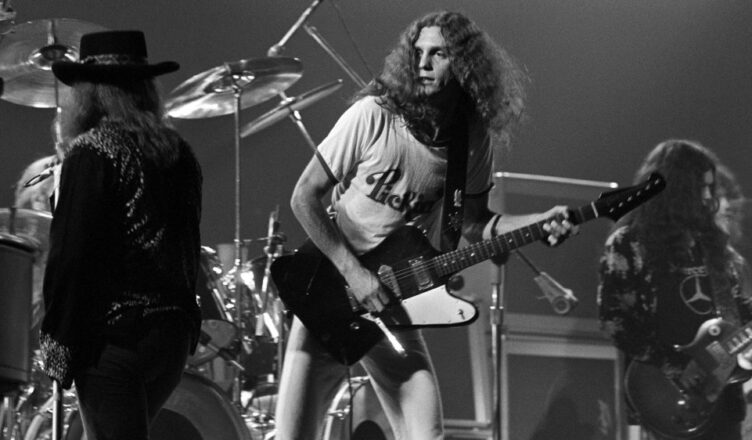
    The first time I saw Lynyrd Skynyrd guitarist Allen Collins was in 1969, when I went with a group of hippies to the Comic Book Club in downtown Jacksonville, where One Percent was the house band, to score some acid.

    Collins was leaning against a wall outside the club, long and lean, dressed entirely in white, looking like John Lennon on the cover of The Beatles’ Abbey Road. This getup became Collins’ trademark for a time; he even wore white tennis shoes, the kind women wore. This was topped by a huge head of shoulder-length, curly hair.

    A few days later my friends and I ate the acid. It was Friday night. The five of us wound up at the Sugar Bowl, a teen club in a working-class subdivision called Cedar Hills, where several prominent musicians were raised, including Collins and future Skynyrd members Leon Wilkeson and Billy Powell, guitarist Jeff Carlisi (of .38 Special), singer-guitarist Don Barnes (also of .38), and keyboardist Kevin Elson (later sound mixer, recording engineer and producer).

    One Percent, soon to become Lynyrd Skynyrd, was performing that night. There was a scuffle; some local rednecks had invaded. They were harassing hippies and got into a battle with an off-duty cop who served as a security guard. Someone pulled a knife. More cops materialized. Since we were just starting to get off on the acid, my friends and I hauled ass out of there.

    I ran into Allen Collins again in 1978, a year after the infamous plane crash, when my second wife and I were living in a small house in Murray Hill.

    We were eating at Church’s Chicken on Cassat Avenue and Plymouth Street, when in walks Collins, who gets in line behind me. He seemed to recognize me. I told him I knew Wilkeson, whom I had met at the Forrest Inn, while he was with a group called King James Version. Collins sat down with my and my wife, and as we were leaving he offhandedly asked if I knew where he could buy a junk car for about a hundred bucks. He said he liked to take them out in to the woods and roll them. This was his idea of fun.

    Not long later, I met Marion “Sister” Van Zant up the street at Dunkin’ Donuts, where she worked as a waitress. This was a year after Skynyrd’s plane crash. She invited me to the Van Zant house and introduced to sons Donnie and Johnny. I had already met Donnie in 1970 when I auditioned at Kevin Elson’s parents’ house for Sweet Rooster, a group that morphed into .38 Special.

    I told Sister about meeting Collins at the chicken place. She said Collins was a disaster behind the wheel and told me a story Johnny Van Zant had related: he had been pulling out of the Krystal on San Juan Avenue recently and was run off the road, nearly hit, by a crazy driver coming around the corner too fast in the wrong lane. Johnny honked at the guy, and the guy gave him the finger. The offending driver was Collins, of course.

    In early 1985, I was working with Filthy Phil Price and drummer-singer Carl De Blasio at Mac’s Mustang Lounge.

    One night Allen Collins came in the bar with his drummer-driver Steve Reynolds.

    Collins apparently liked what he heard because the pair came back the next night and again the next weekend. I know this was late February, because Collins threw a pie at me on my birthday—Skynyrd had a tradition that anyone having a birthday got a pie in the face. I’m on the bandstand; Collins comes rushing toward me with a key-lime pie; I duck; he misses me and flings key-lime goo into my Echoplex. He laughs. I fail to see any humor in this. That unit cost me $150, which was a lot of money for me at the time, and was ruined beyond repair. But he meant it affectionately.

    Collins wanted to put a new Allen Collins Band together, and he wanted me as lead singer and second guitarist. He also needed a bass player; Price was offered the position. He already had a drummer—who doubled as his chauffeur—so De Blasio was left out.

    The reason Collins needed a chauffeur was because he’d had his license revoked and was not allowed to drive. Reynolds and Collins picked Price and me up to bring us to Collins’ estate in Mandarin. On the way, Collins decides he wants to drive. Here we are, doing 50 miles per hour through a 7-11 parking lot. Trying to stay calm—I realize he is messing with our heads—I say, “Allen, who is going to clean up your nice leather seats?”

    “What do you mean?” he replies.

    “I mean you are scaring the shit out of us.”

    He cackles.

    “Allen, if you want to kill yourself, that’s fine, but please don’t take us with you.”

    He turns back to face us, left hand on the wheel, still doing 50 mph. “Ah, ya buncha pussies.”

    Scuffling to survive, Price, De Blasio and I travel to Vidalia, Ga., to become the weekend house band at the Golden Nugget, a medium-sized nightclub. After a few weeks Di Blasio disappeared, perhaps because he was resentful about not being included in the new Collins project. Price and I came into the club one afternoon and the drums and sound system, which De Blasio owned, were gone.

    Fortunately, there was a band down the street with an excellent drummer who also sang very well and owned a decent sound system. His name was Scott Sisson. He’d just had a falling out with a band member who’d disparaged his wife. Scott came over to our band that afternoon and literally saved the day.

    Collins and Reynolds drove up from Jacksonville to see us on a Saturday. We gathered at Sisson’s house in Lyons that afternoon. Collins taught me how to play the riff to the “The Last Time” the correct way. Keith Richards, he said, had shown it to him personally (this was a credible claim since the Stones and Skynyrd at one point shared a manager, Peter Rudge).

    Collins also claimed he had boinked Chaka Khan on Skynyrd’s tour bus. This is notable because certain Skynyrd members were notorious bigots. However, Collins did not appear to be one of them.

    Collins spots some pills on a coffee table, snatches a handful and gulps them down. Sisson’s wife says, “Allen, you eejit! ‘Em were my burf-control pills.” Allen grins like the Cheshire Cat and shrugs.

    I said something Collins didn’t like—can’t recall what—and he retorts, “Fuck you, you Jimmy Dougherty-lookin’ motherfucker,” and hurls a half-full Heineken bottle at my head, which goes whizzing by my ear (Jimmy Dougherty was the previous lead singer for the Allen Collins Band). The bottle sails butt-first through the drywall, landing with its neck sticking out.

    I should have quit then and there, but the lure of being in a big-time, touring rock band was too powerful.

    Collins was to “sit in” with us that night at the club. Word got around, and the place was packed with Skynyrd fans. Collins emerged from the bathroom, stumbling up onto the bandstand, which had a railing in front. Collins couldn’t even get his guitar—a very valuable 1957 Gibson Les Paul—on. I had to hold it up for him and fasten his strap (see photo).

    I take the mic and ask the audience to welcome Allen Collins to Vidalia. The crowd roars.

    Collins grabs the mic. “You buncha fuckin’ punks,” he rails. “I’ll kick anyone’s ass in this room right now.”

    People are looking at each other wondering what to think.

    Assuming this is some kind of redneck humor, I grab the mic and say, “Can y’all say ‘Fuck you, Allen’?”

    “Fuck you, Allen!” the audience roars in unison.

    Everyone laughs, including Collins.

    We start playing “The Last Time.” During the intro, Collins falls headfirst over the railing and hits the floor with his face. He is out cold with his feet still up on the railing, sort of hanging there. His beautiful Les Paul is broken, the headstock severed from the neck, dangling by the strings.

    I had been trained never to stop playing in the middle of a song no matter what happens, because if there’s a melee, stopping will draw everyone’s attention, whereas if you keep playing, a lot of people won’t notice. I was afraid stopping would draw more attention to the situation. So we kept going and left him lying there face-down for what seemed like a very long time. Someone from the audience eventually got up and helped him.

    Collins gets up and dusts himself off. He wanders over to a table where there is a birthday cake set out. He grabs a piece of cake and hurls it at the birthday girl, who doesn’t know about the pie-in-the-face tradition. She ducks; he misses. She complains to her boyfriend, a big guy in a ball cap.

    Reynolds grabs Collins and shuffles him out the door and into Collins’ white Lincoln. They go to the motel, get their stuff, and head back to Jacksonville, a two-hour drive. We don’t hear a thing that night or the next day from either of them.

    Price and I are driving back home to our apartment in Jacksonville. There’s a short-cut on State Road 15 running through Blackshear that leads back to U.S. 1. There used to be a stop sign at this corner fastened to a four-by-four post stuck in the ground. But now the post is broken off about two feet up, no stop sign in sight.

    Price looks at the stump and says, “I’ll bet you anything Allen did that.”

    “Did what?” I reply.

    “Look where the post is whacked off,” he says. “About the height of a car bumper. I bet Allen was driving and ran over it.”

    On Monday we get called to a rehearsal at Collins’ house on Plummer Grant Road. Reynolds opens the garage door to get something out of the Continental’s trunk. There is a huge dent in the trunk’s lid.

    “How’d that happen?” I ask. Price looks over at me, eyebrows arching.

    “Allen decided to drive home,” Reynolds replies. “He hit a stop sign on the way back. It broke off, went flying up in the air over the top of the car and landed right there.”

    Price busts out laughing. “I told you,” he says. We swore we would never again get into a car with Collins at the wheel.

    We go into the rehearsal room; Collins is there with a beautiful sunburst Rickenbacker. I was to co-write some songs with him, which meant he would come up with the germ of an idea and I would flesh it out. He began to sing me something he was working on. I was amazed at how much he sounded like Lou Reed—whom I liked—and told him so. Collins, however, apparently loathed Reed—I think he assumed Reed was gay—and flung the Rickenbacker at me. Lucky for him I caught it in midair, before it too hit the wall.

    After he cools down, he picks up a Stratocaster and we start rehearsing “Sweet Home, Alabama.” It’s only 7 p.m., and he’s already too drunk to play. We’re all embarrassed for him. He puts his guitar down and says, “I’ll be right back.” After waiting an hour, we go into the house to look for him. There he is, passed out in a La-Z-Boy with a bottle of Jack beside him. There is a thick, black steak scorching in a skillet, filling the kitchen with smoke.

    Collins had every reason to self-medicate. Not only had his band been destroyed in a plane crash, he himself had suffered a broken neck and nearly lost an arm. On top of all this he’d had to deal with the shock of his wife’s death three later. “That’s what destroyed him,” Skynyrd keyboardist Billy Powell (who died in 2009) told interviewer Marley Brant. “He dove into a bottle and never came out.”

    Collins was actually a sweet guy

    if you could catch him sober, which might be for about 20 minutes after he woke up. The only other times I saw him behave gently was around his daughters, whom he adored and they him.

    In any case, I could not stomach working with him anymore. I had other fish to fry. Atlanta label Hottrax, which distributed my record, “Fuck Everybody,” called and said the song was building a buzz and that I should get my own band together and bring it to Atlanta for a showcase. So that’s what Price and I concentrated on. This was late summer in 1985.

    I really don’t know—no one does—what happened on the night of January 29, 1986, but knowing Collins I have pretty fair idea. Collins was driving his new Ford Thunderbird home down Plummer Grant Road with his fiancée, Debra Jean Watts, in the passenger seat. He was not supposed to be driving. I am speculating—this is an educated guess, taken from experience—that she probably yelled at him to slow down, pull over, stop acting so stupid. He probably got distracted and swerved. Maybe she grabbed the wheel. Maybe they got into a tussle doing 80 miles per hour.

    In any case, the car spun out of control and ended up in a culvert. Both were thrown through the driver’s-side window. Watts died from her injuries.

    Collins suffered a broken back. He wound up paralyzed from the waist down. Mutual friends told me that there might have been a chance for recovery had he taken his physical therapy seriously.

    Collins was charged with DUI manslaughter. At first he denied having been driving, but fibers from his shirt, embedded in the driver’s-side door, indicated otherwise, plus there was a huge bruise on his right side where Watts had collided with him.

    Reynolds, who was very close to Collins and Collins’ father, Larkin, doesn’t agree with the conclusions of the police report. Neither did Larkin Collins. Reynolds says Larkin told him both Collins and Watts were ejected out the passenger side and that Collins went out the window before Watts.

    It was clear to most people who knew him that it was not safe to get into a vehicle with Collins, even if he wasn’t driving. While sitting in the passenger seat, Collins enjoyed scaring the hell out of drivers—and anyone else in the car.

    “He would stomp his foot down on top of mine [on the gas pedal],” Reynolds says. “The next thing I knew we’d be doing 100.” Collins would also yank the steering wheel. “He most likely did that while Debra was driving,” Reynolds adds. ”I was wise to his pranks and could see them coming, but she wasn’t ready for that.”

    Collins finally pled no contest, claiming he had no memory of the incident. Taking his injuries into consideration, the assistant state attorney, Wayne Ellis, asked for leniency. In addition to probation, the judge ordered Collins to organize and participate in an anti-drunk-driving campaign.

    In 1987, Collins and his father decided to re-form Lynyrd Skynyrd for a “tribute tour.”  The remaining Skynyrd members agreed, along with Ronnie Van Zant’s younger brother, Johnny, who would take center stage. Collins served as musical director. He chose Randall Hall, who had been in the Allen Collins Band, as his replacement.

    To honor his probation, he appeared, wheel-chair bound, before every show to provide a short lecture on the consequences of drinking and driving. Collins developed chronic pneumonia and died in January 1990.

    The band, however, carried on with the help of several replacements taking the place of dying members—guitarist Gary Rossington is the only remaining founder—and has been touring regularly since. It’s still a money machine, and the southern-rock style forged in Jacksonville refuses to die. It’s possible the group might not have gotten back together without Collins’ urging.