Category: News

  • How to Fix the Miami Heat

    How to Fix the Miami Heat

    Bro, I’m not going to lie, I’ve had gunshot wounds less painful than watching the Miami Heat go out like that in the playoffs to the Cleveland Cavaliers.

    We lost by 55 points!

    What kind of $#!+ is that?

    I remember when losing by twenty points was embarrassing. Pat Riley must be rolling in his grave if some worm crawling in his rotting ear told him the score.

    How the hell could this happen?

    Anyone could figure out trading our best player Jimmy Butler wasn’t smart. Especially for that pupu platter the Golden State  Warriors gave us for a Heat legend. Andrew Wiggins? Bum. Kyle Anderson? I’ve played ball high as fuck and moved quicker than that fool. #20 draft pick? Great, we can pick another bum.

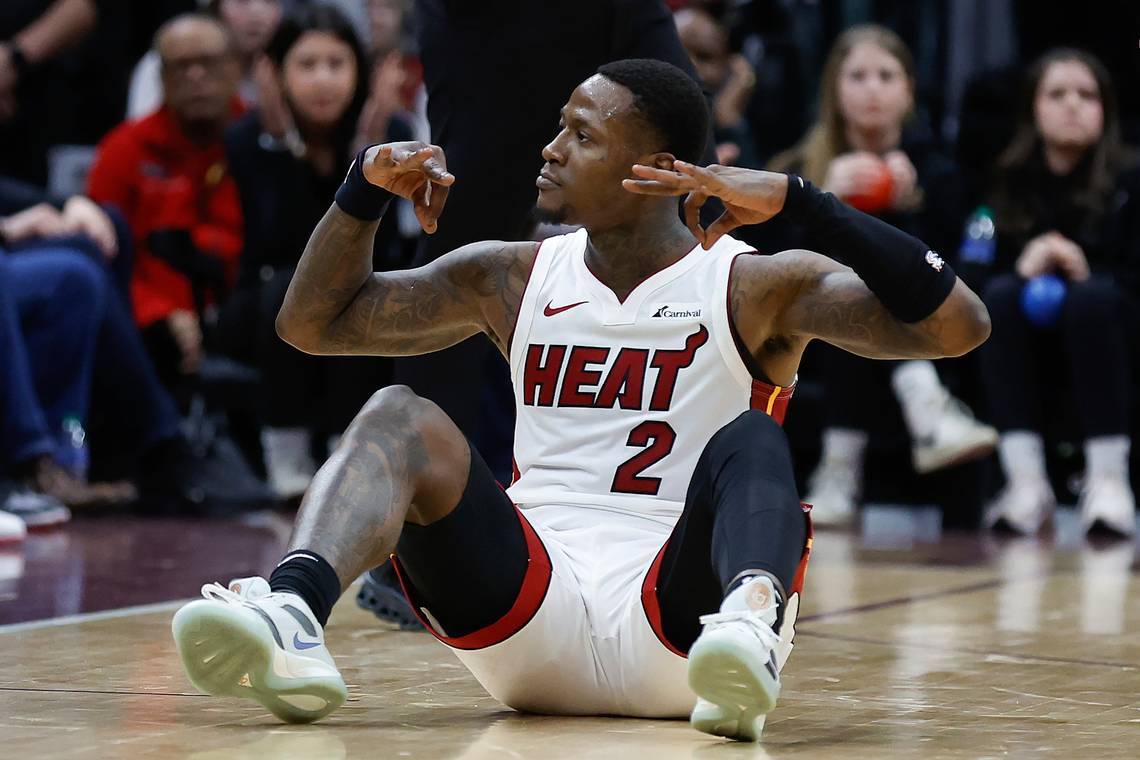
    Things got so bad in that playoff beatdown that even certified pigeon Terry Rozier wanted no part in it. I got it on good authority that Scary Terry told Coach Spo that he refused to enter the game because he was worried federal authorities would investigate him again for throwing games.

    My beloved team is in shambles. What can they do?

    You came to the right place because I got the easy answers.

    Trade every single player on the Miami Heat

    I don’t care what you get for them, just ship them all out. You lose by 55 to the damn sorry ass Cleveland Cavaliers, you not fit to wear the uniform of Dwyane Wade and Mario Chalmers. I could find five guys at a pickup game at Tropical Park that would only lose by 45 to the Cavs. Ship all them bums out.

    Recruit Udonis Haslem to warm the bench again

    We ever lose by 55 when UD was taking up a roster spot and collecting paychecks just for showing up? I don’t think so. Them boys play a lot harder if they know if they get benched they gotta hear Haslem chirping in their ear.

    Move Pat Riley’s body

    Call me superstitious, but I thought that was effed up that they buried Pat Riley under the basketball court at the arena and named the court Pat Riley Court.  That ain’t right. Let him rest in peace. The Godfather earned it. If I was dead and had to hear all them bouncing balls and squeaking sneakers I’d be haunting the team and cursing them with all kinds of bad basketball karma too.

    Get rid of that Dwyane Wade statue

    Yo, I been saying from day one, that $#!+ is spooky. How you supposed to ball when you worried about that ugly ass monstrosity coming to life and terrorizing you and everybody you love?

  • Lost City Bass: North Miami’s Underground Bass Scene

    Lost City Bass: North Miami’s Underground Bass Scene

    Something raw is brewing in North Miami and it’s not just the beer. Lost City Bass is making its debut at Lost City Brewery on May 2nd, 2025, and it’s bringing the low-end thunder. From 8PM to midnight, this free RSVP-only event will shake the walls with a no-frills, high-vibe session of Grime, Dubstep, and Drum & Bass — all delivered by a stacked lineup of boundary-pushing selectors.

    This inaugural gathering will bring together a dynamic lineup of talent. Headlining the night is a back-to-back DJ set from the Lows Only collective — known for their dark, deep, and forward-pushing sound. Joining them are featured sets by Slaughter Queen, delivering gritty, high-energy selections, and KhaotiqBeats, whose bass-driven style blends intricate rhythms with raw energy. Residents Brightwing, Jumanji, and Krizm round out the roster — local heavy-hitters with a deep passion for sound system culture and a mission to keep the bass and the lyrics rolling all night long.

    No bottle service. No fluff. Just real heads, real sound, and that gritty warehouse energy packed into one of North Miami’s dopest microbreweries. If you’re craving a space where the subs hit just right and the crowd moves with purpose, Lost City Bass is where you need to be.

    Date: May 2nd, 2025
    Time: 8pm – 12am
    Location: Lost City Brewery, North Miami – 12207 NE 13th Ct, North Miami, FL 33161
    Cost: Free with RSVP

    Come early, grab a brew, and get ready for the bass to take over.

  • Pioneer Winter Collective’s “Apollo” Drops a Mic on Legacy!

    Pioneer Winter Collective’s “Apollo” Drops a Mic on Legacy!

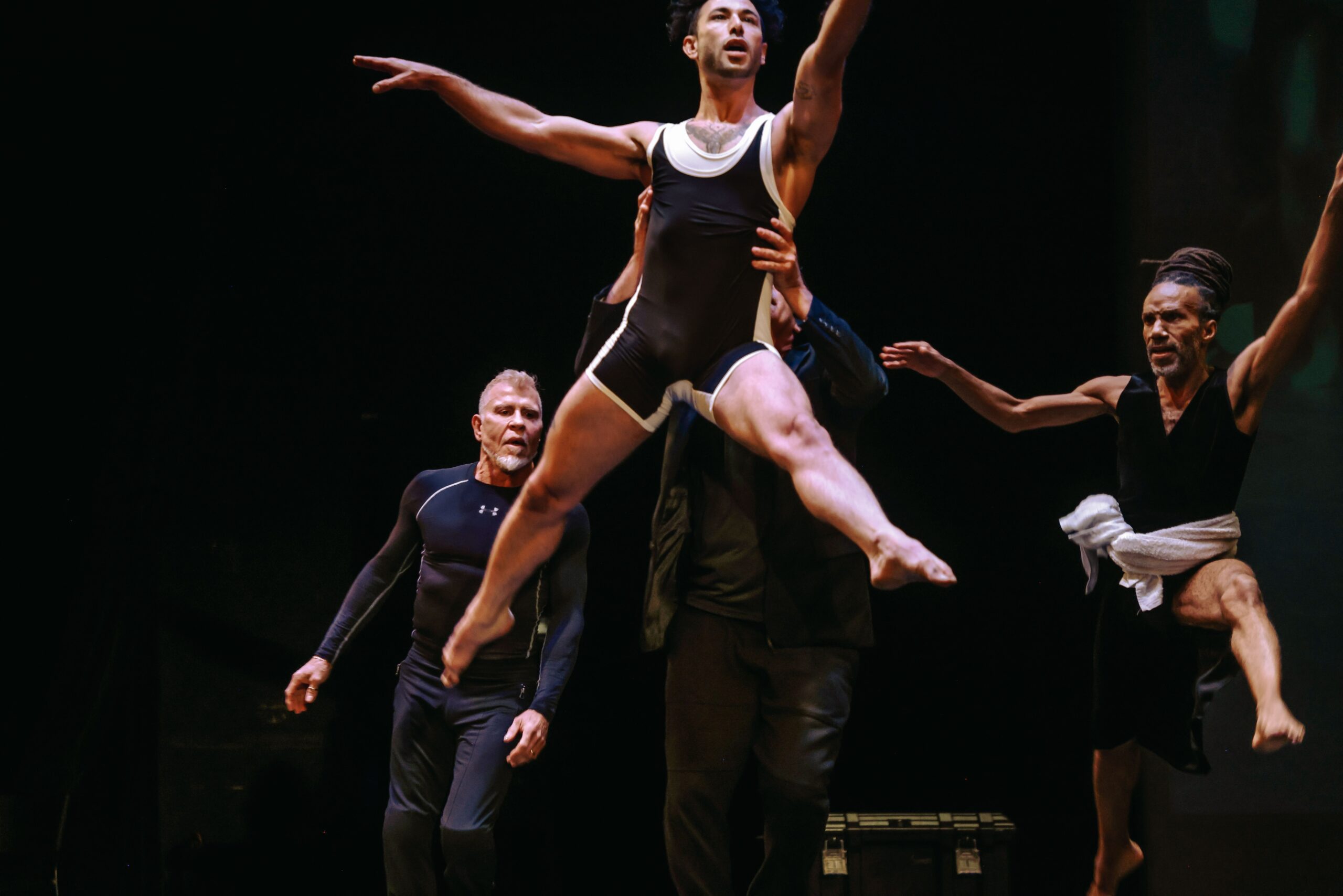
    Forget dusty myths, Pioneer Winter Collective, Miami’s reigning disruptors of dance, just unleashed “Apollo,” a queer explosion of movement and truth. Part of the fierce “Out (Loud) in the Tropics” series, this ain’t your grandma’s theater.

    The epic, spellbinding recital took place at the Miami Theater from April 25-26. It was a special night filled with some of Miami’s best and most consistent storytellers.

    Opening night, Friday, featured a very healthy turnout, jam-packed, dare we say a scene, a cool vibe filled with some of the city’s finest cultural ambassadors, creators, arts leaders, philanthropists and patrons. It was a sixty-minute performance, straight-forward, sizzling yet balanced, a multimedia retrospective.

    “Apollo” dives headfirst into the heart of community, the echoes of the Missing Generation, and the vital act of remembering. The production profiles three queer elders embodying past Apollos, all battling, bonding, and grappling with what we inherit and what we leave behind.

    Apollo, sweet Apollo, dear god of the sun, worship me — three men, (queer) but still sons, worship me, sweet Apollo, god of music, poetry, art, prophecy and light, worship me.

    Pioneer Winter Collective’s Apollo

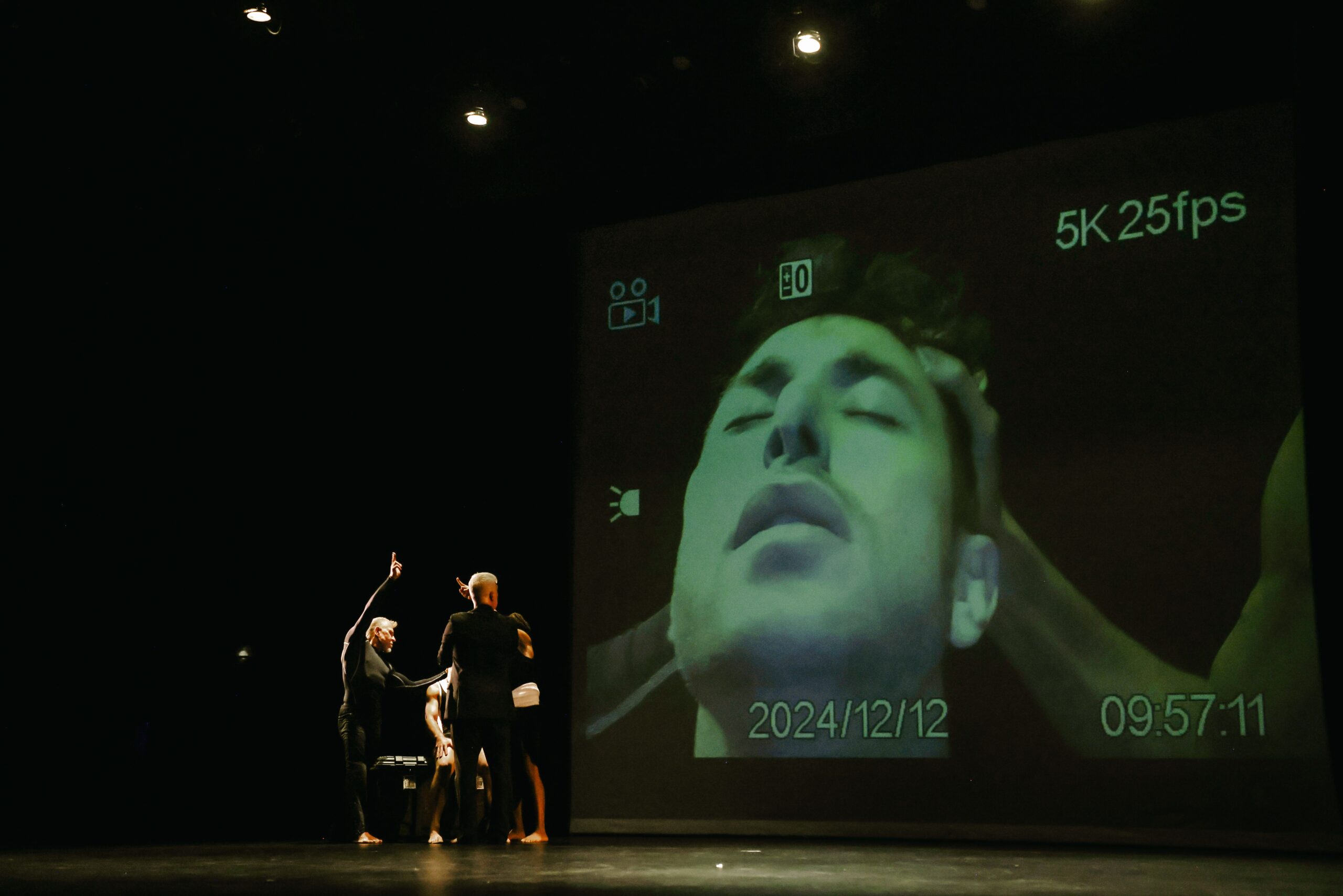
    The play featured innovative visuals. They used a camera to project on stage events to a huge screen. Not unlike Broadway’s current hit Sunset Blvd, with Nicole Scherzinger.  But in “Apollo” the visuals were not cinematic, but ethereal and artsy. It worked really well. Also, personal photos of the actors appeared, like a montage, further cementing the theme of legacy in this production that we learned took two years to produce.

    “Apollo” also featured a prolonged structured poetic narrative, highly original storytelling, nuanced & personal. It was written by one of Miami’s best playwrights, Juan C. Sanchez, of Miami Motel Stories lore, the piece was empowering and evocative.

    Dare we say this was an opus on legacy, but an exploration into legacy bordering on a magnum opus. To find something critical, there could have been a little more movement, a little more dance, but this takes nothing away from the overall aesthetics of thie piece.

    Final Thoughts

    Pioneer Winter himself, playing the Mentee Apollo, declared this a “very queer, self-birthing,” a testament to the power of endless reinvention.

    Fellow performer Octavio Campos summed it up: “It’s about carrying on the legacy… We carry them in every breath.”

    “Apollo” throws a vital mirror onto the stage, showcasing bodies of all ages and abilities. Winter’s mission? To shatter narrow definitions of dance and ensure every body is seen and celebrated.

    It wasn’t just a performance. It shook like an intergenerational earthquake, demanding we confront who we honor, who we erase, and what a true hero even looks like.

    Pioneer Winter Collective premiered “Apollo” at Miami Theater Center on April 25-26.

    Follow Miami Light Project for more info on future events.

    You don’t want to miss special events like this.

    Photos by Passion Ward
    Photos by Passion Ward


    Photos by Passion Ward

    Acknowledgements

    This article’s published with the support of the Miami-Dade County Department of Cultural Affairs and the Cultural Affairs Council, the Miami-Dade County Mayor and Board of County Commissioners.

  • Locust Projects Presents Tomas Vu’s Final Installation in David Bowie Trilogy

    Locust Projects Presents Tomas Vu’s Final Installation in David Bowie Trilogy

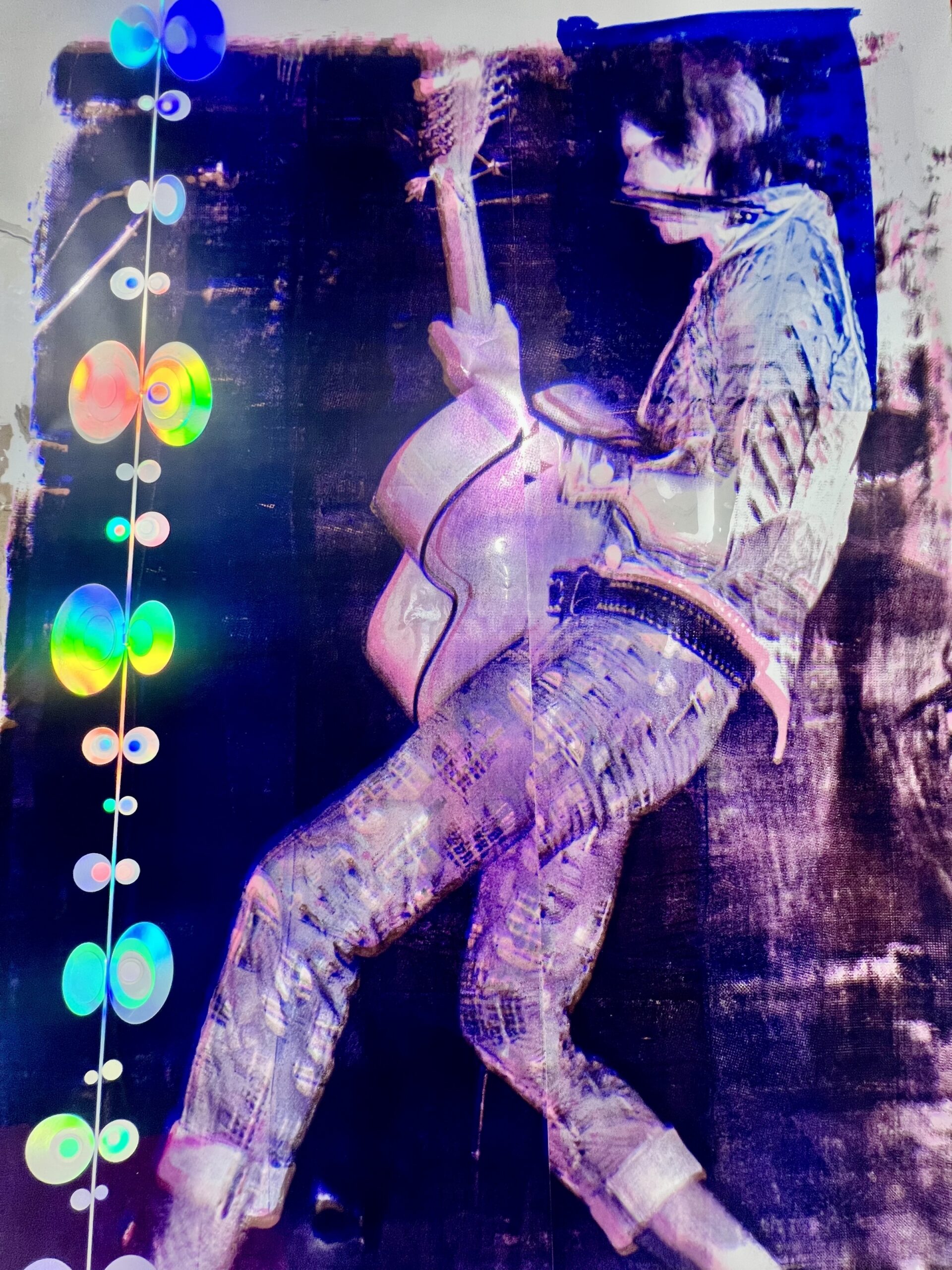
    Locust Projects is kicking off Spring Fling season with an interesting exhibition. Starting this week, let’s welcome Blackstar 16/25/60, a giant intermedia installation by artist Tomas Vu.

    Taking its name from David Bowie’s amazing final album, Blackstar, the exhibition is inspired by the cultural and artistic legacy of David Bowie and his role as a cultural “mixer,” blending genres, ideas, and influences into new forms. It looks interesting, interactive and thought-provoking.

    Blackstar 16/25/60 is the third and final project in the artist’s Bowie-inspired trilogy that started in Berlin in 2019 with Space Oddity 69/19/45. That explored the struggle between man and machine. In New York, The Man Who Fell to Earth 76/22, warned of a technocentric dystopian future where humanity is left behind.

    We have a press preview of the final installation right here.

    According to Locust Projects website: “With rising sea levels looming overhead, the artist sees Miami as the perfect venue for the third and final piece of the trilogy. Blackstar 16/25/60 will take the opposite path from the previous by imaging a world overrun by nature. It pulls from the artist’s past works and personal archives as a harbinger of the future. It also forges a new space of possibility and potential, as both an outpost—a warning of the future to come—and a sanctuary for learning to survive in it. Through workshops and community activations, together we create a dialogue and seek to understand how we can find solace in a future where nature holds the power.”

    About the Artist

    Tomas Vu (b. 1963, Saigon, Vietnam) is a New York-based, Vietnamese-born artist and printmaker. His work investigates themes of memory, displacement, and the intersections of personal and collective trauma. Through intricate prints, large-scale installations, and multidisciplinary projects, Vu’s work examines the complexities of identity and the human condition, shaped by his experience as a refugee from Vietnam.

    Locust Projects New Exhibition

    Blackstar 16/24/60 opens to the public on Wednesday, April 30. 

    The show premieres on Saturday, April 26 during Spring Fling. It serves as the inspiration for their annual fundraiser’s Space Oddity theme. Proceeds from the event support the 15th anniversary year of LAB: Locust Art Builders Summer Art Intensive for Teens.

    Locust Projects is located at 297 NE 67th Street in Little River area.

    Try to make it out. This one looks pretty cool.

    How many times does an angel fall?
    How many people lie instead of talking tall?
    He trod on sacred ground, he cried loud into the crowd.
    “I’m a blackstar, I’m a blackstar, I’m not a gang star.”

    For more info, click here. 

    Acknowledgements

    This article’s published with the support of the Miami-Dade County Department of Cultural Affairs and the Cultural Affairs Council, the Miami-Dade County Mayor and Board of County Commissioners.

  • Learning about World War 2 through French Films

    Learning about World War 2 through French Films

    You wouldn’t know it to talk to me, but I was in a French magnet program. I took many years of French. At the time, I was scared to speak it and, frankly, I just thought I was “bad at languages.” Then, when I graduated high school, it suddenly clicked. I had a level of fluency that was minimal, but adequate. The brain works in mysterious ways.

    But the best thing I got out of French class wasn’t my ability to kill it in 1st grade French on Duolingo 27 years later, but a love of international film during my teenage years that deepened my humanity and understanding of history.

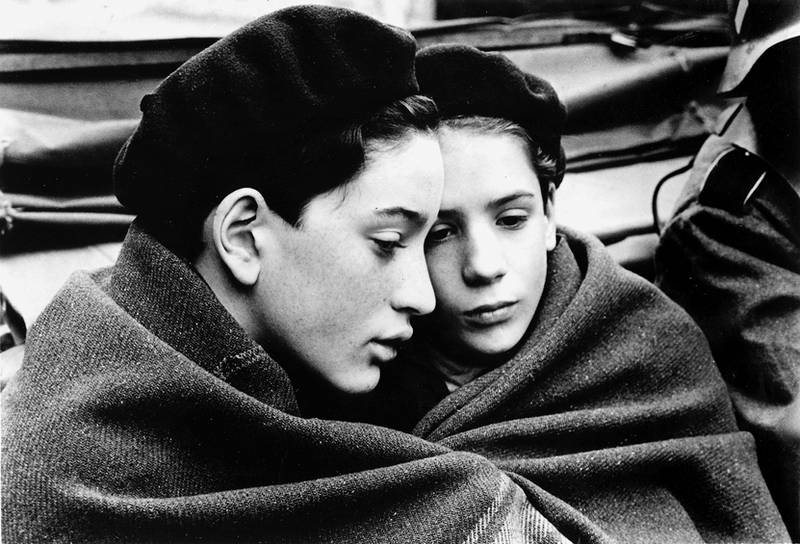
    As a way to process their experiences, Europeans became low-key obsessed with making WWII films. The arthouse movies with personal stories or creative approaches had a lasting impression and emotional resonance for me, more so than the bigger budget films like American-made Schindler’s List (1993) and even Life Is Beautiful (La Vita è Bella) (1997) with Roberto Benigni.

    While the kids in the German language program at my high school watched Das Boot (a 1981 film that takes place in a submarine with some homoerotic undertones), the French students were encouraged by our wonderful teachers to rent 1987’s Au Revoir Les Enfants.

    It’s based on the experiences of famed director Louis Malle (he was married to actress Candice Bergen, AKA Murphy Brown) and tells the story of a French priest who sheltered Jewish children during the war. The priest and the children were caught and sent to death camps. Au Revoir Les Enfants — which is what the brave priest says as he’s carted away — is a gorgeous depiction of boyhood, friendship, and bravery that really drives home the horrors of gen0cide and ethnic cleansing through thoughtful storytelling. Another must-see film is Europa Europa (1991), a riveting story about a Jewish teenager who flees Germany and eventually has to pose as a N@zi Youth to survive.

    I recently learned that there are people in the U.S. who aren’t being taught about the holocaust in public schools. (And we wonder why we’re in trouble.) So, a little background for those people: Around six million Jewish people and other groups like LGBTQ+ people, people with disabilities, Roma (gypsy) people, and political dissidents were tortured and killed in a variety of horrific ways by the Germany state from the early 1930s to 1945. How could schools omit this atrocity? It’s beyond me. It was less than 100 years ago!

    I can’t say when I first learned about the holocaust, but I learned a lot about it. I read The Diary of a Young Girl by Anne Frank in middle school and grew up watching PBS in Miami where there’s a big Jewish community. In high school, I visited Yad Vashem, the World Holocaust Remembrance Center in Israel, on a family trip to the West Bank.

    But I think the storytelling of cinema was the most effective teacher, and might be for an audience of kids who are growing up with nonstop screens at school and at home. At a time when U.S. schools are being targeted for inclusive approaches to teaching and books are being banned, movies can provide teens not only with critical historical information, but an emotional understanding of history so that they don’t repeat it.

    For those paying attention, it may be too late or maybe this is our last chance to show the next generation what’s at stake.

    Follow Liz Tracy’s Substack, Not a Serious Life, for not-serious takes on pop culture, our aging bodies, and more.

  • What Dirt Does Chris Grier Have on Stephen Ross?

    What Dirt Does Chris Grier Have on Stephen Ross?

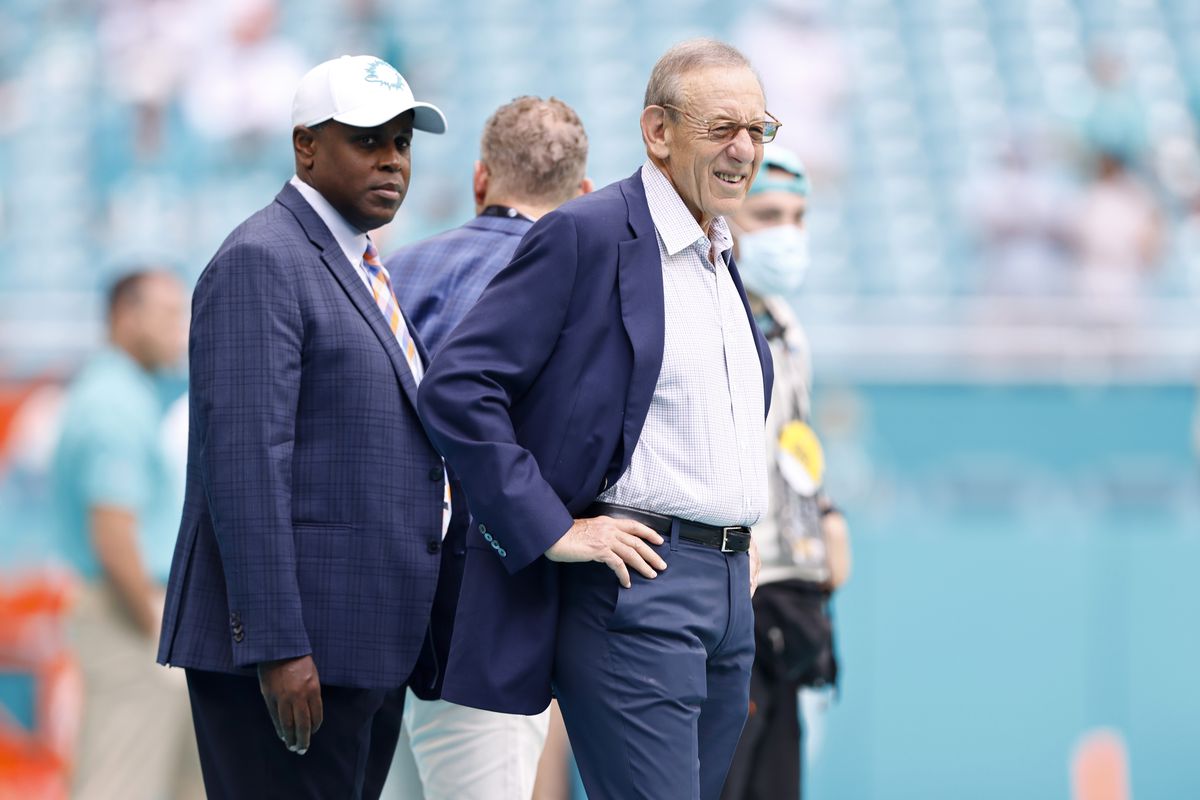
    It’s a cliche for unhappy sports fans to accuse bad coaches and GM’s of having blackmail material on the team owner. But with the case of  how Chris Grier is still in charge of the Miami Dolphins, the joke might have some truth.

    Chris Grier became general manager of the Miami Dolphins all the way back in 2016. In his  years in charge the Dolphins actually have a winning record of 75-73.

    Not bad, I guess.

    Except going into tomorrow’s 2025 draft the Dolphins have as little hope for their future as any time in the last decade. Their quarterback is one bad hit from retirement. Their coach forgets the rules of football as soon as it’s sweater weather. Their hall-of-fame bound cornerback is being shipped out. Finally their star wide receiver gets in trouble with the law on a monthly basis.

    Chris Grier has had one strength.

    He is great at getting draft picks for players. In 2019 he turned all-pro offensive lineman Laremy Tunsil into two first round picks and a second round pick. One of those first round picks Grier was able to trade to the 49ers for three more first round picks.

    Unfortunately Grier fumbles with selecting players with those picks. His worst flaw is disregarding players’ injury histories. Quarterback  Tua Tagovailoa had brutal injuries in college, same with another first round draft pick in linebacker Jaelan Phillips, as did another linebacker the Dolphins traded a first round draft pick for in Bradley Chubb. Each player has repeatedly missed chunks of seasons due to injury.  Either Grier has too much faith in the Dolphins’ training staff or is a firm believer that lightening can’t strike in the same spot twice.

    Throughout his near decade reign of terror, the best the Dolphins have done is steal a wild card spot in the playoffs, only to get hammered by superior opponents in cold weather. Grier has been with the Dolphins franchise in one position or another since the year 2000. The last time the Miami Dolphins won a playoff game was in the year 2000. You’d think he would be fired by now, just out of fear that he is a bad luck charm. But no, he is still calling the shots throughout another dismal Dolphins offseason.

    The only reason I can think of him still being employed has to do with the Brian Flores lawsuit.

    Flores was fired by the Dolphins in 2022 as the head coach after back to back winning seasons. Flores made accusations that Stephen Ross would pay him extra for making certain the Dolphins lost games and that Ross was trying to sign Tom Brady while he was under contract with another team.

    Grier, of course, would be privy to this information. Is it that outlandish to think Ross lets him keep the job as long as Grier keeps his mouth shut?

    No more outlandish than that a guy who can’t put together a roster than can win a playoff game, gets to keep trying year after year after year.

  • Betsy Hotel Celebrates International Jazz Day April 30

    Betsy Hotel Celebrates International Jazz Day April 30

    Wednesday, April 30 is International Jazz Day and The Betsy Hotel is ready to bebop through the early night. From 8-11 pm, the hotel’s Piano Bar located at 1440 Ocean Drive, Miami Beach, FL 33139 will showcase live music with no cover charge featuring opening sets from 6 PM to 8 PM: Don Echols (Flute), and Kat Iwanusa (Sax), with Kameo DeAngelo (Keys). AfroBeat AllStars opening at 8 PM. Below is their press release on the festivities.

    The Betsy Hotel, a Michelin Key hotel and home to Miami Beach’s longest-running live music series, proudly presents a captivating tribute to Florida’s rich jazz legacy to celebrate International Jazz Day 2025. On Wednesday, April 30, the hotel’s Piano Bar will immerse guests in the soulful sounds of funk and soul performed by some of the region’s most talented musicians. Returning for its second year, this special event continues The Betsy’s commitment to celebrating the cultural impact of jazz.

    Presented in collaboration with Diaspora Vibe Cultural Arts Incubator (DVCAI), the event is supported by the Greater Miami Convention and Visitors Bureau, the City of Miami Beach, Florida International University’s Wolfsonian Public Humanities Lab, the Plutzik Goldwasser Family Foundation, The Miami Foundation and the Jorge Pérez Family Foundation CreARTE Program. The evening will showcase a blend of music, history and community, offering a memorable experience where every note tells a story.

    “Hearing Afrobeat rhythms at The Betsy is always invigorating, but watching the audience light up and move to the music makes the experience truly special,” said Rosie Gordon-Wallace, founder of Dispora Vibe Cultural Arts Incubator. “With a rich lineup of performances and a deep appreciation for jazz history, The Betsy’s celebration promises an unforgettable experience that honors the past while inspiring the future.”

  • Eddy Gatoe Talks Punk, Path and Process in Life and Music

    Eddy Gatoe Talks Punk, Path and Process in Life and Music

    Eddy Gatoe, whose name you may know from his time in Dyslexic Postcards or The Collektives, or more recently as the inaugural host of Savage Lab’s award-winning open mic, is a Miami-based singer-songwriter, performer and event coordinator whose sound is a mix of punk, rock, comedy and more – a reflection of his upbringing and the world around him.

    I’ve been co-hosting the Writers in the Round at Bar Nancy with Eddy Gatoe for almost two years now, and we’ve had plenty of conversations about life, the Miami music scene, songwriting – really everything. But like a cat, Eddy has already lived several lives, different eras that span his unique upbringing, early days in music, up to now, with his recent and upcoming punk-meets-rock-meets-folk releases. Every time we’ve had a conversation I learn a little more about the nostalgic Miami scene of days past, and hopes for its future and I wanted to give you a little insight into the almost-mythic persona that is Eddy Gatoe.

    How long have you been playing music? How long have you been in Miami?

    Eddy Gatoe: So, I was born in Port Cheste, New York, which is about an hour from the Bronx. I lived in Jackson Heights, you know, we’re Colombian. I’m half Cuban on my dad’s side, half Colombian on my mom’s. My middle name’s Xango (pronounced “Chan-go”). You know, that’s a very cute Afro-Cuban name.

    So New York…and when did you make it down in South Florida?

    I got to Miami, Florida when I was like 2 or 3 years old. I don’t remember anything about New York. Yeah. My first memories were in Miami or maybe a little bit in Orlando. So, I moved to Miami when I was like 3. I went to preschool in Miami. I’m 100% Miami, through and through, like, I’m bro, bro.

    That’s going to be the headline of this article. Eddy Gatoe, the bro, bro.

    I’m the bro, bro. Bro, bro Xango. [laughs] So, I grew up in Westchester, Miami. Went to Greenglades for elementary school, and then junior high I went to WR Thomas and then I went to Southwest High School.

    And you said you’ve been playing music since you were 13? Like, did you have a band in high school? What was the first instrument you played? Or did you play?

    Oh, yeah. My first band was in junior high. The guitar. [I started] maybe when I was like 6. I tried to learn because my dad’s an opera singer. And then, on my mom’s side, my uncle and my grandfather played instruments. My grandfather played accordion, and my uncle played guitar and a little bit of piano, self-taught. But my dad actually studied in conservatory for opera, and you know, did gigs as an opera singer, which is, if you know anything [about opera], you need to know your craft and know your shit to even be taken anywhere seriously. So, I always had good music around. While the family was together, there was definitely a lot of good music of that classical type that I believe instructed my personal taste in melody and composition.

    What are some of those bands?

    In the early days, the hard rock bands were like Guns N’ Roses, Mötley Crüe…like I’ll never forget, he [my brother] had a Led Zeppelin tape, but the other side was a Beatles tape. He had a Black Sabbath tape and one of the big, big influences was Eddie Murphy’s Delirious album on tape and NWA, Straight Outta Compton. I was like 7. Eddie Murphy, it was his comedy. It was very like, I shouldn’t have been listening to it. So, in a lot of ways, it influenced a little bit of uh comedic timing and I think I believe in some of my music and shit too.

    And NWA too, it really got me into hip hop. You know, and my brother probably stopped listening so much to hip hop by the time I got to high school, I started listening more and more because I always liked it at a young age.

    Alright, so you had these influences when you were like 5 to 7 years old, listening to your brother’s music. But you said you didn’t really start playing music until you were 13.

    Yeah. 13 years old. So, there’s a BC and an AD and you know, there’s also a BK and an AK. And that’s before Kurt and after Kurt [Cobain]. Michael Jackson was a really, really big influence. Then Guns N’ Roses came and was the closest thing—like my, you know, holy shit moment like, oh, my God, these guys are crazy. They’re tight, you know? Their hair isn’t totally teased and they’re not like, they just look like fucking crazy street dudes and it was amazing. And then just a couple years later, we didn’t know that that was the last of the real, you know, old school type of 80s rock band and Nirvana comes with this, didn’t give a fuck about their look, which was their look, you know, all these progressive ideas, this really raw music and big, big, fucking simple hooks. And then, it just brought the whole Seattle wave and it just, it changed rock and roll forever in just so many years. And that was 91. I was 10 years old. And those three years that Kurt and Nirvana ruled and became the biggest rock stars, I had every article. I had the biography even right before he died, you know what I mean? And I had put down the guitar for a while, but I knew that I just wanted to get back into doing it. And then he [committed suicide] in 94 and I was like 13 and I said, that’s it. And I got my mom, my dad to, you know, scrounge up both of their things, even though they were, you know, not together, to get me an electric guitar.
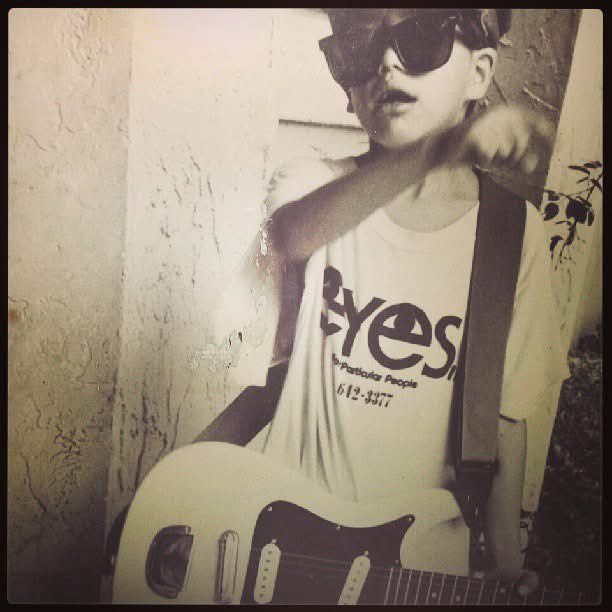
     Wow! Before Kurt and After Kurt. So you convince your parents to get you a guitar. What did you learn first?

    I immediately taught myself tablature. I just bought a Guitar World that had “Heart-Shaped Box” and then I taught it to myself, and then I immediately used the same chords and wrote my own first song. It was called Imodium. Imodium, like Imodium AD. Oh, my gosh. I was that obsessed with Kurt Cobain that I knew that Breed on Nevermind was first called Imodium. So, Kurt, there’s Kurt. All right. And then a lot of big influence came after where it’s like, you know, Kurt got me into progressive thinking…breaking down a lot of old school ways of thinking that I would still hear around me, you know what I mean? From feminist ideas to, you know, [the origins] of homophobia and racism. Like, [Kurt Cobain] was very vocal at a time that it wasn’t the hip thing to do for the biggest rock star in the world to be so like, “hey, if you come to my concert and you’re this, this, this, get the fuck out.” He really was like an anti-star, you know? And then, the fact that he killed himself and left his art, it left a huge impression on a young kid like me.

    If you were to pick a Nirvana song that wasn’t “popular,” but was like a song that you loved, which one comes to mind the most?

    There’s one that that’s off a split single with the Jesus Lizard, and it’s called “Oh, the Guilt.” I have no idea what it’s about, but the way that the drums are recorded, and it was like after Nevermind, and right before or during In Utero sessions. It’s so raw and dirty, and it has a really cool, like staccato verses. It’s like, “dum dum dum-dah! Dum dum dum-dah!” And he’s just like, he keeps on singing, “She, she, she” you know, and knowing that he’s feminist, you could only wonder he might just be talking about either his sister, which he’s talking a lot about, uh not in a negative way, but maybe Courtney. Sometimes it just was like reading from a newspaper with how direct he could be with some lines. I like that – I tend to be like that, you know. Yeah. I’ve become a lot less avant-garde with the lyrics, but a little bit more poetic. Right. I think that comes naturally with age, of trying so many different styles of songwriting.

    Speaking of your songwriting, you sent me a song that’s about to come out. Well, I wanted to ask you. The song, “The Path” that you sent me. Can you tell me what it’s about?

     The inevitable is something that I’ve been learning to embrace. And I just felt like I knew whatever was going to come my way, a positive or negative life, would be based on the actions that I was taking because there’s so little that we can control in this world. But the things that we can’t control [reflect] a little bit of the direction that we go when the wind comes our way. So, that’s the path…the path you earn in life. And you’re going to end up at your destination, what path are you going to take is going to be what determines whether you have a life that you could reflect on and you actually learn something or you just, you know, wasted your time here without ever appreciating the gift of life. I don’t know if that makes sense.

    I think it does. The path you take, the one you do or don’t have control over –whatever that path is, that’s your life. I want to know more about your songwriting process. Did creating, “The Path,” start with the lyrics first or did you have the melody figured out?

    It started with the chords. I was playing a very basic, you know, 90s [progression]…and I knew if I just kicked the distortion on it and didn’t really deviate from the four chords, it would still sound really good, like Smells like Teen Spirit or many songs that, you know, basically use the same chords throughout the verse and the choruses. And then, I just made sure to add a little bridge to give it a little bit more depth and make sure the dynamics were really good. So, I basically wrote the music first, but the chorus, I would say, is the first thing I wrote.

    I love that. So the lyrics of the chorus are what you wrote first after the progression…what were they?

    It says, “you’re on, you’re on your way…to get a piece of what’s deserved. It is the only way. You take the path that you have earned.” And, I was just feeling in that moment, as soon as I reflected on what it was, it’s, you know, wherever you are in your life, you’ve earned it. Where if the seeds that you planted are now, you know, churning negativity, well, that’s the path that you earned. Or you’ve burnt your bridges, you know? I did a lot of that, so I was reflecting on that, but I’m also in a very good place right now and I feel it’s because of a lot of positive seeds I’ve planted. I’m really big on [the whole] like life being a lesson thing, you know what I mean?

    So the lyrics essentially get at life being a lesson?

    You could either be the lesson, or you become the lesson, or you learn the lesson, or some people learn the lesson, or some people actually become the lesson long enough that they finally learn the lesson. Yeah. So, that’s kind of where I’m always at with my head. It’s like, I don’t want to be just the lesson. I want to learn the fucking lesson. I don’t want to be, before it’s all over, looking up and saying, well, what could I have done differently and really regret everything, you know? I think there’s always time for change. And I think that’s really it. It’s a positive song, it’s an affirmation song.

    A song that is meant to give you hope?

    Yeah. It’s not a negative song. But, the peaks and valleys…when you’re at your lowest, the peaks seem so far away, but also when you’re up you have to realize that at any moment, the bottom can fall out in certain ways, that so many things are uncontrollable. But, you don’t want to sit back there and be like, okay, I had great luck, but I fucked it all up because I made poor choices. Right. So, I’m really big on that. Because I’ve had very good influences in my life and very bad influences in my life.
    Who would you say currently is your best influence?

     Like top of head. My mother. My mother, my uncle, and then, uh, you know, the community of musicians. I’m talking about a tight circle within a larger circle within a larger circle. It’s a microcosm of the Miami music scene. Uh, we’re all friends and we’re all family and we’re all positive people that don’t want to bring each other down. We’re not here to critique and we’re here to lift each other’s creative spirits up for the sake that it just benefits all of us. A symbiotic relationship.

    A little bit of a subject change, but really, I gotta know, is Gatoe really your last name?

    No, my name is Edward Xango Diaz De La Torre. Ooh, it’s long. Yeah, it’s a mouthful.

    You know I’m gonna ask the next question. What do you think the next question is?

    Uh, why do they call you Gatoe?

    Exactly. Of course! Like, were you hanging out with cats? Like, cool cats? All the cool gatos?

    In junior high, my mom would call me “Gato” ’cause my eyes – ’cause I have dark uh hair or whatnot and I guess it’s just, you know, nobody else in the family had these eyes. And so she would call me Gatito sometimes, and then people overheard it, and then they started calling me Gato. And then it stuck, and then I just started calling myself Eddie Gatoe, and then I would write graffiti, and that was my tag. Gato with an ‘e’ at the end, so it’s like phonetic.

    I love that your mom is not just a good influence in your life, but also informed the name that you use in the music scene in Miami.

    Oh yeah, no that woman has informed everything I’ve done ever. It’s funny, right?

    It’s really nice to hear, honestly. So I wanted to ask you more about your starts in music. What was the name of your first band, and when, when was that?

    That was like in ’95. [I was] 14. I started a band immediately. We were first called Nameless, made a little tape. Then we were called Grunk, and Grunk went all the way through ’99, 2000. Okay. Um, so with Grunk, you know, fast forward from junior high to high school, and 1996 is my freshman year of high school. Okay. And we’re just, you know, a hardcore punk band with tendencies for alternative rock, but we were very influenced by like Dead Kennedys, and Black Flag, and Exploited, and I was really into that at that point. Plus, Nirvana and Mudhoney and the Melvins and L7, Hole – all that shit. Well I dropped out of high school. I played in Grunk, but after…So, yeah, in ’96, the first show that we played uh ’cause we got a little clout, was at Cheers, which was like an underground punk club, near the Roads. Um, so, my friend Adam, his mom, who was eventually the manager for Dyslexic Postcards [another band], she was part of the ownership and management of that place, and they started doing punk shows, all-ages shows. Triple A would play there, the Crumbs would play there. All these fucking people would play there, and then Marilyn Manson at the time was producing a band from Fort Lauderdale called Jack Off Jill. And they were performing. So, Adam’s mom and somebody else from like the hardcore scene altogether got us the opportunity to open up for Jack Off Jill, which was cosigned by Marilyn Manson. That was my first official gig ever, and at the time it got packed, like to capacity.

    We were the opening band, 16-year-old with braces on, singing a Black Flag song, a Dead Kennedys song, and then a set list of eight original hardcore Eddy Gatoe and Tony and Ulysses Grunk songs.

    But then, when they separated, it was just me and my brother and my mom. My brother’s like 10 years older than me, and he, you know, it was the 80s. So, when in 85, I was 5 or 4, he was listening to dope-ass shit as a 15 year old…So, all his [musical] tastes and he basically raised me, really influenced me…

    So, did Grunk become Dyslexic Postcards?

    No, Dyslexic Postcards was around before us. It was Adam’s older brother. So, they were a direct influence on anything that we were doing. Yeah. So, but because we were young kids hanging around these guys, we got to meet a lot of people from the scene. So, we made 300 bucks, which for many, many, many, many, many years, was the most I’d ever made in any show, and it was packed, but I got a taste for it, and I knew that I could rock a crowd, like, and without shaking in my boots at all, and it felt very, very comfortable – more comfortable than I’ve ever been.

    If you had to pick, right? Out of the three – recording, playing or writing? I mean, which is your favorite?

    I mean, if you could write a song and never record it, I mean, that kind of sucks. Recording is my favorite, but I can’t take writing out of it. I like recording myself. Yeah. Even though I do like recording on other people’s stuff, and the stuff that I did with Dyslexic, you know, I didn’t write those songs, but I’m very proud, just as proud as anything else I’ve done, or, you know, co-writing something with like The Collektives, also very proud of that, or anything that I’m featured on, I’m very proud of. So, yeah, I guess, I’d say I feel very, I feel very excited in a studio. I feel at home on stage.

    If you weren’t doing music, so say, that was actually a thing that you had to worry about, um, what other things would you like to do? Like, what would your career have been if you weren’t doing music?

    I’d definitely be a restaurant owner of an already respected and established place, and I would integrate music into it somehow…having cool nights where we play good music and people can come and not necessarily be a live venue, but that would be ideal.

    What are your favorite Miami venues that have stood – that are still here, or newer that you really, really admire?

    Obviously we’re sad about the closings of the various venues that have been in some ways, glorified in their demise. I can’t name every single place that for sure is awesome for what they’re doing, but the ones that have my heart are Bar Nancy, Magic 13, Savage Labs. Um, Kill Your Idol. These are the places that I personally, you know, have a connection with, but then also you have places like Gramps, Shirley’s that I’ve never performed there, but I’m very grateful that they put on hella good shows. And then you have also in Broward, you have Propaganda, Revolution. Oh, yeah. You know, these places are great. The Bridge, the Bridge is amazing, amazing, amazing, amazing. Even out west, you got Eddie’s Place. Well, all these places are you know, they’re doing God’s work.

    This has been such a great conversation, Eddy! So I have a couple of final questions. This one is a biggie. If you had to define the music scene in Miami, I mean, like, really, what is it to you? Like, do you think it could be better? Do you think it’s growing? Do you think it’s complicated? Like, what are your feelings about the Miami music scene?

    People always ask about it. There’s so many different things you could say. I think there’s a larger scene of musicians, and then you have smaller pockets, but I think a lot of those smaller, tighter pockets are intersecting, and within that, there’s gonna be some kind of nucleus of something, or a group of us that will get the mainstream to shine a light on this original, live, incorporated, varied type of music from Miami, specifically about people who are, you know, playing instruments, or recording, not just your general, generic music that you hear on the radio – something different, something with integrity. I think these core musicians will shine the light for all of the various independent artists that are coming out in Miami. Like Nirvana did with Seattle.

    I feel with a certain group of people in Miami that have been doing it in the underground for so long, we’re so seasoned, and the times have changed so much that we could build a niche as seasoned songwriters, and now the rest of the country gets to see us and be like, “These guys should’ve been on the radio a long fucking time ago.” And we come with a perspective and wisdom and a little bit more finesse. I feel it’s important, and I also feel there’s a huge, huge, huge opportunity, and it’s been taken especially with people like you for the women of Miami to be heard, and I think they are probably, this group that I’m talking about is probably gonna be primarily from that love and area that is happening right now on the scene because it’s strong. And it’s solidarity and unity and it’s a positive message that’s being spread.

    OK, this is it! What do you think that the music scene could do better? Like, what areas do you think they could strengthen?

    Well, as much as we are doing, you know, a lot for the female community, I still think a lot more can be done, and we could do a lot more, you know, breaking down the walls and stereotypes and preconceived notions, and have people, women, and mostly men look at themselves a little bit more and realize there’s a lot we got to unlearn and understand. As a community.

    I [also] think there’s area for big bands that have a high level, high-energy shows, that are also at a technical prowess that’s admirable, like Carlos & the Experience. [The you have] JUKE, led by Uncle Scotchy, and then, you know, when you come to straight rock and roll, you’ve got bands like Las Nubes, and The Lab, and they’re just doing God’s work and are the future and the now of real rock music, or power rock, or power pop, or whatever floats your boat. Yeah. And then I also see the singer-songwriter game off the chain, you know what I mean? Alexa, and you with your band, you know, it’s, it’s a songwriter driven thing. You got Chris Luv, you got Carlos Escanilla, you got Ainara. Just so many, Quiana [Major], so many amazing songwriters out there, Frankie Midnight. Another great band is NGY, fucking amazing. Ryan Bauta and his band, you know. Lot of people are coming up. What I do is, you know, I’m Eddy Gatoe, I write songs and and I put ’em out there.

    And Eddy Gatoe does put them out there! His next release, “The Path” is coming out later this year so stay tuned! Looking to listen to Eddy Gatoe’s music? Check him out here.

  • Five Worst Miami Heat Trades

    Five Worst Miami Heat Trades

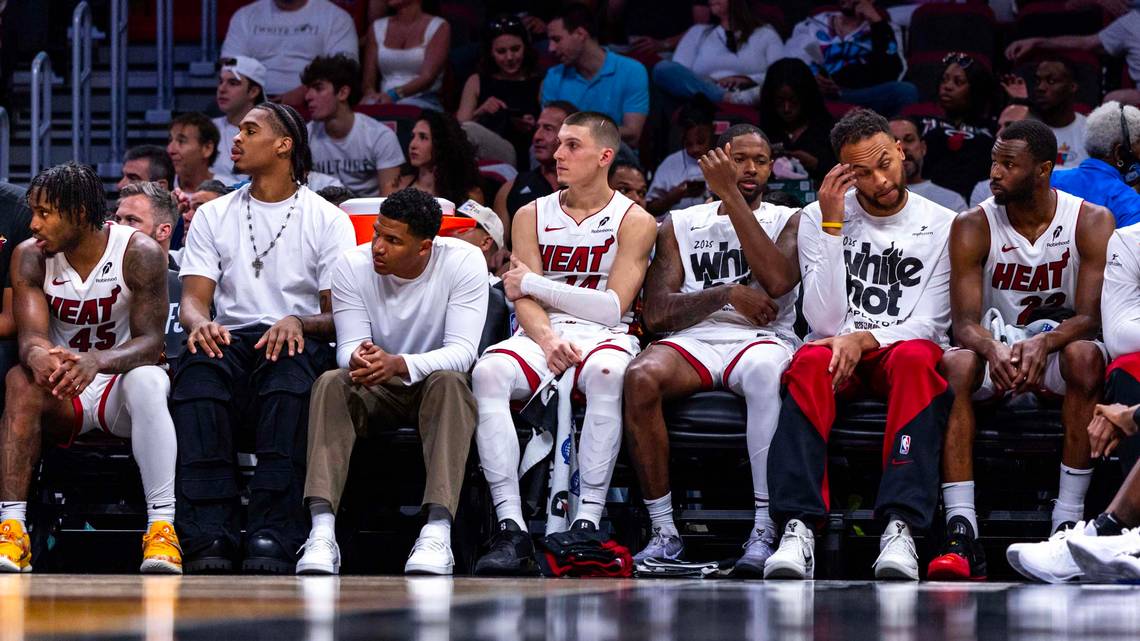
    This 2024-25 season has been a real bummer for the Miami Heat. First we were presented with the abomination of a Dwyane Wade statue. Then we had franchise legend Jimmy Butler quit on the team (which might or might not have been related to the ugliness of that Wade statue).  But the most awful punishment for Heat fans was having to watch Terry Rozier.

    Scary Terry lived up to his nickname, chucking up ill advised three point shots and turning the ball over as though he bet against the Heat (which is not out of the realm of possibilities as we’ll go over). Worst of all the Heat owe the Charlotte Hornets a future first round draft pick.

    But was trading for Terry Rozier the worst trade in Miami Heat history? Let’s analyze by reviewing the five worst Miami Heat trades.

    5. July 30, 2000 – Miami Heat trade Jamal Mashburn, P.J. Brown and 3 others to Charlotte Hornets for Eddie Jones, Anthony Mason and 2 others.

    I know what you’re thinking, this trade wasn’t so bad. It wasn’t, which is a credit to how many good trades the Heat have made over the franchise’s 37 years. Eddie Jones was a leading scorer for the Heat and Anthony Mason made an all-star team. But one year after the trade, the Heat played the Hornets in the first round of the 2001 playoffs and the Hornets walloped Miami. The Hornets swept them three games to zero and it wasn’t even that close. Jones played ok, but Mashburn outplayed him, while Mason completely disappeared. The Heat missed the playoffs the following two years.

    4. September 8, 1992 – Miami Heat trade a first round draft pick to Detroit Pistons for John Salley.

    John Salley was the first Miami Heat player I ever truly hated. Any time he came into the game it seemed disaster followed. The worst disaster was when the Heat regressed and missed the playoffs after trading for Salley and had to give up a lottery pick for the bum.  With that #10 pick the Heat could have selected Allan Houston and prevented all kinds of trauma on their fan base.

    3. January 23, 2024 – Miami Heat trade a first round pick and Kyle Lowry to Charlotte Hornets for Terry Rozier.

    Is this trade too low on the list? Maybe. The Heat were letting go of Kyle Lowry after the 2024 season anyway. But that first round pick is what’s painful. It’s unprotected. If the Heat are awful in the future that could potentially be a #1 pick in 2028. But even worse than losing that pick is the punishment of having to watch Terry Rozier.  Rozier has been investigated for altering his play as part of an illegal sports betting scheme. Unfortunately, Rozier was cleared, so now Heat fans can’t even blame corruption for his awful game play.

    2. November 8, 1994 – Miami Heat trade Steve Smith and Grant Long to Atlanta Hawks for Kevin Willis and a first round draft pick.

    Steve Smith was the best. Any time he got a defensive rebound, you knew excitement was brewing. He’d lead a fast break with a no look pace or finish it himself after a hesitation dribble. But  after leading the Heat to their first two playoff runs, the pre-Riley Heat decided they’d go for age over youth and trade Smith and Grant Long for the geriatric, short armed Kevin Willis. Grant Long by himself was playing better basketball than Willis, but to throw in Smith as well after three electric seasons was unforgivable. But misery loves company. A year and a half later after Riley took over, the Heat made possibly their best trade ever by shipping Willis to Golden State for Tim Hardaway.

    1.  February 14, 1998 – Miami Heat trade Ike Austin and first round draft pick to Los Angeles Clippers for Brent Barry.

    In a vacuum this trade doesn’t look so bad. Austin all but disappeared from the league after this trade while Barry went on to have a solid career winning championships with the Spurs, but this trade is all about context. Austin had won Most Improved Player the year before backing up the oft-injured Alonzo Mourning. Riley was worried about losing Austin in the summer as a free agent.

    The only problem was the Heat still had a season to play. A season where Miami was a championship contender. At the worst time Alonzo Mourning got in a fistfight with the New York Knicks’ Larry Johnson. In a deciding playoff game 5 Zo was suspended, and the Heat did not have a back-up center. The Knicks slaughtered the Heat in that game 5. Brent Barry didn’t play a single minute for the Heat in the playoffs. He then left the Heat as a free agent that summer and the Clippers still got a first round pick out of it.

  • Comanche P.I. – Video of Discussion of New Jitney Novel

    Comanche P.I. – Video of Discussion of New Jitney Novel

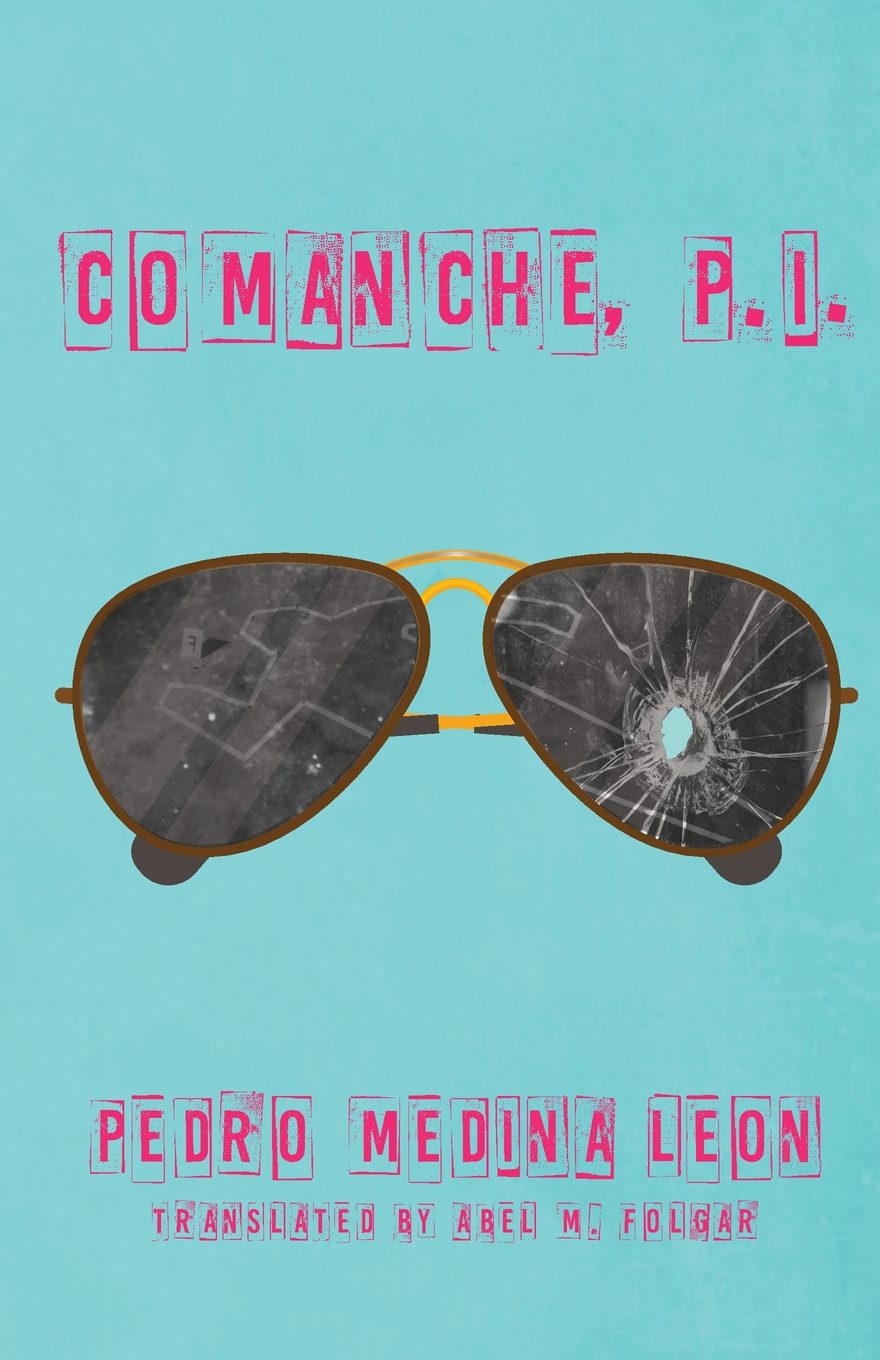
    Sunday night, March 16, 2025  at the Coral Gables branch of Books & Books, a meeting of the minds got together to discuss the new Jitney release, Comanche. P.I..

    In front of an audience of 25, author Pedro Medina Leon, translator Abel Folgar, and editor and publisher J.J. Colagrande discussed the nuances of the seedy South Beach world where the noir novel takes place. They also answered audience questions on the process of writing, translating and editing. If you didn’t make it you can check out the first half hour of the discussion below.

    If you like what you hear, the new book published by Jitney Books is now available for purchase by clicking here.