Category: News

  • The Mourning After – Death and Social Media

    The Mourning After – Death and Social Media

    Oh, death. The longer we remain alive, the more bound to be stroked with death’s paint brush within each of our circles of friends and family.

    Sometimes it barely leaves a mark, and you have to search for it by asking yourself how well you knew that person. How much of a part of your life were they? But when it’s truly close to you, it stains you red all over. Your skin and clothes all seem crimson no matter how much try to bathe or what you wear. The stain of grief is all that you see and all you are for a while.

    Sometimes forever.

    Enter the exponential evolution of social media into our lives. The doppelgangers that are our social media identities are precious and coveted my millions in this country and around the world. They most often display a reality that each account holder carefully curates to show the world.

    Sushi dinners at sunset with their significant others. Partying at a club with their friends. Pictures of their babies, (Ugg. Please dial that back a bit, people).

    But meaningful posts are at a premium for the most part. That is until grief becomes them.

    Many people feel angry and alone when they are stroked with the death’s brush, no matter how gently or splattered violently. Social media happily gives everyone a microphone to scream to the world, “Look what happened to me! Isn’t it horrible???”

    That is a natural feeling and an understandable thing to want to express. But death is a subjective subject. The way people handle death and the way they perceive how others handle it can vary greatly.

    A post or story announcing the death of a family member, close friend, or acquaintance can pull at heartstrings or trigger the follower who stumbles upon it as they scroll through their day. Everyone has their own perception, based on their own experiences, of how a life loss should be expressed.

    So, my question is this: Where is the line?

    Where is the line between either simply expressing grief on social media or just making it about them? Where is that line, and who decides where the line is?

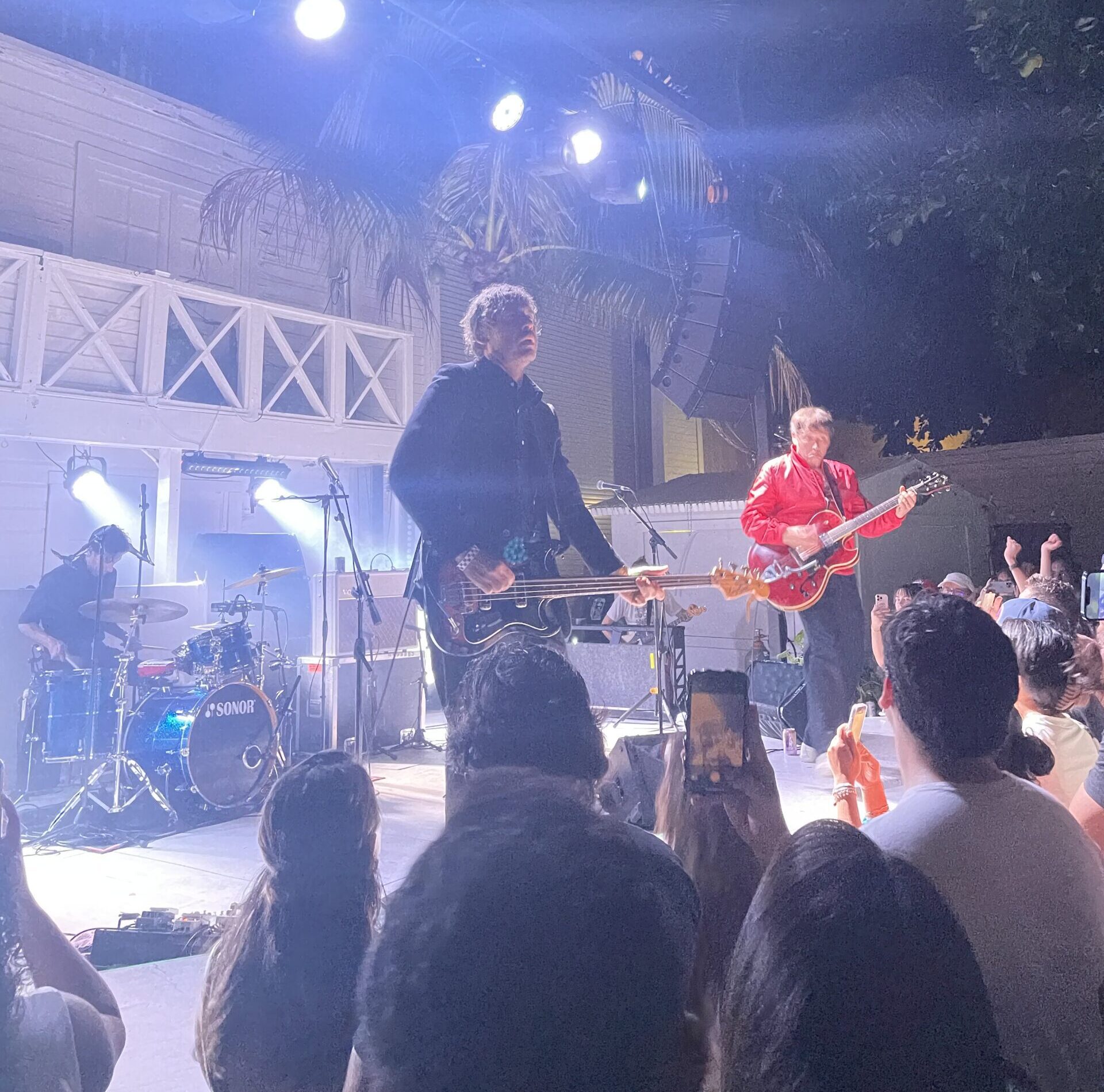
    I recently heard, via social media, of the tragic death of an acquaintance who frequented a venue I have performed and hung out at for several years. Not so much the last few years, but I knew her, and I was saddened by the news.

    My feed was immediately inundated with post from friends and acquaintances, mostly musicians, who clearly wanted to express their feelings about the loss. Many of the posts from those who were clearly the true friends of the deceased resonated true. I felt sympathy for both the grief stricken as well as their friend who was lost. It made me wish that I had gotten to know her better when I had the chance so many times.

    But as I scrolled on, many of the posts and stories made me pause. Some made me angry. Angry for the representation of the loss of a woman I barely knew.

    Lazy bona fides were given in the form of pictures of the person posting with the deceased. To me, those posts screamed, “Look at me! I lost somebody and I’m really sad! Please like and comment about my loss!”

    The posts clearly reeked as self-serving and attention grabbing. It was obvious, I thought. The woman who died could no better see those posts than someone’s infant could enjoy a “Happy first birthday to (insert baby’s name)” post.

    That shit was for them.

    The venue owner, a true friend of the victim, was distraught and organized a memorial event in his lost friend’s honor. Musicians who knew her were asked and volunteered to perform. I was not able to attend, but I understand that many friends and family alike gathered that day and it was in many ways a beautiful occasion in her honor.

    A noble gesture from the venue owner, indeed.

    But from the posts that resulted, I saw a lot of musicians (not all) jockeying for stage time in someone else’s honor. That made me feel…petty.

    Where’s the line? Who am I to judge and scoff at another person/musician/friend’s grief and determine that it isn’t genuine? Where is the line of expressing grief via social media or on stage that I find acceptable and who am I to decide?

    One person took it upon themselves to write and post a song about the woman’s tragic death that could easily be consumed as tone deaf and off-putting. The on-the-nose, childish lyrics, might and probably will offend some of those who loved the deceased.

    I was offended by listening to it.  At best, it’s a terrible song to me. But some might not be offended. Some might find it beautiful and nowhere near the line. Who is anybody to decide?

    Social media is useful, but it is also a reflective monster that mirrors the best and the worst of us. But seldom the true “us”. I would imagine that the individual line is determined by those we surround ourselves with.

    If your friends and family all feel that talking on the phone loudly in a quiet, but full, doctor’s waiting room is ok, then I guess it’s ok to be that asshole on the phone. To them.

    Look… I have literally made a living on grief. It’s in my songs. It’s in my storytelling. I literally wrote and performed in entire production of “The Blues Opera” that was based on my personal grief!!!

    That was my artistic vehicle that I used to express my grief in order to try and heal myself and others. That in no way makes me an expert. Perhaps it only made me think that I was on the right side of the line.

    Everyone has their line. The next time you see a grief-post, ask yourself if you feel what you feel for the person posting a reaction to them, or a result of your own experiences.

    Examine where your line is and why. It’s worth asking. That will perhaps help you learn something about yourself.

    … Just don’t be that asshole on the phone in a waiting room.

  • JC Gutierrez on Burn Book

    JC Gutierrez on Burn Book

    From June 26-29, City Theatre’s Summer Shorts will perform  short plays by Miami’s best emerging playwrights at the Sandrell Rivers Theater. In this series the playwrights share a little with the Jitney about their work.

    My play, Burn Book, not to be confused with the infamous “Burn Book” from Mean Girls, delves into the fierce fight against censorship and champions the unstoppable power of knowledge.

    In an era riddled with uncertainty, division, and silenced voices, it’s hard to tell whether we’re truly free or simply playing dress-up in a dystopian masquerade. Over the years, I’ve turned to faith as a refuge, a way to cope with the chaos. Yet, even faith is now under fire. Burn Book grapples with a provocative question: If the last religious text in the world were unearthed, would we burn it or safeguard its flame?

    Writing this piece was a journey through social disparity, imagining a world that has effectively erased education, something disturbingly reminiscent of 2025, while exploring hope, faith, and what truly propels us toward freedom, purpose, and meaning. As an educator, I cherish the written word’s power; as a theatre artist, I revere the freedom of expression and understand the horror of its suppression.

    Our two protagonists start worlds apart and I hope, by the end, they or perhaps we find common ground. Curiously fitting, this year’s Summer Shorts by City Theatre will present Burn Book as a staged reading, emphasizing the sacredness of storytelling, the urgent need for arts funding, and the eternal dialogue between humans and their stories.

    I can’t wait for everyone to experience this play because in the end, it’s the stories we tell that define us.

  • Musical Restlessness: Oscar Herrera Returns with Castor and Pollux

    Musical Restlessness: Oscar Herrera Returns with Castor and Pollux

    In the myth of Castor and Pollux, the mortal and immortal twins, we see a tension that transcends ancient lore—two halves of a whole, each navigating the struggles of their respective realms. This duality, so central to their story, resonates deeply with Oscar Herrera’s latest musical offering, Castor and Pollux. In an age where myth and reality are often blurred by digital filters and social expectations, Herrera’s music explores what it means to reconcile the divine and the earthly within ourselves.

    Following last year’s impressive retirement years debut, Songs For The Fallen Mountain King, Herrera turned once again to the collective power of his musical court—and to the crowd itself. As the fallen king rose through the collective power of fans and music lovers, the mythical twins shall as well.

    Herrera, a veteran of the American darkwave scene, drawing on his decades of experience with bands like Black Tape For A Blue Girl, El Duende, and The Sleep of Reason, has found his groove as a solo artist—and he’s not holding back. If anything, the gift of time most people mishandle during retirement has become a boon of creativity for him.

    Where Songs For The Fallen Mountain King was a grand tapestry of layered styles and lush instrumentation, Castor and Pollux channels a more direct energy—less baroque, more bombastic. As Herrera puts it, “For Castor and Pollux I wanted to make it more streamlined and make it sound more like one band. It rocks a little harder.” Most of side one revives tracks once performed live with The Sleep of Reason, while side two features all-new compositions, a reflection of a man both honoring his past and forging new ground.

    The record is a collaboration of trusted allies, each adding their own spark to the project. Longtime partner George Berkowitz once again takes up the mantle of drummer and co-producer, while musicians like bassist Greg Young and guitarist Alex Sanchez—veterans of Herrera’s earlier bands—return to the fold. Also involved are former El Duende bassist Yovannis Roque, saxophonist Richard Rosales, Thomas Gumino on keys and strings, vocalist Tamika Tyan, and the horn section of Sergio Wagner, Ramiro Flores, and Juan Canosa.

    “All of us carry the seed of the divine,” Herrera muses. “But at the same time, we answer to earthly desires. It’s this struggle between how far we’re willing to conform and how much we hold ourselves back to fit into society’s evolving views of success. That’s the tension I find fascinating—and it’s all over this album.”

    With Castor and Pollux, Herrera answers the question so many creatives grapple with as they grow older: do I still have it?

    “My goal is a record a year and I’m aiming for the next record to have all brand-new songs. The other thing that drives me, and I think this is a question many creative people have as they grow older, can I still create? Obviously, I’m not aiming to be a rock star, but I still have something to say, and I can still enjoy the process of making music. My soul is as young as ever.”

    Check out Oscar Herrera’s Kickstarter campaign by clicking here.

  • Juneteenth Juke Joint is at Arsht Center on Saturday Night

    Juneteenth Juke Joint is at Arsht Center on Saturday Night

    This article originally appeared in PureHoney Magazine. Check them out here.

    The classic juke joint as a place for Black Americans to play and hear live music, and to dance, drink and socialize had its heyday in the segregated South following the abolition of slavery. While just a handful bona-fide juke joints still operate today, their impact in fostering Black music and its profound influence on American life is enduring. For the third year, the Adrienne Arsht Center for the Performing Arts in Miami is recreating that formative experience with Juneteenth Juke Joint, a celebration of Black joy, music and culture that also commemorates the end of slavery.

    Juneteenth, long celebrated in Black communities, became a national holiday in 2021 marking June 19, 1865, when federal troops arrived in Galveston, Texas to free enslaved people. Arsht Center community engagement manager Zaylin Yates says that the center’s Heritage Committee, which puts together events and programming supporting Black artists, wanted to find a way to celebrate the milestone, and the Juneteenth Juke Joint was born.

    “The juke joint is for everyone,” Yates says. “It’s a night where we all get to come together under one theme of freedom, artistry and community.”

    This updated juke joint features a pre-show happy hour with soul food-inspired bites and libations, along with local poet David Hepburn and music by New Cannon Chamber Collective. The party officially begins with resident DJ Cardi and soul, funk and pop jams by Coral Springs-based musical duo The W’s, who play originals and hits by artists including Usher, Alicia Keys and Michael Jackson

    For the The W’s — musical and life partners Chadwick and Brittany Watkins — 2025 is a year of milestones. Their Juke Joint performance comes a week before the couple’s tenth wedding anniversary, and three years after Chadwick suffered a near-fatal heart attack. There’s a lot to celebrate. “We want people to have an experience together and to know that we are all coming from different places,” Chadwick says, “but our first language, music, is our common denominator.”

    Juneteenth Juke Joint with The W’s, DJ Cardi, David Hepburn and New Cannon Chamber Collective, 7:30pm Saturday, June 7 at the Adrienne Arsht Center for the Performing Arts in Miami. arshtcenter.org

  • Sweet Home, Jacksonville: The True Origins of Lynyrd Skynyrd

    Sweet Home, Jacksonville: The True Origins of Lynyrd Skynyrd

    The Lynyrd Skynyrd story, told erroneously for decades, starts not with Ronnie Van Zant but with Bob Burns.

    The seed was planted on Feb 9, 1964 with Beatlemania, which would soon sweep the US and the world. It was particularly influential on a generation of budding musicians in Jacksonville Florida. Among those was Burns, a thirteen-year-old aspiring drummer.

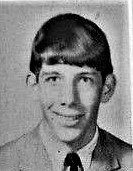
    Bob Burns, Lake Shore JHS yearbook, ca. 1964

    Burns, whose father eventually became a well-to-do business executive, was—like many students at Lake Shore Junior High School in Jacksonville’s Westside—downright stoked after seeing the British sensations perform “I Want to Hold Your Hand” on CBS-TV’s Ed Sullivan Show.

    In a stroke of serendipity, the Fab Four also performed in Jacksonville’s Gator Bowl in September of that year—one of only two southern appearances, the other being in Dallas—and in doing so set many if not most local teen-age musicians aflame. The group’s Jacksonville appearance would create far-reaching waves in the region. This was more than just a concert: it was a life-changing event, a baptism, for young, aspiring musicians in Northeast Florida.

    The Beatles were followed in short order by a wave of British groups who collectively were dubbed the British Invasion. By early ‘65, having been bitten by the music bug, Burns had decided to put his own group together.

    There were already at least two other prominent groups that had been formed by Lake Shore students: The Mods and the Squires. Both had been heavily influenced by the British Invasion, but the Mods also included numbers by American groups such as the folk-rock-influenced Night Shadows (“Little Black Egg”) from nearby Daytona Beach, the Los Angeles-based Byrds, and Tacoma-based guitar-instrumental band the Ventures. Steele also loved the Beach Boys, but he doesn’t mention in his memoir whether that group’s material was represented in the Mods’ repertoire. Certainly the name “the Mods” had British connotations.

    Larry Steele, who died in 2018, is the author of an excellent history of the Jacksonville music scene titled As I Recall. He was also the bass player for the Mods as well as many other prominent bands, including 38 Special. Steele’s best friend was guitarist Allen Collins, then 12, another Lake Shore JHS student who lived in nearby Hyde Park, across the Cedar River. Collins played rhythm guitar with the Mods. Collins would remain with the Mods through early 1966. Hence—contrary to the official biographies—Collins was not available to work with the future Skynyrd boys until that time.

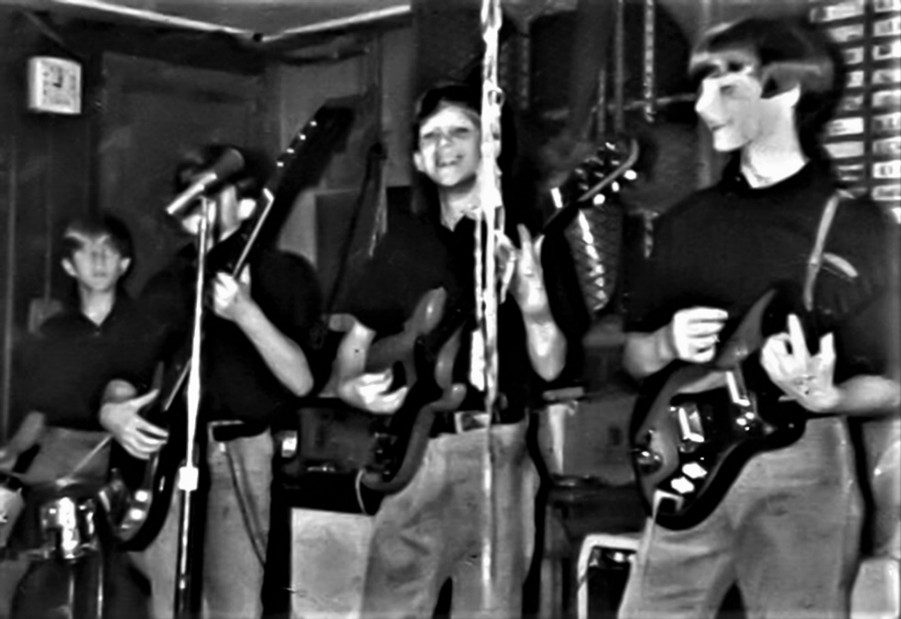
    The Mods, New Year’s Eve, 1966.
    L-R: James Rice, Larry Steele, Allen Collins, plus Us’ Taylor Corse (filling in for Donnie Ulsh).
    From the book As I Recall by Larry Steele. Courtesy of Theresa Askins Steele.

    For that matter neither was singer Ronnie Van Zant.

    The Mods soon found they had some serious competition: another British Invasion-inspired group called the Squires, led by guitarist Rick Doeschler, who was from a notably nicer part of town. Someone from the school got the idea to stage a “battle of the bands” at Lake Shore JHS cafeteria.

    Another neighborhood group was soon in the works: Burns said in a 2015 documentary-film interview he, like the Squires and the Mods, also had the idea to form a band after being inspired by the British Invasion.

    Burns soon enlisted the services of teenaged bassist Larry Junstrom, who also attended Lake Shore JHS. Junstrom happened to live only three blocks or so from the Burns household in the same small cinderblock subdivision north of Park Street in the Hillcrest area, also close to the Vant Zant home. “First it was me and Larry,” Burns said. They needed a guitarist. Burns told Junstrom he knew just the guy: Gary Rossington, who lived about a mile east with his widowed mother on the other side of four-lane Cassat Avenue, in a sedate, wood-frame house inside the old city limits.

    Rossington would cart his amplifier west on Yerkes Street, cross busy Cassat, to the Burns carport on Alecia Drive, where the three aspiring musicians rehearsed. Burns christened the trio Me, You and Him. Rossington corroborated this account in a 1998 Billboard interview.

    Where it all began: The Burns family’s carport, seen from Park Street near Lake Shore Boulevard.
    Photo by author.

    Meanwhile, in April 1965, Squires guitarist Doeschler was approached in science class by a student named Nadine Inscoe, whose parents owned an auto-parts business and lived in stately Old Ortega [locals pronounce it “Orteega”]. Inscoe politely informed Doeschler that her boyfriend, Ronnie Van Zant, had seen the Squires at a house party held in nearby Ortega

    Forest—across the tracks, literally, from Old Ortega but still very quiet and nice—and was impressed. Doeschler, flattered, said thanks. He had never heard of Van Zant. Had he known about RVZ’s reputation as a bad-ass, Doeschler likely would have thought twice.

    Inscoe then sprung it on him: Van Zant wanted to audition to be the group’s singer. Doeschler said he’d see if that were a possibility and get back to her. He talked it over with the other members, and since none of them liked to sing anyway, he reported back to her that they’d be willing to meet with and subsequently audition Van Zant.

    The interested parties met up at Carter’s Pharmacy in Ortega and had sodas together. Van Zant was exceedingly courteous and affable, so the members agreed to hear him sing. “He was soft-spoken and polite,” Doeschler said. Besides, “he was older, so we looked up to him.”

    The gathering went over to drummer Steve Rosenbloom’s house in Ortega—rather posh in comparison to the somewhat rough-and-tumble area Van Zant lived in with his trucker dad and donut-shop-waitress mom. There were no streetfights in Ortega.

    Van Zant’s audition went off well: everyone in the Squires seemed satisfied, and just like that, he was in. He soon suggested a name change to the hipper moniker “Us.” The name stuck—not because he bulldozed the others but because they saw it as an improvement.

    Steele likes to tell the story that there was a second battle—a rematch of sorts—between the Squires and Us with RVZ now on board. However neither Doeschler nor fellow Us guitarist Taylor Corse have any recollection of this purported second battle—which Steele continued to insist Us won.

    Doeschler does recall RVZ inviting him to ride with him to see the Rolling Stones perform at the Jacksonville Coliseum on May 8, 1965. Van Zant picked Doeschler up in his new, red Mustang convertible his father, Lacy, had bought him a few months previously for his seventeenth birthday. 

    The exact chronology at this point is unclear. Doeschler and the other Squires were set to go on to Lee High School [now Riverside High]. In summer of 1965, the members decided to quit music and focus on tennis and girls. Us abruptly disbanded. Van Zant took a hiatus from the music biz.

    Down but not out, Van Zant, like Collins, would nonetheless find a place to land: Bob Burns’ budding band.

    In a documentary-film interview, Burns tell the story of RVZ popping by his house one morning in 1966. Burns, who was actually a bit of a bad-ass himself, opened the front door as he was leaving for school, and there stood Van Zant. Burns assumed Van Zant wanted a showdown, for what reason he couldn’t fathom.

    Van Zant didn’t always need a reason—or much of one—to clobber someone.

    Burns, seeing Van Zant on his doorstep unannounced, braced himself and took a deep breath. In a 2015 filmed interview, he related the story:

    I said, “I don’t wanna fight you, man.” And he [Van Zant] said, “I aint here to fight.” He says, “I’m a singer, man.” I said, “You’re a singer?” He said, “Yeah.” I said, “I’ll be dang.” I said, “I got a bass player [Junstrom], and I have a guitar player [Rossington]. Why don’t let’s try to put something together.”

    Burns did some quick mental calculations: adding Van Zant to the lineup would be advantageous to his and his group’s career—but of course the name Me, You and Him would no longer make sense. Seemed like a no-brainer.

    Even with RVZ on board, Burns had decided the sound was still too thin. Burns said he wanted to recruit a second guitarist. RVZ agreed. Lots of budding pickers owned (mostly cheap) guitars, but few had amplifiers big enough to cut a gig. “I know just the guy,” Burns told RVZ. “Allen Collins.” Collins had recently come a cropper.

    Collins had just had a major falling out with Mods bassist Larry Steele: the two had been wrestling in Steele’s yard, and Steele—to his eternal regret—pulverized the tall but emotionally delicate Collins with a pro-wrestling move called a “piledriver.” Collins immediately divorced himself from Steele, which entailed surreptitiously quitting the Mods. He quietly went over to Mods drummer James Rice’s house, let himself in, and removed his amp. The others had no idea Collins was leaving until they arrived and that saw his gear was gone.

    Unbeknownst to Collins, he would soon have a place to land: Bob Burns’ new group with its new singer, Ronnie Van Zant.

    According to the perhaps-too-colorful official story, Burns and Van Zant went driving around Collins’ neighborhood on the other side of the Cedar River looking for him. Collins, pedaling his bicycle, saw them coming, jumped off and climbed a tree to avoid them. RVZ purportedly had to talk him down, assuring that they only wanted to recruit him for their new, as-yet-unnamed band.

    Steele puts the date of the new group’s formation—including Van Zant and Collins—at May 1966.

    Some members of the Mods, however, objected to Collins’ rash decision to leave the group with no notice. According to Steele’s account, drummer James Rice got Collins on the telephone and unwisely threatened him with a real ass-whipping—by Steele—if he didn’t return toute suite. This was the exact wrong tactic, since Collins’ feeling of being physically menaced was the very reason he had left the group in the first place.

    Ironically, if Collins thought he was escaping physical violence by going over to Bob Burns’ group—which quickly became RVZ’s group—he would have another think coming. “Ronnie never hesitated to keep his boys in line…with his powerful fists….” Gene Odom writes.” [T]hey always took his abuse.”

    Van Zant and his riding buddy (later bodyguard and security chief) Odom, who was even tougher than he, went over to Rice’s house, where the remaining members of the Mods were gathered. The meeting resembled a mafia sit-down. It was quickly agreed that Collins would join the new group without any further discussion from his former bandmates.

    Like a mafia don, Van Zant could be gently but firmly persuasive when he wanted to be. Odom quotes Van Zant:

    Larry, the way I look at it is this: You’ve got a really good guitar player in Donnie Ulsh. You’ve got Allen, and he ain’t that good. Gary ain’t that good either. Now I’ll take Allen and I’ll take Gary, and between the two of ‘em I’ll make [one] good guitar player…. Now, don’t that make sense?

    Van Zant wanted to sing a few songs neither Rossington nor Collins knew correctly, especially the Stones’ “The Last Time.;” He rang up Doeschler and asked if he would teach them. Doeschler agreed. Van Zant, with Rossington and Collins in tow, showed up at the Doeschler household and were rehearsing when Mr. Doeschler got home from work. Mr. Doeschler had already known Van Zant—picture Ward Cleaver and Eddie Haskell here—but did not like the look of the other two. Doeschler said his father was a bit leery of these shady-looking longhairs: “Keep an eye on the silverware,” he told Doeschler‘s mother.

    The still-unnamed quintet rehearsed furiously for an upcoming gig the group somehow landed at the annual fall festivities held at nearby St Matthew’s Catholic Church on Blanding Boulevard, only a mile north of Lake Shore JHS.

    Bassist Larry Junstrom had stopped showing up for reheasals—he had bigger fish to fry, or so he thought. He had apparently joined another group, After Five, who was working more regularly. Determined that the show must go on, the others recruited at the last minute a third guitarist, Billy Skaggs, to fatten up the sound, presumably with something akin to bottom-heavy power chords. This may have been the seeds of the concept of the “three-guitar army” Jacksonville rock groups became famous for.

    Steele writes that Jimmy Parker, formerly of Doeschler’s band, Us, was recruited to replace Junstrom on bass later that year, and the group settled on a name, the Pretty Ones, later changed to the Noble Five. Parker too, however, started missing rehearsals—and gigs—whereupon Steele filled in once or twice on bass. Parker was killed in a car crash in 1966, so Junstrom was re-added on bass, and the group became the Noble Five, later changing to One Percent.

    I was in the audience at the Forest Inn on Lake Shore Boulevard—only a few blocks from Junstrom’s house—with some hippie friends in May 1969. We would often make the short trek from from Orange Park the Westside to hear live music. That night RVZ announced that he wanted to change the name to “Leonard Skinner” [sic].

    In a 2018 documentary, Bob Burns explained: “People were calling us ‘One Percent Talent,’ and it was pissing him off.”

  • The Deep Water

    The Deep Water

    One of the first things my father said to me after my mother was diagnosed with early onset Alzheimer’s was, “Eric, we will never, ever, ever, put your mother in a home. No matter what.”

    He gave me the super serious, heartfelt, intense tone and look as he said it. As if that statement was an absolutism. “We will keep your mother here at home with us and deal with this as a family…. Together…always.”

    That was the plan for us with my mother. To always keep her at home. Never to put her in a caregiving facility geared towards Dementia-related patients. That’s what other people did.

    That was our plan for years… until it wasn’t. It hadn’t reached that point yet, but that day was coming. Neither me my father spoke of it to each other. But we kind of knew.

    I think we both kind of sensed it as The Time Thief’s plans started unfolding and the battle went into the late rounds. Or as they refer to it in boxing terms, “Into the deep water”.

    Things were about to get worse, and we were barely equipped to handle the situation as it was. Especially with my father back home but still weak from his triple bypass.

    Our living conditions on a regular basis, emotional stress level, and lack of general rest, would even test the healthiest team of caregivers.

    My pop and I were a mess, and we didn’t even know it. It was all about getting through each day….and then the next….and then the next.

    Whenever I meet somebody who has had the misfortune to have to deal directly with somebody in their family in the early phases of the disease and they tell me that they will never put their mother and a home, it’s hard for me to not get a little irritated.

    They always say it like they are a little better. As if it was a choice. As if all the countless loving families who were all previously destroyed by the horrors of Alzheimer’s had a choice. As if those who opted for a care facility were weaker or didn’t love the afflicted enough to deal with it at home.

    To be fair, it’s a common illusion that loving son and daughters have in the early stages of diagnosed dementia. Like a soldier during wartime who shines his boots every day still and can’t wait to be deployed. A soldier who has never been in a battle with live fire yet. A soldier who has never been “in the shit”.

    To the ones with battle scars, that soldier isn’t worth a hill of beans. Their opinion means less than nothing.

    Although I can somewhat empathize and might be secretly jealous of those shiny-shoed soldiers who still have a gleam in their eye, …still to this day….“We will never put my (insert close relative here) in a home” has to be one of the most ignorant statements I’ve ever heard in my fucking life.

    Look, you might be one of the lucky ones.

    Some victims are very passive. My great uncle Ferdy was like that. He became as docile as a family rabbit for pretty much the whole ride. Sweet Ferdy was like that for years as my Aunt Bernice tended to him every single day. Eventually, Ferdy just stopped eating and died.

    To be honest, that’s pretty much a best-case scenario. Everybody reacts a little bit differently to the disease.

    But the large majority of family units don’t know what’s coming. They don’t know how unrealistic, taxing, and horrific keeping someone home past a certain stage of Alzheimer’s can be.
    I’ve seen large family units turn ugly on each other. All fissures and childhood resentments get exposed in their lifelong relationships with each other.

    The sharing of duties both physically and financially is usually the catalyst to these disputes. Then there are decisions about “what’s best” for the afflicted, who gets to make those decision, and why they get the final say.

    The ones who deal with “the shit” everyday build resentment against the family members that pay for everything but might not have the time to spend. It’s far too common a scenario and it makes me appreciate our little triangle whenever I hear about it.

    But it doesn’t matter so much early on. You can’t tell someone who hasn’t been in the shit about being in the shit. Oh, sure. You can. But they won’t really get it. It will get weird if you try and explain what you go through each day. All they will offer is their pity and well wishes.

    There is an old Scottish rhyme that says, “If wishes were horses, beggars would ride.” To me, those well wishes were rubbish, and caregivers are the opposite of beggars anyway. But we needed horses.

    I truly believe that there is an honor in the worst of caregiving. Especially when it’s for a parent. Perhaps the most honor when it’s for one’s mother. The person who literally brought you into this world via pain, suffering, tears, and metamorphosis.

    By “the worst of caregiving”, I do mean the worst. The kind of caregiving that not everyone can do. The kind of caregiving that no one really knows that they can do, until they just have to do it. There is an honor in that. There has to be. It’s a lonely honor though.

    If there were an award for such an honor. I do have an idea of what it would be, hanging on the recipient’s chest. It wouldn’t be a Purple Heart, or a Silver Star. Nothing that glorious that you could break out and pin to your shirt for a parade they asked you to participate in.

    It would be one, tiny bathroom tile, humbly and discreetly stuck to the shirt. Maybe even peeking out of the breast pocket. Nobody would really notice. There would be no parade invitations. But those that know would know. They would notice and silently nod in salute as they pass by the person with their porcelain medal on. The honored would nod back, in silence.

    Almost ashamed to have received such a decoration. With no words exchanged.

    That award would be such because the bathroom is the true battleground for caregivers. It’s full of traps, tests, and obstacles that need to be negotiated several times daily.

    The bright, florescent lights, are quite sobering as the main lavatory impediments are three-fold:

    The Shower – It’s hard to convince someone past a certain stage of the affliction that they need to take a shower. The whole process can seem daunting if they are not in the mood. But at a certain point, just like anyone else, they get a bit gamey. They might even smell the stink themselves, but they won’t put two and two together and will probably tell you that something in the house is rotten. They’ll say it a lot.

    Bathing just needs to be done.

    The ritual of showering usually kicks in once they realize what is actually happening. Like the brain is saying, “Oh, we’re showering now. I know this thing.”

    The familiarity kind of comforts them. When they are like that and they are ready, you can just close the door and hangout just outside in case there is a problem or confusion takes over.

    But one must be alert.

    There’s lots that can go wrong in the shower. Just one twist of the knob too far to the left or right can result in shockingly cold water, or even worse, scorching hot water that can induce shrill screams and panic.

    It can ruin the whole fucking day for everybody.

    Lord knows I didn’t want to have to be in the bathroom to personally undress my mother. No one is comfortable removing their mother’s clothing. Even worse, if she was in the wrong state of mind, it could be problematic to say the least.

    The Mirror and Sink – This normally mundane little station of hygiene can easily be the cause of confusion, unintentional vanity, self-reflection, or even physical harm.

    Just the victim’s brightly lit reflection in the mirror can be jarring. They might not even recognize themselves. Or if they do, they might not like what they see and stare until they forget to cry.

    My mother’s pretty stained-glass mirror by the front door experiment had taught me that a while ago.

    Then there’s the toiletry contraptions. Only the necessities can be out and available. One toothbrush. One toothpaste tube. One soap (preferably bar soap), and maybe mouthwash if that’s what they are used to. At least until they start swallowing it.

    That’s all that should be at the victim’s disposal for access at the sink.

    Leaving a razor or any other sharp object around could be dangerous and won’t go well.

    It’s just careless and sloppy caregiver work.

    The Toilet – Ahhhh, the toilet. The crown jewel of the bathroom. For many people, the toilet is the only place that they can actually find peace and solitude in the house. They have kids, relatives, and spouses, all buzzing around the house.

    The toilet is their refuge to be alone. Not at my folk’s house.

    It was always the toilet that I dreaded the most.

    Sometimes my mother knew that she had to go to the toilet, but she wasn’t sure what for. Which one would come out, #1 or #2. Sometimes it was nothing at all.

    I would usually stand right next to the doorway with the door cracked. My mother would know she wasn’t alone, but I wasn’t invading her space.

    I could smell it if my mom pooped. I would hope to smell it. If she pooped, it made me happy.

    Kind of like an infant or a dog you would walk one more time at night. It’s a relief when they poop, because you knew they wouldn’t have to again for a while.

    For a long time, my mother would forget to flush the toilet after wiping. That was fine. I was always ready to do that.

    But as the process progressed, she started forgetting to wipe. My Ma would just put her pants back on and continue with her day. Until I got a whiff of the problem. Then the whole process of checking, cleaning, and changing her, would take a long time to explain and execute.

    So, buckle up. It might take hours, soldier.

    The only way I could be sure, is that I would have to basically check her work. I’d have to proofread my mother’s ass for clearance to put her pants back on.

    That was never easy to do, even when she let me and it was easy.

    It got to a point that I would frequently have to wipe my mother’s ass for her. It was repugnant, traumatic, and I would wish that on no one alive.

    But it got worse sometimes. Much worse.

    The only thing worse than having to wipe your own mother’s ass, was having to wipe your own mother’s ass and then she doesn’t recognize you.

    It happens in an instant. On my knees, I’d glance up and see the fear in my mother’s eyes happen in real time. I’d see the optical expression shift, from a look of surrender to horror, in real time.

    She no longer recognized me.

    I was a now a stranger who was violating her.

    “What are you doing?!”

    “Who are you??!!”

    “Don’t touch me!!!”

    My mother would scream as she recoiled, moving away from me and trying to stand up as she scrambled to pull her sweatpants up.

    “Mom! Please!!!” I’d beg with a folded-up square of partially soiled toilet paper in my hand.

    She’d pull her sweats up more as she started walking out of the doorway.

    “Please, Ma! It’s me! Eric! Your son!”

    “Goddamnit, Ma. Please just let me finish really quick!

    I swear I’ll be fast!”

    Then she would stop for a moment, as she kept trying to tie the waist string up. There would be a glimmer of recognition in her eyes coupled with fear and distrust. Like maybe I was lying to her, but maybe I wasn’t. She was trying to decide.

    “This doesn’t seem right at all.” My Mom would say, as she walked away, still trying to tidy herself up.

    It was always something like that she would mutter.

    I’d stand there, leaning against the wall, shaken, frustrated, and defeated. A dirty folded square of two-ply still in my right hand.

    Then… The Time Thief would put the cherry on top. Adding insult to injury, my mother would stroll back over to me a few minutes later, recalling nothing of this living nightmare. She’d act like everything was fucking fine.

    “Hey Eric…. What are you doing just standing there?”

    I couldn’t speak. I could only stare back, baffled by transference of events and state of mind she dealt out in such a short period of time like the Devil’s personal card shark.
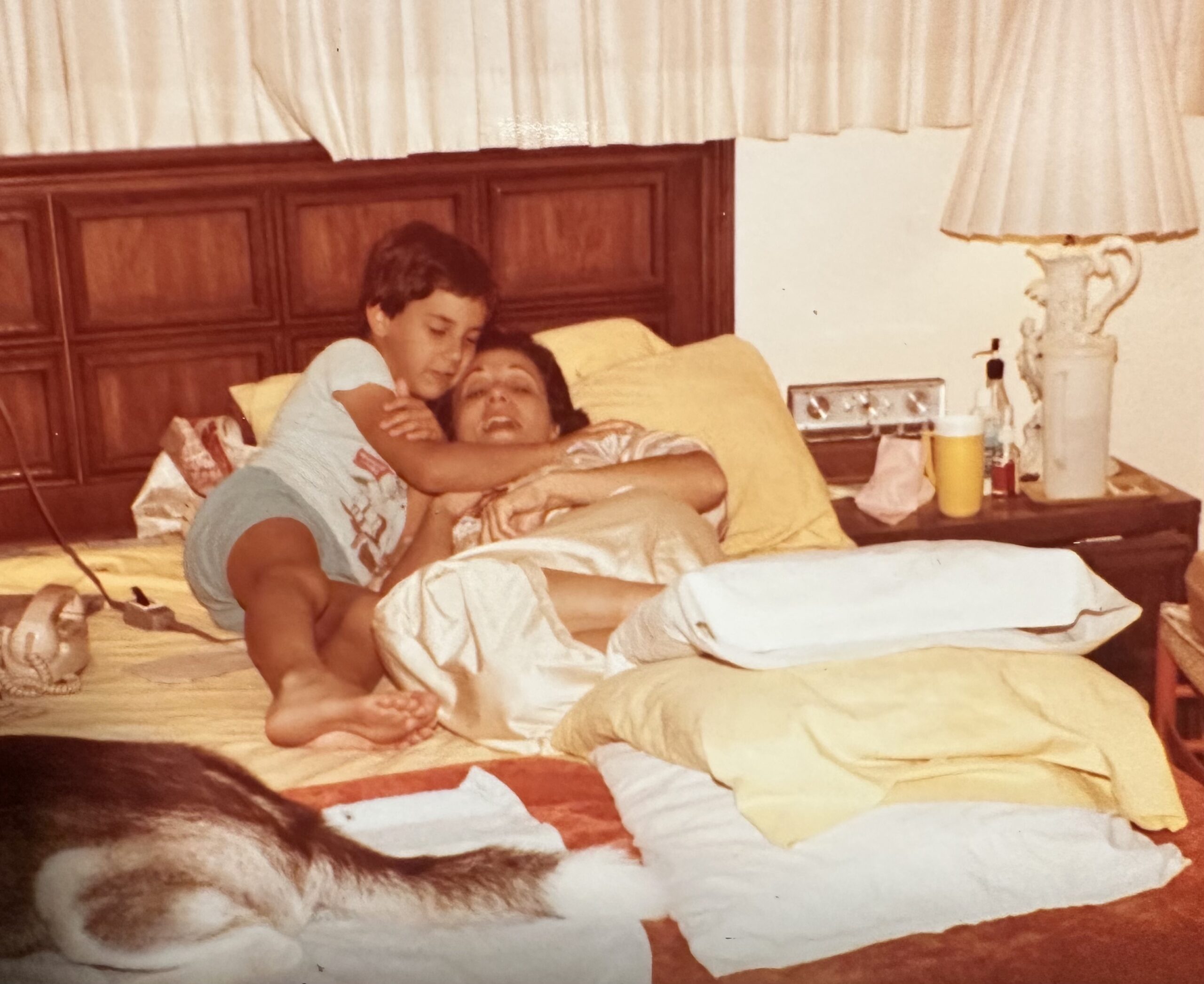
    I’m sorry if this has been upsetting. But these were the battles my father and I fought while keeping my mother at home in the beginning of the deep water.

    My pop would come home from work. Sometimes I would tell him about what I went through on a bad day, but usually I wouldn’t. He knew better than I did even. The last thing he needed was to hear about my atrocities before he even took his tie off.

    Instead, I’d tell my dad what I got him for dinner that day. Maybe chill with him for a bit and hear about his day if my Ma was in bed. Maybe we’d just watch some baseball for a while.

    We’d stay silent during the games, or my pop would bitch about the Marlins’ lack of talent like back in the good old days.

    Then I’d drive on home. The air smelled so good outside each time I left that house after one of those days. I’d drive with my windows down and light a cigarette. No music in the car. No nothing.

    I’d just listen to the wind as I’d reflect on the day while I tried to simultaneously forget it.

    Once home, if I had a gig, I’d start packing up. Start getting my shit together. Start getting ready to perform for people and sing The Blues like everything was going to be just fine.

    I’d get hammered at my gigs all the time.

    People used to marvel at how I’d chain smoke cigarettes, drink tumbler after tumbler of whiskey on the rocks, and play harmonica better than anyone in town, all while singing with a badass band for three long sets a night. During our breaks I’d still be cracking jokes with a smile quicker than a switchblade.

    Shit, man… that was easy. That was my release. My time to forget The Time Thief and how he knocked me around that day.

    If I didn’t have a gig, I’d stop and pick up a bottle of Jameson on my way home. If I knew I still had just half a bottle waiting for me at my house, I’d have to stop for another. I knew I’d need more than that.

    I’d usually pour a pint glass of the brown magic with some ice before I’d kick my shoes off. I’d take it with me into the shower and then I’d sit there under the steamy stream until the hot water ran out.

    Sipping from time to time, I’d finish the tall glass before I was dried off. Then it was time to lay down and forget.

    For many of those years I’d strictly watch horror movies. Preferably with zombies. Zombie movies were my favorite.

    Maybe it was because they were so relentless. They just kept coming. They didn’t know who you were anymore. It didn’t matter to them. They just wanted to eat.

    When the zombie’s heads would get blown off, I’d sometimes giggle in bed. When the regular people got killed, I giggled a little harder. Especially when it was a creative death. Like when their intestines got pulled out and played with, or a zombie in the back seat would bite someone’s ear off.

    What a surprise!

    I’d just lay there with my drink and my cigarettes, coughing and cackling as I’d watch blood splatter all over someone’s family portrait until I’d fall asleep. Always a dreamless sleep. The booze did that. That’s what I needed. I didn’t have time for dreams back then anyway.


  • Nervous Monks on New Record As You Like It

    Nervous Monks on New Record As You Like It

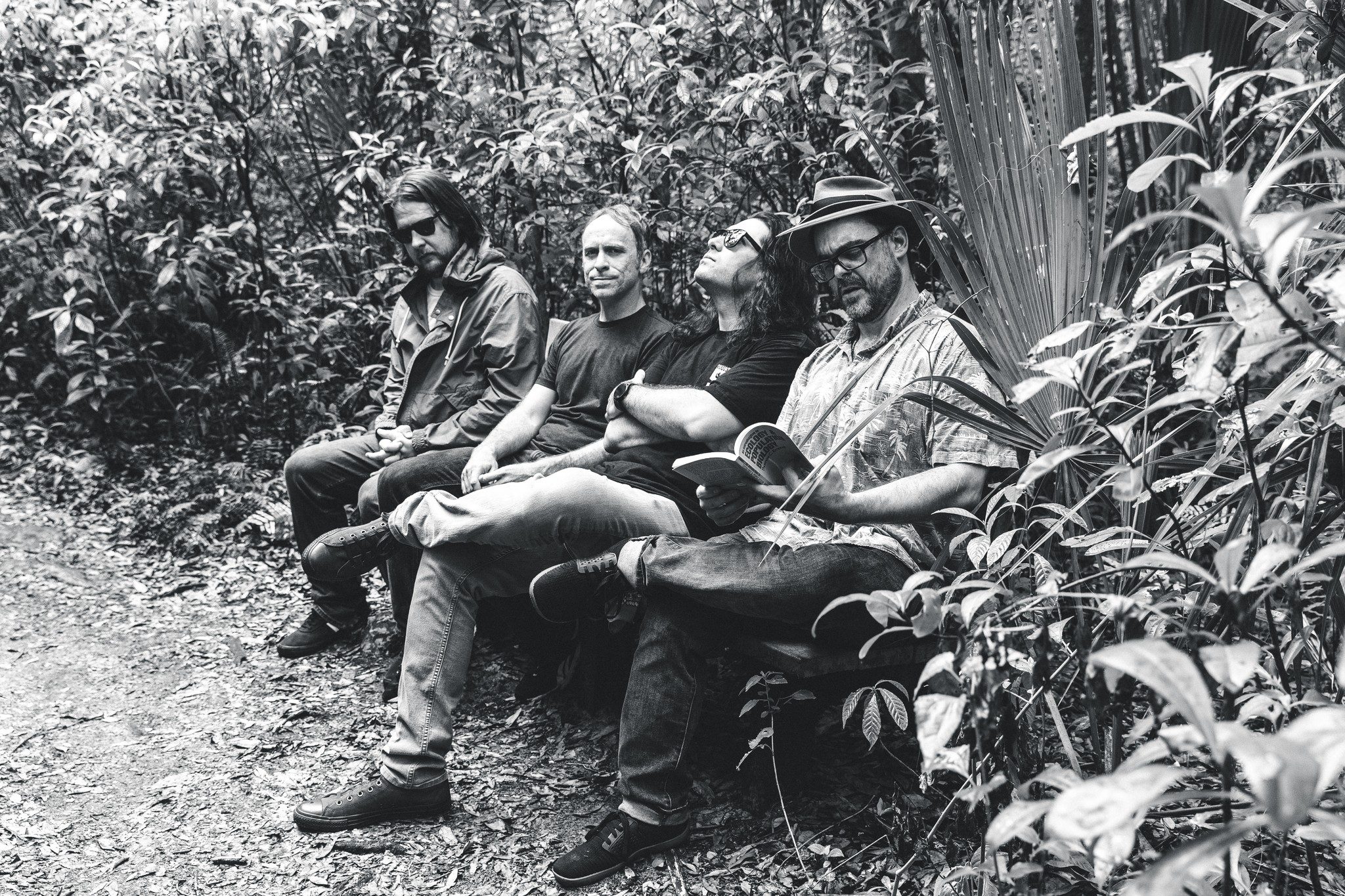
    Nervous Monks are releasing a brand new record, As You Like It. To celebrate the quartet of Brady Newbill (guitar/vocals), Vitek Benton (guitars), Tim Hicks (bass/vocals) and Adam Camarena (drums) will host an album release party, Saturday, May 31, at Revelry in Pompano Beach. Before the album release and the show Brady Newbill hopped on The Jitney to answer our questions about Nervous Monks.

    How did Nervous Monks form?

    Brady Newbill: This band formed in 2016. I had just moved back from a couple of years in Gainesville and our friend Corey, who Vitek had been playing with in the band Retrocities had just moved away. It was a natural move for me and Vitek to start something together at that point. He had already been working on some stuff with Adam, who we had already known for a longtime but hadn’t really played with before. And I had already been collaborating with Tim for several years so we didn’t have to look too far to round out a good lineup. The whole thing came together very organically and has remained a nice collaborative outlet for all of us for nearly a decade now, which is wild to think about.

    How has South Florida shaped the band?

    Well we are all from here and have played through different facets of the music scene for a while, so I think the natural influence of our surroundings has always shaped what the band is and how we sound. All the artists we’ve worked alongside and crossed paths with inevitably influence how we play and what we listen to, and taking into account who the audience will be influences the songs that we write. For this band, I think a lot of that audience has always been other artists and musicians in South Florida, so paying tribute to that common thread of underappreciated original art and music from this area is a theme throughout our work.

    What can we expect from the album release party at Revelry May 31?

    It should be a really fun night. Lindsey Mills is going to be opening up with a rare solo set. I’m a little biased since I played in her band, but her music is some of my all time favorite, so it’s really exciting to have her there. Then we have The Elm Tops, some friends we’ve known for ages and always have a great time playing with now. Their music is very catchy and infectious and should bring a great energy to the night. We are going to be debuting some new material from the album that’s probably our most ambitious to date, as well as playing through some tried and true favorites. Revelry is a great spot that really compliments our vibe well. And of course, we’re super excited to finally have an album like this to share on vinyl.

    What inspired and influenced the new record, As You Like It?

    This album began like our other work has; assembling material in the garage until we have enough to hit record and put something out. But during the process, some interesting things began to develop. Not only had our chemistry of playing and writing collaboratively evolved into fresh territory, but I had also been working on some songs that are a bit more theatrical and focused on the history and ecology of Florida, and what it means to remain creative in an environment that’s increasingly inhospitable to the creative process. The first couple of those songs worked great when I brought them to the band. Then for the first time, Tim started bringing in songs that he had written that round out a well-balanced collection. The opportunity to produce a full-length vinyl record, instead of shorter digital EPs we had made in the past, allowed us to construct a narrative through the songs that plays out in long-form, something we have strived to do for a while now.

    Any interesting stories about the writing and recording process you can share?

    We have been really lucky throughout the history of the band to have a comfortable place to play, write and record at Adam’s house. I guess the main downside is that we could maybe get some more polished and high quality results at a professional studio, but doing it ourselves in a comfortable environment allows us to capture creative heights we may not reach if we are on the clock in a strange space. We always get some amazing takes and improvisational magic on days when we aren’t even “tracking” that become highlights of what we release. The foundational tracks of some of the songs were even recorded during a rainstorm with the garage door open. I did my best to mix out the sound of the rain drops, but the takes are so good that I don’t think many people would notice even if I hadn’t.

  • Green Flash at Sunset – Excerpt from New Novel

    Green Flash at Sunset – Excerpt from New Novel

    Below is an excerpt from the new set-in-Florida novel Green Flash at Sunset. Click here to purchase the book.

    Eli’s Aunt Liza lived alone in Carol City and cleaned condos in Surfside. A few days after Eli arrived, she told him matter-of-factly that his mother died as he ate a bowl of Cheerios before school.

    “What happened to her?” he said, unsure why he didn’t cry.

    “Drugs,” Aunt Liza said.

    Drugs. Such a vague word that didn’t mean anything to him. It contained nothing solid for his brain to imagine.

    “What kind of drugs?” he asked.

    “What?” Aunt Liza said. She made a ham and cheese sandwich on white bread to take to work.

    “What kind of drugs killed her?”

    “Heroin.” Aunt Liza looked over at him.

    “Okay,” he said, looking back down into his bowl of cereal and eating a spoonful. When he swallowed, he said, “What is that?”

    “You inject it. With a needle.”

    Eli nodded. “Yeah, she was doing that.”

    “I know,” Aunt Liza said. “I’m sorry, sweetie.” She put the sandwich in her purse, slung it over her shoulder, and squeezed his shoulder as she walked by him. “I’m working late tonight, okay? There is a pizza in the freezer.”

    “Okay,” Eli said. “Did you sign my permission slip? We are going to the fair today.”

    She stopped and looked at him. “It’s on the table.”

    Aunt Liza left for work, and Eli washed his bowl, set it on the drying rack, brushed his teeth, grabbed his bookbag, and headed out the door to catch the city bus to school. Sixth grade. New city, new school, new home, no parents, and one eye.

    Three male teachers took thirty one students on a school bus to spend the day at the Miami Youth Fair. The three teachers taught their classes in portable classrooms and operated outside the norms of the rest of the school. The students passed freely from class to class throughout the day, and the administration allowed these teachers to follow their own rules. Wasn’t easy to find male middle school teachers, or teachers in general, so certain things were overlooked. Eli felt lucky to be in their classes, and when Mr. C discovered he knew magic, he would often ask Eli to perform the latest tricks he learned, such as simple card tricks, sleight of hand, and juggling. The kids were intrigued, and Mr. C cheered loudly, making Eli feel like a true performer. Instead of being known as the one-eyed freak, he felt like he belonged, even though he didn’t have friends. He felt that the teachers were friends enough. The other kids still thought him weird, but at least they didn’t make fun of him. Mr. C made sure of it.

    The bus parked. Mr. C quieted the kids down, and they listened. The other two teachers already stepped off the bus. Eli sat up front and looked up at Mr. C as he spoke.

    “All right. Here is the plan,” Mr. C said, “You have three hours to do what you want. Check out some of the student exhibits. Don’t spend all your time riding the rides. Or do. It’s your field trip. It’s 9:30 am, so be back on this bus by 12:30 pm. Stick with a friend. Don’t do anything stupid. Don’t be late. If I have to look for you, you’ll be sorry. Don’t ruin this, and don’t get me in trouble. I’m going out on a limb so you guys can have fun. Now go have some fun and be smart.”

    The kids cheered, and Mr. C walked off the bus.

    The other teachers at the school couldn’t understand how Mr. C got middle schoolers to listen so well, but they did, and because of that, the principal didn’t bother him. The other two teachers followed his lead. Mr. Humbert had been teaching for a while and was initially skeptical of Mr. C’s teaching style but warmed up to him and played along. The other teacher, Mr. Schultz, was a first-year teacher with a ponytail and earrings. The week before school started, Mr. C pulled him aside and said to stick with him and he’ll be alright. He said that the key was never to write a referral. Handle all the discipline yourself. Mr. C spoke with the principal and placed Mr. Schultz in one of the empty portables. Mr. Schultz appreciated the mentorship. Mr. C said that with the addition of Mr. Schultz, he had completed the Kingdom of Portables.

    Eli didn’t go with the other students. Instead, he followed the three teachers out of the fairgrounds. They crossed the street to a convenience store, and Eli watched from afar. When the next crosswalk signal flashed white, and the teachers were inside the store, he crossed the street. He stood next to the gas tanks as the three teachers exited the store with bottles hidden in paper bags, walked to the side of the store, and sat at a picnic bench under a palm tree. Mr. C handed Mr. Schultz a cigarillo and lit one for himself before handing over the lighter. Mr. Schultz lit one and gave the lighter to Mr. Humbert, who finished unwrapping the cellophane for a cigarette pack and smacked the package against his palm a few times before pulling one out and lighting it. They opened their drinks, cheered, and took swigs. Eli watched from a distance. He never saw teachers behave this way. The three teachers spoke loudly and laughed loudly. Then, Mr. C stopped and pointed in Eli’s direction. The laughing stopped, and they looked his way.

    “Hey kid,” Mr. C said, “Eli. Get over here.”

    Eli turned and looked behind him.

    “I ain’t talking to anyone but you, bud,” Mr C said. The other two teachers laughed.

    Eli sheepishly joined them.

    “My man,” Mr. C said, “Are you trying to get us fired? If you get hit crossing that street, we’re toast.”

    “I’m sorry,” Eli said.

    “Look, we aren’t the friends you are looking for. Why aren’t you over there instead?”

    Eli shrugged.

    “How old are you?”

    “Twelve.”

    “Goddamn, you’re a big twelve-year-old.” Although Mr. Schultz and Mr. Humbert weren’t paying too much attention to the conversation between Mr. C and Eli, they laughed at that. All three teachers continued smoking and taking sips out of their paper bags.

    Eli stood there looking stupid.

    “You do magic, right?” Mr. Schultz said. “Show us a trick.”

    Eli smiled. “Okay. Can I see your cigarette?” he asked Mr. Humbert.

    Mr. C laughed. “This kid is wild.”

    “I’m not giving you a cigarette. You crazy, kid?”

    “I’m not going to smoke it, but it has to be lit.”

    Mr. C said, “Just give him a cigarette. He already sees us smoking and drinking beer. What’s one more thing?”

    Mr. Humbert handed Eli his half-smoked cigarette. Eli took it and quickly made it look like he stuck it up his nose and showed his hands. It was gone. The three teachers loved it, and then Eli opened his mouth. The lit cigarette flipped around on his tongue, and he held it between his lips.

    “Shut the fuck up,” Mr. Schultz said. “Did you see that?”

    Eli loved the attention. He then took the lit butt from his mouth, showed it clearly in one hand, and within an instant, the butt disappeared.

    Mr. Humbert said, “All right, show us how you did that?”

    Mr. C stepped in. “Don’t. Never show anyone how you did. You’ve got a gift, kid. Do you know any more?”

    “Do you have a dollar?”

    “One of you give him a dollar,” Mr. C said.

    Mr. Schultz gave him a dollar. Eli folded it, appeared to rip it, and restored it. And then, while the three teachers were still excited, he made it disappear.

    “Kid, you can make money from this,” Mr. C said. “But look here, the only magic trick I want to see now is you cross back over the street and not get hit by a car.”

    “And don’t tell the other kids what you saw us doing,” Mr. Humbert said.

    “That goes without saying,” Mr. C said.

    Eli walked off with a smile.

    “Hey, my dollar,” Mr. Schultz said.

    “You can forget it,” Mr. C said. “We just changed that kid’s life.”

  • Peter Bjorn and John Took Miami to a Happy Place

    Peter Bjorn and John Took Miami to a Happy Place

    Saturday night in Miami was so stiflingly hot it could depress anyone with an internal calendar. It was only May 24, meaning we have four more months of nonstop sweat and mosquitos. But it you’re patient, once every so often we’re rewarded with a breeze. Last night’s Peter Bjorn and John concert at Zey Zey was just such a gust of cool that Miami desperately needed.

    The Swedish trio were on tour to celebrate the twentieth anniversary of their recording the album Writer’s Block.  I wondered how those Northern Europeans would handle our steam bath environment, but the dudes came out clad in jackets, they didn’t take off until deep into the encore. It was a reminder of how popular saunas are in Scandinavia.

    Sweden is also known for cracking out pop-tacular hits. Abba, Ace of Bass, and Roxette all topped American pop charts. I’ve read a theory it’s because Swedes all know English well enough to write a song in our language, but not so well to make it too complicated. They keep it easy. Lyrics that anyone can sing along to.

    Peter Bjorn and John definitely fit that formula.

    “I’m all about you/ you’re all about me/ we’re all about each other” or “Baby went to Amsterdam/Four, five days for the big canal/Now it’s so slow, so slow” stick into your head and back out of your mouth so easily. That’s not even getting into their most famous song “Young Folks”, you just have to know how to whistle.

    I always thought of them as pop music. But Saturday night Peter Bjorn and John were revealed to be a garage rock band. Or maybe New Wave guitar heroes. Regardless of how you want to classify them, they were relentless as they took the sweating audience on a trip down memory lane. But instead of performing Writer’s Block from front to back they played it from back to front.  The last song on the album first, working their way to the top.

    It makes sense. A band frontloads an album with the hits so a listener sticks with it. During a concert a band has to keep the biggest songs in their pocket, so the crowd waits for it. They kept the structures of the songs faithful, but they occasionally played with the forms. They stretched out “Up Against the Wall” long enough, so that singer Peter Morén could jump off the stage and sing amongst the crowd while a roadie held the microphone cord.

    By the time they got to the album opener, “Objects of my Affection” they provided an hour of nostalgia. Everyone already felt they got their money’s worth, but the band asked “Do we have time to play a few more songs?”

    A few, became a second hour of shredding and screaming and dancing.  By the time it was all over close to midnight, the temperature and humidity were forgotten, if for one night.

  • The Zappe Cats: Venezuelan Born Band Go from Beatles to Punk

    The Zappe Cats: Venezuelan Born Band Go from Beatles to Punk

    I’ve been playing music with Ozzie Pérez for a few years now. But he’s a busy guy. Playing with a swath of bands in the South Florida music scene, including local Red Hot Chili Peppers’ tribute band The Chili Poppers. But I remember him coming into practice for a show he was filling in with for my band, (shameless plug alert) Alexa & the Old-Fashioneds, one random evening to announce he had a new top-secret project, and that I’d be hearing about it soon. Cut to just a few weeks later, in the summer of 2023, a logo, big, bold and electric: The Zappe Cats took over my Instagram feed.

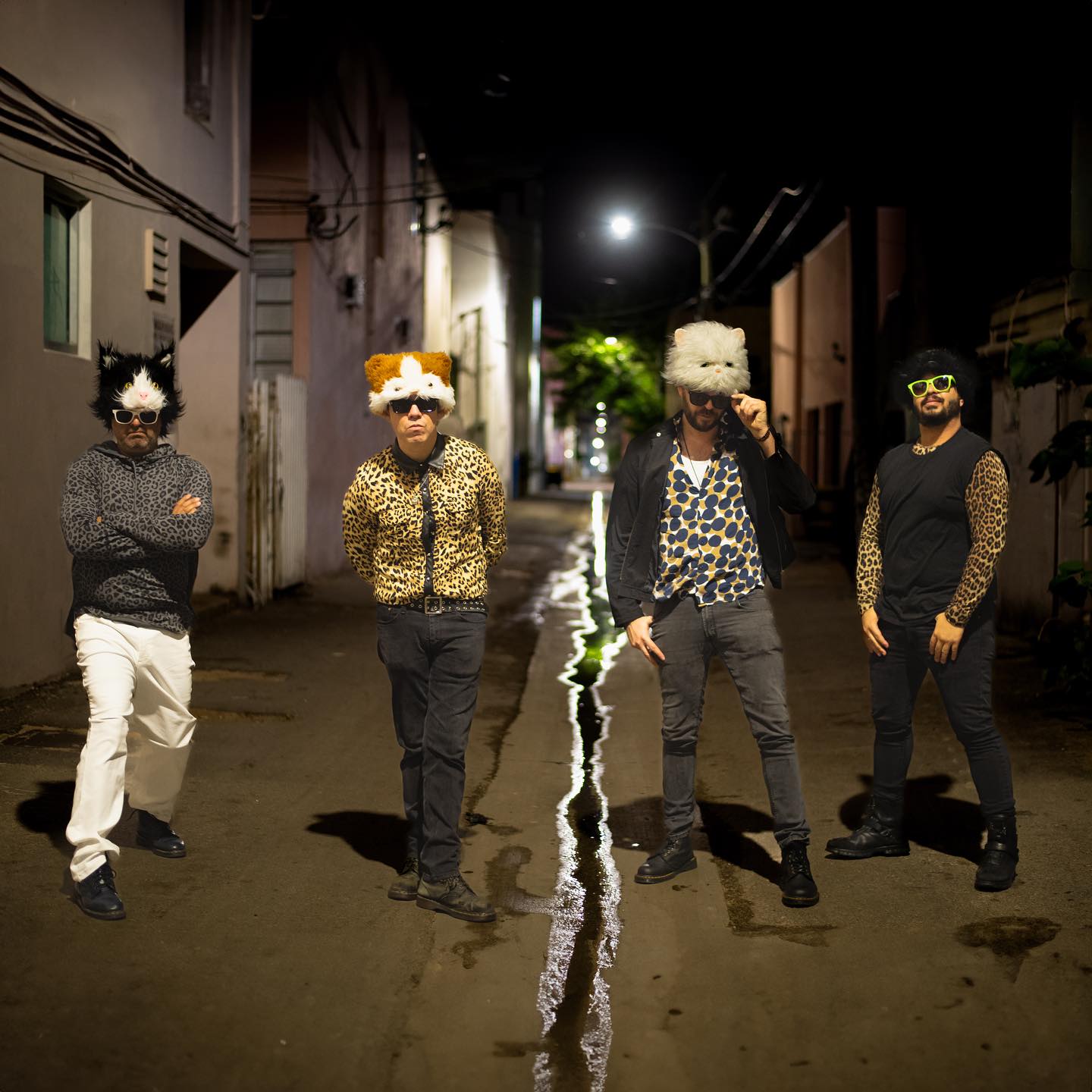
    Videos with cats flying through space. Rock and roll that seemed to have at least nine lives. And June is almost upon us, meaning The Zappe Cats are about to celebrate their two-year band-iversary. The Zappe Cats started as a meow-powered trio formed by Luis Irán, lead vocalist and guitarist; Ozzie, vocalist and percussionist;  and Lucas Paredes, their bass player. Fernando Salinas joined more recently, contributing to the current four-member lineup. But how did they all meet? I sat down with Ozzie and Luis to talk about the band and what inspired the name, the music, and a little about their background in music overall.

    Ozzie met Luis and Lucas in the Venezuelan rock scene, since they were both in very renowned projects, Los Paranoias and Los Mentas respectively, with multiple albums and awards and opening for local and well-known projects. Los Paranoias actually opened for R.E.M., Jethro Tull, and The Alan Parsons Project. “I used to hear his band [Luis’ band Los Paranoias] on the radio,” Ozzie said. Los Mentas participated multiple times in renowned music festivals such as Rock al Parque (Colombia) and Vive Latino (Mexico). The latest member, Fernando, is also from Venezuela and actually played with bass player Lucas, in a band called MHAL (Mary Had a Little Lamb). Everyone, essentially, was either in a band together, or attended each other’s shows at some point.

    But the connection between drummer and guitarist is even more special. The official meet-up between Luis and Ozzie was through Ozzie’s father, who played in a Beatles tribute band called The Beat3, or Los Beat Tres, while Luis played in a different Beatles tribute band called Early Stuff. “The story goes like this,” Luis said. “Luis and Alejandro (Ozzie’s father) met at a Beatles tribute concert where The Beat3 and Los Paranoias were both part of the lineup. Years later, the drummer for Early Stuff got sick before an important gig. They asked Alejandro if he could step in, but he suggested his son Oscar instead.” Talk about a cool way to come together (yes, that is a Beatles joke).

    Ozzie followed in his father’s footsteps and beautifully, in fact, the kit you’ll see Oscar out playing on belonged to his father. Suffice it to say, The Zappe Cats are more than just a band, they’re family and a great representation of the rock coming out of Venezuela. The comfort they have playing music together is actually pretty apparent in their music videos and online content, dancing and joking around and being generally comfortable in their own skin. “I love making music with them,” Luis said. “With them, with Oscar. We have good chemistry and [a great] level of creativity.”

    The creativity actually started with their first band, Swan Swan. A cover band that played unique versions of covers, playing songs like A-Ha’s “Take on Me” like The Strokes, or Madonna’s “Like a Virgin” in the style of Oasis (one of those covers appears on The Zappe Cats’ debut record, “Song 2” by Blur). But perhaps the first of nine lives, Swan Swan broke up and then became The Zappe Cats. But what is the origin of the name “Zappe Cats”?

    “In Spanish, it’s Sape gato,” Luis and Ozzie said excitedly. “It’s an expression of ‘I won’t do that.’ Like, no way. I’m not going to do that. But it has a touch of paranormal, you know? Like zap the black cat, like get rid of it… that room has a spirit or a ghost or something. Let’s go inside. No. Sape gato. Sape gato. We tweaked it. We changed the S to a Z, added a double P, you know, so it it’s not zap it’s zah-pay.”

    The Zappe Cats sound is primarily influenced by the music the members listen to. Luis comes from the alternative/indie rock scene, but he’s always loved punk aesthetics. So this project was a great chance to explore the “punk” or heavier side of rock and roll, especially since Lucas’ riffs that you hear throughout their music are heavily influenced by punk, his favorite genre. But they aren’t married to any particular genre. It’s more a mezcla or mix of their life experience, even including the Beatles. “It sounds more like the punk scene, the old punk scene, the Clash,” they said – taking turns as they tried to describe the sound. “But I think it’s a mix of I don’t know, Nirvana and Oasis, maybe. It’s hard. I don’t even know how to describe it. We have sometimes, Queens of the Stone Age, you’ve seen the songs. You can see they have a hint of Queens of the Stone Age or Nirvana or…it’s a blend.”

    No matter what the blend is, the music is fast and fun. And the first couple songs were based off those punk-influenced Lucas riffs (we called Lucas “the riff guy” for the rest of the interview by the way), molded by Luis’ experience in other genres.

    “We just went to the studio and it was quick,” Ozzie said of the process of writing their first songs. “Seven songs in a couple months. And we immediately recorded it. We were really into that. The whole process was really, really fast.”

    Their first track is aptly named as “Number One.” It’s their first song, and a dedication to what Lucas’ riffs evolved into. Their titles after that are as exciting and diverse as their music, including Baby Hurricane, Moonlight 15, Gotta Roll It in 2023, then additional releases until they released their first album “Smells Like Caged Kitty” in 2024, an 8-song album (7 originals and the Blur cover) with absolutely rockin’ riffs, including my personal favorite, that had an almost Foo Fighters-esque tone, Guy in the Mirror. And beyond the music, the imagery is cat-powered and cool thanks to Luis’ graphic design skills and one clear thread: retro meets kitty, meow vintage perhaps.

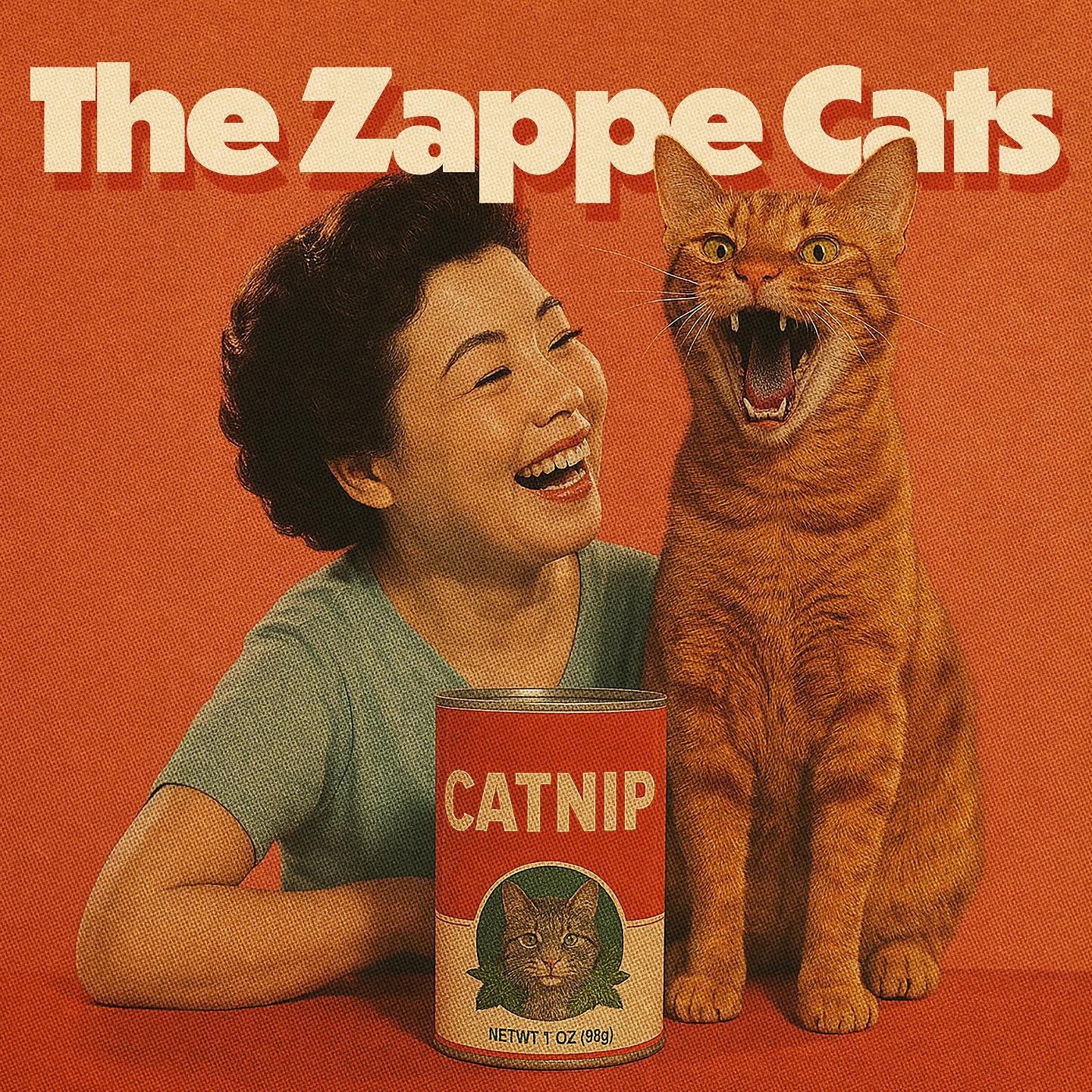
    Their most recent release, titled CATNIP, was released on May 2nd, and is a love song told from a feline point of view. The song was born from one of Lucas’ riffs (surprise surprise!), which Luis turned into a full composition, later shaped and finalized by the band in the rehearsal studio. This song steps into a groovier space, capturing the strange, intense joy of being in love—claws included:

    “Now your Catnip puts me running round in circles

    Just like Catnip I get high when I hear your voice

    I’m on Catnip let me get into your bedroom

    Just like Catnip I get high when I hear your voice”

    Continuously making music that’ll be much like the catnip they sing about, I’m looking forward to seeing what they release next. You can find their music on all major platforms.