Category: News

  • The Writer and the Armless Swimmer

    The Writer and the Armless Swimmer

    This article was co-written by Carla Carvallo. Follow the authors on Instagram at @giancarlodiago and @carlacarvalloo.

    Every Monday, Anita Mitchell receives an email from her swim team. They discuss routine schedule changes or mundane parking details. New team members aren’t announced.

    But this email, in August 2020, was different. It told the team about a new member to the Swim Fort Lauderdale masters team: A disabled Afghan refugee.

    Mitchell would write a book about him.

    “For me, this is the greatest story and working on it has been amazing,” said Mitchell of her book, “God took my arms but he gave me THIS GIFT,” which is also a quote from her subject. She presented it at the recent Mango Writers Conference in Miami. “Many people doubted him. Because of his disability, some thought he’d never amount to anything.”

    Of her recent work, she said, “This was my retirement project. Now this book has taken a life of its own.”

    Karimi follows a routine common among his fellow Fort Lauderdale swimmers. He rises early in the morning, brews coffee, then drives to a gym or aquatic center. If to the former, he equips headphones and exercises to music. If the latter, he dons his swimming briefs, cap and goggles, then jumps in the water.

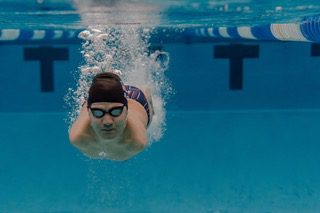
    But unlike the other swimmers, he was born armless. For most mundane tasks, from stirring sugar in his coffee to putting on shoes to turning a steering wheel, Karimi uses his feet.

    Karimi is a two-time Paralympian swimmer. He has competed internationally in Mexico, Portugal, Germany, Chile, Japan and France. At the Paris 2024 Paralympics, he won two silver medals, one for freestyle relay, another for a medley relay. When he moved to Fort Lauderdale from Portland, Oregon, in 2020, he bonded with his fellow swimmer Mitchell. A former journalist for WSVN 7, she recognized the resonance of his life and sought to spread it.

    At the event, writers conference director Ricki Dorn chose the presenting speakers. She evaluated candidates who needed to be local, active authors. Mitchell’s work specifically appealed to her.

    When she spoke at her panel, Mitchell remembered the day that her swim team coach announced Karimi’s arrival. She teared up as she recalled the coach’s words about the armless swimmer: “It’s an honor to know him. There are not enough words for what he has done.”

    “We only have one life and it doesn’t seem fair that he didn’t have any arms,” said Dorn, who was inspired by Karimi, feeling renewed gratitude for her own arms and legs. “He just got in that pool and swam and learned how and got coached, and just swam anyway without the arms.”

    Writing has been constant in Mitchell’s life since she was 13. Mitchell started by passing notes among her classmates between periods.

    “I was the communications ringleader,” said Mitchell. “My work was knowing everything that was going on, or at least as much as I could.”

    It was during that same year that Mitchell debuted as a published writer; her first article featured the band of the moment. It was 1963, the Beatles were performing at the Olympia Stadium in Detroit. Mitchell and her two friends straightened their hair with clothing irons because they “heard that the Beatles liked girls with straight hair.” Mitchell recalls the memory with nostalgia, proud that she witnessed the band play their hits live.


    “I saw it in print,” Mitchell said of her article, published in her middle-school newspaper, MacDowell elementary. “And I thought that was a big deal.”

    As a child, she watched the WXYZ-TV Channel 7 station of Detroit disappear in the distance from her school bus window every morning. “I always looked at it thinking, it would be cool to work in television because that wouldn’t be like working,” she said. “That would be fun.”

    Mitchell worked for the WSVN 7 Broward bureau for 26 years. Her favorite part about the job was getting the first glimpse at all current events and stories. She described her experience covering the Broward courthouse as letting her have a front row seat in the story, rather than be a bystander.

    Karimi, 28, was born in Kabul, Afghanistan. He took to swimming in his youth. As a teenager, he swam competitively, but felt unable to continue as his reputation grew. Unable to envision a life as a world-class swimmer in Afghanistan, he decided to leave. When he was 16 years old, his brother took him as far as Tehran, Iran. From there, Karimi was smuggled west. In a short documentary by Visit Lauderdale, Karimi said, “It was very risky path, but finally I made it to Turkey.”

    Karimi competed in Turkey, from refugee camps, for four years. But lacking Turkish citizenship, he could not compete internationally. Karimi eventually reached the United States in 2015. He moved to Portland, Oregon. But when the Covid-19 pandemic struck, he could no longer swim. Local pools closed. With social distancing enforced, he seemed stuck. But then, he learned that the Fort Lauderdale Aquatic Center remained open. Excited to continue practicing, he moved to Florida.

    “I had just started a blog called ‘Broward People,’” said Mitchell. The two bonded over swimming. “After I met him, we became friends, and I wrote the article, the blog piece, about him. That piece eventually turned into a book.”

    While arms help propel swimmers, strong abs and legs are vital, too. That is Karimi’s skill, his head weaves as he swims. His vertical undulations resemble aquatic mammals like dolphins, manatees and whales. While they flap their flippers vertically to swim, Karimi kicks.

    Carla Albano, a fellow swimmer and friend of Mitchell and Karimi, witnessed his difficult journey, with its highs and lows. Despite that, she said, it was “shared among a large group of adults that…believed in him and supported him.”

    Karimi was unavailable for comment because he is visiting his wife and family in Kabul. They remain unable to immigrate and join him. Karimi hasn’t called outside the country, but has sent brief texts. Mitchell said, “We suspect he is being monitored, that the Taliban restricts his communication. Karimi is well-known in Afghanistan, a hero.”

    Mitchell recounted her challenges in releasing her book, including working with a literary agent, then meeting her publisher, CG Sports Publishing. Though it demanded time and effort, she is glad she achieved her goal to share Karimi’s story.

    “I learned to write a book in retirement,” Mitchell said. “This was the best project I ever had.”
  • Shannon and the Clams Play West Palm on Friday Night

    Shannon and the Clams Play West Palm on Friday Night

    This article originally appeared in PureHoney Magazine. Check them out here.

    After an unimaginable loss, Shannon Shaw is “alchemizing the pain.”

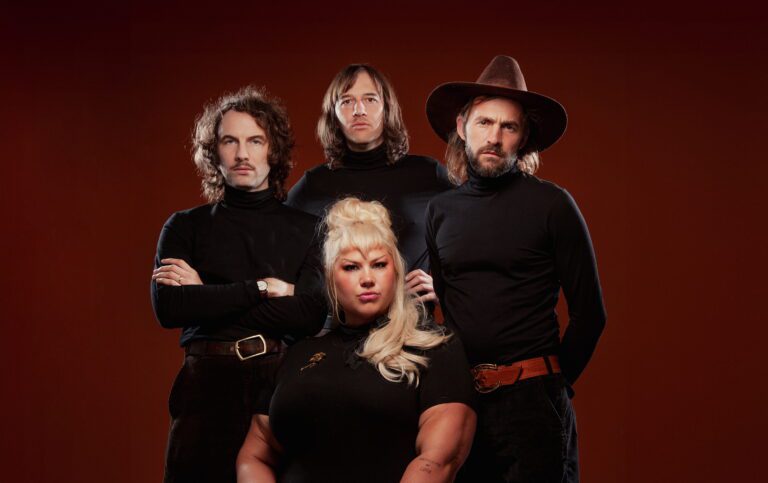
    Band life is often a slog with long drives, takeaway meals, and unfamiliar venues. But on a recent tour in Australia, Shannon Shaw and her bandmates in the doo-wop-meets-garage act Shannon and the Clams found time on the road to pepper in a few outdoor adventures. “I don’t know if it’s just the sunshine, but the people are so exhilarated, and they have a lot of gratitude for you making the trek,” Shaw says about her trip Down Under. “And you feel that energy.”

    Shannon and the Clams will soon headline a PureHoney show in another grateful, sunny, southern place when they perform on April 11 at Respectable Street in West Palm Beach.

    The trip to Australia was a much-needed reprieve for Shaw whose life has been colored by grief after an unimaginable loss in August of 2022. The singer and bassist was headed to her bachelorette party in Reno, Nevada, when she got a call from the sister of her fiancé Joe Haener. Haener, a 41-year-old drummer with longstanding ties to California’s Bay Area music scene, had been gravely injured in a car accident near his family’s farm in Oregon.

    Shaw frantically reached out to all her support systems, including her therapist and astrologer, and even posted on Instagram, she says, “asking for people to send good vibrations and prayers.” And when she learned that Haener had not survived his injuries, she felt the need to update her followers. That’s when something unexpected happened: Telling her story online became therapeutic. “I opened the dam and just kept sharing,” Shaw says.

    That vulnerability has been essential to the process of healing, and well worth any risks. The Internet, even with its dark corners and trolls, became a place where she could connect with others who had experienced immense loss. “I’m raw. All my skin has been rubbed off, is how it feels,” she says. And even strangers who felt the same way were generous in relating how they coped — things to do and what to avoid.

    Her openness, in turn, gave others solace, too. “Finding that grief community, a widow community, I couldn’t have really done that keeping quiet and sticking with my friends — who are fucking amazing and who really showed up for me,” Shaw says. “But none of them have ever lost the love of their life the day of their bachelorette party, a couple of weeks before their wedding.”

    Shaw, like Haener, got her musical start in the Bay Area, but the couple made their home in Oregon. After Haener’s death, Shaw relocated to Los Angeles. It was there she found a weekly grief group where she was headed after our interview.

    “I hate missing it,” she says of the regular meeting. “It’s my one day a week when I feel so seen. I don’t even have to talk. Everyone is in there because they are suffering the loss of someone.” Shaw compares it to coming home after a long day and taking off uncomfortable shoes, unbuttoning too-tight jeans. “Everyone gets it,” she says. In the grief group, she cries almost the whole time, “I don’t know where else I can do that, and it feels good,” she says, adding, “I want to cry with people who are on the same level.”

    Haener’s absence guided the band’s next album, The Moon Is in the Wrong Place, released last May. Written by Shaw, guitarist Cody Blanchard, keyboard player Will Sprott and drummer Nate Mahan, the album was produced by longtime collaborator, Dan Auerbach of The Black Keys. The title came from something Shaw’s fiancé had once said in conversation that enchanted her. “This record is the most important thing I’ve done in my life,” Shaw says.

    The album has also struck a chord with fans. At shows, people know all the words and sing along with complicated songs. Shannon and the Clams are following it up with a deluxe vinyl bundle edition that Shaw describes as “a new opportunity to see the album differently.” It includes two songs — “Wax & String” and “I’m a Fool” — that were cut from the original album because they weren’t as directly related to its themes of loss. They’re tracks she loves, but for an album that she says was made with “intention and purpose,” editing them out in the first round was necessary. “Restraint is powerful,” she says. Her other band, Hunx and His Punx, likewise set aside work on an in-progress album after Haener’s death and have resumed recording with a different perspective on the songs.

    Shaw remains industrious, creating work in more than one medium that reflects her new reality. “Putting the energy of this nightmare into anything creative is the best thing I can be doing,” she says, “Alchemizing the pain.”

    Shaw and about 30 of her friends have a “Friendship Film Festival” for informally sharing movies they make on their mobile phones, and Shaw says her next project for the group will have higher production values and a premise she calls allegorical. Sick of being herself, Shaw one day discovers her AI doppelgänger dropped at her doorstop, and trains the double to replace her in daily life so the real Shannon Shaw can disappear.

    She’s also writing a book about her love story with Haener and about her loss that will include her artwork as well as resources for those who are grieving. “I think it’s going to be like a survival guide,” she says. “It’s been very important to me to keep moving, keep processing, and lend hands wherever I can.”

    Shaw knows there’s no hiding from the grief. She thinks of the future she and Haener planned together, children they might have had, a shared retirement in a cabin. “It’s going to keep unfolding,” she says. “It’s part of me for the rest of my life … and absolutely part of my art.”

    PureHoney presents Shannon and the Clams w. Being Dead and Las Nubes, 8pm Friday, April 11 at Respectable Street in West Palm Beach. GET TICKETS! shannonandtheclams.com

  • Okeechobee Music & Arts Festival Returning for 2026

    Okeechobee Music & Arts Festival Returning for 2026

    In 2016, for Huffington Post, I wrote a prayer to the musical festival gods.

    Here is an excerpt:

    Please Music Festival Gods, deliver us to a beautiful shady grove with the grass littered with pine cones and fairy dust and the spirit of youth. Where hammocks hang from trees and LED lights explode like electric spiders across the night sky. Give us another grove to explore during the day, with a beach and access to a pond to wade in, so we can play games and float around on giant floaties.

    And make the cops cool with little to no arrests.

    Maybe cap the attendance at 30,000 so we’re not overwhelmed.

    Maybe bring in artists that run the gamut of genre and taste. A place with Kendrick Lamar, Robert Plant, Bassnectar, Mumford and Sons, Skrillix, the Avett Brothers, Kamasi Washington, George Porter, Jr., Miguel, Run the Jewels, and many more.

    Our prayers were answered with the inaugral Okeechobee Music Festival. In 2016, the fest was bananas. The same could be said in 2017, also reviewed in Huff Post.

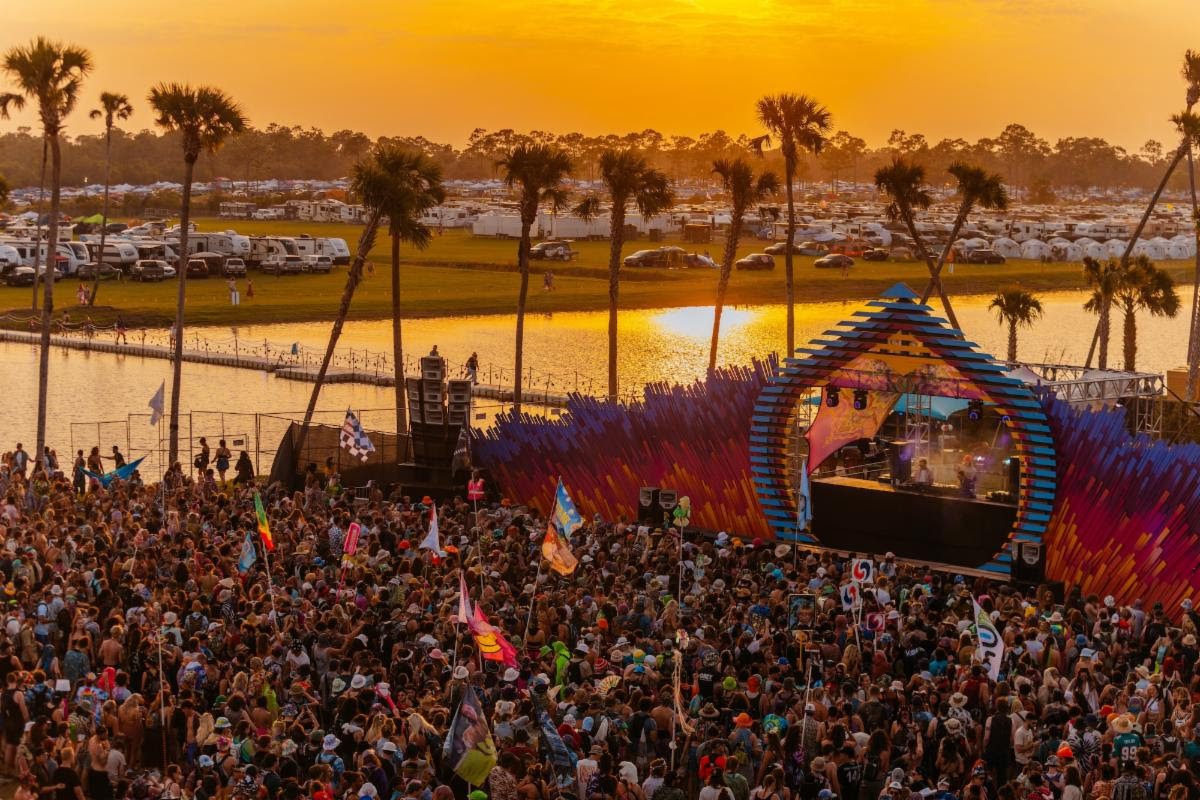
    The festival has been dormant a few years but today it was announced they are bringing it back for 2026. We are very excited.

    Okeechobee Music & Arts Festival

    The following is direct from the PR by Big Hassle.

    Florida’s beloved independent festival, the Okeechobee Music & Arts Festival (OMF), has announced its return set for March 19-22, 2026, at the always magical South Florida nature paradise of Sunshine Grove. Founded in 2016 with a mandate of authenticity, kindness, and respect between each other and the environment we inhabit, OMF will once again celebrate the spirit of music, arts, and community with a diverse, multi-genre lineup and “only at Okeechobee” immersive experiences unlike those found at any other festival event.

    Located in Okeechobee County – a one to two and a half hour drive from South Florida’s major cities, including Orlando, West Palm Beach, Tampa, Miami, and Fort Lauderdale – Sunshine Grove is a picturesque 830+ acre natural oasis that boasts sweeping grasslands, pine and palmetto jungles, and expansive lakes and waterways that creates a truly unique tropical country landscape. From sprawling groves to undiscovered forests, the unique organic elements that inhabit Sunshine Grove inspire a profound recognition of the influence and significance of the natural environment that serve as the backdrop and home for tens of thousands of campers and music fans for four epic nights under the country starscape.

    OMF Founder and Soundslinger Chairman Rechulski stated: “The band is back together! It’s a privilege to be curating OMF’s 10-year reunion since our first festival in March 2016. OMF has always been about more than just music—it’s a celebration of creative expression in all its forms, providing a safe space for the freaks that we all are. OMF is an event where art for all senses occurs. From music to sculptures, graphics, and food, you can feel the art. We are beyond excited to be working with the world-renowned 1960s authentic festival poster artist and I wish I could tell you more, but some things are better kept a surprise!”

    OMF is getting back to its roots, with the March 2026 event featuring a rich and diverse multi-genre lineup that delivers headlining acts across electronic, rock, hip-hop, indie and beyond.

    For more info and pre-sale tickets, click here. 

  • Just Another Day at Miami City Hall – Fiction

    Just Another Day at Miami City Hall – Fiction

    Brian Newell turned left onto Pan American, the long formal drive to Miami City Hall. At its end, he wheeled around the traffic circle fronting the building. Media outlets from Miami’s rainbow of ethnic rivals ringed the circle. Squat SUVs sprouting antennas and satellite dishes filled its parking spaces. On air personalities in an Easter bouquet colors, wearing suits and ties, dresses and heels, guayaberas and slacks, studied cell phone screens or fanned themselves with folds of paper holding scribbled notes.

    Completing the circuit, Brian swung right into an asphalt parking lot. He slowed passing a weathered white van parked in the lot’s first spot. Draped with sun bleached red, white and blue bunting — tires flattened and shredded — it settled down on rusting rims. Beside it, a squad of red, white, and blue TRUMP 2024 inflatable tube men gyrated, flailed and flopped in a manic frenzy. Behind them, six garden gnomes, in desert camo, on one knee, automatic rifles at their shoulders, fanned out in a defensive half circle. A Viet Nam War era sun-frayed US Army tent, draped with woodland netting, filled the space behind the gnomes. Leaking burlap sandbags anchored tent to ground. A Confederate Battle flag left, an American flag right, flanked the tent’s flaps.

    Above the entrance, black letters stenciled on a weathered white poster board read, “America for Americans — Miami Division.” A deeply tanned man more than filled a lawn chair between the tent and the van. His eyes followed Brian over the top of a white porcelain coffee mug. Dressed in jungle-camo cargo shorts and a matching sleeveless shirt, he sported a white Santa’s beard. A wisp of braided white ponytail snaked from beneath his bright red cap. Two lawn chairs sat empty beside him.

    Brian parked two spaces down from the tent. He grabbed his iPhone from the charging tray, suit jacket and leather portfolio from the seat beside him and climbed from the cool air-conditioned car into Miami’s moist as a damp dishrag morning. He put his portfolio between bent knees, wrestled his arms into his suit coat, and snapped his cuffs out at the wrists. Sweat beaded on his forehead and slid down nose and cheeks. The Trump inflatables snapped and popped, twisting and swiveling in the thick, still air. A gas-powered generator droned behind the green tent.

    “Pennsylvania plates…” a voice called behind him.

    Brian turned.

    The man in the lawn chair, coffee cup between both hands, arms resting on his belly, looked at Brian from under his cap. “You got Pennsylvania license plates… Where?”

    “Where?” Brian asked.

    “Where in Pennsylvania?”

    “Born in Lancaster. But Philadelphia most recent.”

    “Prove it.”

    “Prove it?”

    The man sighed and leaned right, setting his coffee cup on the ground. Pushing his hands into the chair’s arms he rose slowly. Blurry blue tattoos jiggled on his biceps. Flesh toned compression socks encased both calves like boiled sausages thrust into his khaki colored Skechers. Standing, he rocked left to right as if testing his balance. “I’d accept a government issue birth certificate.”

    “I don’t carry my birth certificate with me.”

    “That’s what they all say.”

    “All?”

    “All the illegals Soros and Pelosi are sneaking into this country, staining our blood, taking our jobs. Ruining this place for white and colored alike.”

    “Did you just say colored?”

    “They tell me it’s better than…”

    “Yes,” Brian shouted cutting the man off.  “It is better, I guess.”

    “If you’re a citizen prove it.”

    “What? Under whose authority?”

    “President, now and forever — DJT.”

    “Trump?”

    “President Trump, sonny.”

    “He authorized you?”

    “I joined with him back in 2020, when the election was stolen from him and the American people. For forty-seven dollars and fifty cents – pledged and paid each and every month – I, Roger Carlisle,” he raised his right arm in a salute, “became a duly deputized Defender of American Values — authorized and required to make America great again.”

    “Did you get a decoder ring and a badge?”

    “We don’t need no badge.”

    “We?”

    “Think I’m alone?” He pointed at the empty chairs beside him. “Hank’s gone home to feed his dogs and Jerry’s wife had radiation this morning. They’ll be back soon enough.”

    “Why?”

    “Why?”

    “Why here? In this parking lot? What are you waiting for?”

    “We’ve manned this outpost for more than four years, since that lowlife pretender sleepy Joe stole the White House. Now that we’ve got it back, we’re ready to stop any and all shenanigans started by Antifa’s homo-feminist, Marxist, communist, environmentalist, socialist, Nazi, Democrats.”

    “Don’t forget the Girl Scouts.”

    “Why? What have you heard?”

    Brian smiled. “It was a joke.”

    “A smart guy, huh? We’ll see how smart you are when DJT rides out of the White House on a winged white horse given to him by Mister Jesus H. Christ himself.”

    “What?”

    “You heard me. Some things don’t need repeating. Specially to types like you.”

    “Types like me…”

    “You with Pelosi? Soros? Driving that electric car.”

    “It’s a hybrid.”

    “Communist.”

    “I’m not a communist. I’m the new director at Stobo Park.”

    “Hah, the new Pearl.”

    “He was my predecessor.”

    “Where’s he?”

    “You know where he is.”

    “You’ll soon follow.”

    “You don’t know me.”

    He jerked a thumb toward city hall. “Dollars to donuts, you’re going in there to buddy up to those corrupt commissioners. Come see me in two months. We’ll see what I know, and you don’t.”

    “I don’t need to wait two months. I’m not corrupt.”

    “Don’t make me laugh. Go in there clean, if you really are. You’ll come out stinking of corruption. Everybody’s got their price.”

    “Even you?”

    “Think you’re funny with those fancy words? We’re done here. Move along. You’re a waste of good oxygen.”

    Brian smiled. “Have a nice day.”

    Carlisle said, “Don’t tell me what to do.”

  • Birthright is Brilliant Must-See for Yourself Theater

    Birthright is Brilliant Must-See for Yourself Theater

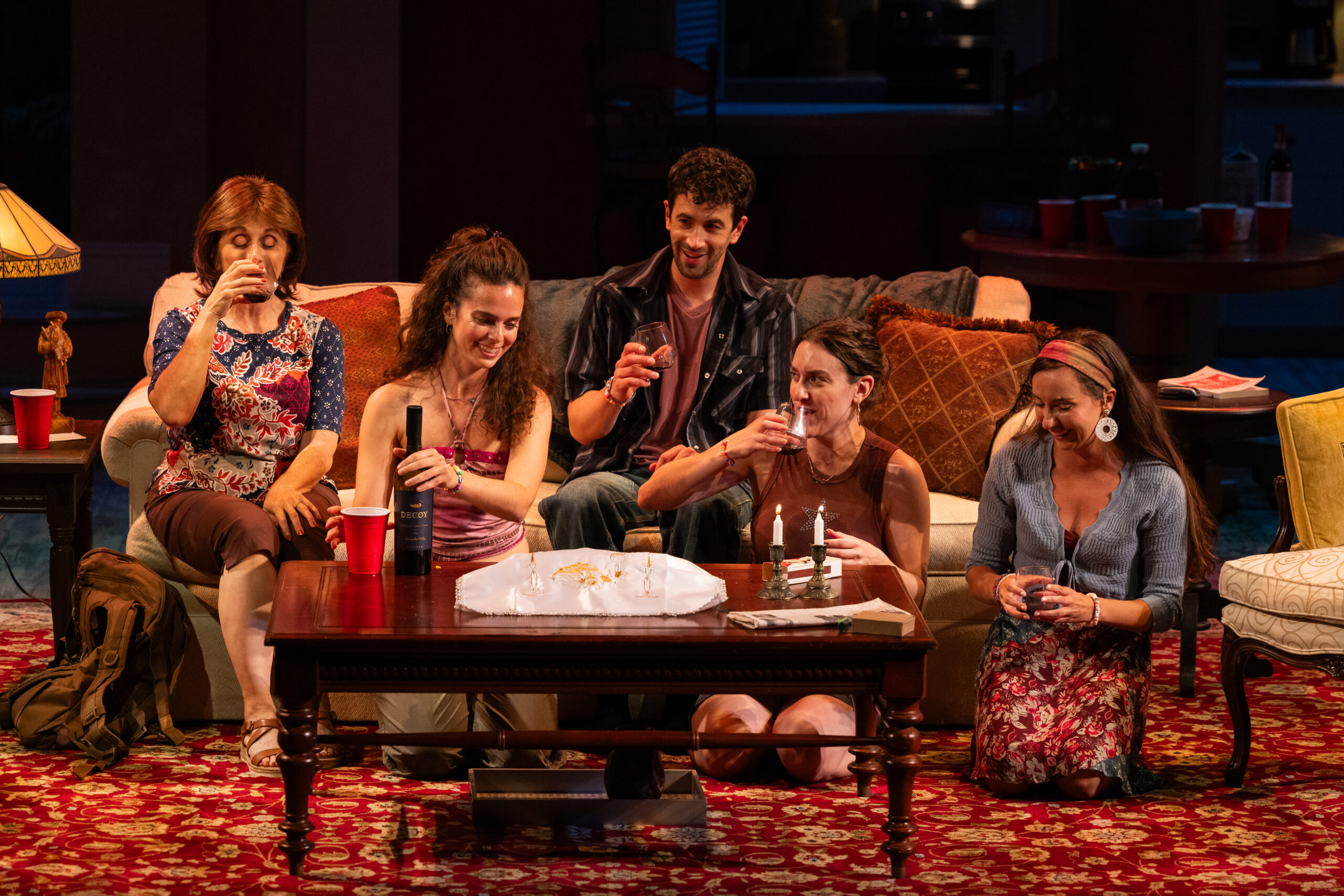
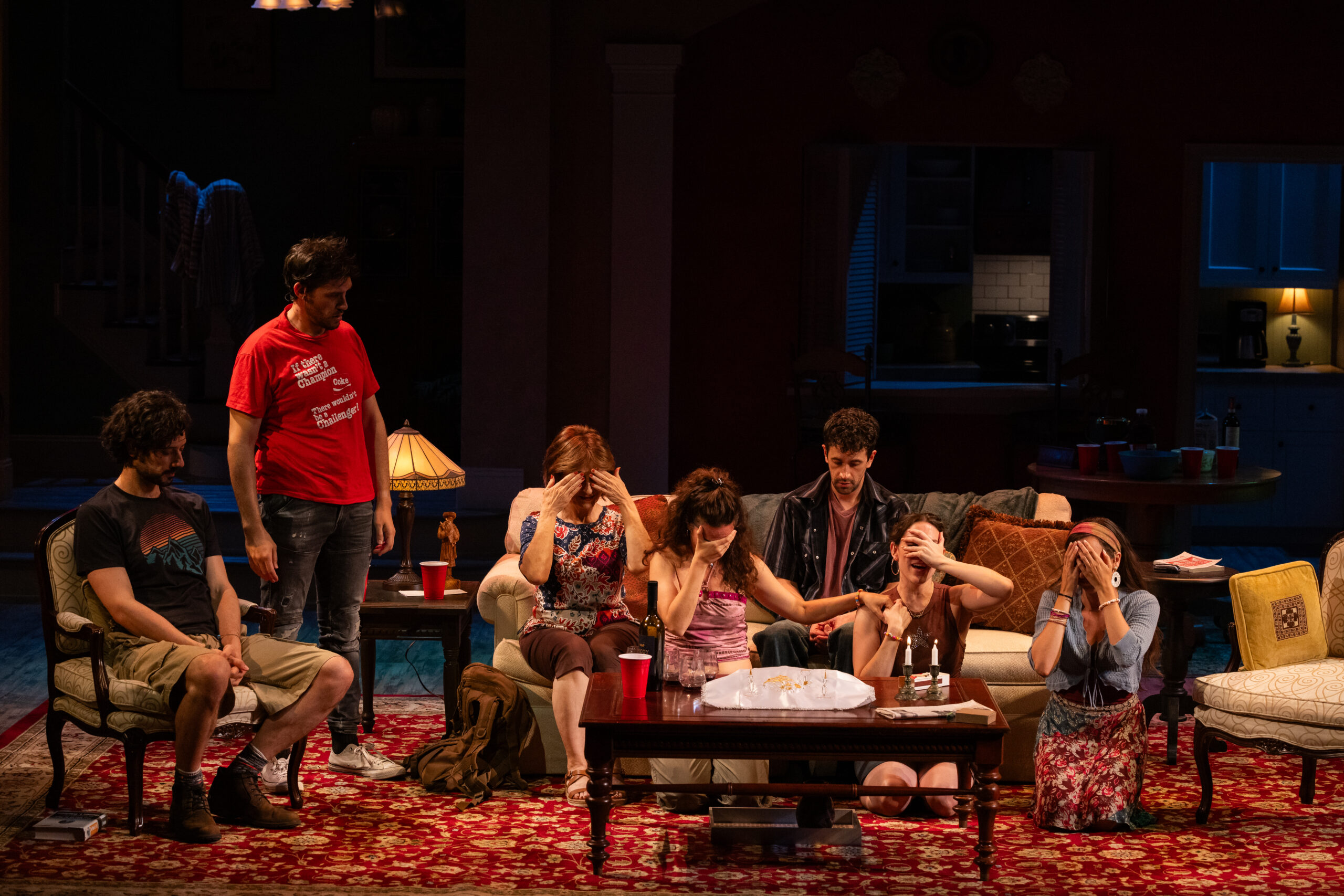
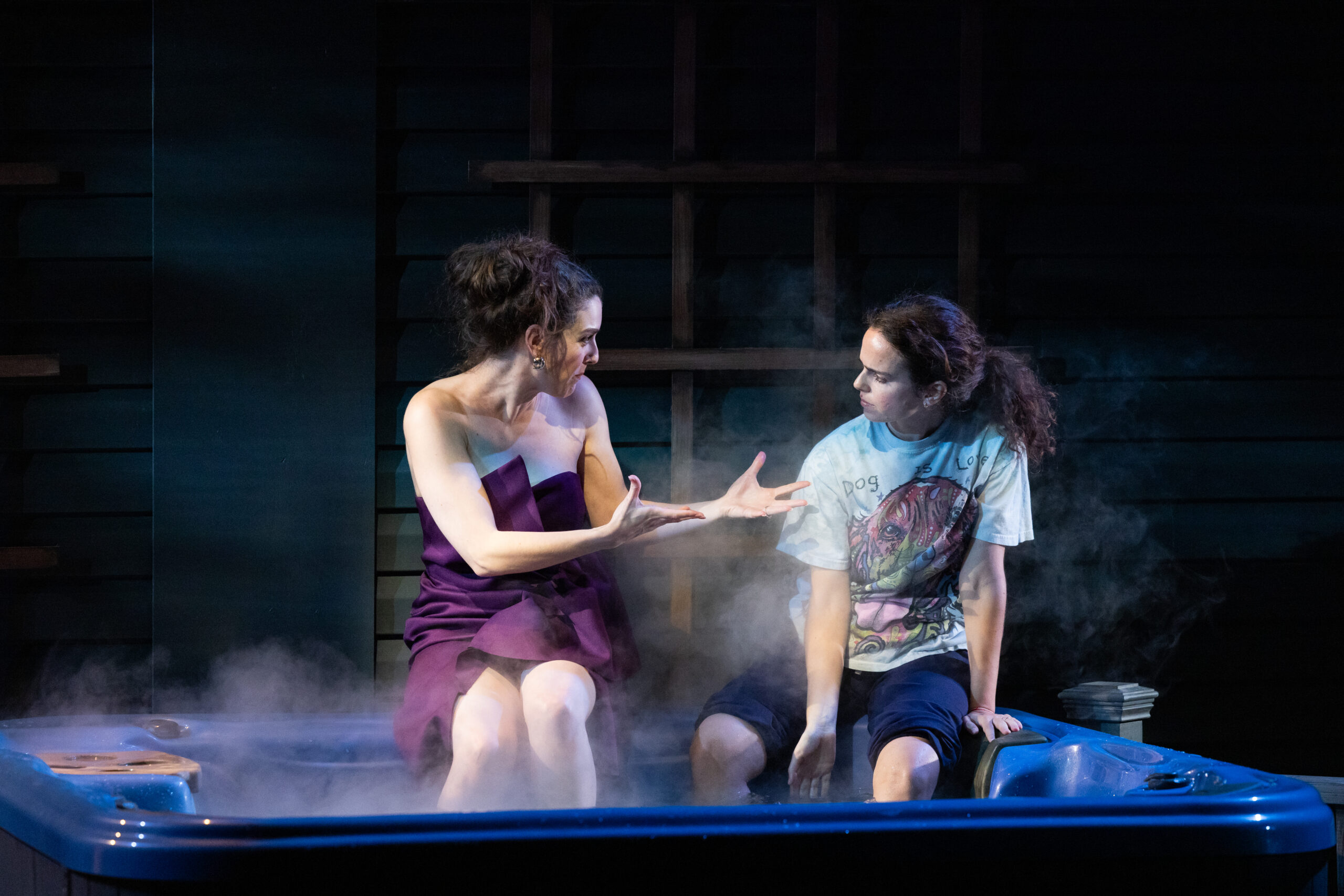
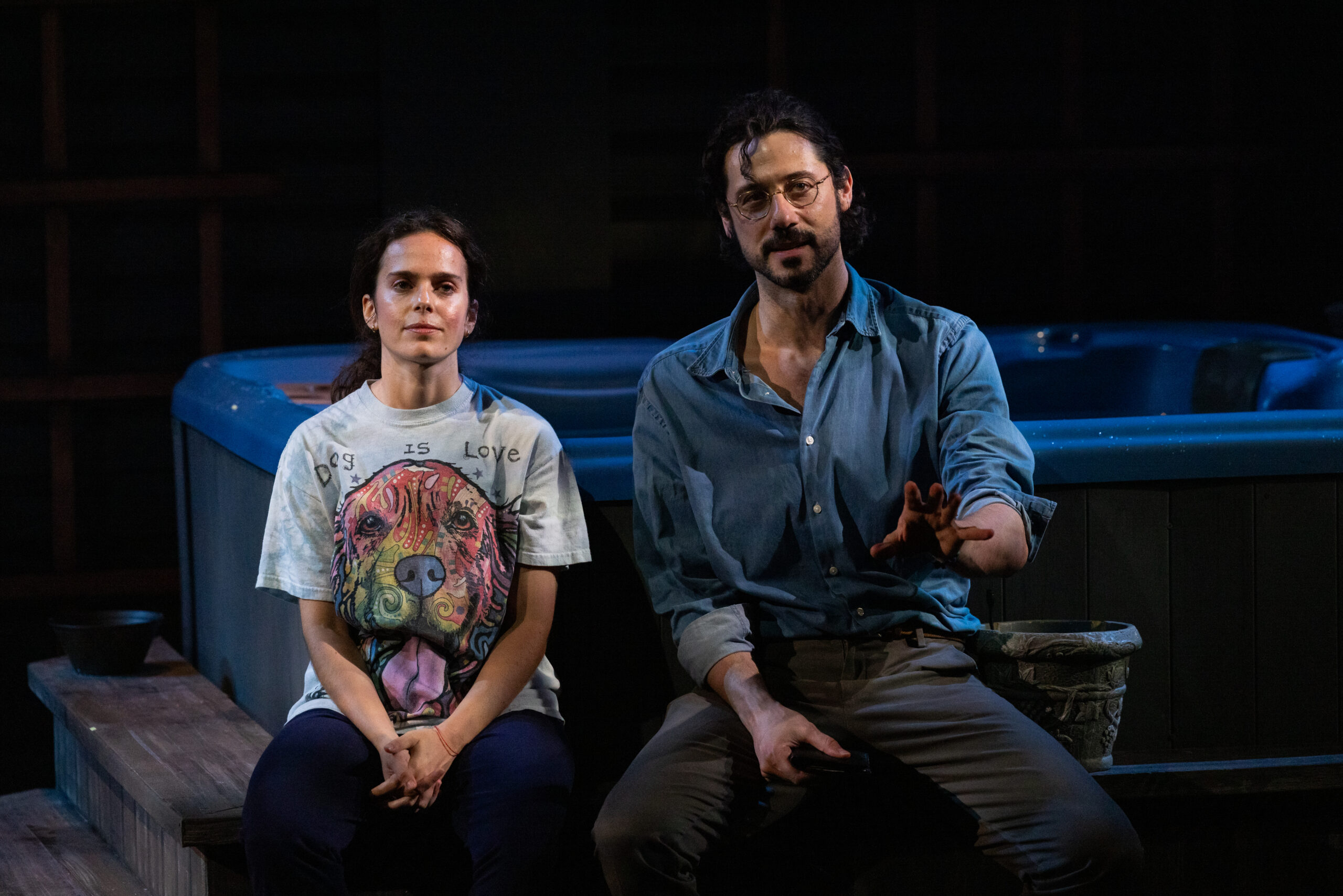
    Miami New Drama’s new world premiere play Birthright by Jonathan Spector is jaw-droppingly good. The three-and-half-hour sprawling, epic dramedy chronicles the friendship of six Jewish-Americans over the course of twenty years from 2006 to 2024.

    Birthright is ambitious and bold. An epic American journey woven from the Jewish experience into the American experience. Storytelling at its best! It’s brilliant, raucous, fast-paced, extremely well-written and highly entertaining. It is a Jewish-American gem, blurring the lines between identity politics and a popular culture retreat. The dialogue is smart and layered, and as the characters talk over each other, the layers and depth only sink in more.

    It’s hard to write about on a tight deadline. There’s too much. The script was originally 330 pages — they whittled it down to 220 pages for the Miami premiere.

    Birthright will be a movie someday and probably make it to Broadway, and justly so.

    This is the most ambitious world premiere we’ve seen in Miami since A Wonderful World.

    Birthright: where do we start?

    Act I — 2006 — what a time, post Katrina and the Iraq war, Bush fatigue, the birth of YouTube and Facebook, flip phones and pre-Obama – we meet our crew, all in their early twenties, bright-eyed Americans enjoying a house party … commenting on all of this and more … captured like prestige television…or a classic season of Friends.

    The play buries its Jewish theology in American pop culture, American history, and American politics — making you realize crisply and loudly the Jewish experience is embroidered into the American experience.

    The characters are neurotic, self-deprecating, self-aware but dissociative, human and relatable. Birthright is a lecture and a pow wow at the same time.

    It feels foreign and intimately familiar.

    Set in a comfortable suburban home creates a nostalgia many of a certain generation will connect with — I grew up on Long Island and moved to Parkland (in the 90s) — this cast and these characters feel very familiar and I don’t have a Jewish bone in my body.

    The set is amazing by the way. As are all performances. The acting is superb. Pitch perfect intonation, speed, chemistry and tempo, top to bottom. All seven players sharp and in tune: Irene Adjan, Hale Appleman, Daniel Capote. Stephen Stocking, Krystal Millie Valdes, all amazing – with standout performances from Arielle Goldman and Dani Stoller.

    Birthright: where do we end?

    Birthright works best when four or more characters are together versus one-on-one diatribes that get a tad preachy and slow. The dialogue heavy play may lack scenic movement but it’s so fast paced (except when bogged down by theology) you will feel a part of the party or family.

    Spanning 20 years, it allows its characters to evolve, devolve, grow and shrink and stumble, it is an extremely accurate portrayal of an epic, sprawling slice of American life.

    Some may feel the play drags on at three and a half hours — on the contrary, it’s epic storytelling, a surprisingly multi-faceted examination of the story of Zionism and Israel, bold and breathtaking, riskier than one would expect for a world premiere in Miami Beach.

    This is one of those theatrical expereinces you just have to see for yourself.

    Birthright is now playing at the Colony Theater.

    For more info and tickets, click here.

    Acknowledgements

    This article’s published with the support of the Miami-Dade County Department of Cultural Affairs and the Cultural Affairs Council, the Miami-Dade County Mayor and Board of County Commissioners.

    Photo by Morgan Sophia Photograpy
    Photo by Morgan Sophia Photograpy
    Photo by Morgan Sophia Photograpy
    Photo by Morgan Sophia Photograpy
  • March of the Mangroves Showcases Florida’s Threatened Environment

    March of the Mangroves Showcases Florida’s Threatened Environment

    “We have to learn to live with the water, we have to learn to live with the mangroves.” – Alex Harris, lead climate reporter for the Miami Herald.

    Paleobiologists estimate that the first instances of mangrove habitats evolved 50-75 million years ago. Their significance for the equilibrium between land, sea, and air has remained steady into the contemporary era. With root structures that vary between particular species, they share a crucial commonality: healthy mangrove ecosystems store up to five times more carbon than their forest counterparts and trap the compound within their root systems for centuries, if not longer. In vehicle dependent coastal cities like Miami, which recorded a carbon dioxide output of 36.5 metric tons in 2019, this factor is especially important. It is a fact that many who cut down mangroves to make way for better views or access to water fail, or lack the willingness to understand.

    It does not take the eyes of Sherlock Holmes to notice the stark differences in foliage between different sectors of Miami, Florida. Like many things in this illustrious city, the amount of trees and shrubbery (along with what kinds) in your area is a measure of privilege– much like the model of your car, the brand of your clothes, or the size of your overpriced apartment. It is a well known yet mostly unspoken understanding that the racially motivated consequences of 1960s Urban Renewal efforts haunt this city.

    Anyone can drive down to Little Haiti or Overtown and feel the stark heat of the sun sizzling against their skin or the concrete boiling the soles of their shoes, then head over to Coral Gables and enjoy the sprawling canopies of shade from the gorgeous Live Oak trees. A mere 10 miles away from one another, the foliage contrasts bewilderingly. Sophia Abolfathi’s Suncoast Emmy-Award winning documentary March of the Mangroves explores how the trees renowned for their resilience and climate-defying powers have not been spared from the growing pains of industrialization. By cutting between snippets of a vintage travel advertisement describing the changes happening to ‘control the wilderness of Florida’ and interviews with individuals involved in sustaining mangroves, Abolfathi is able to weave a narrative that includes the past, present, and future of environmental activism.

    Amongst the interviewees are expert climate reporters (Alex Harris), Historians (Dr. Marquardt), Professors (Dr. Angela Witmer), and citizen activists making real change on the ground. While protected by Florida law, the stability of mangrove populations in the United States are precarious in light of new administration and a rigorous campaign against climate change education. The failure to adapt to environmental struggle is already harming South Floridian residents– we have seen the damage done in the aftermath of hurricanes that are developing more often and more viscous than ever, and nobody can escape the excruciating heat in the summers.

    Socioeconomic gaps in the city of Miami shine even brighter in the summer months; There are those who are able to vacation on our beaches and tan just enough to look good for snapshots, and those who are forced to work long days under the blazing heat with little shade and a severe lack of heat protection granted by law or corporate contracts.

    March of the Mangroves instills a sense of urgency in its viewers, as well as a newfound appreciation for the trees they have always noticed but not given too much thought to. However, it is not about panic or defeatist ideology that urges us to put down our tools and give up in the face of a terminally ill planet. Instead, it places mangroves as a pillar of what it means to be climate conscious in a technological world where we are overwhelmed with information and disastrous news every day. It is refreshing to hear the history of communities that figured out how to live within nature sustainably and to acknowledge that all hope is not lost.

    It is not too late for change. It is not too late to start caring about the world around us. Mangroves have become a striking symbol: if our leaders dismiss or minimize the importance of these trees, they will do the same to our marginalized families and friends. If rich folks who buy property on our beaches just to get rid of mangroves because they are able to pay the fines without breaking a sweat, who is to say they won’t do the same to their neighbors who have lived in this city for generations? And if mangroves no longer exist, we will not not be far behind.

  • Such a Lovely Place – The Eagles in Miami

    Such a Lovely Place – The Eagles in Miami

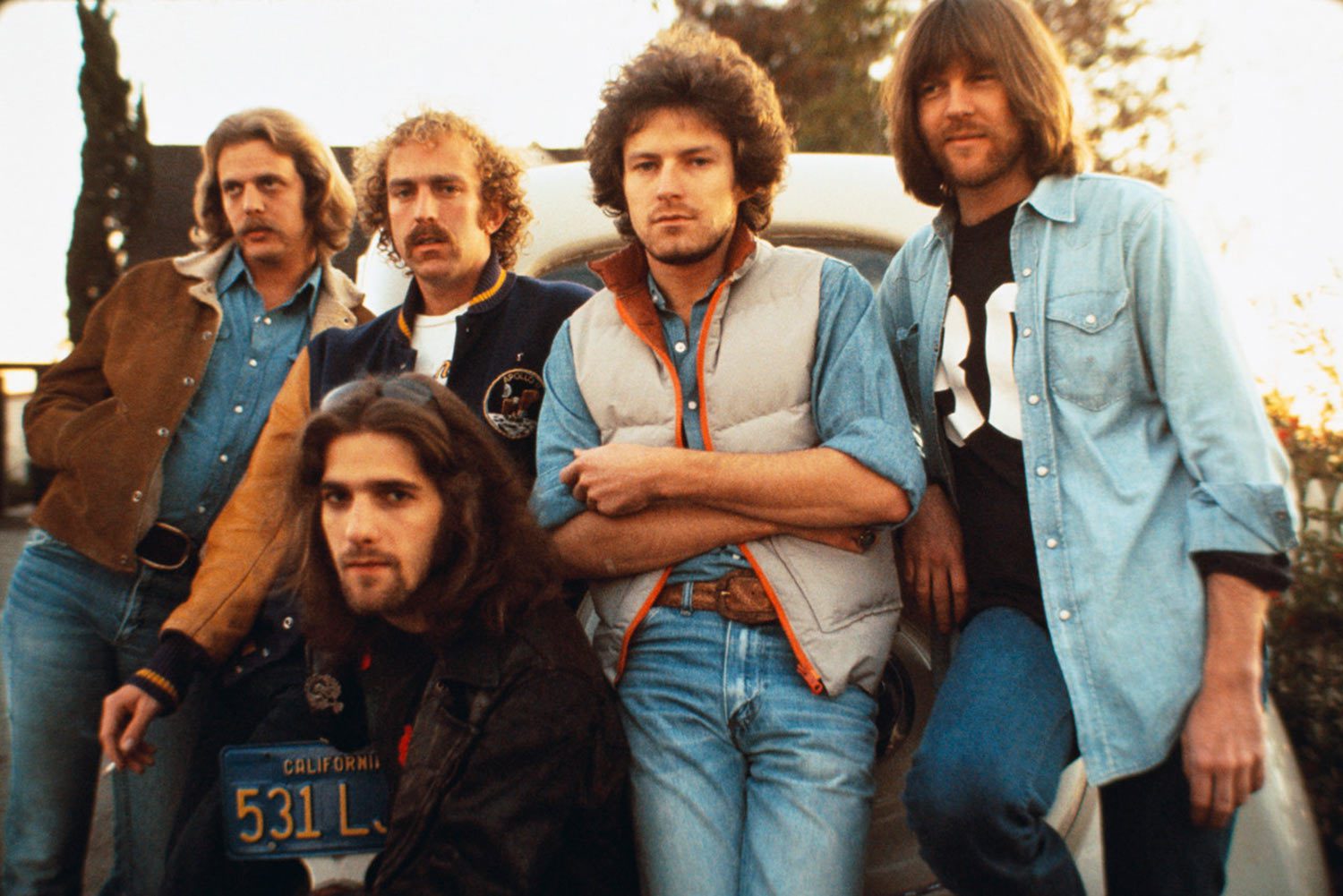
    In the 1970s, Miami was a rising hub for some of the greatest names in music. The Eagles’ career, arguably, wouldn’t have been the same without their time in the city.

    One afternoon, Don Henley, Joe Walsh, and Glenn Frey sat together listening to a cassette demo recorded by Don Felder at his Malibu home. The melody, with its Spanish-infused tones, immediately caught their attention. Initially dubbed Bolero Mexicano, the song was poised to become the lead single for their upcoming album. They envisioned lyrics that would capture the romanticized dream of California—convertibles cruising down the highway, hair whipping in the wind, palm trees, and twinkling lights flickering like fireflies against the horizon. But there was a problem: the demo was too long for a radio-friendly single—over six minutes—and needed refining.

    Under pressure from their record label to finish the album, the band secluded themselves at a ranch in Calabasas, on the outskirts of Los Angeles, hoping to perfect the song’s Spanish-inspired chords. Draft after draft followed, but none fully satisfied them. That’s when an idea emerged: they would take the song east—to Miami, where a relatively new yet thriving music scene was taking shape at Criteria Studios.

    Founded in 1958 by Mack Emerman, an avid musician, Criteria Studios was a passion project that seemed almost quixotic at the time—perhaps, even today, any artistic or cultural venture in Miami still carries that same sense of defiant ambition. There were no major recording studios in the city; most were concentrated in California or New York. To keep his studio afloat in the early days, Emerman even worked as a candy deliveryman. But over time, Criteria made a name for itself, first by recording music for The Jackie Gleason Show, then cementing its reputation in the ’70s with the Saturday Night Fever soundtrack and a strategic partnership with Atlantic Records. This alliance attracted an impressive roster of artists, including Bob Marley, David Bowie, and Fleetwood Mac.

    The Eagles arrived in Miami in 1975,

    staying at 461 Ocean Boulevard—the rustic beachfront house where Eric Clapton had once retreated to recover from heroin addiction. The house had since become an unofficial haven for musicians spending extended periods in Miami, among them Liza Minnelli, Barry Manilow, and the Bee Gees, who were also working at Criteria at the time. Though the band’s main goal was to refine their demo, Don Felder later described their seven-month stay in Miami, in his memoir Heaven and Hell, as something closer to an extended seaside vacation. They became diehard Miami Dolphins fans, thanks to their producer Bill Szymczyk, who secured them VIP seats at the stadium every weekend.

    But Miami wasn’t just about music and football. The city also became the backdrop for their long, intoxicated nights—defying DUI stops, stretching parties until sunrise, and indulging in substances that blurred the line between night and day. Yet, from that haze, something extraordinary emerged. What began as a simple demo, pulling them from one end of the country to the other, evolved into a defining moment in their career. That song—born in Malibu, perfected in Miami—would go on to become one of the most iconic tracks in rock history: Hotel California.

  • Big Brothers Big Sisters Miami Provides Mentorship

    Big Brothers Big Sisters Miami Provides Mentorship

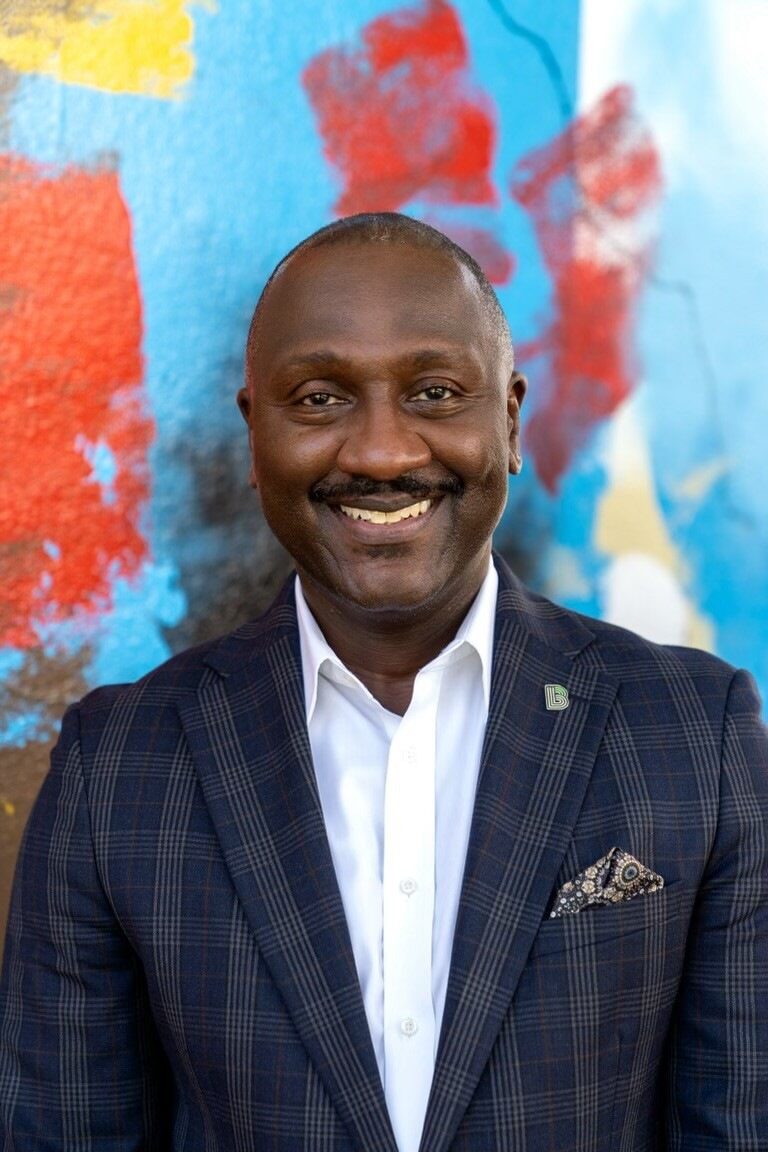
    For over 60 years, Big Brothers Big Sisters Miami has provided children with free mentorship. CEO and president Gale Nelson has played a crucial part in that story.

    “Many of the programs that we currently have grown; I was there to help start most of them,” said Nelson.

    He has been with the organization since 2006, when he was hired as VP of Programs, but it’s not his first time professionally guiding children.

    He began his career at Bay Point Schools, a Miami School for boys that were a part of the juvenile delinquency program as a teacher and coach.

    “Mentoring was a key aspect,” Nelson recalled. The students, who, because they “would come to me from jail, would be mentored by older students who had grown.”

    “I wanted to get the kids before they went to jail,” said Nelson, who says he finds the Midwestern values he grew up with -like friendliness and a willingness to help-to be highly effective when working with minors.

    He was initially hired to design, strengthen and create programs to help the children of Miami-Dade County. One of his signature programs is School to Work, which provides mentoring for high school students in the workplace. The initiative’s creation was the result of the long waiting list for mentorship, leaving the children, mostly in high school, bidding a significant amount of time before being paired. At the time, people were not expressing interest in mentoring teenagers. But School to Work makes things easier by allowing companies and organizations to volunteer as a group to recruit mentors from their pool of staff and host a group of high school students on a regular basis throughout the school year.

    “The School to Work program allowed us to do two things-Serve high school students and help address the number one reason people would give us as to why they would not mentor- ‘I just don’t have the time,” Nelson said. “After bringing students in during the school day, we saw our numbers skyrocket.”

    Gale Nelson

    Big Brothers Big Sisters refers to children being mentored as “Littles” and the adults that provide act as mentors as “Bigs”.

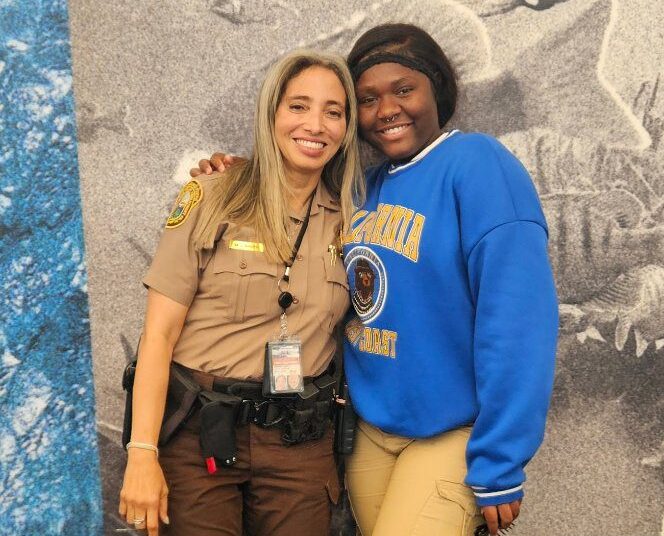
    One Little-Big duo that met through the School to Work program is 17-year-old Amirra Cobb and 63-year-old Mishka Lahiff, a Lieutenant at the Support Operations Bureau.

    “We have really close talks,” said Cobb, who plans to attend Pennsylvania State University where she will major in Forensic Science. She says her Big Sister has influenced and reinforced her passion for forensic science and criminal justice while instilling in her the importance of giving back. “She gives me life lessons. And it’s not like someone would come to my school and gives an inspirational speech. It’s actually things she’s done in her life and how I can relate to her.”

    Cobb and Lahiff have known each other for over a year and have done activities such as field days, ship tours and celebrations at Christmas time together. During her interview with South Florida Times, Lahiff explained that she originally wanted to become a foster parent but was afraid of bringing anything negative or harmful to her own children. Becoming a Big was the next best thing.

    “I’m extremely grateful that I got paired with Amirra, because sometimes she helps me more than I think I help her,” said Lahiff. “There are sometimes where I feel down and go and see her and she’s so happy-go-lucky that it makes me forget.”

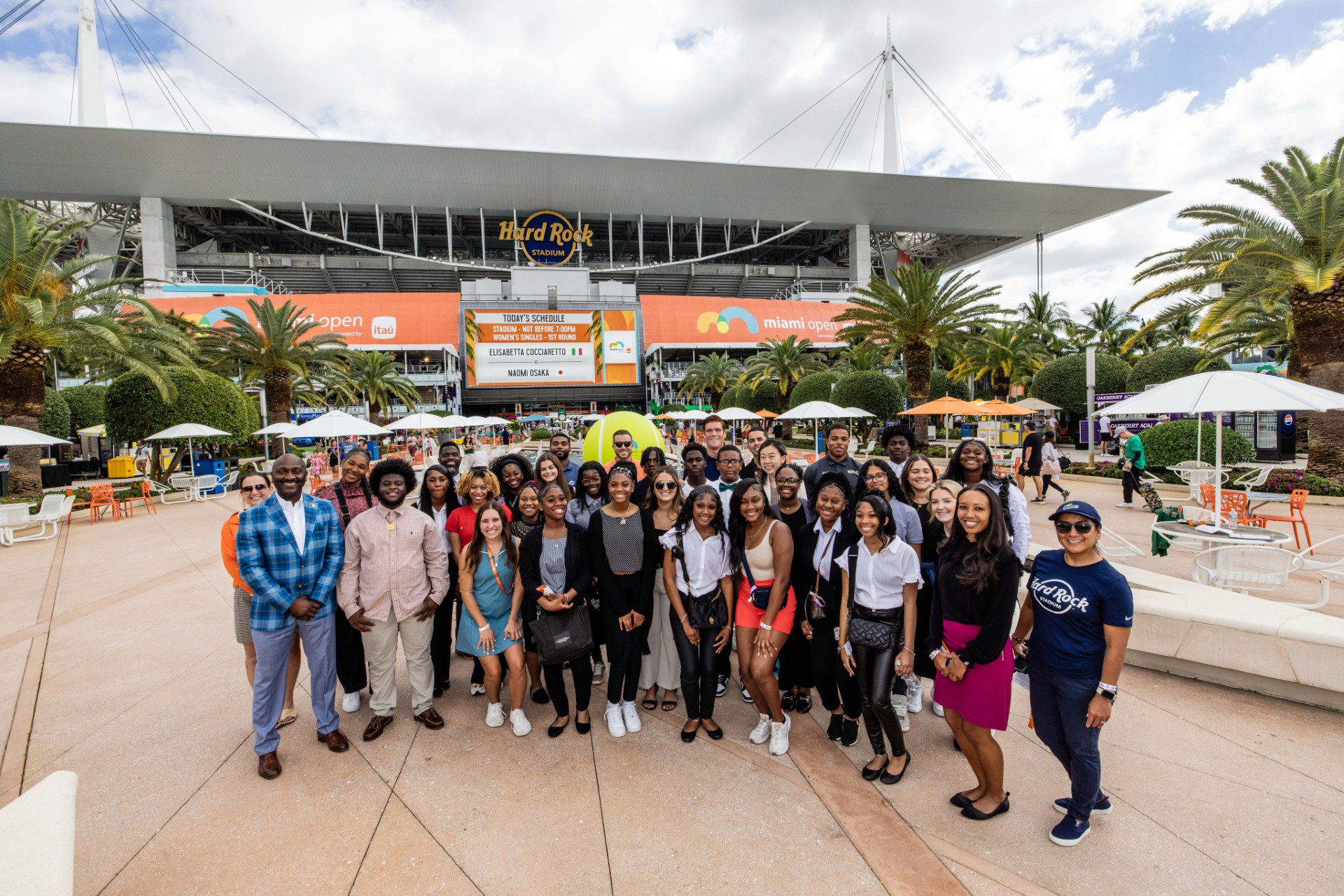
    Big Brothers and Big Sisters Miami Work Miami Open

    In 2008, the Bigs and Blue program was formalized. The initiative was created to encourage first responders to become Bigs and to build fellowship in the community. And although Nelson expressed his respect for uniformed personnels, he acknowledged that law enforcement does not always have a good rapport with young minorities.

    “There are real issues that must be addressed and what better way to address it than seeking to build mutual trust and respect,” said Nelson who shared that he himself was victimized by police officers when he was a college student. However, he’s chosen to put the energy from that traumatic experience towards Bigs and Blue.

    Former CEO and president of Big Brothers Big Sisters Miami, Lydia Muniz said that her first impression of Nelson “was that he was polished, intelligent, articulate, and passionately committed to community service and making an impact.”

    That impression turned out to be spot on- Along with the board, staff, donors, and community partner, “they have further enhanced and strengthened the organization, transforming the lives of many young people by believing in them, mentoring them, and helping them realize their potential.”

    Like any nonprofit, Big Brothers Big Sisters faces challenges, like ensuring long-term sustainability, expanding the donor base, collaborating with like-minded organizations and reaching the neediest local kids.

    Upcoming functions for Big Brothers Big Sisters include the Dream Big Gala in May, a prestigious affair featuring fine dining and live entertainment and in October, Jazz at Joe’s which is an iconic dinner bringing together Miami’s top philanthropists and corporate partnering to launch the event season.

    “Our significant impact on the community is fueled by the greatness of our families, volunteers, donors and staff,” said Nelson.

  • Transcendental Meditation and David Lynch: Interview with Jason Handelsman

    Transcendental Meditation and David Lynch: Interview with Jason Handelsman

    Jason Handelsman hasn’t had a moment to catch his breath in the last year. As frontman of Gucci Handelsman, he’s been riding a whirlwind of creative momentum—recording a new album featuring Woodstock percussion legend Daniel Ben Zebulon while mounting over twenty-five performances across South Florida’s underground music circuit.

    Yet amid this frenetic pace, David Lynch’s recent passing has forced a pause.

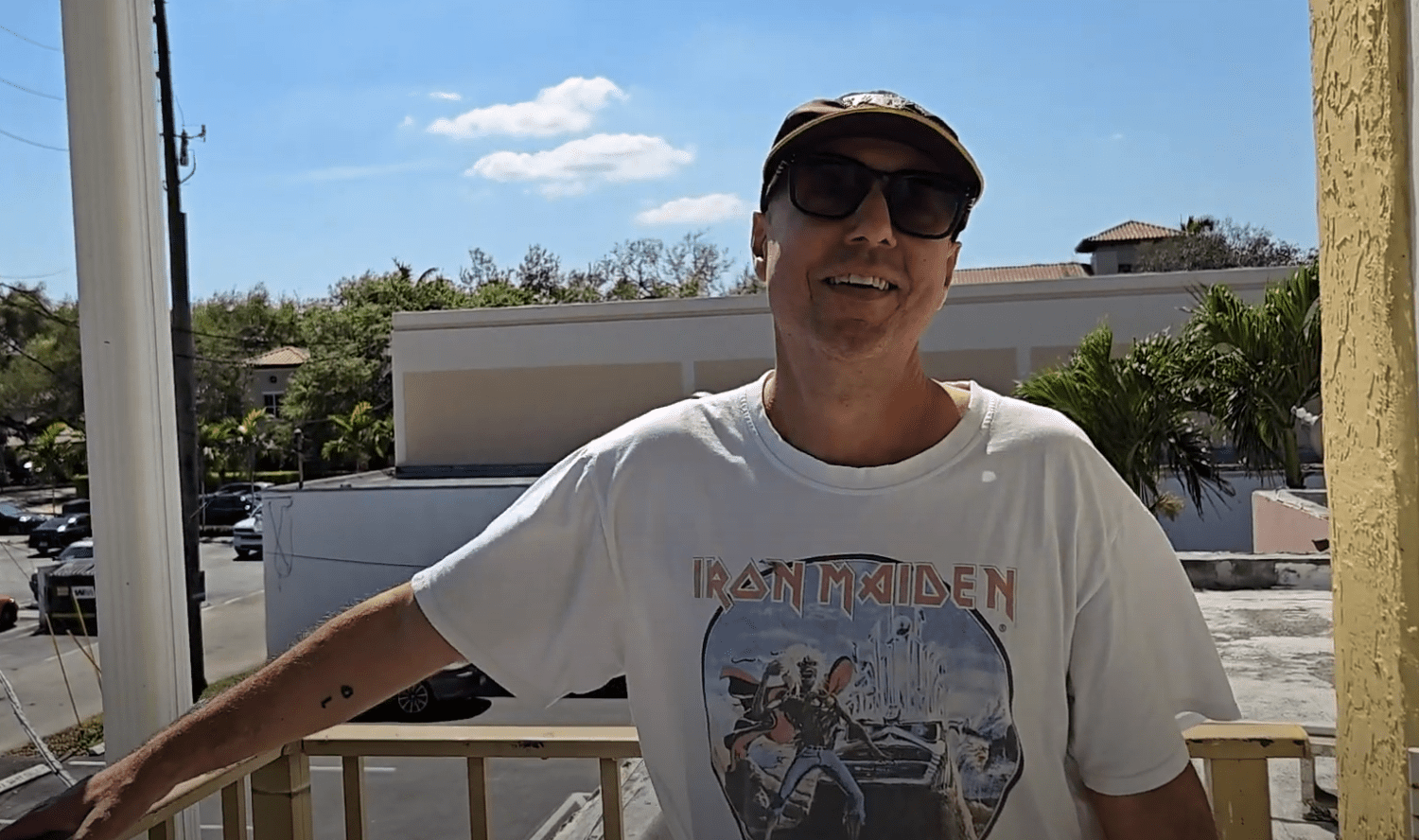
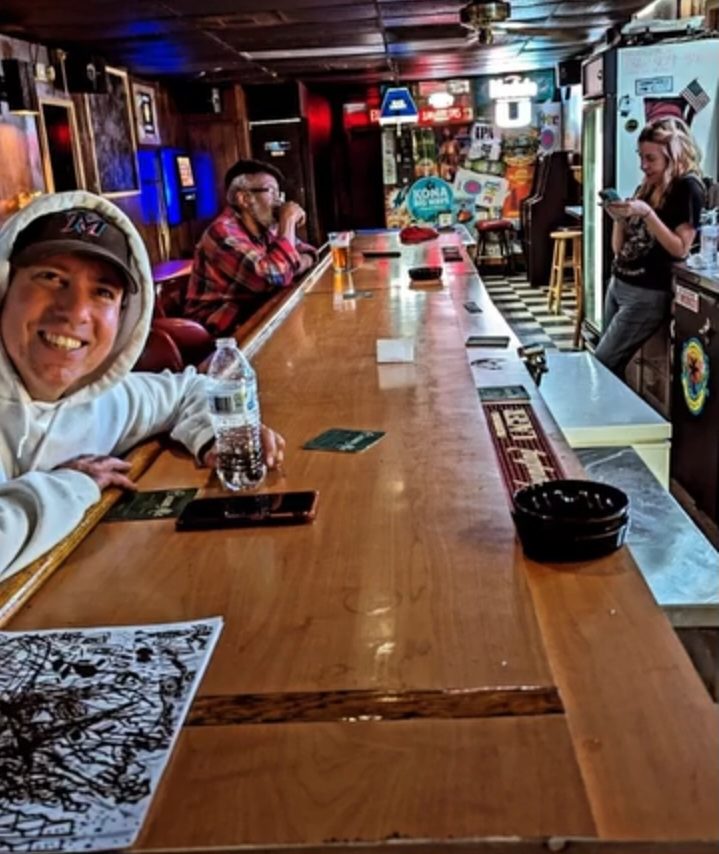
    Artists and fans have spent the past few months reflecting on his profound influence on their lives and work. Last Friday, Handelsman visited Fruit Fly Records in Coral Gables ahead of their album release show this weekend. There, he shared the story of his relationship with Lynch—how what began as a routine interview for a local publication evolved into a mentorship centered around Transcendental Meditation, forever altering Handelsman’s life.

    You’ve mentioned reciting a mantra during meditation. Have you ever uttered your mantra to anyone or spoken it outside of your practice?

    Jason Handelsman: The mantra is something in the air, as David Lynch would say. Everything I learned about TM, besides my own regular practice of about 11 years, came from conversations with David Lynch. He explained how it would fit my life personally, and everything he said proved true.

    One of the foundational aspects of TM is that the mantra is given to you after completing three days of training. I can’t share it—I can only use it during meditation for 20 minutes, twice daily.

    Can you tell us what language it’s in?

    It’s not really a language. It’s comparable to when I’m creating drone sounds with my guitar through my SUNN amp and pedals—there’s no word that accurately describes that sound. The mantra produces a drone-like effect when you focus on it. You have to allow it to emerge naturally in your mind rather than forcefully repeating it. Other thoughts will come, of course, but once you quiet the mind, only the mantra remains.

    How long are you supposed to meditate?

    Twenty minutes, twice a day. There are additional elements for transitioning in and out of meditation, but the core practice lasts twenty minutes, which I time using an app.

    Transcendental Meditation is a mental technique utilizing a mantra while sitting. It creates what David Lynch calls an “unbounded field” or “the ocean of consciousness.” Sometimes 11-12 minutes into meditating, I’ll hear Lynch’s voice saying “this is the ocean of consciousness,” and I’ll feel it profoundly.

    TM is often called the Rolls-Royce of meditation. I’ve explored other practices, including Zen meditation for several years—even spending days on a snowy mountain in Upstate New York practicing it. The approaches differ significantly. With TM, you don’t follow anyone—you simply practice it.

    Why do some people perceive it as a cult?

    There is an organizational structure to TM that I’m not deeply familiar with. It’s headquartered in Fairfield, Iowa, at Maharishi University.

    Maharishi himself was remarkable in how he introduced the practice to America. David Lynch attended his funeral in India and entered the Ganges when they cremated Maharishi. In India, there are deity statues of Maharishi—many consider him divine.

    There are statues of David Lynch in India?

    I’ve seen photos of vendors in India who sell deity statues—Krishna and others—and they sometimes display framed photos of Lynch decorated with flowers among these deities. They regard him as a god.

    Did your conversations with Lynch ever extend beyond meditation to his film work?

    My first interview had strict parameters—I could only ask coffee-related questions because I was reviewing his signature organic coffee line. Securing that interview was challenging. Eventually, his assistant said, “Tomorrow, 1 PM Pacific time, ten minutes only, coffee-related questions.”

    I had 24 hours to prepare. Some friends discouraged me, saying I shouldn’t interview him, but I was determined.

    I’ve interviewed many artists I respect, but with Lynch, it was different. Some people actually warned me against speaking with him, claiming he was a “Satan worshipper.” I found myself conflicted.

    During the call, I mentioned my review of Inland Empire and he said, “Oh yeah, Michael showed that to me.” I was surprised he had read my piece. I had also referenced him in a song that I sent them, which they apparently listened to. He understood where I was coming from.

    Lynch is quite spiritual. He quoted the Bible to me regarding Transcendental Meditation—specifically Matthew 6:33.

    What part of the Bible did he quote?

    He referenced Matthew 6:33 in relation to TM. I was confident in my analysis of “Inland Empire,” despite its challenging nature. I kept notes while watching, thinking, “I love David Lynch!”

    Seeing his films in theaters is an immersive experience, comparable to visiting Hawaii.

    Recently, Gables Art Cinema screened several of his films. It’s refreshing to experience them in theaters—that’s clearly how “Mulholland Drive” was intended to be viewed.

    That’s his medium. Watching his work on a phone doesn’t do it justice. If I tried to watch a Lynch film on a phone, I could almost hear him saying, “Put that down!”

    Like in that video where he criticized people for watching films on small screens.

    That reminds me of my first interview experience. I was anxious, with people telling me, “Don’t interview Lynch, don’t practice TM, he’ll try to convert you.” Some claimed it was “demonic” or “Hindu.” Meanwhile, he had already offered me a scholarship for TM training. I questioned whether these were concerned friends or simply detractors.

    When I first called him, I had everything prepared for recording. I phoned a few minutes early and spoke with a receptionist. While on hold, waiting for Lynch, my recording equipment malfunctioned. When he answered, I explained the technical difficulties, and he calmly said, “Jason, don’t panic, fix it and call me right back. I’ll be right here.” So I resolved the issue and called back.

    Did you record other interviews or just that one?

    I recorded all of them, though I had limited preparation time for the others. My life became centered around waiting for the next opportunity to speak with Lynch.

    I was working with my brother during this period, and he was curious about my intentions. This was also a difficult time personally—I had legal troubles after a serious incident while under the influence. I was on probation and fulfilling community service at a church.

    The Bible verse Lynch quoted—”The kingdom of heaven lies within”—resonated with me. He encouraged me to share TM with my church community, saying, “Tell all your people, Christians, Protestants…” He was passionate about promoting both TM and his coffee.

    So he uses “drink” to describe practicing TM as well? It’s like coffee to him?

    There are people who adhere strictly to TM protocols, like certified teachers. Lynch will tell you, “I’m not a teacher. I practice TM.” That’s his approach to it.

    To become a TM teacher, which I’ve inquired about, requires living in Thailand for five months and costs around $20,000. I contacted the David Lynch Foundation about financial assistance, but they declined. I’m grateful for what I’ve received, but the additional expenses are prohibitive given my current obligations.

    Lynch expressed confidence that someday I could “give the gift of TM” to someone who needs it. He recognized that I needed this practice in my life.

    I shared with him how I watched “Mulholland Drive” repeatedly in a theater after 9/11 in New York, during a difficult period in my early twenties involving divorce and personal struggles. I would arrive just in time, sitting in the front row of an almost empty theater.

    I would call him “Dr. Lynch” because of his honorary doctorate from Maharishi University. I’d begin discussing scenes from his films, and he would patiently listen.

    Did you discuss the character behind Winkie’s?

    We didn’t delve into specifics. I was primarily expressing how meaningful his work is to so many people, including myself.

    Lynch’s directorial persona reflects confidence and self-assurance. Despite his father’s pressure to “get a job,” he committed to his artistic vision, spending six years in his Philadelphia studio creating his dream project.

    The path may sound simple, but it required tremendous sacrifice. And through it all, he practiced TM twice daily, never missing a session in over 40 years. That level of discipline is remarkable.

    Gucci Handelsman, with Daniel Ben Zebulon, Rat Bastard. Bitter Lake, Kolin Zein, Kleegy the Klown, Arch Stanton, Dick Trump, AonQ, and Sky Below the Sun, 1 p.m. Sunday, March 30, at Fruit Fly Records, 430 S. Dixie Highway #205, Coral Gables, FL & 9pm Wednesday, April 2 at The Club, 14247 NW 7th Ave, North Miami, FL.

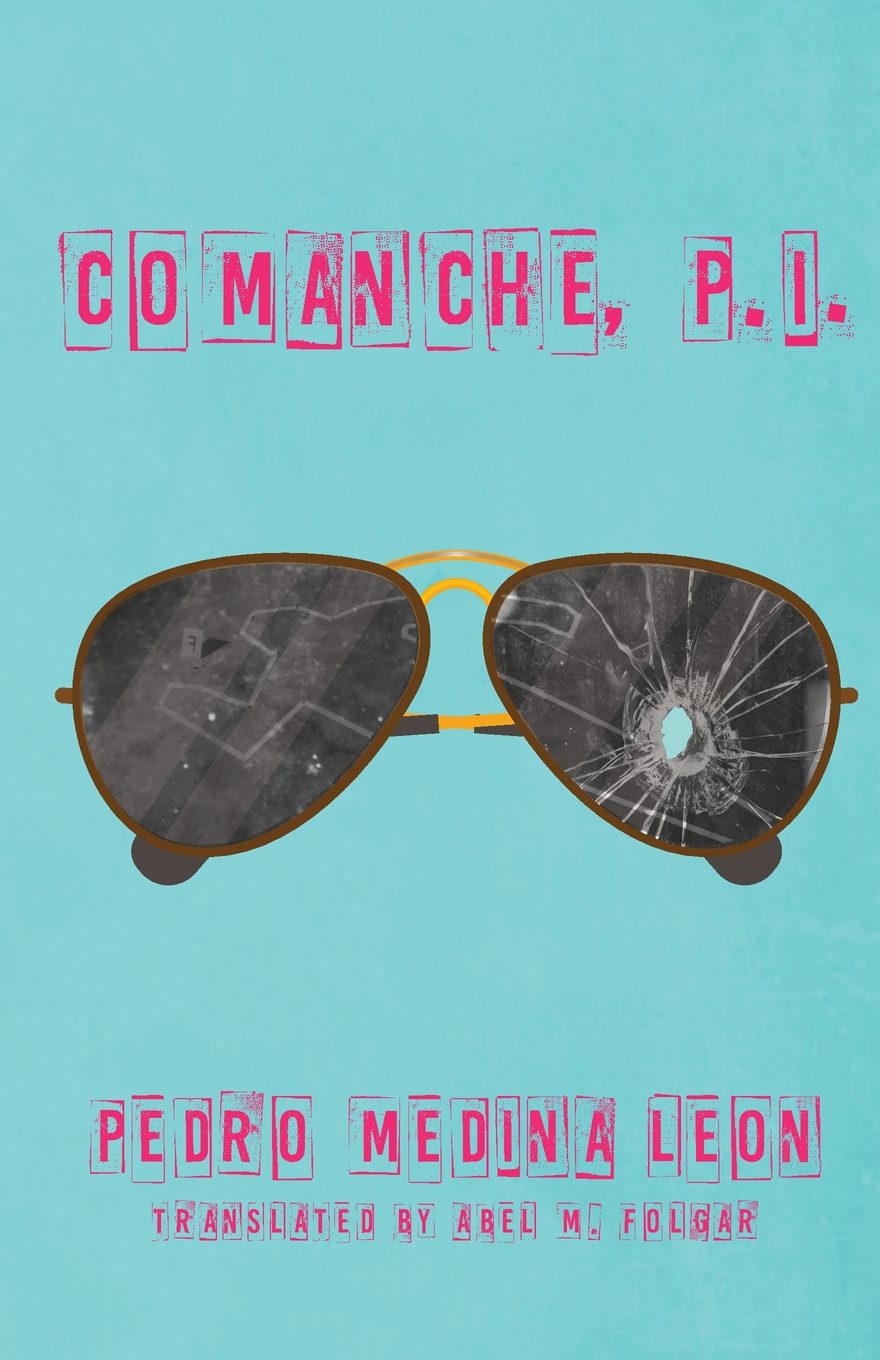
  • Miami Noir at Its Finest: A Review of Comanche, P.I.

    Miami Noir at Its Finest: A Review of Comanche, P.I.

    Miami has long been a city of contradictions—where the neon glitz of South Beach meets the shadowy underworld of crime, where the waves of Biscayne Bay whisper stories of opportunity and danger alike. In Comanche, P.I., Pedro Medina León immerses readers in this world, crafting a hardboiled detective novel that is both a love letter to classic noir and a vivid, contemporary portrait of Miami’s underbelly.

    The novel follows Comanche, a private investigator whose life oscillates between the sun-drenched decadence of Miami Beach and its crime-riddled alleyways. From the outset, Comanche is depicted as a deeply flawed yet compelling figure—an old-school detective with a modern Miami twist. He’s a man of contradictions: tough but weary, street-smart but occasionally reckless, and above all, relentless in his pursuit of the truth. Medina León’s writing ensures that Comanche never becomes a caricature; instead, he is a complex protagonist whose vices and virtues make him all the more human.

    The novel is divided into three sections—Ciudad Maldita, Cocaine Cowboys Wannabe, and Delirio South Beach—each evoking a different facet of the city’s criminal landscape. Medina León paints Miami in the hues of noir: its streets are haunted by corruption, drug deals, and sudden bursts of violence, yet they are also alive with Latin rhythms, boozy late nights, and a sense of grim beauty. His prose is crisp and evocative, reminiscent of James Ellroy and Raymond Chandler, but infused with the cultural specificity of Miami’s Latino community.

    The novel’s central mystery revolves around the murder of Gregorio Lizárraga, a struggling writer found dead on the Venetian Causeway. Comanche is hired to investigate, and what initially appears to be a straightforward case quickly spirals into a labyrinthine web of deceit, drug trafficking, and power struggles. Along the way, Comanche navigates a world of crooked cops, volatile informants, and dangerous criminals, all while trying to keep his own demons at bay.

    What sets Comanche, P.I. apart is its masterful use of atmosphere. Medina León captures the spirit of Miami in all its excess and decay. From the sweat-soaked motels on Alton Road to the dimly lit bars of Washington Avenue, every setting is meticulously crafted. The novel thrives on the tension between Miami’s idyllic postcard image and its harsher realities. The city is more than just a backdrop; it is a character in itself, alive with the pulse of danger and desire.

    The dialogue is another highlight. Sharp, witty, and dripping with attitude, the exchanges between Comanche and his various contacts are among the novel’s best moments. Medina León understands the rhythm of noir, the way words can cut like knives or linger like cigarette smoke in the air.

    While Comanche, P.I. is a crime novel at its core, it also delves into deeper themes. The book explores the cost of violence, the fragility of justice, and the way past traumas shape present actions. Comanche’s own struggles—his tendency toward self-destruction, his uneasy alliance with law enforcement, his tangled relationships—add depth to the story. He is not a hero in the traditional sense, but rather a man trying to navigate a world where the line between good and evil is perpetually blurred.

    The novel also offers a critique of Miami’s darker realities—gentrification pushing out longtime residents, the ever-present influence of organized crime, and the way money dictates morality. Medina León does not romanticize the city’s seedier side, but he also does not shy away from its allure. Miami is depicted as both paradise and purgatory, a city of dreams and nightmares.

    Comanche, P.I. is a gripping, atmospheric novel that will appeal to fans of noir fiction and Miami crime stories alike. Pedro Medina León has crafted a tale that is equal parts thrilling and thought-provoking, filled with memorable characters, razor-sharp dialogue, and a richly realized setting. The novel stands as a testament to the enduring appeal of the detective genre, proving that even in a city as modern and ever-changing as Miami, there is always room for an old-school private eye with a cigarette in one hand and a case to crack.