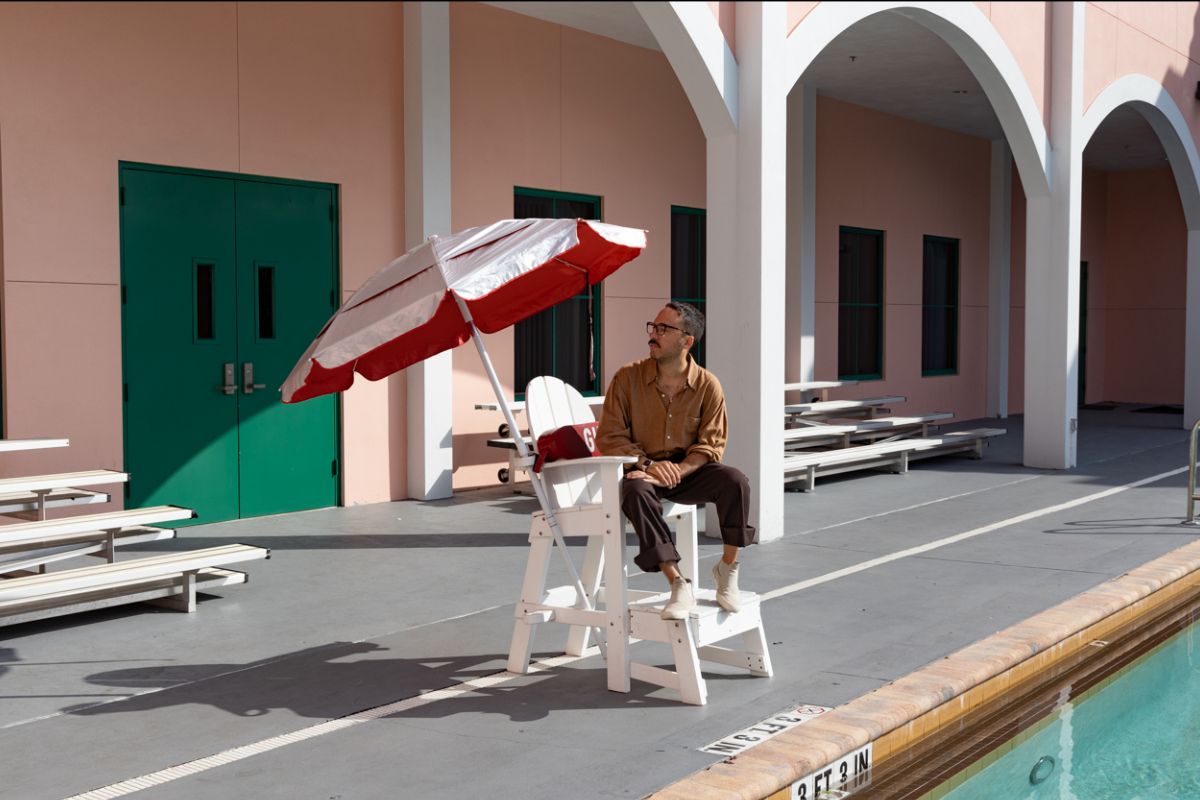
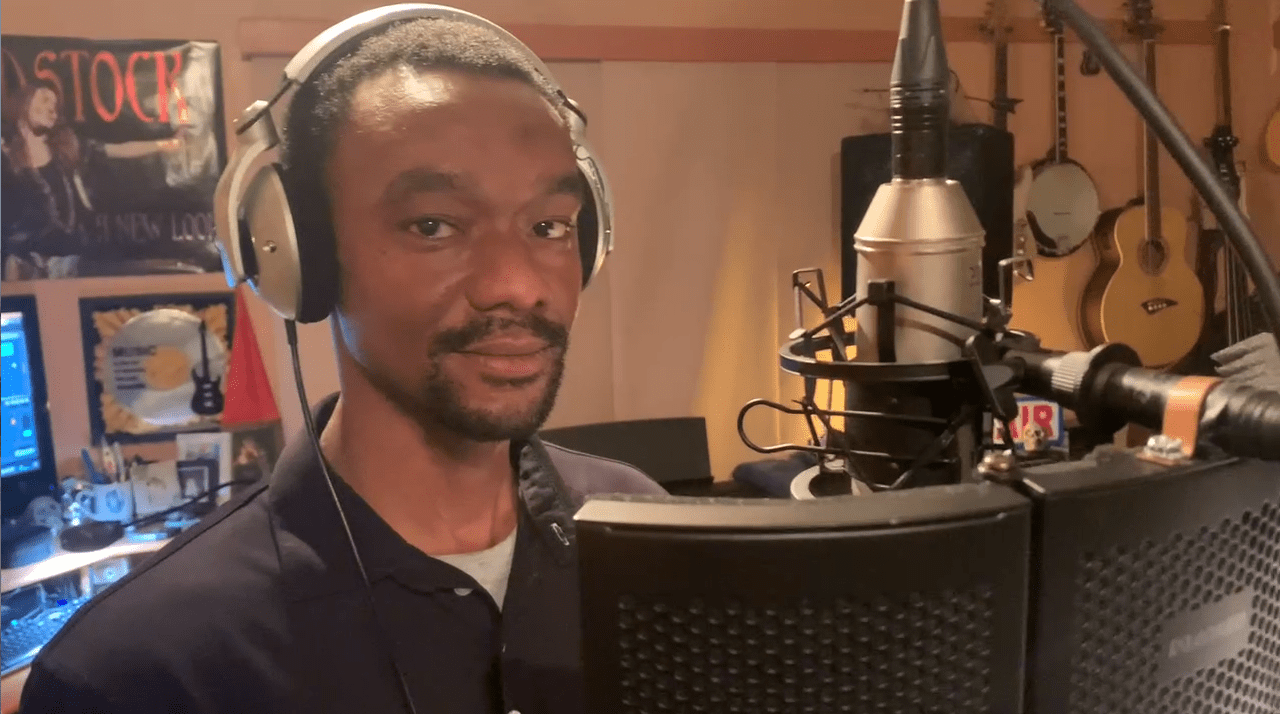
Miami based musician Mario Giancarlo is a bit of a renaissance man describing himself as an immigrant, a Latino, a writer, a filmmaker, and as a music industry veteran. It is his current bilingual indie-pop project Hunters of the Alps that had Giancarlo hop onto the Jitney to discuss his new single “Dry Run”.
When did you fall in love with music?
Mario Giancarlo: Aging myself here but when my dad played his cassette tapes of 80s Latin American crooners like Raphael and Julio Iglesias.
How has Miami influenced you as a musician?
In high school it made me want to be in a band, as a young adult it made me want to play in front of crowds, then later on I wanted to write better songs. Miami and its people and its musical scene is always underrated but it has shaped who I am.
What inspired you to start Hunters of the Alps?
A few things. I felt that my musical contribution to my previous band was overlooked and I wanted to take more control of creative decisions. This was catapulted by a gig that got confirmed to open up for Twin Shadow so I rushed to create the band and brand.
Can you walk us through the writing and recording process of your new single “Dry Run”?
As the forever sad boy that I have been dubbed by some, I am pretty sure I was feeling some type of way or being retrospective regarding past decisions, choices made that always come back to either haunt you or at least warn you. Dry Run was a rough demo I made on electric guitar and I followed the melody around until i found what I wanted to say. It got some help from a few folks here and there until Rick Moon took over producing duties.
What else does Hunters of the Alps have planned for the rest of 2024?
Two more singles, an EP, two more music videos and West Coast shows.
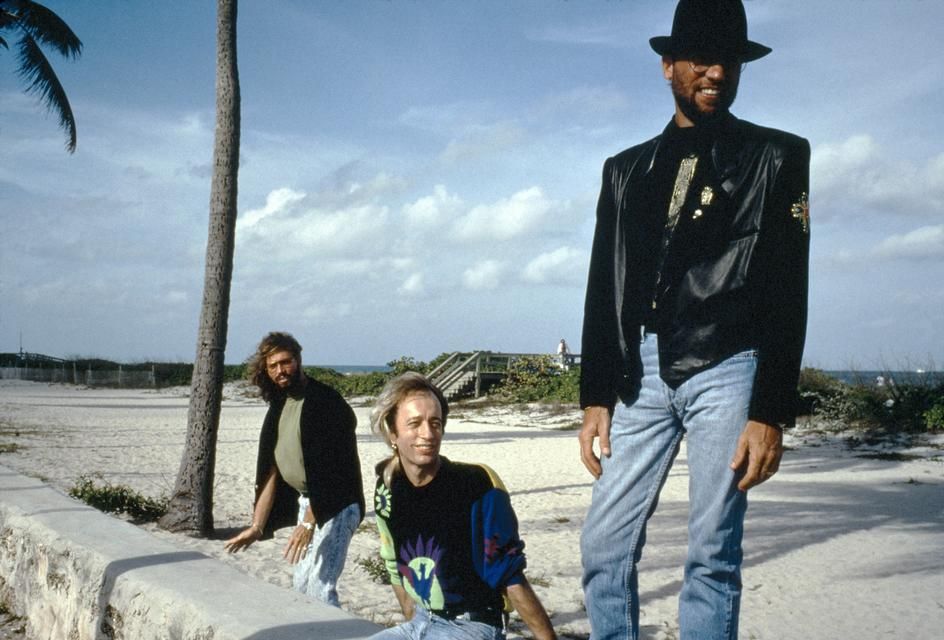
On March 4, 2007, a ceremony was held in a small park in Miami Beach, on Purdy Avenue, overlooking the Venetian Causeway and the open sea of Biscayne Bay. Until then, the park had been called Island View Park, but from that day on it would be renamed Maurice Gibb Memorial Park. Three years earlier, Maurice had not survived surgery for an intestinal obstruction at the Mount Sinai Hospital.
The Gibb brothers sealed a pact from a very young age, which consisted of becoming one of the greatest music bands in the world. Born in the United Kingdom, they emigrated to Australia when Barry, the eldest, was thirteen years old, and the twins Maurice and Robin were eight. They soon began their musical adventures at school and with friends, then on stages and TV shows, and their album The Bee Gees Sing and Play 14 Barry Gibb Songs saw the light in 1965. Although it followed a glorious stage, Australia was neither Europe nor the United States, and the ceiling was low, and they had already reached it.
The Bee Gees returned to England in the late sixties, where Robert Stigwood, partner of The Beatles’ manager, Brian Epstein, was waiting for them with high expectations and a contract that only needed signatures at the bottom. At first, the public was not indifferent, but they did not manage to position themselves as expected; in one of their performances, they were even pelted with eggs. At that time, the United Kingdom was the realm of The Beatles, and if The Bee Gees wanted to shine, they had to orient themselves more towards that style in both music and lyrics and move away from love ballads.
The Bee Gees considered the idea of saying goodbye to the stage,
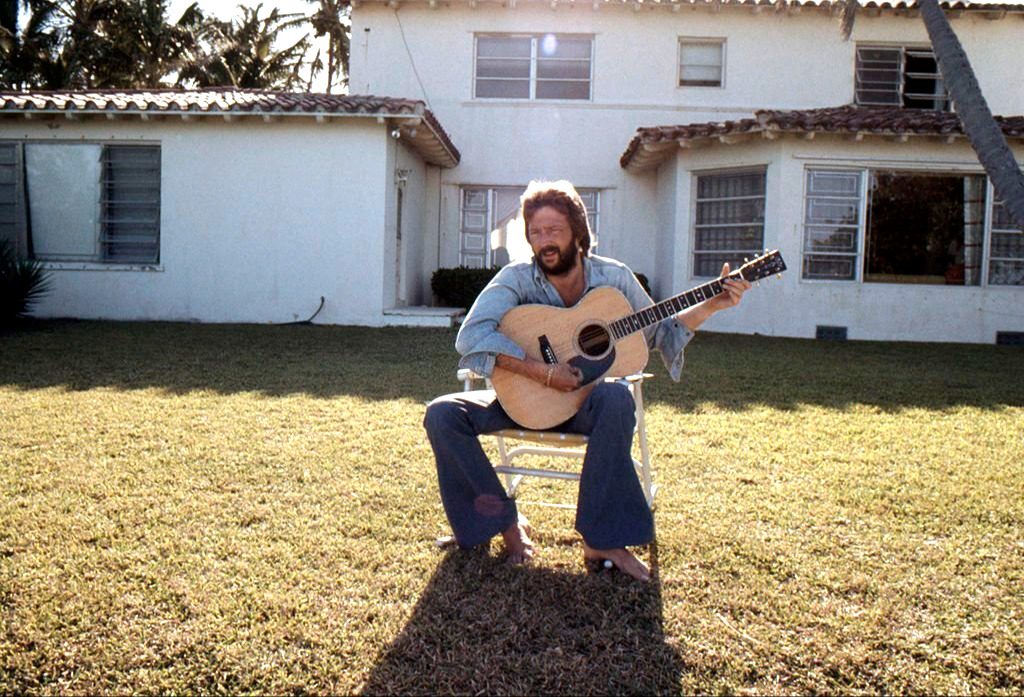
but their friend Eric Clapton suggested they try their luck in America, in Miami. Clapton had retreated to Miami Beach to recover from his heroin addiction, in a house at 461 Ocean Boulevard, near Criteria Studios where he recorded Layla and was preparing his next album.
The Gibb brothers landed in Miami Beach to spend some time at 461 Ocean Boulevard and seek, with the help of producer Arif Mardin, their change at Criteria Studios, which at that time was a mecca for musicians, where Bob Dylan, The Eagles, Bob Marley, Fleetwood Mac, and James Brown had recorded for Atlantic Records. The Bee Gees’ first single in Miami, “Jive Talkin’,” was born in the van that took them along Biscayne from Ocean Boulevard to Criteria, and it showed their other face, one with rock rhythms, which earned them top spots on the Billboard charts. The release of the album Main Course, with the tracks “Winds of Change,” “Fanny,” and “Nights on Broadway,” confirmed the quality of their new work and marked the change they had been seeking. Later came the soundtrack of Saturday Night Fever and the recognition of The Bee Gees as the greatest disco music band in history.
In addition to Main Course, The Bee Gees recorded the albums E.S.P and Spirits Having Flown at Criteria, considered by many critics to be their best work, with the tracks “Tragedy” and “Too Much Heaven,” which took them to the Top #1 not only in the United States but also in England. By the late seventies and early eighties, the Gibb family had already settled in Miami Beach, and in some interviews, when asked why they made this city their home, the answer was that Miami had captivated them from the very first day.
When Rick Najera began acting, he had a hard time finding roles beyond gangsters and drug lords. Determined to free himself from stereotypes, he decided to write his way into Hollywood.
The result has been a successful career that has included writing gigs for iconic television shows including In Living Color and Mad TV. In 2005, Najera made Broadway history by writing and starring in his own show: Latinologues onBroadway, a collection of comedic and poignant monologues about the Latino experience in America.
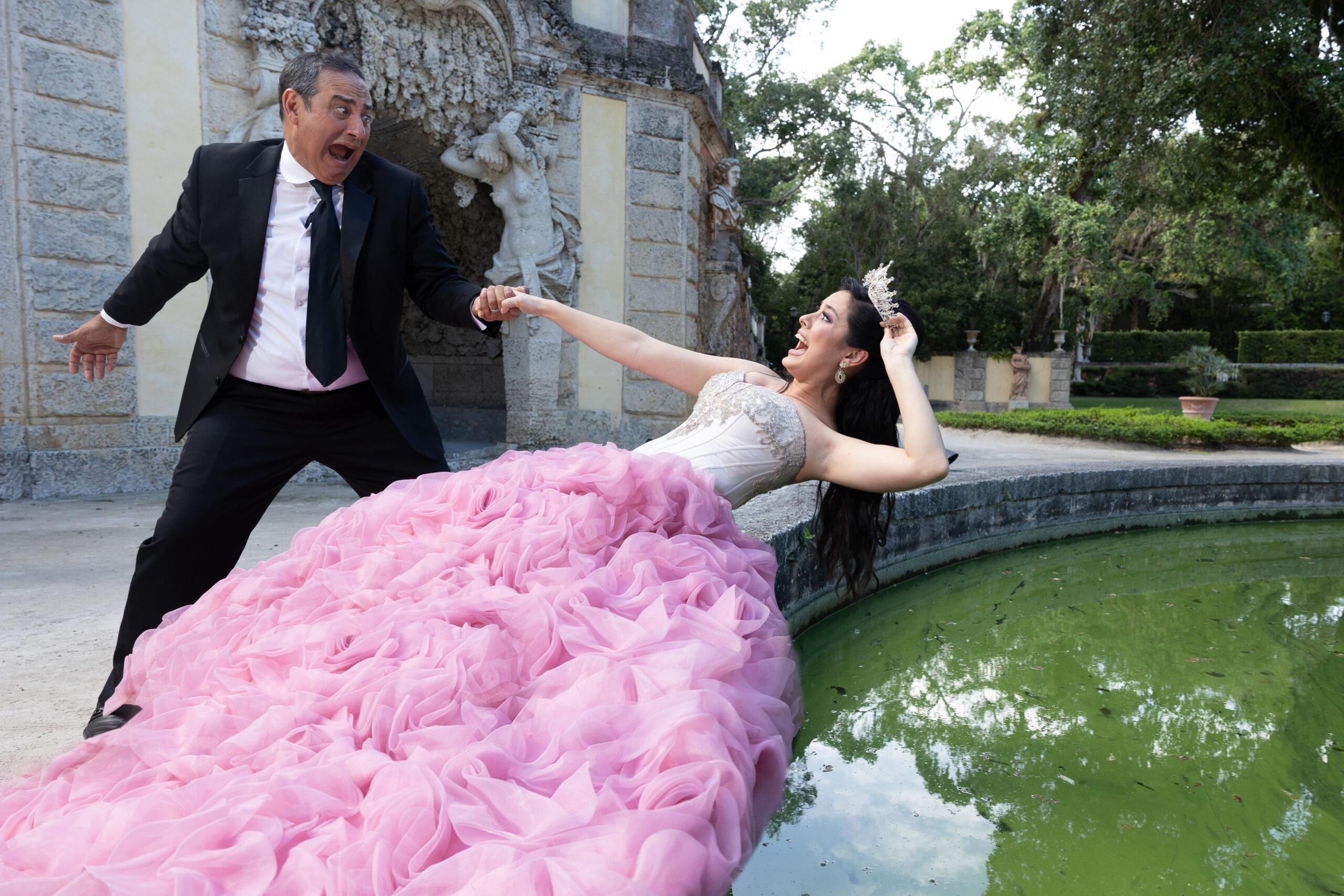
Najera has returned to the theater with a new interactive comedy, Sweet 15 My Quinceañera! which opens on July 20 at a brand-new theater, The Hub in Pinecrest. The show debuted in San Diego and also played in Chicago before coming to Miami. It is being presented by Broadway Factor, the award-winning team behind The Amparo Experience, Miami’s longest-running immersive play, and The Hub.
Najera hopped on to the Jitney to talk about his new play, his career, and his advice for young Latino artists in this interview, which has been edited and condensed for style and clarity.
What’s different about this Sweet 15 My Quinceañera production from previous versions?
Rick Najera: The main difference is the show is more relevant and timelier and that it reflects the people and city it’s in – Cubans and Miami. It’s what I call necessary theater. Latinos are the largest minority in this country but so seldom are we seen or recognized. This is a celebration of that experience and our families.
Why did you focus on this traditional Latino celebration?
Quinceañeras are a $49 billion-a-year industry. It’s a real ceremony with a huge significance in a young woman’s life. It’s Christmas, New Year’s, and birthdays all rolled into one. Quinceañeras have deep roots in our community; these ceremonies are unique to Latino families and go back hundreds of years.
What’s unique about this show?
It’s Cuban with an all-Cuban cast, but it’s in English, so everyone can attend. It’s a universal story.
What’s the central theme?
It’s about family and love. About a man trying to return to his family and a young girl grappling with her father’s absence. It’s about understanding the family dynamic to find forgiveness and healing, all the while being funny and entertaining, which is much like my family. I come from a funny, argumentative, complicated family. The only unifying thing in my family was love. I think the play reflects this.
Sweet 15 isn’t a typical play. How would you describe it?
It is more interactive and personal than most plays. We get audience members to help create the experience. They become part of the show and part of the party; they get up and dance. We use the audience as another character in the play.
What do you want audiences to take away from this play?
They will experience a Latin party that goes hilariously wrong. But at the same time, it has a lot of heart. This play is in the end a love story – a father’s love for his daughter.
You are considered a Latino trailblazer in Hollywood. What do you attribute your success to?
My success is that I don’t feel I’m successful. I have not so-called “made it.” I’m still on that journey looking for artistic satisfaction. I think artists get a vision of perfection but our inability or weakness stops us from perfection so we have to feel “the agony and ecstasy” of creation. But that’s our strength as well.
What advice would you give young Latino writers trying to enter the field today?
I would say stay hungry and never think wherever you are in your career that you have “made it.”
And the last piece of advice: Remember it’s about the audience. Serve them. cares about them. They spend their hard-earned money; they take the time to travel to see your show. Give them their money’s worth. Entertain them, let them escape into another world. Give them hope to show not life as it is but life as it should be.
If You Go: Sweet 15 My Quinceañera! runs July 20 – Sept. 22 at The Hub, 5950 N. Kendall Dr., Pinecrest. Tickets start at $49. For reservations and showtimes, click here or call 305-667-6667.
Those who requested mail-in ballots have already begun to vote. In Miami in 2022, over 440,000 thousand voters requested mail-in ballots. Most of us have our opinions when it comes to names on the top of the ticket, like Mayor, or Senator, or President, but when it comes to down ballot names, like judges, and school board reps, we need guidance. So we turn to trusted sources.
Historically, newspapers and unions have been reliable sources for endorsements. As of the time of publication, the only site with detailed primary endorsements is the Sun Sentinel. But surprise, surprise, when you go to the site there’s a paywall.
One would think The Miami Herald would have their endorsements ready since ballots are literally in mailboxes, and on kitchen counters. But they’re late to the game, a Google search reveals their latest endorsements are for last year, 2023.
So, since people are voting, we did a little digging on The Jitney.
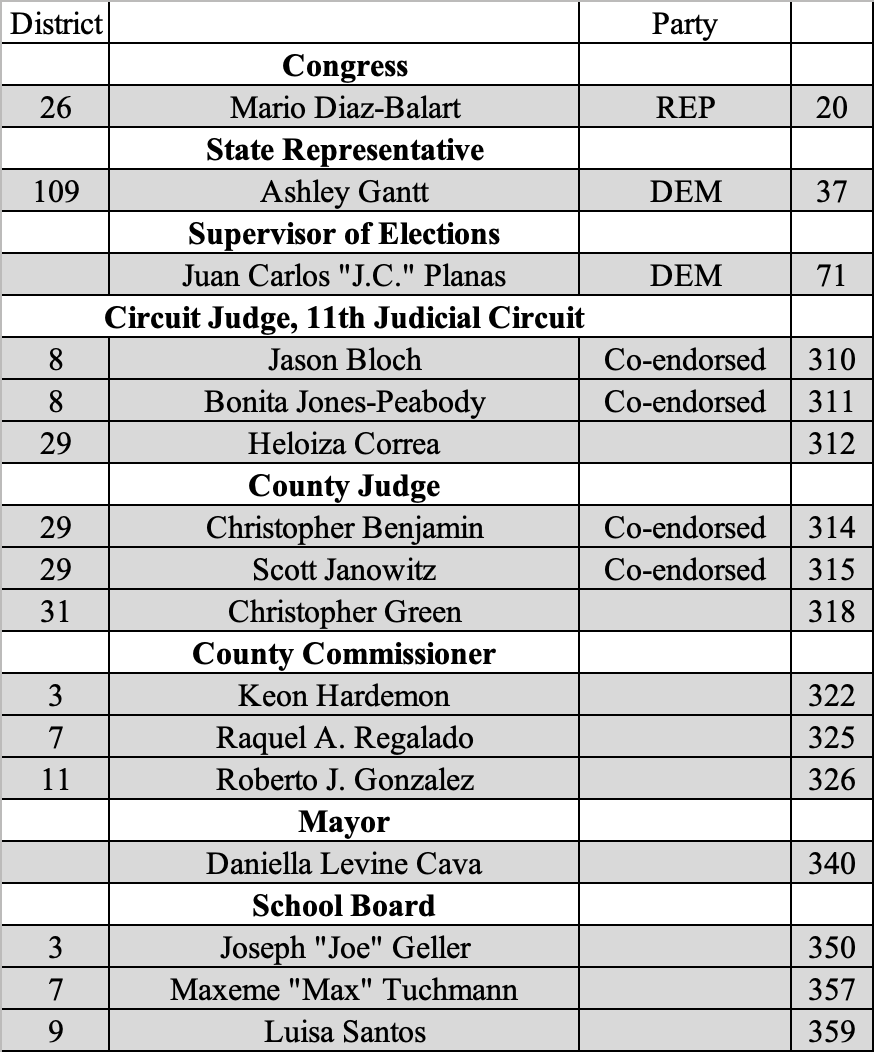
The following endorsements are for the primary election in Miami.
These endorsements come from the Miami Dade County’s teacher’s union.
For online voter registration or to update your registration (such as change of address), you may use RegisterToVoteFlorida.Govin any county in Florida. The website can be used in two ways:
* To submit an online voter registration application to register to vote or to
update a registration record, or
* To prefill a voter registration application form that you can print, sign, and
Cirque du Soleil continues its two week South Florida run at Amerant Bank Arena in Sunrise from July 18-21 to perform Corteo, a parade imagined by a clown, in the arena where The Florida Panthers play hockey.
The press release promises, “In a Cirque du Soleil first, the stage is central in the arena and divides the venue, with each half of the audience facing the other half, giving a unique perspective not only of the show, but also a performer’s eye view of the audience.” Tickets are available by clicking here.
Corteo features 55 performers from 28 countries and an additional 55 crew members to bring the show to life. Two members of the troupe, the Finnish juggler Johan Juslin and the Mexican singer Sofia Montano, hopped on to the Jitney to share their stories and tell audiences what they can expect if they attend Corteo.
How did you get involved with Cirque du Soleil?
Johan Juslin: Everything started at ten when I saw it on TV. I thought the juggling was mesmerizing. I went in my backyard and juggled three tennis balls and I’ve been doing it for 23 years. I worked at Circus Helsinki (in Finland) for years where I learned the basics in acrobatics. In 2011 I auditioned for the National Circus School in Montreal, but didn’t get accepted. In 2013 I was accepted. Cirque du Soleil is right next door and I was invited to join in 2017.
Sofia Montano: I auditioned for many years. I finally had an amazing audition and did my first show in 2019. I trained in musical theater which gave me a lot of skills to interpret the songs. The music in Corteo is very theatrical and playful so the training helped.
What kind of training do you need to put on the show?
Johan: We practiced in the headquarters for months. The jugglers created a passing act. We all came from different backgrounds and the show has a lot of cues to remember, so it took about three months for us to create this arena version. I usually juggle about two hours a day, but when I started I would juggle five to eight hours a day.
Sofia: We need to keep healthy and always train. I do a lot of vocal warm-ups to keep my voice healthy because we do a lot of shows.
What is it like to be a member of a circus?
Johan: Better than expected. It’s a dream come true. Every arena we play at is different with different challenges. So every day you do your training, you rest before your show. Then you put on your make-up, perform, then repeat.
Sofia: We move around every week on Sunday or Monday. We get to experience all these cities. Because we’re a big company with 110 people it’s like its own village.
What can audiences expect from Corteo?
Johan: Lots of acrobatics on the floor and in the air. There’s live music and a nice stage. There’s two sides, so people on one side will see something completely different from the other side.
Sofia: It’s an amazing production. There’s beautiful images and a very human side to it as we say goodbye to a character. There’s lots of depth. It’s very emotional, but at the same time very fun.
Johan, what are some of the items you juggle in the show? And what are the craziest things you have ever juggled?
Johan: In the show I juggle balls, rings, clubs, and an hourglass shaped plastic that I juggle with strings. Outside the show I’ve juggled six lit torches. I haven’t juggled chainsaws yet but I’m thinking of trying it.
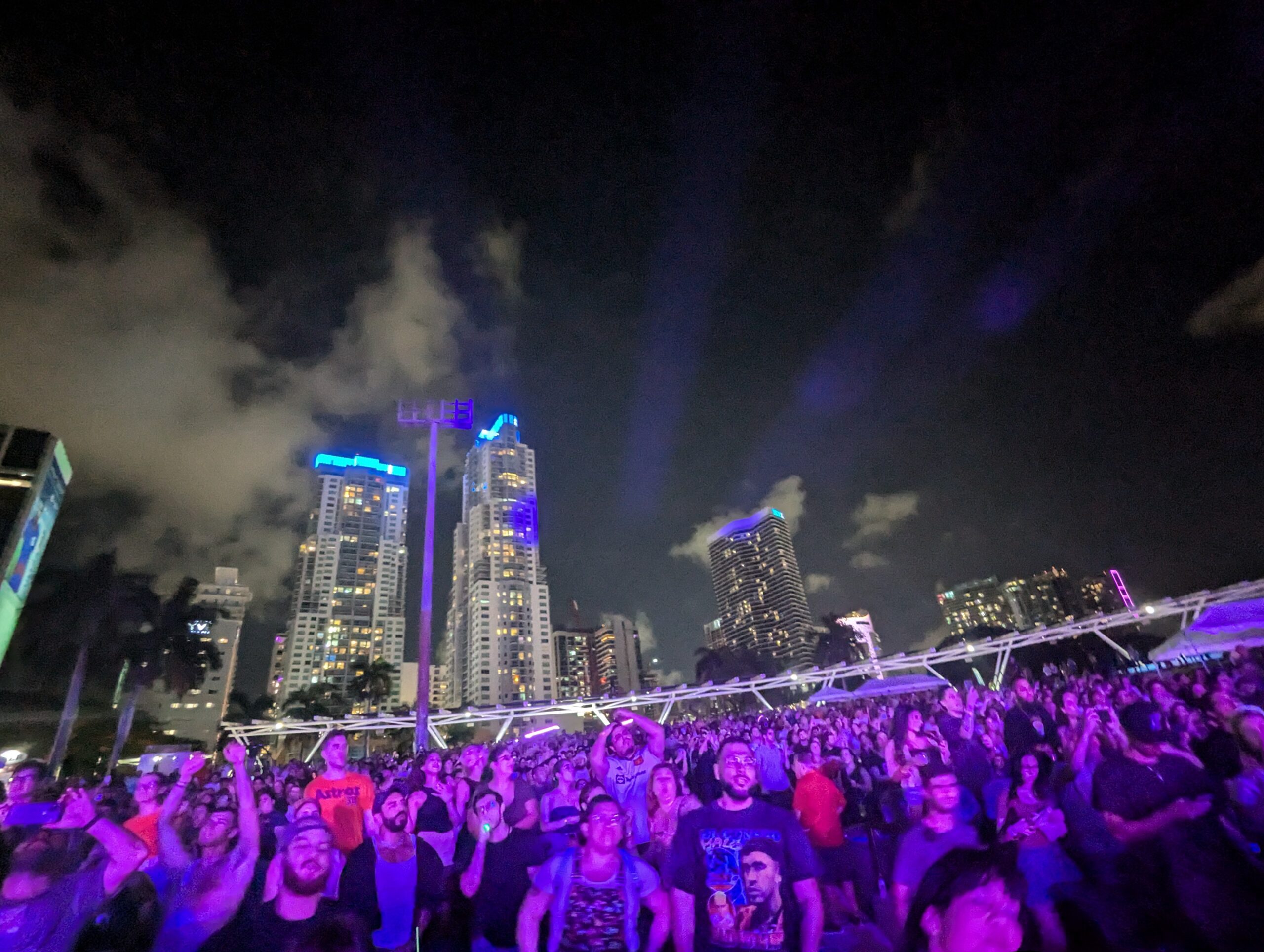
Lead singer Alex Trimble, as wont, was dressed in a posh outfit too hot for the night but he was chill enough to pull it off.
After one song, at 9:24 pm, something strange happened. The band sort of shrugged and looked each other. Something blew. A fuse perhaps? Either or, there was no sound. That’s right, no sound. And a delay ensued. The band walked off the stage. Cheeky fans cheered in jest, “One more song, one more song” and “Otra, otra…” as we settled into the delay.
A rep came out and said the venue was “experiencing technical difficulties due to the extreme heat” and the show would resume in ten minutes.
Two Door Cinema Club Miami
It is so hot outside. Like massive swampy swelter. A total sticky-icky mess.
And it is beautiful, cause it is a collective — this how people earn their 305 credibility stamps.
Every summer a few cool indie bands come through Miami and play the FPL Solar Amphitheater. Last year we were blessed with Cigarettes After Sex on June 27 and on July 22 Young The Giant with Milky Chance as opener.
Five minutes after the delay TDCC came back on.
“Let’s try this again, why don’t we?” claimed Timble, as the Irish quintet launched into their boppy “I Can Talk.”
A few songs in, bassist Kevin Baird, confessed that after being together for 17 years, this was their first time in Miami, and “despite the rocky start, I think this is a good first date.”
Swoon…crowd goes crazy. Freaking Irish are so goddamn charming.
The show went on and it seemed like the venue filled up more and more as Miami-time heads showed up, so at 10 pm the place was stacked.
The crowd was super chill. One would say all-ages, but the large majority being Gen Z, and Millennial.
Towards the backend of the show, guitarist Sam Halliday told the crowd:
“We feel like we cheated you a little since we never played the dive bars here. Thank you for the fast pass.”
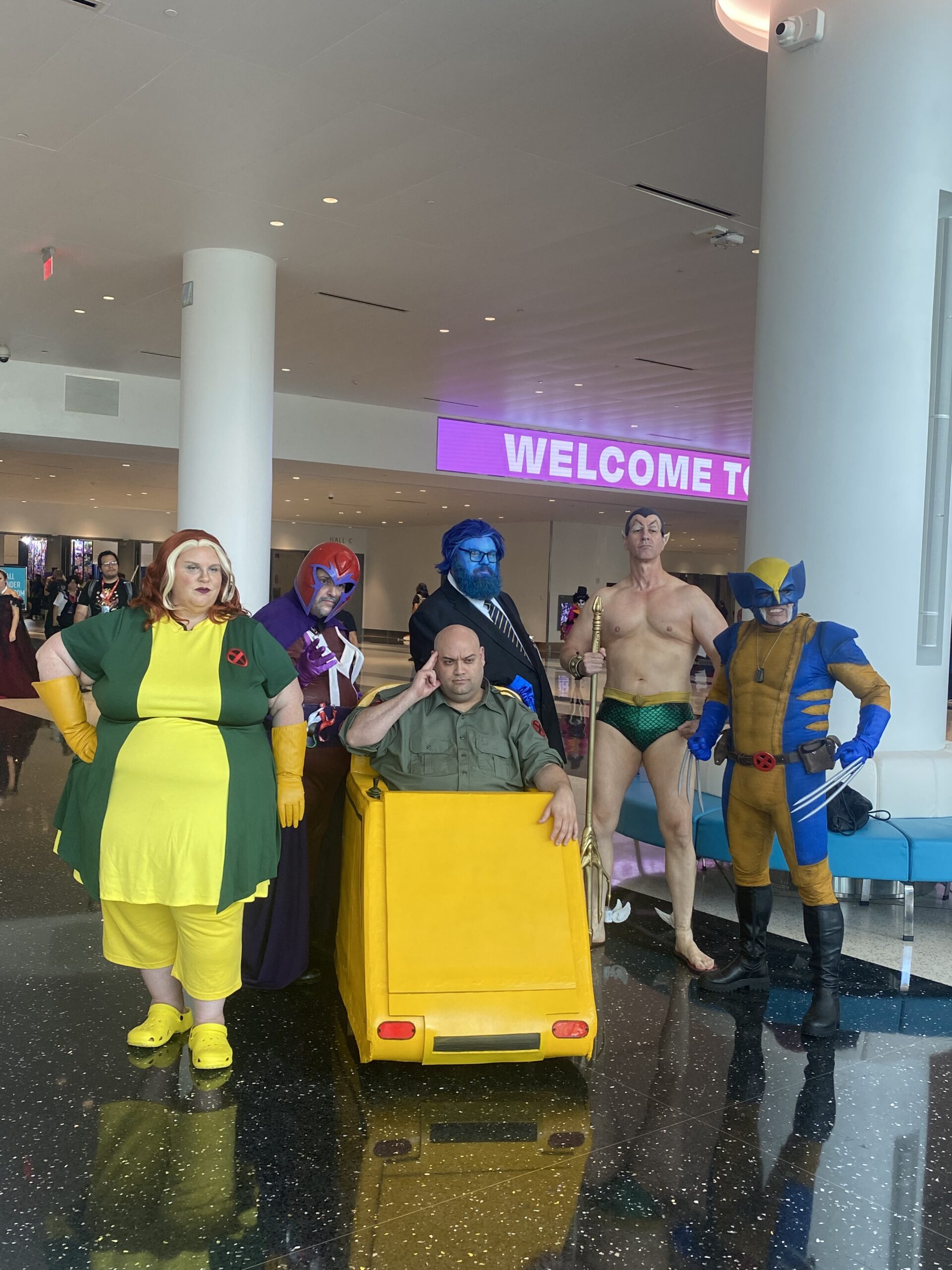
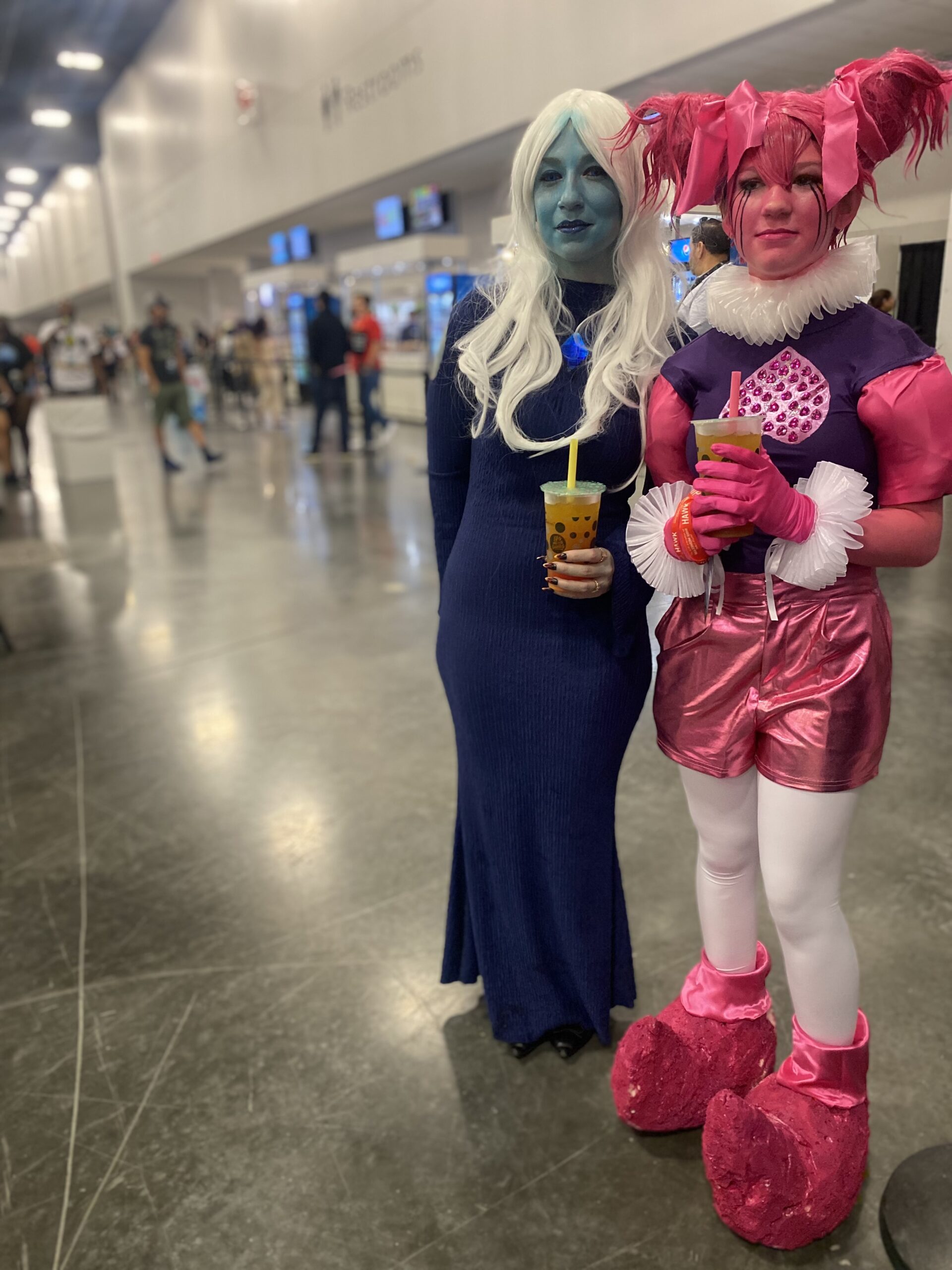
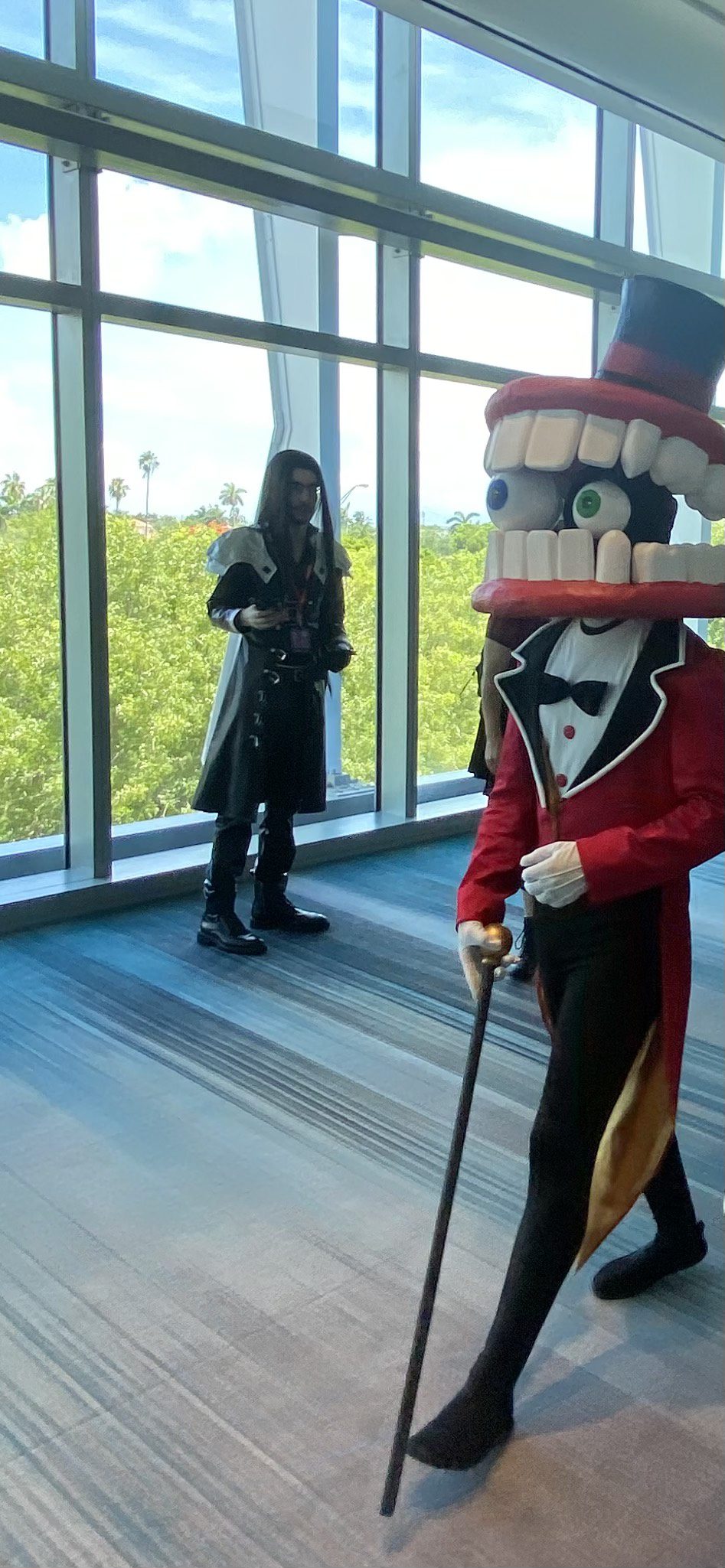
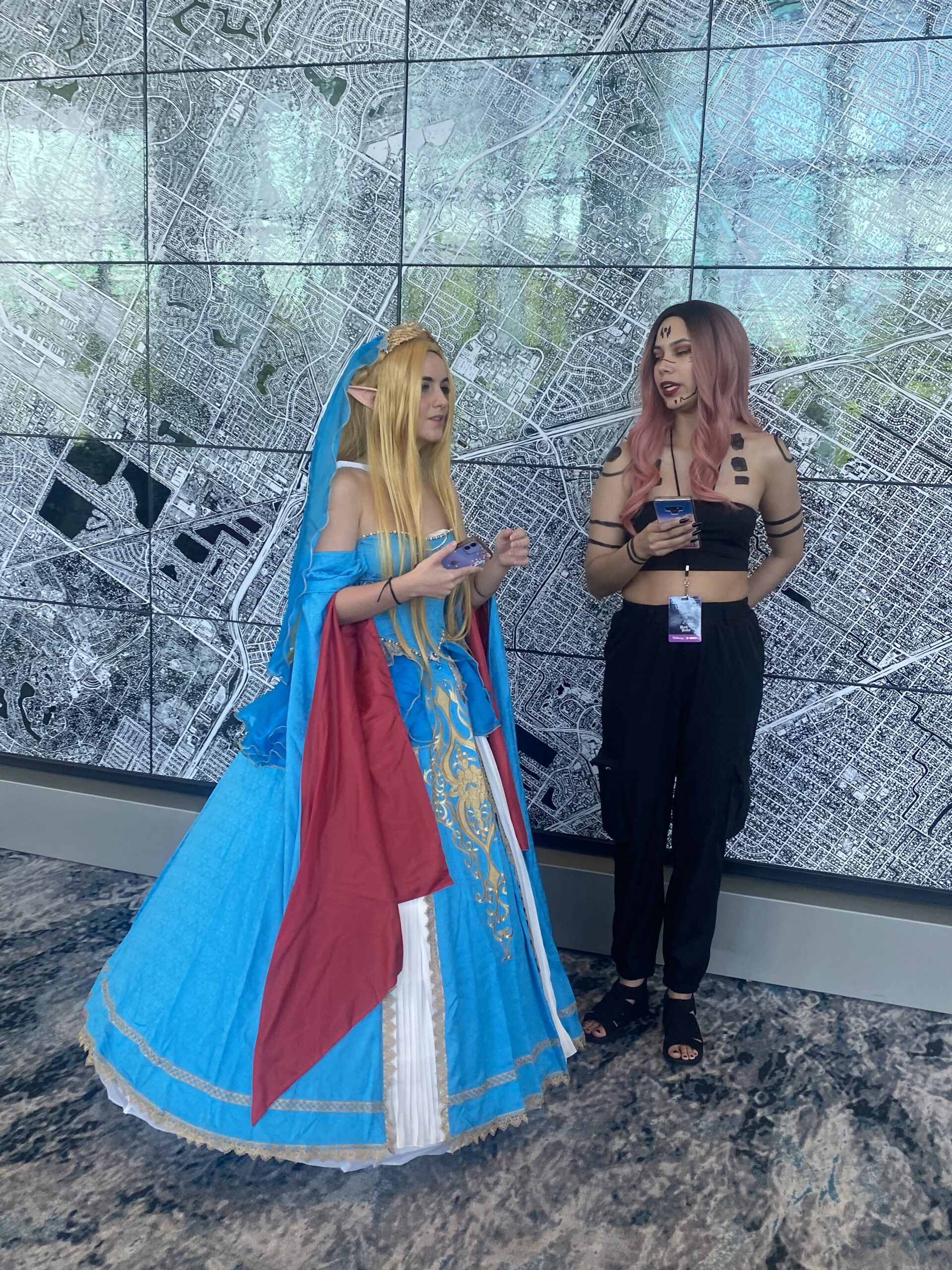
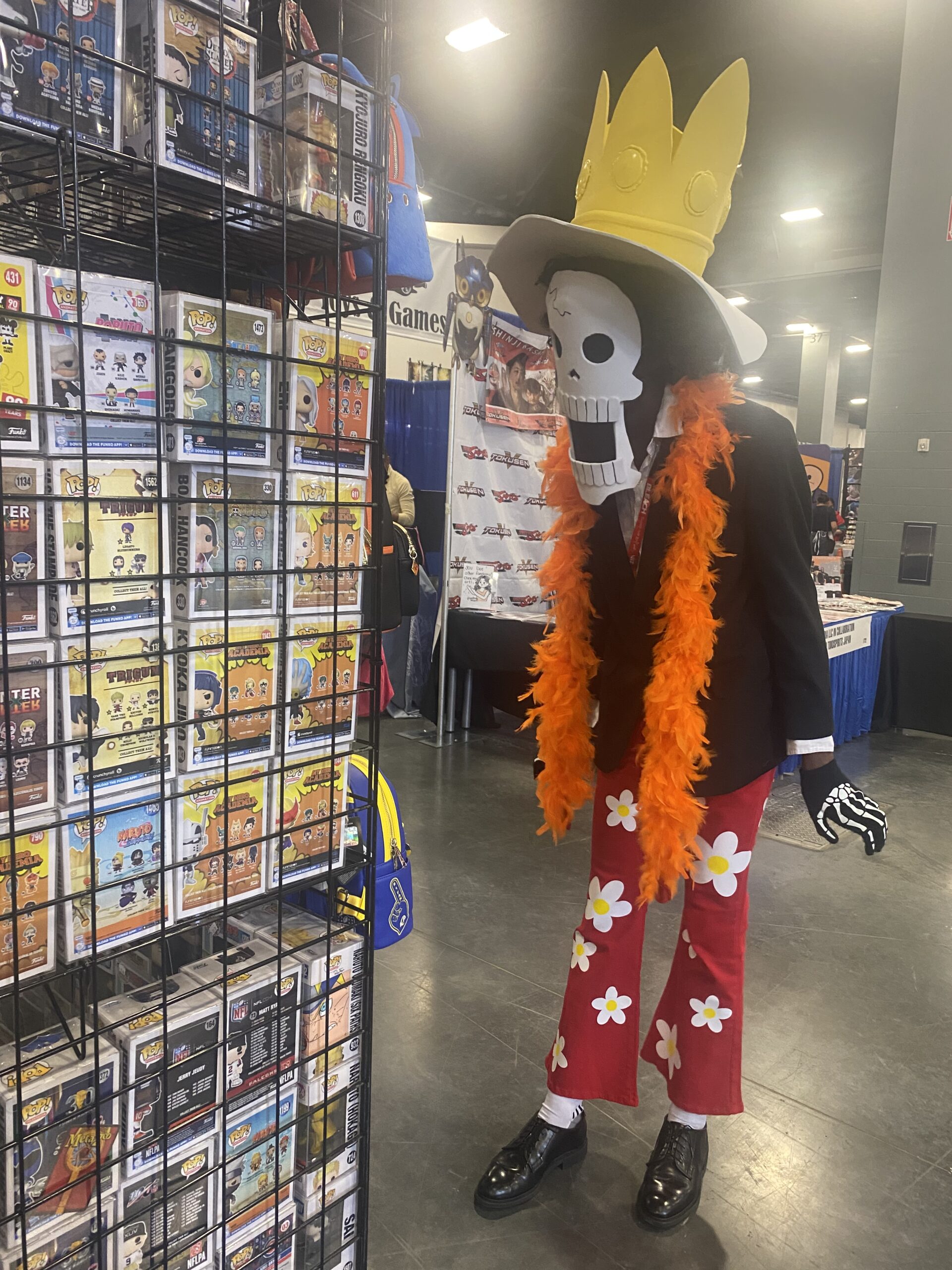
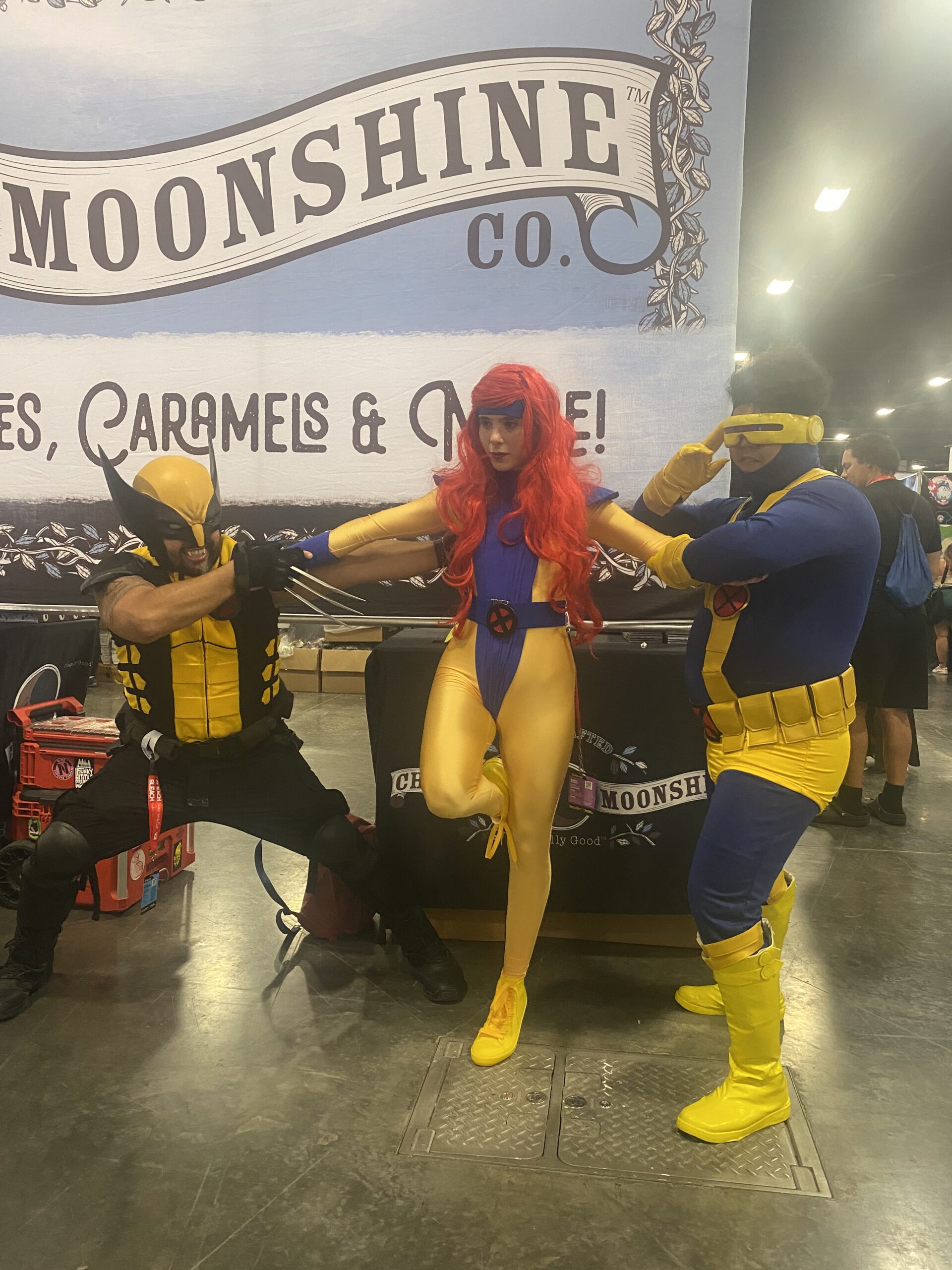
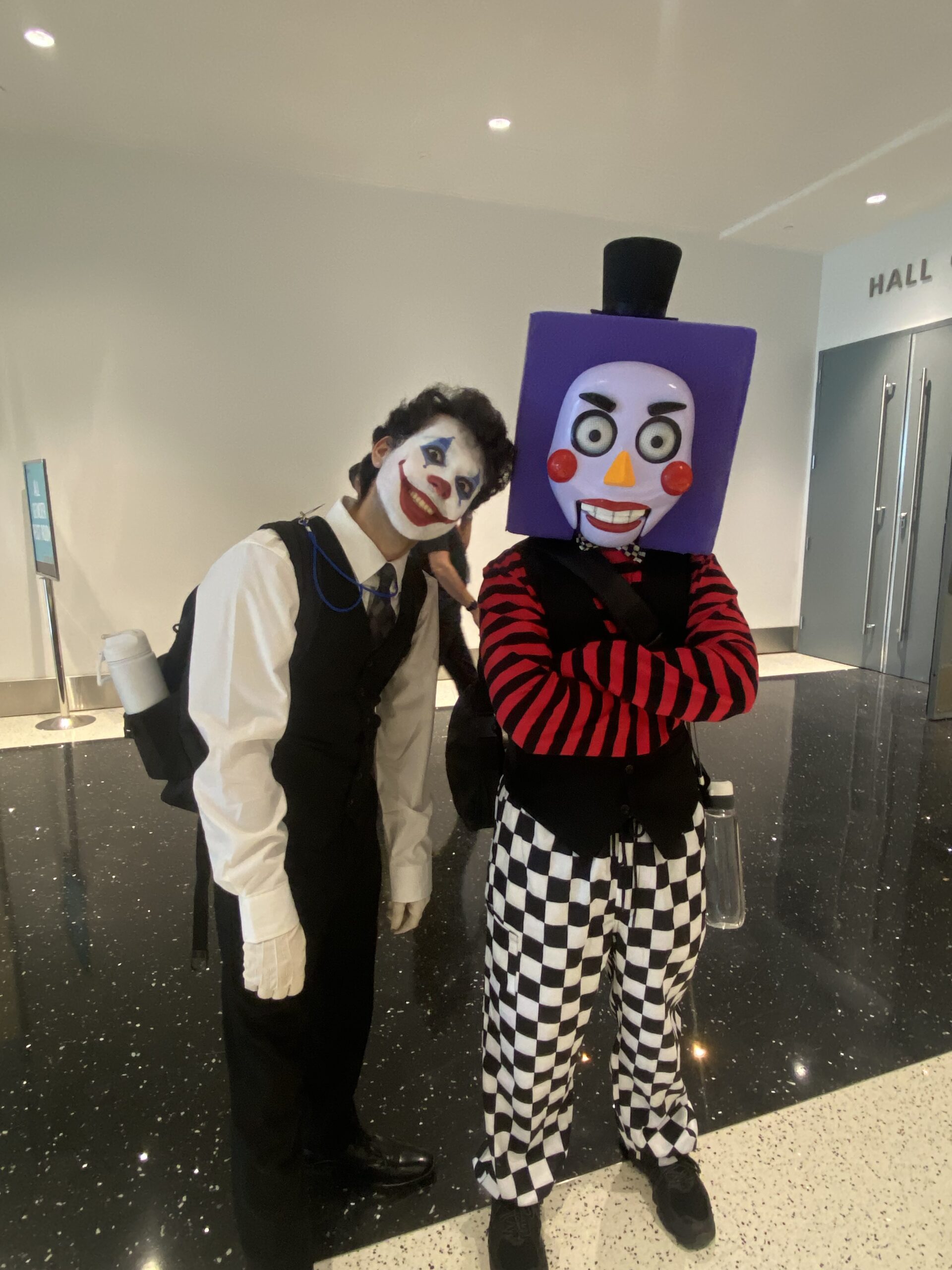
Florida Supercon returned to the Miami Beach Convention Center this past weekend to celebrate all things pop culture. Fans of all shapes and colors including blue and pink came out to celebrate and model the finest in cartoon character wear. Here are some pictures of who came out to cosplay.
Nicholas Blackford is the main face behind Lenny and Friends which makes some of South Florida’s funniest animations. He recently debuted the music video Baby Dick Syndrome.
We had the pleasure to speak with him as he touches up the animation for what’s going to be his next episode of Tomatohead, “The Gaggle Effect“.
How are you?
Nicholas Bradford: I’m good! I’m looking at a current project of Tomatohead! An episode called “The Gaggle Effect”. It’s about Tom the Tomatohead, who is going on what he thinks is a date, with Tracy, voiced by Angelica Zadak of This is Improv, a drop-in Improv class based in South Florida. Tom’s roommate is telling him of the Gaggle of men women have around them—like orbiters. Tom elaborates, it’s like she wants to hang with you—and the other guys who like her.
I know that experience too well. I feel like I’ve dealt with that before.
I think we all have—or will.
You’re pretty involved with a lot of artists, actors, musicians, and comics. How long have you been in the South Florida scene?
Since 2018. I would say the first time I had gone to a show was this bar in Deerfield Beach—American Social. I think it was? And there was this show by Sight Set.
That’s another Scott Crain show?
Yup, you know who that is?!
I do. We’ve played some shows together. Weird transition, but how long have you been animating for?
Since 2008, when I was back in Jamaica— for this music video by a reggae dancehall artist named Anthony Red Rose. The song was called “Under My Skin”. It was the first time I ever got a taste for the animation industry with Kadean Dunbar.
Cool! I used to be signed for a reggae Dancehall label called JammDiggy run by Nick Walker!
Really? I think I worked with him! Broward isn’t really a big place—people are just crammed here!
Yeah—this sounds accurate. Back to animating, Do you remember the animation that inspired you to animate? How old were you when you knew “this is what I want to do?”
How old was I? Around 7 or so. I was a little kid. I got a bunch of fax paper, and I tried to draw a sequence. I didn’t know about light boxes or sequencing, and I just drew something. I grew up on American cable programming. I watched a lot of anime. I watched a lot of Nickelodeon and Cartoon Network, and loved the inventive things they did with it. I loved this medium for storytelling.
What was your favorite TV show when you were young?
Dexter’s Lab, Cow and Chicken, Angry Beavers, CatDog.
You liked some of the weird shit? Me too. As of today, what’s your favorite animation? Why?
There’s a lot. On YouTube I like Dungeon Soup, it’s 1-minute to 3-minute animations based in medieval times with mythical creatures and are cartoons for adults. One episode talks about how “only the purest may mount me” and it’s about a Unicorn.
Your name is Nicholas?
Last time I checked, yes!
But you animate under the name Lenny and Friends. Tell us a little about the name?
It used to be the name of a company because I used to work for a guy who did not want to pay us as regular employees with a 1099. Some south Florida employers do south Florida things.
Who else is involved in Lenny and Friends?
The people who help me with Lenny and Friends are Chris Krider, a local filmmaker who helps me write episodes and produce them and Adam D. Crain, a professional actor from South Florida who currently lives in Atlanta and voices Tomato Head.
What was your first animation called?
Hit Venue, You can find it on my YouTube Channel, LennyandFriends.com—it’s about a kid who looks at a button that says do not press, and he presses it. He slams the button and sees the button doesn’t do anything. Then an offscreen boxing glove on a spring knocks him out.
Hahaha—I’m dead! Did you release it as Lenny and Friends or under another name? Is it available to the public?
Yup, on my YouTube Channel—Oh wait, it is not my first animation! My first animation was cut-scenes for a flash game called Jack Burn—it is available to the public on the same YouTube channel.
What were you first commissioned to animate?
The first video I was commissioned to animate was a music video for Vladrick Paul called “I’ll Give You Pleasure.” I didn’t accept money for it though, because I never finished it. I don’t think you can find it. There was no rough cut uploaded.
How about what you did accept commission for?
This one for the Reel Idiots, called Buzz Off Insecticide Spray—a 2-minute-long animation about an all-purpose insect spray.
What feelings ran through your head—nervousness, excitement?
The prevailing thought I usually have is, “I hope I finish this on time.”
What was the feedback? Did it get aired or publicized?
It did get aired on the Reel Idiots platform and got 12K views. We shared it all over. Most of the promo was done via social media. Some said that the animation was awesome. They got a chuckle from the scenes, like the little girl poorly demonstrating how the spray works, spraying it into her eyes—and the Buzz Aldrin character spraying the spray into another character’s butt. My girlfriend Gina said, it had “no chill”.
What are your top 3 goals as an animator?
Uhmm— My top 3 goals—One of my goals is to make at least an entire season of Tomatohead. Another goal is to have a dedicated space—like an office or a warehouse with a couple animators working on projects, and my 3rd goal would be to be doing animation full time for myself—not really working for a studio or network, cause you have to take what comes with it—no autonomy. Someone else usually has a say in your work, final product, or idea.
Imagine your shorts like Tomatohead pop, which studio and network would you like to see most take you on?
That’s an interesting question. At one point I would say Adult Swim and Cartoon Network, but now I would say none of them.
Do you have any new animations lined up? When can we expect to see Lenny & Friends post them?
The Gaggle Effect should be out later in the year, like October
When George Harrison invited Eric Clapton to play at a concert in New York during the summer of 1971 to raise funds for Bangladesh, Clapton accepted with one condition. That he would be guaranteed a constant supply of heroin.
For years, Eric Clapton had left the stage, immersing himself in alcohol and drugs. He spent four thousand pounds a month on heroin, which today would amount to approximately forty thousand. Clapton’s time in New York, however, was overshadowed by the anxiety. The quality of the drugs there did not compare to what he had access to in England.
Clapton’s return from New York was a freefall into the abyss of addiction. His friends tried in vain to distance him and his partner, Alice Ormsby-Gore, from drugs. Finally, it was her father who intervened, and Eric Clapton took him up on his offer, moving to Shropshire, to a farm owned by the Ormsby-Gore family. There he was warmly welcomed by Frank, Alice’s younger brother, with whom he immediately formed a bond, making his recovery process smoother. Clapton then distanced himself from heroin and cocaine—though not from alcohol.
It was during this period of well-being that he reconnected with music, composing songs, strumming his guitar in the afternoons, and eventually meeting with his manager, Robert Stigwood, to express his readiness to return to the music scene.
Miami seemed like the ideal place for Eric Clapton.
A city that at the time presented itself as a postcard of paradise. Robert Stigwood had arranged for Clapton an Art Deco style beachfront house in Miami Beach, at 461 Ocean Boulevard. He secured Criteria Studios, and coordinated with a crew of musicians to join him.
Criteria Studios were not unfamiliar to Clapton. It was there that he had previously recorded “Layla,” an experience that made the sessions inspiring and easily touching his artistic vein recording great covers such as “Willie and the Hand Live” and “Steady Rollin’ Man”. The only piece that left him dissatisfied was an unfamiliar song titled “I Shot the Sheriff,” suggested by George Terry, one of the musicians, a song by a singer and his reggae band whom Clapton did not know: Bob Marley & The Wailers.
Clapton loved the song “I Shot the Sheriff,” but felt that the outcome did not do justice to the original version. Nonetheless, due to the persistence of the rest of the crew, “I Shot the Sheriff” became part of the set of songs that would soon comprise Eric Clapton’s new album.
The recording sessions at Criteria Studios lasted for a month, resulting in the album 461 Ocean Boulevard, the cover of which features an image of the Art Deco beachfront house where Clapton resided. 461 Ocean Boulevard marked Clapton’s triumphant return to music, featuring a six-month tour with forty-nine concerts across the United States, Europe, and Asia. The standout track of the album was “I Shot the Sheriff,” selected as the promotional single by the RSO label. Although previously unknown in the mainstream, the song managed to reach number 1 on radio charts in both the United Kingdom and the United States.
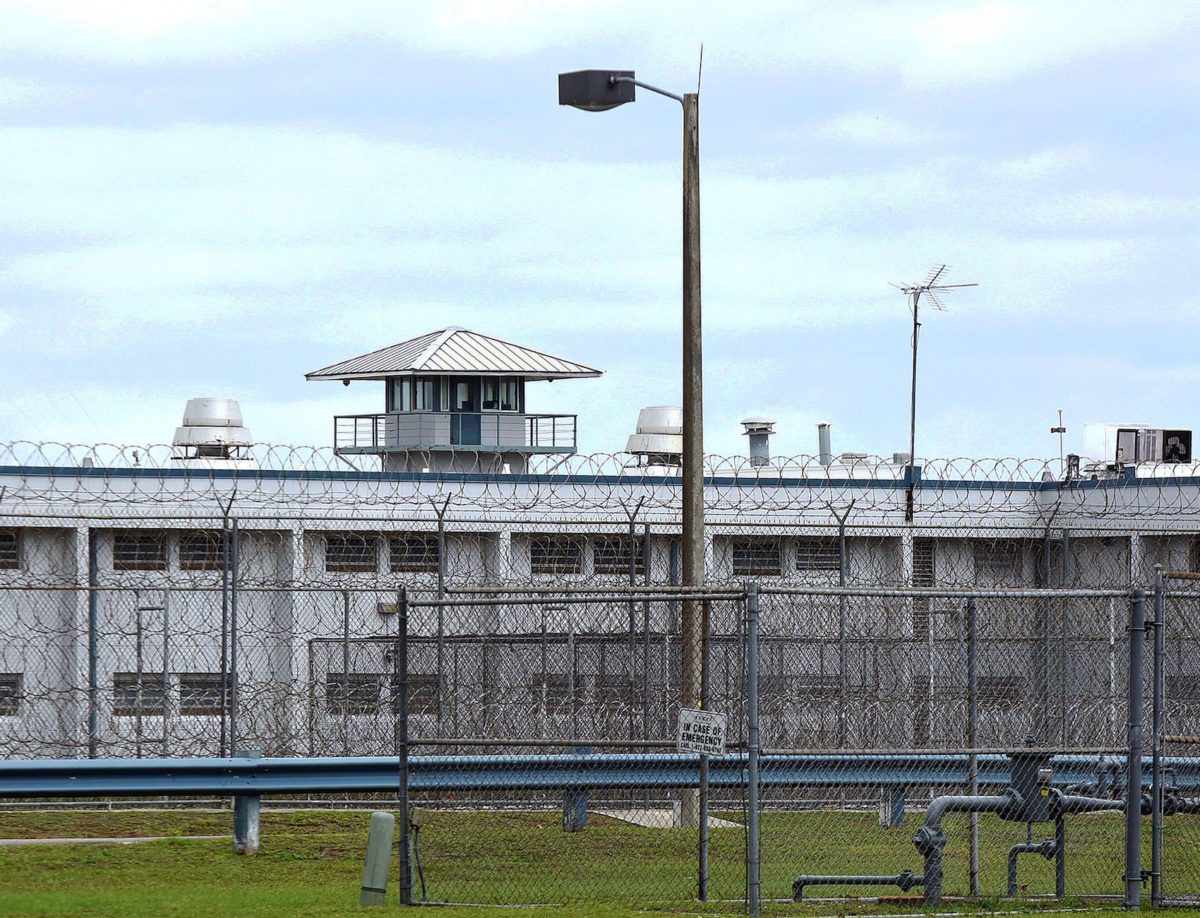
Imagine getting a piece of mail from a friend in prison that reads like this:
I got a new bunkie Thursday. He was actually with me on the bus from Walton when I first came here in 2021. About 6 months ago he got stressed out with all the violence here and went psych…
(“Psych” means walking up to a corrections officer and telling them that you’re going to kill yourself or someone else if they don’t get your ass out of there and somewhere else…even if that means putting you in a small cell all by yourself.)
They sent him to Lake CI’s Crisis Screening Unit for evaluation and then to Dade CI’s Temporary Crisis Unit to get stabilized…
(Guaranteed he did some time in solitary confinement, or some form of it.)
When he got here, he was very skittish. PTSD to the max. I thought he was going to go psych again until I explained that Bay has calmed down a lot since the worst assholes mostly all got shipped…
(“Shipped” as in sent to another prison camp with other inmates of similar temperaments.)
Then this afternoon a young kid got stabbed twice right in front of my door. The knife looked real and was definitely big enough to do serious damage. The kid got hit in the side and right in the center of his back. He is very lucky it did not hit his spine or any organs. The guy who stabbed him took off out of the dorm. There was blood everywhere. I was mopping it up, trying to not freak out, when they came and locked us down. Honestly, I am good with lockdown right now. Fuck it. I have some food and books and my tablet. At least with the door locked I can relax, process the event. I worry that I am storing all this trauma in my mind and body. What happens if I get too full of it?
Right?!? And the funny thing is it’s not actual USPS “mail” any more, it’s email. Florida prisons stopped using paper mail entirely when people started mastering the art of smuggling drugs into prison hidden in the paper itself, like LSD. But it wasn’t LSD they were getting in. It was some analog drug like Flaca or bath salts or some shit.
I went to prison for trafficking LSD in 2007. I served 8 and a half years in a handful of Florida prisons from then until 2016, when I was released to then build a new life.
But Sonny is still in there, and he will be until 2034. He went down the same year I did. He will have served 27 years when he gets out. Don’t ask how old he is. But I think he’ll make it. He used to rob banks with notes. No violence. Just a note threatening violence.
I’ve met worse people. A lot worse. Even before I went to prison, I’d been consorting with all the wrong sorts of people for years. Drugs had the best of me, and I’ve been arrested 16 times = jails, rehabs, mental hospitals…
I know bad people when I see them.
In prison, I kept to myself. I kept my nose in books and my hands on pen and paper. Sonny noticed this and brought me a copy of Cormac MacCarthy’s The Road one day. In my memory, it was out of the blue. I don’t remember talking to him before that. But I set to reading that book then and there.
My mind was blown. Here I was, trying to read and write as much as I could. And this guy hands me an inspiration of the highest caliber. We became fast friends and started playing Scrabble regularly. He’d served federal time before for the bank notes; this was my first and only time in prison. He helped me wise up. And we reflected on how we both got the same amount of time for wholly different things, and how unfortunately his time was 100% inside, while mine was mostly on paper (meaning probation), and how Sonny would be getting out the same year my probation is over.
Now read this:
I think my luck might be changing, finally. They transferred me from Jefferson to NWFRC (Washington) Thursday (the 11th), less than a week after I signed out. I should be back at Bay next Thursday (the 18th). I am already feeling and thinking much better as a result of the change in environment and I am writing again. I started rewriting the prison piece last night as “Plantations Reimagined: a (very) brief history of the causes and effects of FDOC: from the 13th Amendment and Jim Crow to the Racial Prison Industrial Complex.”. I know that kinda sounds like a dense doctoral thesis but I am (hopefully) writing simply enough a stoner can comprehend my exposé of FDOC as a 150-year-old tool of the Establishment to extract capital from convicts. I really don’t know what I will end up with until I get there though. Anyhow, I apologize for being abrupt in my last email. I was just so stressed out from the bullshit. I am sure you are even more swamped now that you are a captain but give me a shout when you can. Peace, brother.
Sonny and I have been working on this piece for you…for years, actually. But I wanted you to meet him first. This is probably the best we can do. Unless you want to go through all the crap involved in getting on his Visitation List just to go see him in uniform in some backcountry town of Florida.