Category: News

  • Cannavision Is a Cannabis Themed Music Festival in Stuart

    Cannavision Is a Cannabis Themed Music Festival in Stuart

    This article originally appeared in PureHoney Magazine. Check them out here.

    Drummer Tyler Schwarz spent a decade behind the kit and on the road with West Palm Beach’s most celebrated indie band, Surfer Blood, until Covid descended on the world and prompted Schwarz to rethink his priorities. With the music trade reeling from disruption, Schwarz found himself in Northern California pursing his other passion, for cannabis cultivation. As he embraced agricultural life on another coast, making music seemed like a part of his past.

    But not forever. After two years out west, Schwarz decided to bring his cannabis craft to Florida. His musical side came back with him. “Delving deep into that scene,” Schwarz tells PureHoney about his time in California, “I fell in love all over again (with music and weed).”

    And that’s how the seed took root for Cannavision, an epic, one-day, cannabis-themed music festival that Schwarz is putting together at Terra Fermata in Stuart with help from supporters including concert promoter Al Beltran of Treasure Coast Live and a trio of cannabis enterprises: Sunnyside Dispensary, Cresco Labs and MMJ Health.

    Cannavision is promising an adventurous live experience for the cannabis- and music-inclined. Taking inspiration from freeform radio stations such as New Jersey’s WFUM, the inaugural lineup encompasses rock, rap and jam. Performers include Truphonic, Sir 7000 & Ambeeka, DirtBike and TC Silk. And yes, Surfer Blood.

    He calls the vendor array at Cannavision No. 1 “an experiment.”

    “We have community garden center Pinder’s Nursery with beautiful florals for sale,” he says. “Live flash sheet tattoos by Dots Noah, Sara Glass Ceramics offering amazing pottery, Salt & Pine Vintage with curated festival looks, food trucks, glass blowers from across the region, and to top it off a half pipe and skate jam with crews from all over Florida.”

    Schwarz hopes it’s the first of many CANNAVISIONs. “I’d love to make it an annual event,” he says. “I’ve dreamed of bigger venues but I love the grassroots feeling of its home at Terra Fermata.” He’s already thinking about future muscal lineups. “Anything goes,” he says, “from polka and metal to deep house and roots reggae. We welcome everyone!”

    CANNAVISION is 4 pm Saturday, July 6 at Terra Fermata in Stuart.
    GET TICKETS! instagram.com/cannavision772

    What exactly is Cannavision?

    Cannavision is an epic one-day only cannabis themed music festival taking place at the luscious outdoor music venue Terra Fermata in the heart of downtown Stuart, Saturday, July 6th! It’s a fusion of my two passions, music and weed.

    Could you share how you got involved with putting together the festival?

    For sure! Since I was 13 I loved being part of a local music scene. Playing my first show with my middle school punk band “Inspected By 6” at Spanky’s on Clematis Street and later in highschool with my hardcore band “Hearts Over Rome” at venues like Ray’s Downtown Blues and the Chili Pepper (all three are long gone). In my 20’s, together with JP Pitts, we formed Surfer Blood and gained success beyond our imagination. It was a life affirming accomplishment and that experience really made me believe anything is possible.

    Fast forward to touring for about a decade and covid comes along stopping all of it. I decided it’s time for a change and head West to Northern California, the epicenter of cannabis in our country, to learn to grow weed and enjoy that sort of lifestyle. Delving deep into that scene I fall in love all over again and imagine creating my own festival. I get wind about a large cultivation facility near Okeechobee. After 2 years I decided to head back to SoFLo and learn to grow in a big agriculture environment where I work today. I consider the operation an incubator for ideas where many 420 minded individuals meet. I’ve met so many awesome people there with brilliant forward thinking and diverse ideas for the industry. Being there has really been an inspiration to get CANNAVISON going.

    Who else, if anyone, is involved with putting on the festival?

    I’ve partnered with Al from Treasure Coast Live. He’s been a guiding light the last 6 months of planning this. I really owe it up to him in believing in the vision and me. He’s great! Such a kind, welcoming and respectful soul. I could tell from day 1 we were going to make something special together. Sunnyside Dispensary / Cresco Labs have also been a big help too! I’d love to give a shout out to the people there who’ve helped me along my path. As well, MMJ Health!

    Do you have a specific vision for artists and vendors for the festival?

    For sure! The goal is to organize a highly curated experience as diverse and open-minded as the plant. This is a music festival foremost, but themed in cannabis. My inspiration musically is the oldest running freeform radio station WFMU out of New Jersey. Anything goes. From polka and metal to deep house and roots reggae. We welcome everyone. This year’s lineup is Rock, Rap and Jam focused but in the years to come we definitely want to expand into more genres.

    As for vendors, this is an experiment!  We are so excited to have community garden center Pinder’s Nursery help with beautiful florals for sale (like hoya, alocasia, begonias, and monster plants,..), live flash sheet tattoos by Dots Noah , Sara Glass Ceramics will be bringing some of her amazing pottery, Salt & Pine Vintage with their curated festival looks, local food trucks, glass blowers from across the region will be on the torch and to top it off a half pipe and skate jam with crews from all over Florida. It’s going to be an epic time for sure!
  • Gucci Handelsman on 305 Fest at Bar Nancy

    Gucci Handelsman on 305 Fest at Bar Nancy

    As the cameras flash into my eyes, I hear: Gucci Handelsman, we are very excited about your upcoming performance at Bar Nancy…when will your next performance…after 305 FEST be?

    “Um…Well you know…” I stutter with anxiety… “We’ve been celebrating Jerry Garcia’s birthday on August 1st at Redlands Barn these past few years…some shows in the Philly/Pittsburgh area soon….Gainesville in October….Amsterdam..Tokyo…”

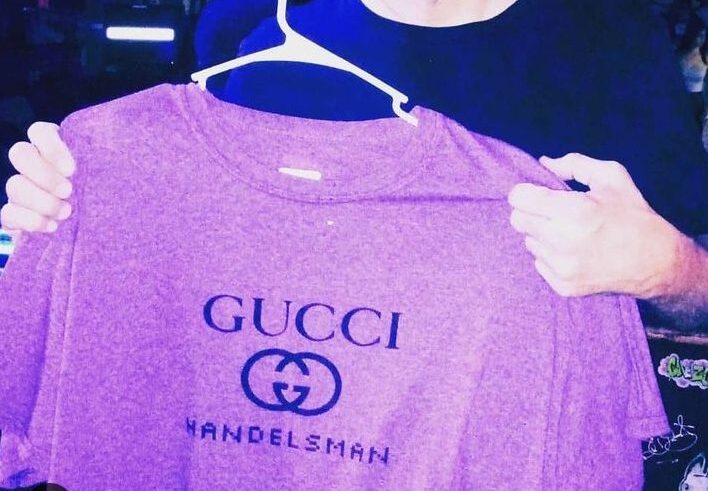
    Suddenly, a young Caucasian with beaded dreadlocks holds a Gucci Handelsman hat to their head: “My friend went on a date wearing a Gucci Handelsman shirt… but I didn’t know you were a Deadhead,” they said; handing me a $20 bill for hat and tie-dyed Gucci Handelsman shirt…at the merch table…which you will visit at your earliest convenience…dear reader.

    “I love Cherry Garcia ice cream…” I answer, “Jerry was like the Andy Warhol of guitar.”

    ‘You’re kinda like a stand-up comic…”  they said, while diligently going through Gucci Handelsman products, “not that your songs are funny or corny… but you always have new material…”

    I watch them Zelle me as my phone buzzes the cha-ching notification.

    “What’s that new song Green Room about? Like what does: ‘Slangin Shards’ mean?” they ask.

    My mind drifts back many fortnights ago…I see the Churchill’s Pub green room, where the architects of the Rolling Loud Fest were weighing coke on scales with confidence and power…everybody knew they were on the right track. Early 2000’s LA green room with: Tony Danza, The Rock, and John Ritter (RIP). Then I am in the Judge Mathis Green Room (which I have written more about in SCAM 25th Anniversary Issue) …

    “Even walking around the woods is a green room,” I say.

    “Are all your songs about balls?” asks a person wearing a Gucci Handelsman scarf.

    “Not really,” I answer.

    “They said you were like…. the creepiest person they ever met…” said their friend with the Gucci Handelsman tote-bag filled with Karl Marx books and an ipad.

    Members of another local rock band (Bobby Peru) purchase a new shirt and a copy of the most recent Kyle’s Files cassette. “We got the GOD IS MUSIC shirts and lyric booklets… one night we were drinking saké and reading the lyrics out loud… Gucci Handelsman is like a rock and roll Kerouac!”

    “I was always way more into Burroughs,” I reply.

    “I saw Steve Brooks from Floor wearing a Gucci Handelsman shirt,” mentioned the legend who we cannot name here.

    “Do you still play any Ghost of Dirty songs?”

    And yes… I also take Zelle and Cash App.

    Each transaction CREATES a better feeling about life with no thoughts of pondering death.

    The nights fade into oblivion…the venue staff counting fast Benjis…people outside waiting for Ubers….I have about an hour drive ahead…I break everything down and pack it in my car…I sing new song lyrics while driving home on the empty 4am highway…windows open with a grateful smile shouting, “I LOVE MY BRAIN!”

    Even though our already scarce Live Venues are getting knocked down and transformed into luxury condos… there is still a thriving community of experimental musicians making EPIC MIAMI NOISE.

    “Jason, a Black Van with tinted windows has been parked around the corner from our headquarters for over 48 hours…let’s talk at a later date…and please toss the burner.”

    Wednesday July 3rd 2024, Miami Music Archive Presents  305 Fest  with  Putty Knife, Red Dungeon, Wetflix, Educated Fleas, Adhesive, Girl Heaven, Mescaline Jellybeans, Echo Beauty Terror, DBZ/Kenny Millions/Rat/Bristol, Gucci Handelsman  and DJ Rat at  Bar Nancy, 2007 SW 8th Street. No cover.

  • In Cold Blood on Ocean Drive

    In Cold Blood on Ocean Drive

    Ocean Drive is a contrast of glamour and decadence by the seaside. It’s the street Miami locals avoid on nights and weekends, yet it continues to allure and attract producers, filmmakers, artists, and visitors who consider it a must-see when in Florida. One of Miami Beach’s best-kept secrets for local true crime readers is found within the pages of Truman Capote’s book In Cold Blood.

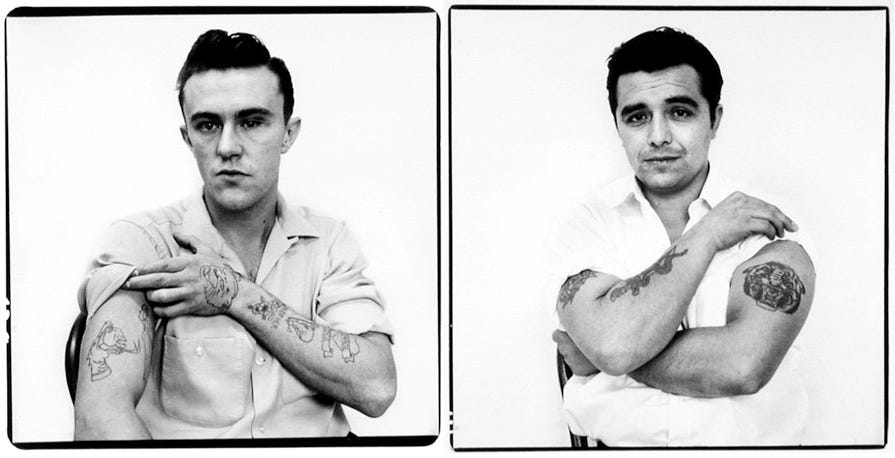
    In 1954, young Perry Smith and Richard Hickock also succumbed to Ocean Drive’s charm. They had met at the Kansas State Penitentiary, each serving time for lesser offenses. Despite nearing parole, their future seemed bleak in a small, conservative town with few opportunities. However, Hickock befriended a former farmhand from the Clutter family farm in Holcomb, Kansas, who revealed that Herbert Clutter, the patriarch, was wealthy and kept a significant sum in his safe—a potential fresh start for them.

    In the early hours of November 15, a black Chevrolet parked outside the Clutter home. Inside were Smith and Hickock, who had traveled across Kansas to execute their plan to rob Herbert Clutter and flee to Mexico. Things took a brutal turn when they found nothing in the safe, leading Perry Smith to fatally stab Clutter in the neck before shooting him, his wife and their two children.

    Smith and Hickock had just committed one of the most brutal murders in U.S. history and now had to evade justice, embarking on a journey through various cities, including Acapulco. By the year’s end, fate drew them to Miami Beach, a young city less than thirty years old, offering itself to the rest of America as a paradise frequented only by the wealthy— a place once put on the spot by Al Capone and Marilyn Monroe, featuring innovative Art Deco architecture in pastel colors, blondes in their bikinis sipping daiquiris, and the most luxurious hotels like the Fontainebleau and Eden Roc guarding its shores.

    From its inception, Ocean Drive was envisioned as the mecca of Art Deco, and it welcomed Perry Smith and Richard Hickock to the Somerset Hotel, Building 335—a small, white structure with lavender accents.

    The Somerset’s attractions consisted only of two umbrellas across the street, stuck in the sand—one pink, one blue. They stayed there for five days in a double room, paying a weekly rate of eighteen dollars. Their stay in Miami passed between this decadent winter picture and the pool at the Fontainebleau Hotel, until, six weeks after the Clutter massacre, they were arrested in Las Vegas, extradited to Kansas, tried, and sentenced to death.

    Truman Capote documented and recounted the case of Perry Smith and Richard Hickock in his 1966 book In Cold Blood, considered a seminal work in non-fiction narrative and the second best-selling true crime book of all time. Today, the Somerset is a residential building whose inhabitants, as noted in a local newspaper, may not know who Truman Capote was, and even less have read his book.

  • Kinds of Kindness Shows No Kindness to Audiences

    Kinds of Kindness Shows No Kindness to Audiences

    There is a sacred covenant between audiences and filmmakers. The audience will give the filmmaker their undivided attention. In exchange the filmmaker will educate, enlighten, or at the very least entertain the audience.

    Some filmmakers believe there is another option. They think they may challenge the audience.

    Whether you feel that is acceptable or not will shade how you feel about the new movie Kinds of Kindness.

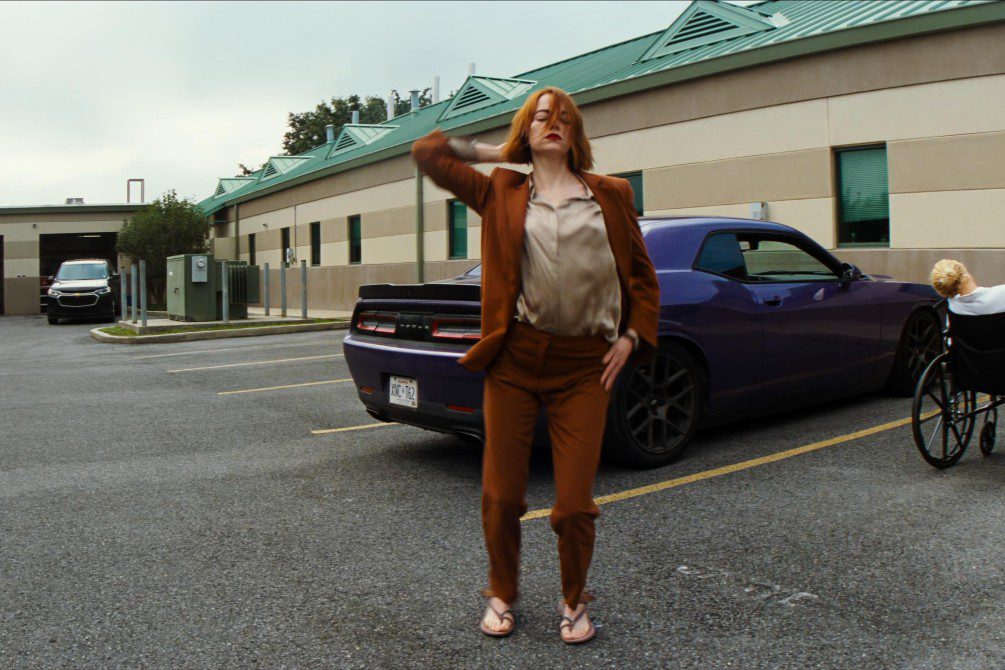
    The first challenge from the new movie by Greek director Yorgos Lanthimos comes in the lengthy 2 hour 45 minute running time. Second, is that it tells not one story, but three, each ending with its own brief closing credits. Third, there are graphic, anxiety inducing moments of self-mutilation and animal cruelty. The final challenge Kinds of Kindness confronts its audience with is that none of the stories unfold in a traditional manner.

    There are beginnings, middles, and ends to all three stories. But there are no obvious lessons to be had. Nor connections between the three stories, except for the same actors playing different roles in each tale.

    To paraphrase a great poet, I’m willing to admit I’m not the brightest tool in the shed. Perhaps to a more learned observer, Kinds of Kindness makes all kinds of sense.  There are after all dissertations written that Jackson Pollock’s paintings embody the human experience, whereas to my untrained eye it looks like paint splattered randomly on the canvas.

    A certain kind of viewer could have great fun trying to make shape out of the seemingly random occurrences and scenarios presented in Kinds of Kindness. Another kind of viewer will take offense to this lack of cohesion.

    Do you like your pie served to you warm on a clean plate? Or do you prefer your pie shoved violently into your face?  Your answer will be as valid a predictor as any whether you will enjoy this movie.

  • Always – A Miami Poem

    Always – A Miami Poem

    It’s always a treat

    to see people we greet

    when we walk down a street

    in sunny South Florida.


    I always want to reach

    out to bathers on the beach,  

    one of whom is eating a peach

    in sunny South Florida.


    I always like to float

    near a small friendly boat, 

    and not have to wear a coat

    in sunny South Florida.


    I always love to brunch

    at a spot that serves lunch

    to diners in a bunch

    in sunny South Florida.


    I always like to recall

    that I had a ball

    when I shopped at a mall

    in sunny South Florida


    I always wave to the high

    colorful birds in the sky

    as they hurriedly fly

    in sunny South Florida.


  • The Best White in Miami – A Short Story

    The Best White in Miami – A Short Story

    In the winter of 2022, Nico Weissenberg became Miami’s kingpin. He learned early that if he cooked his stuff at a lower temperature, he could make it whiter and more powerful than anything else on the market. Weissenberg would only sell in kilos and make drop offs. His clientele called him El Cima, because his stuff brought people to the highest point.

    His days started at 4 AM, with phone calls from bodegas, where he would leave white bricks and bags with the owners and employees who paid him in cash before the sun could shed a ray over SoBe, while the phone sounded with endless sales. By sunrise, Nico had the tendency to walk to the water and back, pacing in front of the Flamingo high-rise where he resided at his waterfront property.

    Beep beep—beep beep. He looked at his phone. Beep beep—beep beep.  “+39?  Who’s calling me?” Though unknown callers were seldom picked up by others in Nico’s position, Weissenberg thought of unfamiliar phone calls as a welcomed business opportunity.

    “This is Nico.”

    “Ahlo Goomba, my name is Jimmy Montagne. Are you El Cima?

    “How can I help you.”

    “I run few spots in Italy that need your bianca forte”

    “Is that so,” Nico chuckled?

    I just send you round-trip ticket to your phone. I need you to fly 4 kilos of your best bianca forte into Milan, tomorrow morning. You do that?” Montagne questioned, very matter of fact.

    Changing his tone to a more business casual, Nico replied “Absolutely, papa.” He glanced at his watch. It was 11am.

    “Your plane flies out at 3pm.”  Nico’s phone dinged with the tickets in his Messages.  “I will see you at 6AM, our time.”

    Nico looked at the tickets.

    “Dale.”   The phone beeped; the call ended.  Weissenberg pocketed his cell, walked back to his penthouse taking the elevator up.

    As the silo opened, he exited to the first door on the right. Nico typed in his keycode and opened the door to his place. Before the smell could permeate into the halls of his building, he shut the door. He walked to the entry closet left of the door taking out his tried-and-true orange duffel bag. It was his regular business trip bag for making national and international drop-offs. He walked into his kitchen and turned off the heat racks. The smell became less emanating. He crushed and taped 4 bagged bricks of the white, bricking it up and throwing each package into his duffel. One—thud—two—thud—three—thud—and another one —thud.

    He zipped up the duffel and carried the bag back towards his shoe rack. He put it down, preparing for his trip: pulling on his maroon loafers, taking out his baby blue sports jacket from the same closet his bag was in, and finishing his fit with a beige fedora from the shelf above his suit. He spritzed himself with some Versace cologne, and like clockwork, was out the door. He clicked the buttons on his phone summoning an Uber for MIA.

    He turned right to the elevator taking it downstairs. When the silo opened, Nico’s Uber was waiting outside his building. He left the Flamingo and got in a black sedan with his orange bag. His Uber drove off.

    As the Uber pulled up to the Miami International, Nico took the bag with him into the crowded airport. He checked in and headed to the TSA checkpoint line duffel bag in hand. Off came his loafers and he placed them with his bag onto the x-ray machine conveyor. He walked through the machine that checked his person, Whoosh, went the machine. “Step down,” said one of the TSA conducting the checkpoint line “move forward”.

    Nico walked to the conveyor and waited for his bag. As his stuff passed through, he grabbed his shoes, and another TSA took the bag from behind the conveyor— “Is this yours,” the TSA asked motioning the orange duffel to Nico.

    “It’s fine,” Nico said, playing it cool.

    Before he could say another word, the TSA opened his bag exposing the taped bricks. Over his walkie talkie the TSA called for backup, “We’re going to need police at the checkpoint.” Nico waited relaxed.

    The police came up to Nico, directing Nico’s arms behind him. “Hands behind your back,” the 2 officers said, cuffing Nico. They guided him behind a black partition for questioning.

    “What’s with the bricks in the bag” the older officer asked going through the motion of protocol.

    “I think we already know. It’s obvious—” the younger police officer was spry with Nico, who cut off his sentence.

    “It’s not what you think,” Weissenberg tried to explain, as the police officers cut one of the bricks with a knife exposing the white powder to the air.

    “We’ll decide that.” The officer put the bricks on a scale. “You have kilos of this stuff. Is it coke? Is it K?

    “Something like that. It’s—” Nico tried to finish.

    “You can go to jail for a long time,” expounded the officers.

    Nico shrugged and maintained an unbothered countenance. This bothered the younger officer. The more experienced officer took a knife to the brick, knifed a dab from the slit, and proceeded to taste-test Nico’s white package. The older officer smiled letting out a sigh of contentment.  “Let him go.”

    “What?!” the inexperienced cop questioned.

    “Yup, its only coffee,” smiled the officer

    “White coffee?” The younger 5-0 was puzzled.

    “Yup, coffee,” laughed Nico. “I tried to tell you.”

    The older officer nodded in confirmation. “This stuff tastes pretty good,” laughed the older officer, plopping the bag and the open brick by Weissenberg before he uncuffed him.

    Nico replied. “Thanks,” messaging the freedom from the silver bracelets.

    “What do you call this type of coffee” asked the officer?

    Nico flashed him one last charismatic smile. “It’s the best white in Miami.” He took his orange bag and headed for the terminal.

  • Laughs in Spanish Triumphant End to GableStage’s 25th Season

    Laughs in Spanish Triumphant End to GableStage’s 25th Season

    Laughs in Spanish is a romp. See it.

    It’s a fast-paced, one-Act, eighty-minute, colada-fueled gem. If you’re from Miami, you will see yourself in this play and you will like Laughs in Spanish.

    The play has a lot happening in a short time.

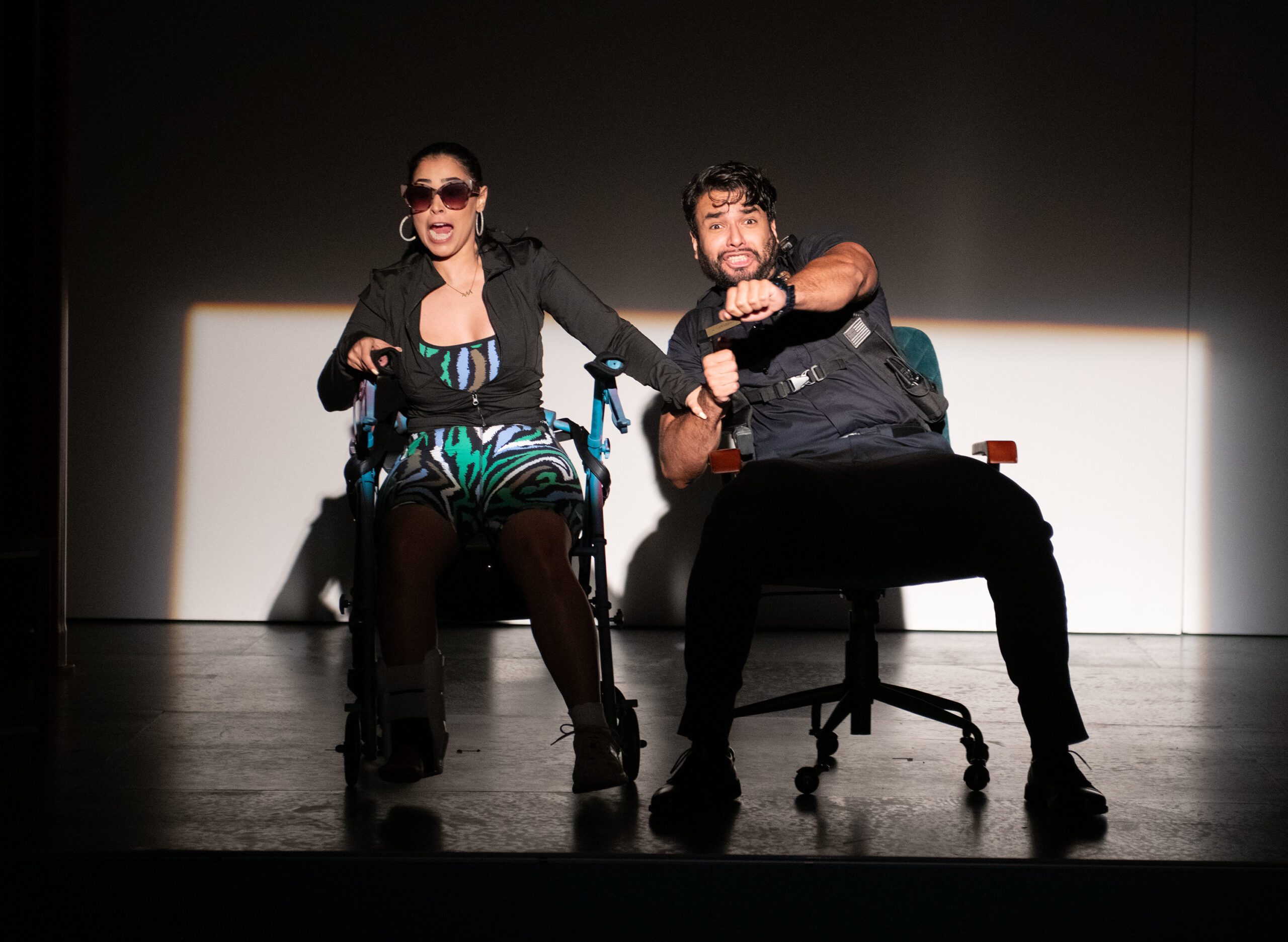
    It’s Art Basel and there is an art heist. Gallery owner Marianna (Mariana Mondragon) must scramble on the eve of the biggest night of the year. Her intern Caro (Marcela Paguaga) has a plan that could solve all her problems. Turns out her cop boyfriend Juan (William Guevera) has a similar plan.

    Enter Mari’s mom Estella (Gaby Tortoledo) an A-list Latina movie star, fresh in from Hollywood, who has her own problems and solutions.

    The play is well-written. Playwright Alexis Scheer has constructed a well-plotted tale worthy of entering the twenty-first century Miami canon. It’s brisk, daft, and absurd, yet also real and multi-layered. Yeah, there’s mystery and secrets and hidden agendas and plot. And there’s music and dancing and cursing and jokes.

    But at its core Laughs in Spanish is a play about mother-daughter relationships. About the sacrifices mothers make and sometimes don’t make. It’s about the fear of turning into your mother. Or the fear of dropping your dream because of motherhood.

    It’s a layered cake of a story but the icing is sweet, funny and finger-licking good.

    Laughs in Spanish

    To be honest, we feared this play would be filled with “Miami” clichés. And there are a few stereotypical throw-away lines, but the production is far from cliché, it’s super fresh, bro.

    It’s hard to think of a play that’s more Miami. The transition scenes in Laughs in Spanish are sublime, hypnotic, and immersive. Give Alexis Scheer and Director Victoria Collado immense credit. And to make it more Miami, the play features appearances by all-star Miami deejays like Lucy Lopez and Ruben Rabassa. Plus, the artwork of one of Miami’s best and one of our favorite and most endearing street artists, Diana “Didi” Contreras.

    It’s all so Miami, bro. Catch it while you can.

    Laughs in Spanish is playing at GableStage until June 23rd – that’s this Sunday, folks.

    For more info and tickets click here.

    Late Night Notes and Bonus Footage

    The opening of the play was delayed one-week because actress Marcela Paguaga broke her foot before opening. If you see her in a cast and crutches, it’s not in the script.

    GableStage once again overcame great stress, as they had a similar issue with a cast member prior to the opening of the Lehman Trilogy, in that case they had to replace the cast member.

    GableStage had a tremendous 2023-24 season, and we congratulate them.

    What a great 25th Anniversary season.

    Seriously, someone buy artistic director Bari Newport a silver crown.

    Not that we have a vote, but The Lehman Trilogy should get some Carbonell’s.

    Am I turning into a dramaturg? Because I really loved this play but could not stop thinking about “windows” where the story could open and flush out some of the plot, such as the art heist, the opening night of Art Basel, and both romantic relationships.

    Easily this play could have been 15 to 20 minutes longer.

  • The Bikeriders Shows a Lot of Famous Actors Riding Motorcycles

    The Bikeriders Shows a Lot of Famous Actors Riding Motorcycles

    There have been a million movies based on comic books, a thousand based on video games, and at least one based on a board game, so it shouldn’t be too hard to base a movie on a photo-book as The Bikeriders espouses itself to be in the opening text.

    Directors have long pitched their movies with look books that if bound and reproduced could double as coffee table photo-books. Seems like it would be an easy hop, skip and a jump to adapt a photo-book with cool images, as Danny Lyon’s The Bikeriders  did capturing Midwestern 1960’s motorcycle enthusiasts. All you’d need to do is write a script with a tight story featuring leather and denim clad outlaws riding aerodynamic, high speed pieces of machinery.

    The Bikeriders movie however doesn’t really sweat having much of a story.

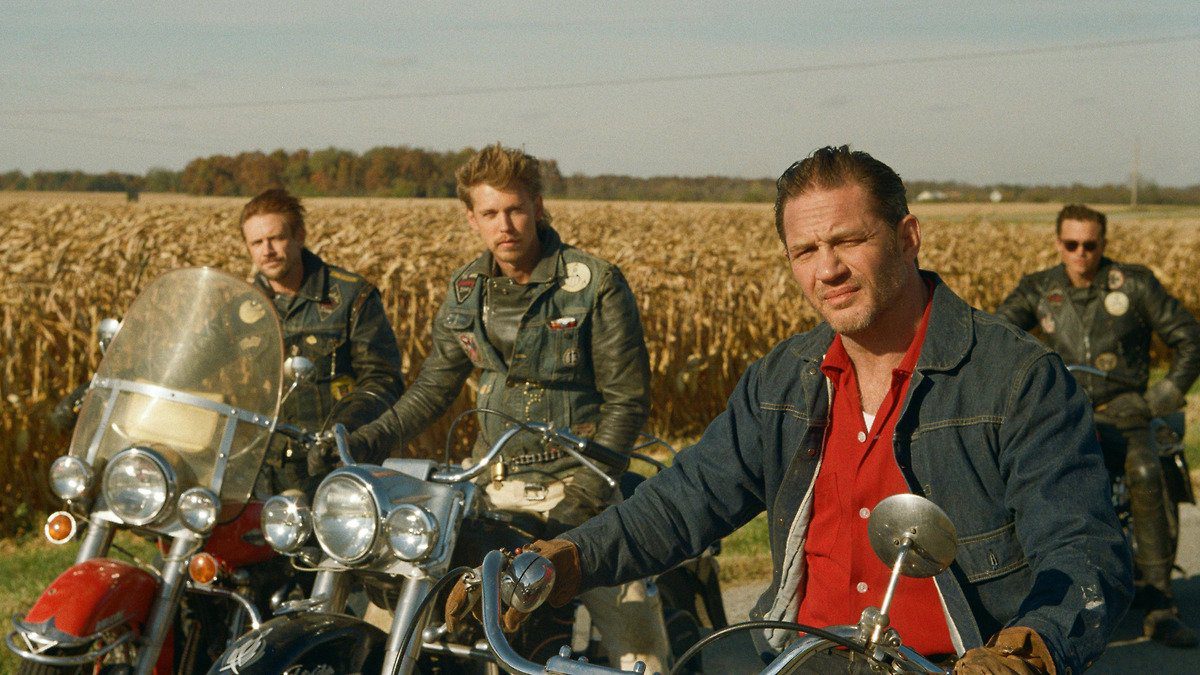
    Instead it casts a bunch of your favorite character actors from Tom Hardy to Michael Shannon to the good looking dude who played Elvis, and that one guy from The Walking Dead, and that other guy from Narcos, and puts them in a bunch of ultraviolent scenarios.

    The closest thing to a plot in The Bikeriders is a young photojournalist is interviews a biker’s girlfriend about his Chicago biker club,  The Vandals. But the interview never really goes anywhere. There is no arc of characters, nor lessons learned. It’s just one incident after another without any real exploration of their inner characters or motivations.

    Why do all these antisocial ne’er do wells want to hang out with each other at fast speeds and snub their noses at polite society?

    Who cares, this movie says.

    Instead it’s just a brisk two hours of kicking ass and driving fast. The actors seem to be having fun and that enthusiasm carries over to the audience. Maybe this is how a faithful adaptation of a photo-book is supposed to work? A bunch of cool  similarly themed images without any cohesion binding it all together.

  • Top Ten Draft Picks in Miami Heat History

    Top Ten Draft Picks in Miami Heat History

    After a couple magical years, this past Miami Heat season was a bit of a bummer. Too many injuries and missed games led to the Heat getting clobbered by the eventual champion Boston Celtics.

    But the great thing about sports is there’s always next year. With the NBA Draft coming up June 26 and 27, we thought we’d take a look back at the ten best Miami Heat draft picks in team history.

    10. Caron Butler #10 pick in 2002

    I was tempted to already have Jaime Jaquez on the list, but let’s make sure he’s with the Heat for more than one season before he cracks the top ten. Instead let’s start with Caron Butler who was on the Heat for a grand total of two seasons before getting traded in a package for Shaquille O’Neal. In his short time with the Heat, Caron made the all-rookie team and brought the Heat back to the playoffs, before making a couple all-star teams with Washington.

    9. Josh Richardson #40 pick in 2015

    Second round picks are supposed to be just happy to make the team, but Josh Richardson kept getting better and better in his four first seasons with the Heat. In 2019 he even led the team in scoring while taking on the toughest defensive perimeter assignment. He eventually got traded for Jimmy Butler, but got a return engagement to the Heat this past season before an injury cut his and the Heat season short.

    8. Grant Long #33 pick in 1989

    In the franchise’s very first draft the Heat found themselves a keeper in the second round with power forward Grant Long. A grizzled rebounder, and hard nosed defender with a consistent mid range shot, Long lasted six seasons with the Heat. You still see his name in the Heat record books in the top ten in franchise history in games played, rebounds, and steals.

    7. Mario Chalmers #34 pick in 2008

    When Super Mario was selected, nobody in Miami cared. Everyone instead was psyched about #2 overall pick Michael Beasley to see how he would mesh with Dwyane Wade. But right from opening tip-off Chalmers made his mark, starting all 82 games in his rookie season. For seven and a half seasons, Chalmers was a Heat mainstay, winning two championships as the team’s starting point guard.   He’s still in the top five for most games, assists, and steals in Heat history.

    6. Steve Smith #5 pick in 1991

    Though he only played three seasons for the Heat before stupidly being traded for Kevin Willis, Smitty made a major impact. In the three seasons before Smith was drafted, the Heat had never won more than 24 games. Smith’s fast break offense and clutch late game shooting took the Heat immediately to the playoffs. If he would have stayed in Miami, he would have definitely made an all-star team as he eventually did with the Atlanta Hawks.

    5. Tyler Herro #13 pick in 2019

    A lot of people are tough on boy wonder, but it would take quite an argument to kick Tyler Herro out of the top five of best all time Miami Heat draft picks. In five seasons Herro has already won a sixth man of the year award, averaged over 20 points a game in three straight seasons, and made a handful of game winning shots.

    4. Rony Seikaly #9 pick in 1988

    The Spin Doctor was the very first draft pick in Miami Heat history and went beyond all expectations. He earned the NBA Most Improved Player Award in his second season, is in the franchise top ten for most games played, rebounds grabbed and points scored. Most amazingly DJ Rony Seikaly once grabbed 34 rebounds in a single game in 1993. No NBA player has accomplished that feat since.

    3. Glen Rice #4 pick in 1989

    G Money never did make an all-star team with the Heat, nor win a championship (both accolades would come later). Over six Miami seasons the sweet shooting small forward averaged over twenty points a game, took the Heat to the playoffs and scored the third most points in franchise history. Any old school Heat fan can tell you exactly where they were when Glen Rice scored a then-franchise high 56 points against Shaquille O’Neal’s Orlando Magic.

    2. Bam Adebeyo #14 pick in 2017

    It seems a little early in his career for Bam already to be this high on a list of best ever Miami Heat draft picks, but take a look at the franchise career leaders in just about any stat and Bam is already in the top ten. Adebayo has played the fifth most games in Heat history, grabbed the fifth most rebounds, scored the fifth most points, and dished the seventh most assists. Nothing is given in life of in sports, but I’m willing to bet Bam will climb higher into the record books and add to his three all-star appearances and clutch playoff moments.

    1. Dwyane Wade #5 pick in 2003

    As though there were any other option. Not only is Wade the only Heat draft pick to make 13 all-star teams, lead the league in scoring and get a Finals MVP, he’s also the only player in Heat history to have a sculpture made of him to stand outside the arena. Here’s hoping in 2044, this year’s Heat draft pick is successful enough to get his own statue.

  • Despite the Myth, Jewish People Could Always Buy Property in Miami Beach

    Despite the Myth, Jewish People Could Always Buy Property in Miami Beach

    Sadly, regretfully and unhappily, the Greater Miami Myths seem to have a life of their own, with the most shameful part being that such entities as Hysterical Miami and Miami’s walking fountain of MISinformation as well as the late queen bee (No names, please—we’re British) never seemed to have had any problem or issue with propagating the nonsense.

    I imagine some of you, particularly if you are of the Hebrew persuasion, may have heard another of the totally false and as nonsensically egregious as too many of the other falsehoods, this one being the bubbemisseh (Yiddish for fable or fairy tale) that, “oh, Jews weren’t allowed to buy property north of Fifth Street on Miami Beach until after 1920,” which, from the first time I heard that nothing but hooey story as a teenager living on Miami Beach questioned it, (something that too many self-appointed so-called historians without portfolio of any kind to qualify them as deserving of that title don’t seem to care about doing. In addition,  too many other well-meaning but totally without a sense of the vitalness and importance of seeking out the historical truth individuals were willing to buy into that (and no few other fables) without questioning it or them as to the veracity of same.

    Even then, as “a kid,” I would ask the teller of tall tales several questions: Where did you hear that? Who did you hear it from? Is it or was it ever in writing? Was it a statute in print? Where did you learn this or get this from? And the answer, as with all of the other totally without basis in truth or fact nonsense that has been spread and spewed through the years related to and regarding Greater Miami history was—and is—always the same:  “Well, I heard…”

    But you see, dear readers,

    “I heard” is too often—much too often—the genesis of rumors (often vicious and damaging rumors) that, in no few cases, have led to horrifically hideous and utterly shameful results, which, as that situation is not the thrust of this piece, I won’t go into here and now. But what I will do is totally debunk that crock of utterly feculent feces, primarily because there is no truth to that story, none at all.

    “But Seth,” you say, “I’ve heard it so many times” and that is because it makes a good story for those who enjoy spreading falsehoods, among them the former mayor of Surfside who, before the Greater Miami Jewish Federation some months ago got up and said “Surfside was founded as an anti-semitic community and Jews were not allowed to buy property there,” which, when I heard that one, literally made me want to puke because that story is a total, utter and complete lie, which I will debunk in a future issue when we finish the topic immediately at hand regarding the right of Jewish people to buy property north of Fifth Street on Miami Beach prior to 1920.

    The oft-asked question is “but how do you know?” and, as America’s senior collector of Florida East Coast Railway, Florida transportation memorabilia, Miami memorabilia and Floridiana and as the only person in the state of Florida who gives the two talks titled “The History of Discrimination in South Florida,” which is half Jim Crow and segregation and half restricted clientele and “Debunking the South Florida Myths” I have to be able to show and prove  that the statements I am debunking are false, and, as such very much and very badly need to be debunked.

    As a side note, dear readers, The Bramson Archive holds the largest collection of black Miami memorabilia in white hands in the country (notice the proper disclaimer) as well as the largest collection of restricted clientele memorabilia in public or private hands in America, NO disclaimer necessary with that statement of FACT.

    “OK, Seth, we capice (or comprende or comprende-vous or phishtast), but what, then, is the truth and what are the facts?

    The truth is and the facts are that the “Jewish people were not allowed to buy property on Miami Beach north of Fifth Street until after 1920” garbage is a totally made-up story that is generally used by those who want to talk about anti-semitism in early Dade County and who might have heard it “along the way,” but the story is not only completely false but is easily and totally de-bunkable, so please, do not just pay attention here, but, also, please feel free to tell anybody who brings that story up what the truth is and what the facts are, and that the truth and the facts are  not only readable right here in “The Jitney,” but for all of our readers, are these:

    First, after a through search of existing Miami Beach statutes,

    nothing, going back to the city’s beginning in March of 1915, exists in writing with any statements or wording which bring up or would back up the story, and, second, yes, we have written (not oral, written) proof regarding the fallaciousness of the fable.

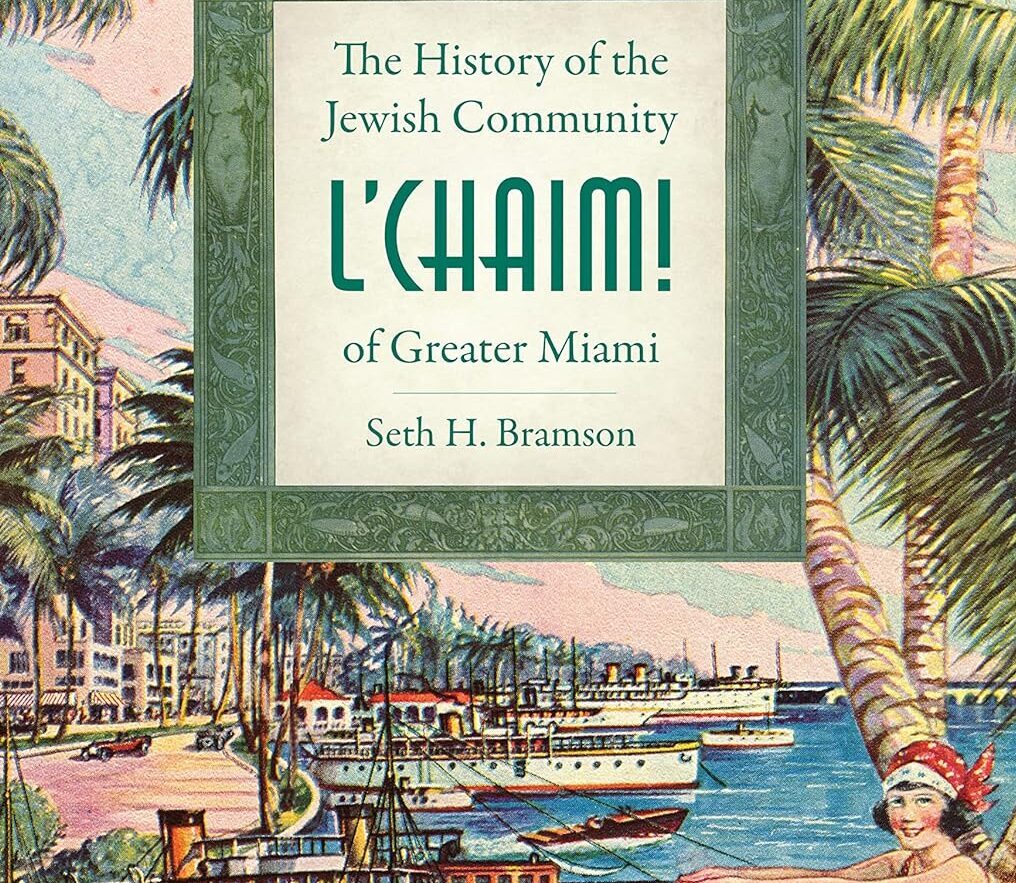
    When word got out that I was writing L’CHAIM! The History of the Jewish Community of Greater Miami , I received a phone call and without going into the glorious details, it was because of that phone call that the entire collection of the Ida and Isidor Cohen family (they the first permanent Jewish settlers to arrive on the shores of Biscayne Bay, Ida with her first husband, Jacob Schneidman, in late 1894, Isidor (who married Ida and adopted her two sons after Jacob passed away) on February 6, 1896, was donated to The Bramson Archive with the book being dedicated to Mr. and Mrs. Cohen and the first chapter titled “The Cohen Family.”

    In perusing the incredible material, what should turn up (like manna from heaven!) but two (not one but two) letters from the Lummus Investment Company (as in Lummus, LUM-muss–Park on Miami Beach being named for them, J. N Lummus being Miami Beach’s first mayor and his brother  J. E Lummus being Miami’s third mayor) dated February and March, 1917 selling land north of Fifth Street on Miami Beach to—yes, you guessed it—Isidor Cohen.

    And so, and with that, I truly hope you have enjoyed the debunking of another myth and another total Greater Miami falsehood and, gentlemen and ladies of all ages, we will be back with you soon with another “debunking” episode.

    (Yes, yes, I know, “all Professor Bramson wants to do is ruin those wonderful stories with the truth!” Now ain’t that terrible?!! Would, of course, on the other hand, be even better for all of us if so many of South Florida’s so-called historians [or are they, in reality, hysterians?] would be willing to do the same, instead of making up utter nonsense because it sounds good, regardless of the total lack of factuality of the story!)