Category: News

  • Dusten Gilchrist: The Comedian behind Lucid Baking Company

    Dusten Gilchrist: The Comedian behind Lucid Baking Company

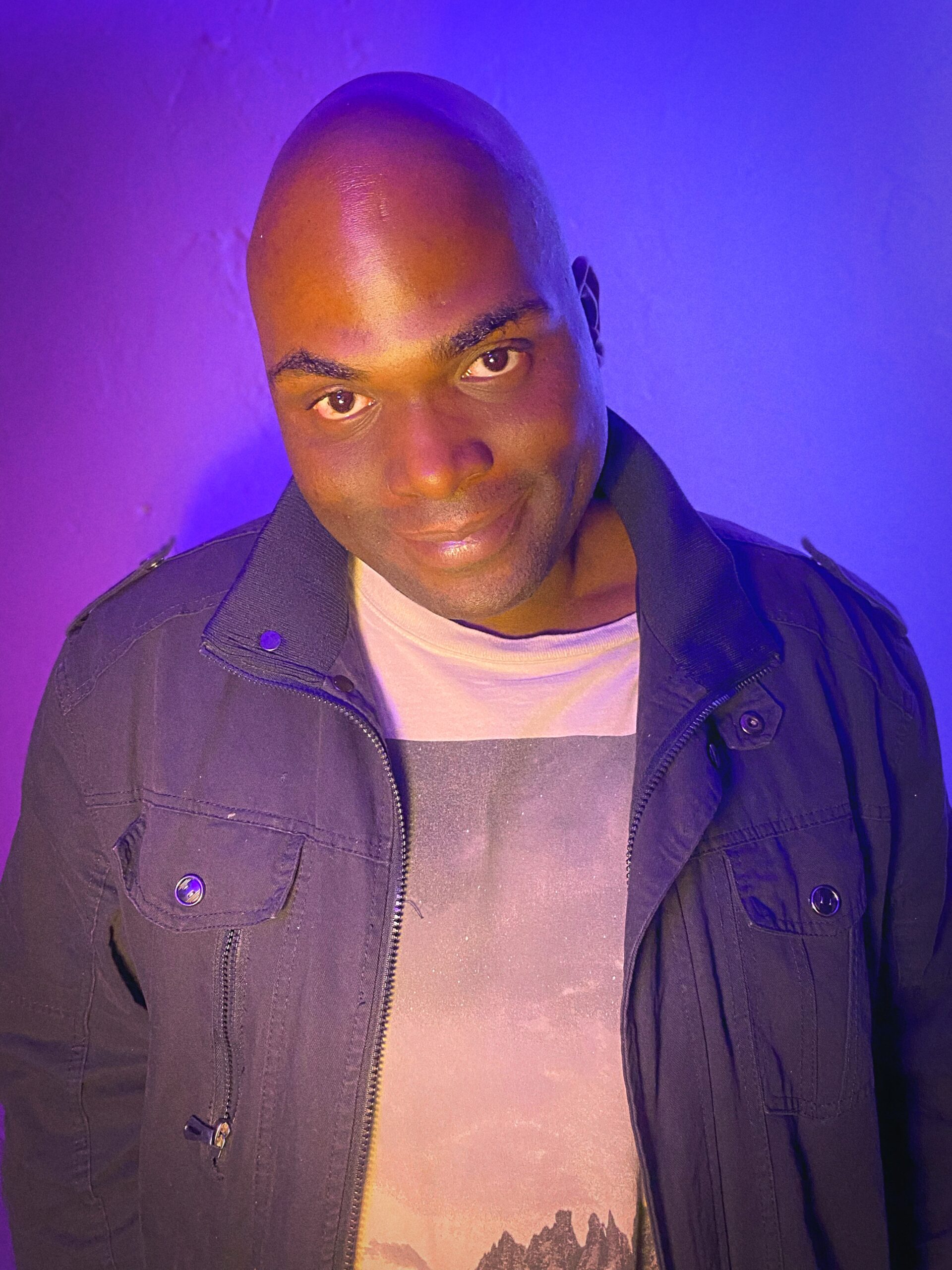
    Wake, bake, and elate with the comedian Dusten Gilchrist. He is most known in Miami as a comedian tearing up the stage at Villain Theater by Little Haiti, and all over the 305. When he is not cooking up comedy specials on Tonight with Tarek and stage shows hosted by Intercoastal Events hosted by Lucas Doytier and Tony Dark, Dusten is bringing the laughs with his out of this world culinary skills. Dusten is an artist of an edible kind that will take you to space and back with his up-and-coming brand, Lucid Baking Company. He has cooked for the bad and boujee to the broke and bummy.

    Beyond being just a funny man on the stage he is a serious entrepreneur in making delectable edibles from cupcakes to cereal bars. If General Mills ate one, you’d have to change their name to Giggling Mills. Lucid Baking Company has some of the best cereal bars that can wake, bake, and elate all of the 305.   Though Broward County seems to be his biggest market for both comedy and cereal bars, he is starting to make serious waves in Miami.

     With the goal to take this business world-wide, he got his start making lucid foods cooking for the rich with ailments. Infused foods is a medical market Dusten takes very seriously, and though he enjoys it he sees taking it to the next level by making his own flour brand with the help of Wiz Khalifa and Snoop Dogg when legalization is achieved. Before all this happens, you can catch him at Art-walks, music and comedy events, and other pop-up events as well.

    Dusten: “I like cooking and tech and funny stuff. Comedy is my joy but bringing happiness with my treats has been my calling.” Laugh, and laugh hard by following Dusten Gilchrist and Lucid Baking Company on Instagram.

  • Lightyear and The Phantom of the Open – To Cry or not to Cry?

    Lightyear and The Phantom of the Open – To Cry or not to Cry?

    The last few years if you wanted a good cry at the movies, a Pixar movie was the way to go.  Toy Story 4 reminded us how we all move on from the innocence of childhood, Soul opened up the waterwells on how all lives have value, and if you’ve seen Up you’ll never emotionally recover from the movie’s first  few heartbreaking minutes exploring how fast and fleeting our lives can be.

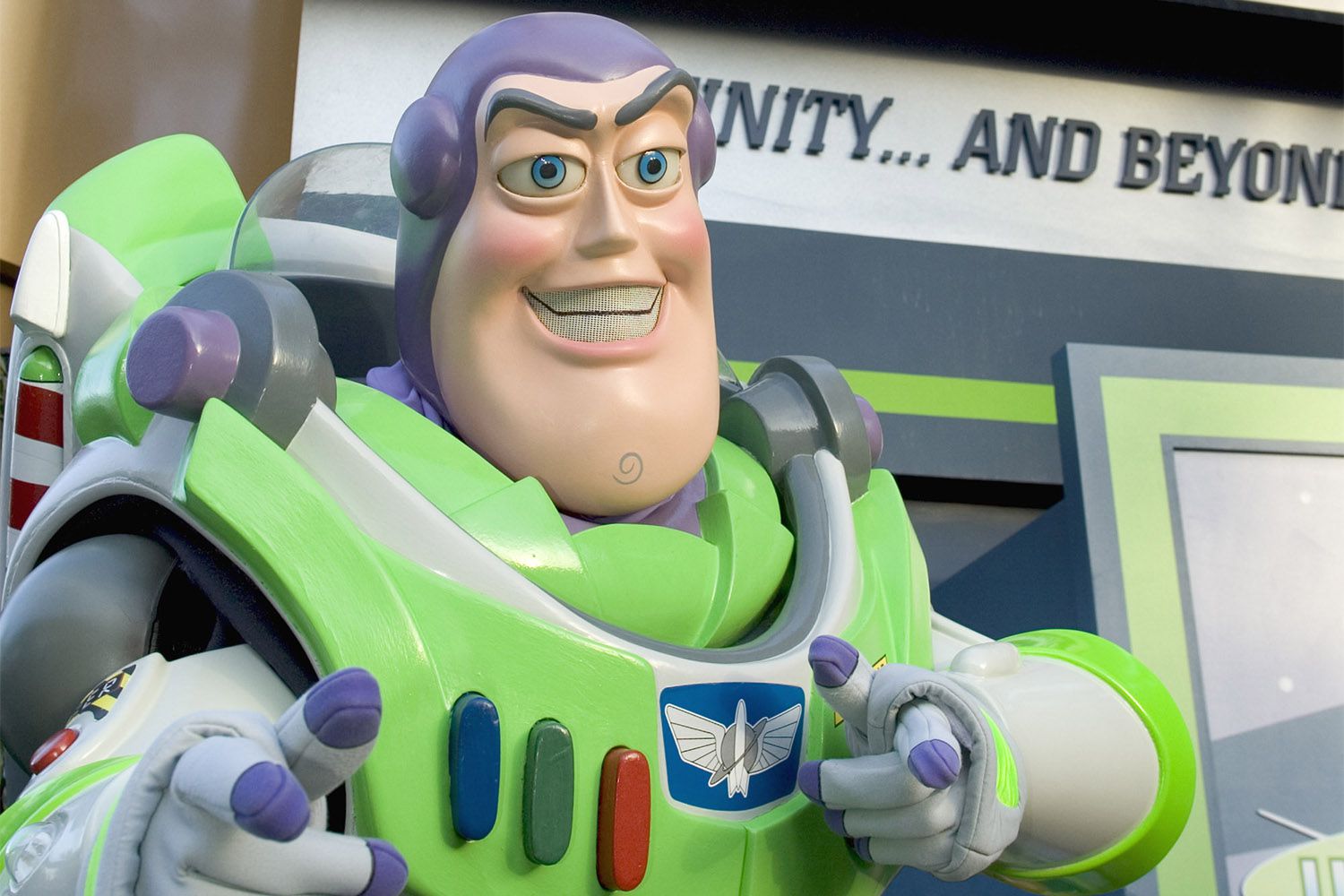
    Lightyear is the first Pixar non-tearjerker in a while. It wades in the more familiar realm of exploiting a beloved property in Buzz Lightyear from the Toy Story movies and stretching a feature film out of his adventures.  The opening text reveals the premise, this is supposedly the movie that made the kid Andy from Toy Story want a Buzz Lightyear doll in the first place.

    As cynical as the movie’s reason for being might be, it’s still a fun way to kill an hour and forty minutes. Pixar does try to occasionally sneak in some poignancy and sentimentality into the cartoon, but for the most part it’s a no frills wham bam  sci-fi action flick with even the hint of a fart joke thrown in.

    Old school Toy Story fans might find it a little jarring to see Lightyear’s hair without the familiar astronaut helmet obstructing it. They might also be a little disappointed that they couldn’t find a way to insert his buddy Woody into the proceedings. But after the success of this movie I’m sure a Woody stand alone origin story is only a few years down the line.

    The Phantom of the Open

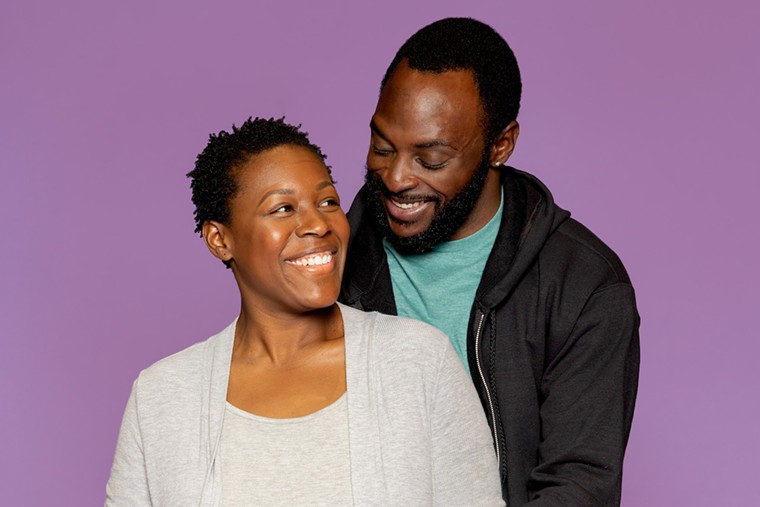
    If you would like to give your tear ducts a workout, might I suggest the new British movie The Phantom of the Open? It’s based on the true story of Maurice Flitcroft, a working class bloke who year after year conned his way into competing in the British Open golf tournament. Flitcroft is an incompetent golfer, but he’s portrayed as such an astoundingly decent individual you can’t help but to root for him to get his moment of glory.

    The filmmakers might cheat a bit at tugging at audience’s heartstrings by portraying Flitcroft and his loving wife as more pure souls than experience among humanity would suggest is possible.  But there are much worse cinematic crimes than lying to an audience to give us a much needed dose of feel good.

  • Summer Shorts Features a Riveting Collection of Quick Plays

    Summer Shorts Features a Riveting Collection of Quick Plays

    From now until July 2, Adrienne Arsht Center presents Summer Shorts, a series of ten short plays that run for twenty minutes or less each.

    With its riveting themes and upbeat performances, Summer Shorts is a festival worth attending. Although each play is engrossing and relatable, there are three standouts. Misdial, a ridiculous, but realistic play about what can happen if you call the wrong person, 21 Chump Street, a dramedy based on real-life events that critiques the war on drugs and Go Get ‘Em, Tiger! , which features an anthropomorphic tiger who gives philosophical guidance to a couple who are struggling with their marriage. The other performances are: A Little Bit of Culture, A Small Beach in Protocol at Big Rick’s Rockin’ Skydive Academy, Chronicle Simpkins Will Kick Your Ass, Night Vision, Tango, the Musical!, Webster’s Bitch, and Winner.

    “I think the beauty of Summer Shorts is that you kind of get a condensed season of shows all in one night. Every ten or so minutes you’re going to be transported into this completely different world with new characters and new situations that either are going to make you think about something that you don’t think about all the time or are maybe just fluffier and make you laugh,” says Lindsey Corey, an actress who is in six of ten of the plays and has been working with Summer Shorts since 2008. And Corey is correct. With each skit, the audience will recognize either themselves or someone they are close to.

    This year is Summer Shorts’ twenty-fifth anniversary. For the significant anniversary year, the production mixed in old and new. Features they selected encompassed five plays that were among the favorite lists from over the last 25 years; then five brand-new ones were included.

    “If you’ve never seen Summer Shorts, this is the Summer Shorts to see. It’s a celebration of twenty-five years of doing the festival and it is a lot of fun and laughter-it’s a program that is guaranteed to tickle you in some way,” says artistic director Margaret Ledford. When asked why going to the theatre is such a great summer activity, Ledford says “through sharing of theatrical experience, we have the ability to build empathy and compassion and build our humanity and connection and community.”

    While Covid-19 delayed celebrating twenty-five years of Summer Shorts, the cast and crew seem to be doing their best to move forward.

  • Heat Culture: Five Players Who Stunk After Leaving Miami

    Heat Culture: Five Players Who Stunk After Leaving Miami

    Heat Culture is one of the best in the Association.

    The Miami Heat fan base might just be the loudest in the world right now. Have you heard the cheers of “Let’s Go Heat” at opposing arenas? It’s a real thing — game after game after game.

    I used to think the second and third year Lebron teams were my favorite Heat teams ever.

    Then it was the bubble year, for sure.

    But now, this squad, by far, is my favorite Miami Heat team ever. The depth is insane. The balance of savvy vets (Lowery, Tucker, Butler, U.D.) mixed with coming-of-age superstars (Bam & Herro), plus our emerging rock stars (Yurtseven, Vincent, Martin and Strus) — we’re just all that.

    But remember, even if we lose some budding talent, they won’t fare better elsewhere.

    Here’s a quick list of five Heat players we developed whose careers tanked when they left Miami Heat culture.

    We loved them when they were here.

    Tyler Johnson

    Tyler Johnson, the scrappy point guard who once garnered a 90 million dollar paycheck from the Heat, arrived in Miami a pimply teenager. He played rough and tumble Heat ball, lost a tooth or two along the way, earned our love and (arguably) a paycheck, but after that it was all downhill. Since leaving the Heat, Tyler Johnson has pin-balled around Phoenix, Brooklyn, Philly and now San Antonio.

    Justise Winslow

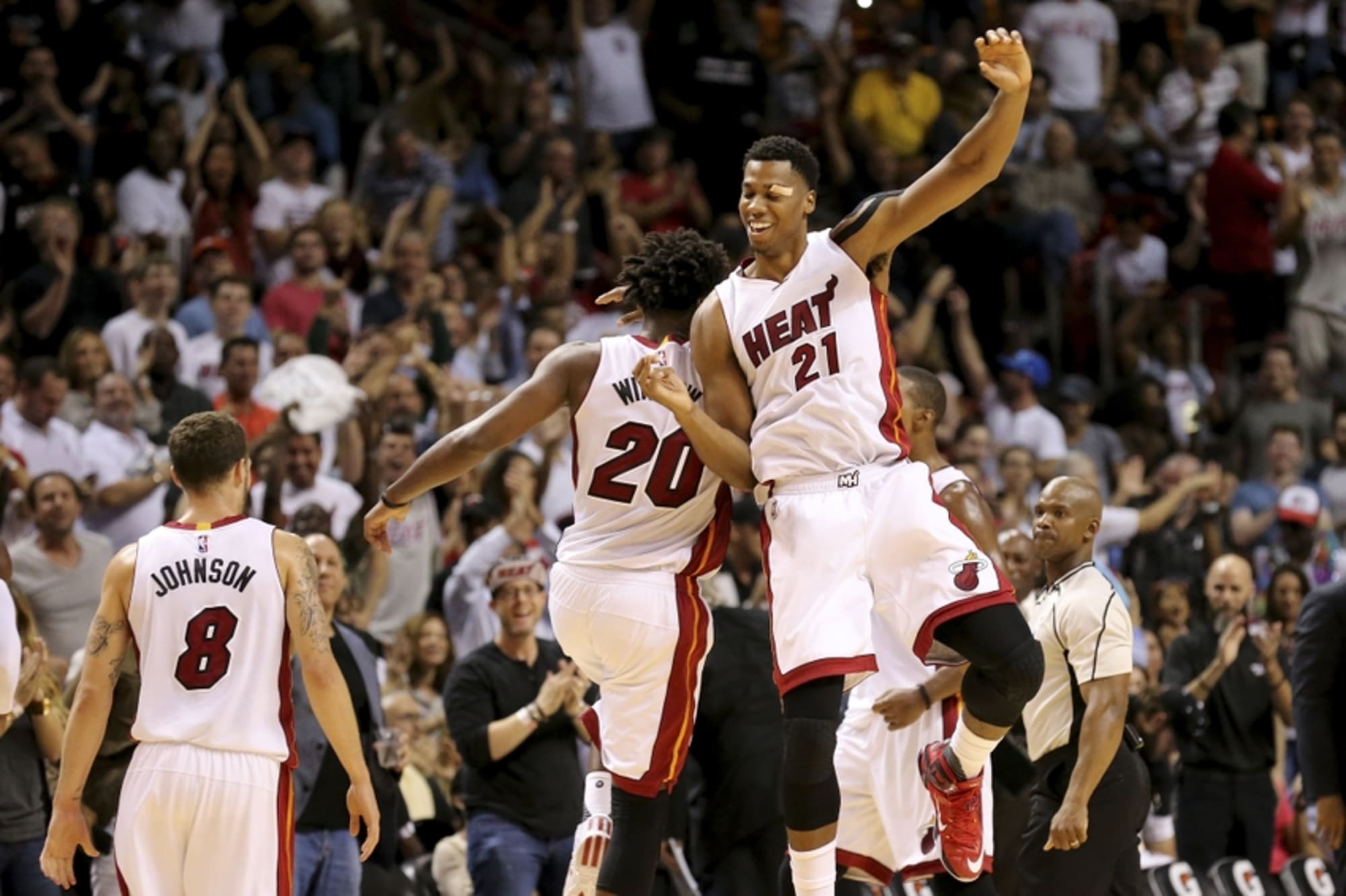
    Justise arrived with much fanfare and hype. First round pick, #10.  There was a Sports Illustrated cover with him and DWade. Heat fans dressed up as judges, cheering him when he scored or stole a pass. Where are they now? Since leaving the Heat, Justise has not been served. He’s only played in 74 games since being shipped out of Miami to Memphis then the Clippers and finally Portland.

    Josh Richardson

    There was a season when Josh Richardson was the Heat’s number one scoring option, averaging 16.6 points. The scrappy 2nd round draft pick was beloved when in Miami and the Heat got the most out of him. Since leaving he’s bounced around from Philly to Dallas then to Boston and is now lost in San Antonio.

    Derrick Jones, Jr.

    DJJ with the Heat was an acrobatic freak, blocking shots out of nowhere, flying through the air — he appeared in the NBA dunk contest. He left with little fanfare and is now wasting away in Chicago.

    Hassan Whiteside

    The Heat elevated Hassan Whiteside from the YMCA to leading the league in rebounds and blocks. (Literally the plot of Hustle, but with a tint of North Carolina). We made Whiteside a $100 million dollar man. Hard to believe, right? After a rough tenure with the Heat, Whiteside bounced around to Portland and now Utah. Though he is threatening to come back to Miami.

    If the Heat lose any of our promising young core, don’t fret — if recent history is an indicator — they won’t get better away from Heat culture.

  • The Real History of the 305 (Area Code)

    The Real History of the 305 (Area Code)

    When Pitbull  says “305 til I die”, it’s meant to convey that he was born and raised in the county of Dade. Those three numbers are meant to represent a deep and undying love for Miami and all that represents our fair city. As you’re probably aware if you’re visiting this site, 305 is the area code for Miami (as is 786, but “786 til I die” doesn’t have the same ring).

    But if Pitbull stumbled into a time machine and was transported back into 1947, “305 til I die” would have an entirely different meaning.

    When area codes were first introduced to North America, 305 was the area code for the entire state of Florida. So if you wanted to call Governor Millard Caldwell up in Tallahassee, you’d have to dial 305. If you wanted to call Tom Petty’s parents in Gainesville, you’d have to dial 305. If you wanted to learn what time the mermaids performed at Weeki Wachee Springs you’d have to dial 305.

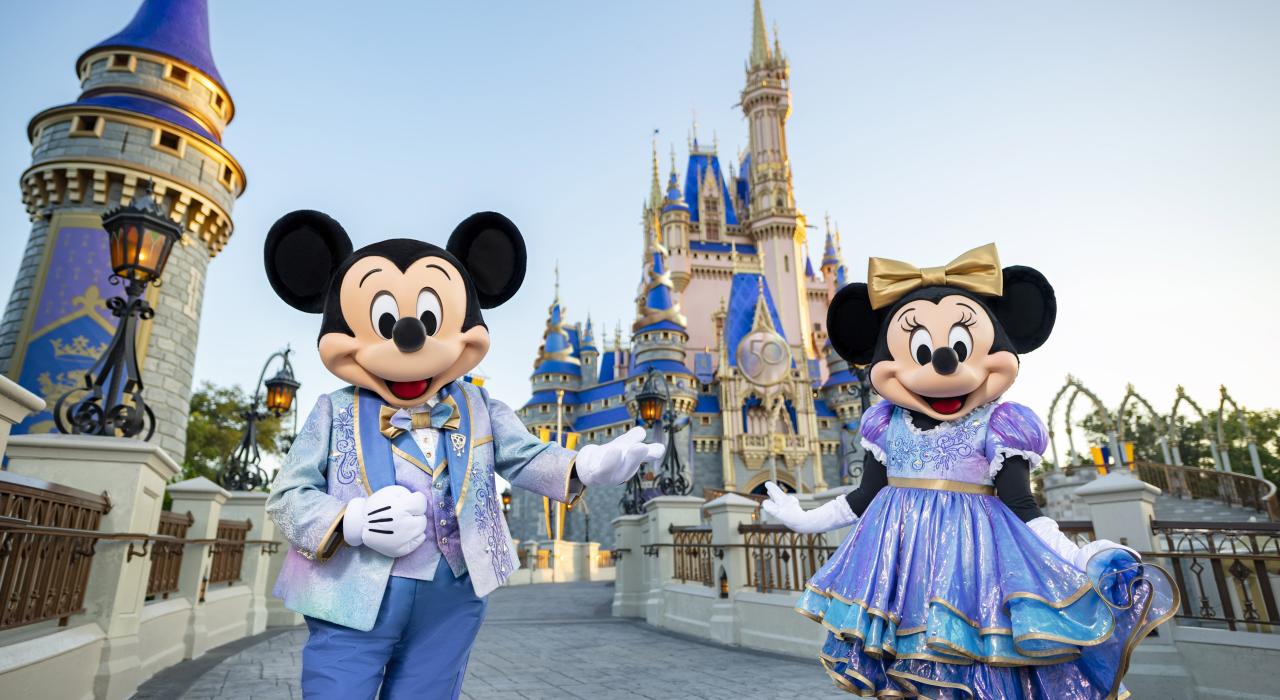
    In 1953 the west coast of Florida got their own area code. 1966 gave the panhandle their own digits. It wasn’t until all the way in 1988 that Orlando to Palm Beach got lopped off from the 305. For the first 17 years of Disney World’s existence,  Mickey Mouse and Goofy were 305 until they died.

    In 1995 the 305 got to its current state of concentration when Broward was segregated into a 954 area code. In 1998, the 305 number gained more prestige when Miami residents were now being offered 786 numbers. And starting next year, you’ll have a chance to be 645 til you die since The Florida Public Service Commission approved that as a third area code for  Miami.

  • The Rainiest Day in Miami History

    The Rainiest Day in Miami History

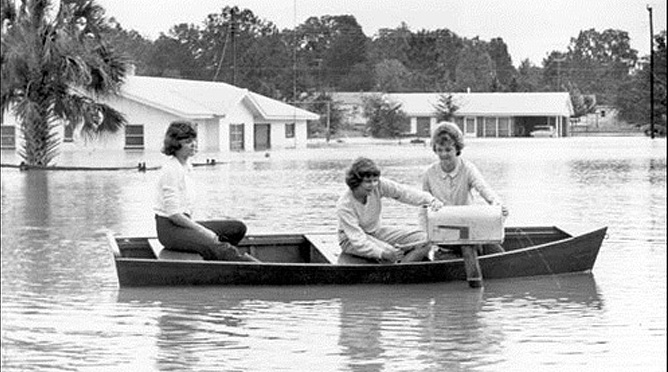
    The rain this past weekend was out of control. On Friday the flooding in Downtown Miami from 11 inches of rain unleashed all kinds of chaos. There were stalled cars and late night partiers having to wade through thigh deep waters.

    There were even videos of fish swimming around puddles in garage parking lots.

    But this weekend wasn’t even close to the record for Miami rainfall over a 24 hour period. That happened all the way back in April 25, 1979. On that Wednesday the National Weather Service reported a 24-hour total of 16.21 inches in Miami. While there was no Twitter back then to record for posterity all the zaniness that lots of accumulated water might unleash, The New York Times reported that catfish were spotted swimming down Fort Lauderdale’s Andrews Avenue. Up in Boca Raton they received 18 inches of rain and hotel guests had to wade through the hotel lobby to get to their room.

    In Plantation, the police were out in full force warning locals about the dangers of displaced rattlesnakes. The cops “warned parents to keep children indoors and out of the way of snakes routed from their hideaways”. Two snakebites being reported.

    A report on the storm from the South Florida Water Management District thought the damage from the rainfall was no big deal. They gave themselves a pat on the back for how South Florida handled it.

  • Disney World Is the Real America

    Disney World Is the Real America

    I’d forgotten.

    Partly because of COVID, but more for budgetary reasons it had been a long time since I left South Florida. These last couple years in fact was the longest time in my adult life that I hadn’t left our very humid bubble. But last month we took our daughter to Disney World.

    The second most shocking revelation on this trip beyond how high Mickey Mouse’s prices have soared, was the jarring reminder that Miami is truly not part of the United States of America.

    Disney World, now that’s the real America.

    The most obvious difference involves the Miami language barrier. There are pockets of Miami where several generations of families have not learned how to speak English. If your knowledge of Spanish is second rate, you can spend most of your life in the 305 feeling misunderstood. But besides Spanish you can also have communication barriers in  Creole, Russian, and Portuguese.

    At Disney World it’s English only. With the exception of being allowed to say “hakuna matata”.

    And the English that is spoken actually includes words I never hear in my hometown like “please” or “thank you”. The civility blew my mind.  People actually took lines seriously, and not merely as a challenge in how efficiently one can sneak their way towards the front.

    The biggest difference though between Disney World and Miami involves an emphasis on “biggest”. Disney World visitors are huge! Before you try to cancel this website for fat shaming, yes there’s plenty of obesity on display at Disney World, but I’m  referring to heights. The average passenger in line for Space Mountain has to duck their six foot three heads or risk decapitation.

    But yes, the Disney World citizens are wider than the population I come across in South Florida. When we had lunch I could understand why. I’ve gotten used to these tiny Miami portions of food. When you go to a restaurant in South Beach you have to order three courses to put a dent in your caloric intake. At the Magic Kingdom  the French fries flow freely, as do the potential for diabetes and heart attacks.

    I’m grateful that for the low admission price of $149, Disney World taught me that I have been living an illusion.  All this time I’d assumed I was living in America, I was actually living in Miami.

  • Best Places to Go If You’re New to Miami

    Best Places to Go If You’re New to Miami

    You ever notice the ads on taxi cabs in Miami? Many of them promote events occurring not in Miami but in Las Vegas. It really makes you shake your head. Miami is not the next Las Vegas, nor are we simply South Beach. Of course tourism is a major component of our economy, but it is not what defines us. Arguably, the downtown corridor is defining who we are becoming. The heartbeat of our future lies downtown and the blood coursing through this vein is our emerging culture.

    Culture. Define it as you will, but for locals our culture is our soul and it is not in the hands of clubs like Space or E11ven, nor is it embedded in South Beach locales like Liv — these popular places may be fun for some, but they are mainly for tourists or ballers or fly-by-nighters. They make us seem like we’re the next Las Vegas, but they are not who we are nor do they define us.

    The following places (in no particular order) represent Miami for locals.

    If you’re new or visiting, frequent them if you want to get a real sense of Miami.

    Gramps

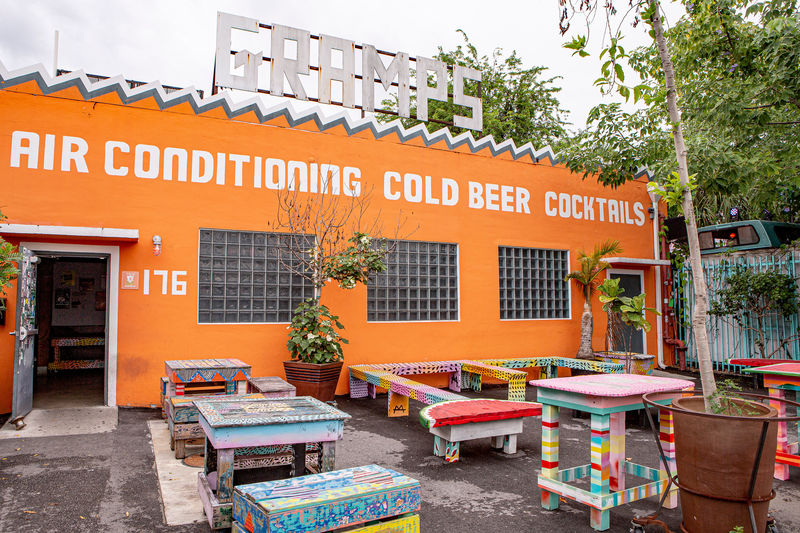
    This Wynwood bar is quickly emerging into a locale that’s transcending itself and the neighborhood it serves. With three distinct “rooms”—an inside rail-road bar, a large outside courtyard and an intimate back room, Gramp’s is beginning to host more events that cater to our intelligentsia. With the closing of Lester’s back in December, Gramp’s is the logical spot to fill the void of a venue that provided the neighborhood its brain. In some ways, Gramp’s will likely become the new brain of our corridor.

    The Corner

    Want to feel like you’re in an intimate bar with a New Orleans vibe, check out The Corner on 11th street. Want to hear awesome live jazz music, go on a Tuesday. The Corner is a place where, like Gramp’s, you’re likely to have a discussion that actually has an intelligence quotient higher than our temperature on its hottest day, and that’s asking a lot of Miami. The Corner also hosts the Miami Bike Collective, which is a wonderful little place to get your bike fixed for a very reasonable price.

    Moksha Family Arts Collective

    If you’ve never heard of Moksha, you don’t know what you’re missing. This Little Haiti warehouse is definitely off-the-grid, for they represent Miami’s counterculture manifesting itself in the visionary arts movement. They host a variety of events throughout the year, often combining live music with deejays in a setting that’s as surreal as Burning Man. Their after-party for Big Friday’s in Little Haiti is often loaded with reggae talent and they also host educational workshops, lecture series’ and occasional films. The word “moksha” literally means emancipation or release and psychologically it connotes the concepts of freedom and self-realization.

    This Little Haiti space very much represents Miami’s spirituality.

    O Cinema

    This independent movie theater is more than just a theater, it’s an experience. The venue has really evolved in terms of comfort for its patrons, quality of projection for its films, and originality in its programming. The owners of this diamond-in-the-rough movie house appear relentless in their dedication to providing the city with not just a venue for quality independent films, but a forum for discussion and community engagement.

    Addendum

    This article could go on and on.

    I haven’t even mentioned Sweat Records or comedy night at Elwood’s. And most importantly, I haven’t even touched on the PAMM museum or Arsht Center, institutions that elevate our downtown culture to a national and even global level.

    If you think South Beach is Miami culture, okay—there are some spots on the beach that are no doubt locally awesome (The Abbey, The Broken Shaker, Kill Your Idol, etc.) and this is not a Downtown is better than South Beach argument, not at all, it is merely a guide for newbies and passers-through who want to know what’s shaking in the city and where the majority of our locals hang.

  • Wet Mango Fest Rocks Miami on June 18

    Wet Mango Fest Rocks Miami on June 18

    This article originally appeared in PureHoney Magazine. Check them out here. 

    In 2020 with the pandemic at a peak, Bryan Cuan-Garcia came home. The Miami native had spent several years in California and elsewhere working in event production — a trade devastated by Covid-19. Back in South Florida, feeling depressed and unsettled, Cuan-Garcia reverted to a favorite activity from his teens: checking out local bands.

    He immediately liked what he found online. “The caliber of stuff coming out of Miami is just insane. A lightbulb went off; how can I merge my technical and corporate experience and link local stuff with the community?”

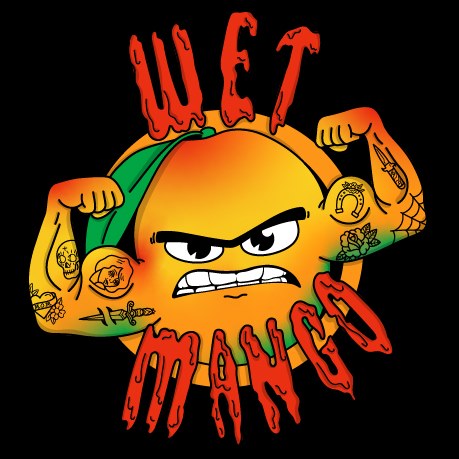
    Enter Wet Mango Fest, an online-only live music bash streamed last June on Twitch. Working on a shoestring, Cuan-Garcia and producing partner Lesly Montes bartered their way into a lineup: play five songs at our Internet festival and we’ll create new video content for you to use as you please. More than a dozen hometown bands including Surfer Blood and Afrobeta signed on and performed via remote over two days.

    “We all just wanted to make something really nice during the pandemic,” says Montes, who used to produce the Riptide Music Festival in Fort Lauderdale and counts Miami’s Ultra festival as a client.

    Around 2,500 individual streamers tuned in to the first Wet Mango Fest. The event returns to Twitch on June 18 with a bigger budget and concertgoers invited to a non-virtual site: the SkateBird Miami skate park. Twelve acts including singer Julia Bhatt, rockers Never Loved and lo-fi punks Las Nubes will perform, joined by skateboarders Zion Effs & Friends for a skate exhibition, and stand-up sets from comedians Brittany Brave, Luis Diaz and Matt Ross.

    Brave, an old friend of Cuan-Garcia’s, also moved back home (from New York) during the pandemic and found a way to succeed in a strange time. Cuan-Garcia, for his part, sounds ecstatic at how things have worked out as he helps to grow South Florida’s up-and-down live local music ecosystem. “I’m the happiest I’ve been in a long time,” he says.

  • Thanks to My Abortion, I Chose When to Give Birth

    Thanks to My Abortion, I Chose When to Give Birth

    High school memories that won’t go away led to my abortion. There were girls who disappeared. Some were cheerleaders.

    I grew up in a small Midwestern town surrounded by corn fields. The town was not so much surrounded by those fields as embraced by them. It was an embrace that at times could feel too close and confining, too quick to criticize and pass judgment.

    This town resembled a dot on the prairie like many others. But during my high school years in the late 1960s, it had earned local notoriety for its squad of disappearing high school cheerleaders. And they certainly weren’t the only girls who vanished. Even though by the strangest of coincidences my high school was built with yellow bricks, this was no latter day Wizard of Oz magic act.

    It was a pre-Roe, pre-birth control pill, pre-feminist hard knocks lesson in lost or radically deferred education, lost or radically deferred dreams.

    Cheerleaders and other girls had a tendency to get pregnant in my high school. Of course they were not married so shotgun weddings generally happened swiftly and without fanfare.

    As people said in hushed voices, they “had to get married.” The phrase carried enormous stigma and shame. Now that Roe v. Wade may be overturned, I am horrified to think that we could step backward to those days of stigma and sacrifice.

    Married or unmarried, in my high school pregnant cheerleaders and girls “like that” instantly disappeared from school as if they had never been enrolled, never frowned over Algebra I equations in freshman math class, never grew breathless playing soccer in P.E. in our pre-Title 9 era.

    As I recall, their absence was never officially acknowledged by the school and I never heard a word about the need to graduate from high school even if attending class was forbidden.

    Looking back now at those high school days of shame and silence, I am furious. Accompanying those days were years of unnecessary deaths from illegal abortions. The prospect of repeating this destructive and deadly history is truly horrific.

    I remember exactly where I was in 1973 when I learned that the U.S.  Supreme Court had handed down Roe v. Wade. I was thousands of miles away from the Midwest. It was my junior year in college studying out of the country. I had just settled into my English literature class at the University of Aberdeen in Scotland, getting ready to take notes on Shakespeare’s history plays or Andrew Marvell’s metaphysical poetry when I heard kids buzzing about how abortion was possible in the States.

    It’s bizarrely apt that Marvell’s seductive lines “Had we but world enough and time/ This coyness, lady, were no crime” pop up even now in my head when I think about the moment I learned that abortion in the U.S. was legal.

    At that historic moment in 1973, my mind instantly flashed back to my high school days when girls “had to get married.” Especially those cheerleaders. I saw them posing with dazzling smiles in black and white photos on the pages of my high school yearbook, shaking pom poms with exuberant shouts, jumping high with legs impossibly extended for a few quick seconds.

    Their bouncing hair looked as cute and wholesome as the shining locks modeled by Breck shampoo girls.

    They were among the girls I knew who couldn’t follow the predictable path to high school graduation, as I did and many other friends. Some continued their education but it was suddenly a far more difficult and limiting process than necessary. And it was a path that I absolutely did not want.

    In 1973 at the University of Aberdeen, when I first learned about Roe v. Wade, I had no idea how soon my parents’ deep-seated fear would come true. In 1974, I became pregnant. I was not married, not even close.

    In the early fall of that year, I was a college grad with a job, living in Boston with a boyfriend in a relationship shaky at best, and making ambitious plans for what I hoped would be my future as a college professor. Checking the calendar, I had a harrowing realization: I had skipped a period. Maybe I was just late. It had happened before. How could I possibly be pregnant? I had an IUD.

    Soon after that, there was a day when I experienced an awful surge of nausea at work, where I was a secretary at a large accounting firm. The gurgle in my tummy swiftly became a roar. I thought the other secretaries and accountants could surely hear my exploding stomach as I rushed past their desks, my chunky sandals clacking noisily on wood floors, creating an outlandish disruption in this sedate workplace.

    Out of the corner of my eye I saw older women exchange looks. They knew.

    As I dashed to a stall in the women’s room, the nasty taste of semi-digested orange juice and toast rose up in my throat and coated my tongue. I leaned over the toilet and heaved, then heaved some more. It had been years since I had thrown up so much. I had forgotten about the sweaty face and palms that happen just before getting sick and the intense relief that follows.

    Afterwards I felt relieved but also wobbly and shocked. Could this be morning sickness?

    It was.

    Commuting to work on public transportation from Porter Square through Cambridge, I had often seen a women’s health clinic as we crossed the Charles River. It offered abortion counseling.

    At the clinic, a concerned young woman about my age explained that my IUD, a Dalkon Shield, was notoriously ineffective. Women with this IUD were reporting septic infections and pregnancies. This IUD endangered women’s reproductive health. In June 1974, the manufacturer A. H. Robins had taken Dalkon Shields off the market, but the ones that had already been sold, like mine, were not recalled. I would need to have it removed.

    We scheduled the removal of my IUD and abortion for the same day. My boyfriend had no interest in being a father. I don’t remember if he accompanied me to the clinic. I saw this as my body, my responsibility to handle.  I seem to remember the fee was $150. Adjusted for inflation today, that would be about $879. I do remember that whatever the exact sum it was something I could afford in a pinch on my modest salary. And it was a simple matter to reach the clinic on public transportation.

    Today with Roe v. Wade seriously threatened, I realize I had no idea how fortunate I was at that time.

    How fortunate I was to be able to choose not to have a child I was not ready to raise with a man I did not seriously love and with whom I would eventually lose contact.

    How fortunate I was that I could later choose when I wanted to become pregnant with my husband when we were both willing and able to start a family.

    Today, after 42 years of marriage, my husband and I count our blessings that our children are in their 30s, gainfully employed and have been able to make their own choices about when to start, or not start, a family.

    Long ago I shared with my husband and adult children about the choice I made at that Boston clinic. While I can’t imagine that anyone is truly proud to have had an abortion, I am immensely grateful that I could have one that was safe, affordable, and accessible.

    That decision saved me from what could have been debilitating injury from my Dalkon Shield. It also paved the way for my decision to become a parent when I was emotionally and financially able to be a devoted and responsible mom.

    For decades in this country, no one has had to get married. There were choices.  Now those choices are eroding.

    Today when I read the phrase “post-Roe generation,” I shudder. A bitter taste rises in my mouth and it won’t go away. How many girls and young women will have their education and dreams drastically compromised in a post-Roe generation? How many will suffer the torturous, perhaps fatal agonies of back-alley abortions?