Category: News

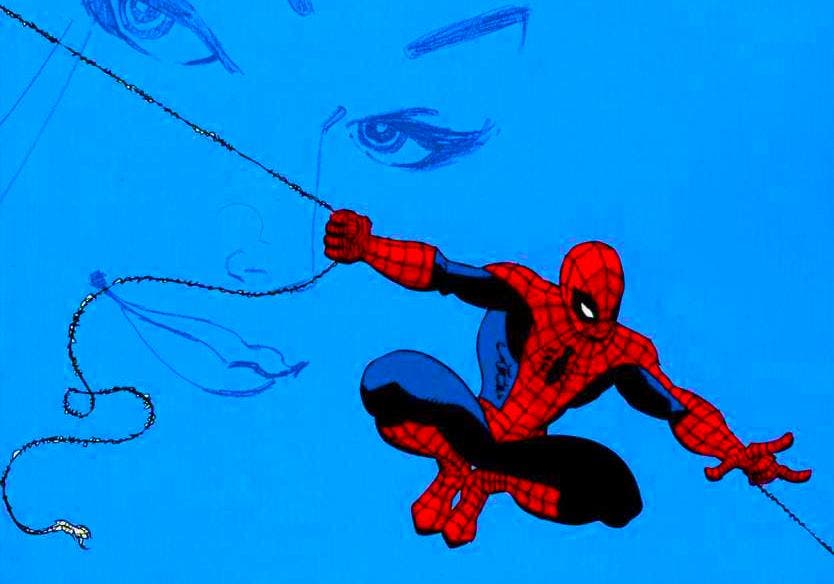
  • Spider-Man: No Way Home Is a Spectacular Disappointment

    Spider-Man: No Way Home Is a Spectacular Disappointment

    It seems like it was just yesterday, but it was May 2002 when I sat down in my local multiplex to watch the original Spider-Man movie. I remember having a giddy feeling during the opening credits. After decades of reading the comics and watching the 1960’s cartoon, I was going to see a live action rendition of the greatest superhero ever created.  Thankfully the movie faithfully lived up to the comics I’d dog eared.  I had to constantly pinch myself during the screening. That was Aunt May’s kitchen! That was J. Jonah Jameson ranting and raving! That was your friendly neighborhood Spider-Man swinging around New York City!

    Now there’s been eight live action big screen Spider-Movies. And like a veteran heroin addict I go into each one of these Spidey flicks chasing that first high. Sometimes they deliver and unfortunately sometimes you get a turkey like Spider-Man: No Way Home.

    There does seem to be a formula on what makes a good Spider-Movie. If Spider-Man has to fight one villain, chances are the movie will be good. The filmmakers will take the time to craft an interesting story around Spider-Man, his alter-ego Peter Parker, the supporting cast, and the antagonist. If they give him two, or three, or even five villains to fight, the movies will be convoluted stinkers.

    I’d hoped Spider-Man: No Way Home would avoid that trap. The trailers showed Spidey fighting all his old villains. Alfred Molina was coming back as Doctor Octopus, Willem DaFoe was returning as the Green Goblin, and Benedict Cumberbatch was guest starring as Doctor Strange. It looked like this movie was bringing everything including the kitchen sink. And while there are plenty of villains and shocking cameos that had me gasping and cheering, it’s too bad the kitchen sink didn’t have a decent script in it.

    Throughout the movie characters make ridiculous, non-sensical choices while the actors ham it up with dumb wisecracks. They couldn’t even bother to put a cliffhanger end credits scene (which comic book movie fans always look forward to) instead simply displaying a trailer for an upcoming Marvel movie. The movie is overloaded enough with excesses, it almost reminds me of a tipping point the comic book publishing industry found itself in 25 years ago.

    From 1990-1991 comics were selling a record amount of copies until the publishers confused what was drawing in readers. Instead of focusing on providing great stories, they started relying on gimmicks. Glow in the dark covers, guest stars galore, and massive crossovers where you have to buy twenty other issues to understand what has happening in the comic you had in your hands. The industry of actual comic “books” never recovered.

    Right now comic book movies are king. The four highest grossing movies of the year are based on comic characters with Spider-Man sure to join them. You could spend years of your life poring  through all the comic book adaptations on HBO Max and Disney+. It seems like there will never be an end to these comic book movies.

    But it only took five years between Marvel releasing the highest selling comic book of all time with X-men #1 to the company declaring bankruptcy in 1996. If Marvel releases a few more bombs like Spider-Man: No Way Home the age of the superhero movie might finally come to an end.

  • Art Lessons from a Plague Year in Miami

    Art Lessons from a Plague Year in Miami

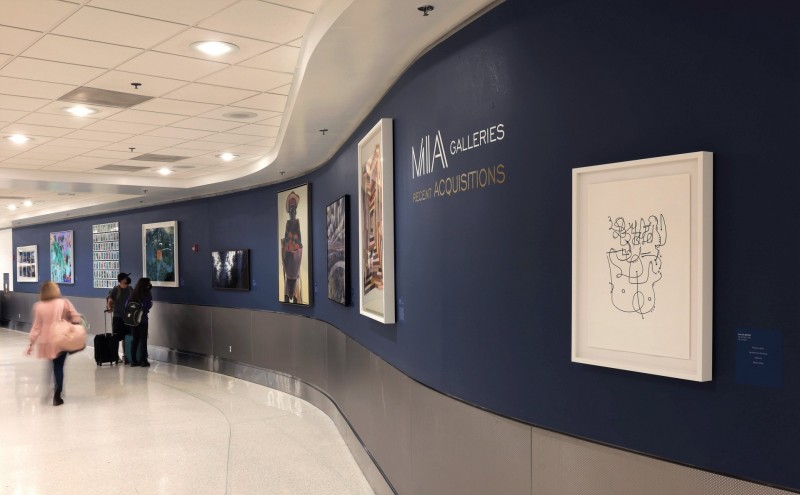
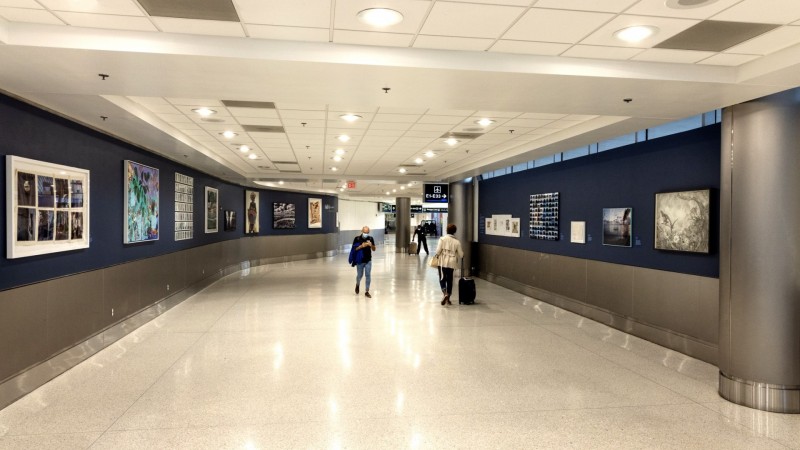
    Editor’s note: This essay was originally commissioned by Miami International Airport’s MIA Galleries.

    In 1999, it was my good fortune to speak with Robert Farris Thompson, prolific Yale scholar of Black Atlantic culture as it has evolved in Africa and the Americas. We discussed one of Miami’s best-known artists, internationally famed Cuban-born José Bedia, who weaves together Caribbean, African, and Native American influences. “Bedia’s right at the forefront of contemporary art and culture,” said Thompson. “José is teaching us how to move into this multi-ethnic situation.” Bedia’s art is shaped by Miami’s fascinating cultural diversity, which is generally quick to dazzle the eye and just as quick to provoke more questions than answers. “Miami is teaching the world what it will be like in the 21st Century,” Thompson told me then.

    Here we are in 2021, survivors of the 21st Century’s plague years, still wary of surges even though many have been vaccinated. Against a backdrop of deadly tumult all over the globe, Miami has moved forward for the most part in art and culture, having already attracted talent throughout the country as well as the Caribbean, Latin America, Europe and beyond. Struggling and managing to persevere, many artists continue their creative work even as a global pandemic has delivered its murderous onslaught, even as hurricanes and fires propelled by the climate crisis devour life and property with unprecedented velocity.

    Ongoing 2020 stressors: In Miami, rising seas flood coastlines and downtown as the city has become an international “blinking light” for casualties inflicted by warming oceans. Black Lives Matter protests proliferate locally and internationally. Immigrants do not always survive dire obstacles to reach the city but keep trying.

    To support the local art community in 2020, Miami International Airport (MIA) has purchased artworks by fourteen visual artists of Miami-Dade County. Holding a mirror up to this fraught time of multiple stressors, these artists reveal daunting challenges as well as Miami’s determined resilience. In photography, painting, works on paper and prints, they address topics like perennial tensions between the built environment and our natural resources, especially lush vegetation, glistening waters and the Everglades. They address topics like the vibrant colors and customs of our diverse neighborhoods in a place where many have emigrated under duress from their homeland and struggle to forge a new life.

    That essence of a place where increasingly few are native-born is articulated in Tom Virgin’s broadsheet combining poetry by Edwidge Danticat and poetic visual art by Laura Tan. It’s one of six broadsheets in Virgin’s portfolio “Home/s” purchased by MIA. A celebrated letter press printer, Virgin commissioned collaborations with writers and visual artists for this portfolio.

    In “Home?,” Danticat writes,
    We are born speaking one language.
    We die speaking another.
    We are seeds in one soil.
    And weeds in another. . .
    We don’t always get to decide where we
    call home.

    Smudges recalling water stains on a heavily used map line Tan’s contribution. They suggest storms that disrupt attempts to navigate safe travels. Stanzas of Danticat’s poem float like Caribbean islands around Tan’s central image: a bird’s nest that dwarfs the waterlogged bed frame on which it rests. It’s a powerful metaphor for shelter resolutely crafted in fluid, uncertain circumstances.

    The magical blue colors of iconic Biscayne Bay inspire and haunt artists. How long will we be graced by these azure and emerald vistas along that porous boundary between land and water? The bay is already scarred by chronic pollution and excessive boat traffic. On August 11, 2020, the Miami Herald reported that thousands of dead fish were floating in Biscayne Bay, as a result of 90 degree temperatures that led to a decline in dissolved oxygen making it impossible for fish to breathe. (This fish kill happened again in September 2021.)

    “Every Being Is An Island, I” by Amalia Caputo is an extraordinary document of the bay’s fragile shoreline. Her 100 photographs of the bay’s mangrove clusters, vital guardians of the bay’s ecosystem, are rendered in changing light and shifting blues and greens, arrayed in a grid like the precious gems they are. Intrigued by dance-like patterns of waves,
    Monica López de Victoria creates an abstract meditation with watercolor and thread on paper, conjuring the life-giving motion of water, in “Feeling Ripples”. It’s an apt image derived from her years of melding visual art with performance art, with many performances and videos demonstrating her creative passion for synchronized swimming.

    Cara Despain captures the silken sheen of the bay in a quiet moment before the day breaks or ends. In her staged photograph “sea unseen”, silver balloon letters spelling UNSEEN graze the water’s surface. They skewer a tranquil vista with an ominous warning of underwater threats.

    With signature sensitivity to natural history, Christina Pettersson depicts a coral island at the end of the Florida Keys in the Gulf of Mexico. This island belongs to the Dry Tortugas archipelago and is portrayed in her drawing “Dry Tortugas”. The archipelago’s nesting colonies of exotic birds like the brown noddy in her drawing are the only such colonies in North America, Pettersson explains in an Instagram post. In modulated shades of gray, she invites viewers to experience the island’s interlaced biodiversity under a wide open sky, honoring its unique remoteness.

    Others lift up the region’s surreally excessive vegetation, treasures not be squandered. Composed with microscopic clarity and graceful geometric abstraction, “Ode to Nature Series” by Carol Jazzar reveals intimate details of exuberant plant life, transformed by moments in glaring sunlight or cooling shade. Most of these 70 jewel toned photographs were shot during sharp eyed explorations of her neighborhoods El Portal and Miami Shores, north of the city’s hectic downtown. For his “Transcend #11,”Ian Patrick O’Connor employs a large format 4×5 camera to immerse us in a verdant setting surrounding a bold orange square. The centrally placed square focuses our attention on the less publicized virtues of some Miami locations that blessedly lack urban hustle and glitz.

    A photograph by Luján Candria, from the series “Roots to Branches #9”, is choreographed with delicate black, gray and white arabesque shapes, drawing us into a forest dense with mystery, from which no light escapes. From her “Consumerist Collection,” Annick Duvivier’s mixed media collage painting “Outside Influences” ricochets among often out-of-focus objects and memories, miming the materialist clamor of social media. Grounding the chaos is a central leafy branch with a woman painted apparently inside its slender base, claiming her vulnerable refuge.

    Maria Theresa Barbist and Silvia Ros, exploring different settings miles apart, underscore how the built environment is forever making headway on lush environs, even when that environment signifies Miami’s creativity. For her “Eingenaeght (Bakehouse)”, Barbist has sewn onto canvas eight photographs of the Bakehouse Art Complex, which has nurtured artists with studios for over 35 years. She portrays stairwells, work spaces and chain link fencing as the resilient “skin” of an artistic community within a subtropical city.

    Ros photographs historic post-war Brutalist concrete architecture in South Florida and Cuba. Her majestic black and white photograph “Everglades Vista, Shark Valley Observation Tower, Concrete Miami”, shows the Everglades unfurled beneath the sweeping ramp to the Shark Valley Observation Tower, which opened in 1966. In this photograph, sensual shapes of vast cumulus clouds floating above the horizon rhyme with the concrete ramp hovering between land and sky.

    Miami’s “multi-ethnic situation,” so admired by Robert Farris Thompson, deftly undergirds art produced here, particularly by Regina Jestrow, Najja Moon, and Addonis Parker. Jazzy rectangular patterns in Jestrow’s “American Quilt #10” riff on the classic “Log Cabin” quilt pattern, considered a symbol of pioneer life dating to the Civil War era, reflecting her interest not only in folk art quilts but also current demographics. This quilt, part of her “Americana” series begun during Black Lives Matter protests, is composed of 45 colors, paralleling wide-ranging skin tones in the American population. Among her quilt’s many tilting lines, there are few right angles, surely underscoring the challenges of finding common ways to move forward in a diverse city with a transient population.

    Moon’s line drawing, “All and Both”, bristles with dynamic energy. It seems to map out loose and lean dance steps as well as designs for open-ended gatherings, suffused with the multiple directions of her visual aesthetic informed by queer identity and Black culture.

    In “Covid Cure”, Parker’s luminous portrait of a Black woman in Little Haiti holding a bowl of mangoes radiates a healing spirit. The bowl is poised tenderly on her lap, like a child. Inside the bowl, mangoes gleam a luscious scarlet orange, echoing her head scarf. Both fruit and scarf form a dramatic counterpoint to her expressive face, painted in bluish black and pink tones. She welcomes viewers to partake in the bounty of this vitamin-rich tropical fruit.

    It’s a stunning portrait created as the pandemic stalked with particular vengeance elderly people of color. This woman’s gracious pose gestures to the healing attributes of artworks recently added to the MIA collection. They’ve been mindfully shaped by an historic plague year.

    Photo by Carl Juste.

  • Miami New Drama’s ‘A Wonderful World’ Belongs on Broadway

    Miami New Drama’s ‘A Wonderful World’ Belongs on Broadway

    The world premiere of Miami New Drama’s A Wonderful World finally opened this past weekend at the Colony Theater on Lincoln Road.  The opening, delayed 638 days due to Covid-19, attracted many Miami elites, including County Mayor Daniella Levine Cava. It’s agonizing to type, but it was worth the wait.

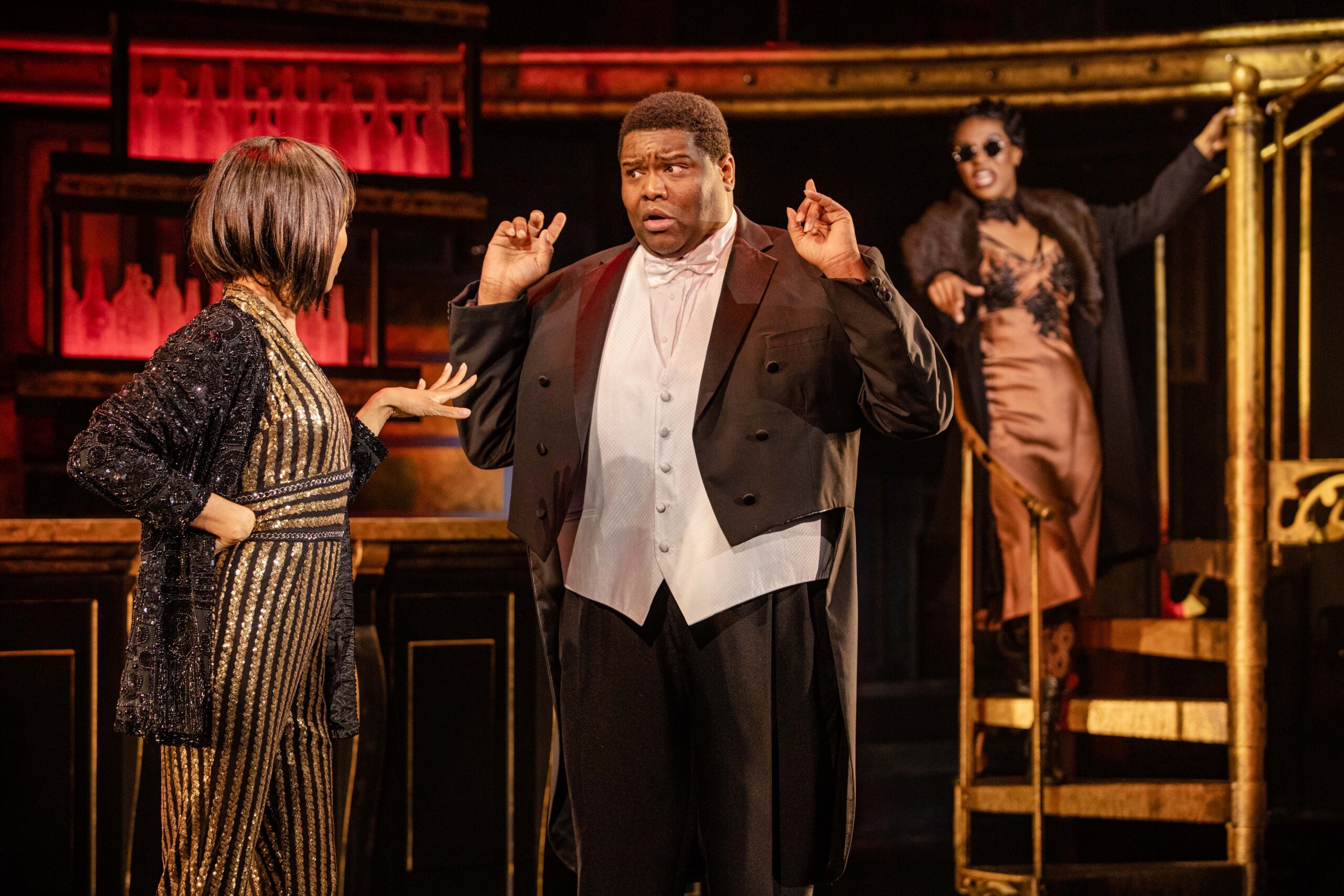
    A Wonderful World is a full-blown theatrical production worthy, better even, then many plays currently on Broadway. Including musicians, the cast consists of 28 members. The epic 2.5 hour two-act four-part production features 44 songs covering the entire professional life of one of America’s legendary icons and founding father’s of jazz: Louis Armstrong.

    Louis Armstrong, played by Juson Williams with finesse, swagger and depth, is an extremely powerful figure in 20th century Americana. As of now, no one has produced his story in film. Although, Ron Howard and Brian Glazer are working on it for Apple TV and Tracy Morgan is self-financing a project.

    Doesn’t matter.

    Miami New Drama and its artistic director Michel Hausman beat the world to the punch with A Wonderful World and it couldn’t be better.

    Written by Miami-born Aurin Squire (This Is Us, Evil, The Good Fight), the story is innovatively told through the point of view of Armstrong’s four wives.

    We first meet Daisy Parker, a sultry figure of New Orleans’s famed red-light district, Storyville. Played with an elegant timing by understudy Dori Waymer, she narrates Armstrong’s coming-of-age as a riverboat Dixieland trumpet player.

    It’s roughly the years 1916 till 1923 until a lynching of a bandmate triggers Armstrong into a self-imposed exile to Chicago. Here we meet Lil Hardin, astutely  portrayed by Allison Semmes. She navigates us through a wonderful period in American history, Chicago during the Roaring 20s and Prohibition.

    Lil Hardin, a classically trained pianist, was an important figure in Armstrong’s life. Not only a musical collaborator, she was an expert marketer and visionary, dripping in confidence and glamour. Arguably, she made Louis Armstrong into the icon he would become. And the rest, as they say, is history.

    A Wonderful World

    The play is epic in scope and production. The actors swing through every scene, directed pitch perfectly by Christopher Renshaw. Rickey Tripp’s choreography hits every key with tempo and tenor. The play strikes a colorful visionary chord with its production & costume design, thanks to Ari Fulton, Steven Royal and Adam Koch.

    A Wonderful World is the best original play South Florida has seen in awhile. It is absolutely a gem and one can only hope its next stop is Broadway.

    See it if you can.

    This cultural gem will make you proud to call Miami home.

    Tickets & info for A Wonderful World, playing through January 16th at the Colony Theater on Lincoln Road.

    A Wonderful World – An Epic New Musical from Miami New Drama on Vimeo.


  • Yo Miami Celebrates Tenth Anniversary

    Yo Miami Celebrates Tenth Anniversary

    For someone who always has something to say, I was somehow daunted at the prospect of writing this article. I am a mere cog in the giant wheel that is the Yo Miami network and it doesn’t seem possible to encapsulate the contributions of this little-engine-that-could in a thousand words or less, but I’ll do my best.

    Yo Miami always plays a winning hand when it comes to nurturing and fostering the culture of Miami. My hat is off to Yuval Ofir, the creator, founder, owner of Yo Space Gallery & Studios, and a friend. I am not nearly informed enough on his contributions to the visual arts, but I know it’s massive; from showcasing artists’ work and providing a space for them to create in, to rallying support for the street art movement and elevating awareness of it to a new level. His brand of dedication and appreciation for local talent is what every community can only hope to find. We got lucky.

    I can only speak more personally from a comics’ standpoint, as I have had the pleasure of performing on dozens of stages and twice as many shows made possible by Yuval. I am in awe of his dogged determination to ALWAYS provide a professional space for us to promote our talents. It is challenging to secure venues, consistently curate talent, prove value to the venue owners, drum up a crowd, market and create memorable experiences for comics and audiences alike. It takes a big heart and mountains of patience to deal with the likes of us performers; to say we are a fickle bunch is an understatement. He is out here competing with the world renowned Miami nightlife scene, and still he champions us as artists and made sure we had our opportunity to shine these past 10 years.

    We are grateful Yuval and we love you. I speak for the collective when I say thank you for the respect that you have always shown towards us and our craft. Your effort has carved out a place for us and South Florida is better for it. We are all better for it.

    Yuval’s generosity gave me confidence in my stand up journey. My favorite quotes from him are “Do as much time as you want up there”, and “Is this your cocaine?”

    Enough about me, here are some statements from the finest movers and shakers in our industry from the good old 305.  We only speak the truth.

    “Yo Miami fills a much-needed role in the local scene as they’re a fantastic entry point for those curious about Miami’s more underground culture(s). It’s been great to have them at Yo Space up the street for so long and we’re glad they also made it through the pandemic to celebrate this anniversary. Our favorite event that we did with them over the years was definitely the Analog Art show where artists used vinyl records as canvases and created some truly incredible works!”

    –Lolo Reskin, founder of Sweat Records

    “Yuval (and YoSpace) created an opportunity for me to showcase and display my work through his Sunday “Average Joe Art Sale” in the beginning of my career when no one else would. Not only did it get my foot in the Miami Art scene, it put me in a position to get to know and work with some of Miami’s very best artists. Yuval is a true Miamian and continues to push our culture.

    –Sergio “Surge” J. Quinones, Contemporary Artist & Co-Founder of Thunderous Genius Creative House

    “Yo Miami and the shows Yuval has put together for comedians are an important part of the fabric of the comedy community in Miami. Always grateful for the space and stages he helped nurture and provided to help local artists still living in Miami, but also to the ones who have moved and still call Miami their hometown. Cheers to the 10 years!”

    –Jessica Anderson, Comedian

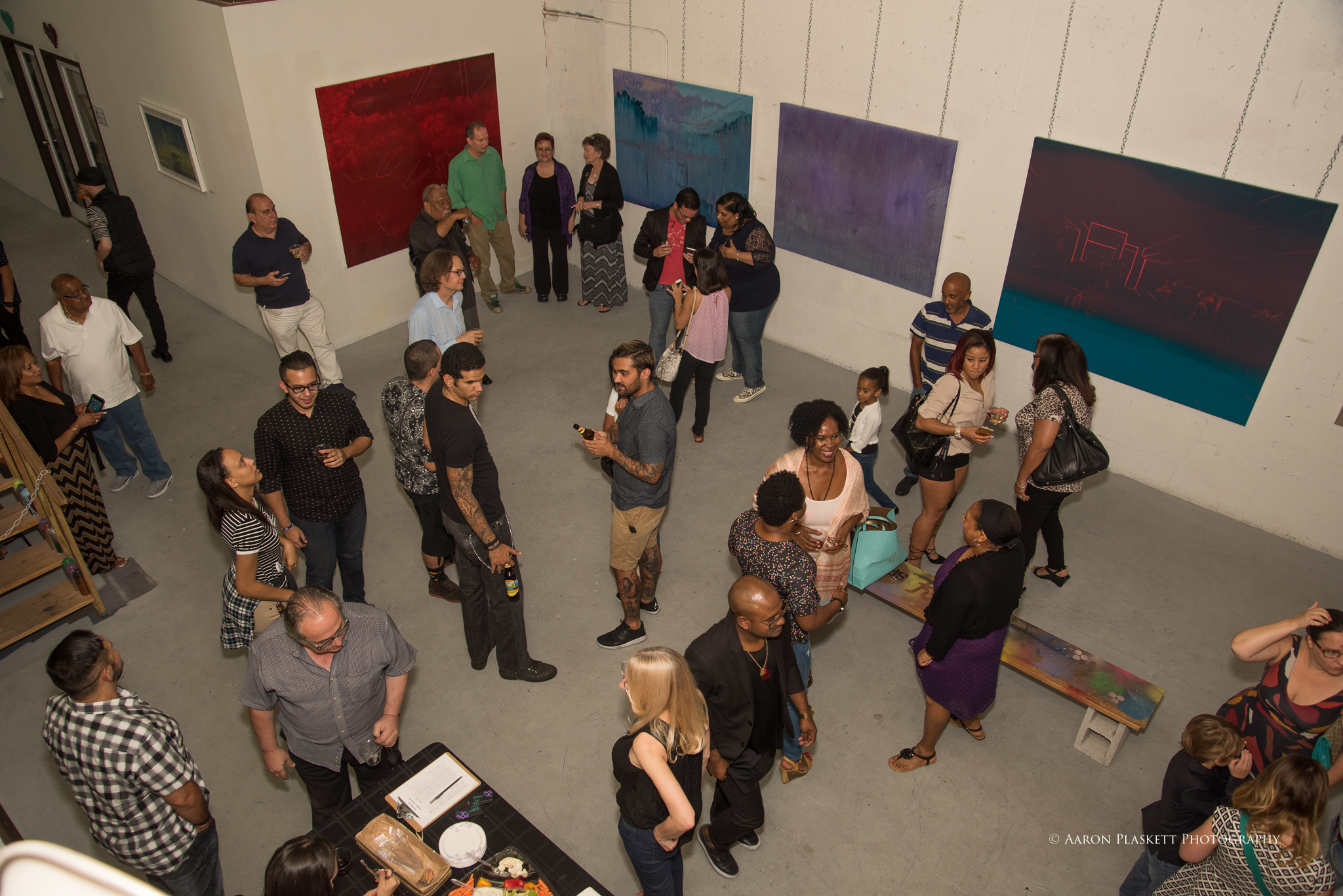
    Please join the party and celebrate a decade of Yo Miami on Friday 12/10/21 from 6-10pm at Yo Space Gallery & Studios 294 NE 62nd St. RSVP here. Congratulations Yuval. Thank you for the memories! I can’t wait to see what the next ten years bring!

  • Audacy Beach Festival: Good Vibes but Short Sets

    Audacy Beach Festival: Good Vibes but Short Sets

    The inaugural Audacy Beach Festival kicked off South Florida’s cultural season with a kick-ass weekend of blockbuster bands on the beautiful sandy beaches of Ft. Lauderale. With the weather just right, the beach light pristine, thousands enjoyed a blockbuster lineup including the likes of Glass Animals, Twenty One Pilots, Weezer, The Lumineers, Lil Nas X, Steve Aoki and so much more.

    Formerly known as the Riptide Festival, the Audacy Beach Festival was tons of fun and good vibes for sure. But that’s not to say the festival was without its hiccups.

    Sunday’s original headliner Swedish House Mafia canceled the day before because two members caught Covid-19. Welp. It happens.

    Also, and ironically, Audacy, who promotes themselves as an “audio universe of discovery” had sound problems during Weezer’s Sunday night headlining set causing a twenty minute disruption. Not a big deal.

    But the biggest hiccup of the festival, according almost unanimously to the dozens of people we spoke to, many of whom came from as far as Portland, Oregon, were the short set-times of 90% of the bands.

    Every band, except for The Lumineers, Weezer and Twenty-One Pilots, played for only 30 minutes. We clocked Lil Nas X at nineteen minutes.

    All in all, 22 bands played the two-day festival.

    Event-goers bounced like a ping-pong ball from the Beach Stage to the Riptide Stage, back and forth, traversing thousands of steps in the sand. We clocked in at 20,000 steps per day (about 8.5 miles of walking).

    Audacy Beach Festival

    Besides the extra cardio, and the award show / talk show / SNL like appearances of so many of the acts, everybody was basically cool with it.

    For many of the bands, this was their last gig of the year.

    Glass Animals, Steve Aoki, Walk the Moon, Tai Verdes, and Cannons absolutely killed it. Modest Mouse, Lil Nas X, and AJR phoned it in a little. Really hot bands right now, like Girl in Red, Milky Chance and Willow, were hard to catch because they came on so early, like 1pm.

    Regardless, the Audacy Music Festival was an absolute blast during a weekend where South Florida was dripping in cultural activity from West Palm Beach to Miami Art Week and Art Basel.

    What a gift to have this festival return after a year hiatus.

    It’s our favorite, second only to III Points.

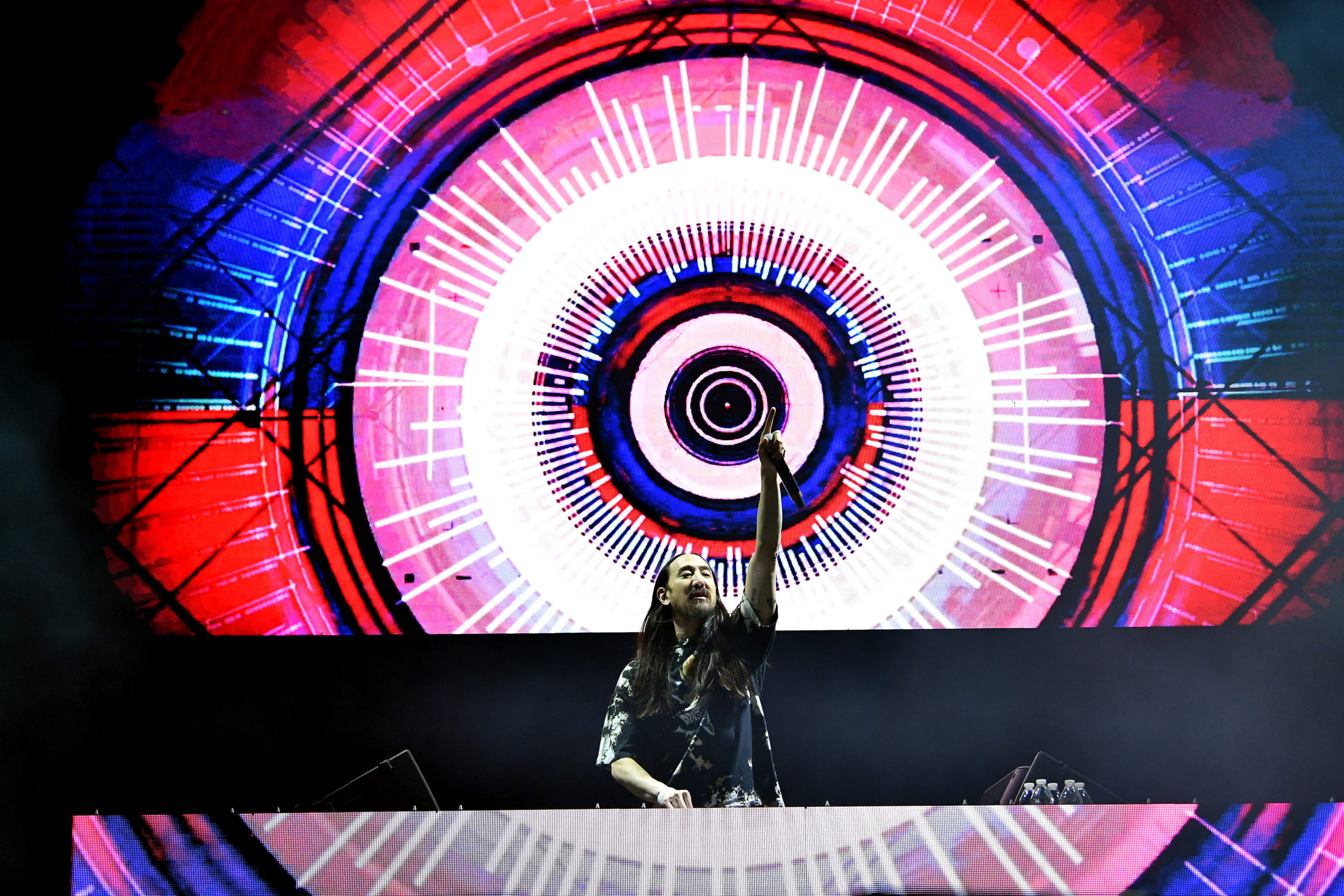
    FORT LAUDERDALE, FLORIDA – DECEMBER 04: Steve Aoki performs on stage during Audacy Beach Festival at Fort Lauderdale Beach Park on December 04, 2021 in Fort Lauderdale, Florida. (Photo by Jason Koerner/Getty Images for Audacy)


  • The Story of the Stories-Storytelling at Center for Subtropical Affairs

    The Story of the Stories-Storytelling at Center for Subtropical Affairs

    Everything is a story. That’s really all we engage in every day. TV shows, movies, the news, your job, even the person you love. You had to fall in love with their story in one way or another. However, when isolated in it’s purest form, some stories can connect and change lives right in front of your eyes.

    That is the one thing the pandemic taught me.

    Sitting in my house alone for a year was not easy. Especially as someone who plays music, performs live, and puts on events for a living. But when a friend called me one day and suggested I write a “Blues Opera,” I was like, “What the fuck is that?”

    My friend basically called me a dumbass and pointed out that I was a Blues musician who has had horrible shit happen to him and have written tons of songs about it.

    Story/song, story/song, story/song. That’s the basic formula for any opera. Especially any rock opera to be more relatable to some.

    Even as a musician and performer for over twenty years, the thought of just standing there with a microphone and telling the truth about myself to a group of strangers horrified me.

    But I worked and worked on it at home. A lot.

    Soon, I was ready to start workshopping live. That’s when I reached out to Bar Nancy. Venues were just starting to open with limited capacity. I proposed a weekly storytelling night. The venue saw it as something socially distant that we could try. Thus, Uncle Scotchy’s Storytelling Extravaganza was born.

    The night immediately had a kind of appeal that was unique. Four storytellers each night telling stories that are 10-15 minutes long. The stories have to be true, and they have to be about you.

    This simple formula brought tons of people together over the last year and three months. My friend, Julio Licona, is a great soundman. He came and saw the value in the night. Julio started coming each week to run sound and record for a podcast named after the night. The USSE podcast has pumped out over 3000 minutes of story content in 44 episodes over the last year.

    I’ve definitely met countless people I never would have otherwise met. Connected with people I never would have connected with. I now know more about these people than some friends they have had for years.

    I know their secrets now. They know mine.

    The night became very special to me. It truly helped me through some issues I was having with trauma I had endured.

    A year is a long time for a weekly event. Especially in an ADD city like Miami. Because of some fire code restrictions, the outdoor hangout spot at the venue has been closed for months. That was a nice spot for folks to hang between stories or during stories for some unknowing patrons that simply are there to hang and tell stories to each other.

    Julio loved the night, but started getting busy with good paying work. I was left to kind of run sound and record the night myself. That’s not something I’m great at. Slowly attendance started going down. The night needed some help and a shot in the arm. It needed to be watered and exposed to a newer, younger market.

    So when I was called in to meet with the owner, I thought that we were going to find a way to make the night better. Maybe actually pay for some advertising, add some live music, or even hire some sort of soundman/DJ.

    Sadly, no.

    I was told that storytelling was too low energy and it wasn’t something that they were interested in so much anymore. The venue owner himself told me he didn’t enjoy going the night anymore. They had already booked other Wednesdays without looking for solutions to a proven night.

    They offered me a monthly instead. Addition by subtraction, so to speak. It’s an antiquated marketing strategy that almost never works. Shocked, I went home and reflected.

    I thought about all the people who looked into my eyes and told me how much the night meant to them. “On stage therapy” they called it. I thought about all the people who thanked me for the opportunity to tell their story in the safe space I created. I thought about all the tears spilled on that stage and in the audience. I thought about all the tears I had spilled on stage and in the audience. I thought about the pure laughter that comes from a crowd that is totally transfixed and horrified, and then someone drops some funny in there! That’s the best laughter ever.

    Naturally, I was insulted.

    This is the only night like this in the whole city. A space for truth, trust, and honesty. It’s something to be nurtured and watered. That’s when I realized it had not been watered at all.

    If the venue didn’t appreciate the value of what USSE is, then they don’t deserve it. If they didn’t see the value or ceiling in truth and would maybe prefer a cover band, it’s time move on. As much as I appreciated the opportunity, this clearly wasn’t working for either of us.

    So, when I sat down with the people from Center for Subtropical Affairs, it became clear that it would be a good fit. First of all, this hidden gem of a place is absolutely beautiful. Hidden in Little River, the plants, trees, little trails, fire pit, bar and stage were screaming for the night. They loved the concept and clearly wanted it to happen there.

    Proudly, on Wednesday, December 15 we will start doing Uncle Scotchy’s Storytelling Extravaganza there. There might be some tweaks and new layers added, but essentially it will be as it was in it’s pure form. Stories that are true…Stories that are about you… and now, finally at a place that knows how to nurture and water what it cares about.

  • “Where Home Is” Celebrates Immigration with Games and Theatrics

    “Where Home Is” Celebrates Immigration with Games and Theatrics

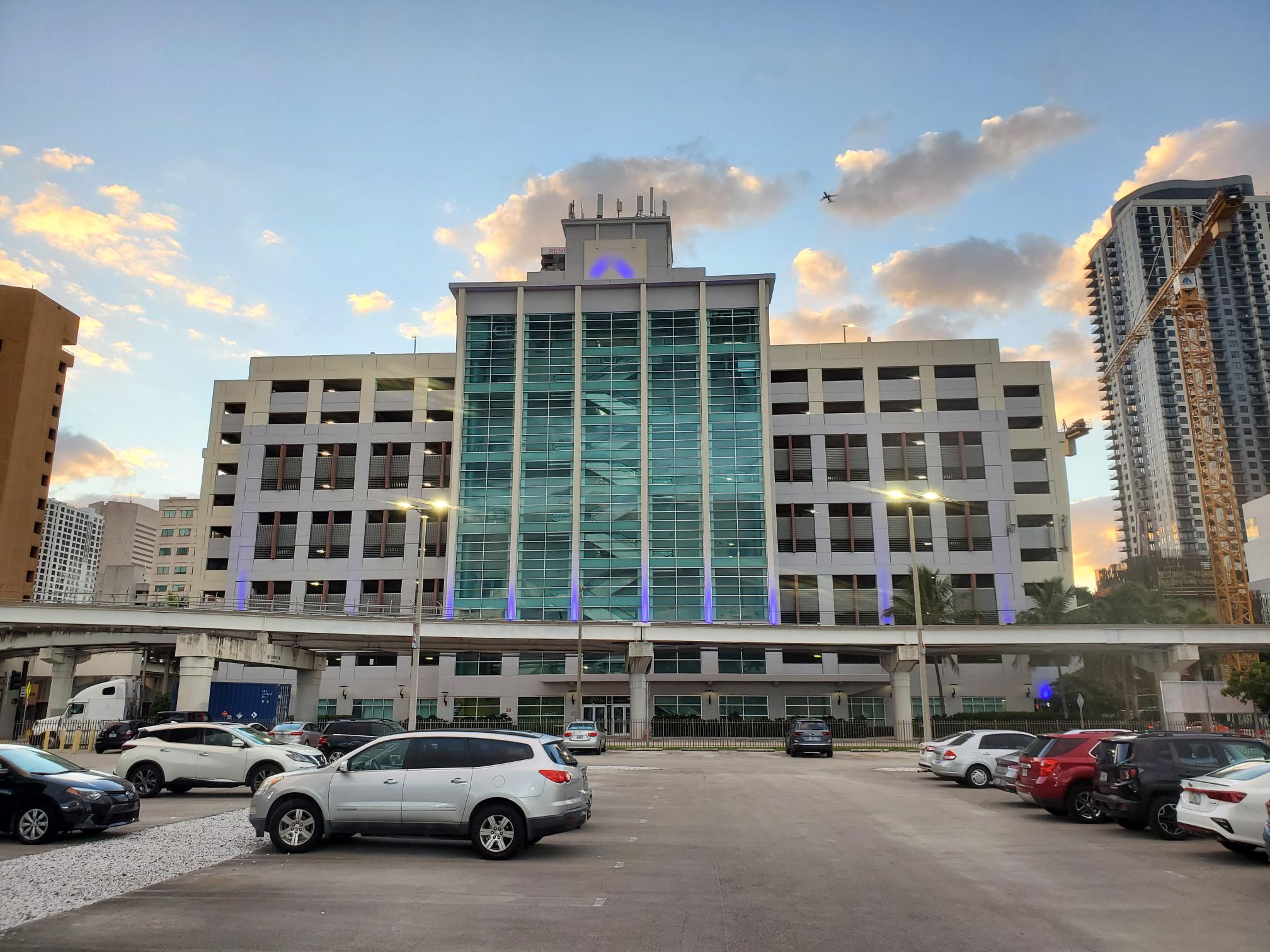
    At 8 pm on the nights of December 9-11 the MDC Wolfson parking garage at 500 NE 2nd Avenue will be transformed for Where Home Is, an interactive game playing night of theatrics that celebrates immigration.

    “My great-great grandmother came to Chicago in 1905 to make her life better in Slovokia. She went on a boat to a foreign land by herself without knowing any English,”  explained Juraj Kojs on the inspiration behind Where Home Is. “I’ve been thinking about her a lot over the last ten years and what she went through.”

    Out of that admiration came Where Home Is which Kojs described as, “a game based experience. There are lots of activities that are game like that lead audiences. You can’t lose, but you have to play. We created a country in the garage using the escalators and the different floors. You meet a large group of performers that are artists, musicians, and dancers. Through the navigational experience audiences can feel what it’s like to be in a new country.”

    Kojs himself immigrated to the US as a student in 1997 from the country that was once known as Czechoslovakia. Moving to a new country has been a wonderful experience for Kojs and he hopes Where Home Is will remind attendees everyone in this country has forefathers who were once immigrants. “People will get to sing and play at this. I want it to make people access memories of their own families and heritage. Hopefully it will make immigration be something we celebrate.”

    Miami especially is a city of immigrants and Where Home Is was able to make use of rare film footage of Cuban immigrants being processed at the nearby Freedom Tower. Kojs is hopeful this current strange moment and place we live in will inspire empathy  and open hearts.

    “In this pandemic world it’s important to engage. We got used to our solitude and isolation. Introspection is good, but we have gotten discouraged to explore. This is an opportunity to have fun and get out with other people.”

    For more info on the MDC Live Arts event and the chance to buy tickets click here.

  • Janet Slom: One Mark Leads to Another

    Janet Slom: One Mark Leads to Another

    Editor’s note: Janet Slom commissioned Elisa Turner to write this essay for a forthcoming catalogue.

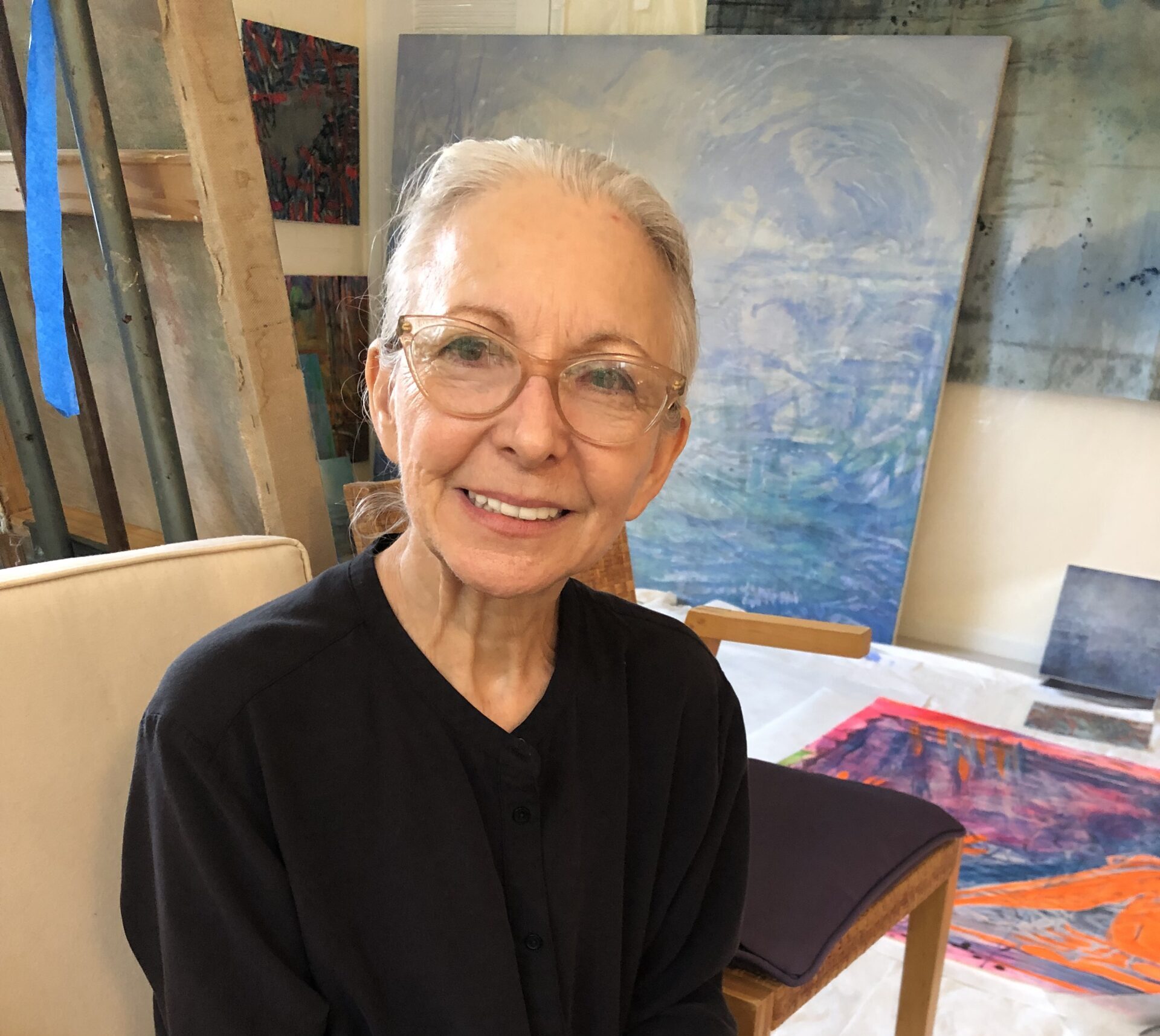
    “I am on a journey every time I am in front of a canvas or a blank piece of paper. One mark leads to another,” Janet Slom tells me.

    It is a cool morning in autumn 2021. We are sitting in her art-filled Miami apartment and studio. Surrounding us are many canvases and works on paper that testify to her prolific capacity to make one artistic mark after another, leading viewers into compelling imagery.  A miniature vase with a single white lily graces a small table. Outside, the sun gleams on palm and Royal Poinciana trees. The torturous heat and torrential rains of Miami’s everlasting summer have finally subsided.

    At this moment, in this corner of South Florida, the fatal and swift scourge of the coronavirus stalking the world for months has been mitigated substantially by the arrival of vaccines. But the confounding legacy of those terrible months darkened by isolation, fear and loss remains. It is a furtive stain haunting the present. Slom joins a vast chorus of artistic voices around the world compelled to produce new works as the global pandemic began its lethal course in 2020. Their creative production is shaped by grief but affirms the art of resilience.

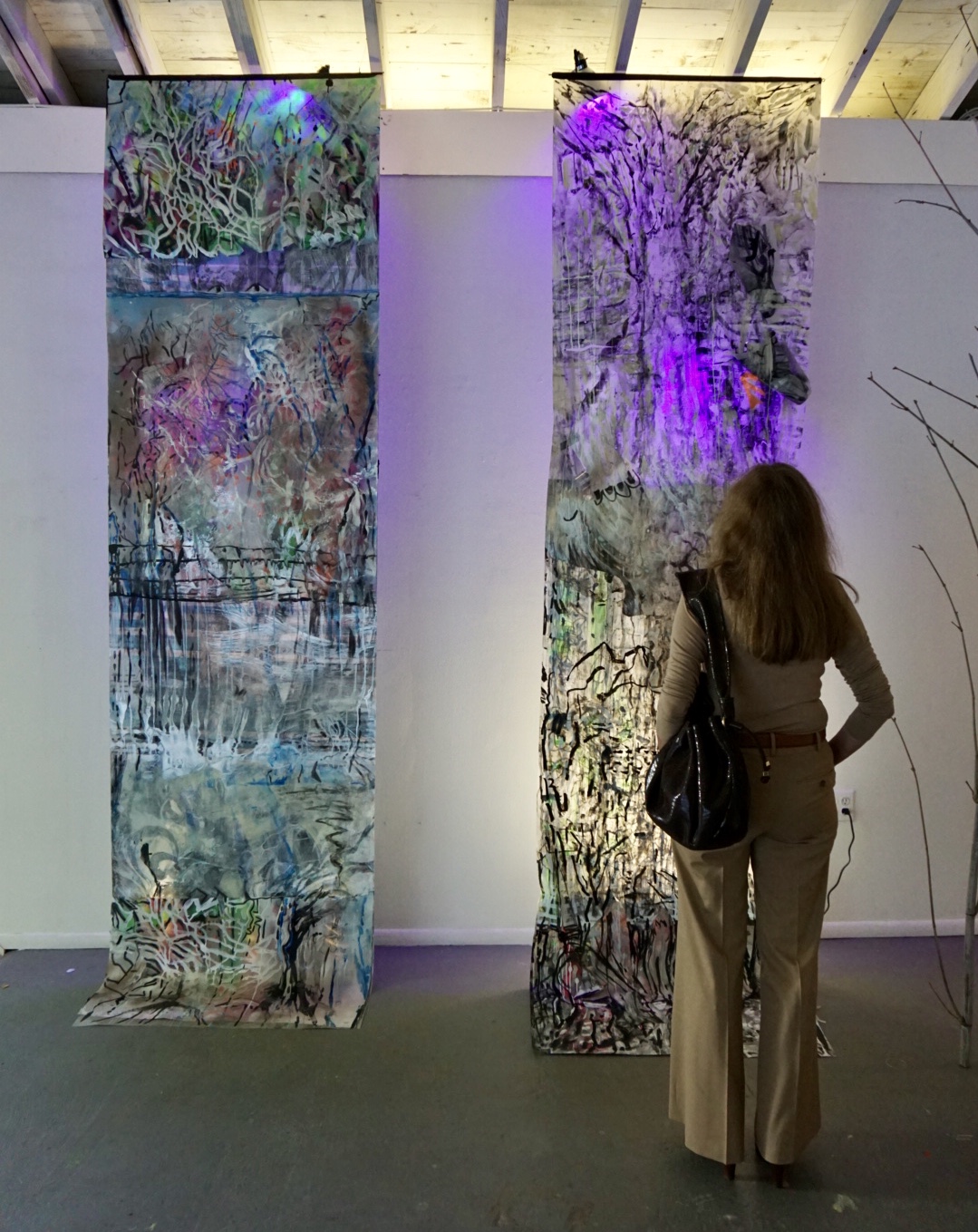
    Primarily composed of art Slom created during the pandemic, “Trilogy: Part 1” at THE GARAGE@caroljazzar is her first solo show in Miami. It brings together mixed media works on paper and canvas, as well as scrolls created primarily with graphite, ink, and acrylic on Mylar. The unfolding imagery in scrolls particularly resonates for her because, she says, with scrolls “the beginning becomes the end, and then it begins again.” For her, a scroll is not fixed or static like a painting on the wall; it can signify a dream state of possibilities.

    As we settle into our conversation that morning, she hands me a carefully conserved front page from the Sunday New York Times, dated February 21, 2021. Running down the middle of the page is an arresting, scroll-shaped graphic titled “The Toll: America Approaches Half a Million Covid Deaths.” It’s a poetic, abstract signifier of surging torrents of grief and loss. It’s an accumulation of nearly 500,000 tiny black dots. Each dot represents a death in the United States caused by the corona virus. At the top edge of the graphic, dots are scattered in gray smudges. Descending lower in this graphic they coalesce into thickening smears of black ink.

    “This is the simplest rendition to show the enormity of this moment, of what we’re going through,” she says of Times graphic. “Our lives are unfolding moment to moment.”

    Reflecting on how the pandemic has shaped her artistic process, Slom says that her daily practice of meditating, journaling and drawing became more intense, more focused during the isolation of those long lockdown months. She wanted to capture a heightened awareness of the immediacy and fragility of life, the precious and ephemeral nature of each moment.

    Like many during the pandemic, she found renewed sustenance in the natural world. There were frequent walks in wooded areas like Matheson Hammock Park near her home. These walks helped her become “fully present” in nature, she says, able to see with stunning clarity various shades of green leaves as they caught dappling patterns of sunlight. She remembers being more attuned to rhythms of birdsong.

    Slom’s sensitivity to the natural landscape surely owes much to a childhood growing up on a flower farm in the 1950s in Rivonia, South Africa. It was a landscape filled with the luscious colors of carnations and gladioli. From the age of four, she recalls meditating with her father.  “We would sit on the veranda and he would say, ‘Now we are going to close our eyes. We’re just going to listen to the rustling of the leaves in the wind. And we would do that for 20 minutes or half an hour.”
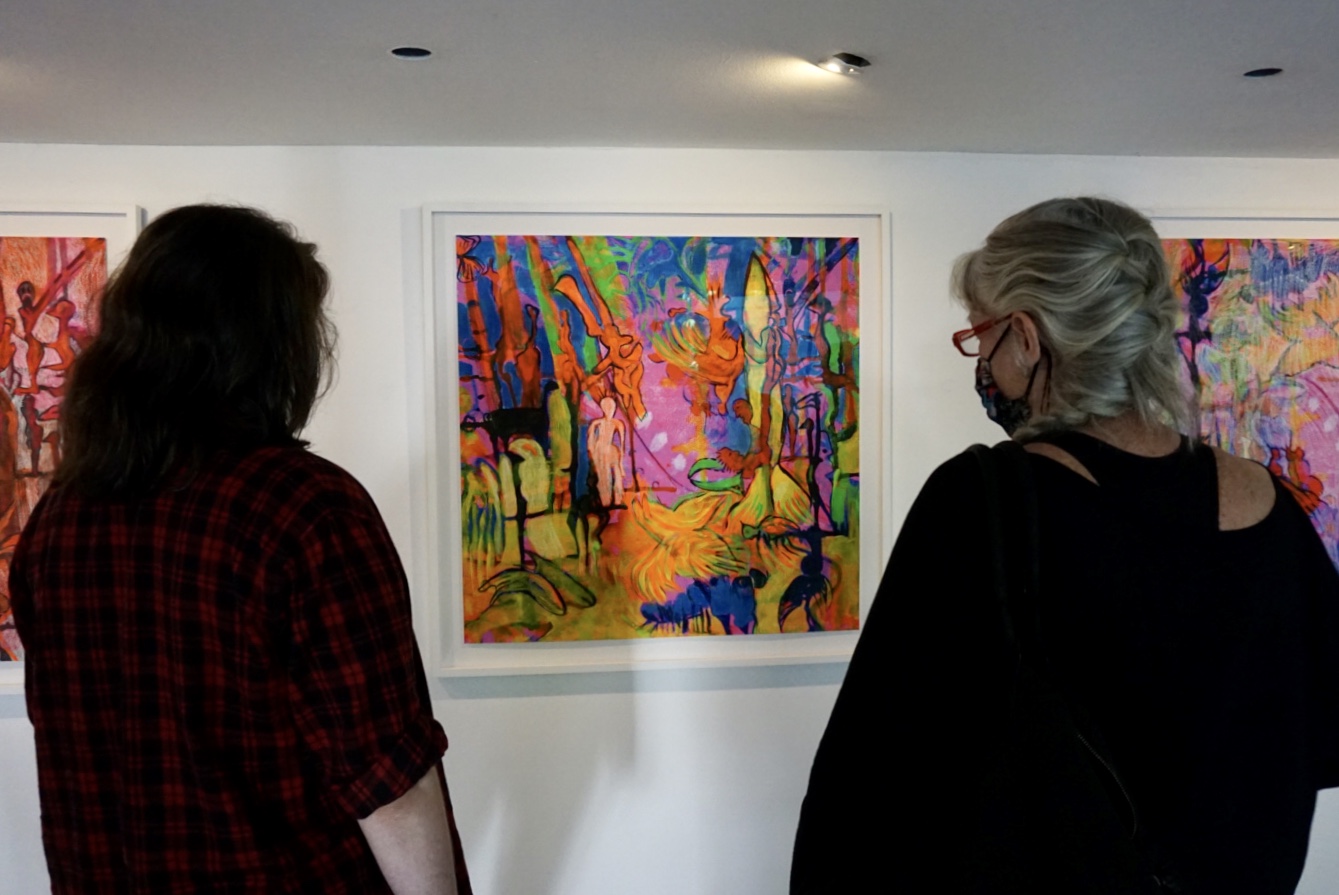
    For “Trilogy: Part 1,” the natural world is rendered with vibrant essence in three 2020 works on paper from her “Enchanted Forest” series. This spirited cascade of mark-making unleashes a mutating space of landscape and figuration commingling with abstraction. It is heightened with bursts of Fauvist color. Recurring shapes, evoking masked heads and beings stripped to a skeletal essence, conjure a place that seems more wilderness than forest. It flirts close to a restless fever dream. This series is adamantly resistant to pretty myth-making.

    In “Enchanted Forest II,” a barely outlined and over-sized rooster seems to thrash its radiant orange plumage directly above a miniscule allée of trees crowned with blobs of lapis lazuli blue receding into shallow space.  It’s a bizarre juxtaposition of perspective adding to the sensation of a disrupted world in the throes of vast change. Elsewhere blood-colored, open-mouthed profiles lead the eye among organic, leafy green and blue-shadowed shapes. These organic strokes of blue and green appear to offer a refuge of cooling shade against a background convulsing with hot orange and fuchsia hues.

    In these works on paper, the surface of shifting spatial perspective layered with color and fine lines speaks to a technique Slom refined during lockdown. It incorporates the digital manipulation of work that begins with a drawing on paper. That drawing is then scanned and transferred to her computer and enhanced in various ways. She prints out the enhanced drawing, adding more paint and other materials.

    During a period in time when it was not always possible to get most art supplies, she was especially drawn to using organic materials like turmeric and tea. Often in her practice she dispenses with brushes and applies paint and other media with her fingers.

    The fevered dynamic of this latest series on paper stands in marked contrast to Slom’s “Heaven on Earth” series, begun in 2000. These are abstracted seascapes exploring the illusory space where sea and sky often melt into gauzy passages of opalescent colors. The space appears infinitely expansive. It is an “invitation,” she says, “to be still and stop for a moment,” to let the mind wander into a realm of infinite possibilities.

    From the “Heaven on Earth” series, her painting “Dusk” from 2020 is a vision replete with fairly ominous tones, no doubt witnessing despairing days of the early pandemic. It is punctuated with dark vertical drips slicing through aqueous layers of earthy shades of gray, sage-green, and brown. High above the barest suggestion of a horizon is a curving line of small splotches of color that may evoke a line of birds descending to a nocturnal roost.

    At the center is a faint veil of grayish white, marking the absence of a clearly defined source of light. It glimmers with the slight memory of another passing day. It hollows out an unassuming space redolent with the promise that dusky shadows may lead to future moments in the sun.

    Two new scrolls demonstrate her deep commitment to transforming inspiration from the natural world.

    In “Tree Spirit,” Slom found particular inspiration from a photograph of a Black childhood friend, Silvia, whose family worked on her father’s farm in South Africa. She recalls her shocked surprise when she learned at age five they could not attend the same school. Increasingly uncomfortable with the policy of apartheid, in 1978 Slom emigrated with her family to the United States. Memories of life in a country built upon the government-sanctioned racial injustice of apartheid trouble her still, perhaps all the more as it echoes racial inequities exposed by the pandemic in 2020.

    The somber, dark-skinned face of the central figure of “Tree Spirit” appears to float just barely above a blue seascape interlaced with organic shapes resembling sea grasses and mangrove roots. Reaching upward and sideways from the figure’s head are curving, linear forms that once again recall the mangrove roots so prevalent and protective of the endangered terrain where land meets water on Miami’s Biscayne Bay. With its delicate sense of line and diaphanous, watery color, this scroll becomes an affecting story of persistence and vulnerability.
    “Baobab” is another recent scroll Slom created for “Trilogy: Part 1.”  Significantly, the native African baobab tree, which can live for some 1,000 years and is distinctive for its vast trunk, has been called “the tree of life” because it is a vital source of food and shelter. Baobab trees can also be found in the rich biodiversity of Miami’s landscape, which exerts a subtle presence in her art.

    In Slom’s scroll “Baobab,” the complex texture carries the scars of Slom having ripped and slashed the surface, surely to reflect recent times of severe loss and disruption. As a viewer contemplates its unrolled surface, the eye travels up and down among layered intersections of lines echoing tiny veins for transporting sustenance throughout bodily or botanic life forms. Some of the slashes become “pockets” for slightly rolled fragments of abstract drawings she has inserted into folds created by the sliced passages, ultimately evoking a tree trunk sprouting new growth.

    According to a November 3, 2021, article by Brooke Jarvis in The New York Times Magazine, during the pandemic many people throughout the world reported strange, disturbing dreams. Like them, Slom recalls experiencing a vivid, recurring dream. It was the sensation of being surrounded and weighted down by mud.

    “I was shocked by the heaviness,” she says. “Because in mud you try and move but it’s like you’ve got to lift pounds of mud before any action can happen.”

    “What is the message in the mud?” she asks. Reflecting her faith in the natural world as a place to journey towards spiritual beauty, she says, “In the mud, as we see everywhere, there is a new fruition, a new blossoming. And sometimes beauty is an opportunity for something to change.

    Photo Credits: Elisa Turner and Madelyn Brown

    IF YOU GO:

    “Trilogy: Part 1” by Janet Slom

    Through December 2021

    The GARAGE@caroljazzar, 158 NW 91st Street, El Portal

    Open Sundays 1-4 pm or by appointment

    Call  917-846-7827 or email janetslom@gmail.com
     

  • Homework Is a Gallery Aspiring for an Antidote to the Art World

    Homework Is a Gallery Aspiring for an Antidote to the Art World

    After mostly taking off for 2020, Miami Art Week is back in full force. Thousands of tourists are about to descend on the city for Art Basel Miami Beach, and that means catastrophic traffic, unbridled elitism, and private parties taking over your favorite bar. So what does it take to actually get something meaningful out of the most hectic week of the year?

    Well, a little homework doesn’t hurt.

    Taking over the Knoxon Hotel in MiMo during Art Week, homework is a new gallery that aims to be the antidote to the art world as it currently stands. It was founded by two Latinx art professionals, Aurelio Aguiló and Mayra Mejia, who are aiming to break down barriers for artists and art lovers alike.

    “We felt that there were walls for artists and for people that really love art,” says Aguiló of the existing art establishment. “It was very opaque for those people. They don’t let people see how things work or take part. It’s a type of exclusivity that I feel is very unnecessary.”

    “We definitely did not feel very welcome,” Mejia concurs.

    A good example of this in practice is how galleries sign up for fairs. For both Art Basel Miami Beach and the so-called “satellite” fairs that have sprung up around it, a gallery has to pay a steep exhibition fee just to get into the door. That doesn’t include all the overhead costs, such as actually getting the art to the show and in the building, that come with showing at an international art show.

    Naturally, this means the galleries best equipped to show at Basel, Frieze, and other events on the international art calendar are the ones with the most money. It’s yet another barrier to entry into the art world for those outside elite circles, especially PoC.

    That’s what homework is trying to change.

    The gallery has no physical location in any city. Rather than pay exhibition fees or rent a pricey gallery space in an art world capital like New York, they plan on following the global art calendar, activating spaces in cities around the world. They’re starting in Miami with “homework v00001”. It’s a group exhibition featuring emerging artists, artisans, and a publishing house, many of whom are Latinx or from other backgrounds underrepresented in fine art.

    “We want to open up a platform for emerging artists that is missing,” says Aguiló, “and also a platform for art enthusiasts which make up the bulk of the art world, but feel priced out or otherwise pushed away from the art world.”

    Other plans are on the horizon for homework, such as merch and other products. For now, their opening exhibition will be on at the Knoxon during Art Week, taking advantage of the MiMo district’s unpretentious vibe. It all begins on Wednesday, December 1 at 7411 Biscayne Blvd.

  • FAU Biennial Faculty Art Exhibition Runs through January

    FAU Biennial Faculty Art Exhibition Runs through January

    This article originally appeared in PureHoney Magazine. Check them out here. 

    Every other year, select faculty at Florida Atlantic University get their time to shine in the setting where they teach. Through January 29, 2022 , the Biennial Faculty Art Exhibit headlines a diverse exhibit slate at the campus’s Schmidt Center Gallery in Boca Raton by presenting the work of more than 20 FAU educators.

    Representing printmaking, ceramics, painting, video, photography and other media, many of these artist-instructors have group and solo exhibitions featured in national and international venues. They appear in major museums and in private collections. The biennial unites them in celebration of the university’s combined artistic and academic talents.

    Of course there is a teaching component. “It’s more for the students to understand what their professors are making, to understand what they’re working on a little bit more, Natalie Luong, exhibition assistant at FAU Galleries and biennial co-curator, told PureHoney.

    From associate Professor Annina Rüst, who teaches game development, programming and electronics at FAU, comes “Pac-Mom,” a digital game displayed on an iPad inside a wall-mounted anti-theft case. Rüst’s works often address political issues within tech culture, including online privacy and gender representation.

    Daniel Bolojan, an assistant professor in the School of Architecture, will present “Machine Perceptions: Gaudi and Neutral Networks” in two media: digital print and video installation. The work represents explorations in computation, neural networks, machine learning and generative design undertaken through his own Nonstandardstudio.

    There are unearthly ceramics by assistant professor Thomas Stollar and enigmatic images by associate professor and head of photography Sharon Lee Hart. Assistant professor Joseph Velasquez, who teaches printmaking, will showcase a set of stacked paneled boxes with relief and screen printing entitled “Impressions and Reflections.” Earlier this year, Velasquez curated “Corridos Visuales,” an FAU exhibit featuring Latinx printmakers from the U.S., Cuba, Puerto Rico, and Mexico.

    Participating artists include faculty from FAU’s Department of Visual Arts and Art History, the Harriet L. Wilkes Honors College and the School of Architecture within the College for Design and Social Inquiry.

    The Florida Atlantic University Biennial Faculty Art Exhibit runs November 12-January 29 at FAU’s Schmidt Center Gallery & Public Space, Boca Raton.