Category: News

  • South Beach Spring Break is Not Out of Control, Curfew Is Overreaction

    South Beach Spring Break is Not Out of Control, Curfew Is Overreaction

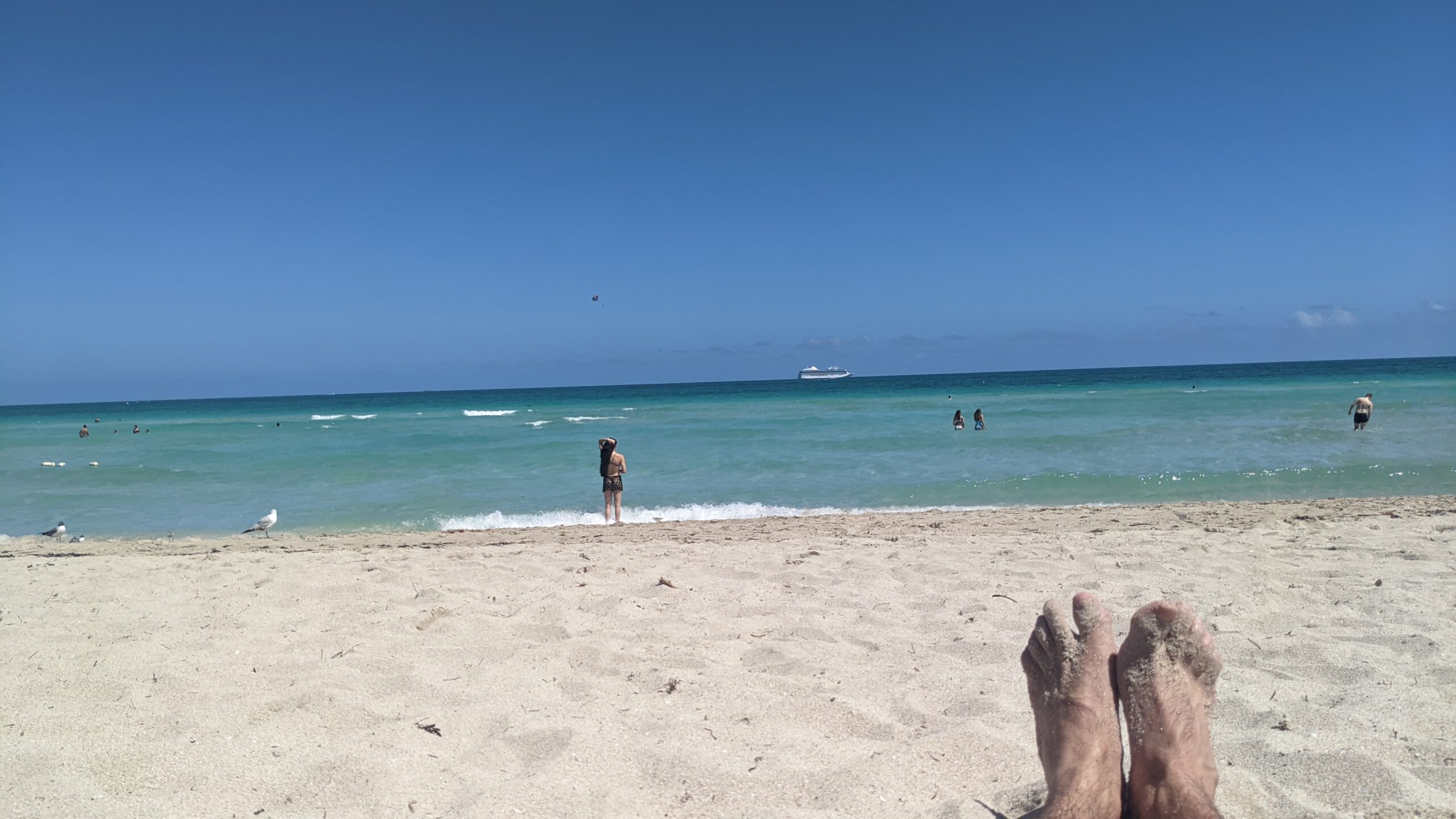
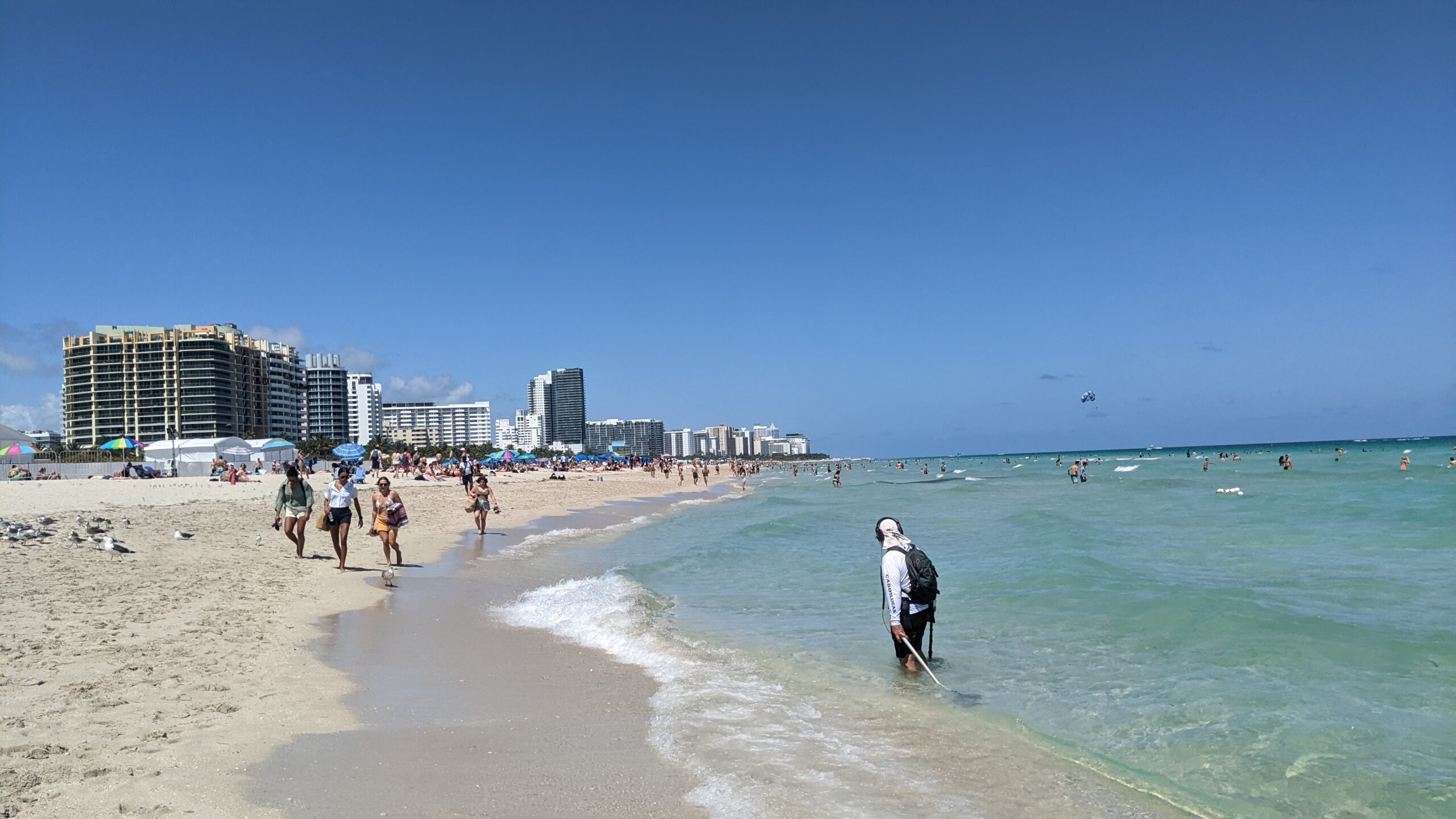
    South Beach is no longer out of control during Spring Break. To perpetuate that idea is old news. The curfew and ban on alcohol sales are a gross over-reaction by local politicians. The narrative that Miami Beach is a warzone is so wrong. 

    Granted, there were shootings late last weekend , but no one died, and shootings unfortunately happen. It isn’t out of control here.

    Spring Break 2022 has paled in comparison to previous years. Last year, thousands of Spring Breakers were literally herded into residential areas after a curfew. People were dancing on cars at 1am.

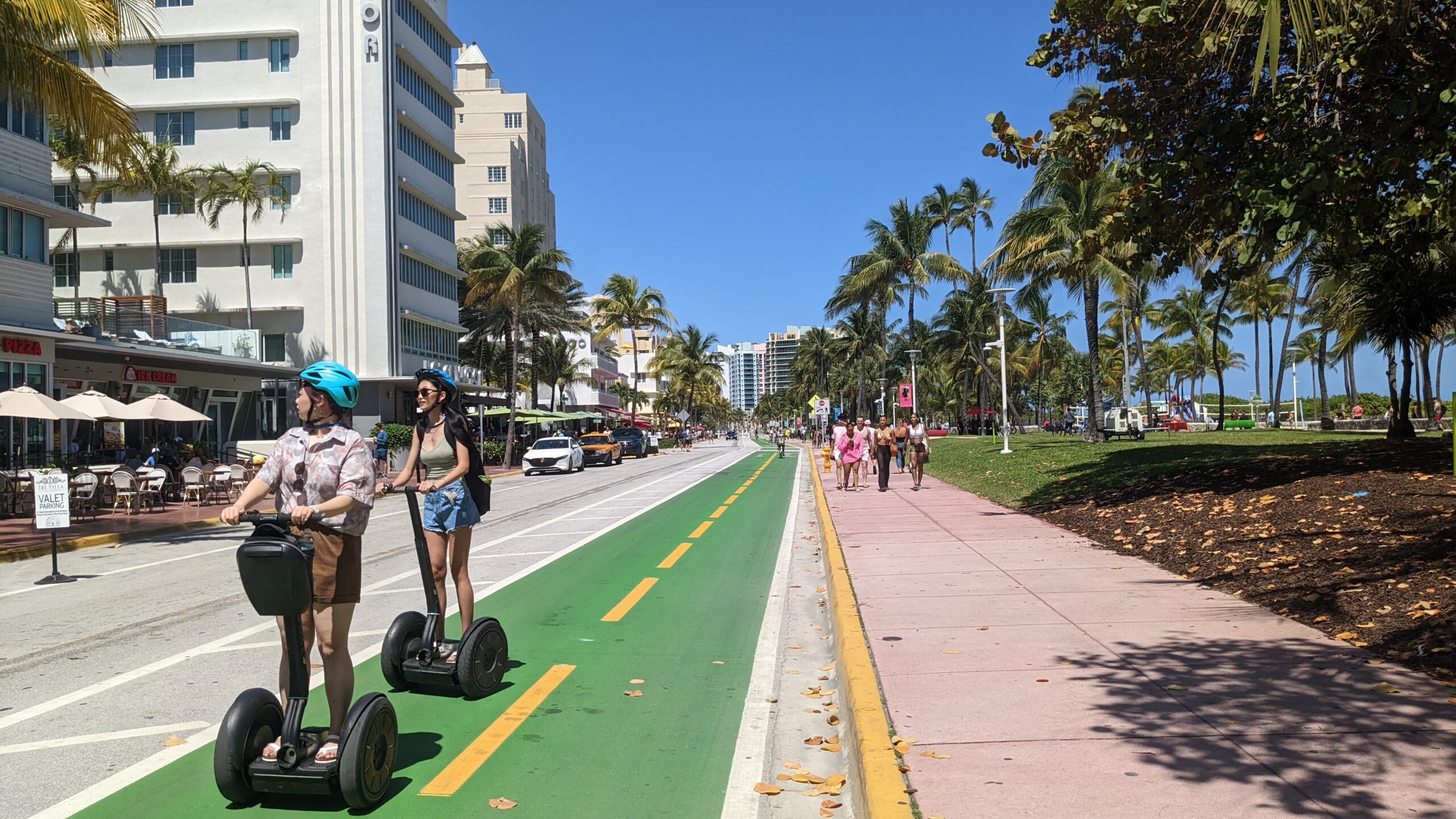
    Opening up Ocean Drive to cars with a wide bike lane is working. Hosting a month long series of concerts, Miami Beach Live, requiring a huge stage to occupy the sand at 12th Street, with family friendly and Grammy worthy programming, was absolutely successful. e.g., the free Alanis Morrissette & Jon Baptiste show. 

    Spring Break on South Beach 2022

    Local media, like The Herald, and Channel 10, are promoting last year’s news. The Herald, in particular, love to show images of black twenty-somethings in the middle of the street. The Herald is infamous for this slight of eye photo journalism. And now the Mayor and City Commissioners are using their pulpits to attract international news.  It’s like they want to hear themselves talk. 

    But the message is wack.

    Friends are reaching out from all over the world asking if it’s safe here. Yes. It’s fine. It’s the last weekend in March. Busy, yes.

    A war-zone here, no.

    Here, look for yourself.

    The following videos and images are from Friday, March 18th and Sunday, March 20th, in the middle of the day, around 2pm.

    The beach pics are 12 street and Ocean Drive.

    g


  • Spring Break Update – Miami Beach Stops Bernadette Peters Concert for Fear of Rowdy Fans

    Spring Break Update – Miami Beach Stops Bernadette Peters Concert for Fear of Rowdy Fans

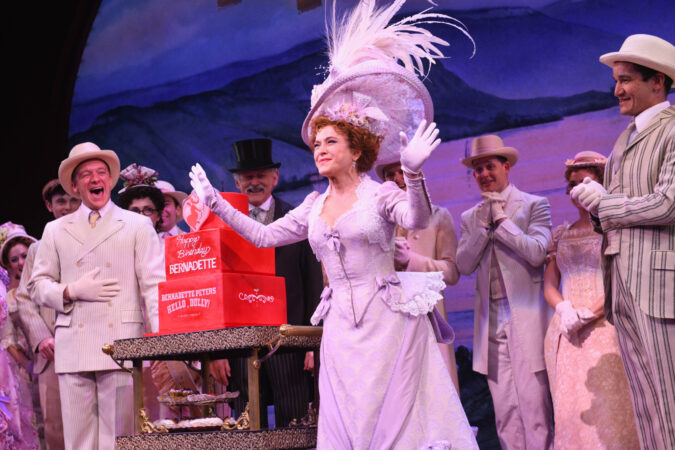
    With Spring Break 2022 getting out of control the City of Miami Beach knew a straw could break the island’s back. And because a 74 year-old Broadway singer could draw a crowd that might start waving around guns and twerking in all the wrong places, in a sign of wise caution Miami Beach decided to cancel the March 26 Bernadette Peters concert.

    Bernadette Peters is after all a woman who once posed nude for Playboy. Back in December 1981.  And she once slapped Clint Eastwood in the 1989 movie Pink Cadillac.

    With a track record like that who knows what kind of bawdy behavior this woman and her fan base could inspire if her show was allowed to go on?

    Miami Beach originally scheduled a series of concert to coincide with Spring Break, thinking counterprogramming towards a different demographic would bring a different sort of crowd to South Beach. And so Wilson Phillips and Alanis Morissette were invited on a beach stage to sing in front of what Miami Beach masterminds figured would be a tame and law abiding audiences.

    But Bernadette Peters on further review proved to be a little too outrageous. And so her way too wild fans can expect to see a refund for their purchased tickets reflected on their credit card statement within 5-8 business days. In the announcement Miami Beach said Bernadette Peters performance will be rescheduled.

    But probably only once her fans figure out how to behave properly in public.

    And in other news because Abba and Meryl Streep fans are also known to get loco Miami Beach announced the showing of the movie “Mamma Mia”, scheduled for Friday, March 25 has been cancelled as well.

  • Fatboy Slim Full Interview

    Fatboy Slim Full Interview

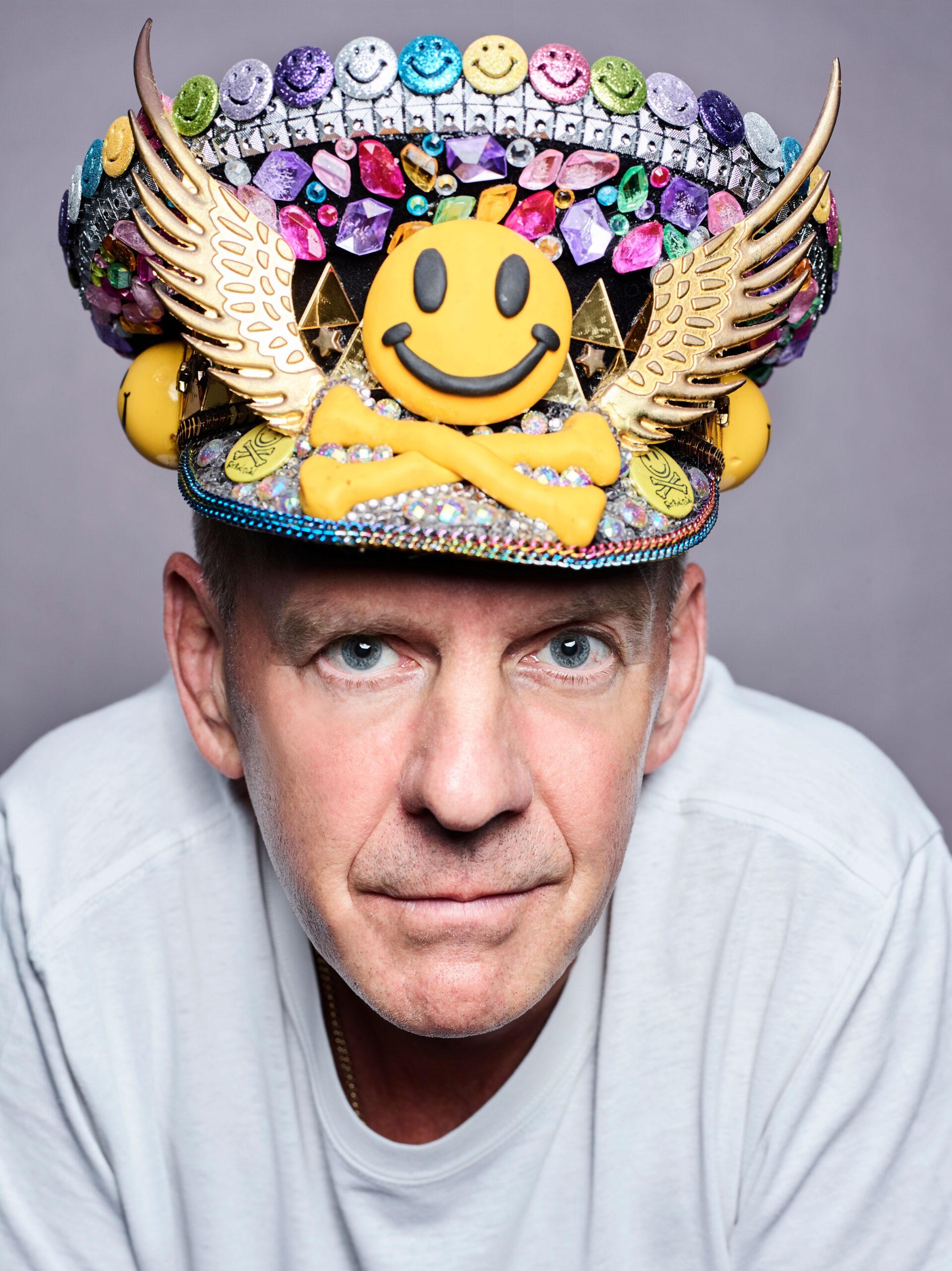
    I interviewed Fatboy Slim for Miami New Times in advance of his March 23 appearance at the Masquerade Miami. The legendary DJ gave an interesting interview and since I couldn’t fit all of his quotes in the article, here is the full transcript of our conversation.

    When did you fall in love with music?

    Fatboy Slim: I was eight years old and The Osmonds came to town. Donny Osmond had his name written on the back of his leather jacket in studs and had a piano that lit up when he played. I thought to myself, “I want a piece of this action.”

    You started off playing bass with The Housemartins who were huge in England.

    Yeah, that was my introduction to my childhood dream, but I was djing before that. That was my first professional band.

    How did you fall into being in a band that had a #1 song in the UK?

    Just a school friend. The singer was a friend from school and we used to be in a band together. It’s just an extension of that really.

    Was it surprising for a bunch of school friends to find themselves on the top of the charts?

    No, it was great. Growing up since I was eight my ambition was to be a musician. It was really exciting. The worst thing was it wasn’t my kind of music. As a suburban white English kid it was thought that was what I should play, but I always liked Black music.

    So you were continuing to DJ while in that band or did you put it to the side at the time?

    I continued to do it as a hobby. In those days DJing was a hobby, not an occupation. But then other DJ’s I used to play with like Tim Simenon from Bomb the Bass put records out. The big change for me was when they invented the sampler. All of a sudden white kids could make funky music without having to pretend to be Black. That was my lightbulb moment when I realized I was playing music I didn’t really enjoy in a band. While as a DJ I was playing the music I really loved. And all of a sudden DJ’s were being seen more as artistes. So that’s why I left Housemartins because my first love was funk and soul music.

    You’ve probably been asked this a thousand times, but I couldn’t find a straight answer. How did you come up with Fatboy Slim as your DJ name?

    There isn’t a straight answer. The tenuous link is I loved really dirty, really old blues records. If you were a fat blues singer you’d be called Slim. there was Memphis Slim, Hightop Slim. I just thought Fatboy Slim was an oxymoronic blues singer.

    That kind of sense of humor is what helped you break through in America especially in music videos like “Praise You” and “Weapon of Choice”. How important was it for you for your videos to  be funny?

    I’ve never taken myself too seriously or have a huge ego about what I do. After making videos in the pop band I was in where you’re always trying to be super cool with some cliches, it wasn’t so much about being humorous it was more about breaking cliches.

    During the time of those videos Fatboy Slim was huge. What was the height of the ridiculousness of your fame?

    There was a week when I married my wife who was a TV and radio presenter, so we became a celebrity couple. You’ve Come a Long Way Baby was #1 on the charts and I won a Brit award the same week. That’s when i said something big is happening here. I never set out to be in this industry because I wanted to be famous. It was because I loved music and I loved to entertain people. I loved creating music and playing music. I never sought fame. It wasn’t unwanted, but it wasn’t really what I was looking for. It’s not something I was too comfortable with.

    Which makes sense since you’re not in the videos for “Praise You” or “Weapon of Choice”.

    The great breakthrough for me was meeting Spike Jonze. At that point I’d made some obtuse videos because I didn’t want to play the game. Spike had these ideas on how to break the rules and still make it entertaining. It’s actually more entertaining because you were breaking the rules. That really, really appealed to me. One of the side effects to that was I didn’t have to star in videos any more what sat very comfortably with me. In those days pre-Internet you could be fairly faceless making dance music. Making pop music you had to be in the videos and it was all about how you looked and what clothes you were wearing. Whereas with dance music a lot of people become DJ’s because they didn’t want to stand center stage having people staring at them. In those days DJ’s were just hidden away in the corner of the club. It was a way of expressing yourself musically without having to be a star. EDM came along and completely ruined that model.

    Well a lot of EDM stars do like to DJ with masks on.

    Just look at their Instagram and you can tell which DJ’s like to see their photo everywhere and which people just like the music.

    You’re going to play at Masquerade Miami for Miami Music Week, what can people expect from that show?

    It’s a DJ show. After playing bass and guitar in bands I realized I’m a better DJ than traditional musician. I don’t just play my hits. In fact some nights I don’t play my hits at all. I’ve been DJ’ing for 35 years now, so I feel very much a part of that fraternity. It’s a DJ show with my very good friend Claptone who’s hosting that night. I try to help you escape from reality. Escape through the dullness and stress from your normal life.  For a few hours we go into this magical wonderland where everyone’s free and sexy and there’s a great feel for community. If you’re a pop fan who’s heard a few of my tunes on MTV you might be a little disappointed, but if you’re into dance music it’ll be great. I recently played Space in Miami, that’s way more my target audience than  the pop charts.

    You’ve played Miami a ton of times. Do you have any Miami show memories?

    I’ve played there a hundred times. Obviously the glory days of the Winter Music Conference where all the DJ’s from around the world got together. It was a time when you didn’t see us all in the same room or we never met each other. you heard their records, but you had no idea what they looked like. That was the first time I went to Miami. Hanging out for a week in South Beach hanging out in Nightclubs was my most beautiful time in Miami. Last time I hung out in Miami I was in Wynwood. I love street art.

    How do you prepare for a show? Do you have any rituals?

    I have to transform myself from Norman Cook who is a 58 year old father of two and a fairly responsible and reasonable kind of bloke and I have to transform him into Fatboy Slim who is this ageless irresponsible party animal. That involves taking off my shoes, putting on a Hawaiian shirt having three cans of Red Bull and just before I go on stage my tour manager slaps me really hard across the face. Though I’m a DJ and I just play other people’s records I try to put as much performance into the show to be a larger than life character so people don’t just see my pressing buttons on the mixer.

    You must have an insane record collection. What are your most prized records?

    I don’t play vinyl any more so I don’t know. Back in the glory days when everything was exciting and new I used to get acetates, the one off pressings. I’ve got ones from Chemical Brothers and Groove Armada where they actually write a message to me like “I think you’ll like this one, Norman.” And you hear it two months before anyone else does.

    What qualities do you look for in a song you remix?

    My favorites one are when you hear something in the vocal or in the hook, where there’s a great hook but not enough oomph. My favorite ones are when i take a pop record and make it into a dance record. You keep the hooks of the pop record intact and then you deconstruct it. My most successful one was a tune by Cornershop “Brimful of Asha”. I tried to play it while I was DJ’ing and I was like it’s not fast enough and there’s no bassline. So I sped it up, added a bassline and that was enough to take it to #1. Those are the nicest ones where you know it’s a good tune, but you just need to beef it up.

    It’s been a while since you put out a new album. Are there plans for you to release new music in the future?

    Not really. As an artist I’ve kind of hit that patch where I’m not sure I have that passion for making tunes that I did the previous thirty years. I don’t see the point of making a new album just because I feel I ought to. I’d rather do things that interest me rather than just for the sake of it. I’m very sporadic with music I’ve just done a tune with Carl Cox. Now you’ll find me working on film soundtracks or curating an art show.

    What film soundtracks do you have in the pipeline?

    There’s something in the pipeline I can’t talk about, but I love how music can help tell a story. A great film soundtrack is a beautiful, emotional thing. I did a film with Julien Temple, one of my favorite directors, I learned so much from him about how music can tell a story. Which I suppose is very similar to DJ’ing actually. a very clever journalist friend of mine once described it as being a shepherd of moments which I thought really summed up what I do. You take things and round them up and put them in the right form and create a moment for people.

  • How “Lolita” Can Return to Her Home Waters

    How “Lolita” Can Return to Her Home Waters

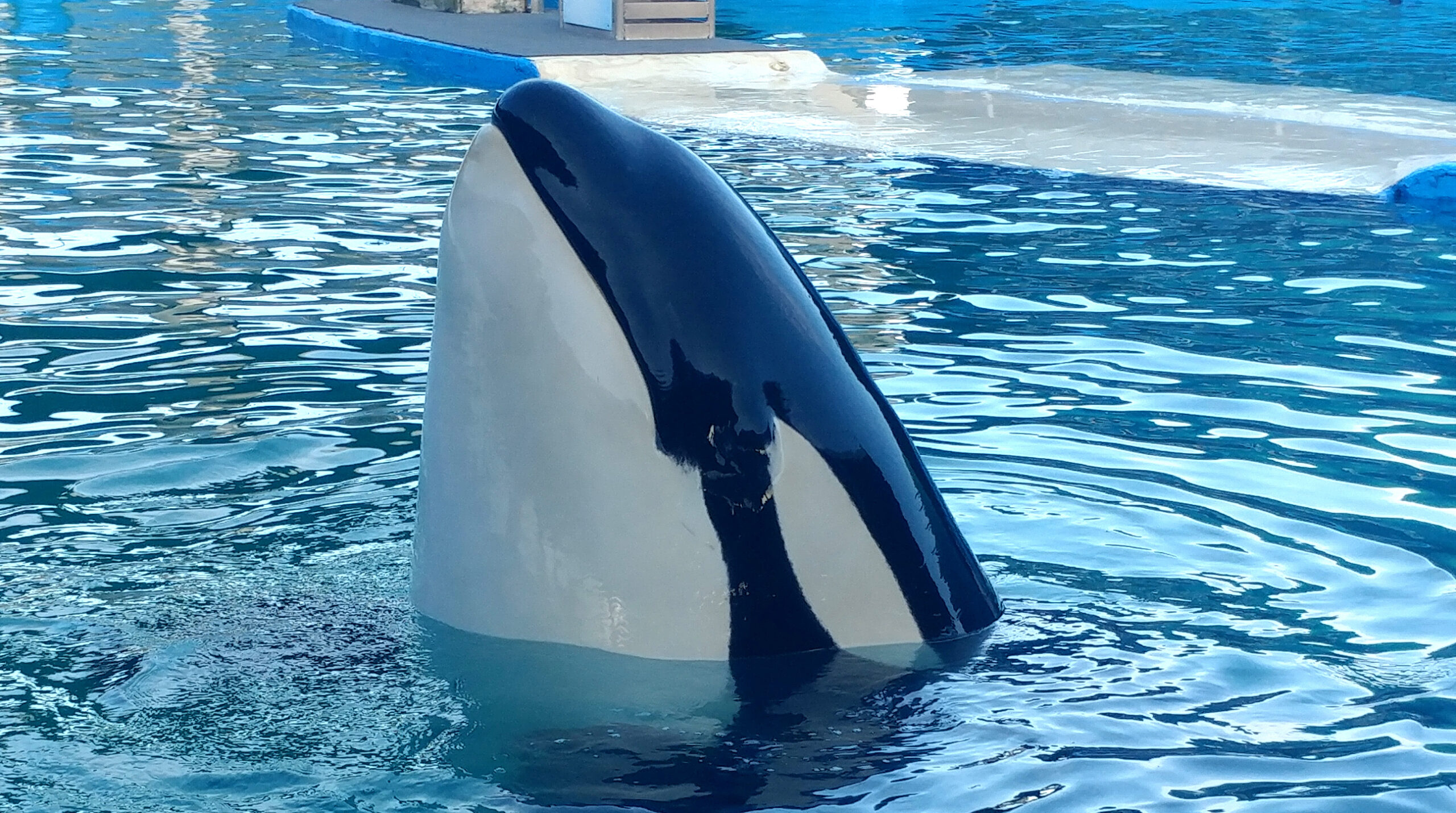
    Formerly known as “Lolita” by the marine park, and Tokitae, or “Toki” by the staff at the park, and now Sk’aliCh’elh-tenaut (SKAH-lee CHUCK-ten-NUT) by Lummi elders who consider her a kidnapped relation, suddenly this orca must move out of the small tank she’s been in for almost 52 years.

    On March 3 the USDA granted a license to operate the Seaquarium to The Dolphin Company, with the unusual stipulation that Tokitae and Li’i, a Pacific White-sided dolphin in the tank with her, may not be displayed in any way, and the whale stadium must remain closed. That license cleared the way for Miami-Dade County to approve the lease to TDC to officially own and operate the Seaquarium. So now Toki is warehoused in a closed stadium, and is an economic and PR liability to the new owner.

    But where will she go? Rumor has it that NOAA Fisheries, who will need to sign off on any plan to move her, fears she is too old or too sick to return to her ocean habitat, and believes the safest place for her would be SeaWorld, but it’s doubtful SeaWorld would want the liability. The other orcas there would try to force her to submit to their hierarchy, disrupting the shows and creating a public relations nightmare that would threaten SeaWorld’s fragile reputation. And she probably wouldn’t last long there due to the stresses.

    The only other viable option is to fly her back to her native waters, and the best available information tells us she is actually in good health and good spirits, and is capable of being transported to a sea pen in the Salish Sea. To date there has been no opinion offered by any veterinarian or medical specialist, so our only real information comes from recent videos and a first person reports from Miami-Dade County Commissioner Raquel Regalado, who describes her in “good spirits” as Toki breaches and swims normally, and Miami-Dade Mayor Daniella Levine Cava, who said staff at the Seaquarium “are not concerned about her health.” Despite anonymous reports that she had pneumonia and was ill, she looks fine and is reportedly now in good health. Hopefully the new owner of the park will soon commission an independent medical examination.

    Meanwhile, a momentum is building to return her to her home waters. Moral and spiritual guidance is provided by Lummi elders, with logistical expertise available from the Whale Sanctuary Project, and a wealthy philanthropist has offered financial support. Others are involved who are familiar with Southern Resident orcas and orca natural history.

    Some fear that she may carry a disease to her family in the Salish Sea, or that she may lack immunity to pathogens there, but that’s an easy problem to manage. The same alarms were raised before Keiko was allowed to return to his native waters off Iceland, so a panel of veterinarians and pathologists was appointed by the USDA to examine him for every known pathogen. He was found negative for all of them and given a clean bill of health before he was flown home to Iceland.

    We also hear people say that she may not survive the stress of the transport, but since 1966 hundreds of orcas have been flown to marine parks and not one has died or been harmed due to transport. Her transport will be done safely and professionally, accompanied and reassured by humans she trusts every step of the way.

    Many people worry that Toki will not survive in her native habitat. There is seldom any explanation, just that she’ll be shocked by the cold, dark ocean after over 50 years in a concrete tank. The answer to those concerns is to learn about her family, the Southern Residents, and her species, Orcinus orca, and their astounding capabilities and intelligence. Orcas have been the absolute top predators in the world’s oceans for millions of years, and do not know fear. They form lifelong bonds of affection and loyalty with their families and cultural communities. Their brains are 5 times the size of ours, so we should pause before we assume we know what they may know or remember from their past.

    Toki was captured at about 4 years old, so she had been communicating and learning from her family, and catching live fish, for about 3 years before capture. There is every reason to assume she still remembers the essence of her life before capture. Her native waters will feel familiar to her.

    What comes next? A location for her rehabilitation sea pen must be identified. A cove in East Sound, Orcas Island in Washington is available and would work fine, at least for her initial return. The site must be permitted by the Army Corps of Engineers and the Washington Dept. of Natural Resources, to ensure there is no disruption of the natural ecosystem.

    When she is finally home, at some point she is likely to hear her family’s calls during their normal travels nearby. When she hears them she will probably call back in the unique calls she learned as a young family member. They will probably recognize her calls as coming from a member of their extended family. What happens next can’t be predicted, but we expect tentative approaches and mutual curiosity would follow. What a relief that will be for her, and for all of us.

  • Elevators

    Elevators

    Do you hate elevators?

    If I’m in an elevator and someone is approaching, one of my fingers is closing the door as my face perfects that look: the concerned-I’m-trying-to-hold-the-elevator-sorry-you-missed-it-look.

    It’s a little cliché but it worsens.

    For context, we live on the 40th floor of a Miami condo.

    Lately, if the elevator is crowded, I jump out. For example, while ascending, 24, 25, 26, I freak, press 27, wiggle through the crowd, exit, and wait for the next one.

    Sigh ~~

    Sometimes I have my bicycle, or the dog, and some older, conservative, get-off-my-lawn condo commander shoots me a look of disapproval for not taking the service elevator, which is always broken. I suck my teeth and again, while descending, 34, 33, 32 — I press 31 and exit at the next stop with a snarl. My social skills are deteriorating to a level beneath Larry David’s. I’m meaner.

    When trapped in this pit of despair and we’re stopping to pick up more souls, I’m sighing, rolling my eyes, looking at my watch. Criticize me.

    #firstworldproblems #whitepeopleproblems

    I understand the counterpoint — move to the ground if you don’t like it.

    But I like my apartment: w-a-h-h-h-h.

    It’s a legitimate issue, macrophobia, fear of waiting.

    Compounded by claustrophobia (fear of closed spaces) and agoraphobia (fear of panicking). ABC news published a piece about handling your fear of elevators.

    But I’m not afraid of elevators. It’s more the people in them. The faux greetings and salutations. The awkward moment before the door opens when you’re just standing there. The fact people enter before you exit. There’s absolutely nothing worse than…

    — this devolving of Western Civilization.

    Sigh ~~

    Until some beam-me-up-Scotty-technology arrives, anyone know a good shrink?

  • Compartment No. 6 & Turning Red and Why All Movies Should Take Place in the Past or Future

    Compartment No. 6 & Turning Red and Why All Movies Should Take Place in the Past or Future

    I just saw two really fun movies that show why no sane writer would set a story in 2022. The present is always changing. With the way our modern world is if a story is set in the now, a movie filmed in the past will have no chance of catching up.

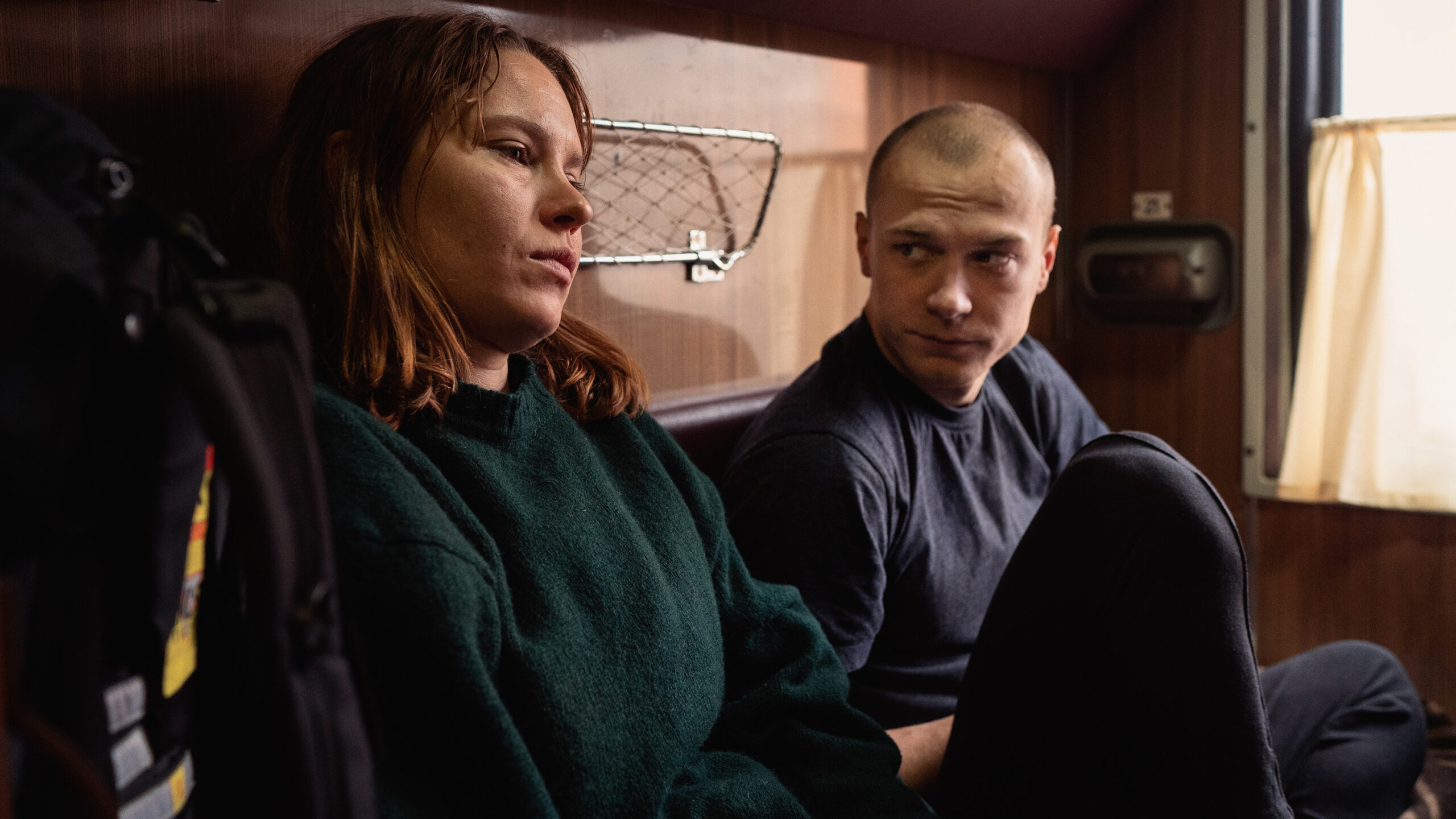
    And so the great, new Russian-Finnish production Compartment No. 6 takes place in some unspecified yesteryear. Maybe 1997 or perhaps 2001. People are still using pay phones, and traveling with mini-camcorders rather than filming with their cell phones. No one yet has to wear a facemask, even though much of the movie takes place in the coldest of temperatures.

    Compartment No. 6 tells the story of Laura, a Finnish student taking a Russian train to the Arctic Circle. Perhaps you are old enough to remember that 1995  movie Before Sunrise  where Julie Delpy and Ethan Hawke fall in love on a train ride through Europe over the course of a day? Imagine a much, much longer train ride where the guy is a sociopath and  you get a feel for the low-key charms of this unlikely romance.

    And when I say this movie is a romance, I don’t just mean between the two protagonists. The real romanticism is towards travelling. Anyone who has ever boarded a train  by themselves, can identify with a trip going completely off the rails that reminds you the root word of misadventure is adventure. And with its clever ending Compartment No. 6 will have you researching how much prices for a Eurail pass have inflated to in our dreary present.

    Turning Red

    I really enjoyed the new animated movie Turning Red. My eight year-old daughter did too. But in this age of trigger warnings, you’d think Pixar and Disney would alert easy to embarrass parents that their new cartoon stars thirteen year-old girls who are horny as hell.

    Disney has long featured princesses who wished that someday their prince would come, but this is not Frozen‘s Anna having an abstract crush on a prince. Turning Red features girls who doodle themselves in a boy’s loving embrace and ogle classmates in basketball practice.

    Turning Red is set in 2002, when eighth grader Mei learns she comes from a long line of women who whenever they get passionate transform into a giant red panda. It doesn’t take an English lit major to get the metamorphosis is a metaphor for the changes a body, mind, and libido take in puberty.

    But I suppose there is a cliché that turn around is fair play. When I was eight I saw Teen Wolf which this movie is clearly indebted to. In that movie Michael J. Fox’s spirit animal that represented the added hair and sex drive of adolescence was a wolf. Teen Wolf and his friends were even hornier, than Mei and her gang. But even after endless viewings of that movie it took me many years to think of girls as figures of desire.

    So maybe us prude parents don’t have anything to worry about that this new flick will pre-maturely turn their children toward lust.

    I can now see the trigger warning was actually right there in the title.

    Why else would they call it,  Turning Red other than that’s the color Dads’ faces will turn when watching it with their tweenaged daughters.

  • Only Three Good Things Can Happen in Solitary Confinement

    Only Three Good Things Can Happen in Solitary Confinement

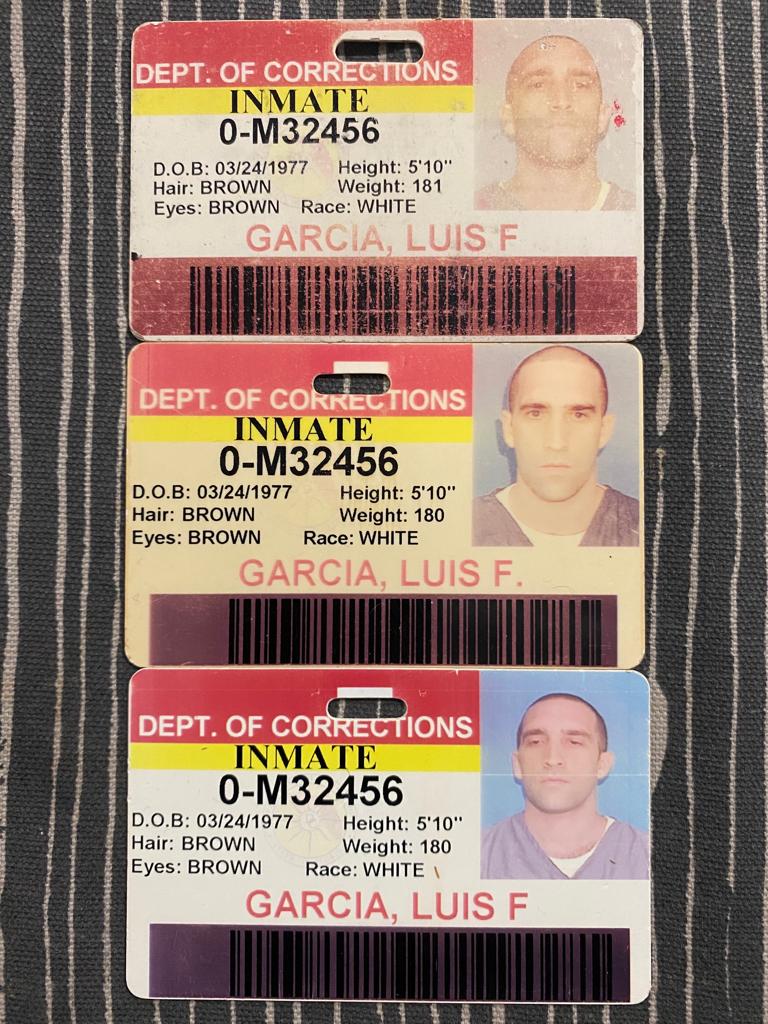
    Below is an excerpt from Luis Garcia’s story he’ll be telling March 19 at Uncle Scotchy’s Storytelling Extravaganza  at Walt Grace Vintage. For tickets and more info click here. 

    There are only three good things that can happen to you in solitary confinement.

    One: You get a piece of mail. It doesn’t even have to be from a friend; a solicitation will do; something to read other than the Bible. Once, I got a solicitation from Audubon Society Magazine. It came with origami paper, and instructions on how to make a crane, a frog, and — of all things — a tiny box. This activity killed about 12 hours. That day, I was the quietest, happiest dude in confinement, sitting there, making my tiny little box.

    Two: You find a friend you can talk to. Sometimes, solitary confinement isn’t solitary. For minor offenses, you could be isolated from the general population, but at least paired with another person. If you’re lucky, it’s a person you can talk to without feeling threatened, physically or intellectually. And yeah, I said intellectually, because sitting in a cell for sixty days with someone who has an IQ of 6…you’re in real danger of becoming stupid.

    And three: You learn how to be with yourself, and only yourself, and enjoy it. You meditate. You entertain yourself by counting the tiny holes in the metal screen on the cell window, or the bricks in your cell’s wall. (I know, by the way, exactly how many bricks and screen holes there are in here.) You sit there and listen to nothing…which is also everything. You make up stories and tell them to yourself. If you’re lucky enough to score a pen and paper from an officer, you write your stories down. Or, you read the Bible, out loud, in a funny voice.

  • Subculture Film Festival Hits West Palm

    Subculture Film Festival Hits West Palm

    This article originally appeared in PureHoney Magazine. Check them out here. 

    From nightlife to dining to live music, the people behind the Subculture Group are responsible for a lot of West Palm Beach’s cultural growth and sophistication. And they haven’t stopped working yet. With the inaugural Subculture Film Festival happening in March, local cinema buffs can rejoice at an another event in their backyard that will bring creatives together.

    The three-day festival will feature work from across the U.S., and will focus on homegrown films and champion local talents. Restaurateur Rodney Mayo’s Subculture Group is producing the festival in partnership with the Palm Beach County Film and Television Commission and the local film and sketch comedy collective I Am SUS.

    “It’s sort of a passion project that’s a labor of love by local people to promote local work,” the festival’s co-founder, Jose Jesus Zaragoza, tells PureHoney. “If we get this right, we think it’ll be a really great thing for West Palm Beach.”

    Zaragosa is a former journalist who has always had an interest in art and filmmaking. A Florida resident since 2000, he tells PureHoney that his local filmmaker friends are doing “excellent work” and he wants more people to know.

    “What I envision is a forum where everyone can come, gather, have conversations about their work, show it and consume it,” says Zaragosa. “Just really expose the talent pool we have in Palm Beach County on a larger scale.”

    Zaragoza and Mayo met after the former filmed the George Floyd protests in West Palm Beach in June 2020. The two became friends and, together with event promoter Denley Murat, got to talking about favorite movies and documentaries, which led to the idea of a festival.

    They found a promising location in The Peach, a versatile studio and gallery recently opened by Mayo and artist Craig McInnis. With a large screening area and six artist bays, the film festival organizers felt it could properly showcase cinematic work.

    The festival will award a total of $5,000 in cash prizes to festival picks, and Zaragoza is looking to recruit judges with local connections and filmmaking backgrounds.

    Honors in three categories will go to: short films of 25 minutes or less; medium- and feature-length films; and films shot and edited exclusively on smartphones. Beyond that, the festival is accepting submissions of all lengths and genres, including music videos, student films, films shot specifically in Palm Beach County, and documentaries highlighting civil unrest and the COVID-19 pandemic. The initial deadline for submissions at filmfreeway.com/subculturefilmfestival is Feb. 21, and the late deadline is March 14.

    Organizers say they’re already encouraged by the variety of submissions both from filmmakers they know and total strangers.

    Besides lots of screenings, opening and closing parties, live music and art, the festival will present an online panel discussion with filmmakers Patrick Bresnan and Ivete Lucas.

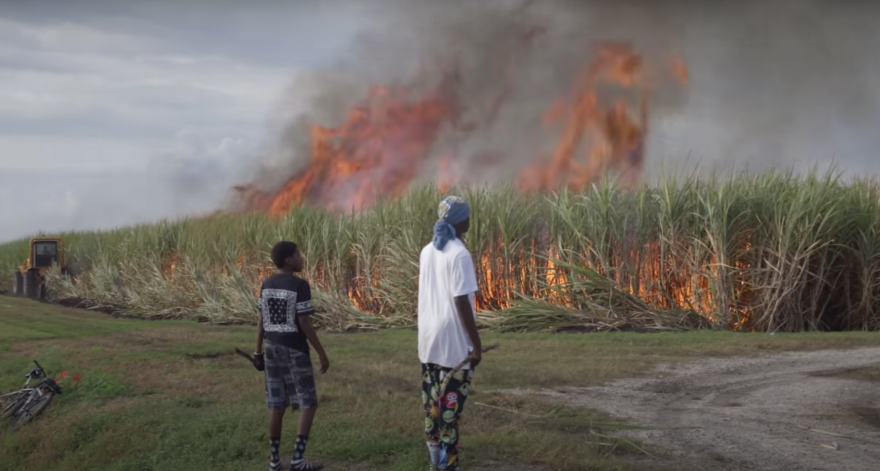
    The husband-and-wife duo’s filmed works about Pahokee and Belle Glade were of particular interest to Zaragoza, who is director of communications for the Glades Initiative community aid organization. Watching the couple’s documentary short, “The Rabbit Hunt,” about young African-American men hunting coneys in the Everglades, Zaragoza says he was “blown away by the artistry.”

    Bresnan, who divides his time between here and Austin, Texas, tells PureHoney that to have a film community in West Palm Beach, there needs to be a local film headquarters and year-round programming. The festival could jump-start both. He says a supportive local network of venues and restaurants — like Subculture Group’s — can also help a film festival really thrive.

    I Am SUS, the festival’s other producing partner, will showcase some of their cinematic work from the last five or six years. With members from Palm Beach County, the collective emphasizes Florida’s natural surroundings in their films.

    Ryan Kelly, the group’s cinematographer and film editor, sees the coming festival as further proof that West Palm Beach is holding its own culturally against Miami and other Florida cities (some with film festivals of their own). “There’s so much the city has to offer,” he says. “I think it’s slowly gaining traction.”

    The Subculture Film Festival runs Friday-Sunday March 18-20 at The Peach in West Palm Beach. subculturefilmfestival.com
  • Jazz in the Gardens Looks Back into R&B & Hip-Hop History

    Jazz in the Gardens Looks Back into R&B & Hip-Hop History

    Jazz in the Gardens started out in 2005 as a musical celebration of Miami Gardens (the city that houses Hard Rock Stadium). On Saturday, March 12 and Sunday, March 13 the festival will host its fifteenth edition. As in previous years, the 2022 line-up skews more r&b and hip-hop than jazz. Here’s a peek at some of their headliners. For more information and tickets click here to check out their website.

    Saturday, March 12

    The Roots

    Probably now most famous serving as the long time band on Jimmy Fallon’s The Tonight Show, The Roots revolutionized  the idea of playing actual instruments during a live hip-hop show.  When I interviewed their front man, Black Thought, years ago he said, “”What we were doing was alien in ’92. We were less than immediately accepted by our fans and peers. There was a different standard in hip-hop culture. A couple people, like Queen Latifah, would have a live drummer, but for us to be onstage with an upright bass looked and felt foreign. Sonically, we had to be that much more proficient with freestyles to get an audience.”

    The Isley Brothers

    This legendary r&b group started all the way back in 1954. The incarnation that will represent at Jazz in the Gardens features original Isley brother . Ronald, and younger brother Ernie who joined the group in 1969. If you don’t know their name, you know plenty of their songs like “Shout,” “This Old Heart of Mine,” and the immortal “It’s Your Thing”.

    Mary J. Blige

    This year’s Super Bowl halftime show had plenty of highlights, but some of the loudest screams were reserved for Mary J. Blige. Her Wikipedia page says  she’s often referred to as the “Queen of Hip-Hop Soul”. I’d never heard anyone refer to her as such but I have heard plenty of people karaoke to her multitude of ’90’s hits from “Real Love” to “Family Affair”.

    Sunday, March 13

    Rick Ross

    Miami’s own boss, is one of the most successful rappers to ever make his way out of the 305. When I spoke to him for The Jitney a few years back he gave a candid interview admitting that he hadn’t read the memoir that had his name on it. In that memoir Hurricanes, Ross (or his ghost writer) described his music as “Production that captured the allure and mystique of South Beach with lyrics that spoke to the other side of the bridge.”

    H.E.R

    The American R&B singer born as Gabriella Wilson was also almost born into stardom. At ten years old she was already playing Alicia Keys songs on piano on national tv.  After putting out a ton of singles, H.E.R. released h.e.r. first full length album last year Back of my Mind.

  • Roscoè B. Thické III Pays Attentive Homage to Life in Liberty Square

    Roscoè B. Thické III Pays Attentive Homage to Life in Liberty Square

    This essay was originally commissioned by Oolite Arts.

    An acute irony underlies the photographs of Roscoè B. Thické III in his first solo show, Order My Steps: There Are No Answers Here, Move On. At once succinct and meditative, the images reflect upon his life growing up in Liberty Square, a formerly segregated housing project in the Miami neighborhood of Liberty City. 

    Only by leaving home and country could he return with the vision to pay attentive homage to his experiences in Liberty Square, so notorious for its violent crime that the Miami Herald once dubbed it “Murder Square” in a 2014 headline. Scenes of its rectangular, one-story housing units in pastel shades, interspersed with wide lawns and trees, functioned almost like another character in the dazzling, Oscar-winning film Moonlight (2016), filmed for the most part in the project’s immediate surroundings.

    As Thické explains, it was a lengthy process for him to understand the deeply felt sense of home now permeating these photographs of Liberty Square, nicknamed “Pork ’n’ Beans,” and nearby Miami Gardens after being transplanted as a high school graduate to places radically different from the tightly knit community of family and friends he had known since childhood.  

    His departure from Miami and return were transformative. “Going away made me realize I am from a beautiful place. It’s what I call home. It’s what resonates in my soul,” he says. 

    Stationed in South Korea with the U.S. Army, Thické bought his first camera in Seoul, where he took photography classes. The ability to document unfamiliar surroundings ignited his passion to record people and places from his own curious point of view. When he returned to Miami from the military and a stint with the State Department in Washington, DC, he studied with the internationally exhibited photographer and installation artist Teresa Diehl at Broward College.  

    These experiences prepared him to portray his home turf as it now undergoes a dramatic reset. A multimillion-dollar plan is bringing new economic life to Liberty City, transforming Liberty Square with upgraded, affordable apartments. 

    The once praiseworthy and later troubled history of Liberty Square is embedded in his photography. Built in 1937 as part of President Franklin Roosevelt’s “New Deal,” Liberty Square occupies twenty acres in central Miami. With over 700 identical housing units, it was initially designed for middle-class Blacks as a nexus for upward mobility. But many residents fled in the 1970s and ’80s following extreme violence. 

    Order My Steps invites us inside a persevering yet fragile Black community that Thické fears could be seriously diminished in gentrifying Miami. On a more compact scale, he is working in the tradition of artists like LaToya Ruby Frazier, combining his art with an activist spirit.

    Several of Thické’s photographs document places in Miami Gardens and Liberty Square that he now sees as a trap, enclosing residents with few opportunities to grow and accumulate sustainable wealth while staying in Miami. Throughout these images are signs of a confining infrastructure: barely opened doors, windows covered with bars, and electric fans, signifying the lack of air conditioning for many during Miami’s stifling summer season. Glimpses of sunshine and greenery are distorted from being photographed from inside darkened interiors. 

    The claustrophobic quality in some images is leavened by the grace and resilience in others. Altogether, these vignettes unfold a nuanced tale of Thické’s made-only-in-Miami past and present.  

    His series title 1402 Pork N Bean Blue refers to the address of his late grandmother’s blue-painted, five-bedroom home in Liberty Square. We see his aging grandmother, whom Thické says was a revered community matriarch, in the cozy living room where the photographer fondly remembers gathering with his large extended family for years. And we see his relatives gathered once more for a remembrance ceremony a year after her death. We see the empty yellow chair where she sat on her porch to watch generations of children playing. This scene is a vivid witness to the passing of a tradition treasured by those living for years in a place little understood or valued by the rest of the city. 

    Powerfully evoking an absent bodily presence is a technique Thické repeats in The Flea, a work documenting a now-demolished landmark from his childhood—the Carol Mart flea market in Miami Gardens. The image shows the market shuttered at night, security lights blazing. No one is around, though a lone bicycle stands in the empty parking lot, centered just below the market’s signage. With its spare, geometric composition, The Flea creates a sense of urban loneliness amid a place once bustling with commerce that briefly recalls a classic Edward Hopper painting, Early Sunday Morning. 

    These photographs are textured with Thické’s ambivalence about the gentrification changing his childhood haunts. Are smaller, new apartments with shiny amenities really an improvement over larger homes? The artist is circumspect, his photographic homage an attempt to preserve time and feeling. “Communities are lost, back yards, front yards, being able to meet with your neighbor on your porch,” he says. “These apartments don’t have it.”